Esiweni Luxury Safari Lodge

Clifftop elegance defines Esiweni Luxury Safari Lodge Memorial Gate, where just five suites overlook Nambiti Private Game Reserve's Big Five territory. This Relais & Châteaux property combines intimate safari experiences with Parisian-influenced cuisine and an award-winning South African wine program, creating Memorial Gate's most exclusive wilderness sanctuary.
Pearl is the En Primeur Club membership app — saves, bookings, and concierge access live there. Same editors, same standards.
- Address
- Modimolle, 8870, South Africa
- Phone
- +27 82 821 3202
- Directions
- Get directions
 Saves & bookings on Pearl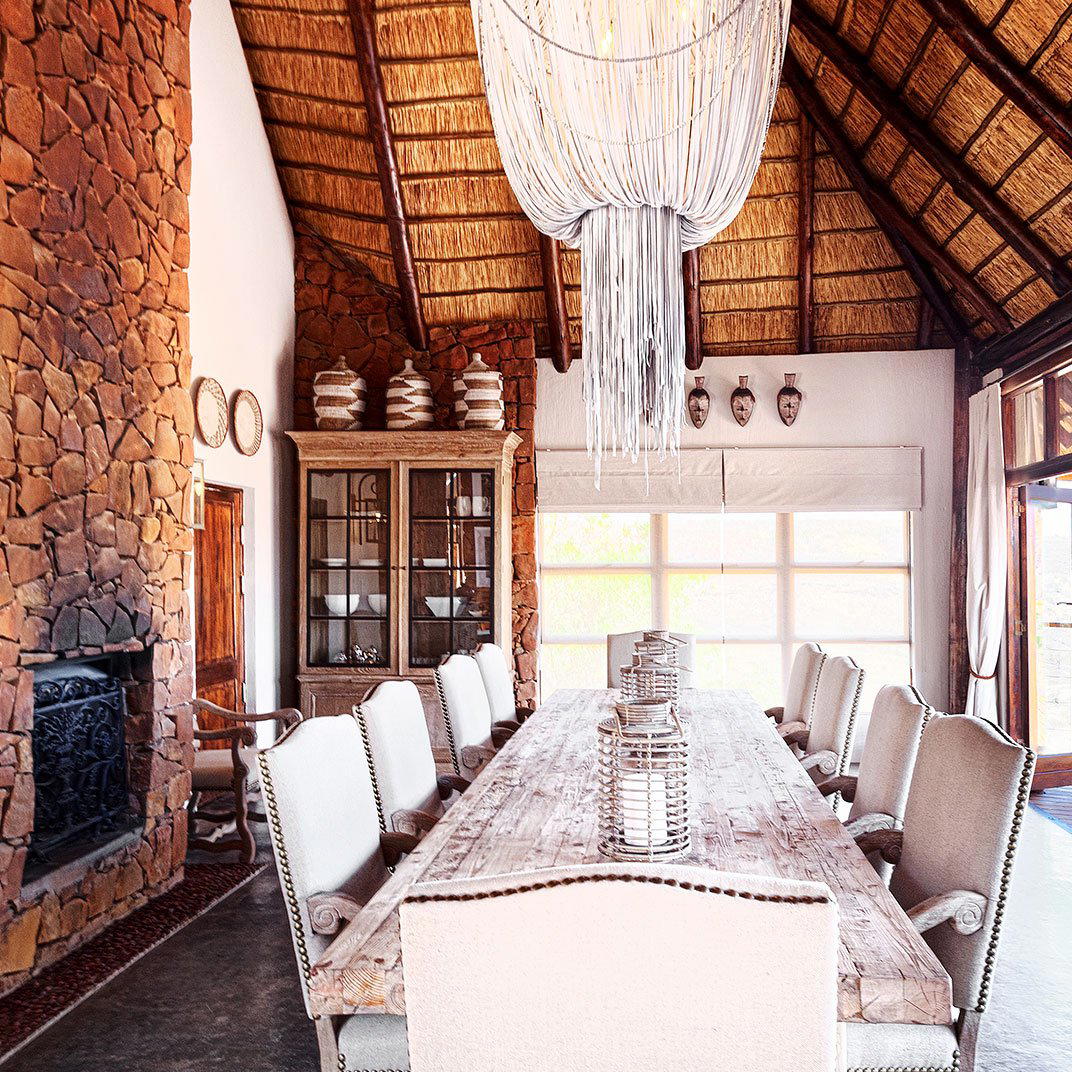
Where the Bushveld Sets the Agenda
Arriving at Nambiti Private Game Reserve, the scale of the landscape makes any architectural statement feel beside the point. The reserve sits in the KwaZulu-Natal midlands, roughly 300 kilometres from Durban's King Shaka International Airport and 400 kilometres from OR Tambo in Johannesburg, accessible by road via Ladysmith and Newcastle or directly by light aircraft at the Nambiti airstrip. Esiweni Luxury Safari Lodge occupies this terrain, and the setting places you inside a working wilderness before you have crossed the threshold.
Suites with private terraces are the structural logic of the experience here. The views from those terraces are not a backdrop; they are the primary content of each day. South Africa's private reserve model has split between high-density lodges that absorb large groups and smaller, more deliberate properties where the ratio of guests to landscape stays low enough to feel personal. Esiweni sits in the latter category, where the arrangement of space is calibrated to keep the reserve at the centre of attention rather than the facilities themselves.
Safari Cuisine in the KwaZulu-Natal Tradition
The category called safari cuisine occupies a specific position in South African hospitality. It does not compete with the tasting-menu formats at Fyn in Cape Town or the wine-country dining at Le Quartier Français in Franschhoek. It functions instead as a component of a total environment, timed around game drives and bush walks.
Chef John Roux leads the kitchen at Esiweni. In the private reserve context, the chef's role is shaped by constraints and possibilities that urban kitchens do not share: supply logistics dictated by distance from major centres, a guest base that cycles through on short stays, and an expectation that the food should connect to place rather than perform against an abstract international standard. The lineage of South African safari cooking draws on braai culture, slow preparations suited to open-fire techniques, and the use of proteins and produce that reflect the region.
For reference against South Africa's wider fine-dining context, properties such as Londolozi Game Reserve in Kruger National Park and Jabulani Safari in Hoedspruit represent the tier at which food and setting are treated as equally weighted parts of the stay. Klein Jan in the Kalahari takes that integration further still, with a format built almost entirely around indigenous and foraged ingredients. Esiweni's position on the Nambiti reserve places it in the KwaZulu-Natal version of this tradition, where the midlands terrain and the game reserve's specific ecology provide the editorial frame for what appears on the table.
Wildlife Safaris as the Primary Programme
The lodge offers wildlife safaris in a private conservancy with Big Five access. The distinction between private reserve access and national park access matters to guests making a first safari decision: private reserves typically allow off-road driving and night drives that national parks restrict, and the guide-to-guest ratio at a lodge like Esiweni is substantially closer than what a self-drive park visit provides.
South Africa's private game reserve sector has developed its most concentrated infrastructure in the Sabi Sands and Greater Kruger corridor, but KwaZulu-Natal reserves including Nambiti operate on a comparable model at different price points and with different wildlife profiles. The altitude and grassland character of the midlands produces a distinct environment from the lowveld, and guests who have experienced one will find the other meaningfully different rather than redundant.
The KwaZulu-Natal midlands experience a dry winter season from May through August when vegetation thins and animal movement concentrates around water sources, making sightings more predictable. The summer months bring green, dramatic landscapes and active birdlife, but thicker bush reduces visibility. Neither is categorically superior; they produce different experiences, and the choice should reflect what the traveller is trying to see.
Placing Esiweni in the Broader South African Context
South Africa's premium hospitality offer spans a range from urban fine dining to wilderness immersion, and the two categories intersect less than the marketing language of luxury travel sometimes implies. Properties like Delaire Graff Lodges and Spa in Helshoogte Pass and Ellerman House in Bantry Bay deliver premium food and wine experiences anchored in the Cape's viticulture and coastal identity. Morukuru Family De Hoop in De Hoop Nature Reserve positions itself at the intersection of conservation and high-end accommodation in the Western Cape. Esiweni's comparable set is defined instead by the KwaZulu-Natal game reserve corridor and the particular combination of Big Five access, private-terrace suites, and the intimacy of a lodge built for a small guest count.
Gigi in Johannesburg represents the kind of city dining that pairs logistically with a KwaZulu-Natal extension, given OR Tambo's 400-kilometre road connection or light aircraft access to the Nambiti airstrip. The combination of an urban night and a bush stay within a single itinerary is how most international guests structure the KwaZulu-Natal portion of a South Africa trip.
South Africa's dining scene also connects outward: the technical ambition of Wolfgat in Paternoster and the precision of Dusk in Stellenbosch mark out how far the country's kitchen talent has developed, and a visitor who has experienced the bush-camp meal format at Esiweni will find those references useful for calibrating what South African cooking is doing across its different registers.
Planning the Stay
Access is most direct by light aircraft to the Nambiti airstrip, which sits at GPS coordinates -28.4406, 30.0189, placing arrivals directly on the reserve. Road access runs via Ladysmith or Newcastle, with Durban the nearest major hub at approximately 300 kilometres and Johannesburg at approximately 400 kilometres.
At-a-Glance Comparison
Comparable venues nearby, for context on price, style, and recognition.
| Venue | Cuisine | Price | Notes |
|---|---|---|---|
| Esiweni Luxury Safari LodgeThis venue — the venue you are viewing | Modern African Fine Dining | $$$$ | Not listed |
| Morukuru Family Madikwe | Creative African Bush Cuisine | $$$$ | Madikwe Game Reserve |
| Curate | Modern South African Fine Dining | $$$$ | Bantry Bay |
| Greenhouse Restaurant Constantia | Modern African Fine Dining | $$$$ | Constantia |
| The 11th Floor | Mediterranean-Inspired Fine Dining | $$$$ | Bedfordview |
| Sabi Sabi | Contemporary African Fine Dining | $$$$ | Melrose Estate |
Recognition history
Dated appearances from independent guides and award organizations, with the underlying list record or original source where available.
Relais Chateaux Award
Relais Chateaux
Relais Chateaux Award
Relais Chateaux
Continue exploring
More in Memorial Gate
Restaurants in Memorial Gate
Browse all →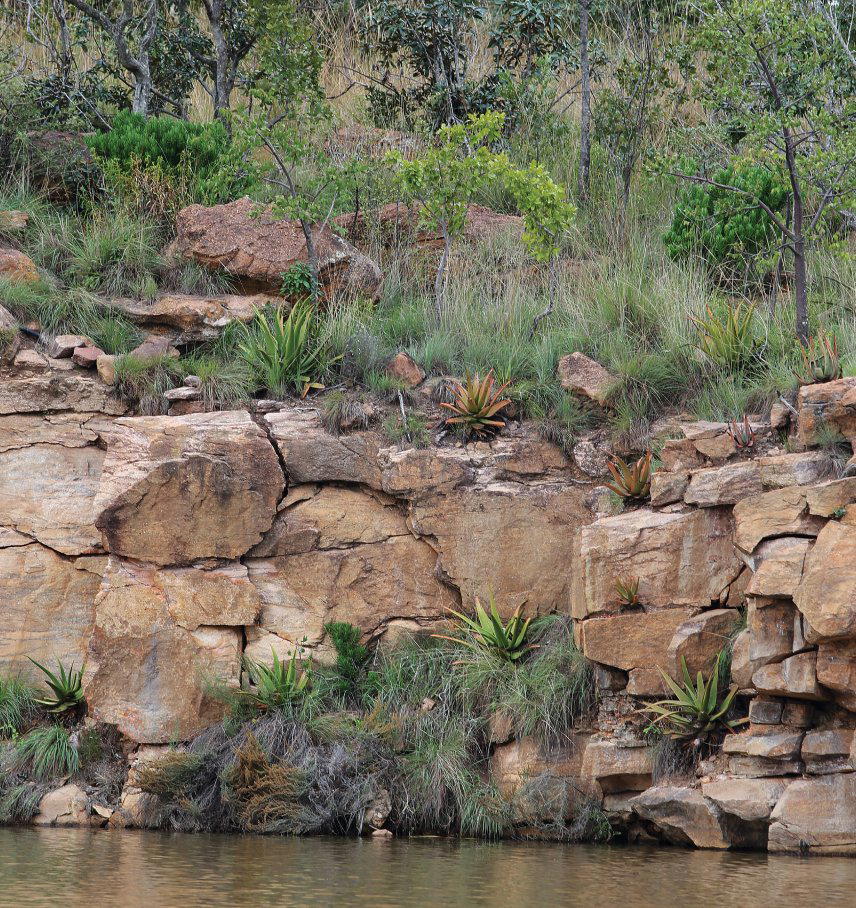
Hotels in Memorial Gate
Browse all →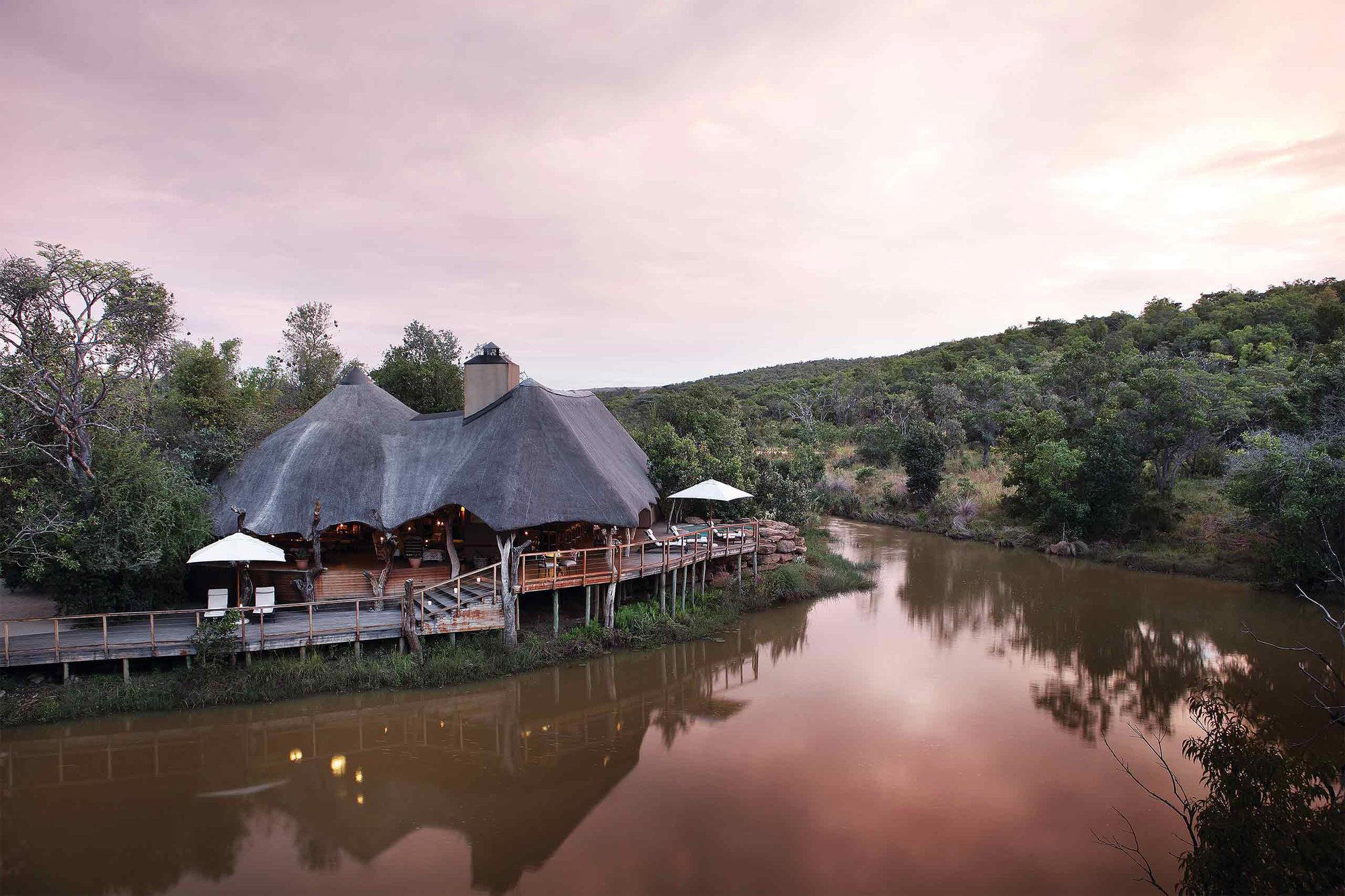
At a Glance
- Romantic
- Elegant
- Scenic
- Intimate
- Ornate
- Sophisticated
- Honeymoon
- Special Occasion
- Celebration
- Panoramic View
- Hotel Restaurant
- Local Sourcing
- Mountain
Current opening hours
- Monday
- 6 AM–10 PM
- Tuesday
- 6 AM–10 PM
- Wednesday
- 6 AM–10 PM
- Thursday
- 6 AM–10 PM
- Friday
- 6 AM–10 PM
- Saturday
- 6 AM–10 PM
- Sunday
- 6 AM–10 PM
Hours can change for holidays and private events. Last verified .
Peaceful and tranquil atmosphere with dramatic panoramic bush views, attentive French table service, and cozy heated interiors enhanced by daily surprises and fireside gatherings.