The Granary Café
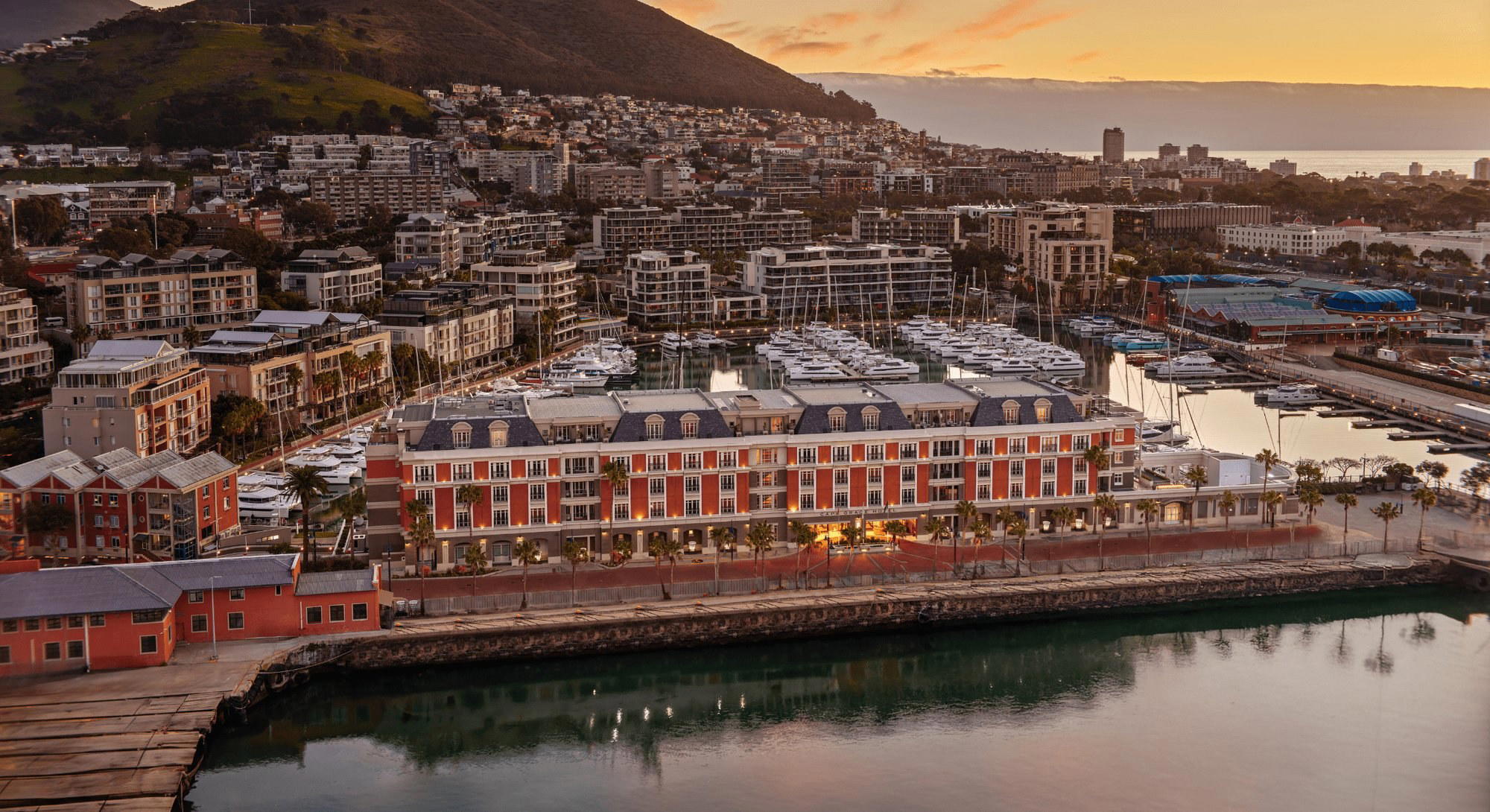
Positioned at the Victoria & Alfred Waterfront, The Granary Café sits within one of Cape Town's most frequented public precincts, where the line between casual dining and considered cooking is frequently contested. For a city that increasingly applies global technique to indigenous ingredients, it represents the accessible end of that conversation, where the Waterfront's footfall meets a more deliberate approach to what ends up on the plate.
Pearl is the En Primeur Club membership app — saves, bookings, and concierge access live there. Same editors, same standards.
- Address
- Victoria & Alfred Waterfront, Cape Town, 8001, South Africa
- Phone
- +27 21 670 0500
- Website
- theroyalportfolio.com
- Directions
- Get directions
 Saves & bookings on Pearl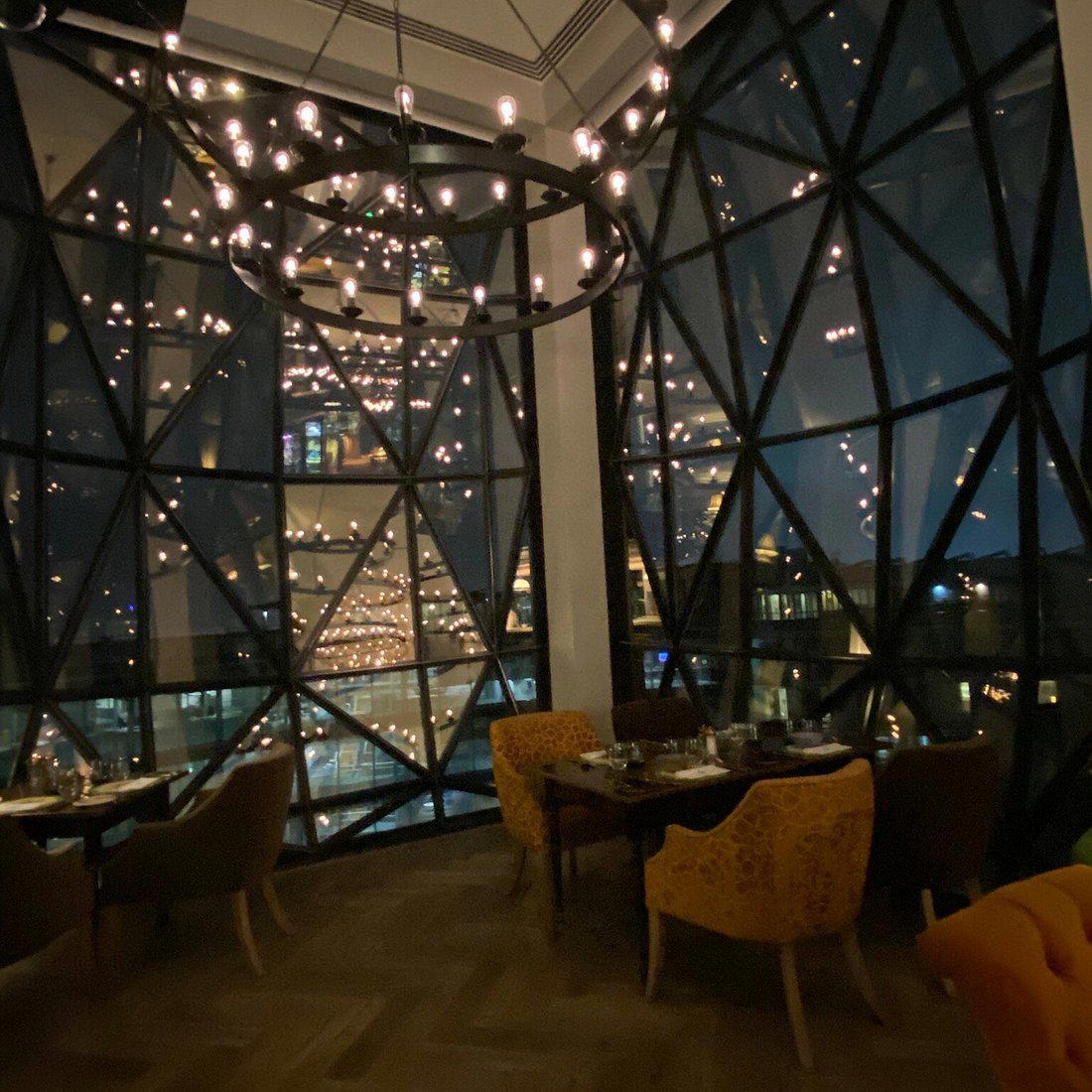
Where the Waterfront Meets the Plate
Cape Town's Victoria & Alfred Waterfront is among the more heavily trafficked dining destinations on the continent, and that density creates a specific editorial challenge: most visitors eat there because they are already there, not because they sought it out. The precinct's restaurants exist on a spectrum from purely transactional, capturing foot traffic from the hotels, ferries, and retail complex, to genuinely considered, where the address happens to be Waterfront but the cooking could hold its own elsewhere in the city. The Granary Café occupies this address as a Contemporary International restaurant in Cape Town, priced at about $65 per person.
That broader movement, local ingredients processed through imported method, is the defining tension in South African fine and casual dining right now. At the furthest reaches of that conversation sit places like Fyn, where Cape produce meets Japanese precision, and La Colombe, where classical French architecture is rebuilt around South African seasonal produce. Further down the formality register, the same logic applies: the question is not whether to cook locally, but how much technique to layer on leading.
The V&A; Waterfront in Dining Context
The Waterfront precinct was redeveloped in the early 1990s around a working harbour, and its dining offer has tracked the city's evolution from post-apartheid tourist infrastructure to a more self-confident culinary identity. For two decades, the precinct defaulted to international chain formats and steakhouses calibrated to overseas visitors. The shift toward more locally rooted dining arrived later here than in the City Bowl or the Southern Suburbs, where restaurants like Salsify at the Roundhouse and The Test Kitchen have set a different kind of benchmark.
The result is that Waterfront dining still requires more careful navigation than, say, De Waterkant or Woodstock, where the editorial curation tends to be sharper. Visitors with only one or two serious meals in Cape Town often allocate them to restaurants in those neighbourhoods, or to the Winelands corridor that begins less than an hour east of the city. Le Quartier Français in Franschhoek and Bread & Wine Vineyard Restaurant in Stellenbosch represent the kind of destination-driven dining that pulls people out of the city entirely. The Waterfront, by contrast, serves the visitor who is already there, and the question is whether a given restaurant uses that captive audience as an excuse for lower ambition, or as an opportunity to introduce a broader public to better cooking.
The Local-Technique Intersection at Accessible Price Points
Across Cape Town, interesting cooking is happening at the intersection of deep local knowledge and externally acquired technique. This is not a new observation globally, it describes the trajectory of cooking in cities from Copenhagen to Mexico City over the past fifteen years, but South Africa brings specific raw material advantages that make the formula particularly compelling. The Cape's fishing grounds produce species that appear nowhere else; the Karoo interior yields lamb with a flavour profile shaped by semi-arid scrubland grazing; and the fynbos biome, one of the world's most biodiverse floral kingdoms, contributes aromatics that don't translate directly into any European culinary tradition.
Kitchens that take this seriously, as Wolfgat in Paternoster has done with strandveld forage, or as Klein Jan in Moshaweng Nu does with Kalahari produce, tend to be destination-led, operating well outside the city. The contribution of a Waterfront café, operating at a more accessible price point and higher volume, is different: it brings the local-ingredient conversation to an audience that may encounter it for the first time. That role has value in the ecosystem, even if it sits several tiers below the high-technique, low-capacity end of the market.
Maintaining cooking integrity inside a high-footfall tourist precinct requires clear intent. The answer usually involves anchoring the menu in something the location can do credibly: a fish offer tied to proximity to a working harbour, a bread and grain program that earns the name above the door, or a breakfast and brunch format that rewards the early riser before the precinct crowds arrive. Venues like 95 at Parks in Cape Town demonstrate how a more considered format can operate at mid-market price points without sacrificing editorial purpose.
Planning a Visit
The Victoria & Alfred Waterfront is walkable from several of the precinct's hotels and accessible by the City Sightseeing bus network that connects it to the City Bowl and the Atlantic Seaboard. The harbour-facing position means mornings and early afternoons carry a different character to evening service, when the precinct draws a mix of hotel guests, post-office workers from the nearby business district, and visitors returning from Robben Island ferry crossings. Timing a visit to the quieter mid-morning window typically means a different atmosphere to the peak lunch and dinner rush that defines the Waterfront's busier service periods.
Those building a multi-day food itinerary around Cape Town should treat the Waterfront as part of a broader map rather than its centre of gravity. The highest-concentration dining in the city by critical recognition sits in Constantia, Woodstock, and the Atlantic Seaboard, with La Colombe and Fyn representing the two dominant poles of ambitious Cape Town cooking. Day trips to the Winelands, where restaurants like Wolfgat in Saldanha Bay and La Sosta Restaurant in Swellendam operate at a slower pace, reward visitors willing to leave the city's tourist core. For those tracking South Africa's dining scene beyond the Cape, EAT YOUR HEART OUT in Hillbrow and Foundry in Sandton map Johannesburg's parallel conversation about local produce and global technique.
Same-City Peers
Comparable venues nearby, for context on price, style, and recognition.
| Venue | Cuisine | Price | Notes |
|---|---|---|---|
| The Granary CaféThis venue — the venue you are viewing | Contemporary International | $$$$ | Not listed |
| Amura at Mount Nelson | Marine-inspired Spanish seafood fine dining | $$$$ | Gardens |
| Greenhouse Restaurant Constantia | Modern African Fine Dining | $$$$ | Constantia |
| Harbour House | Modern Seafood with Sushi | $$$$ | Schotschekloof |
| Greenhouse, Constantia | Modern South African Fine Dining | $$$$ | Constantia |
| The Roundhouse | Modern South African Fine Dining | $$$$ | Clifton |
Continue exploring
More in Cape Town
Restaurants in Cape Town
Browse all →

Bars in Cape Town
Browse all →
Hotels in Cape Town
Browse all →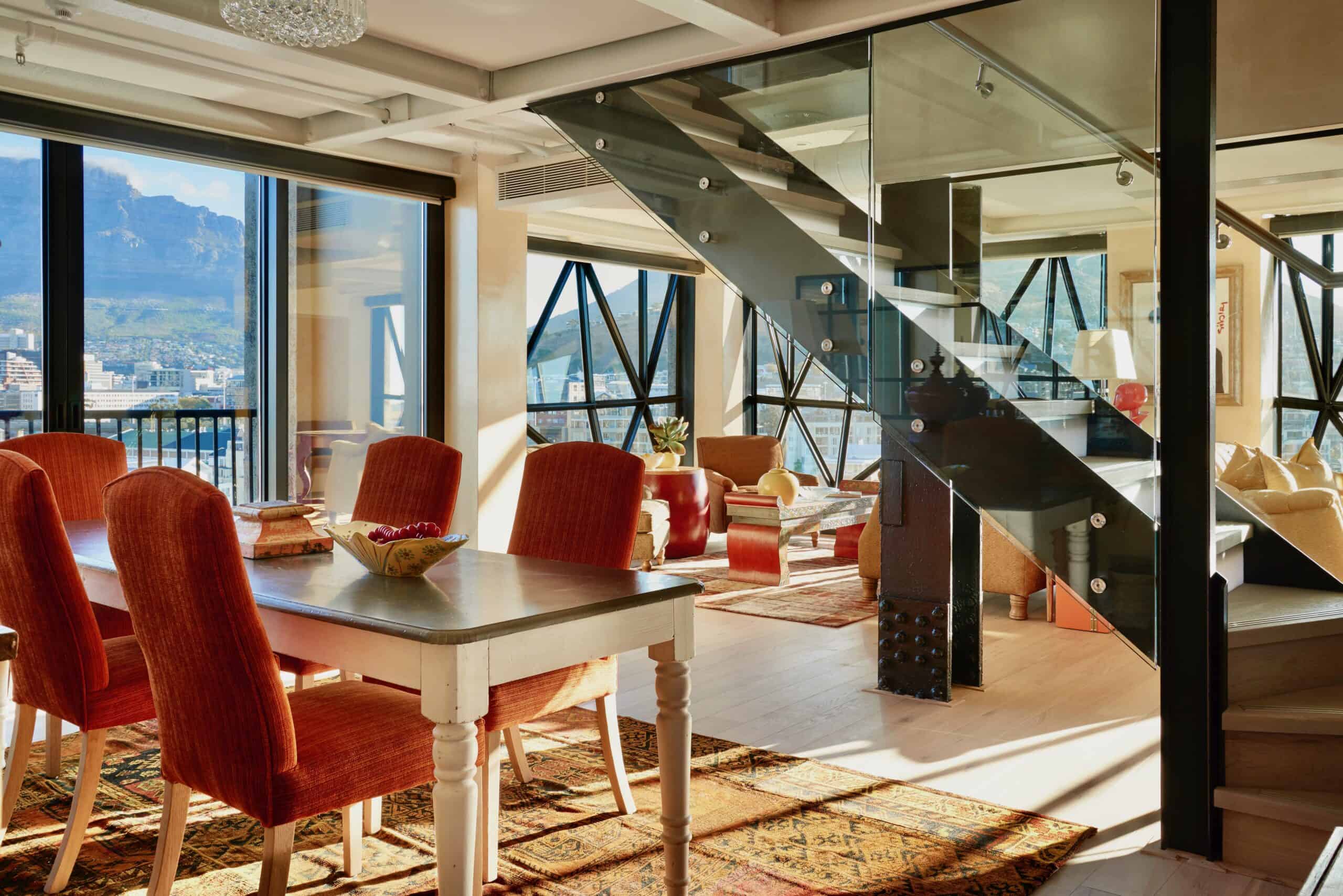
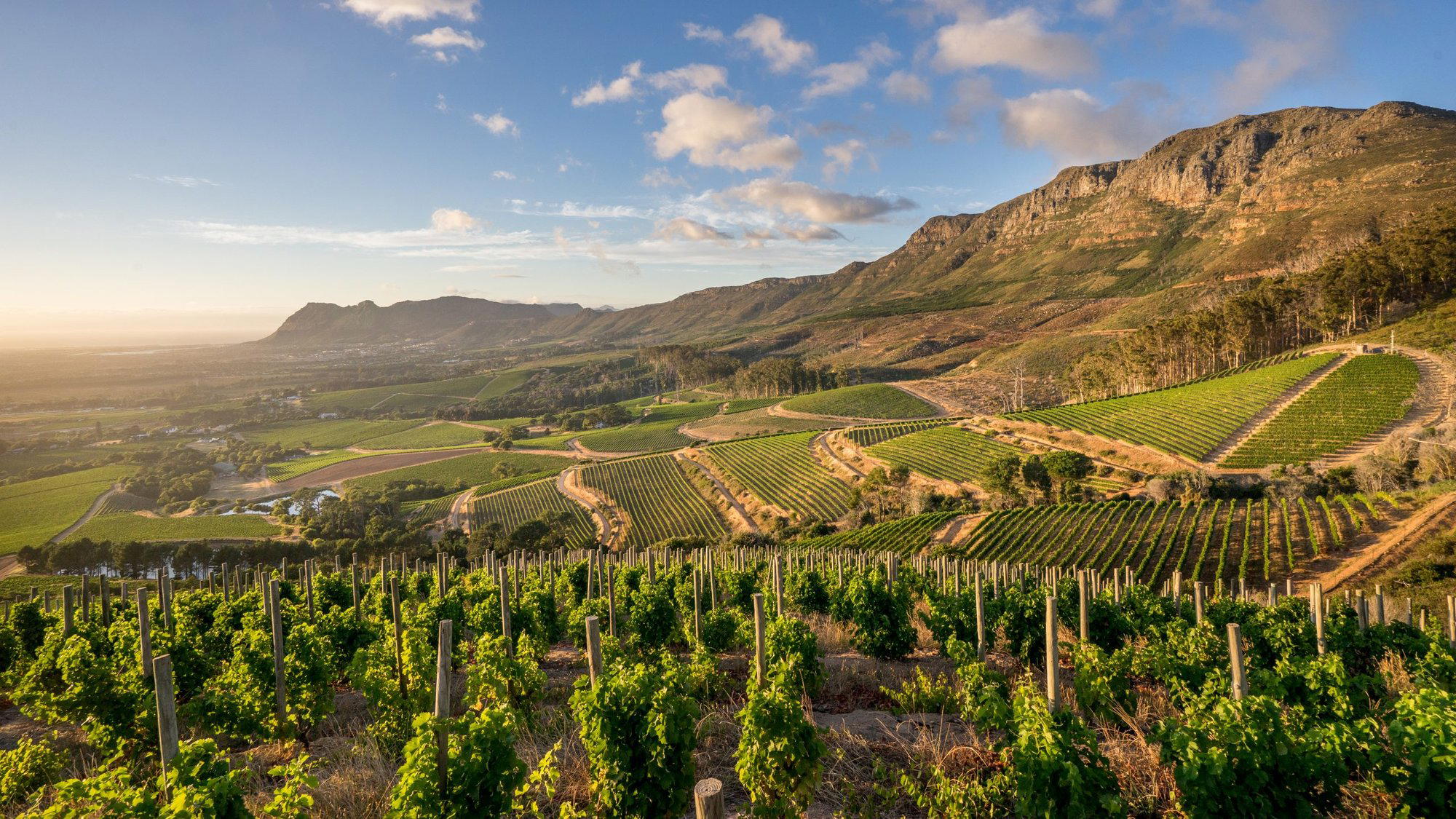
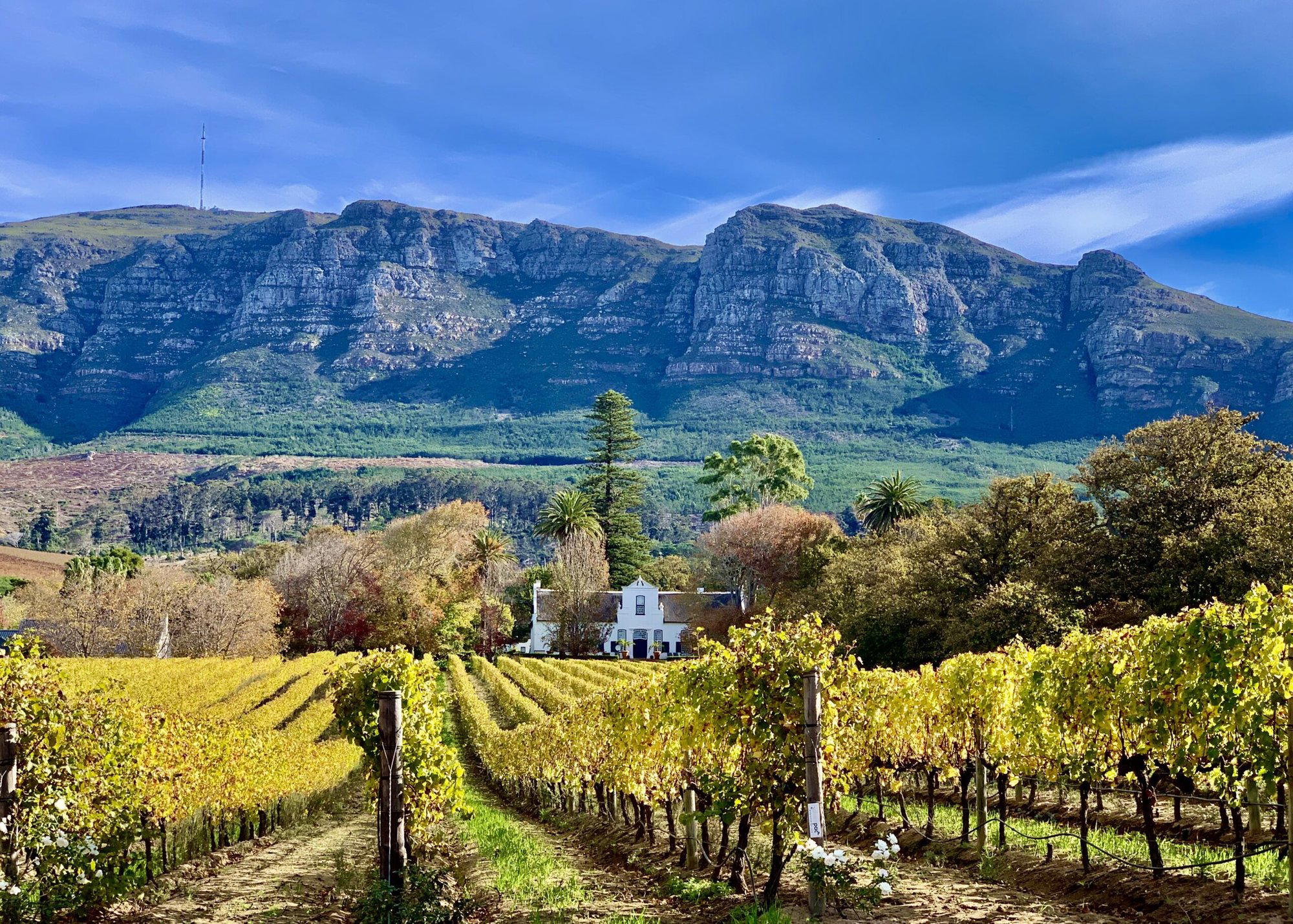
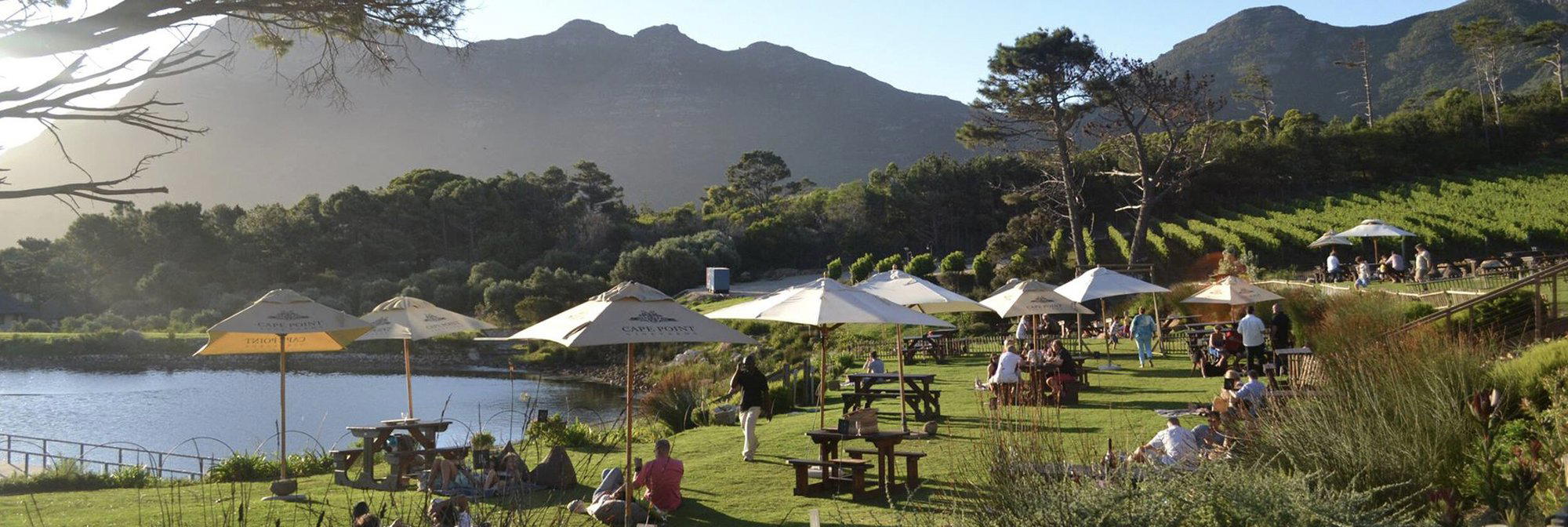
At a Glance
- Romantic
- Elegant
- Sophisticated
- Scenic
- Date Night
- Brunch
- Special Occasion
- Celebration
- Rooftop
- Live Music
- Waterfront
- Panoramic View
- Hotel Restaurant
- Design Destination
- Extensive Wine List
- Craft Cocktails
- Local Sourcing
- Waterfront
- Skyline
Current opening hours
- Monday
- 12–9:30 PM
- Tuesday
- 12–9:30 PM
- Wednesday
- 12–9:30 PM
- Thursday
- 12–9:30 PM
- Friday
- 12–9:30 PM
- Saturday
- 12–9:30 PM
- Sunday
- 12–9:30 PM
Hours can change for holidays and private events. Last verified .
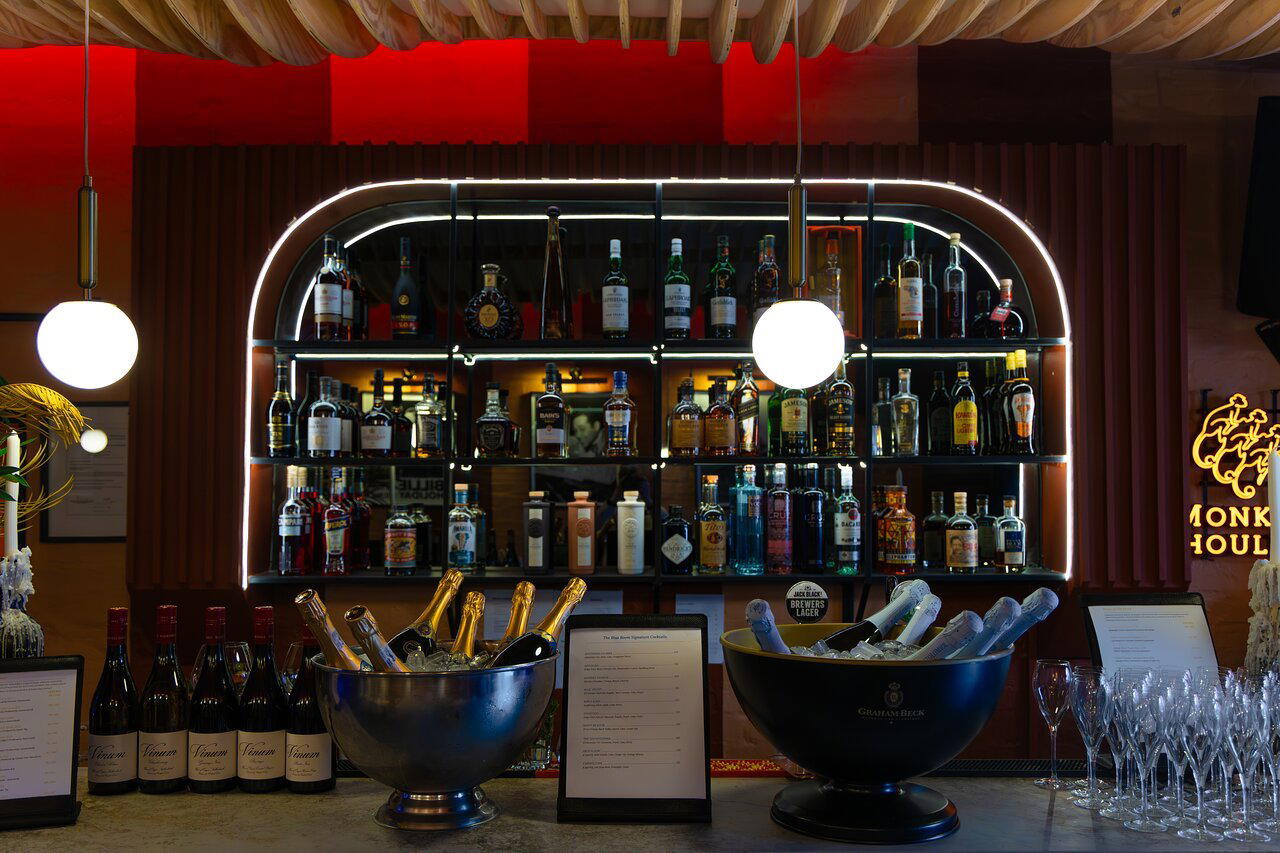
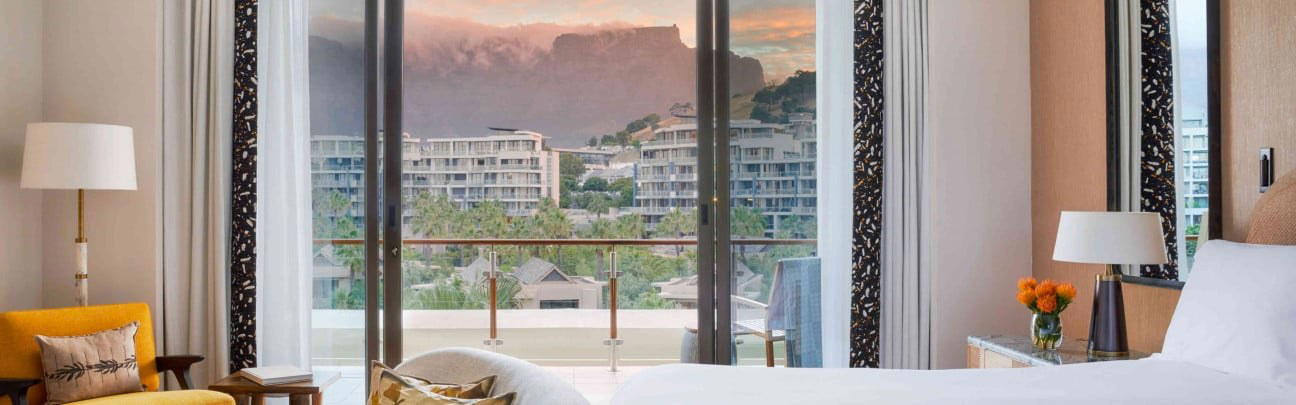
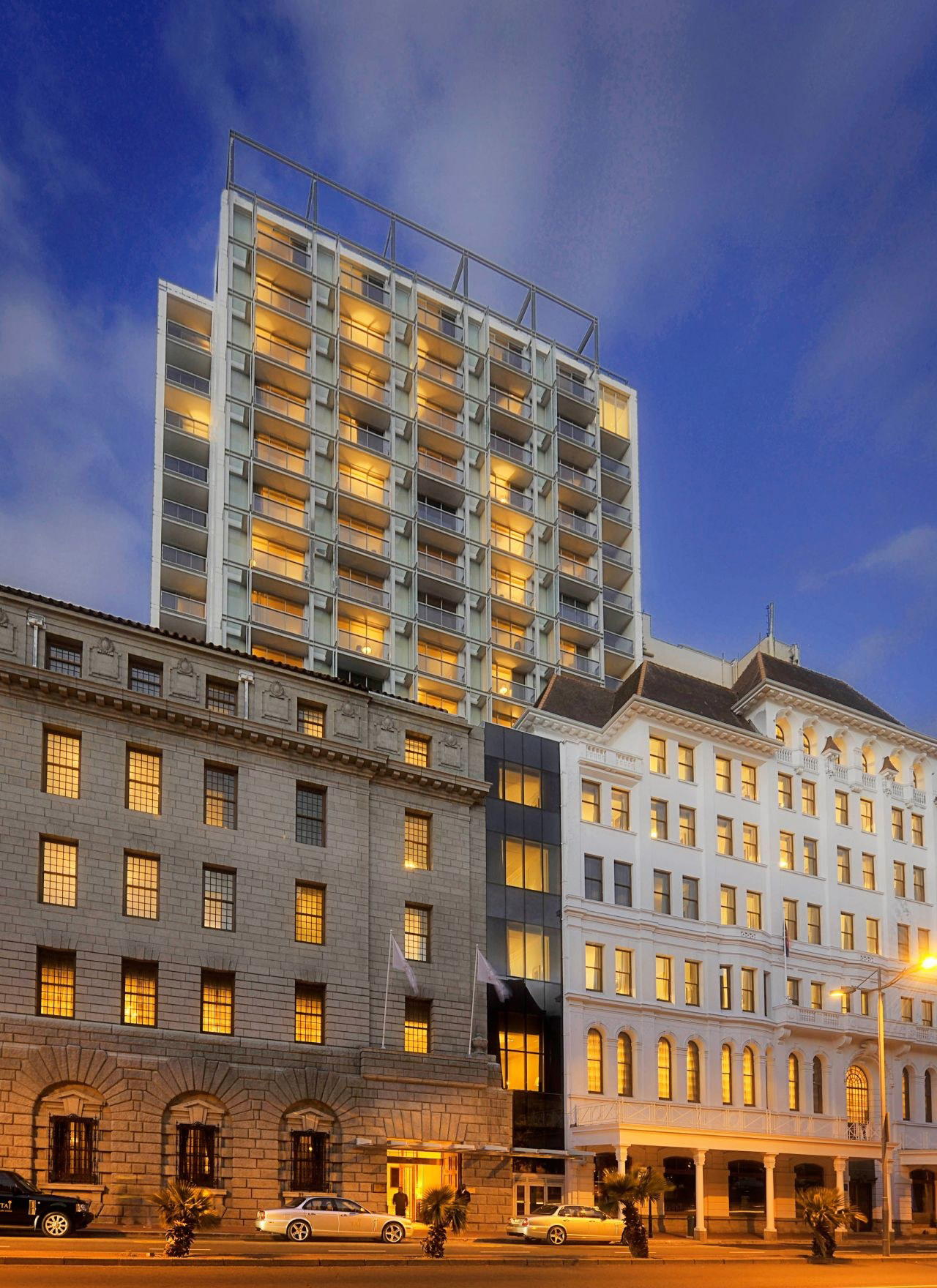
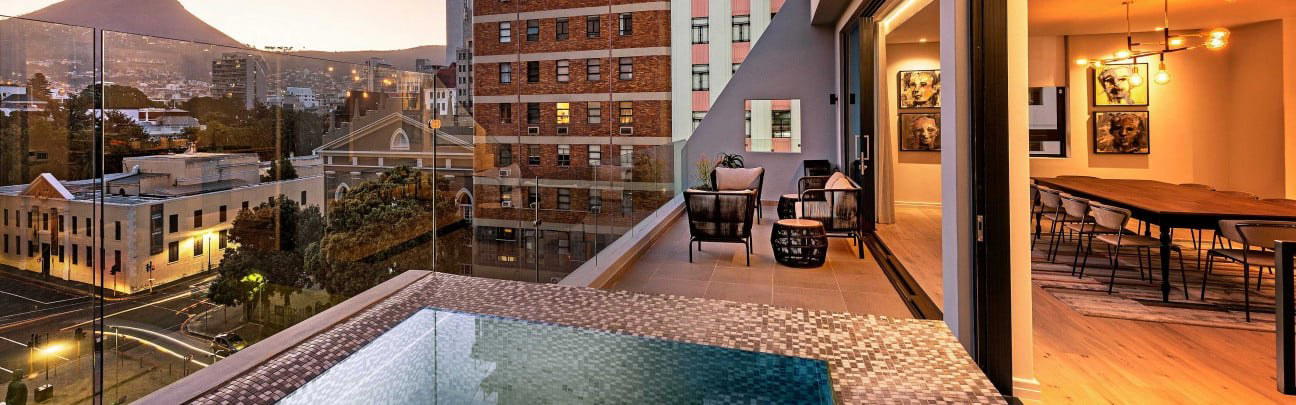
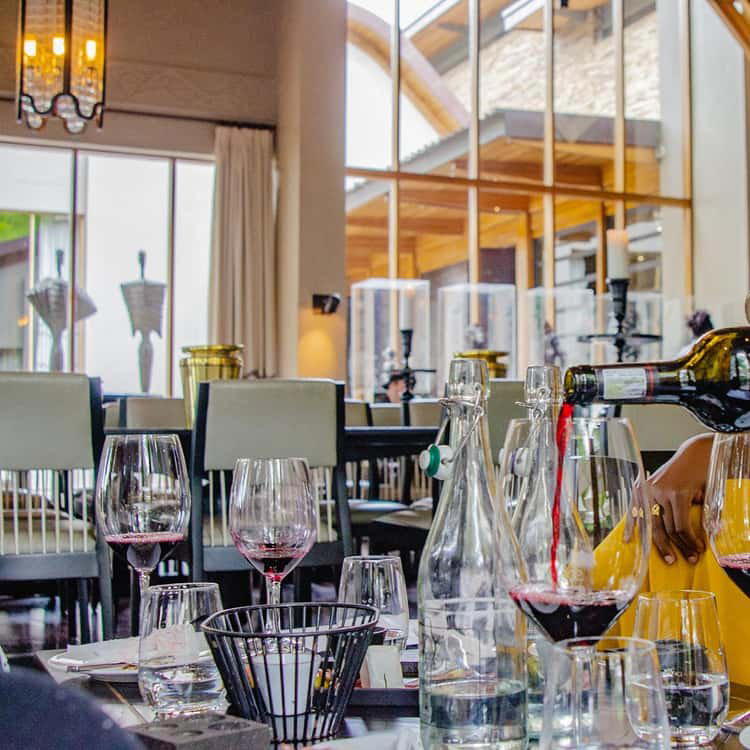
Tastefully decorated with sparkling geometric windows offering spectacular sunset views; sophisticated and romantic atmosphere with warm hospitality and live guitar music during brunch service.