Cape Point Vineyards

Falstaff Winery - Listed
Cape Point Vineyards sits at the southern edge of Cape Town's wine corridor in Noordhoek, where the Atlantic influence shapes growing conditions distinct from the Constantia Valley properties to the north..

Pearl is the En Primeur Club membership app — saves, bookings, and concierge access live there. Same editors, same standards.
- Address
- Silvermine Rd, Noordhoek, Cape Town, 7985
- Phone
- +27 21 789 0900
- Website
- cpv.co.za
- Directions
- Get directions
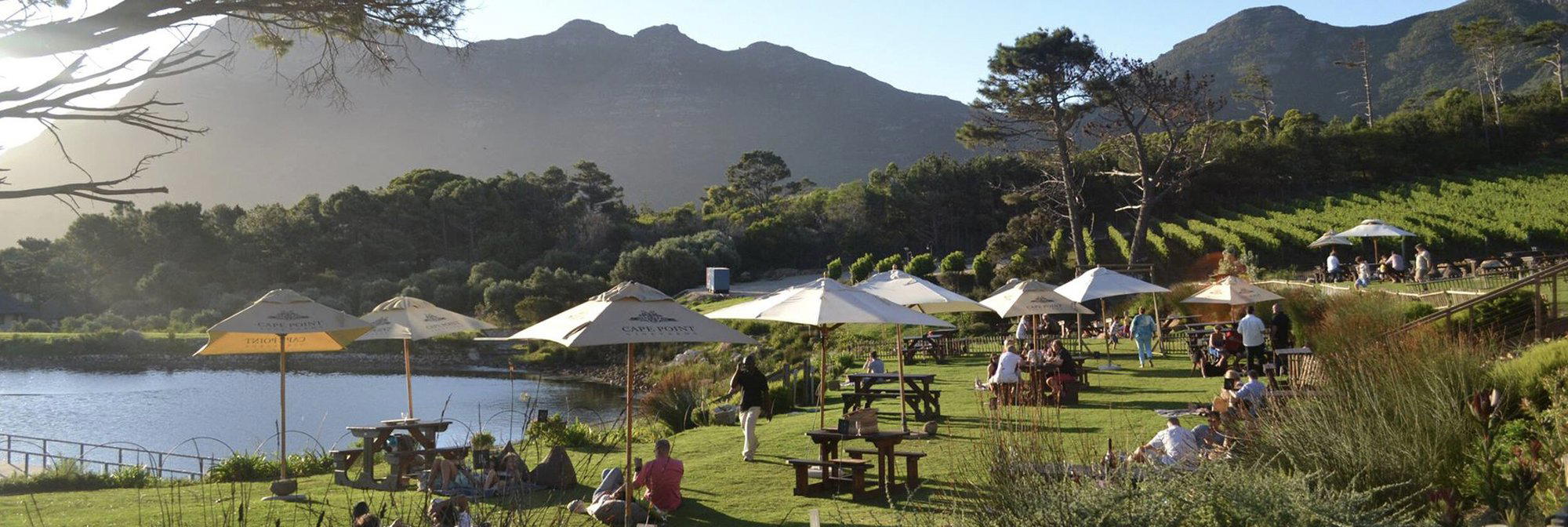
Where the Peninsula Ends and the Vines Begin
The drive to Noordhoek along Silvermine Road signals a shift that most Cape Town wine itineraries miss. By the time the road descends past the nature reserve and the valley opens up toward the Atlantic, you are operating outside the familiar Constantia corridor — outside the well-worn circuit of Constantia Glen, Groot Constantia, and Beau Constantia that anchors most visitors' wine days. Cape Point Vineyards occupies this southern fringe, where the Cape Peninsula's mountain spine meets the ocean on two sides and the growing conditions carry a maritime edge that marks the wines as distinctly different from those produced eight kilometres north.
This geography is the first thing worth understanding about Cape Point Vineyards. The estate sits within one of South Africa's coolest wine-producing zones. Ocean winds off the Atlantic keep temperatures lower than in the Stellenbosch or Robertson valleys; the growing season stretches longer; and the soils, weathered from the same Table Mountain Sandstone formation that defines much of the Peninsula, drain freely and force vines to work for their fruit. That combination produces wines with structural tension that the Constantia estates — already among the Cape's cooler properties, don't quite replicate. It's a sub-regional story the South African wine trade has been telling with increasing confidence over the past decade.
The Cape Peninsula Wine Zone in Context
South Africa's wine geography rewards specificity. The Western Cape's Wine of Origin system designates Cape Point as its own district, distinct from Constantia, and that designation is earned rather than administrative. The cool coastal influence here is not a marketing position, it's measurable in the way whites retain acidity and in the lean structural profile that cooler-climate grapes develop when the growing season extends under Atlantic influence. For comparison: Buitenverwachting, working slightly different soils in the Constantia Valley, produces wines in a notably richer register. The difference is instructive for anyone trying to understand what Cape Point as a district actually means.
Estates such as Creation Wines in Hermanus and Vergelegen Wine Estate in Somerset West operate in adjacent quality conversations, each anchored to a specific coastal or mountain geography. Cape Point Vineyards' position at the tip of the Peninsula gives it a terroir argument that is genuinely difficult to replicate elsewhere in the Cape winelands.
Sense of Place at Noordhoek
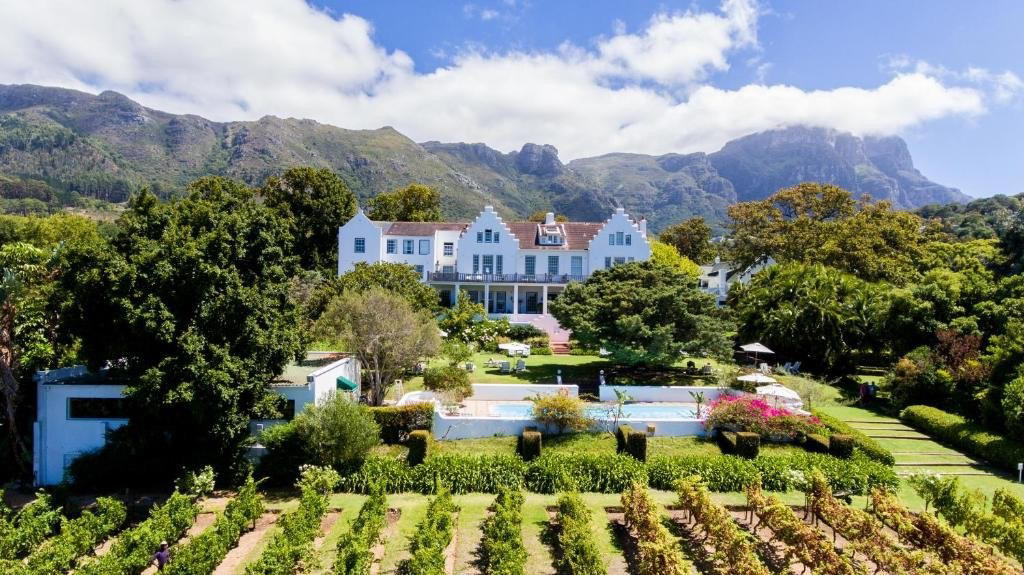
Visitors arriving from Cape Town, roughly 35 kilometres south of the city centre along the coastal road past Hout Bay and Chapman's Peak, encounter a setting that operates on a different scale to the formal estate experiences of the Winelands proper. Noordhoek is still a working agricultural valley, and the vineyard sits within that context rather than above it. The Chapman's Peak Drive approach, one of the more dramatic coastal roads in Southern Africa, delivers the geography before the wine does: Atlantic below, mountain above, the valley floor green against a backdrop that shifts with weather and season.
That physical approach matters editorially because it shapes the register of the experience. Properties like Babylonstoren in Franschhoek have built destination hospitality experiences around formal gardens and structured programming. Cape Point Vineyards operates from a different base, the draw is fundamentally about the place and the wines it produces, positioned within a valley that retains a degree of remove from the tourist infrastructure of the Winelands proper. For travellers already familiar with the Stellenbosch circuit or looking past the main Franschhoek and Paarl estates (see also Val de Vie Estate), this represents a meaningful shift in tone and geography.
Planning a Visit
The Wider Cape Winelands Frame
Understanding Cape Point Vineyards is easier when it's placed against the breadth of South Africa's wine geography rather than just its immediate neighbours. Graham Beck Wines in Robertson and Neethlingshof Estate in Stellenbosch both carry significant production scale and broad varietal ranges; Cape Point's district designation, by contrast, narrows the focus to what this specific cool-coastal terroir actually delivers. The Cape winelands as a whole have been building their international case on terroir differentiation for the past fifteen years, and the Cape Point district's argument, small, cool, Atlantic-influenced, is one of the more geographically distinctive in the country. Producers like Cape of Storms Distilling Co. and Oude Molen Distillery in Grabouw operate in adjacent beverage categories and speak to the broader craft economy of the Western Cape, though they occupy different quality conversations to an estate winery with a Pearl Prestige rating. For international context, the cool-site logic that drives Cape Point's positioning has parallels in producers like Accendo Cellars in St. Helena, estates where geography does substantial argumentative work before the first bottle is opened.
A Minimal comparable set
Comparable venues nearby, for context on price, style, and recognition.
| Venue | Cuisine | Price | Awards |
|---|---|---|---|
| Cape Point VineyardsThis venue — the venue you are viewing | Noordhoek, Sauvignon Blanc, Semillon | $20–30 | Falstaff Winery - Listed |
| De Grendel Wine Estate | Panorama, Sauvignon Blanc, Cabernet | Not listed | Not listed |
| Meerendal Wine Estate | Durbanville, Pinotage, Sauvignon Blanc | $20–30 | Not listed |
| Ibhu Indlovu Gin Distillery | Cape Town, Western Cape | Not listed | Not listed |
Recognition history
Dated appearances from independent guides and award organizations, with the underlying list record or original source where available.
Falstaff Winery - Listed
Falstaff
Continue exploring
More in Cape Town
Wineries in Cape Town
Browse all →
Bars in Cape Town
Browse all →
Restaurants in Cape Town
Browse all →
Details
- Scenic
- Elegant
- Rustic
- Romantic Getaway
- Celebration
- Group Outing
- Vineyard Tour
- Terrace
- Panoramic View
- Waterfront
- Mountain
- Vineyard
- Sauvignon Blanc
- Semillon
- Chenin Blanc
- Still White
- Wine Tasting
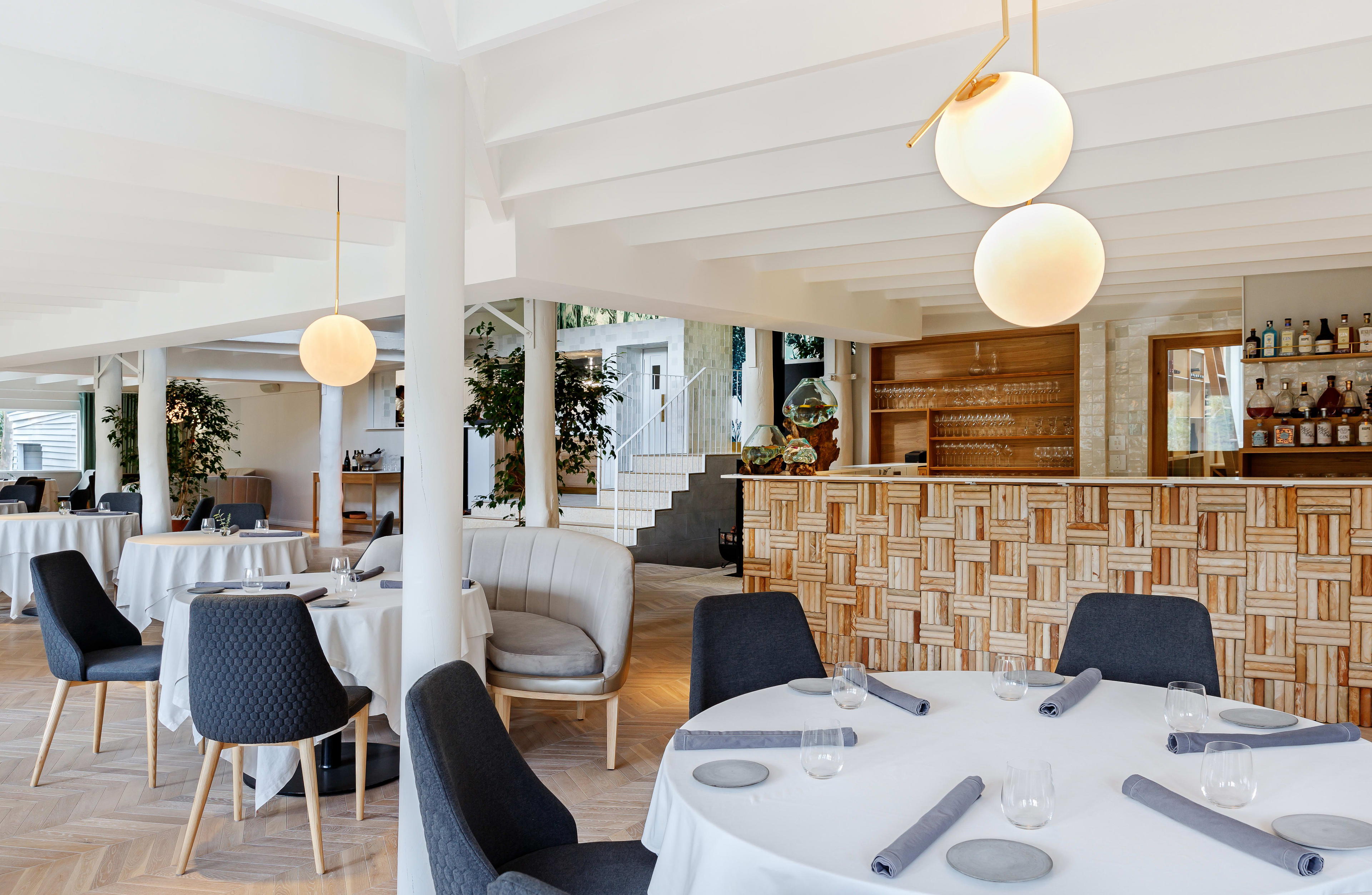
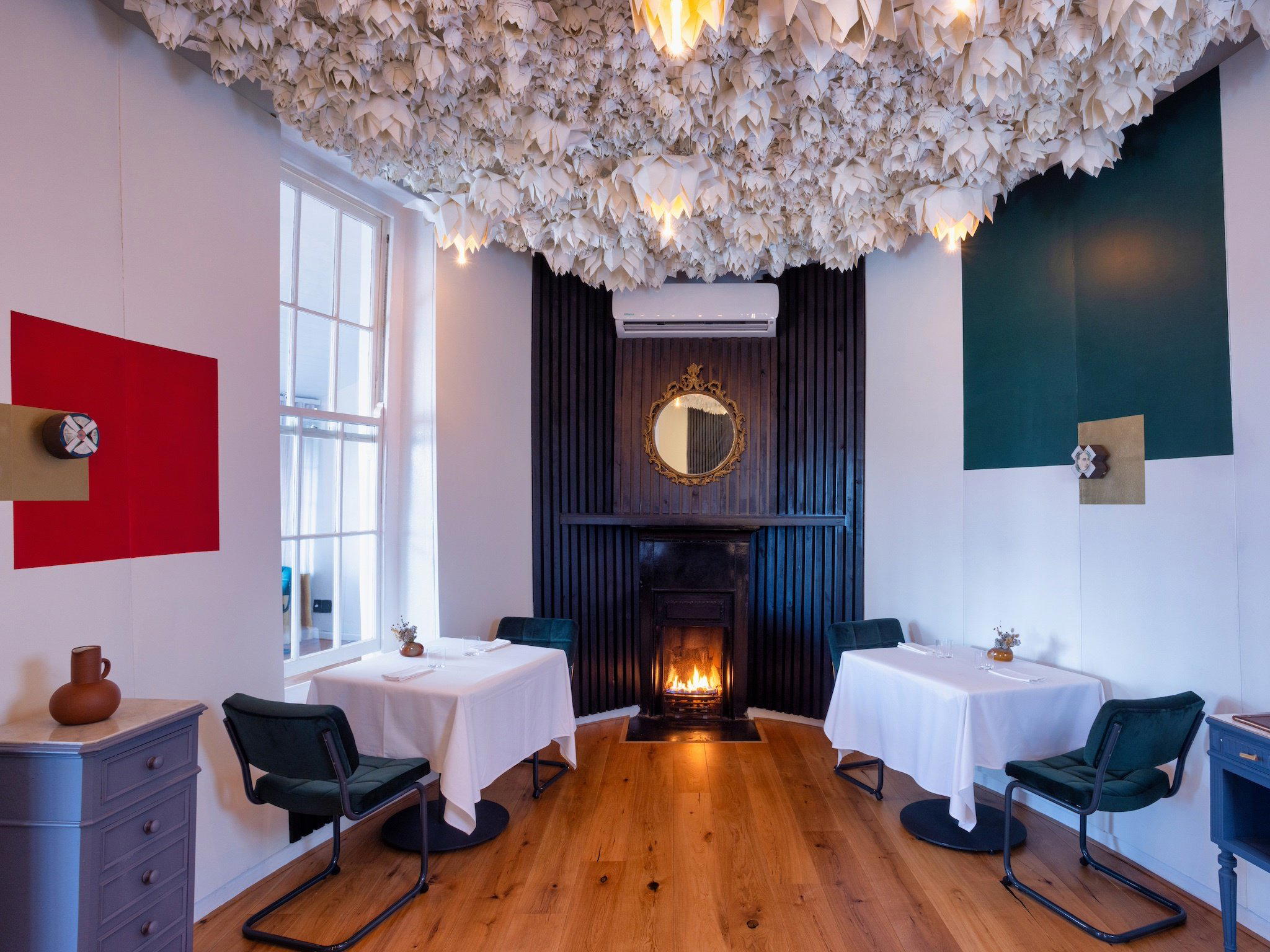
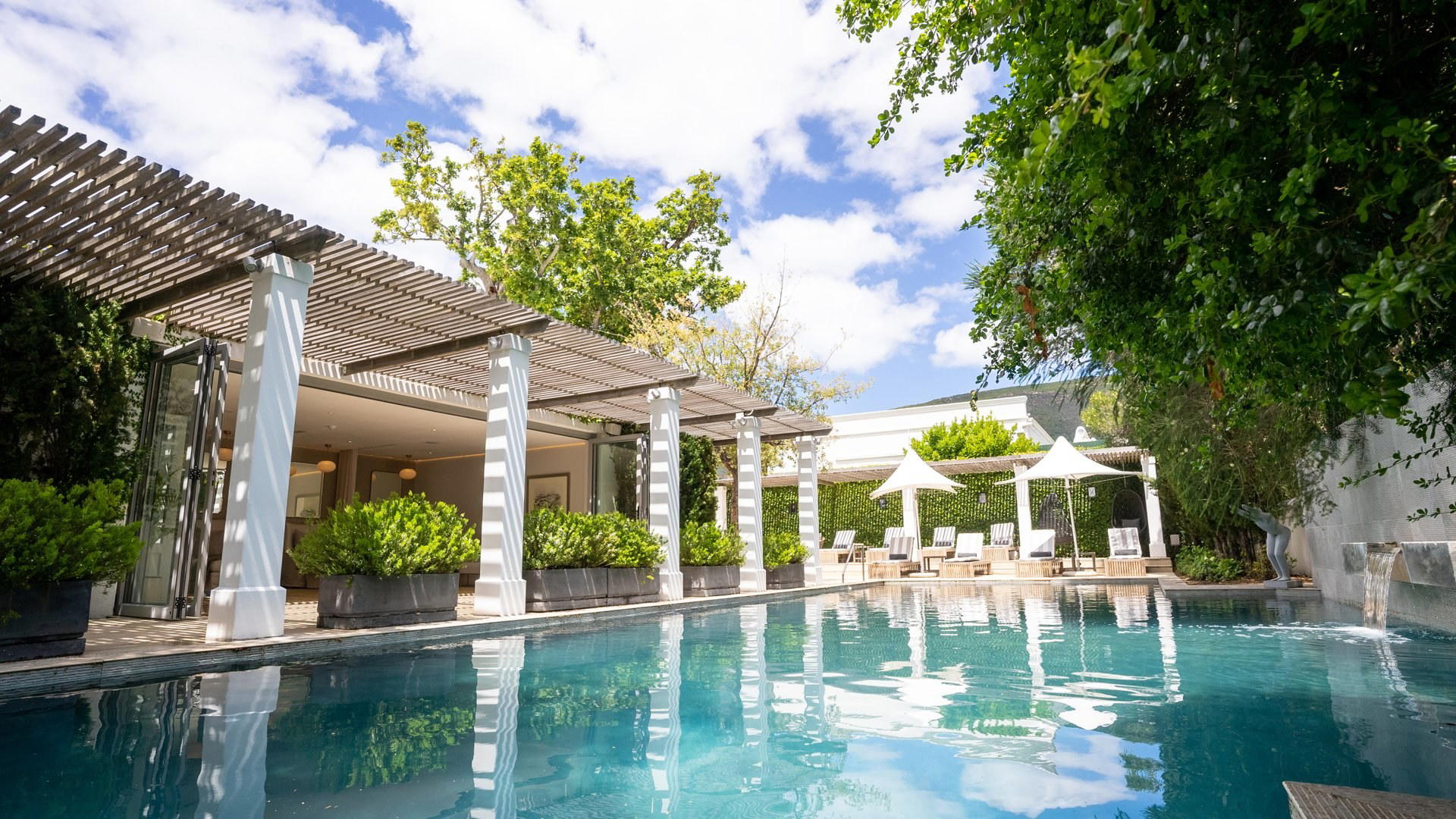
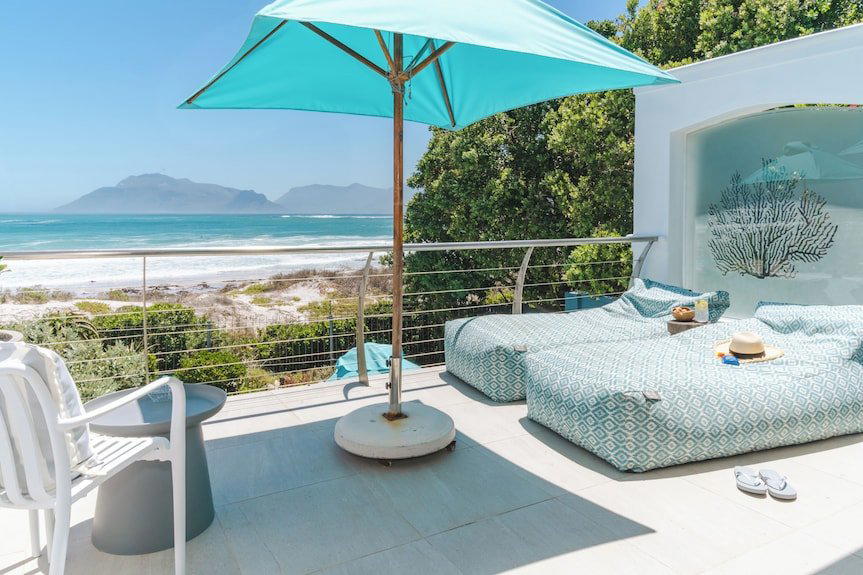
Warm and inviting with cozy fireplaces, elegant yet relaxed atmosphere, and far-reaching ocean vistas.