Jabulani Safari

Jabulani Safari sits inside the Greater Kruger ecosystem near Hoedspruit, combining private wildlife reserve access with elephant conservation programming and South African cuisine under chef Alex van As. The property draws families and serious wildlife travellers, with a Google rating of 4.2 across 351 reviews and an EP Club member score of 4.9/5. Charter and scheduled flights reach the nearest airport, Hoedspruit Eastgate (HDS), just 7 km from camp.
 Discover on Pearl
Pearl is the En Primeur Club membership app — saves, bookings, and concierge access live there. Same editors, same standards.
- Address
- 120 Peter Kerchhoff St, Pietermaritzburg, 3201, South Africa
- Phone
- +27 61 467 1406
Where the Bush Sets the Terms
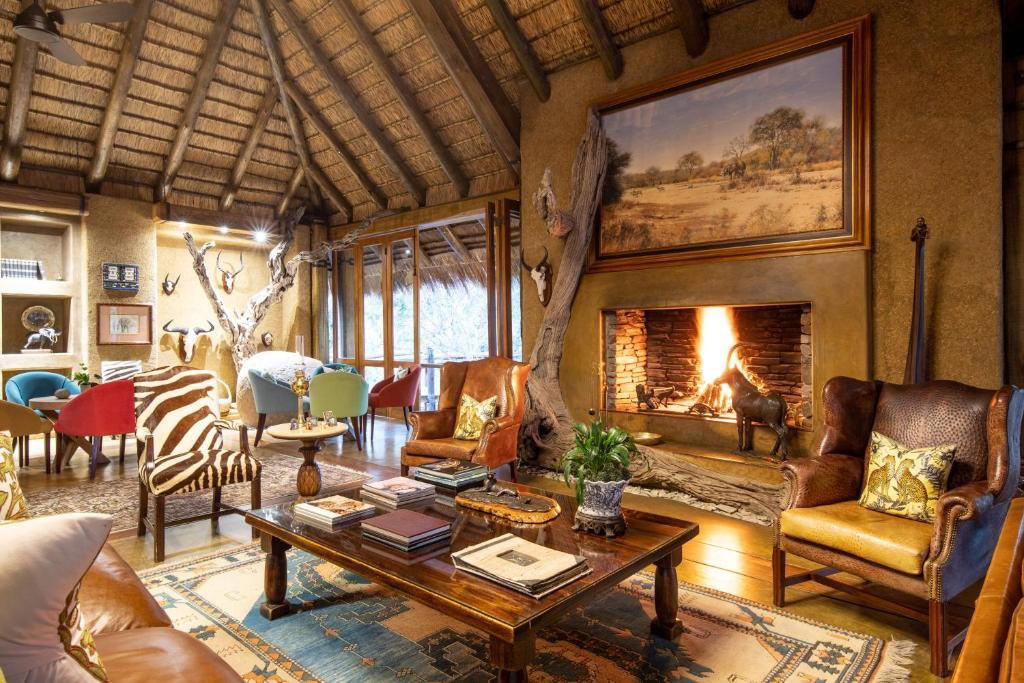
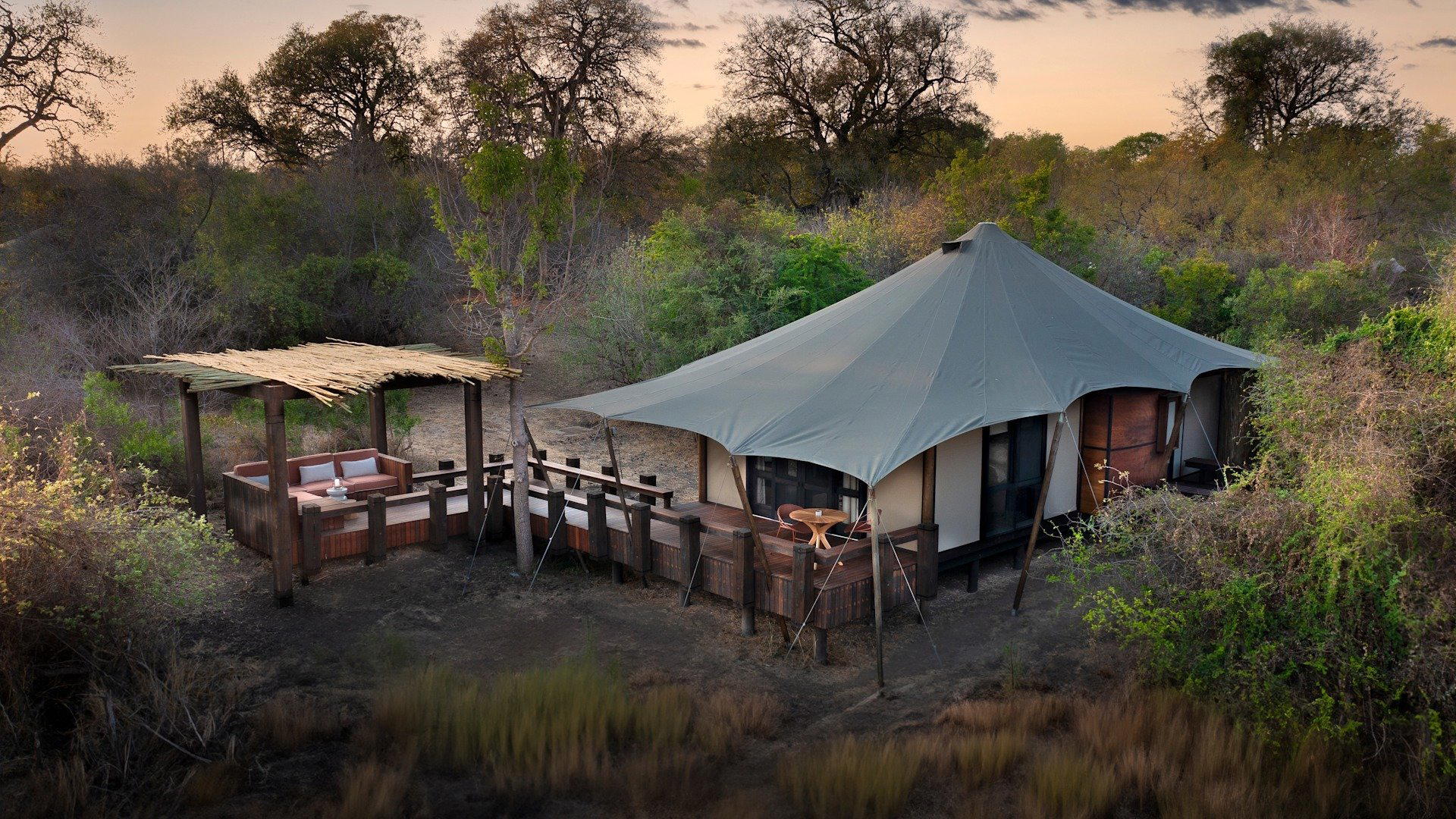
Jabulani Safari is a restaurant in Pietermaritzburg serving Relais & Châteaux Fine Dining at a price tier 4 level. The approach to Jabulani tells you what kind of experience you are entering. The red dirt road through the Kapama Private Game Reserve, part of the Greater Kruger corridor in Limpopo province, narrows as the bush thickens, and by the time the camp comes into view, the surrounding wilderness has already redefined your sense of scale and schedule. This is not a resort that happens to sit near wildlife. The wildlife sets the timetable, the mood, and the menu.
South Africa's private reserve sector has split cleanly over the past decade. On one side sit the large-footprint lodges with dozens of suites, conference facilities, and a spa list longer than the dinner menu. On the other sit smaller, conservation-integrated properties where the programme depth, elephant interaction, anti-poaching support, habitat management, is the product. Jabulani belongs firmly to the second category, and its elephant conservation work is the clearest signal of that commitment. The resident herd of orphaned and rescued elephants is not a backdrop. It is the reason the property exists in this form.
The Kitchen in Context
South African fine dining has undergone a serious reappraisal since the early 2010s. Restaurants like Fyn in Cape Town, La Colombe, and Salsify at the Roundhouse have reframed indigenous ingredients and local sourcing as a serious culinary proposition. That shift has reached the bush lodges too, where the older model of generic international hotel food delivered under a thatched roof has given way to a more considered regional cooking. Chef Alex van As works within this context at Jabulani, applying South African cuisine to the specific setting of a private game reserve.
The bush lodge kitchen operates under constraints that city restaurants don't face. Supply chains are longer, storage is more demanding, and the audience changes every few days as new guests arrive with varying dietary needs and expectations. The chefs who do this well tend to develop a fluency with preservation, fermentation, and fire cookery that urban kitchens don't require in the same way. South African bush cuisine at its most coherent draws on braai tradition, indigenous plant knowledge, and the slow rhythms of game cookery, all of which suit a kitchen running on reserve time rather than restaurant service time.
For a broader picture of how South African chefs are approaching regional cooking, properties like Le Quartier Français in Franschhoek and Wolfgat in Paternoster offer useful reference points, as does Klein Jan in the Kalahari, which represents perhaps the most extreme version of wilderness cooking in the country. Delaire Graff in Helshoogte Pass and Dusk in Stellenbosch show how South African fine dining performs in wine-country settings, while Ellerman House in Bantry Bay addresses the urban luxury end of the same conversation.
The Safari Programme and What It Demands of a Guest
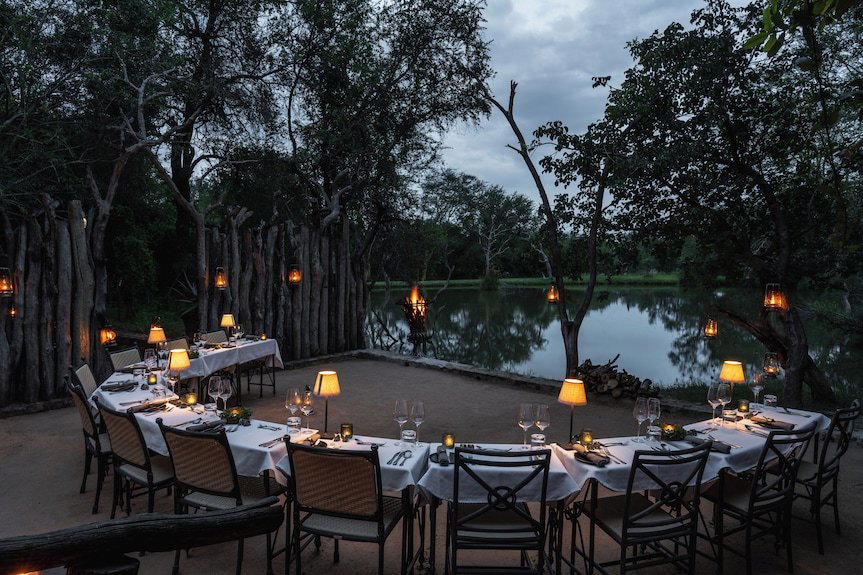
Private reserve safaris in the Greater Kruger area operate on a rhythm that most guests haven't experienced before: pre-dawn starts for morning game drives, a return for breakfast and rest during the midday heat, then an afternoon drive that extends into darkness with a spotlight. The daily structure means meals function as anchor points in a physically active schedule. Breakfast after a 5am departure into the bush has a different weight than it does in a city hotel, and the evening meal around a fire or in an open-sided boma carries the accumulated energy of a day spent in the wild.
Jabulani's positioning as a family-friendly property is relevant here. The Greater Kruger corridor hosts some of South Africa's highest densities of the Big Five, and the private reserve model allows for off-road driving and walking experiences that national park regulations prohibit. For families introducing children to wildlife, that flexibility matters considerably.
Londolozi Game Reserve in Kruger National Park and Esiweni Luxury Safari Lodge at Memorial Gate, both of which operate in adjacent or overlapping ecosystems and offer a useful peer reference for what the private reserve tier looks like across different operators. Morukuru Family in De Hoop Nature Reserve shows how conservation-integrated hospitality translates to the southern Cape coast context.
Getting There and Planning the Visit
Access to Jabulani is more direct than many guests expect. Transfers from HDS to the property are complementary, which removes the logistical friction that longer overland journeys impose. Charter flights are also available for those arriving from other regional airports or wanting to connect from Kruger Mpumalanga International, 120 km away.
The leading months for game viewing in the Greater Kruger area are the dry winter months from May through September, when vegetation thins and animals concentrate around water sources. Summer (October through March) brings the green season, when bird life peaks and predator activity around newborn prey animals increases, though dense bush can make sightings harder. Guests with specific wildlife priorities, elephant interaction, in particular, should factor the seasonal rhythms into their timing decisions.
For urban South African dining before or after a bush stay, Gigi in Johannesburg represents one of the city's more considered dinner options for travellers transiting through O.R. Tambo.
The Elephant Conservation Programme
The conservation dimension at Jabulani is what separates it from properties where wildlife is scenery rather than mission. Rescued elephant herds in private reserve settings require sustained management, veterinary support, and habitat that commercial safari operations alone can rarely justify financially. The integration of that programme into a guest-facing experience is a model that a growing number of reserves across southern Africa are attempting, with varying degrees of depth and authenticity.
At Jabulani, the elephant herd is the founding rationale for the property's existence in its current form, which means the conservation work is not an add-on to a hotel that happens to sit in the bush. This distinction matters for guests evaluating where their stay fees actually go, and it places Jabulani within a specific and smaller sub-category of southern African wildlife hospitality where conservation outcomes are a measurable part of the operation.
Comparison Snapshot
Comparable venues nearby, for context on price, style, and recognition.
| Venue | Cuisine | Price | Awards | Notes |
|---|---|---|---|---|
| Jabulani SafariThis venue — the venue you are viewing | Relais & Châteaux Fine Dining | $$$$ | 1 recognition | |
| Jabulani Restaurant | Fine dining with contemporary South African influence in a private game reserve | $$$$ | , | Kapama Private Game Reserve |
| Boma - Open Air Terrace | Open-air bush boma dining | $$$ | , | Hoedspruit |
| Curate | Modern South African Fine Dining | $$$$ | , | Bantry Bay |
| Silvan Safari Lodge | Modern South African Fine Dining | $$$$ | 1 recognition | Sabi Sand Game Reserve |
| Greenhouse Restaurant Constantia | Modern African Fine Dining | $$$$ | , | Constantia |
Continue exploring
More in Hoedspruit
Restaurants in Hoedspruit
Browse all →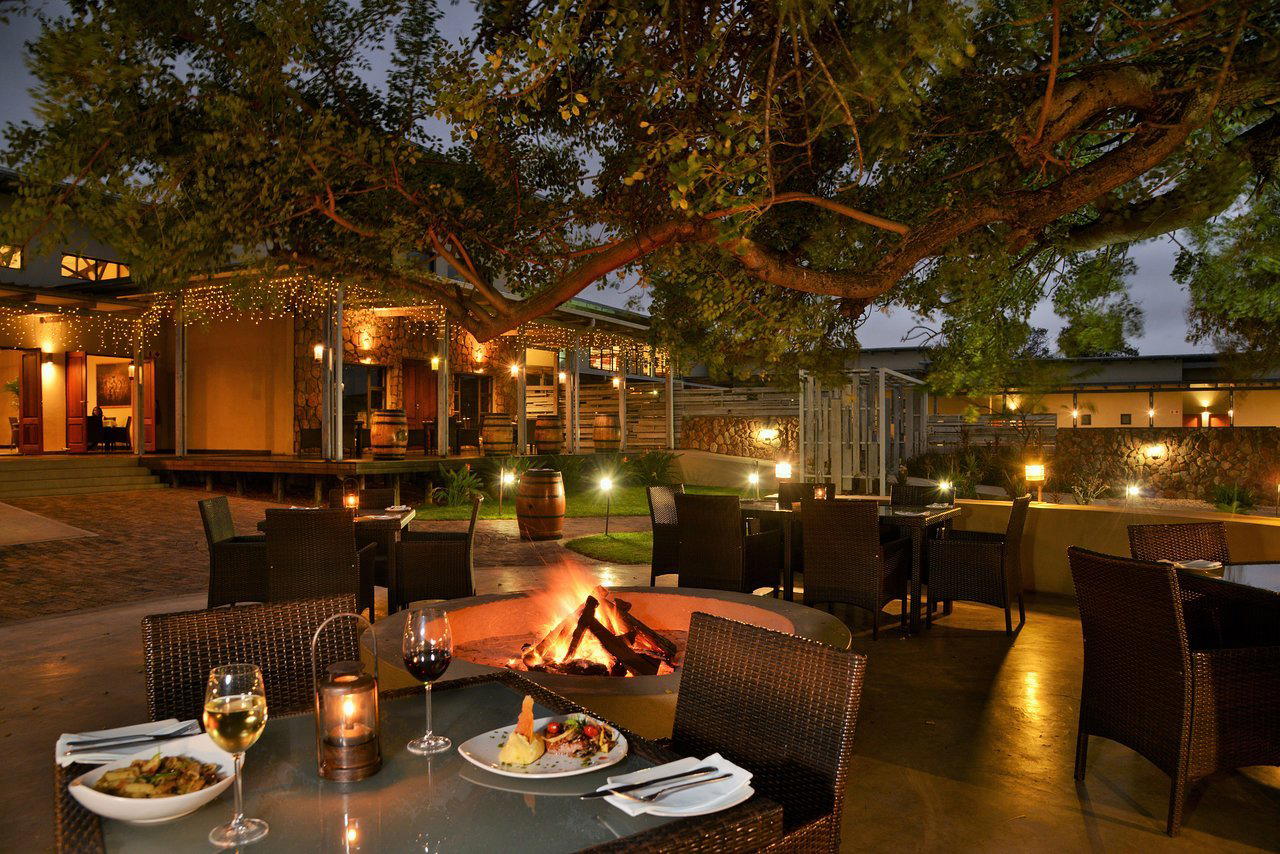
At a Glance
- Romantic
- Elegant
- Rustic
- Scenic
- Intimate
- Sophisticated
- Special Occasion
- Celebration
- Date Night
- Open Kitchen
- Terrace
- Extensive Wine List
- Local Sourcing
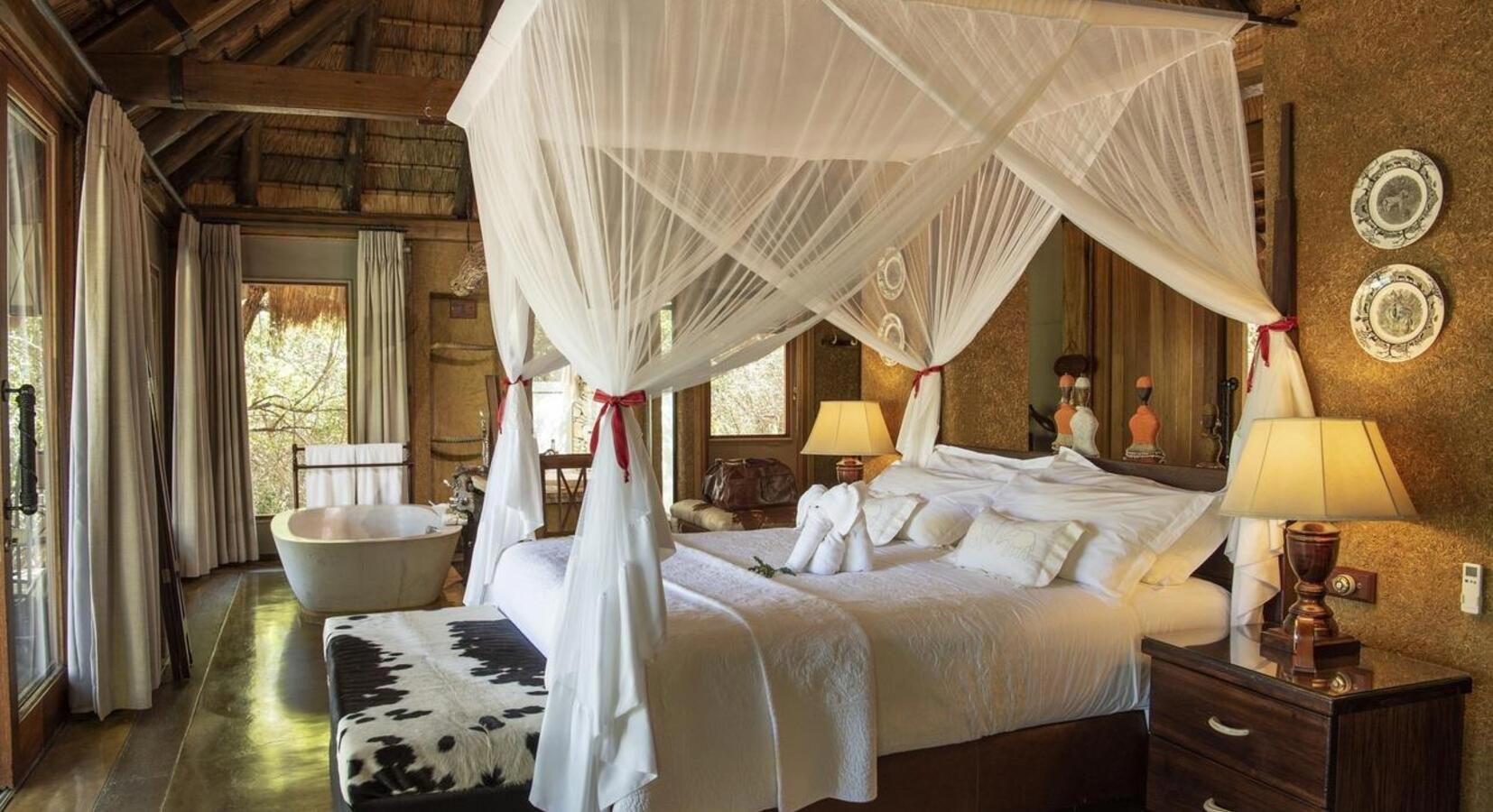
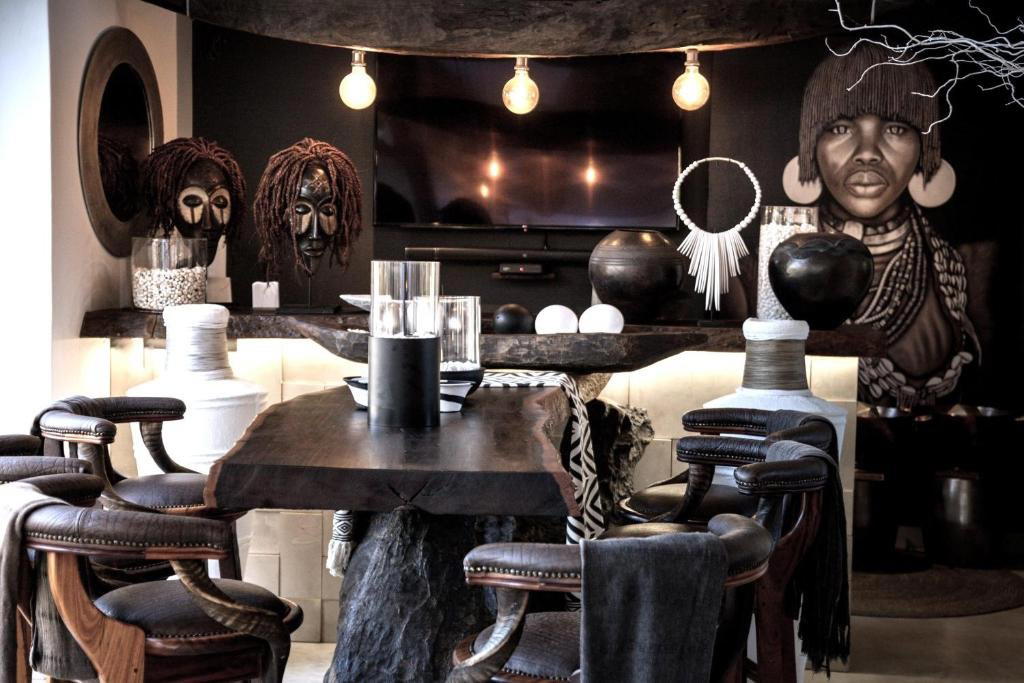
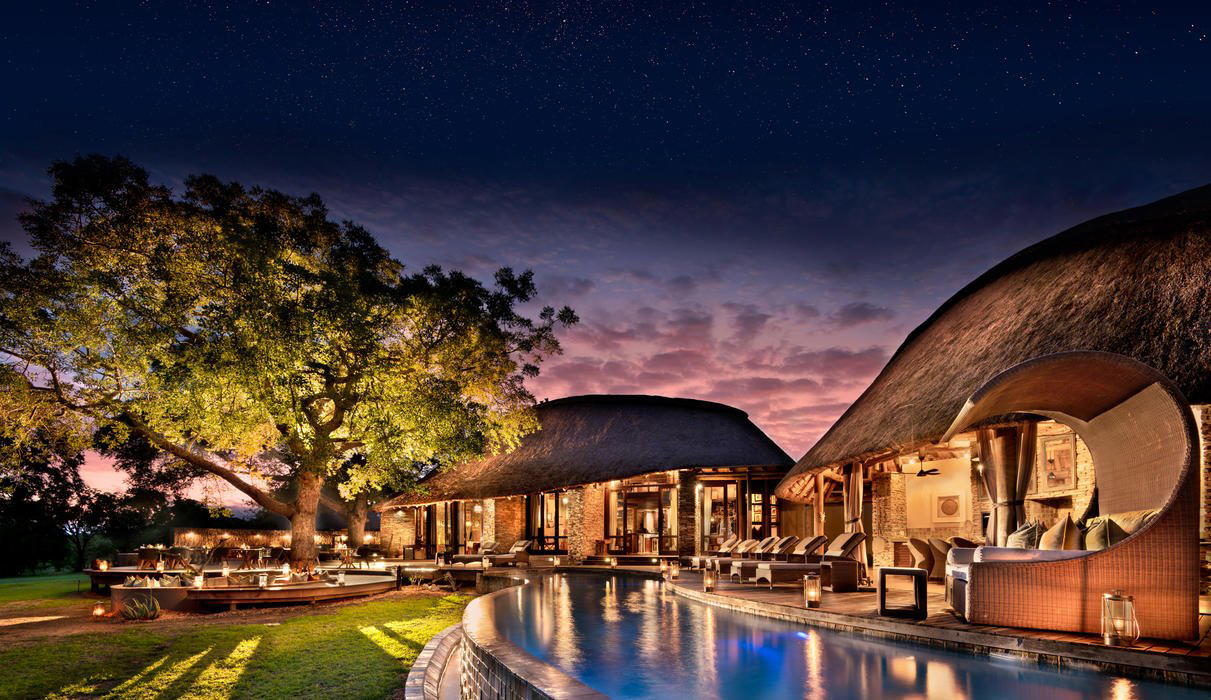
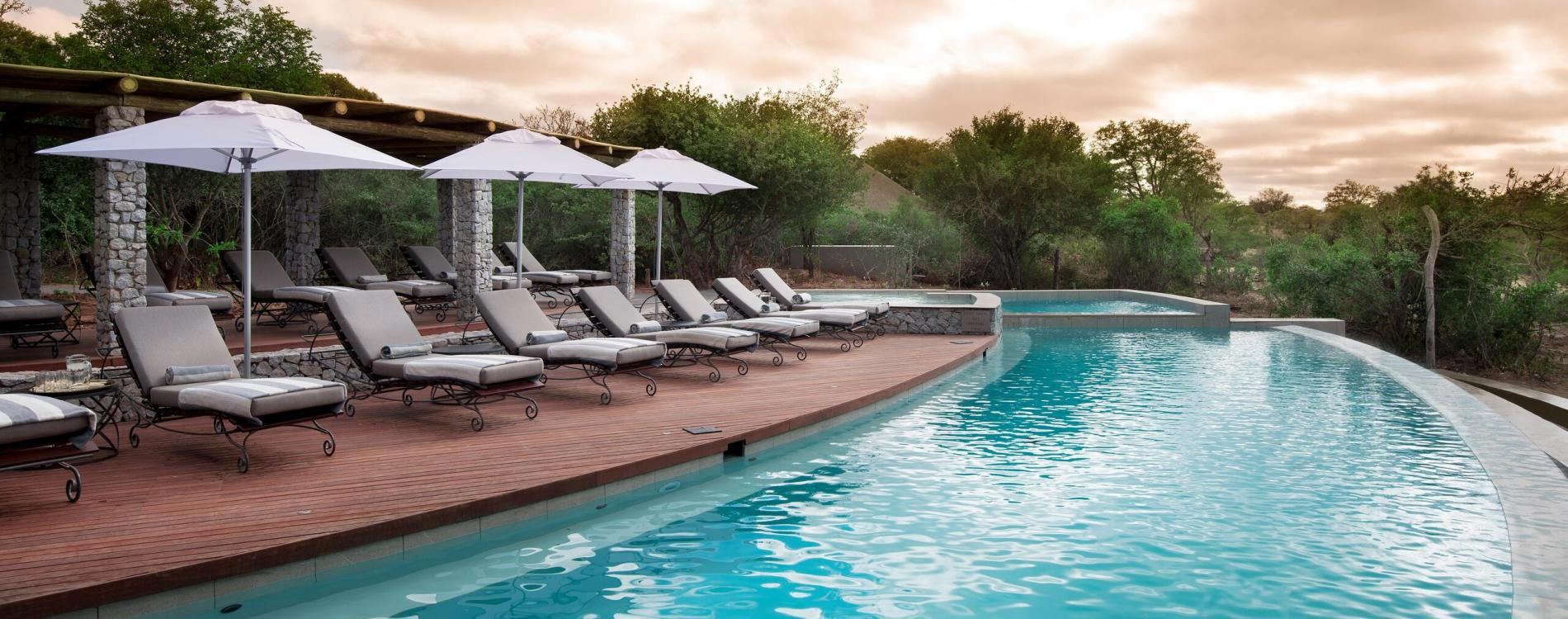
Elegant British colonial style with romantic lighting, fireplaces, and bush settings under starry skies.