Amura by Ángel León

Amura brings a seafood-led Spanish-Cape conversation to Mount Nelson, A Belmond Hotel, Cape Town. The kitchen draws on the Cádiz orbit of Ángel León and head chef Guillermo Salazar’s Aponiente background, then turns toward local catch, Cape wines, sherry, kelp infusions and garden botanicals rather than hotel-restaurant formality.
Pearl is the En Primeur Club membership app — saves, bookings, and concierge access live there. Same editors, same standards.
- Address
- 76 Orange St, Gardens, Cape Town, 8001, South Africa
- Phone
- +27 21 483 1966
- Website
- belmond.com
- Directions
- Get directions
 Saves & bookings on Pearl
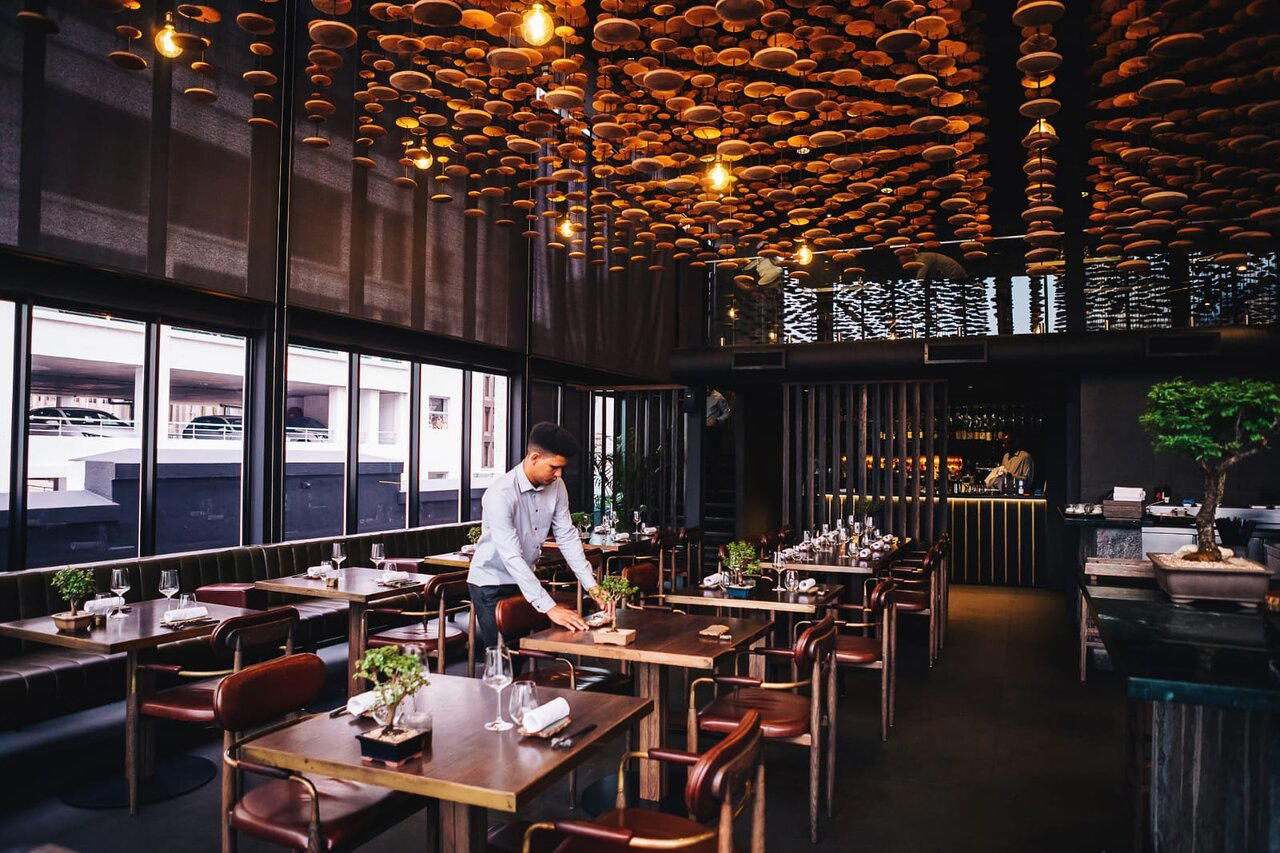
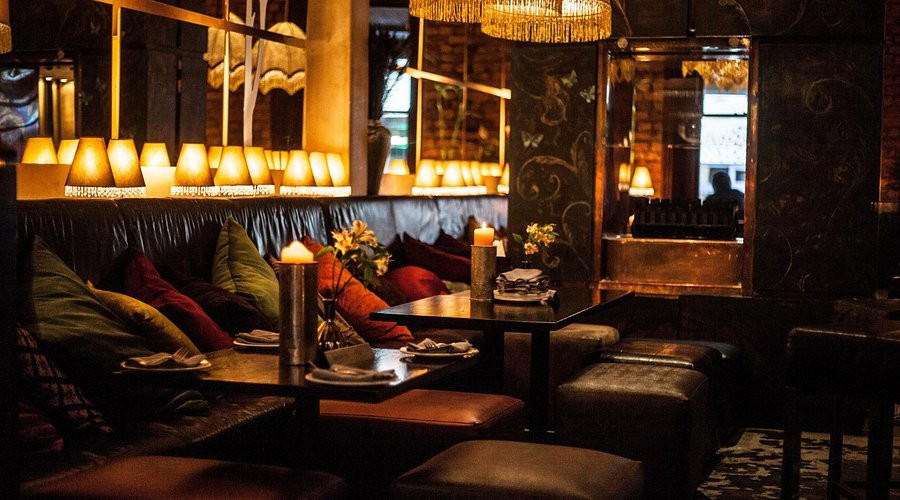
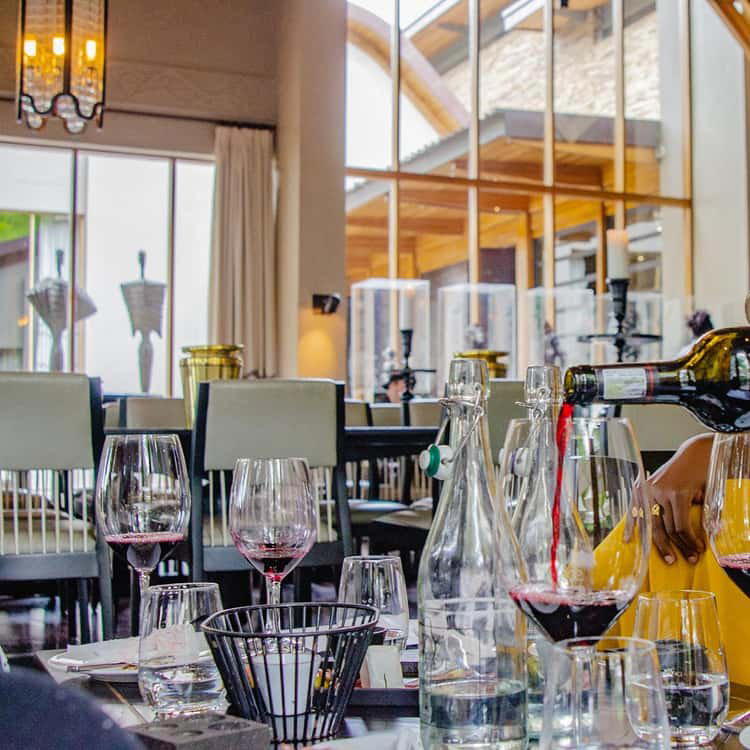
Deep greens, timber, bronze and a double-height wine library set the tone before the first plate arrives. The room reads as Cape Town by way of an imagined kelp forest: theatrical, polished, and more relaxed than the address might suggest. In a city where hotel dining can slide into either conservatory nostalgia or international anonymity, Amura at Mount Nelson (Seafood) works from a sharper premise: the Atlantic and Indian Ocean meeting point as pantry, with Spanish coastal technique used as a frame rather than a costume.
Cape Town has always eaten from the sea, but its serious dining rooms have not always treated local waters as intellectual territory. The city’s stronger contemporary restaurants now tend to make provenance visible, whether through farm-led Winelands cooking, pan-African urban bistros, or coastal menus that look beyond grilled line fish and shellfish platters. This is where Amura earns attention. Its seafood-led approach is connected to chef Ángel León, known for Aponiente, a three-Michelin-starred restaurant in Cádiz, and Alevante, but the menu’s interest lies in translation: South African catch, Cape acidity, Andalusian sherry logic, and a dining room inside one of the city’s grand hotels.
Spanish coastal technique meets the Cape's marine pantry
The concise menu makes its argument through brine, smoke, pickling, spice and texture. A signature gilda, the Basque skewer traditionally built around olive, anchovy and pickled pepper, becomes a Cape-facing pintxo with smoked local catch, olives, anchovies, sun-dried tomatoes and tart peppers. The idea matters more than the label: it places South African seafood in a bar-snack grammar associated with northern Spain, then tightens the whole thing into one salty, acidic bite.
That same sourcing-led logic runs through yellowtail tartare dressed in escabeche, with pickled cucumber and herb oil, and brioche prawn toast crusted in sesame, glazed with gochujang and served with fermented-chile mayonnaise. Those details show the kitchen’s range without turning the menu into fusion sprawl. Escabeche brings Iberian preservation and acidity; gochujang adds fermented depth; sesame and brioche provide fat and crunch. The through-line is not nationality, but the way coastal ingredients respond to smoke, acid and umami.
Head chef Guillermo Salazar gives the format credibility without needing to become the story. His résumé includes Aponiente, New York’s Eleven Madison Park and Gramercy Tavern, and San Sebastián’s Arzak and Akelare. In Cape Town terms, that matters because technical seafood cooking at this level competes not only with other city restaurants, but with the gravitational pull of the Winelands, where produce-led tasting menus have long shaped the premium conversation. For a wider read on that spread, compare the city list with 96 Winery Road Restaurant in Raithby, Babel Restaurant in Paarl and Babylonstoren in Simondium.
A hotel dining room that avoids the usual grand-hotel stiffness
Mount Nelson gives the restaurant instant theatre, but the interior design by Tristan du Plessis keeps the room from feeling trapped in colonial hotel ritual. The kelp-forest cues are literal enough to register, yet restrained enough to support the food rather than compete with it. Deep colour, warm wood and bronze accents bring the maritime theme indoors; the wine library supplies vertical drama; the overall effect is formal but not severe.
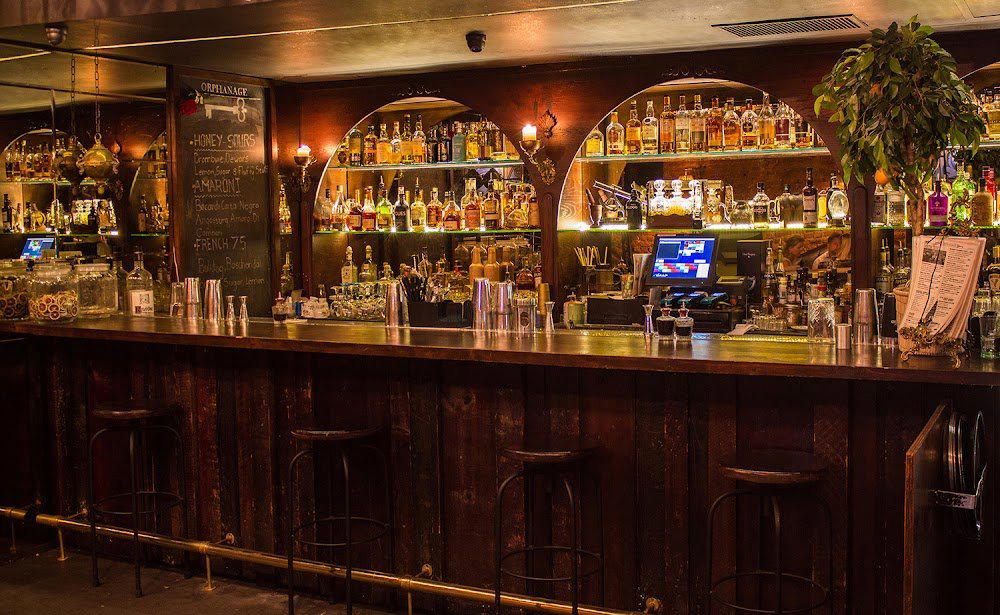
The drinks program extends the same marine idea. Cocktails use kelp infusions and botanicals from the Mount Nelson gardens, while the wine side turns toward Andalusian sherries and Cape bottles. That pairing makes sense: sherry’s saline, oxidative range has a natural affinity with seafood, and Cape wines keep the restaurant grounded in its region rather than floating as an imported Spanish concept. The dessert course, including flan with spirulina chantilly, keeps the marine thread alive even after the savory plates have ended.
Within Cape Town’s dining map, the restaurant sits in a useful middle position: more conceptually specific than many hotel outlets, less hermetic than tasting-menu temples, and more ingredient-focused than venues built mainly around room glamour. Nearby hotel and city-center dining can still be part of the same evening calculus, especially around Gardens and the lower slopes of Table Mountain. For adjacent Cape Town context, see 1800, 95 at Parks, Alice Restaurant and Arlecchino (Italian).
How to place it in a Cape Town itinerary
This is a strong fit for diners who want Cape Town seafood refracted through Spanish technique, not a generic luxury-hotel dinner. The venue’s Gardens address, inside Mount Nelson, works well for an evening built around the city bowl rather than a long transfer to the Winelands. Service runs at dinner through the week, with lunch added from Friday to Sunday, which makes it more flexible than many destination restaurants with narrow service windows.
The sharper comparison is not only with other seafood restaurants, but with Cape Town experiences that use place as the organizing principle. Oasis, Chef's Table, The Fountain by Planet Bar, The Verandah and ëlgr all occupy different parts of the city’s hotel, bar and contemporary dining circuit; Amura’s point of difference is the marine sourcing argument, plus the Cádiz connection carried through the kitchen. For broader planning, use Our full Cape Town restaurants guide, then cross-check the stay, drinks and day-programming picture through Our full Cape Town hotels guide, Our full Cape Town bars guide, Our full Cape Town wineries guide and Our full Cape Town experiences guide.
South Africa’s broader restaurant conversation helps explain why this format lands now. Cape dining is increasingly judged by how clearly it speaks to region, whether through coastal ingredients, township foodways, game-lodge fire cooking or Winelands agriculture. That wider frame includes places as different as Aduna Bistro in Johannesburg, African Boma in Thornybush Game Reserve and Amelia's at The Plettenberg in Plettenberg Bay. Even international links, from Jōdo Saké Bar in Los Angeles to Onigiri Time in Pasadena, underline the same point: focused formats travel better when they remain specific about ingredient, technique and place.
At-a-Glance Comparison
Comparable venues by cuisine and price in the same metro.
| Venue | Cuisine | Price | Notes |
|---|---|---|---|
| AmuraThis venue — the venue you are viewing | Contemporary Spanish-influenced seafood fine dining | $$$$ | Not listed |
| Harbour House | Modern Seafood with Sushi | $$$$ | Schotschekloof |
| The Granary Café | Contemporary International | $$$$ | Schotschekloof |
| Curate | Modern South African Fine Dining | $$$$ | Bantry Bay |
| EDGE | Modern African Fire Cuisine | $$$$ | Cape Town CBD |
| Rikū ’s Counter | Modern Japanese Omakase | $$$$ | Mowbray |
Recognition history
Dated appearances from independent guides and award organizations, with the underlying list record or original source where available.
Conde Nast Hot List Restaurants
Conde Nast
Prix Versailles World Selection
Prix Versailles
Continue exploring
More in Cape Town
Restaurants in Cape Town
Browse all →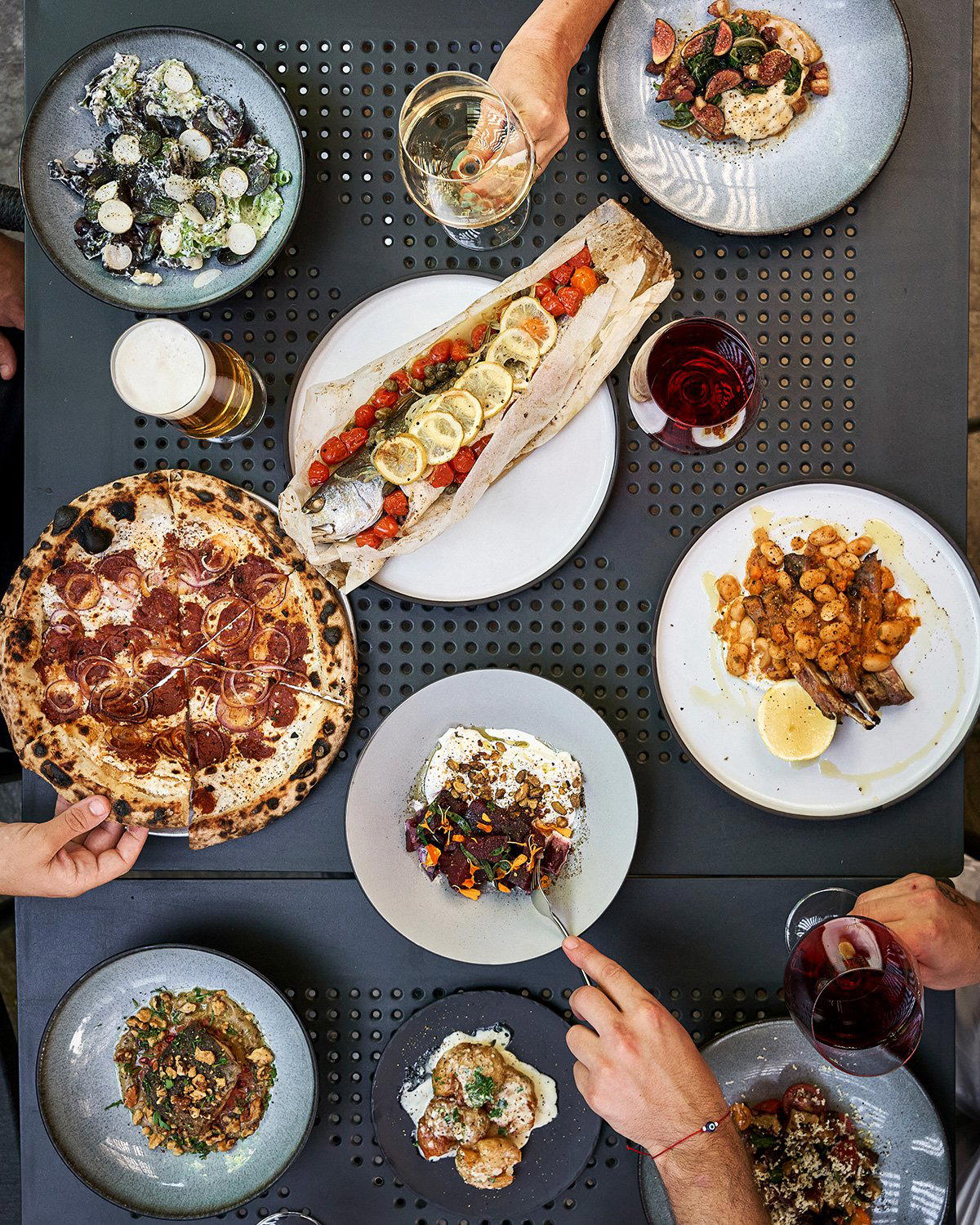
Bars in Cape Town
Browse all →
Hotels in Cape Town
Browse all →
At a Glance
- Elegant
- Sophisticated
- Modern
- Intimate
- Ornate
- Well Known
- Date Night
- Business Dinner
- Special Occasion
- Celebration
- Group Dining
- Open Kitchen
- Design Destination
- Hotel Restaurant
- Private Dining
- Historic Building
- Extensive Wine List
- Craft Cocktails
- Local Sourcing
- Sustainable Seafood
Current opening hours
- Monday
- 6:30–9:30 PM
- Tuesday
- 6:30–9:30 PM
- Wednesday
- 6:30–9:30 PM
- Thursday
- 6:30–9:30 PM
- Friday
- 12:30–3:30 PM, 6:30–9:30 PM
- Saturday
- 12:30–3:30 PM, 6:30–9:30 PM
- Sunday
- 12:30–3:30 PM, 6:30–9:30 PM
Hours can change for holidays and private events. Last verified .
An intimate, design‑driven dining room within the Mount Nelson hotel, overlooking an open kitchen where the focus on the ocean creates a polished yet relaxed marine atmosphere with refined, contemporary décor.