Our verdict
Chef’s Table sits in Kyoto’s northern Kita Ward, away from the city’s denser restaurant corridors and closer to the temple-side rhythm of Kinugasa. With little public positioning around chef, menu, awards, or format, the useful reading is contextual: this is a Kyoto listing to assess through neighbourhood, access, and the city’s broader culture of small-format dining rather than through trophy signals.

Pearl is the En Primeur Club membership app — saves, bookings, and concierge access live there. Same editors, same standards.
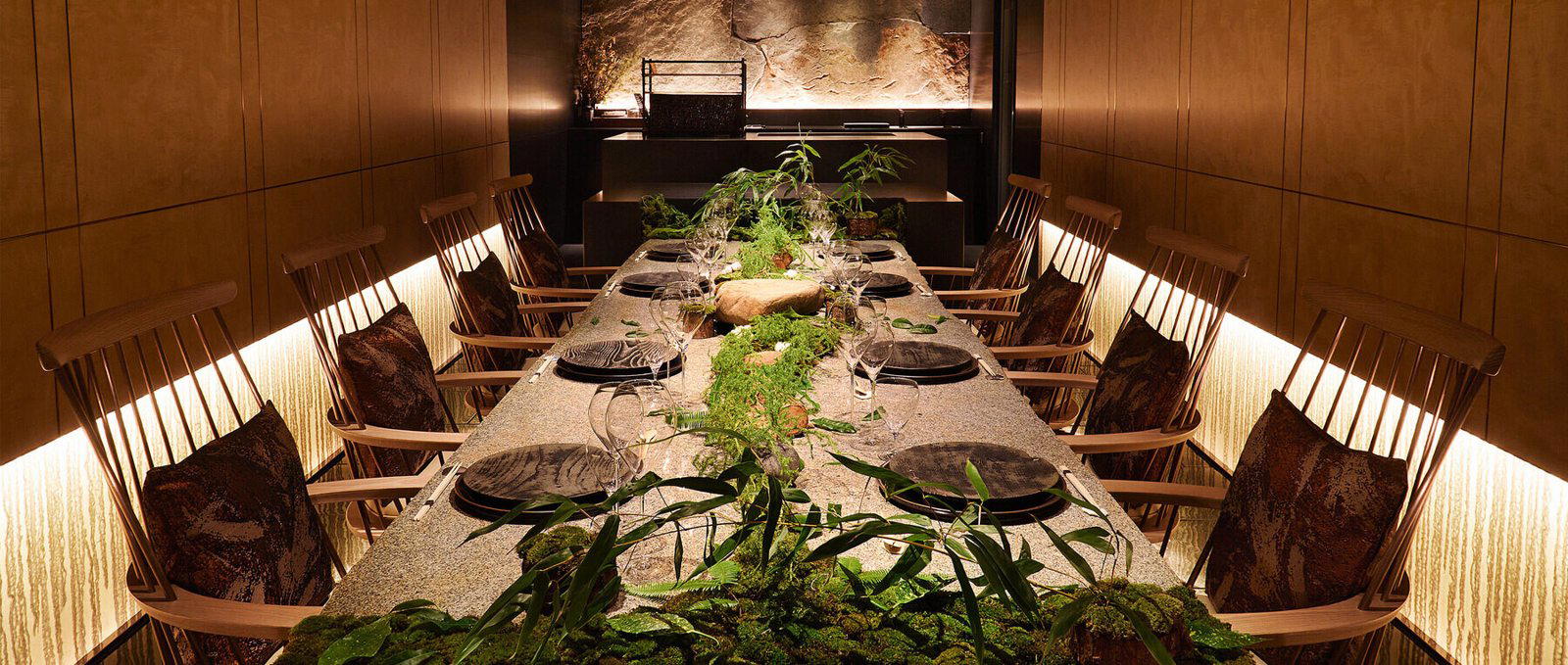
Approaching dinner in Kyoto changes the register of the evening. The city’s central dining grid, with its department-store basements, hotel restaurants, and polished counters, can give way to quieter streets, visitor traffic, and a slower tempo. In that setting, Chef’s Table reads less as a headline restaurant than as part of a wider Kyoto pattern: small dining rooms whose appeal depends on context, restraint, and the expectations guests bring to the table.
Kyoto’s restaurant culture is often misread from the outside as a single category of formality. The city is broader than that. There are old confectionery shops tied to local routines, casual counters that function as civic shorthand, contemporary tasting rooms, hotel dining rooms, and neighbourhood places with minimal English-language presence. Away from the most compressed central corridors, that contrast can feel sharper. A meal here asks for a different kind of planning than a night built around the city’s busiest dining zones.
Chef’s Table belongs to Kyoto's quieter dining circuit
Kyoto can place dinner in conversation with many different versions of the city. Some areas carry local routines rather than the high-density restaurant theatre of the centre. That matters because the city’s dining traditions have always been shaped by movement: visitors stopping for sweets, locals using department-store food halls, travellers timing meals around the day’s plans, and small restaurants serving guests who have made a deliberate trip.
That context is the useful frame for Chef’s Table. The name suggests intimacy, but the public-facing details available here do not define a fixed menu, a cuisine category, a chef name, or a detailed award history. Restaurants with widely published recognition, long lineage, or public chef credentials signal their tier quickly; places without those markers require guests to judge fit by setting, party needs, and how much uncertainty they are willing to accept.
For readers mapping the city, the contrast is instructive. Central Kyoto has dense clusters where one can compare modern dining, casual Japanese cooking, and late-night drinking within a short radius. Other parts of the city are more dispersed, and that tends to reward diners who build the evening around a specific plan rather than stacking multiple stops. Nearby comparison within Kyoto is limited by the available public detail: Tenjin All-Day Dining and Croa point toward alternative everyday dining possibilities, while Otagi, Muroi, and Taka-An occupy the same broad Kyoto dining conversation but require separate assessment rather than casual substitution.
Kyoto rewards specificity, not vague prestige signals
The sharper Kyoto restaurants usually communicate their identity through format: counter dining, tasting menus, hotel restaurants, casual staples refined through repetition, or seasonal cooking framed by the city’s rhythms. When those signals are not public, the editorial question becomes less “how acclaimed is it?” and more “what kind of Kyoto evening does it support?” Chef’s Table is better understood through that lens than through claims that cannot be verified.
The city’s strength lies in these distinctions. A Kyoto meal can be anchored by ceremony, seasonality, speed, price discipline, or location. A visitor staying in the city may want the density of a central restaurant circuit. Casual city eating can mean something practical and beloved, while contemporary listings show how varied the city’s dining register has become. Longstanding food culture sits elsewhere again, tied to a much older Kyoto rhythm.
That range is why a Kyoto table should be chosen deliberately. If the evening calls for a clear award trail, published menu structure, or known chef résumé, another listing may serve the brief better. If the priority is a quieter meal outside the city’s more obvious restaurant corridors, Chef’s Table sits in the part of the Kyoto conversation where atmosphere comes from urban grain rather than spectacle.
How to place it within a Kyoto itinerary
The practical value of the listing is geographic. Chef’s Table makes sense when paired with a slower afternoon or a hotel plan that does not require too much backtracking late in the evening. It is less efficient for visitors trying to compress markets, historic districts, a bar crawl, and dinner into one night. Kyoto looks compact on a map, but cross-city movement can take longer than expected once buses, taxis, and visitor traffic enter the plan.
Use the broader city guides to choose the right frame before committing to a district. Our full Kyoto restaurants guide is the logical starting point for comparing formats across neighbourhoods, while Our full Kyoto hotels guide helps match dinner plans to where a stay is based. For after-dinner context, Our full Kyoto bars guide gives a cleaner read on late-night options; Our full Kyoto wineries guide and Our full Kyoto experiences guide cover the wider travel layer around the city.
For travellers comparing Japanese dining across cities, Kyoto’s restraint differs from the more transactional pace of larger urban restaurant circuits and commuter-belt dining culture. The national spread is visible in many unnamed listings across Japan, from casual counters to focused dining rooms and city-centre restaurants. Even overseas Japanese formats underline how specific Kyoto’s dining tempo can feel by comparison.
The editorial verdict is cautious but useful: Chef’s Table belongs on a Kyoto shortlist only when its setting and pacing are features rather than compromises. Treat it as a context-led choice in a city where format, access, and atmosphere matter as much as name recognition.
Frequently asked questions
Is Chef’s Table suitable for children?
Chef’s Table is in Kyoto. For children, the better fit depends on how well they handle a seated meal in a more restrained dining setting.
What should I expect atmosphere-wise at Chef’s Table?
Expect a restrained Kyoto mood, not a loud nightlife room. The listing suits a slower dining plan better than a high-energy evening built around multiple stops.
What part of town is Chef’s Table in?
Chef’s Table is located in Kyoto.
Is Chef’s Table reservation-only?
In Kyoto, that is the safer approach for a focused dining address.
What do critics highlight about Chef’s Table?
The main talking point is context: Chef’s Table sits within Kyoto’s quieter dining conversation, suiting diners who value pacing, atmosphere, and a more deliberate itinerary.
Can Chef’s Table handle vegetarian requests?
Ask well ahead of the meal, and check the venue's official channels for the latest details.
Budget Reality Check
Comparable venues by cuisine and price in the same metro.
| Venue | Cuisine | Price | Awards | Notes |
|---|---|---|---|---|
| Chef’s TableThis venue — the venue you are viewing | Innovative Italian Chef’s Counter | $200–300 | Not listed | Not listed |
| Tenjin All-Day Dining | Seasonal French Brasserie | Not listed | Not listed | Not listed |
| Croa | Artisanal Bakery | $1–10 | Tabelog 100 #42 | JPY 999 View spending breakdown |
| Muroi | Modern Kyoto Kaiseki | $150–200 | Not listed | Not listed |
| Otagi | Seasonal Kyoto Kaiseki Omakase | $200–300 | 2 Michelin Stars · Tabelog Bronze #345 | Japanese |
| Taka-An | Seasonal Japanese Kaiseki | Not listed | Not listed | Not listed |
Continue exploring
More in Kyoto
Restaurants in Kyoto
All restaurants in Kyoto →

Bars in Kyoto
All bars in Kyoto →



Hotels in Kyoto
All hotels in Kyoto →


Wineries in Kyoto
Browse all →
Chef’s Table
The wine
- Wine program
- Curated wine list
- Extensive wine list
Details
- Intimate
- Elegant
- Cozy
- Scenic
- Sophisticated
- Date Night
- Special Occasion
- Celebration
- Solo
- Chefs Counter
- Open Kitchen
- Hotel Restaurant
- Extensive Wine List
- Waterfront
- Tasting Menu
- Counter Dining
- Set Menu
- Wine
A small, enclosed space within La Locanda that feels like a private salon: softly lit, quiet and refined, with guests seated at a counter facing the open prep area, creating an exclusive yet relaxed atmosphere focused on the chef’s performance.