CHEFS HALL at 111 Richmond St W sits at a crossroads in Toronto's Financial District dining scene, where the format of food hall eating has been pushed toward chef-driven ambition. The address places it within walking distance of the city's concentrated lunch and dinner traffic, making it a reference point for how Toronto has adapted the multi-vendor model to suit a more demanding palate.
Pearl is the En Primeur Club membership app — saves, bookings, and concierge access live there. Same editors, same standards.
- Address
- 111 Richmond St W, Toronto, ON M5H 2G4, Canada
- Phone
- +1 416 587 9808
- Website
- chefshall.com
- Directions
- Get directions
 Saves & bookings on Pearl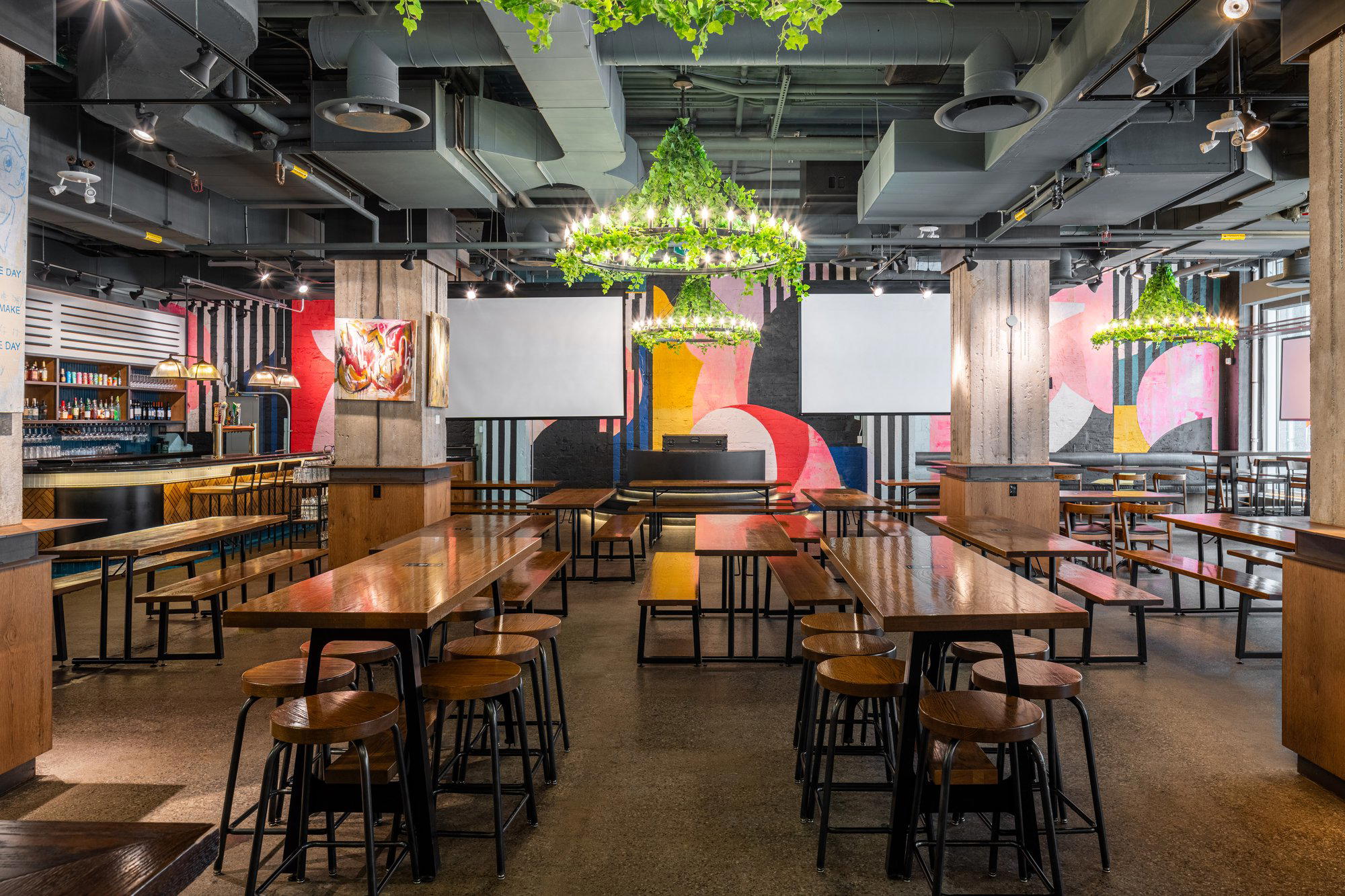
Richmond Street and the Chef-Driven Food Hall
Toronto's Financial District has never been short of places to eat quickly, but the question of eating well has historically required a detour north toward the restaurant corridors of King West or the tasting-menu rooms of the Entertainment District. It represents a different proposition: a food hall format that positions chef credibility, rather than convenience alone, as its primary selling point. That positioning places it inside a broader shift in how premium dining cities have rethought the multi-vendor food hall since the mid-2010s, away from the artisan-market model toward something closer to a curated roster of independent culinary operators under one roof.
The format has international precedents. In cities like Copenhagen, London, and New York, the high-end food hall has become a category in its own right, distinct from both the food court and the full-service restaurant. The logic is consistent across markets: lower capital overhead for operators, higher variety for diners, and a shared infrastructure that allows chefs to experiment with formats they might not risk in a standalone space. Toronto arrived at this model later than some of its peer cities, which meant it could absorb lessons from what worked and what didn't elsewhere. CHEFS HALL reflects that later-entry advantage in its design thinking and its selection of operators.
The Cultural Weight of Eating at a Counter
Understanding CHEFS HALL requires understanding what the food hall format means culturally in a city with Toronto's specific demographic composition. Toronto is consistently ranked among the more ethnically diverse cities in the world, and that diversity has produced a dining culture that is not easily reduced to a single culinary tradition. The city's restaurant scene draws on South Asian, East Asian, West African, Caribbean, Middle Eastern, and European lineages simultaneously, often within the same neighbourhood block. A format that houses multiple operators under one roof is not simply a commercial convenience in this context, it mirrors something about how Torontonians already eat: across traditions, across price points, and with an expectation of quality that has risen sharply over the past decade.
That rising baseline is visible across the city's serious dining rooms. Tasting-menu counters like Aburi Hana and Sushi Masaki Saito have pushed Japanese counter dining toward a standard that competes with peer rooms in Tokyo and New York. Contemporary Canadian cooking, as practised at Alo, has drawn sustained international recognition. Italian dining at DaNico and Don Alfonso 1890 operates at the higher end of price and ambition. CHEFS HALL occupies a different tier in that ecosystem: more accessible in format, more democratic in how it structures a meal, but still oriented toward culinary seriousness in its operator selection.
How Richmond St W Shapes the Experience
The address matters. Richmond Street West at the intersection with University Avenue is Financial District Toronto in conventional sense: tower lobbies, lunch crowds, after-work traffic. The surrounding office density means that the majority of daytime foot traffic is composed of people who work within a few blocks. That audience is not the same as the weekend tasting-menu crowd that seeks out Tanière³ in Quebec City or the destination-driven dining pilgrim who travels to Eigensinn Farm in Singhampton or the Fogo Island Inn Dining Room in Joe Batt's Arm. CHEFS HALL's immediate audience is time-limited, repeat, and local, which imposes a particular discipline on its operators. The food has to work for a Tuesday lunch as readily as a Friday dinner.
That constraint is not a limitation so much as a design parameter. Some of Canada's more compelling food thinking happens outside the special-occasion frame. Restaurant Pearl Morissette in Lincoln and AnnaLena in Vancouver both demonstrate that ambition and accessibility are not mutually exclusive.
Placing CHEFS HALL in Toronto's Wider Scene
Toronto's dining geography has expanded steadily outward from the Financial District and King Street corridor, absorbing Ossington, Dundas West, Roncesvalles, and Kensington Market into what is now a genuinely distributed restaurant city. The food hall, as a format, tends to anchor to high-density commercial zones rather than residential neighbourhood streets, which is why the Richmond Street address makes structural sense. It serves the concentration of office workers and downtown residents who want variety and quality within a compact footprint.
Compared to peer food hall formats in North America, the Ferry Building in San Francisco, whose market-stall model influenced a generation of similar projects, or the more recent chef-driven hall experiments documented in cities like Chicago and Los Angeles, Toronto's version has benefited from a compact, walkable downtown core that concentrates its target audience. The city's public transit access along the King and Queen corridors makes the Richmond Street location reachable for a broader population than the car-dependent food hall models common in suburban American markets. For visitors building an itinerary across the city's dining range, it functions as a practical complement to the deeper commitments required by the tasting-menu rooms covered in our full Toronto restaurants guide.
The Format Across Canada
The chef-driven food hall is not uniquely a Toronto phenomenon. Across Canada, the relationship between informal format and culinary ambition has been explored in different registers: the seasonal tasting room at The Pine in Creemore, the market-anchored approach at Narval in Rimouski, the long-running neighbourhood commitment of Cafe Brio in Victoria, and the smoke-and-community model of Busters Barbeque in Kenora. Each represents a different answer to the question of how to deliver meaningful food outside the formal dining room. The restaurant offers a specifically urban, specifically downtown Toronto answer to that question.
Internationally, the calibration of ambition within informal formats is something that rooms like Le Bernardin in New York City and Lazy Bear in San Francisco have approached from entirely different angles. Those are fixed-format, high-investment dining rooms with Michelin recognition and multi-month booking windows. The food hall sits at the opposite end of that formality spectrum, but the underlying question is the same: what does it mean to eat seriously in a city that takes food seriously? In Toronto's Financial District, the restaurant's particular answer has been to bring the chef-roster model downtown and let the location do some of the programming work. Jérôme Ferrer's Europea in Montreal offers a useful counterpoint from within Canada's French-influenced tradition: formal, highly structured, and built around a single culinary vision. The restaurant operates on the opposite logic, distributing that vision across multiple operators and letting the diner assemble their own meal from the range on offer.
Planning a Visit
The restaurant at 111 Richmond St W is accessible from multiple TTC lines, with Osgoode and St. Andrew stations both within a short walk. The Financial District location means the space runs at different rhythms across the week: weekday lunchtimes draw the heaviest office traffic, while evenings and weekends offer a more relaxed pace. Specific hours, current operators, and any booking requirements are best confirmed directly via the venue before visiting, as multi-operator food hall formats are subject to change in their tenant mix.
- Spicy Miso Ramen
- Pork Carnitas Tacos
- Fried Chicken
- Lobster Rolls
- Tempura
- Smash Burgers
- Gourmet Hot Dogs
A Pricing-First Comparison
Comparable venues nearby, for context on price, style, and recognition.
| Venue | Cuisine | Price | Notes |
|---|---|---|---|
| CHEFS HALLThis venue — the venue you are viewing | Not listed | $$ | Not listed |
| Chef Ling's Kitchen | Not listed | $$ | Playter Estates-Danforth, Chinese-Caribbean Fusion Tapas |
| Amano Italian Kitchen | Financial District, Modern Italian | $$ | Not listed |
| CRAFT Beer Market Toronto | Not listed | $$ | Church-Yonge Corridor, Craft Beer Gastropub |
| The Chefs' House | Corktown, Contemporary Canadian | $$ | Not listed |
| The Morning After | Not listed | $$ | CityPlace, Late-Night Brunch & Comfort Food |
Continue exploring
More in Toronto
Restaurants in Toronto
Browse all →


Bars in Toronto
Browse all →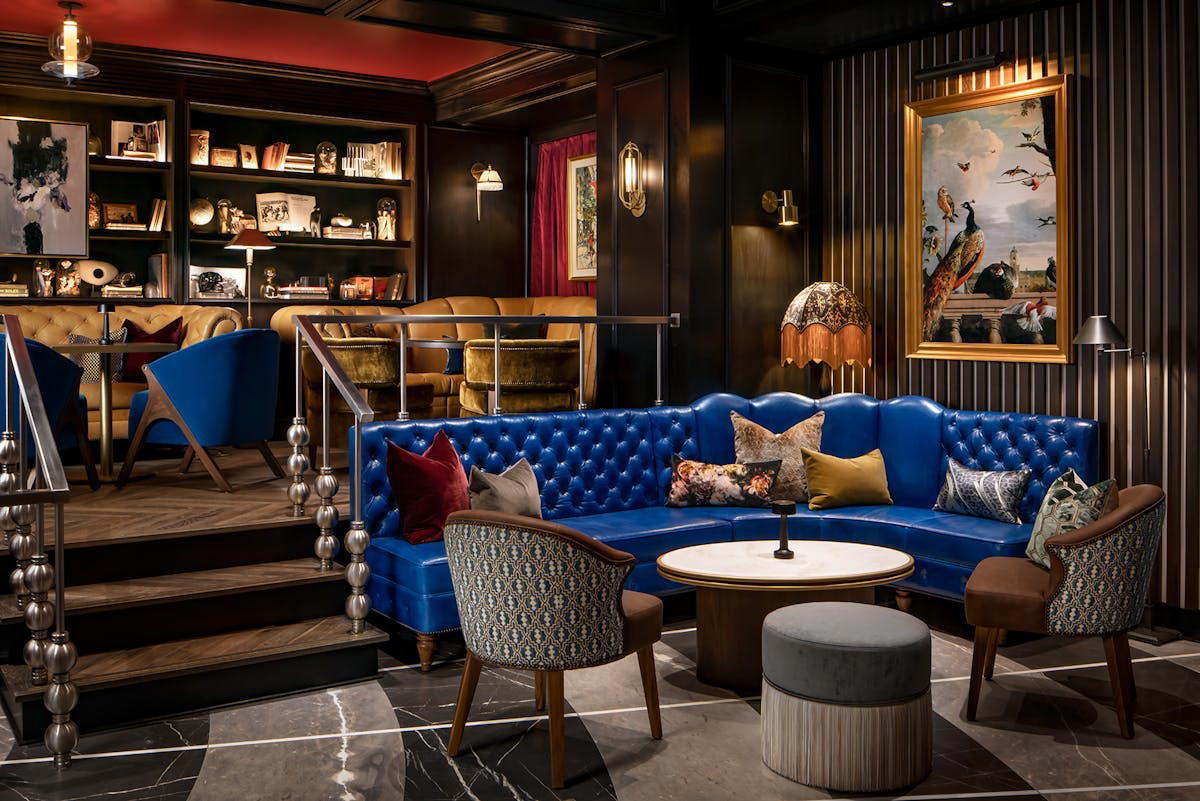
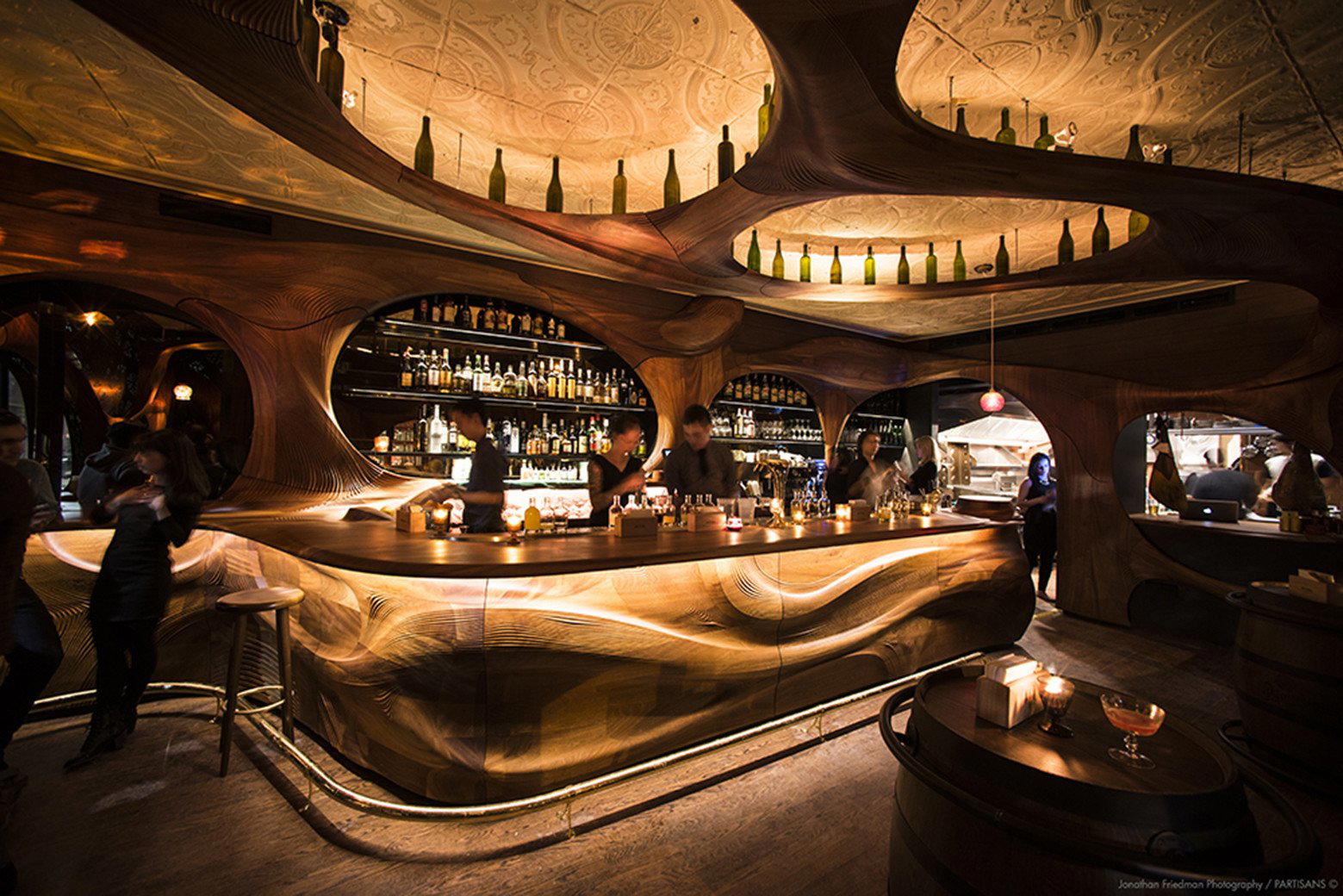
Hotels in Toronto
Browse all →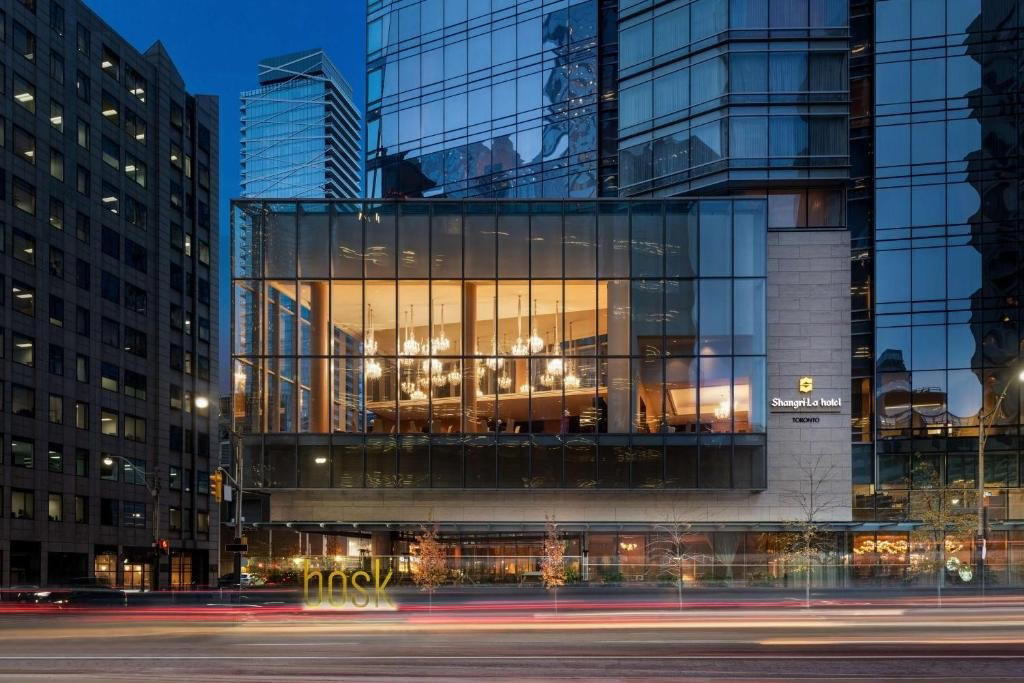

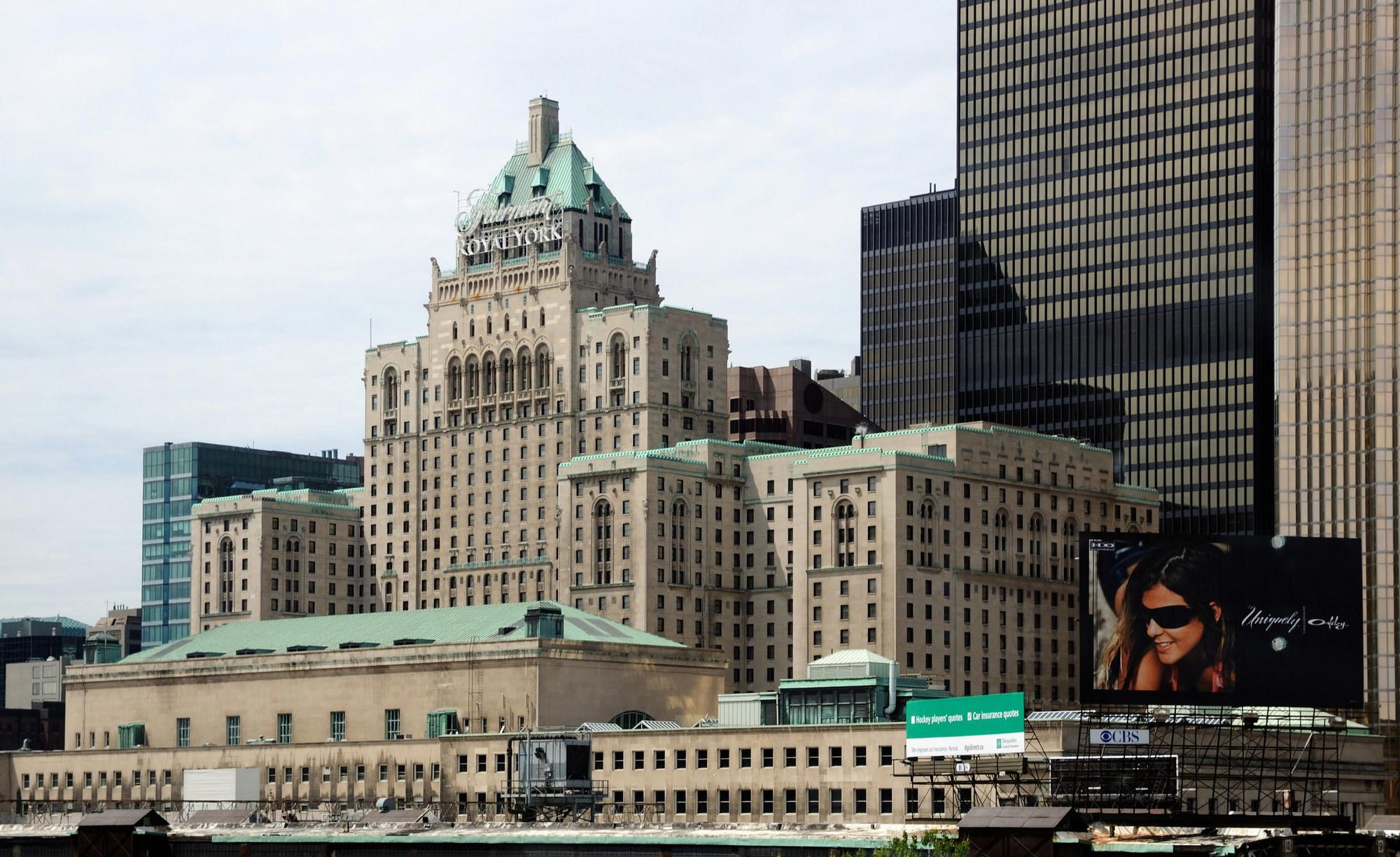
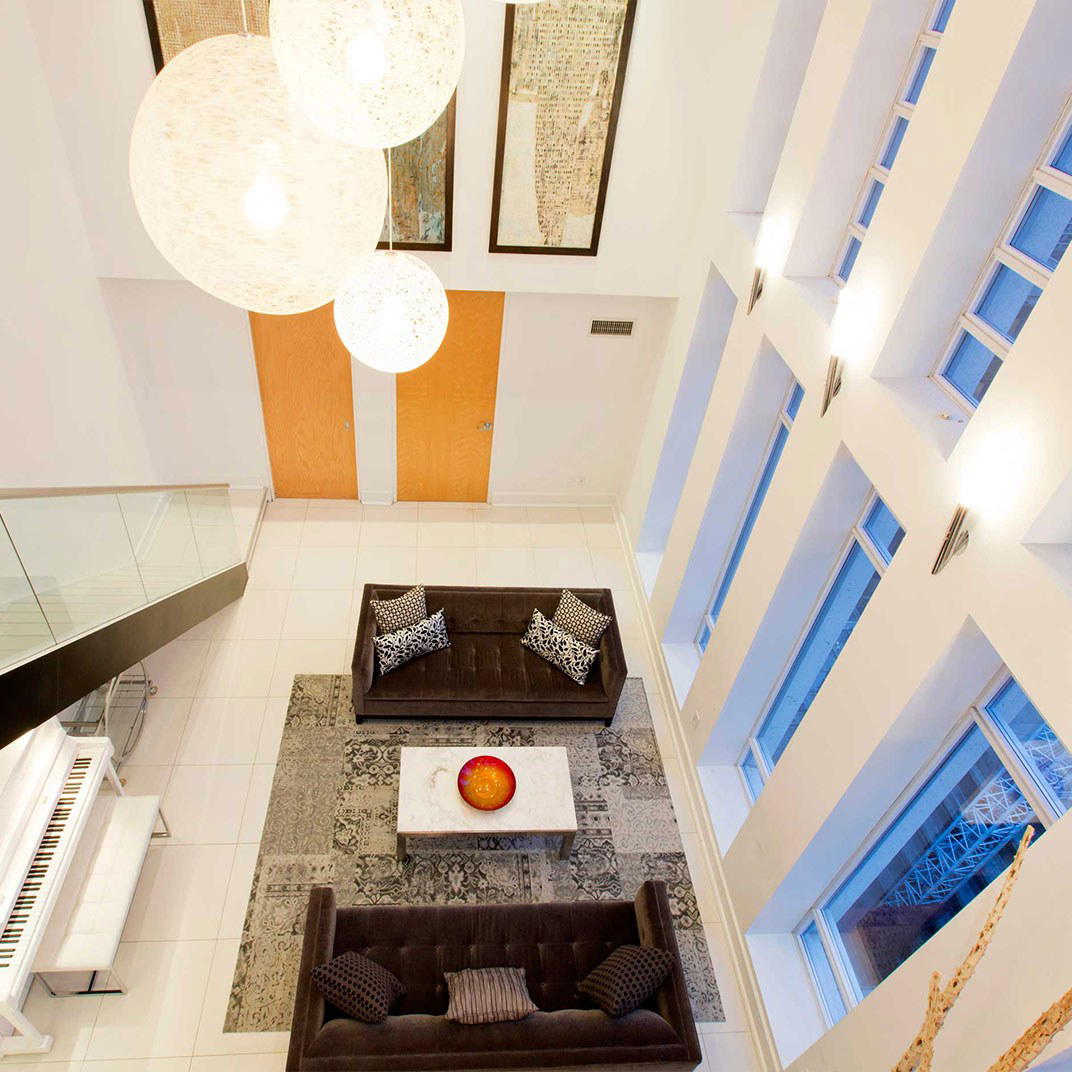

At a Glance
- Modern
- Lively
- Trendy
- Casual Hangout
- Group Dining
- After Work
- Open Kitchen
- Courtyard
- Private Dining
- Craft Cocktails
- Beer Program
Current opening hours
- Monday
- 11 AM–8 PM
- Tuesday
- 11 AM–9 PM
- Wednesday
- 11 AM–10 PM
- Thursday
- 11 AM–10 PM
- Friday
- 11 AM–10 PM
- Saturday
- 11 AM–9 PM
- Sunday
- Closed
Hours can change for holidays and private events. Last verified .
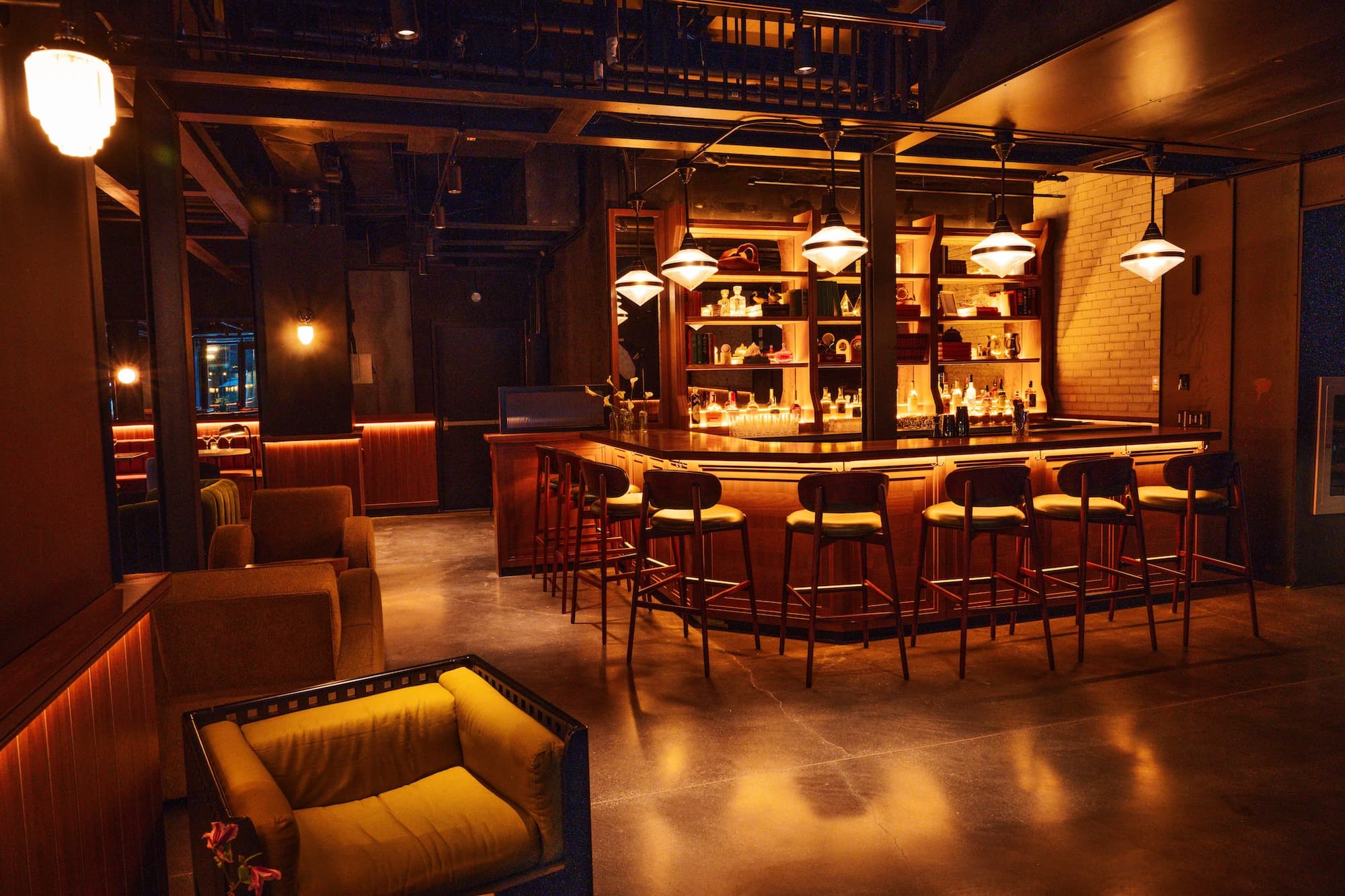
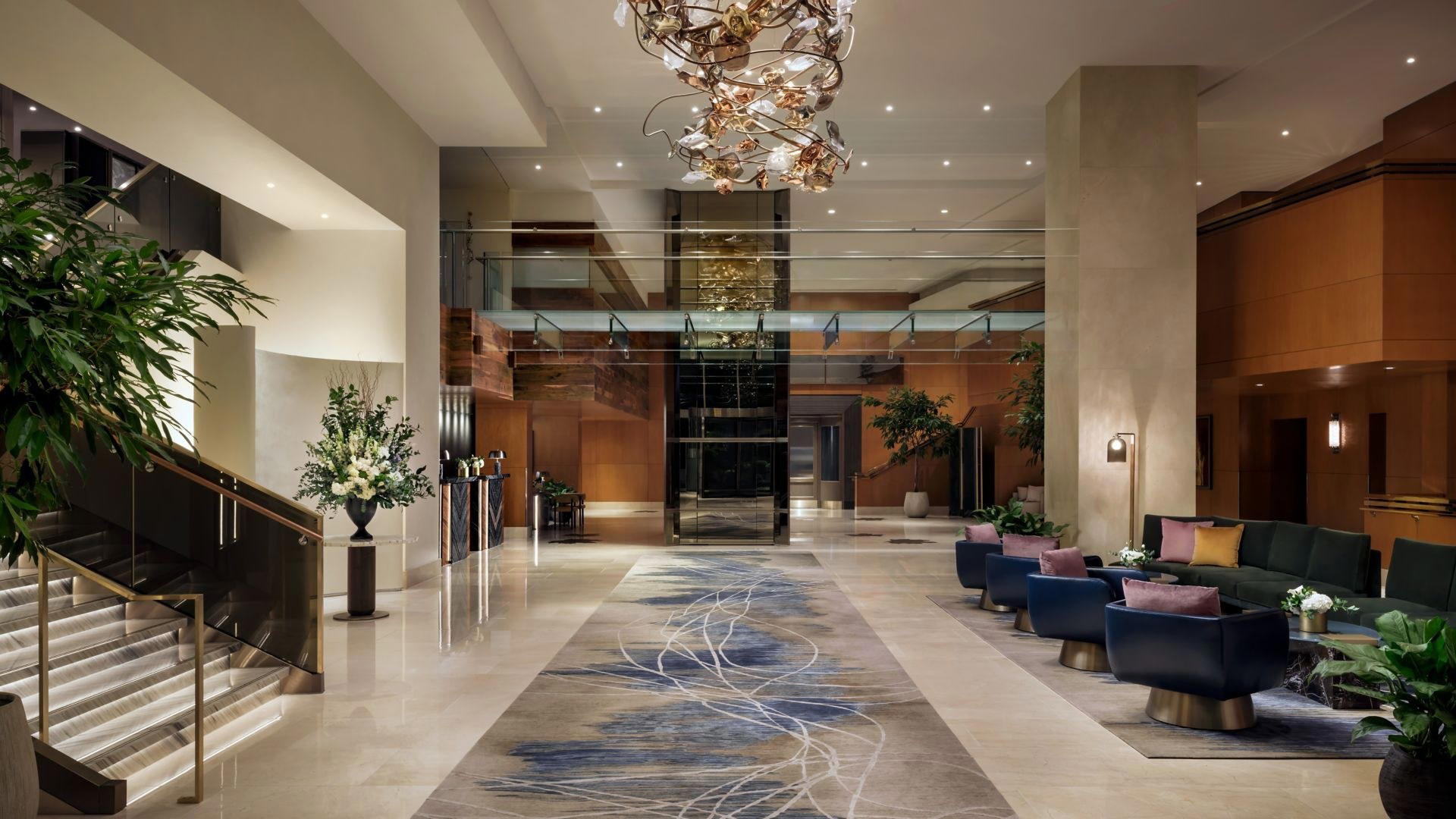
Well-decorated, well-designed modern food hall with a lively, energetic atmosphere and multiple distinct spaces including a courtyard patio and lounge areas.