
Our verdict
Chao Shang Chao brings Chaoshan and Teochew cooking into Beijing’s high-end regional Chinese conversation, with chef Cheung Yat Fung attached and a No. 100 placement on the 2026 OAD Top Restaurants in Asia list. The draw is not novelty but specificity: a southern coastal tradition defined by clarity, seafood discipline, broths, braises, and restrained seasoning, set against a capital-city dining scene often dominated by northern, Cantonese, and Sichuan reference points.

Pearl is the En Primeur Club membership app, where members save venues, book tables and use the concierge.
The menu
What to order
- Braised fish maw with 30-year-aged dried radish
- Eel wrapped in lotus leaf
- Char siu pork
- Chaoshan-style goose web
- Hairy crab with yellow wine
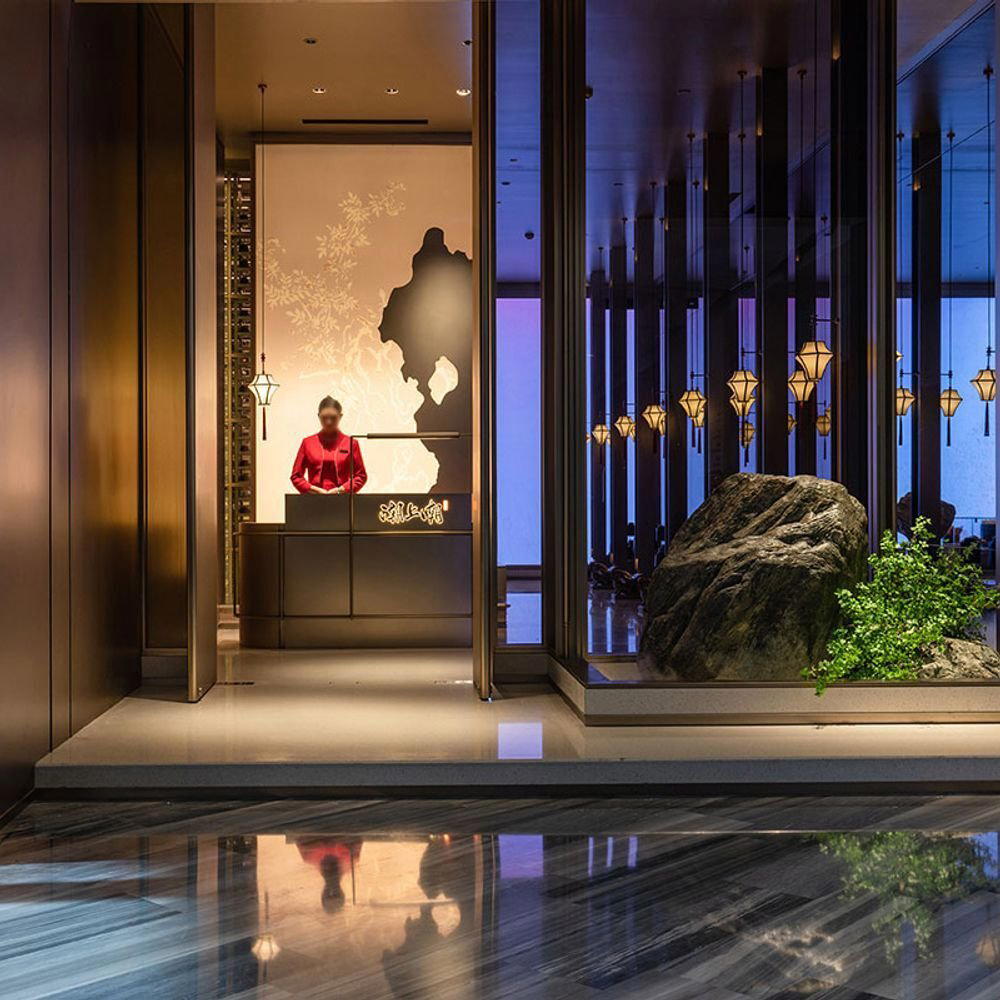
Arriving at a polished dining room in Beijing changes the terms of regional Chinese dining. The soundscape is quieter than the city’s more familiar destination dining rooms, the pacing more formal than a neighbourhood Chaozhou table, and the expectation is precision rather than abundance for its own sake. Chao Shang Chao sits in that narrower lane: Chaoshan and Teochew cooking presented for a capital audience that already understands Chinese luxury, regional heat, and Beijing banquet ritual, but may read Teochew restraint as quieter at first glance.
That restraint is the point. Chaoshan cooking, rooted in eastern Guangdong, has long valued freshness, clean stocks, seafood handling, braising, chilled preparations, pickled accents, and sauces that sharpen rather than smother. It shares certain southern Chinese instincts, especially around clarity and product quality, but the grammar is different. Where broader banquet cooking often signals status through breadth, technique, and rare ingredients, Teochew food can be more exacting in its refusal to overwork a plate. In Beijing, that distinction matters because southern Chinese fine dining can too easily be flattened into a single category.
Chaoshan cooking in a Beijing room, not Cantonese dining by another name
The useful way to read this restaurant is through regional separation. Beijing’s dining culture gives visitors strong anchors: duck, banquet rooms, dumpling houses, lamb, and the city’s expanding contemporary Chinese tier. Other regional restaurants bring chilli, fermentation, smoke, sweetness, river fish, red-braised comfort, soup, seafood, and lighter seasoning into the conversation. Teochew belongs to that southern-coastal family but keeps its own register, especially in the balance between delicacy and austere control.
Chao Shang Chao’s 2026 placement at No. 100 on OAD’s Top Restaurants in Asia list gives the room a clear external signal, but the more interesting marker is what that recognition says about demand for regional Chinese specificity. International lists have historically rewarded tasting-menu formats and easily legible luxury. A Chaoshan / Teochew restaurant entering that conversation suggests a broader correction: Chinese regional cuisines are being evaluated less as background categories and more as distinct technical systems.
Chef Cheung Yat Fung is best treated as a credential here, not the story. The story is how a Beijing room frames a cuisine whose authority depends on restraint. In this category, confidence is often measured by what is left alone: clear broth, careful steaming, braising that prizes texture, seafood served with minimal interference, and condiments used as punctuation. That is a different kind of luxury from theatrical service or maximal plating.
What the recognition signals for Beijing's regional Chinese scene
Beijing has enough high-end Chinese dining to make regional identity a decision rather than a default. A visitor can spend a week moving through northern capital cooking, southern Chinese banquets, regional intensity, hotel dining rooms, and contemporary international-leaning restaurants without repeating the same logic. For orientation, EP Club’s wider Beijing map includes its full Beijing restaurants guide, plus category guides for Beijing hotels, Beijing bars, Beijing wineries, and Our full Beijing experiences guide.
The capital’s restaurant conversation often starts with duck, and that remains a useful baseline for understanding how visitors think about Beijing dining. Other Beijing dining rooms may express capital-city hospitality through banquet ritual, roast traditions, hotel service, or contemporary formats. For contrast in format rather than cuisine, the city also absorbs international hotel and contemporary dining codes, which makes a disciplined regional Chinese restaurant feel more specific rather than less.
Beyond that local frame, the regional map becomes sharper. Other Chinese cities point toward layered uses of chilli and numbing spice, Cantonese hotel-dining models, coastal seafood traditions, soup-led cooking, rice traditions, and softer seasoning patterns. Those comparisons are useful only in broad terms: they show how many different technical systems sit inside Chinese dining, and why Chao Shang Chao should be read as Chaoshan / Teochew rather than as a generic luxury Chinese room.
That regional frame also helps international readers avoid the common mistake of using one Chinese meal to explain the next. Dining traditions outside China can be equally format-specific, whether built around a counter, a specialist product, or a narrow service ritual, but the same editorial point applies: format and tradition matter as much as ingredient quality. Precision reads differently depending on the cuisine.
The reader decision: go for regional clarity
Chao Shang Chao is strongest as a choice for diners who want Beijing beyond the familiar northern script. The case is not that Chaoshan cooking is louder or more dramatic than the city’s better-known regional options; it is that its discipline can be harder to fake. Teochew cooking rewards attention to temperature, texture, stocks, seafood handling, and the small calibrations that make a dish feel clean rather than plain.
The award recognition gives the restaurant a trust signal, and the chef attribution adds a second one, but the more practical editorial stance is simple: choose this when the meal’s purpose is regional education at a high level, not spectacle. In a city where Chinese dining can swing from banquet grandeur to casual northern comfort, a serious Chaoshan / Teochew room gives Beijing another register, quieter, narrower, and more technically revealing.
Frequently asked questions
What style of cooking does Chao Shang Chao do?
Chao Shang Chao serves Chaoshan / Teochew cuisine.
Where do I go for Chao Shang Chao?
Beijing.
Is Chao Shang Chao chef-led?
The chef associated with Chao Shang Chao is Cheung Yat Fung.
How hard is it to get a table at Chao Shang Chao?
The 2026 Opinionated About Dining ranking gives Chao Shang Chao a clear demand signal. The room reads as a destination for regional Chinese dining rather than an everyday walk-in stop.
What's the signature at Chao Shang Chao?
The defining point is Chaoshan / Teochew cuisine, with Cheung Yat Fung named as chef. The restaurant’s 2026 Opinionated About Dining ranking supports the sense that the kitchen is being judged on regional precision rather than on a single named dish.
In Context
Comparable venues nearby, for context on price, style, and recognition.
| Venue | Cuisine | Price | Awards | Notes |
|---|---|---|---|---|
| Chao Shang ChaoThis venue (the venue you are viewing) | Modern Chaoshan (Teochew) Fine Dining | $300–500 | Not listed | Not listed |
| Huang Ting | Cantonese Fine Dining | $30–50 | Not listed | Chaoyangmen, Cantonese Fine Dining |
| Made In China (长安壹号) | Traditional Northern Chinese with Peking Duck | $50–100 | Not listed | Wangfujing, Modern Northern Chinese with Peking Duck |
| Huajia Yiyuan | Traditional Beijing Peking Duck | $30–50 | Not listed | Beixinqiao, Traditional Beijing Peking Duck |
| LU STYLE | Modern Shandong Seafood | $50–100 | Black Pearl 1 Diamond | Chaoyang District, Modern Shandong Seafood |
| Courtyard | Imperial Chinese | $30–50 | Not listed | Donghuamen, Imperial Chinese |
Recognition history
Dated appearances from independent guides and award organizations, with the underlying list record or original source where available.
Opinionated About Dining Top Restaurants in Asia Ranked #100
Opinionated About Dining
Continue exploring
More in Beijing
Restaurants in Beijing
All restaurants in Beijing →
Bars in Beijing
All bars in Beijing →


Details
- Elegant
- Modern
- Sophisticated
- Ornate
- Special Occasion
- Celebration
- Business Dinner
- Date Night
- Group Dining
- Design Destination
- Private Dining
- Standalone
- Sommelier Led
- Extensive Wine List
- Skyline
- Tasting Menu
- A La Carte
- Wine
- Tea
- Vegetarian Friendly
- Gluten Free Options
- Pescatarian Friendly
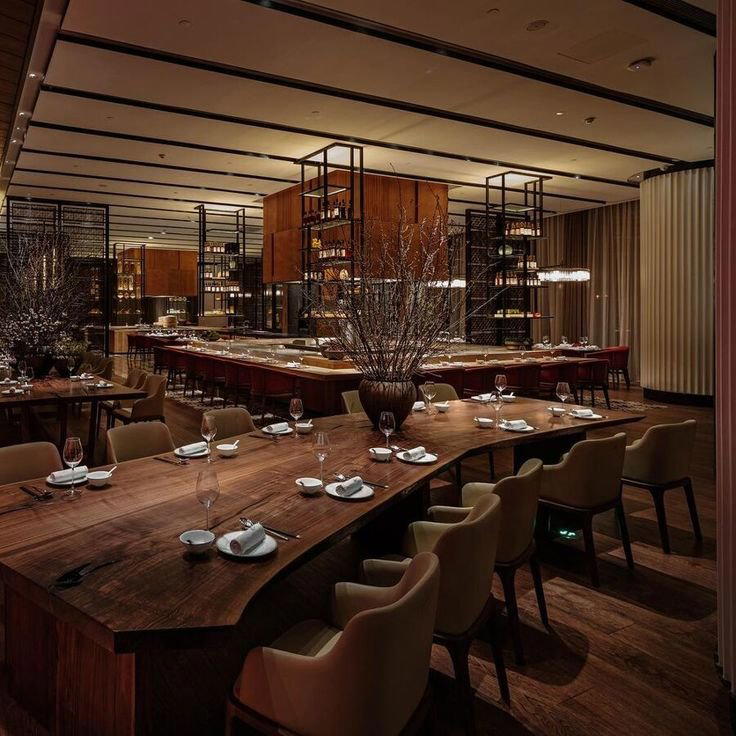
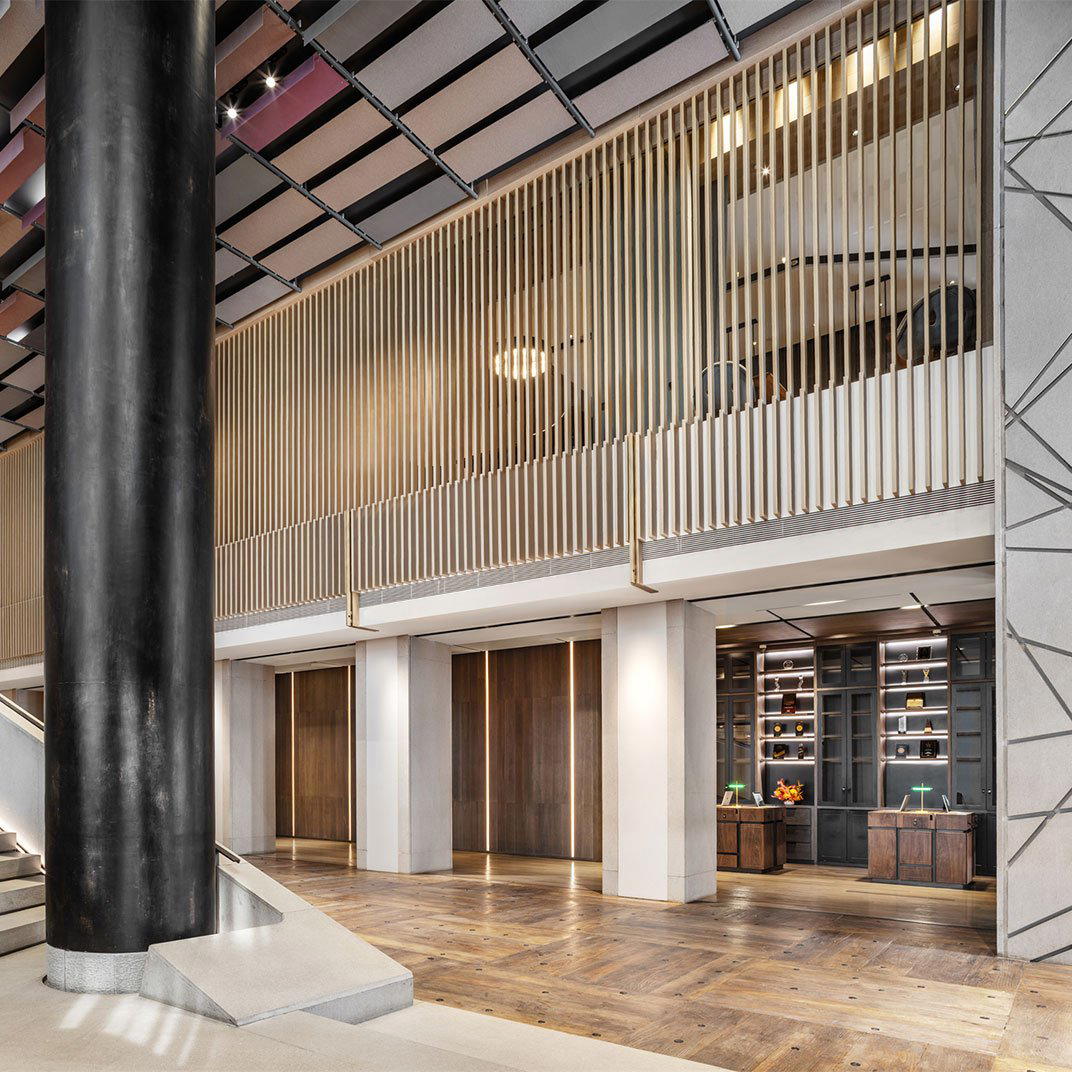
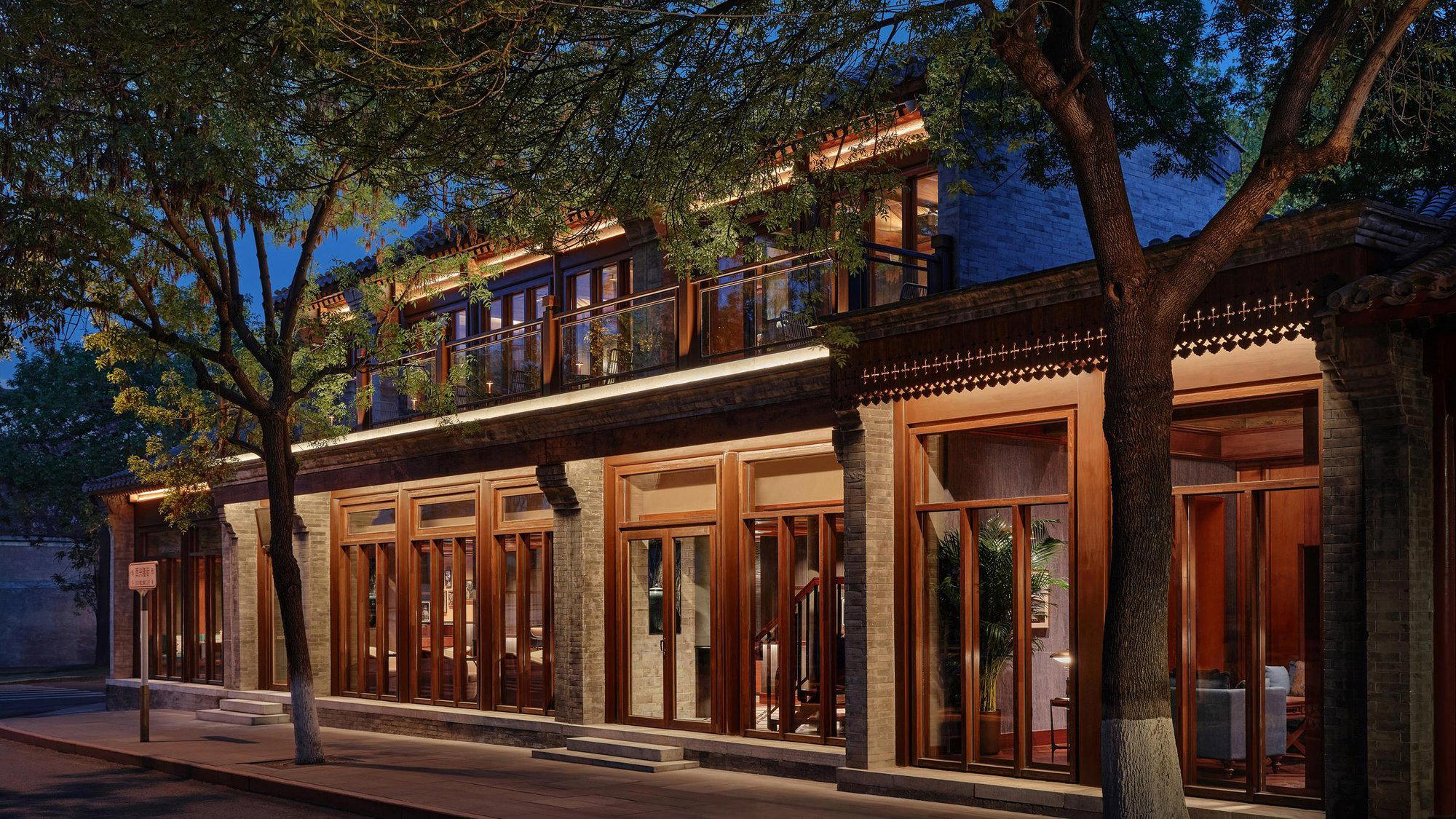
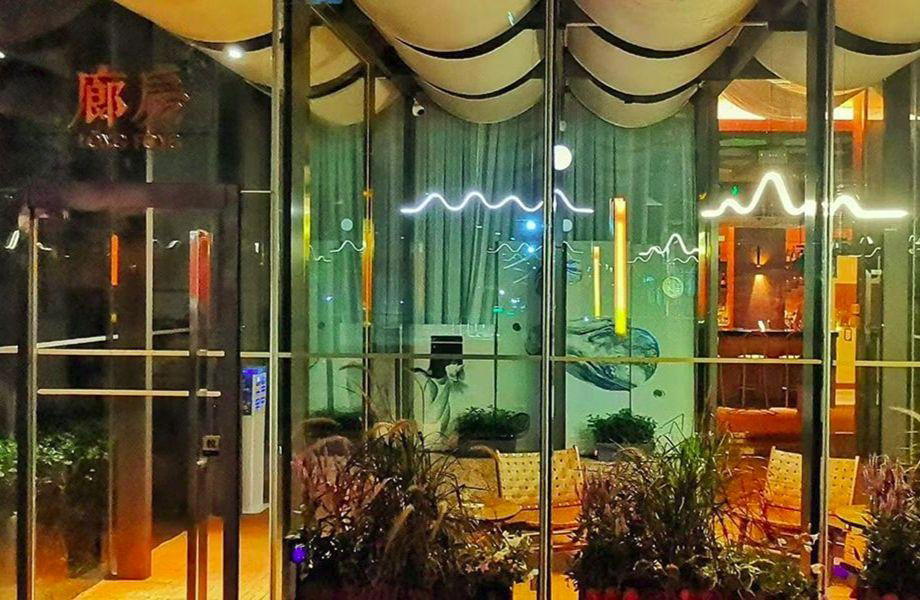
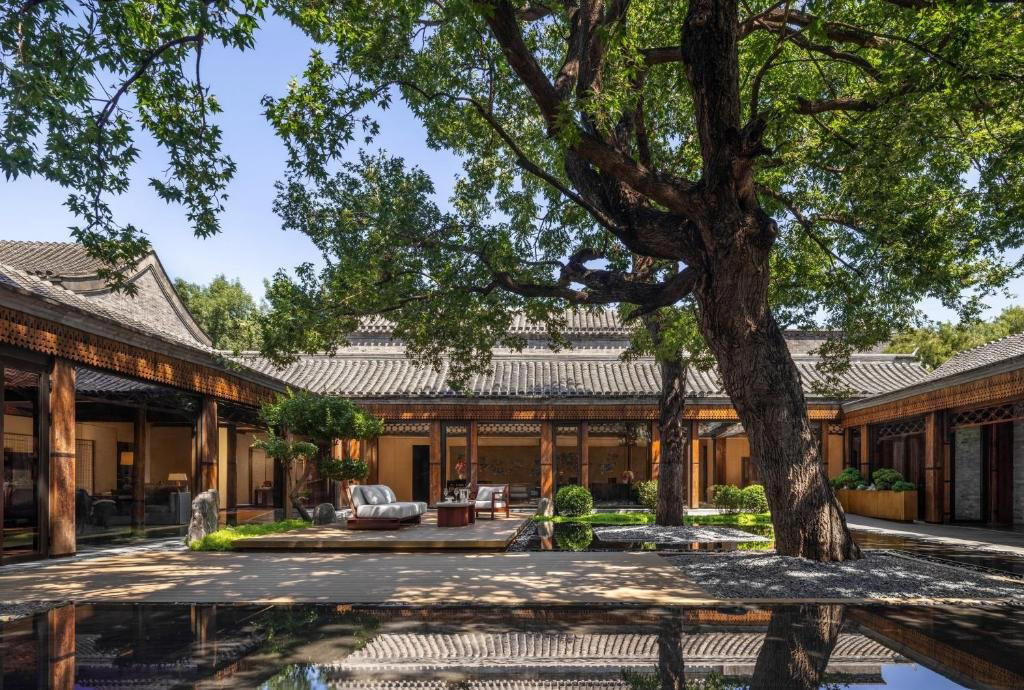
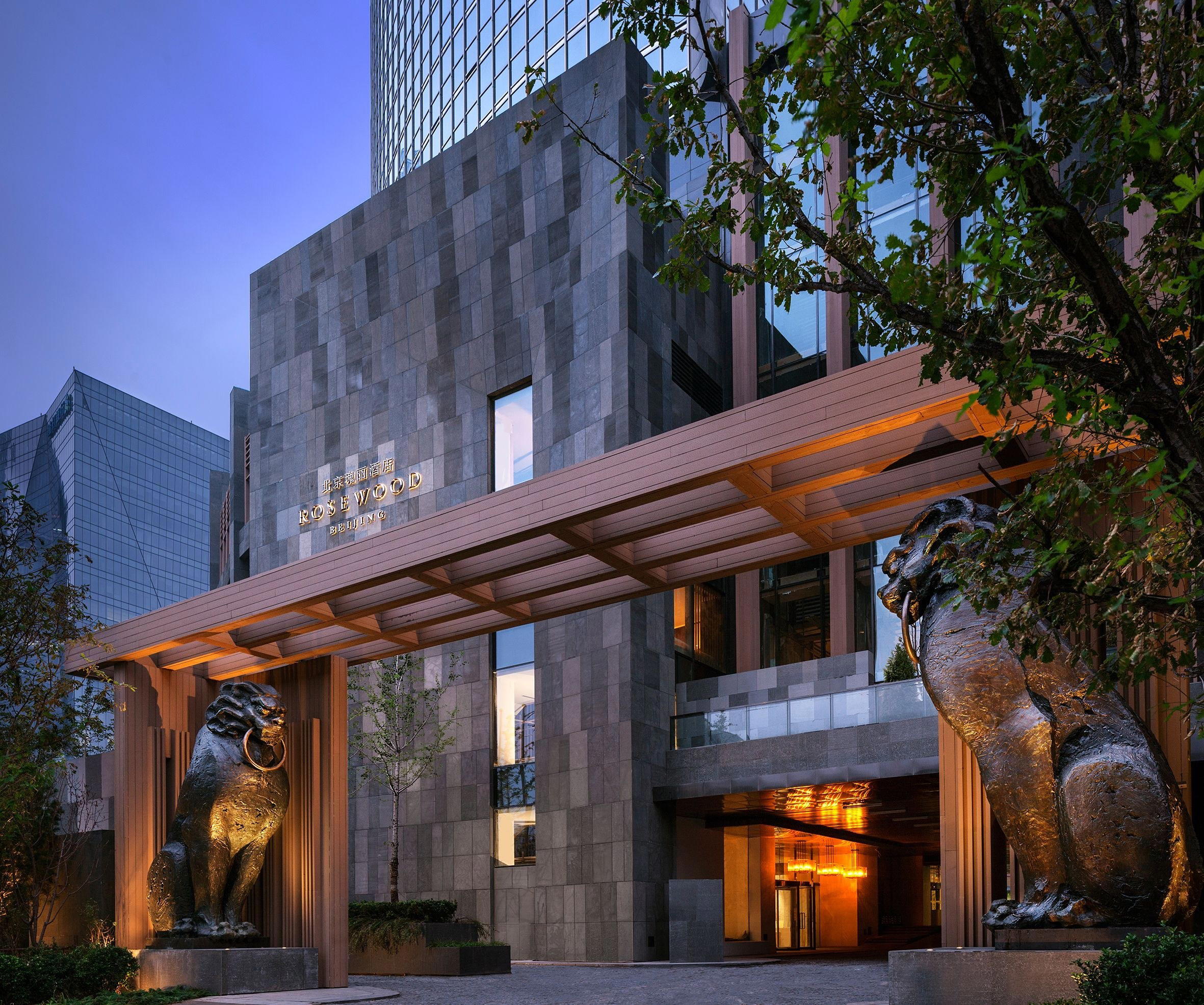
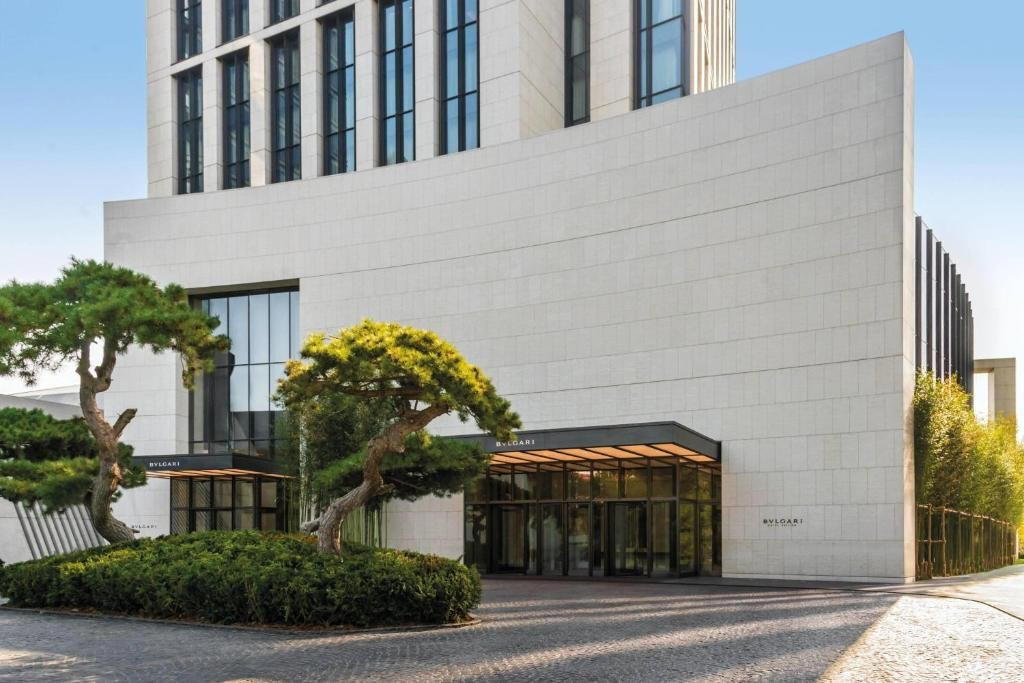
A discreet, high-end fine-dining room hidden on the fourth floor of a largely empty skyscraper in Beijing’s CBD, with polished, modern decor, soft lighting and a calm, hushed atmosphere that focuses attention on the intricate plating and service rather than city noise.