
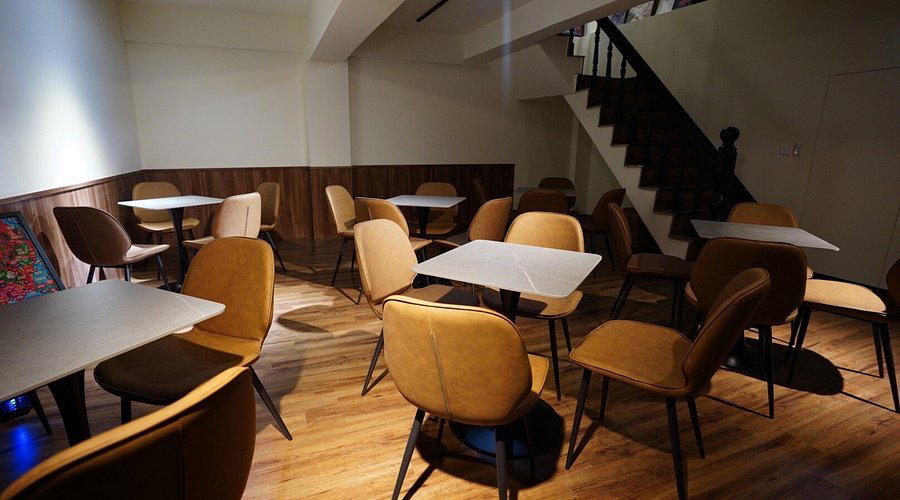
Chang Sheng 29 relocated in 2024 to a two-level space on Wufu 4th Road in Kaohsiung's Yancheng District, where wood-rich interiors, the owner's vintage crockery collection, and Love River views frame a daily-changing omakase format rooted in home-style Taiwanese cooking. At mid-range pricing, it occupies a distinct position in the city's dining scene: structured enough for a considered meal, grounded enough to feel like someone's kitchen.
Pearl is the En Primeur Club membership app — saves, bookings, and concierge access live there. Same editors, same standards.
- Address
- No. 258號, Wufu 4th Rd, Yancheng District, Kaohsiung City, Taiwan 803
- Phone
- +886 7 521 5018
- Website
- facebook.com
- Directions
- Get directions
 Saves & bookings on Pearl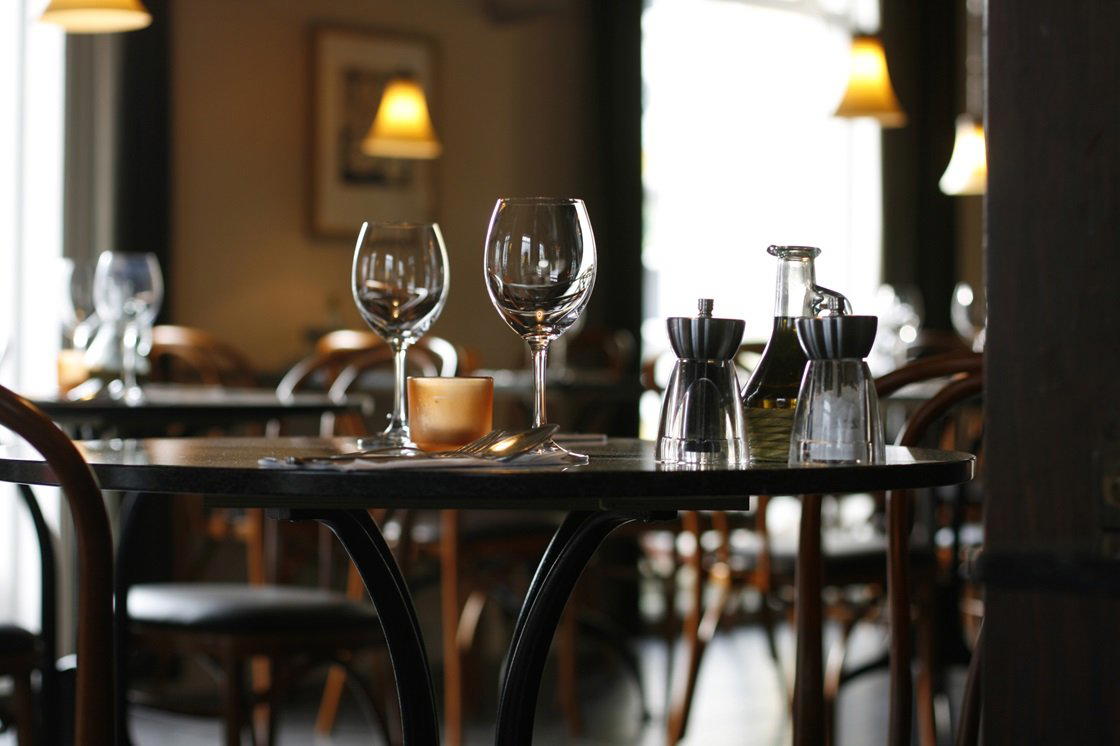
Love River, Vintage Crockery, and the Omakase Logic of a Home Kitchen
Yancheng District sits on the western bank of Love River, one of Kaohsiung's most recognisable urban waterways, and the neighbourhood has long mixed older residential fabric with the kind of low-key dining that gets passed around by word of mouth rather than by algorithm. Home-style Taiwanese cooking has always had a strong presence here, and the format that Chang Sheng 29 now occupies, a two-level space with unobstructed upper-floor views over the river, anchors that tradition in a more considered setting than the district's older casual restaurants typically offered.
The move to Wufu 4th Road introduced a wood-heavy interior dressed with the owner's personal collection of vintage crockery, a design choice that reads as curatorial rather than decorative. In a country where table settings and vessel selection are taken seriously at every tier of dining, from the lacquerware of a Taipei kaiseki counter to the mismatched ceramics of a Tainan beef soup specialist, that collection acts as a quiet signal about how the kitchen thinks about presentation. It is not the same logic as a fine-dining room, but it is not arbitrary either.
The Daily Menu and the Omakase Structure
Taiwan's contemporary restaurant scene has been working through an interesting structural question: at what point does home-style cooking benefit from a structured format, and at what point does that structure flatten what made the cooking interesting in the first place? The answer has played out differently across the island. In Taipei, restaurants like Golden Formosa and Ming Fu approach Taiwanese classics with a degree of ceremony that moves them into premium territory. Fujin Tree Taiwanese Cuisine and Champagne in Songshan pairs the same traditions with a wine program. Further afield, JL Studio in Taichung and logy in Taipei reframe Taiwanese ingredients through a fine-dining lens altogether.
Chang Sheng 29 occupies a different position in that conversation. Two omakase menus are available, and the dishes rotate daily depending on what is available. That daily variability is not a casual disclaimer, it is the operational logic of a kitchen that sources to the market rather than locking in a fixed menu. The result is a format that borrows omakase's surrender-of-choice structure without importing its price architecture. At a mid-range price point ($$), the restaurant sits closer in practical terms to Beef Chief on Zihciang 2nd Road than to Kaohsiung's Michelin-recognised tables, Haili and GEN operate at a higher price tier, but it applies a more deliberate structural frame than most of its immediate price peers.
What the Kitchen Does with Classic Techniques
The two dishes most frequently mentioned by diners, deep-fried pork belly marinated in red rice wine lees, and fish soup in a claypot, illustrate the kitchen's method. Red rice wine lees (紅糟, hóng zāo) is one of Fujian cooking's most persistent contributions to Taiwanese food culture. The fermented rice residue left after producing red yeast rice wine carries a complex flavour profile: earthy, slightly tannic, with a natural colouring that stains the pork a distinctive brick-red. Using it as a marinade for deep-fried pork belly is a technique with deep roots in southern Taiwanese home cooking, and the fact that it appears as a signature here, rather than being replaced by something more visually contemporary, suggests a kitchen that treats the archive of regional technique as a resource rather than a limitation.
The claypot fish soup occupies similar ground. Claypot cooking remains a live tradition across southern Chinese and Taiwanese food cultures, valued for the way the porous clay moderates heat and contributes a faint mineral character to long-cooked broths. At restaurants working in a more modernising register, these preparations often get reworked through presentation or technique. Here, the choice appears to be fidelity, executing the dish in its established form with access to good daily produce, rather than reinterpretation. That is a distinct editorial position in a dining scene that increasingly rewards visible technique and format novelty. It is also consistent with what the daily-changing menu implies: a kitchen tracking availability and seasonality rather than a fixed creative vision expressed in permanent dishes.
Kaohsiung's Home-Style Tier and Where This Sits
Kaohsiung's restaurant scene has a stronger identity in certain categories than the city's international profile sometimes suggests. The port city's food culture has historically been less formal than Taipei's, with a stronger tradition of market-adjacent cooking, seafood from the nearby coast, and the kind of family-style Taiwanese food that rarely makes it into hotel restaurant programs. Several restaurants in the city have built considered versions of that tradition. A Fung's Harmony Cuisine, Bo Home, Chao Ming, and Erge Shih Tang each represent a different point on the spectrum between casual and structured within this broader category.
Chang Sheng 29 sits at an interesting intersection: it has the format discipline of a structured restaurant (omakase sequencing, a defined menu selection, a proper dining room across two levels) without the price premium that usually accompanies that level of intention.3 from 11,187 reviews suggests the restaurant is not universally embraced, which is often true of places that take a specific position rather than a broad-appeal one. The daily-changing menu means repeat visits produce genuinely different experiences.
For comparison across Taiwan's broader home-style and regional cooking scene, A Cun Beef Soup in Tainan and Akame in Wutai Township offer instructive reference points in adjacent traditions. Volando Urai Spring Spa and Resort in Wulai District represents a further point on the spectrum where indigenous Taiwanese ingredients meet resort-format dining.
Planning a Visit
The restaurant is at No. 258, Wufu 4th Road in Kaohsiung's Yancheng District. The mid-range pricing ($$) makes it accessible relative to the format it offers, and the daily-changing menu means advance planning beyond securing a booking is of limited use, what arrives at the table depends on market availability that day. The upper level of the restaurant commands views over Love River, so requesting that floor when booking is worth the effort.
A Tight Comparison
Comparable venues nearby, for context on price, style, and recognition.
| Venue | Cuisine | Price | Notes |
|---|---|---|---|
| Chang Sheng 29This venue — the venue you are viewing | Taiwanese | $$$ | Not listed |
| Hai Guang | Zuoying, Refined Jiangzhe Chinese | $$$ | Not listed |
| Tain Chu | Not listed | $$ | Sinsing District, Sichuanese and Taiwanese |
| Tainan Wang | Not listed | $$ | Qianjin District, Traditional Taiwanese Seafood with Tainan Eel |
| Paul's Canteen | Not listed | $$$ | Lingya District, Refined Taiwanese with Cantonese Twists |
| A Fung's Harmony Cuisine | Not listed | $$$ | Lingya District, Taiwanese Farm-to-Table Tasting |
Recognition history
Dated appearances from independent guides and award organizations, with the underlying list record or original source where available.
Michelin Plate
Michelin
Continue exploring
More in Kaohsiung
Restaurants in Kaohsiung
Browse all →
Bars in Kaohsiung
Browse all →
At a Glance
- Elegant
- Cozy
- Intimate
- Scenic
- Special Occasion
- Date Night
- Waterfront
- Sommelier Led
- Local Sourcing
- Waterfront
Current opening hours
- Monday
- Closed
- Tuesday
- 10 AM–8:20 PM
- Wednesday
- Closed
- Thursday
- Closed
- Friday
- Closed
- Saturday
- Closed
- Sunday
- Closed
Hours can change for holidays and private events. Last verified .
Wood-clad two-level space with natural textures, collected ceramics, and postcard Love River views creating warmth and elegance.