京星港式飲茶二 occupies a second-floor address on Zhongxiao East Road Section 4, one of Taipei's busiest commercial corridors, and serves Hong Kong-style dim sum in a format that sits well outside the city's fine-dining tier. For visitors tracing Cantonese tradition across Taiwan's restaurant scene, it represents the working-day, neighbourhood-facing end of a cuisine that elsewhere appears in tasting-menu form.
Pearl is the En Primeur Club membership app — saves, bookings, and concierge access live there. Same editors, same standards.
- Address
- 忠孝東路四段166號2F, 台北市
- Directions
- Get directions
 Saves & bookings on Pearl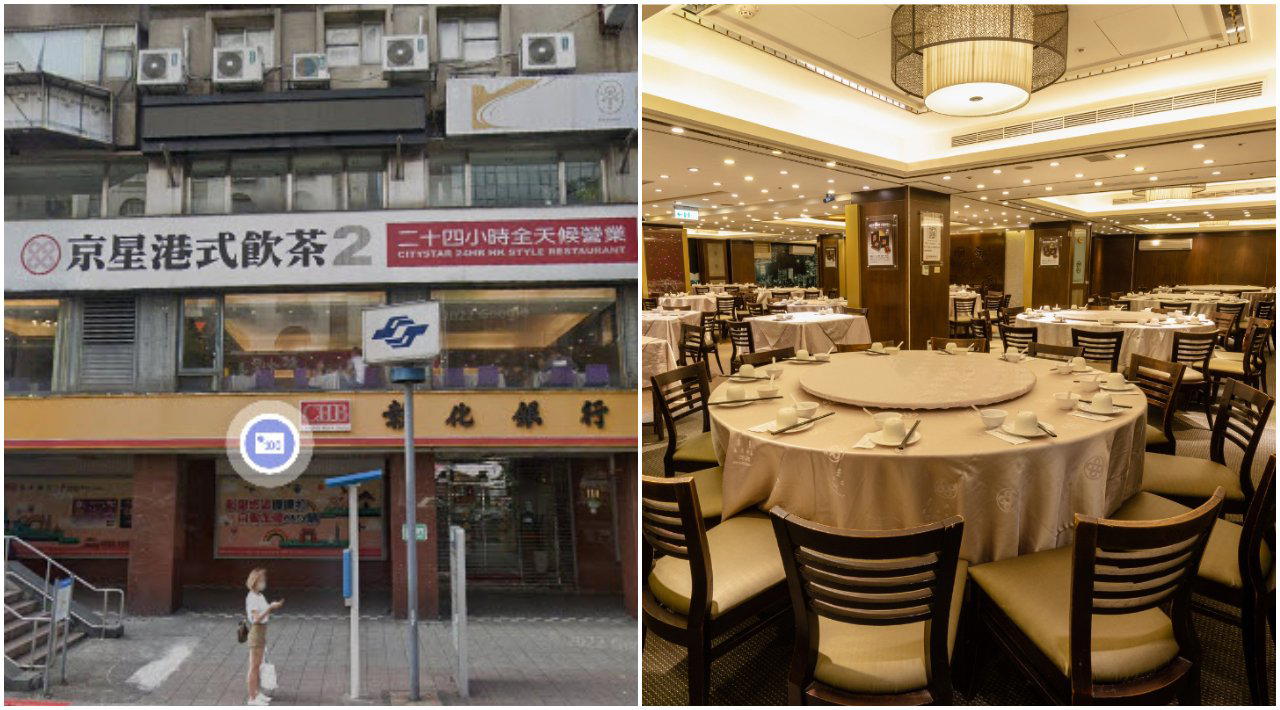
Cantonese Tradition at Street Level in Da'an
Zhongxiao East Road Section 4 runs through one of Taipei's densest retail and office zones, a stretch where lunch crowds move fast and restaurant choices skew practical over ceremonial. The second floor of No. 166 is where 京星港式飲茶二 operates, and the positioning matters: this is dim sum as a working-neighbourhood institution rather than a destination dining event. In a city where Cantonese cooking appears across a wide price spectrum, from the Michelin-starred formality of Le Palais at the upper end to casual teahouse formats at the other, 京星港式飲茶二 occupies the latter register, serving the kind of yum cha that Taiwanese diners associate with Hong Kong-style breakfast and lunch culture rather than evening tasting formats.
That distinction carries real weight in Taipei's restaurant ecology. The city's Cantonese offering has historically been shaped by waves of Hong Kong immigration and culinary exchange, producing a tier of dim sum houses that prioritise throughput, familiarity, and value over theatre. These venues function as social infrastructure: tables filled with families, colleagues, and regulars ordering from trolley or slip-sheet menus, tea refilled without asking. 京星港式飲茶二 sits inside that tradition.
The Rhythm of a Dim Sum House
The experience at a venue like this is inseparable from its time-of-day logic. Dim sum culture, whether in Hong Kong, Guangzhou, or across the Taiwanese diaspora, is structured around the morning-to-midday window. Arriving early secures the widest selection; arriving late means navigating a diminished trolley and slower kitchen output. This temporal discipline is built into the genre, not specific to any single address, and it shapes how a visit to 京星港式飲茶二 should be approached.
The broader dim sum tradition rewards table-sharing and iterative ordering: small plates arrive in sequence, dishes accumulate, and the meal extends through conversation rather than through a kitchen's pacing. In this sense, the front-of-house dynamic at a dim sum house carries different weight than in a tasting-menu restaurant. The team managing the floor, reading when a table needs more tea, when a trolley should circle back, when to suggest the kitchen's stronger output on a given day, performs a form of hospitality that is less visible than a sommelier pairing wines to courses but no less consequential to the overall experience. At high-volume Cantonese houses, this coordination between kitchen and floor determines whether the meal feels fluent or fractured.
For visitors comparing this experience against the more choreographed service models at venues like Taïrroir or L'Atelier de Joël Robuchon, the contrast is instructive. Dim sum service operates on collective rather than individual attention, the floor team's job is to keep the room moving rather than to shepherd a single table through a narrative arc. Both models require precision; they just apply it differently.
Where 京星港式飲茶二 Sits in Taipei's Dining Map
Taipei's restaurant scene in 2024 and 2025 has received sustained international recognition, particularly at the fine-dining tier. Venues such as logy and Molino de Urdániz operate within a globally competitive bracket, attracting visitors who plan trips around reservation windows. The neighbourhood dim sum house operates in an entirely different register, drawing its audience from the surrounding office blocks and residential streets rather than from international itineraries.
This does not make it less worth understanding. The Cantonese teahouse tradition is one of the more durable formats in Chinese food culture, a system of dishes, service rhythms, and social codes that has survived transplantation across dozens of cities over more than a century. Taipei's version of that tradition has its own character: influence from Taiwan's own culinary preferences, adjustments to local ingredient availability, and a price sensitivity shaped by competition from night market culture and other casual formats. Across the wider Taiwan dining scene, similar Cantonese-rooted traditions appear in different registers, from the casual settings explored at venues like GEN in Kaohsiung to the refined approaches found at JL Studio in Taichung.
Within Da'an and the Zhongxiao East Road corridor specifically, the second-floor location at No. 166 places 京星港式飲茶二 among a cluster of mid-range and casual restaurants that serve the area's dense working population. The address is accessible by MRT (Zhongxiao Fuxing or Zhongxiao Dunhua stations bracket the stretch), which makes it a practical lunch stop rather than a planned detour.
Planning a Visit
Given the dim sum format, timing a visit for late morning, arriving between 10:30 and 11:30 on a weekday, typically yields the complete selection and a manageable room. Weekend mornings run busier across all Hong Kong-style dim sum houses in Taipei, and 京星港式飲茶二's second-floor footprint means queuing can develop at peak hours. Reservations are recommended. Visitors with specific dietary requirements or allergy concerns should plan to communicate these directly with floor staff on arrival, as menu documentation in accessible formats is not confirmed.
For those building a Taipei itinerary that includes both casual Cantonese and the city's more ambitious contemporary restaurants, 京星港式飲茶二 represents the everyday end of a culinary tradition.
Peers Worth Knowing
Comparable venues nearby, for context on price, style, and recognition.
| Venue | Cuisine | Price | Notes |
|---|---|---|---|
| 京星港式飲茶二This venue — the venue you are viewing | Hong Kong-style Dim Sum | $$ | Not listed |
| 小李子清粥小菜 | Taiwanese Congee and Small Dishes | $$ | Da'an |
| 原創花雕雞 | Taiwanese Huadiao Chicken Hotpot | $$ | Songshan District (松山區) |
| Zen Ho Uang | Authentic Yunnanese | $$ | Heng'an |
| Beef Noodle Soup at Regent Hotel Taipei | Taiwanese Beef Noodle Soup | $$$ | Zhongshan District |
| Din Tai Fung Chinese Taipei 101 Restaurant | Taiwanese Dim Sum | $$ | Jingxin |
Continue exploring
More in Taipei
Restaurants in Taipei
Browse all →
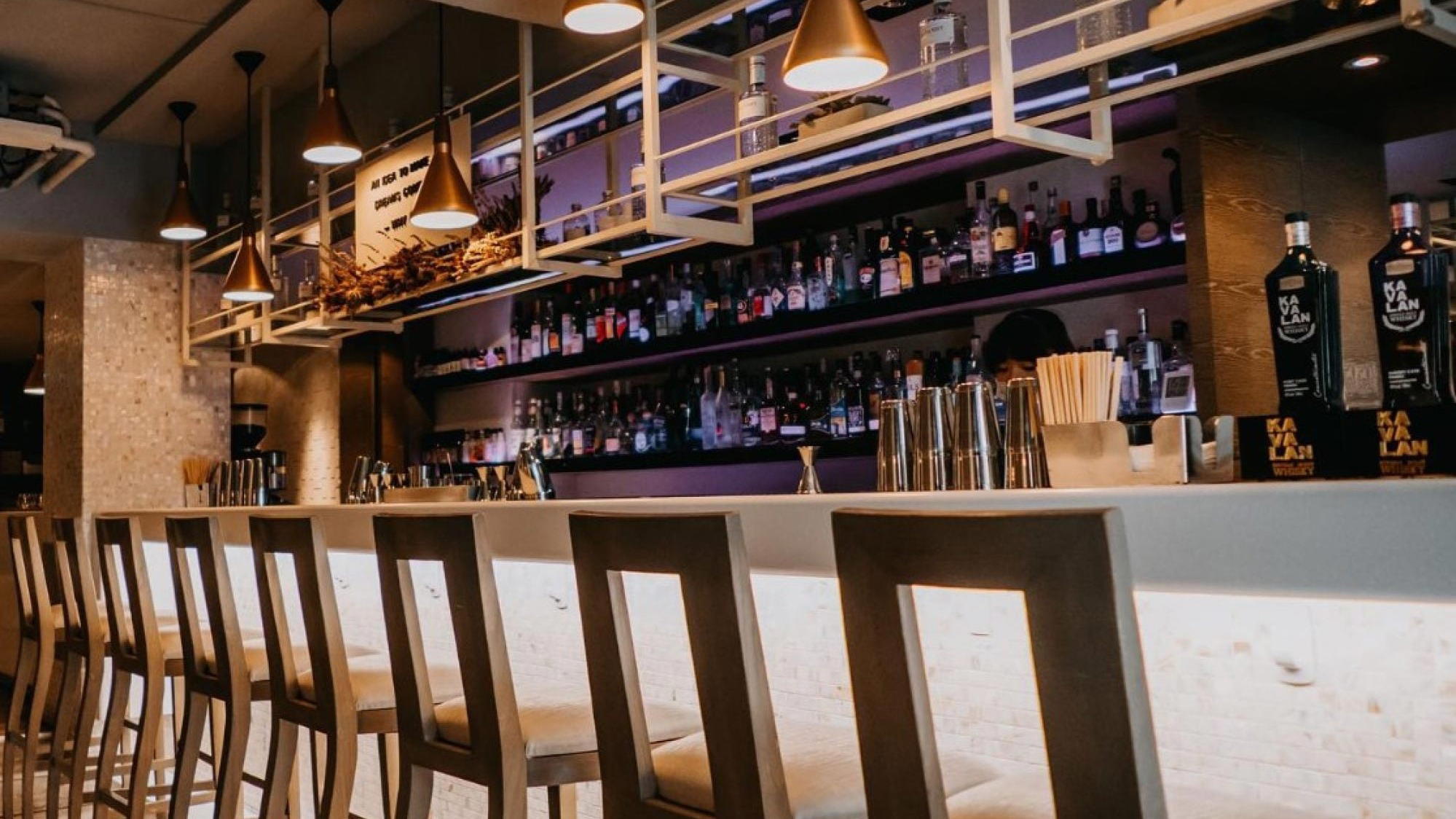
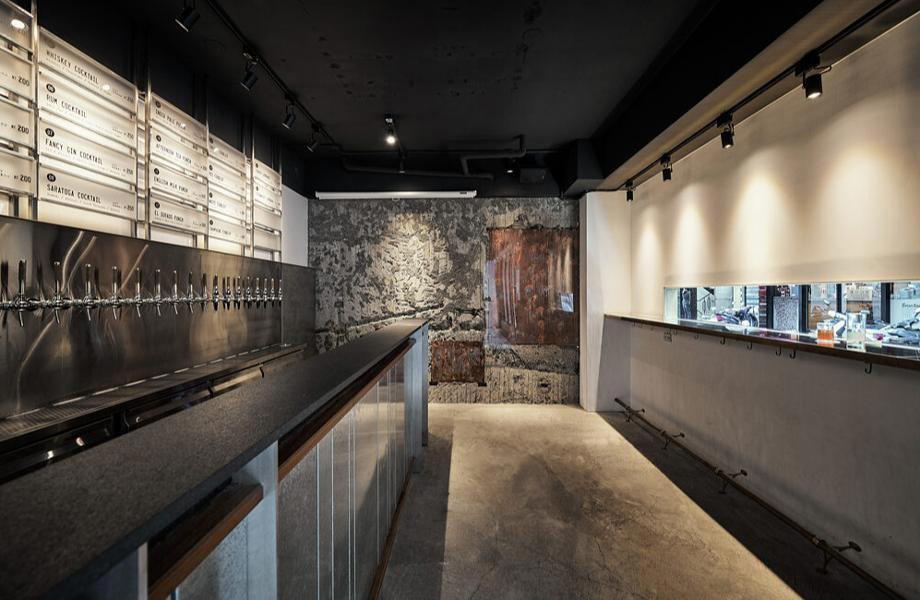
Bars in Taipei
Browse all →
Hotels in Taipei
Browse all →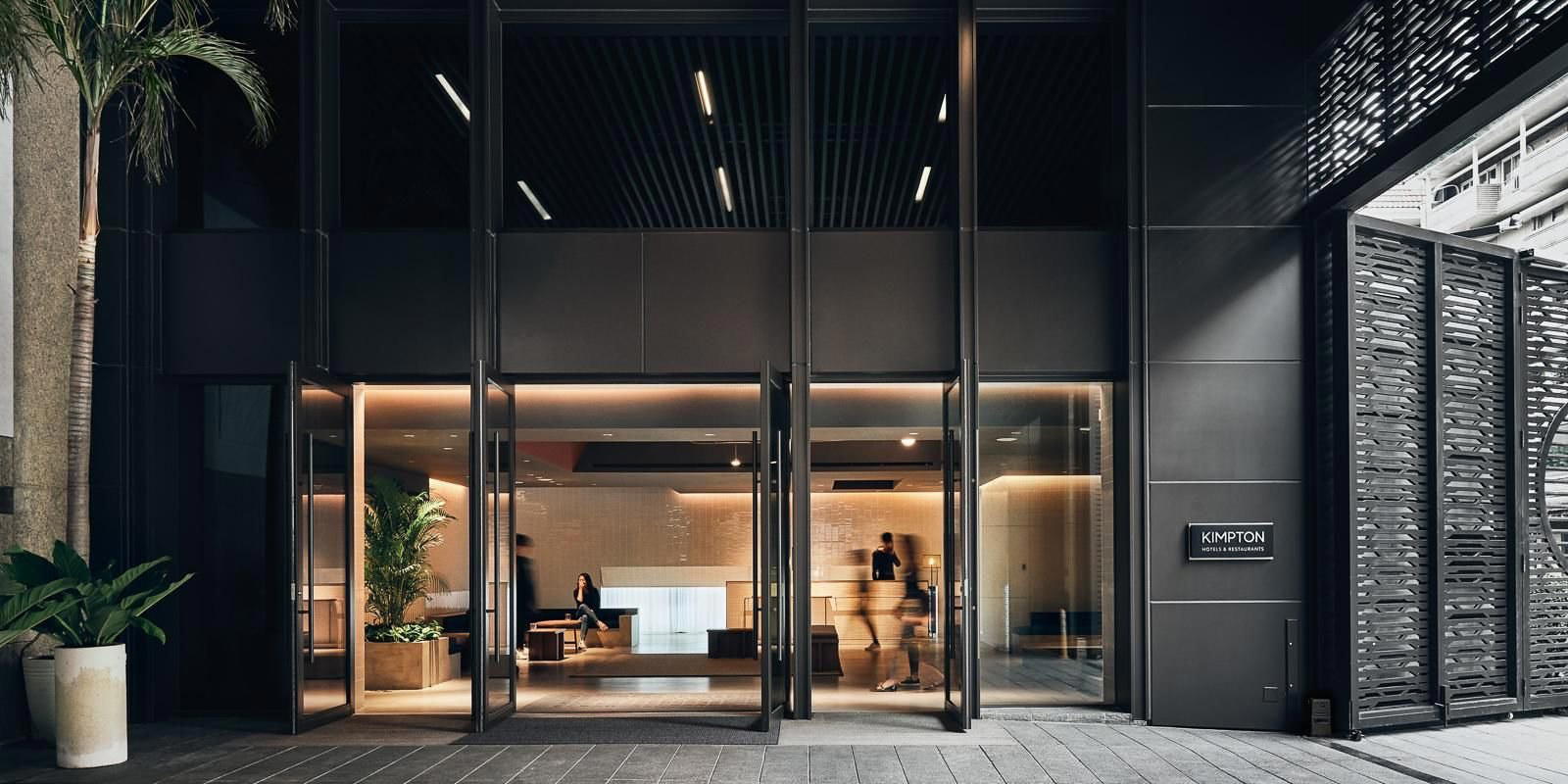
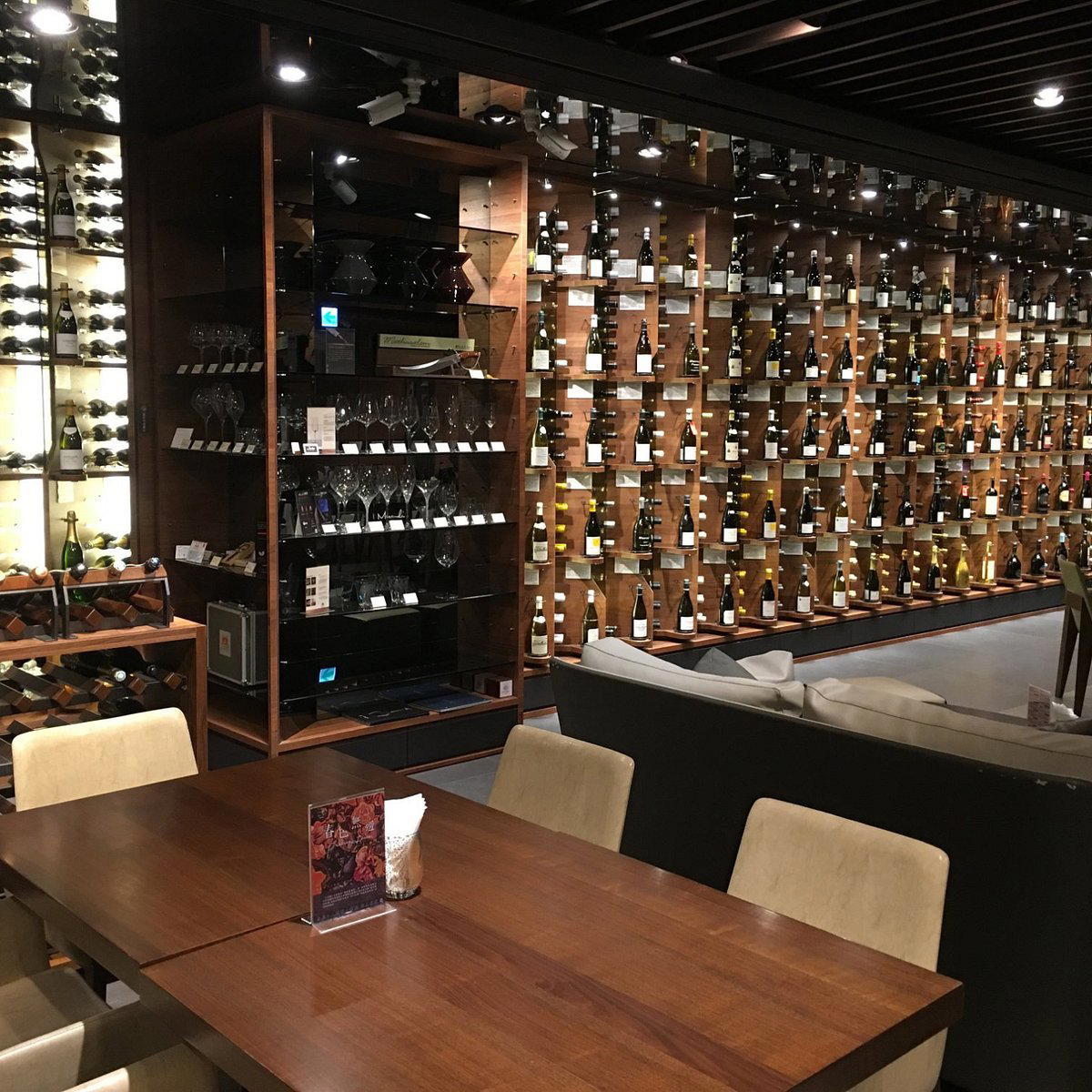
Wineries in Taipei
Browse all →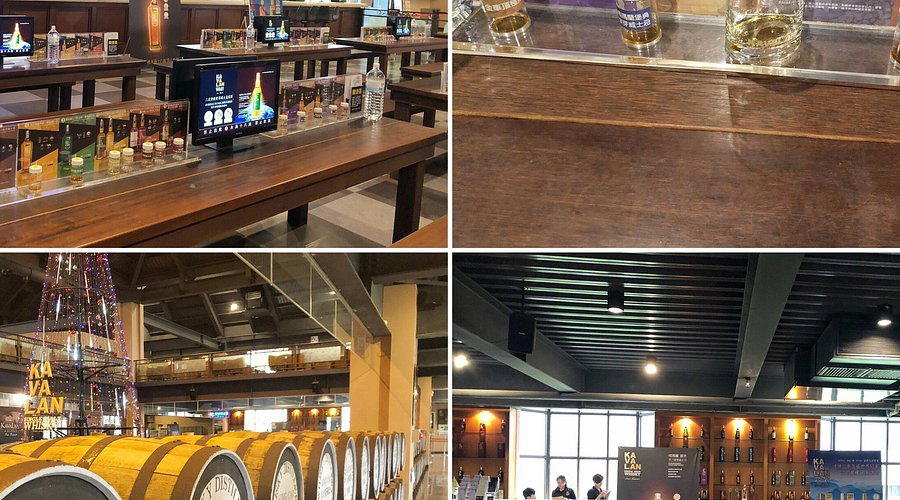
At a Glance
- Classic
- Group Dining
- Casual Hangout
- Late Night
Classical Chinese decor with bright lighting and a spacious, direct atmosphere typical of a traditional tea house.