Chan Chan
Chan Chan occupies a corner address on Avenida Hipólito Yrigoyen in Buenos Aires, placing it squarely in a neighbourhood shaped by working-class porteño tradition rather than tourist traffic. The restaurant draws from Argentina's deep larder, provincial produce, slow cooking methods, and an unapologetic directness that separates it from the polished tasting-menu circuit operating a few kilometres north in Palermo and Recoleta.
Pearl is the En Primeur Club membership app — saves, bookings, and concierge access live there. Same editors, same standards.
- Address
- Av. Hipólito Yrigoyen 1390, C1086 Cdad. Autónoma de Buenos Aires, Argentina
- Phone
- +54 43828492
- Directions
- Get directions
 Saves & bookings on Pearl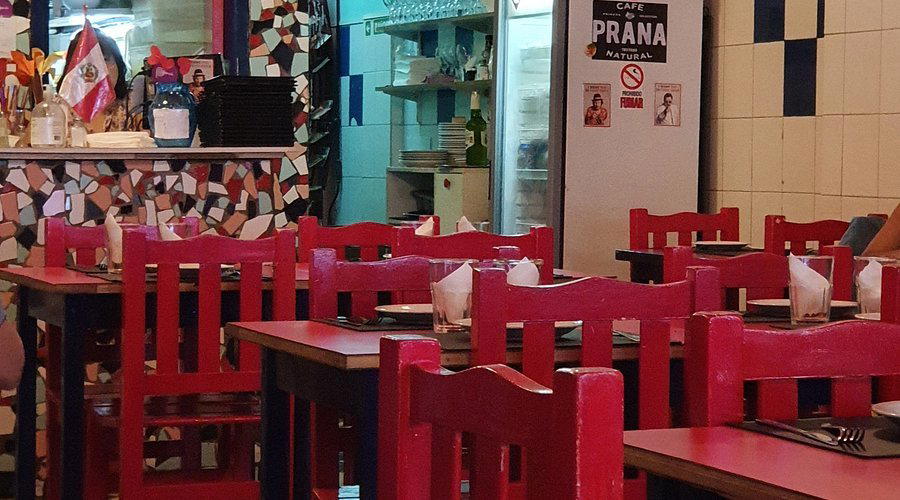
Where Buenos Aires Eats Without Performing
Avenida Hipólito Yrigoyen runs through the city's administrative core, a stretch of Buenos Aires that most international visitors pass through rather than stop in. That oversight matters. The restaurants along this corridor and its side streets tend to price for residents, cook for regulars, and measure success in repeat custom rather than review cycles.
Arriving here, the shift from the grander boulevards is immediate. The street-level scale is compressed, the foot traffic local, and the ambient noise is the ordinary sound of a city going about its day rather than a curated hospitality experience. For a certain kind of Buenos Aires diner, this is precisely the point. The absence of spectacle is itself a signal.
Argentina's Larder and What It Demands of a Kitchen
The country runs from subtropical Misiones in the north through the Cuyo wine country of Mendoza, down into Patagonia's cold-water lakes and wind-swept grasslands. Each region produces distinct ingredients, river fish from the Litoral, highland herbs and peppers from the northwest, beef from the Pampas that has defined the country's food identity internationally for over a century.
Restaurants in the mid-market and neighbourhood tier of Buenos Aires have historically drawn from this larder in an unselfconscious way, without the provenance labelling that has become standard in fine-dining contexts. The ingredients arrive because they are what is available and affordable, not because they have been sourced for narrative effect. This represents a different relationship to ingredient quality than the one performed at addresses like Aramburu, where sourcing is foregrounded as part of an explicit creative programme, or Trescha, where modern Argentinian technique shapes how produce is used and presented.
At addresses like Chan Chan, the value is in a different kind of fidelity, to the direct, unmediated use of what Argentina produces, prepared in a manner calibrated to the neighbourhood rather than the international dining circuit. That is not a consolation prize. In a city where Don Julio commands a four-dollar-sign price point and bookings weeks in advance for its Palermo grill, the existence of a mid-city address working in an older idiom represents a genuine alternative axis of value.
The Buenos Aires Neighbourhood Restaurant in Context
Buenos Aires has a layered dining structure that often goes underdescribed in international coverage. The city's top tier, the creative-contemporary bracket occupied by Anafe and Crizia, attracts the majority of editorial attention, as does the high-stakes parrilla circuit. Below that tier, but not beneath it in terms of local significance, sits a dense layer of neighbourhood restaurants operating on the logic of daily custom: consistent execution, familiar menus, and pricing that reflects a local rather than international reference point.
These restaurants are where the city actually eats. The lunch trade along Avenida Hipólito Yrigoyen draws office workers, court officials from the nearby Palacio de Justicia, and residents who have been eating at the same tables for years. The menu logic in this tier favours dishes that hold well through a service, that use cuts and ingredients with strong regional supply chains, and that require no explanation to the person sitting down. Empanadas from the northwest, milanesas from the Italian immigrant tradition, locro in the colder months, this is food with traceable lineage, even when no one at the table is narrating it.
The neighbourhood Buenos Aires restaurant draws from the same national larder but without that curation layer, which produces a different, sometimes more honest, expression of where Argentine food actually comes from.
Chan Chan operates at the other end of that spectrum, urban, dense, and rooted in the practical logic of a city neighbourhood rather than a curated landscape.
Planning a Visit
Chan Chan is located at Av. Hipólito Yrigoyen 1390, in the central Buenos Aires municipality. The address puts it within walking distance of the Congreso area and a short ride from San Telmo. For international visitors, this is not a neighbourhood that appears on the standard dining itinerary, which means the experience of eating here is genuinely embedded in the city's working rhythm rather than its hospitality infrastructure. Reservations are recommended, and the restaurant is open Tuesday through Sunday, 12 to 4 PM and 8 to 11:45 PM.
For those building a trip around Argentina's wider dining geography, the EP Club covers premium options across Mendoza wine country including Agrelo in Lujan De Cuyo and Entre Cielos Luxury Wine Hotel and Spa in Lujan du Cuyo, alongside Patagonian options like Las Balsas Restaurant in Villa La Angostura and northwest destinations such as La Table de House of Jasmines in La Merced Chica. For international reference points at the premium creative end of the spectrum, Le Bernardin in New York City and Lazy Bear in San Francisco represent the kind of deliberate sourcing-as-programme approach that sits at the opposite pole from the neighbourhood restaurant tradition the restaurant inhabits.
Comparable Venues
Comparable venues nearby, for context on price, style, and recognition.
| Venue | Cuisine | Price | Notes |
|---|---|---|---|
| Chan ChanThis venue — the venue you are viewing | Authentic Peruvian Ceviche | $$ | Not listed |
| La Mar | Peruvian Cebichería with Nikkei Fusion | $$$ | Palermo |
| La Más Querida | Pizza a la Parrilla | $$ | Belgrano |
| Armenia 1322 | Authentic Armenian Home Cooking | $$ | Palermo |
| PARADOS URBAN FOOD | Urban Argentine Cuisine | $$ | San Nicolas |
| BHARAT | Authentic North Indian | $$ | Piñeyro |
Continue exploring
More in Buenos Aires
Restaurants in Buenos Aires
Browse all →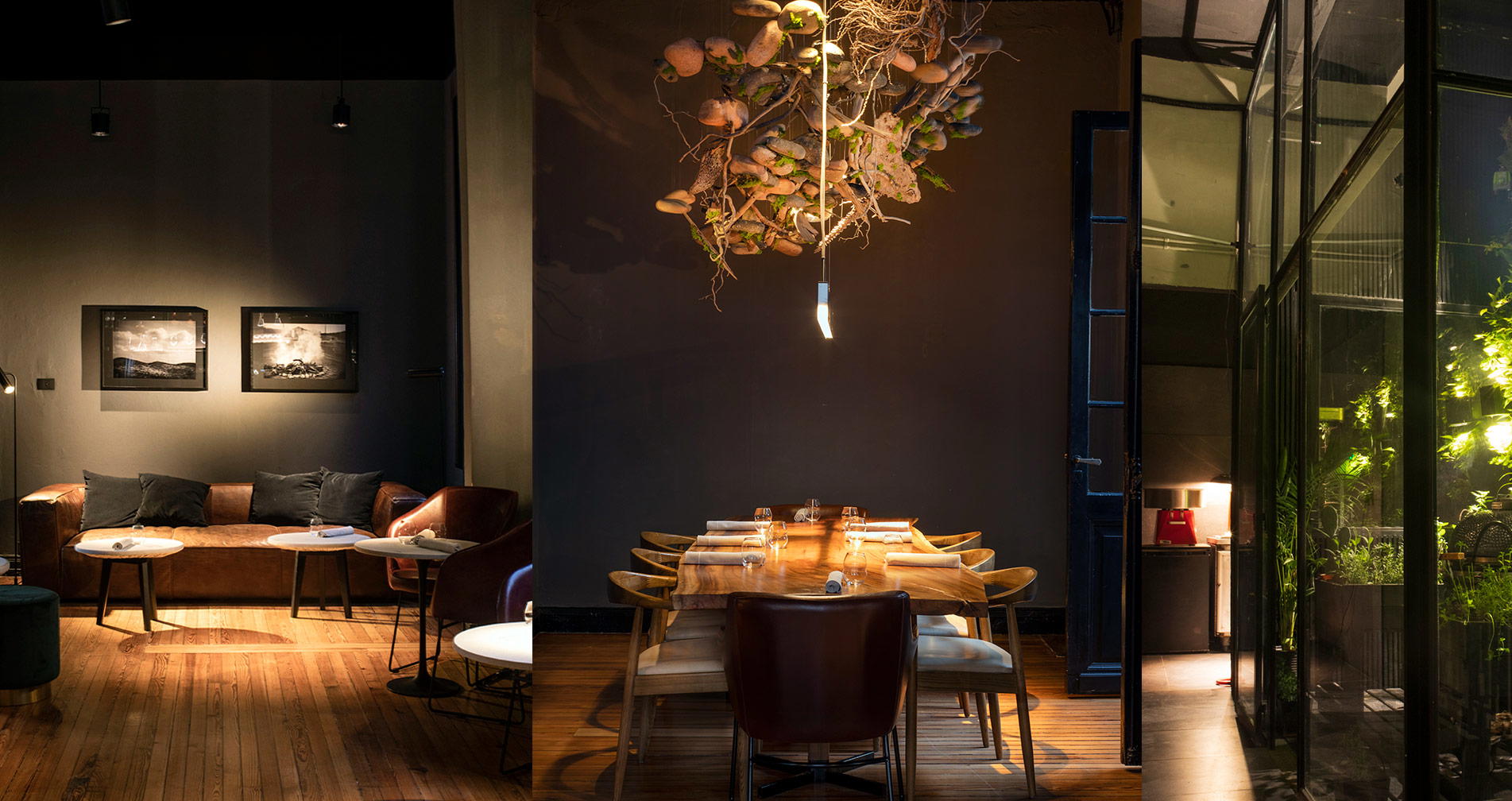
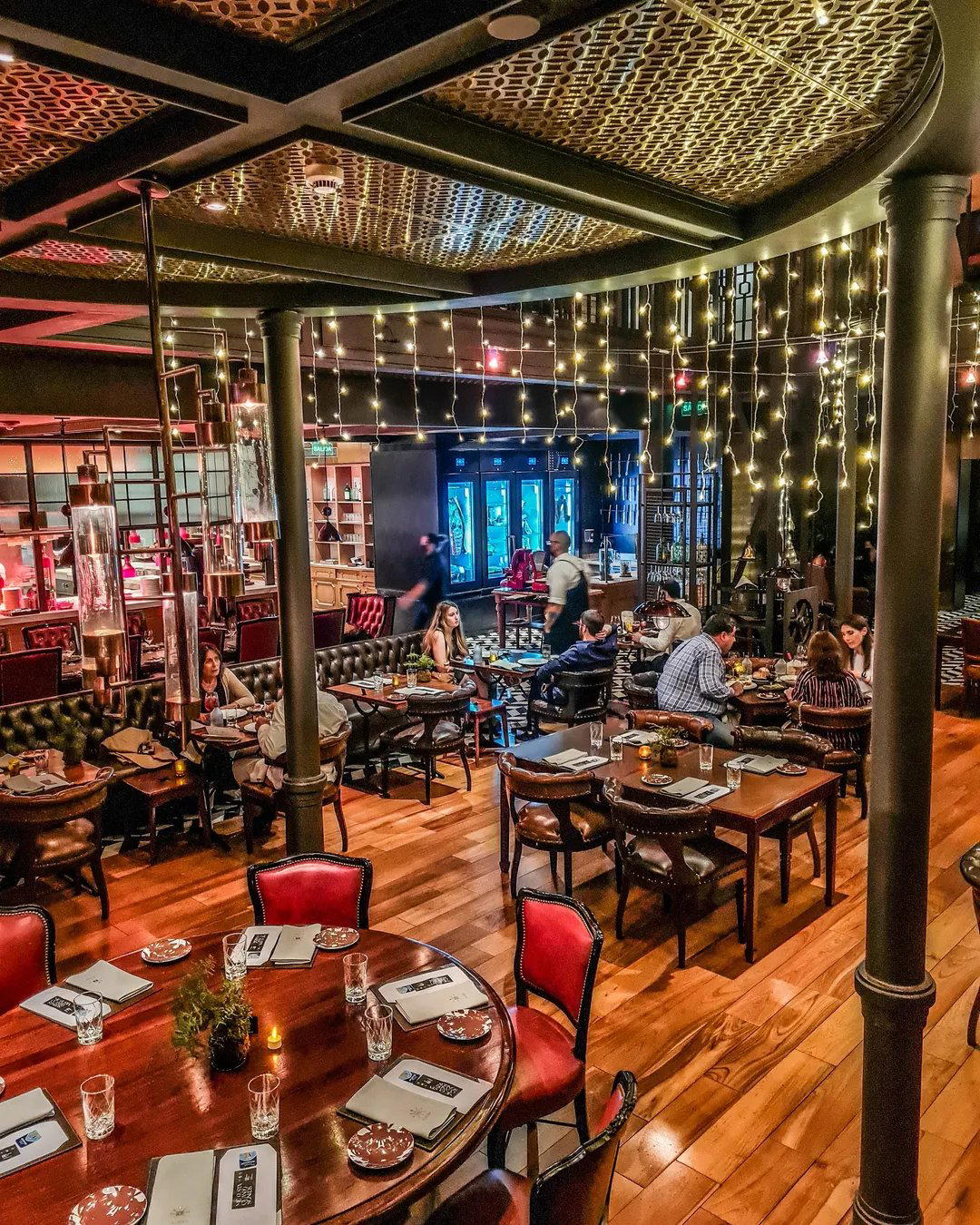
Bars in Buenos Aires
Browse all →
Hotels in Buenos Aires
Browse all →
Wineries in Buenos Aires
Browse all →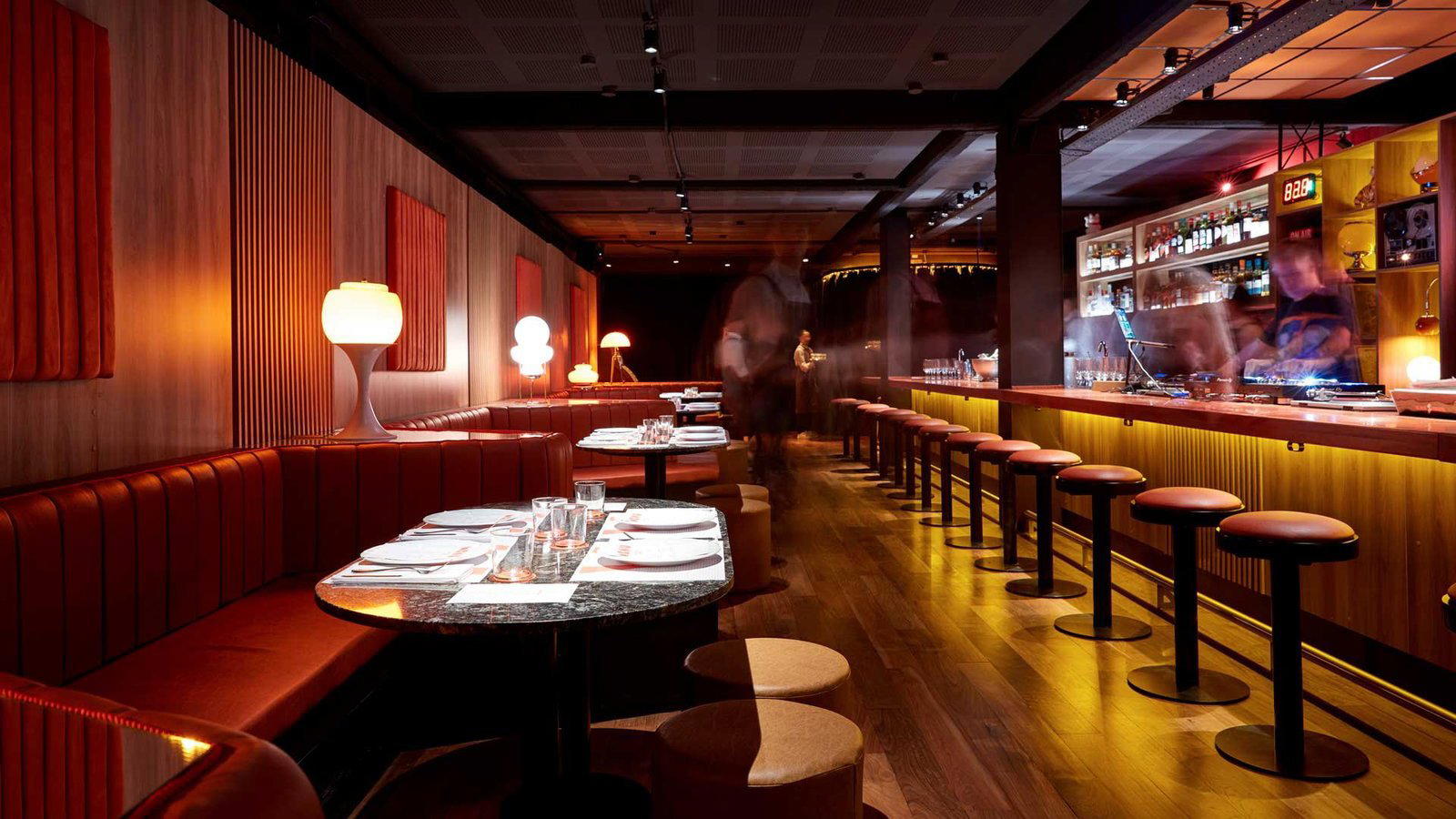
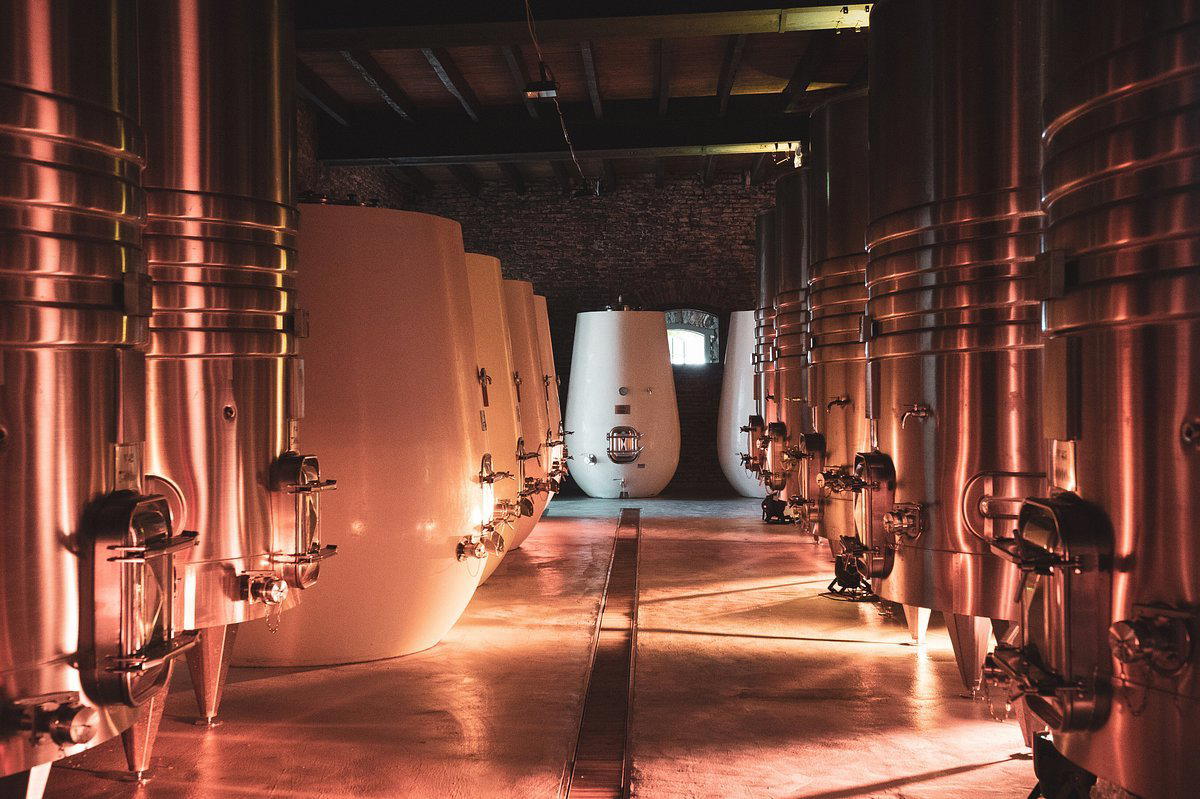
At a Glance
- Lively
- Cozy
- Casual Hangout
- Late Night
Current opening hours
- Monday
- Closed
- Tuesday
- 12–4 PM, 8–11:45 PM
- Wednesday
- 12–4 PM, 8–11:45 PM
- Thursday
- 12–4 PM, 8–11:45 PM
- Friday
- 12–4 PM, 8–11:45 PM
- Saturday
- 12–4 PM, 8–11:45 PM
- Sunday
- 12–4 PM, 8–11:45 PM
Hours can change for holidays and private events. Last verified .
Bright small restaurant with red wooden chairs and clean atmosphere, serving authentic Peruvian food without pretension.