Chalet
Chalet occupies a River North address at 228 W Chicago Ave, placing it inside one of Chicago's most competitive dining corridors. The venue draws comparison with the city's premium contemporary set, where sourcing provenance and kitchen discipline carry more weight than scale. For visitors working through Chicago's serious dining options, it sits alongside names that define the city's current direction.
Pearl is the En Primeur Club membership app — saves, bookings, and concierge access live there. Same editors, same standards.
- Address
- 228 W Chicago Ave, Chicago, IL 60654
- Phone
- +13127419785
- Website
- chaletchi.com
- Directions
- Get directions
 Saves & bookings on Pearl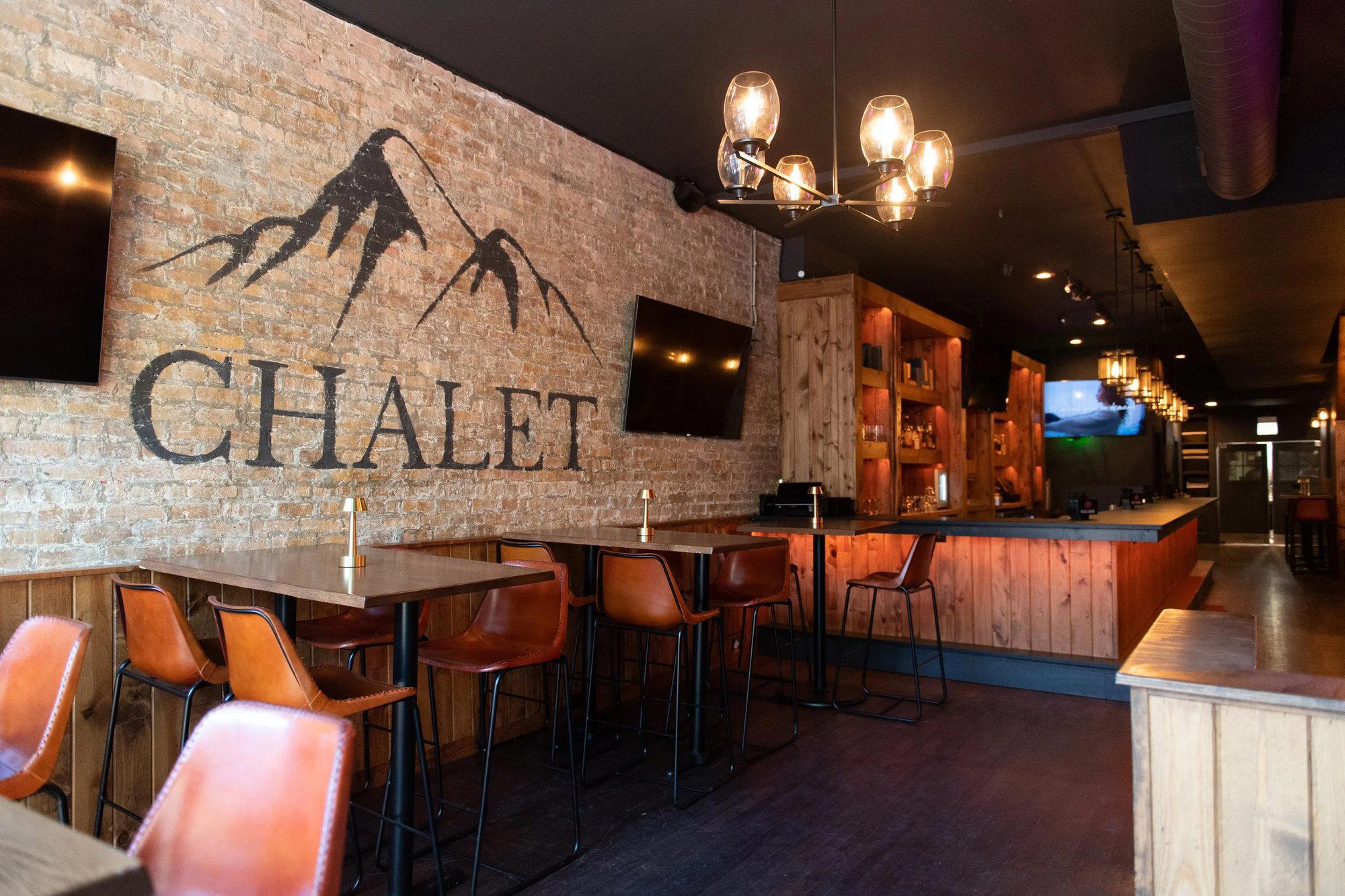
River North and the Sourcing-First Dining Shift
Chicago's River North has spent the last decade sorting itself into two distinct registers: high-volume hospitality built around occasion dining, and a quieter tier of kitchens where what arrives on the plate is inseparable from where it was grown, raised, or caught. The second group is smaller and more deliberate. Chalet, at 228 W Chicago Ave, sits inside that second register, a River North address that places it geographically between the spectacle of the main entertainment corridor and the more concentrated fine-dining cluster that stretches toward the West Loop.
That positioning matters because River North diners now arrive with expectations shaped by Chicago's dining reputation. The city has produced particularly rigorous ingredient-focused restaurants in the United States, from the farm-tethered sourcing at Smyth to the total-system approach at Alinea, where every element of a dish answers to a larger conceptual framework. Chalet enters a conversation already shaped by those precedents.
What the Address Signals
In Chicago's dining geography, River North carries layered meaning. It is where tourist-facing steakhouses and rooftop bars dominate the street-level experience, but it is also where a handful of more focused operations have chosen to embed themselves precisely because the foot traffic supports risk. The model works when a kitchen has something specific to say, about a cuisine tradition, about a sourcing region, about a technique, and uses the neighbourhood's density of visitors to sustain the economics of doing it properly.
Venues in this tier nationally tend to mirror the approach seen at places like Lazy Bear in San Francisco or Single Thread Farm in Healdsburg, where the relationship between producer and kitchen is made legible to the diner rather than treated as backstage logistics. Chicago has its own version of that conversation, and it runs through places like Kasama and Oriole, both of which have used sourcing specificity as an organizing principle rather than a marketing note.
Ingredient Provenance as Editorial Position
One consequential shift in American fine dining over the past fifteen years has not been in technique, it has been in the decision about where food comes from and how explicitly that decision is communicated at the table. Kitchens that once sourced broadly and said little about it now treat provenance as part of the dining experience itself. That shift is visible at Blue Hill at Stone Barns in Tarrytown, where the farm is the restaurant's primary text, and at Providence in Los Angeles, where the sourcing of seafood functions as both ethical commitment and culinary argument.
Chicago has been a consistent participant in that national conversation. The city's proximity to Midwest agricultural regions gives its kitchens geographic access that coastal peers often have to construct through longer supply chains. That access has produced a local dining culture where farm relationships, regional grain sourcing, and seasonal Midwestern produce are not novelties but baseline expectations at the serious end of the market. Chalet operates within that context, on a street that has seen enough ambitious kitchens open and settle to know what the neighbourhood's dining public is looking for.
For comparison, Frasca Food and Wine in Boulder demonstrates how a regionally anchored kitchen can build a lasting identity around place-specific sourcing without relying on spectacle. Addison in San Diego similarly treats its California sourcing as the primary lens through which every dish is understood. These are the kinds of kitchens Chalet's address invites comparison with, not because they share a cuisine, but because they share a philosophy about where cooking authority begins.
Chicago's Premium Tier: How Chalet Fits the comparable set
At the summit of Chicago's dining market, the competitive set includes restaurants with Michelin recognition, James Beard citations, and sustained international attention. Alinea holds three Michelin stars and operates at a price point that signals it is pricing against global peers. Next Restaurant has built a loyal following through its rotating concept format. Kasama earned a Michelin star while maintaining a format that combines daytime pastry with evening tasting menus, a structural choice that has attracted significant national attention.
Chalet's River North location places it within reach of that conversation, drawing from the same pool of diners who are planning multi-stop itineraries through Chicago's serious restaurants. Visitors who are working through the city's premium dining options alongside Oriole or Smyth will encounter Chalet as part of the broader picture of what River North and the surrounding corridors currently offer.
Nationally, the sourcing-first fine dining category has produced particularly durable restaurant identities in the country. The French Laundry in Napa established the template for American fine dining that treats ingredient sourcing as the first vocabulary of the kitchen. Le Bernardin in New York City applies a version of that discipline specifically to seafood. More recently, Atomix in New York City has demonstrated that sourcing specificity can be combined with cultural narrative to produce a distinctive dining identity. Atelier Moessmer Norbert Niederkofler in Brunico takes a European version of the same position, anchoring every dish to its Alpine sourcing region. Even Emeril's in New Orleans built its enduring identity in part on a relationship with Louisiana's regional ingredient culture. The Inn at Little Washington has maintained that sourcing-led identity across decades. These are the broader coordinates within which ingredient-focused American fine dining operates.
Planning Your Visit
Chalet is located at 228 W Chicago Ave, Chicago, IL 60654, within walking distance of the main River North dining cluster. Reservations are recommended, and the venue is open Tue: 4-11 PM; Thu-Fri: 4 PM-2 AM; Sat: 11 AM-3 AM; Sun: 11 AM-2 AM.
How Chalet Compares on Logistics
| Venue | Format | Price Range | Booking Lead Time |
|---|---|---|---|
| Chalet | River North dining | Confirm directly | Confirm directly |
| Smyth | Contemporary tasting menu | $$$$ | Several weeks in advance |
| Alinea | Progressive creative | $$$$ | Months in advance |
| Kasama | Filipino tasting menu | $$$$ | Several weeks in advance |
| Next Restaurant | Rotating concept | $$$$ | Ticket-based system |
Quick Comparison
Comparable venues nearby, for context on price, style, and recognition.
| Venue | Cuisine | Price | Notes |
|---|---|---|---|
| ChaletThis venue — the venue you are viewing | Modern American Comfort | $$$ | Not listed |
| Taste 222 | Modern American | $$$ | Fulton River District |
| Fora | Contemporary Global | $$$ | Fulton Market |
| 3 Arts Club Cafe | American Cafe Classics | $$$ | Near North Side |
| Mariposa at Neiman Marcus - Michigan Avenue | Contemporary American | $$$ | Magnificent Mile |
| Offshore Rooftop | New American with Mediterranean Influences | $$$ | Near North Side |





At a Glance
- Cozy
- Lively
- Rustic
- Brunch
- Group Dining
- Casual Hangout
- Open Kitchen
- Craft Cocktails
- Local Sourcing
Current opening hours
- Monday
- Closed
- Tuesday
- 4–11 PM
- Wednesday
- Closed
- Thursday
- 4 PM–2 AM
- Friday
- 4 PM–2 AM
- Saturday
- 11 AM–3 AM
- Sunday
- 11 AM–2 AM
Hours can change for holidays and private events. Last verified .
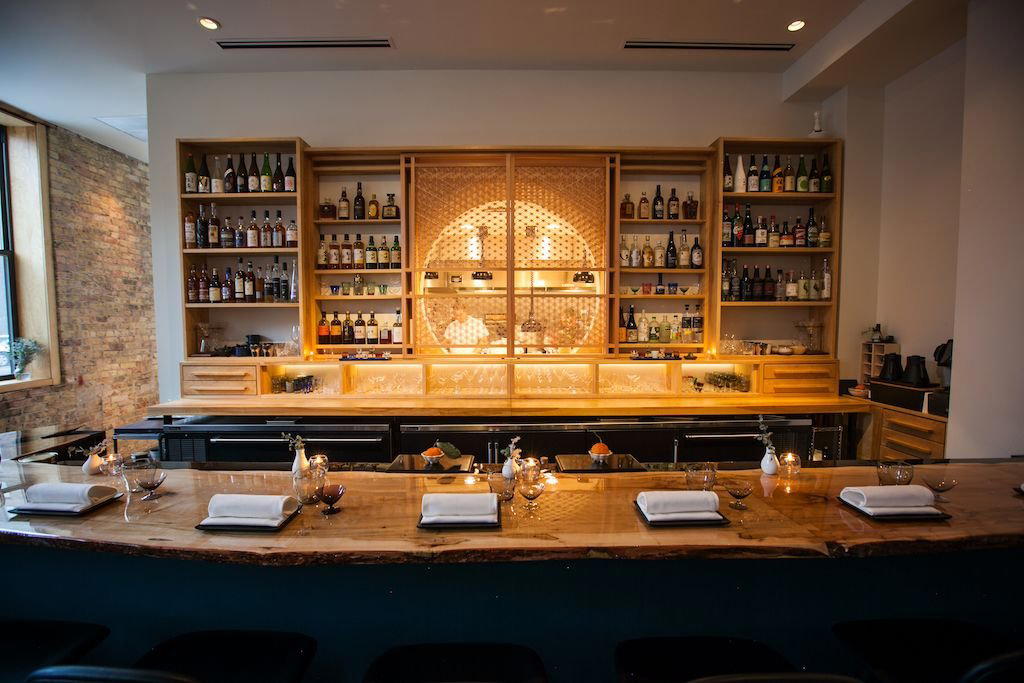
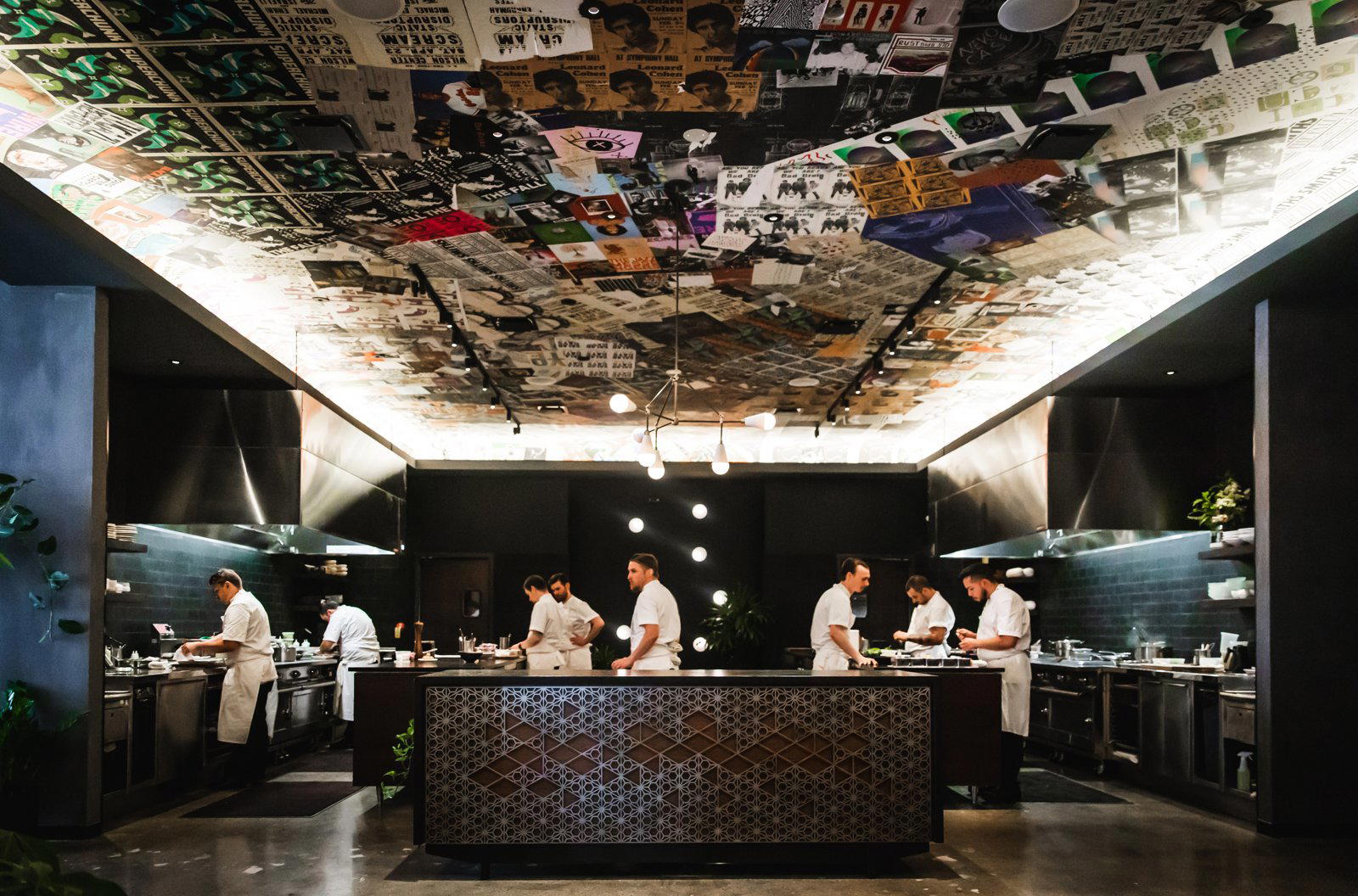
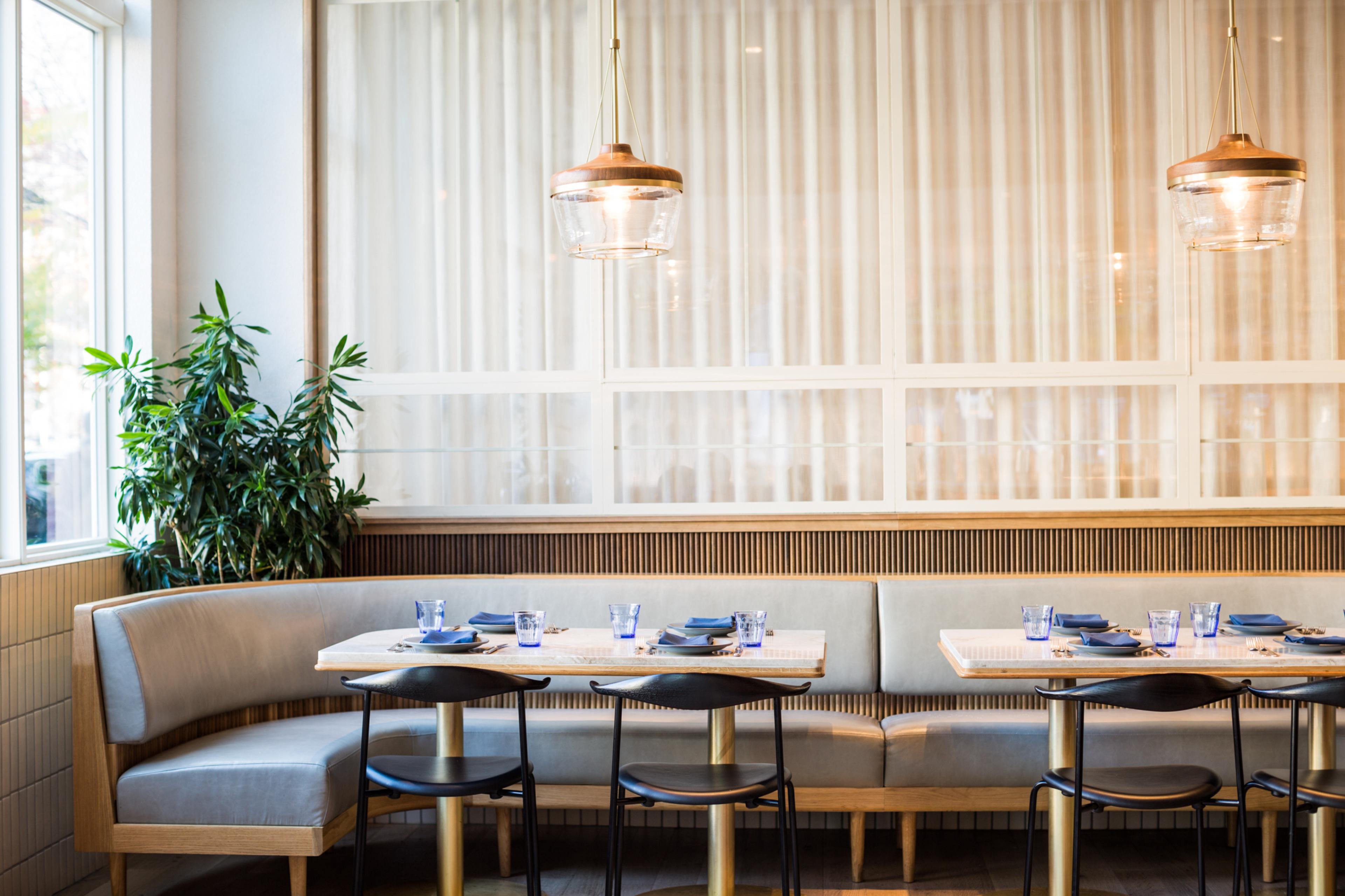
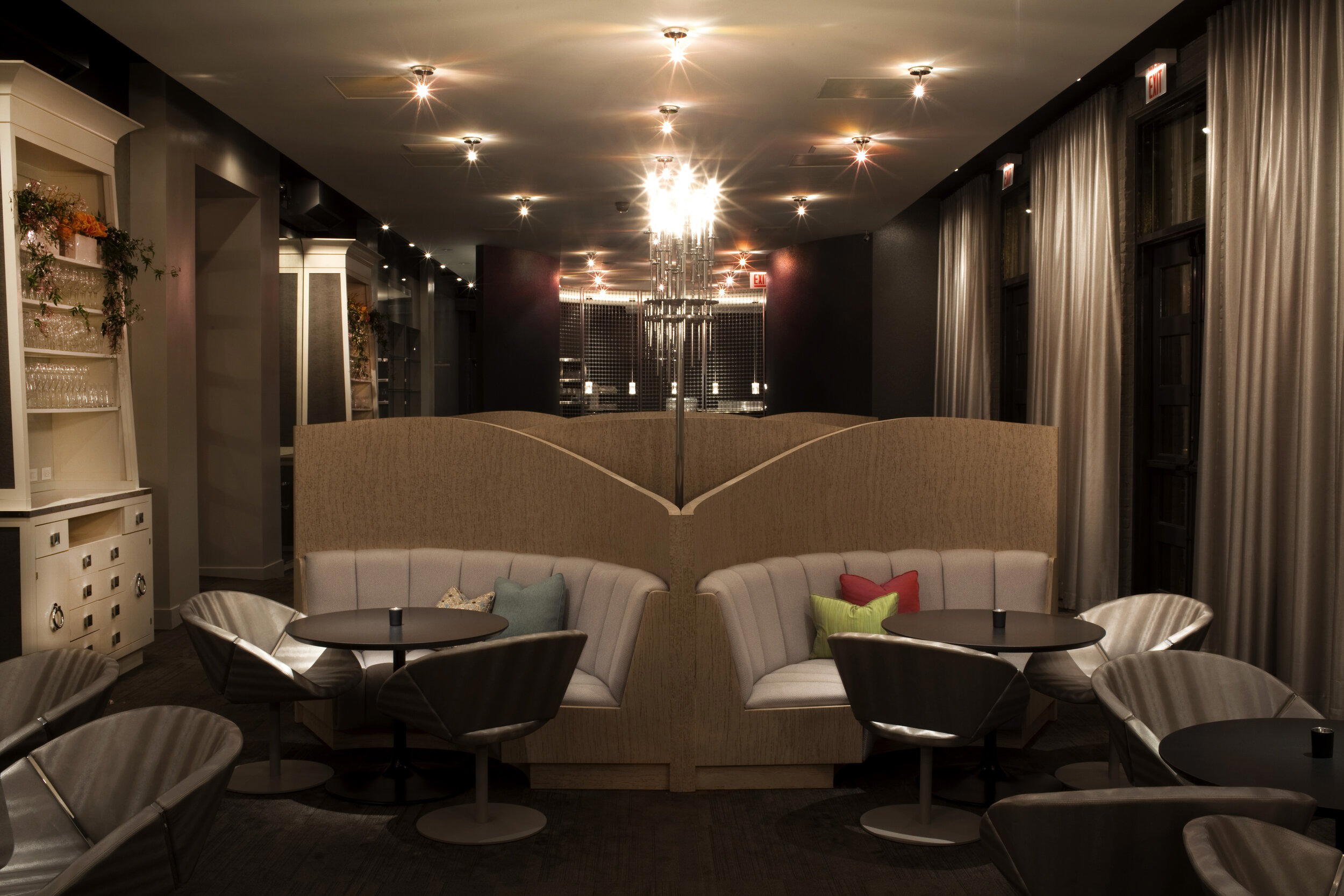
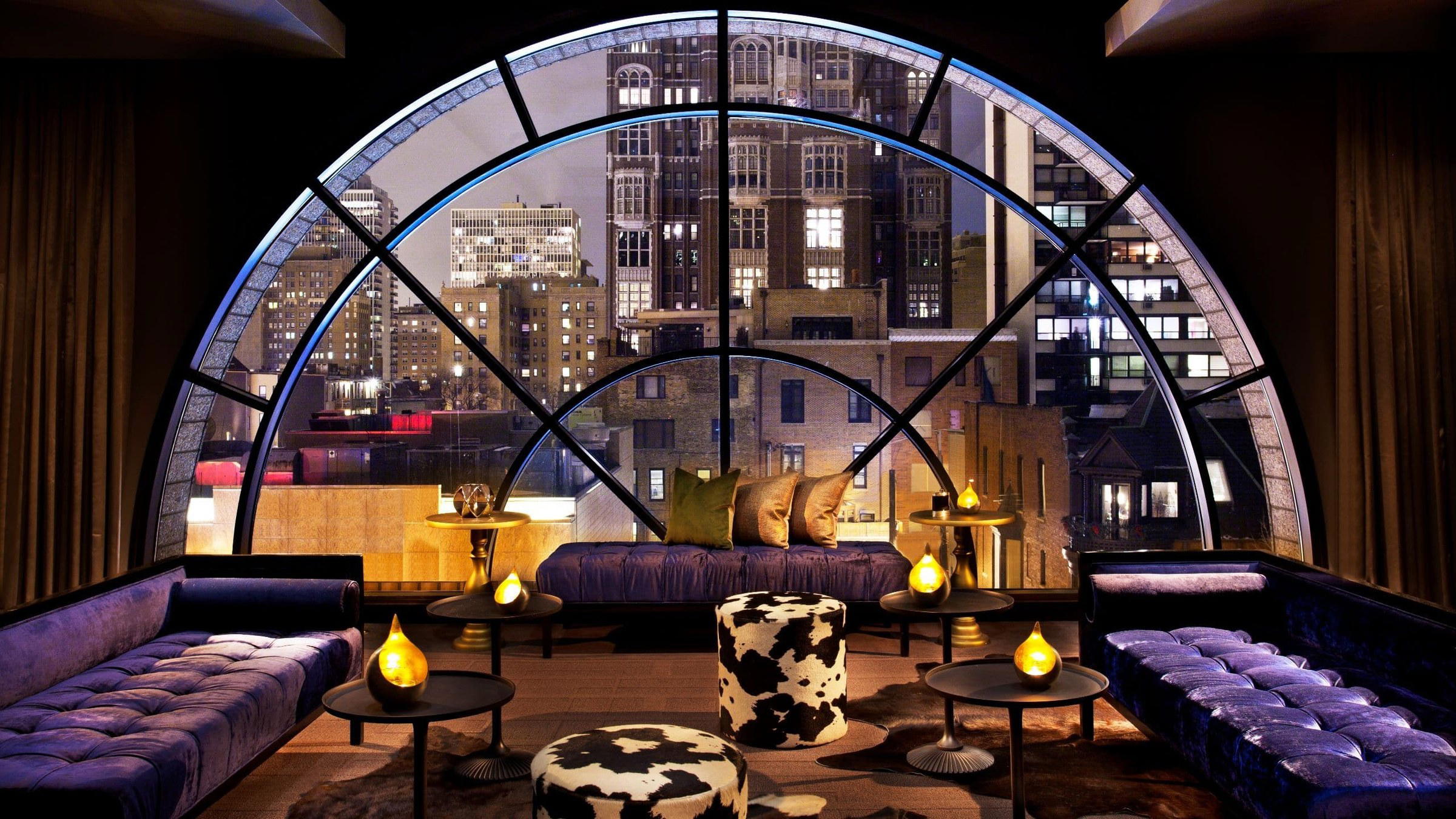
Warm, cozy atmosphere evoking après-ski warmth with moderate noise levels.