A chai stall and café positioned at the Kali Mandir in the heart of Etah, Uttar Pradesh, Chai Pani The Cafe occupies the kind of threshold space that defines everyday culinary life in small-city India, where temple foot traffic, chai culture, and street-side snacking converge. It represents a category of neighbourhood institution more instructive about local eating habits than any fine-dining room.
 Discover on Pearl
Pearl is the En Primeur Club membership app — saves, bookings, and concierge access live there. Same editors, same standards.
- Address
- Kali Mandir Kali temple, Street, Etah, Uttar Pradesh 207001, India
- Phone
- +918384808388
- Website
- chaipanithecafe.com
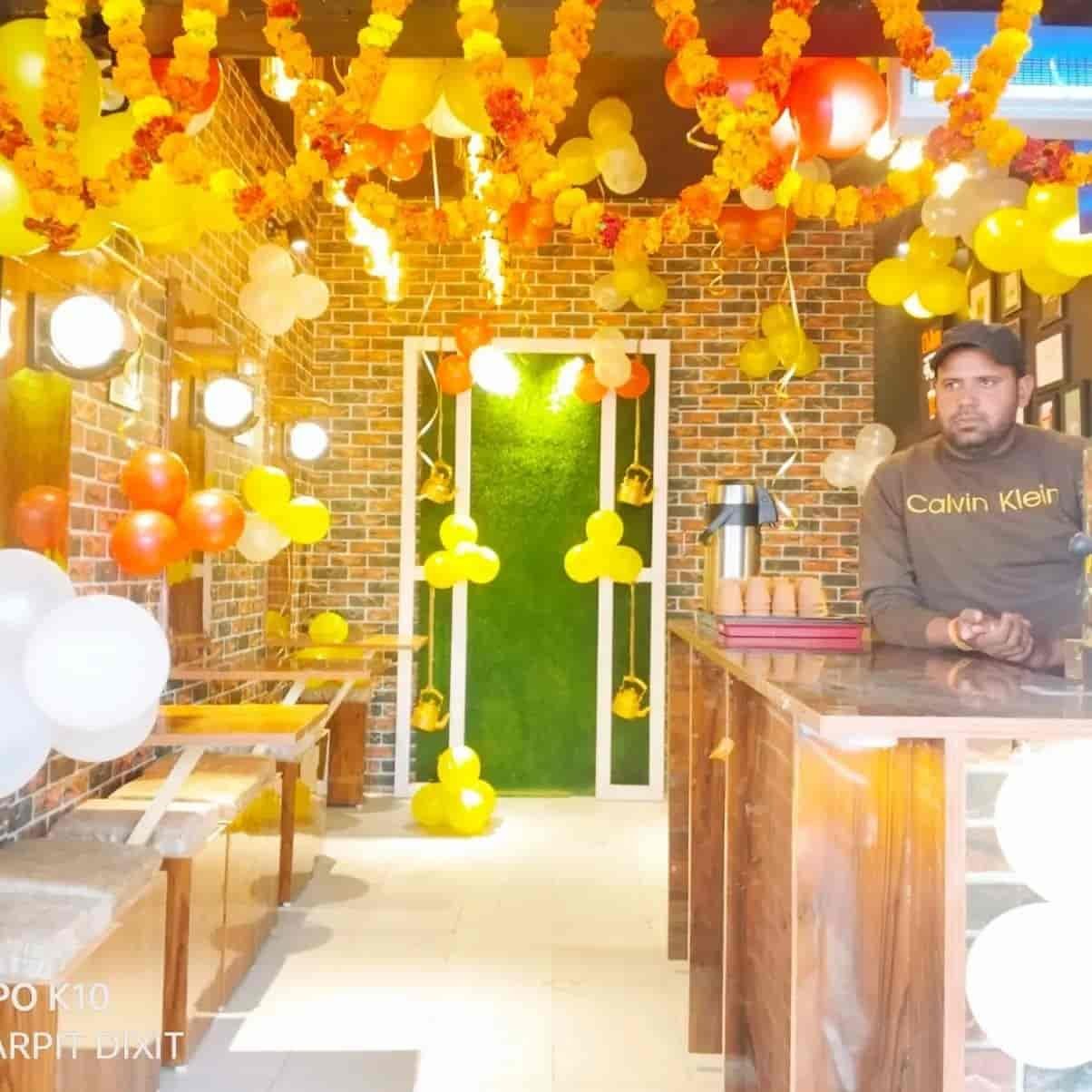
Where Temple Precincts and Chai Culture Meet
In the smaller cities of Uttar Pradesh, the most telling eating establishments are rarely the ones with printed menus or reservation systems. They are the places that grow organically from foot traffic, from the rhythm of morning prayers, afternoon errands, and the social gravity of a well-placed roadside stall. Chai Pani The Cafe sits at exactly this kind of juncture, positioned at the Kali Mandir in Etah, where the movement of devotees, locals, and passing travellers creates the kind of casual, sustained custom that keeps neighbourhood food operations alive across generations.
The address itself is instructive. Temple precincts across Uttar Pradesh have long functioned as informal food markets: the concentration of footfall, the presence of vendors selling prasad ingredients, and the cultural expectation of modest, vegetarian-friendly sustenance have shaped a particular style of eating around these spaces. Chai Pani The Cafe operates within that tradition, in a city that sits between the better-known traveller corridors of Agra and Lucknow but receives a fraction of their editorial attention.
The Ingredient Logic of the Chai-Pani Format
The phrase "chai pani" carries more weight than its literal translation of tea and water suggests. In everyday Hindi usage, it refers to the basic hospitality of refreshment, the minimum a host offers a guest, the shorthand for a quick stop rather than a full meal. Establishments that take this phrase as their name are making a deliberate statement about their register: accessible, unpretentious, grounded in the daily rather than the occasional.
In culinary terms, this translates to a sourcing logic built around proximity and seasonality by necessity rather than by design philosophy. The ingredients that fuel chai stalls and snack counters in Uttar Pradesh, milk from local dairies, ginger, cardamom, and black pepper for chai; besan, potatoes, and seasonal vegetables for fried snacks, are drawn from the immediate agricultural belt. Etah district sits in the Ganga-Yamuna doab, one of the most intensively farmed stretches of the Indian subcontinent, where wheat, mustard, and dairy production are woven into the local economy at a granular level. The milk in a cup of chai from a Kali Mandir vendor in Etah almost certainly travelled a shorter distance from animal to cup than the equivalent served in any Delhi café that markets itself on farm proximity.
This is worth stating plainly because it inverts the premium sourcing narrative that dominates contemporary Indian restaurant discourse. Operations like Farmlore in Bangalore have built sophisticated editorial identities around ingredient provenance and direct farmer relationships. The chai-pani format has always operated on those same principles, short supply chains, seasonal produce, local dairy, without the accompanying vocabulary or price point. The difference is institutional framing, not sourcing practice.
Etah in the Context of Uttar Pradesh's Food Geography
Uttar Pradesh's food culture is frequently collapsed into a handful of signature items, Lucknow's awadhi kebabs, Agra's petha, Varanasi's chaat, and the smaller cities that carry equally specific local traditions tend to disappear from the broader narrative. Etah is a case in point. The district has its own food character shaped by its agricultural base and its position along older trade and pilgrimage routes, but that character rarely surfaces in the kind of editorial coverage that drives travel decisions.
The comparison venues that define the high end of Indian restaurant culture, operations like Bukhara, Indian Accent, Dum Pukht, and Varq, all of which have shaped how premium Indian cuisine is understood internationally, bear essentially no relationship to the everyday eating that Chai Pani The Cafe represents. That gap is not a deficiency on either side; it is simply a reflection of how stratified and geographically dispersed Indian food culture actually is. Restaurants working within formal regional Indian traditions, such as Kappa Chakka Kandhari in Chennai or Adaa at Falaknuma Palace in Hyderabad, operate in a different register entirely from the neighbourhood chai counter, but both exist on the same broad spectrum of Indian culinary expression.
Dining Tent in Jaisalmer and Naar in Kasauli represent the model of destination dining built around location and atmosphere; Chai Pani The Cafe represents the opposite pole, where the setting is incidental and the product is purely functional.
What to Expect When You Arrive
The physical environment around the Kali Mandir in Etah is consistent with temple-adjacent commercial streets across this part of the state: narrow lanes, vendor density, the mixture of religious and commercial activity that characterises Indian urban space at its most unmediated. Arriving by road from any direction, the approach is through the working city rather than around it. There are no markers here of the kind of design-led hospitality that distinguishes properties like The Malabar House in Fort Cochin or Ran Baas The Palace in Qila Mubarak.
What the setting does offer is the kind of ambient authenticity that cannot be constructed after the fact. Temple precincts in India carry a specific sensory register, the smell of incense and marigold garlands, the sound of bells and street commerce, the movement of people with specific purposes, and food consumed in that environment carries a different weight than the same food eaten elsewhere. This is the sourcing question at its most fundamental: not just where the ginger in the chai came from, but what kind of social and physical environment the drink is made and consumed within.
Visiting in person is the practical approach, especially during daytime hours when temple activity is highest. Cash is the assumed transaction method at this category of establishment across Uttar Pradesh.
Quick Comparison
Comparable venues nearby, for context on price, style, and recognition.
| Venue | Cuisine | Price | Awards | Notes |
|---|---|---|---|---|
| CHAI PANI THE CAFEThis venue — the venue you are viewing | Indian Chai Cafe | $ | , | |
| Nand Di Hatti | Classic Punjabi Chole Bhature | $ | , | Sadar Bazar |
| Dilli StreEAT | Indian Street Food | $$ | , | Indira Gandhi International Airport |
| Hotel Aganta Green | Indian Multicuisine | $$ | , | Fardapur |
| Swirl | Indian Pure Vegetarian | $$ | , | Vrindavan |
| Kake Di Hatti | Authentic North Indian Vegetarian | $ | , | Chandni Chowk |
Continue exploring
More in Etah
Restaurants in Etah
Browse all →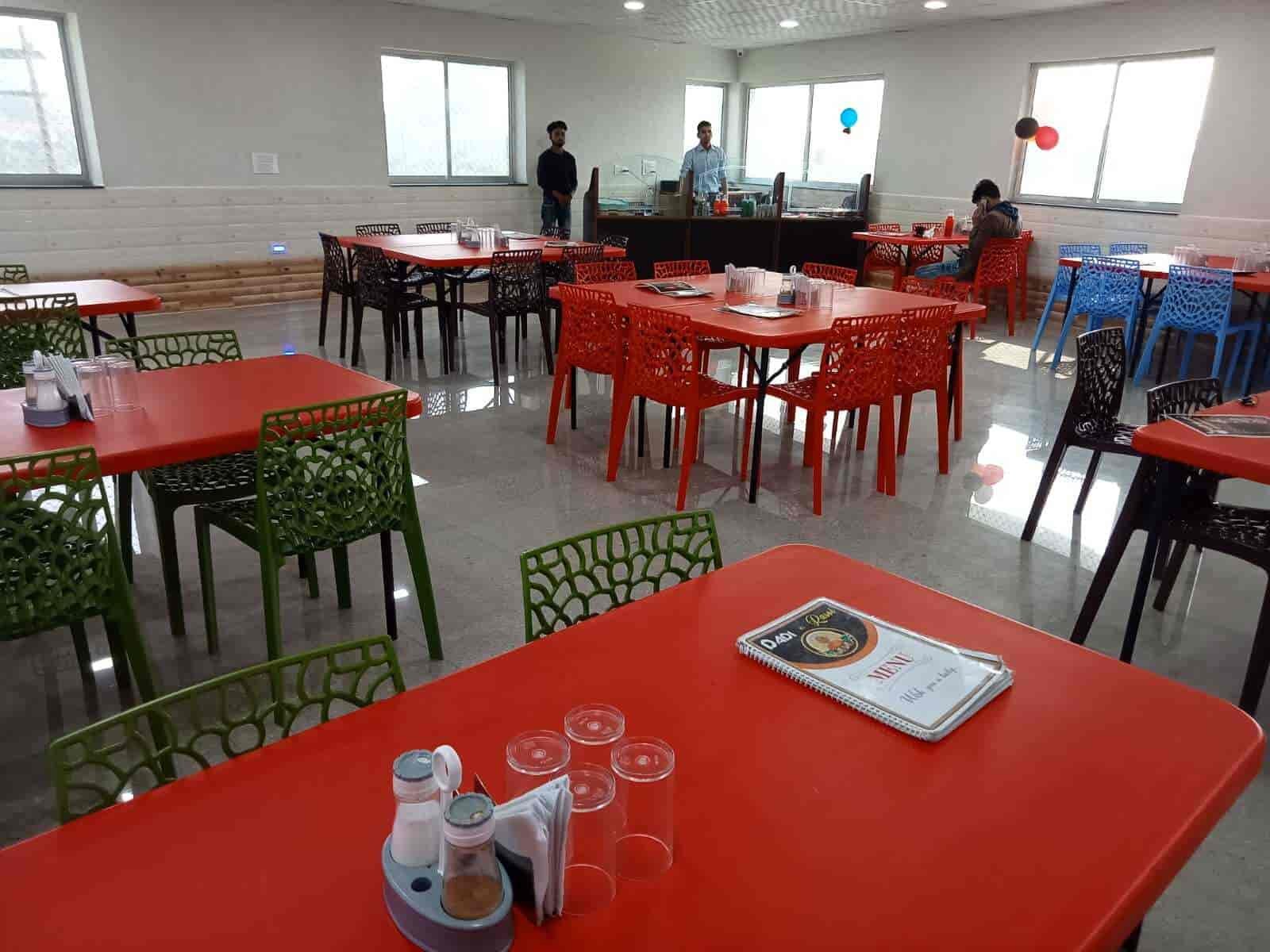
At a Glance
- Cozy
- Lively
- Casual Hangout
Vibrant and welcoming atmosphere.