Our verdict
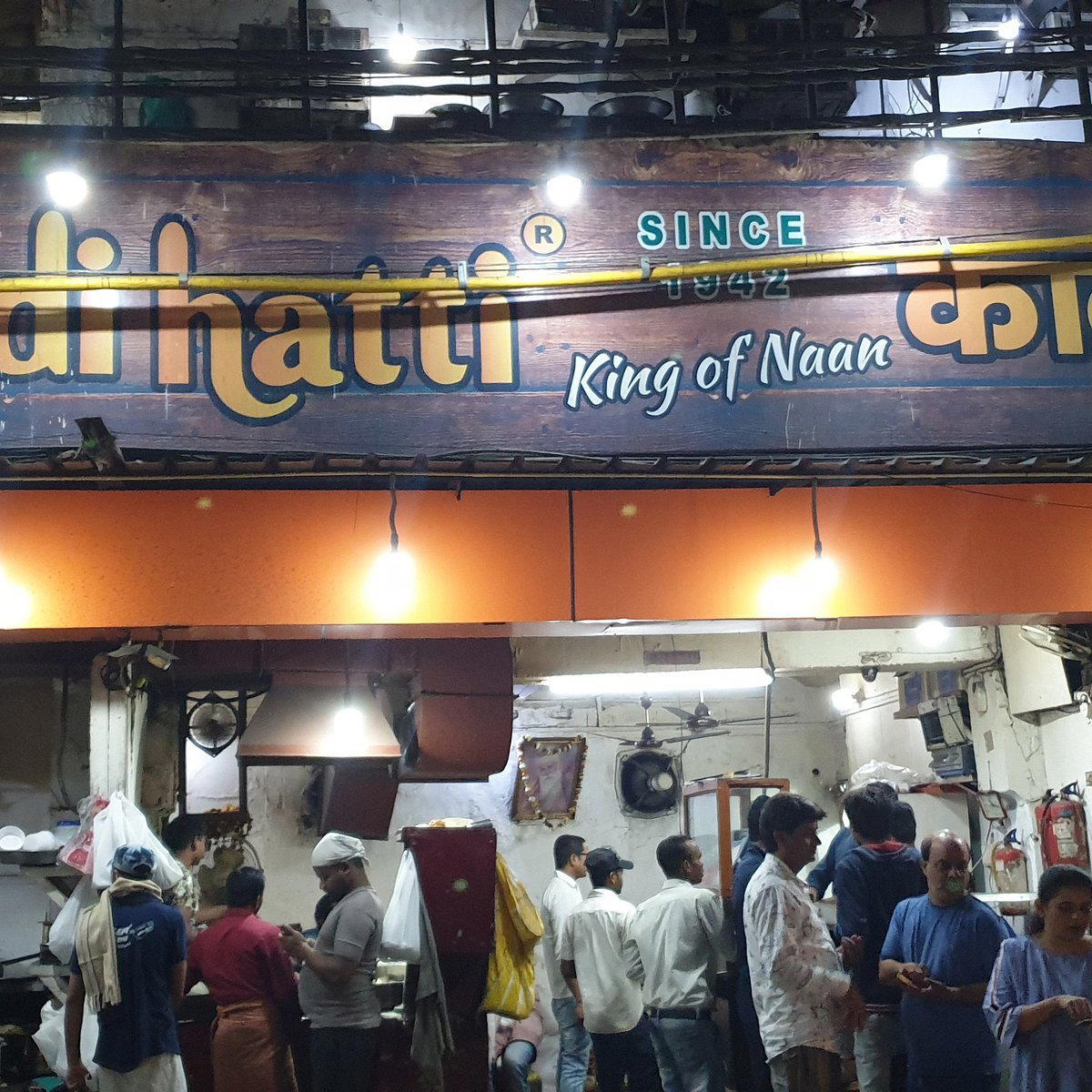
Kake Di Hatti has been feeding Chandni Chowk for generations, operating from Khari Baoli — the spice trading corridor that supplies much of North India's wholesale market. The kitchen draws directly from the ingredient abundance of that address, turning proximity to raw materials into a point of culinary difference. For visitors mapping Delhi's old-city eating traditions, this address belongs on the itinerary.

Pearl is the En Primeur Club membership app — saves, bookings, and concierge access live there. Same editors, same standards.
- Address
- Church Mission Rd, Cloth Market, Katra Ghel, Khari Baoli, Chandni Chowk, New Delhi, Delhi, 110006, India
- Phone
- +919810909754
- Hours
- Daily 12–11 PM
- Website
- kakedihatti.net
- Directions
- Get directions
- Booking
- Book on the venue's website
The menu
What to order
- Kake Naan
- Dal Makhani
- Paneer Butter Masala
Where the Spice Trade Meets the Cooking Pot
Approach Khari Baoli from the direction of Chandni Chowk's main artery and the sensory shift is immediate. Sacks of dried chillies lean against shop fronts. The air carries turmeric dust and the woody sweetness of cardamom. This is Asia's largest wholesale spice market, and Kake Di Hatti sits within it — not adjacent to it, not inspired by it, but physically embedded in the supply chain that stocks restaurant kitchens across Delhi and far beyond. Few dining addresses in India can claim a more direct relationship between ingredient origin and finished plate.
That proximity is the editorial point worth dwelling on. In an era when farm-to-table credentials involve paperwork, certifications, and carefully worded menus, old-city establishments like those in Khari Baoli operate on a different logic entirely. Sourcing is not a programme here; it is a geographic fact. The spices ground in the morning may have arrived in the market that same day from Rajasthan, Madhya Pradesh, or the south. The cooking tradition that grew up around this market reflects what a kitchen looks like when raw material quality is assumed rather than negotiated.
Old Delhi's Eating Culture and Where It Sits Today
Chandni Chowk has produced a distinct register of North Indian cooking that Delhi's hotel restaurants have never fully replicated. The neighbourhood's food identity rests on a handful of formats: the halwai producing sweets and fried breads since before independence, the dhabha specialising in a single preparation refined over decades, and the fixed-menu lunch counter that feeds traders and market workers on a schedule dictated by commerce rather than leisure. Kake Di Hatti belongs to this ecosystem, where reputation travels by word of mouth through the lanes and a steady return clientele matters more than any external validation.
Compare this to where Delhi's premium dining conversation currently sits. Indian Accent operates at the reinterpretive end of the spectrum, translating subcontinental tradition through a fine-dining lens for an internationally mobile audience. Bukhara and Dum Pukht anchor the ITC and IHC hotel traditions respectively, offering North Indian cooking inside formats built around ceremony and occasion. Inja and AQUA operate in a different register again. Kake Di Hatti exists outside all of these categories. It is not competing with hotel dining rooms or modern tasting menus; it is doing something those formats cannot replicate, which is cooking from inside a living supply chain with decades of neighbourhood-specific practice behind it.
The Ingredient Logic of Khari Baoli
Understanding what Khari Baoli actually is clarifies why the address carries weight for anyone serious about Indian food. The market has functioned as a wholesale spice hub since the Mughal period, and its scale is difficult to overstate. Hundreds of shops trade in dried spices, pulses, nuts, herbs, edible oils, and dry fruits. The concentration of product expertise in the lanes around Church Mission Road means that sourcing decisions that would require supply chain management infrastructure elsewhere happen here through proximity and long-standing trader relationships.
For a kitchen embedded in this environment, the implications are direct. Spice freshness and variety are available at a granularity that most restaurant operations cannot access. Dried lentils, chickpea flour, and similar pantry staples move through this market in wholesale quantities, meaning a kitchen here can draw on supply that is both extremely fresh in turnover terms and competitively priced. The economics of cooking in Khari Baoli are different from cooking in a commercial kitchen district, and the food reflects that difference in ways that are difficult to manufacture from the outside.
This pattern appears elsewhere in India when cooking traditions anchor themselves near supply sources. Beera Chicken House in Amritsar operates on a similarly direct relationship between local supply and kitchen practice. Farmlore in Bangalore takes a more structured approach to the same underlying principle, building its menu around sourcing transparency as an explicit editorial proposition. The Khari Baoli model predates that kind of framing by generations.
Planning a Visit
Kake Di Hatti's address on Church Mission Road places it in the Katra Ghel section of Khari Baoli, which is most efficiently reached from Chandni Chowk metro station on the Yellow Line, a short walk through the market lanes. The old city operates on its own schedule, and the Khari Baoli market is typically most active in the morning hours; arriving with time to walk the spice market before eating gives the meal considerably more context. The lanes are narrow and not navigable by car during market hours, so arriving on foot or by cycle rickshaw from the main road is the practical approach.
No booking infrastructure is listed for this address, which is consistent with the walk-in counter format common to this tier of old-city eating. Arriving during off-peak hours, between the main lunch rush and the early evening trade, improves the experience. Visitors with dietary restrictions or allergy concerns should communicate directly at the counter, as this category of establishment does not maintain written allergy protocols in the manner of hotel restaurants. The cooking relies heavily on ghee, wheat flour, and pulse-based preparations, which are characteristic of the Punjabi-influenced North Indian tradition that dominates Chandni Chowk's kitchens.
For a broader map of where Kake Di Hatti sits in Delhi's eating culture, our full New Delhi restaurants guide covers the range from old-city institutions to the hotel dining rooms and contemporary Indian formats that occupy the other end of the spectrum. Elsewhere in India, Naar in Kasauli and Esphahan in Agra represent different regional traditions worth tracking alongside the Delhi old-city canon. For those extending further, Americano in Mumbai and 5868 Restaurant in Gandhinagar offer points of comparison with how other Indian cities are handling the intersection of tradition and contemporary dining. Harvest Kitchen Somnath in Veraval, Leela Kerala Terrace in Trivandrum, WelcomCafe Oceanic Restaurant in Visakhapatnam, and La Fountain Blu in Navsari each map a different node of India's regional dining geography. Internationally, Le Bernardin in New York City and Atomix in New York City show how ingredient-sourcing philosophy operates at the top of the fine-dining tier, providing a useful contrast to the Khari Baoli market logic.
Frequently asked questions
Where exactly is Kake Di Hatti?
Kake Di Hatti is located at Church Mission Rd, Cloth Market, Katra Ghel, Khari Baoli, Chandni Chowk, New Delhi, Delhi, 110006, India, New Delhi.
What is the signature dish at Kake Di Hatti?
Kake Di Hatti is known within the Khari Baoli trading community for slow-cooked daal and hearty North Indian preparations that suit the rhythm of a working market crowd. The dishes reflect the ingredient logic of the surrounding spice wholesale district on Church Mission Road rather than a restaurant kitchen sourcing from a supplier catalogue.
Is Kake Di Hatti reservation-only?
Arriving during off-peak market hours is the practical approach given the trading district's midday rush.
What's the standout thing about Kake Di Hatti?
Kake Di Hatti is best approached by focusing on the core concept and signature offerings.
How does Kake Di Hatti handle allergies?
Diners with serious food allergies should exercise caution and communicate requirements directly with staff in person at the Church Mission Road address.
Fast Comparison
Comparable venues nearby, for context on price, style, and recognition.
| Venue | Cuisine | Price | Notes |
|---|---|---|---|
| Kake Di HattiThis venue — the venue you are viewing | Authentic North Indian Vegetarian | $1–10 | Not listed |
| Cafe Vagabond | Multi-Cuisine (Indian, Italian, Chinese) | $10–20 | Paharganj |
| Nand Di Hatti | Classic Punjabi Chole Bhature | $1–10 | Sadar Bazar |
| Omya | Modern Indian Fine Dining | $100–150 | Lodhi Road |
| Copper Chimney, North Indian Restaurant in Rajouri Garden- New Delhi | North Indian | $10–20 | Rajouri Garden |
| U.K CAFE HOUSE multi cuisine family restaurant sonia vihar | Multi-Cuisine (Chinese and North Indian) | $1–10 | Sonia Vihar |
Continue exploring
More in New Delhi
Restaurants in New Delhi
Browse all →

Details
- Well Known
- Classic
- Lively
- Family
- Group Dining
- Casual Hangout
- Historic Building
- A La Carte
- Vegetarian Friendly
- Vegan Options
Current opening hours
- Monday
- 12–11 PM
- Tuesday
- 12–11 PM
- Wednesday
- 12–11 PM
- Thursday
- 12–11 PM
- Friday
- 12–11 PM
- Saturday
- 12–11 PM
- Sunday
- 12–11 PM
Hours can change for holidays and private events. Last verified .