Our verdict
Swirl is a lobby café at a Vrindavan property offering teas, coffees, and artisanal treats in a setting shaped by the town's devotional character. It occupies the quieter, restorative end of the café spectrum, where the ritual of a well-made chai or pour-over carries as much weight as the food around it. A practical pause point for pilgrims and leisure travellers alike.

Pearl is the En Primeur Club membership app — saves, bookings, and concierge access live there. Same editors, same standards.
- Address
- Vrindavan, India
- Directions
- Get directions
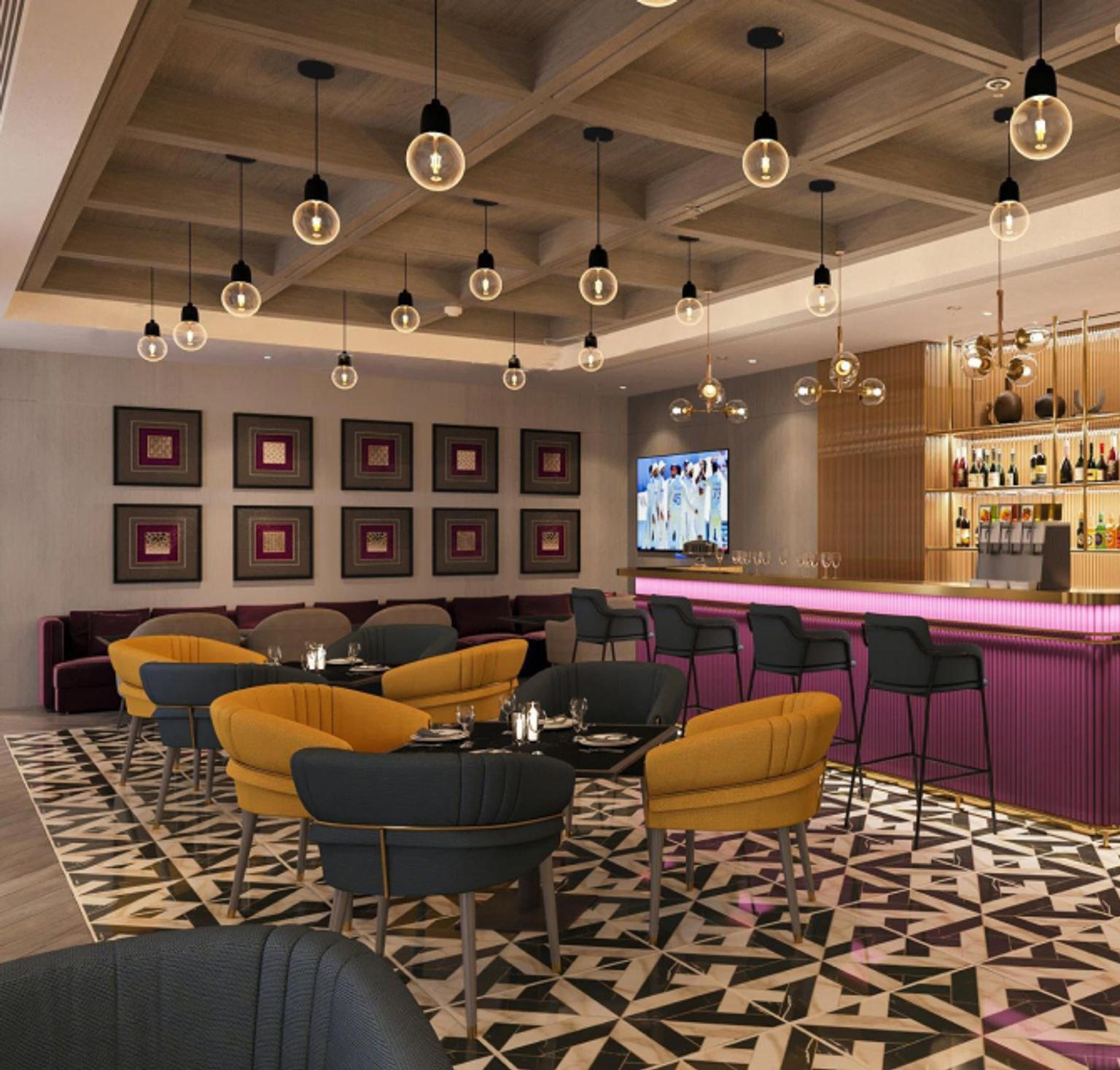
A Town That Runs on Tea
Vrindavan does not operate on the same clock as India's metropolitan café culture. The town's rhythms are set by temple bells, the predawn crowds at Banke Bihari Mandir, and the slow procession of pilgrims along the ghats of the Yamuna. In that context, a lobby café is not a lifestyle accessory — it is a functional node, a place to gather before the morning circuit of temples or decompress after an afternoon in the heat. Swirl, a lobby café offering teas, coffees, and artisanal treats, sits inside that framework rather than against it.
Lobby cafés in pilgrimage towns across India occupy a specific cultural position that their counterparts in Delhi or Mumbai do not. They serve a traveller who has come with intention, not itinerary flexibility — someone who wants a clean cup of something and a moment of quiet, not an elaborate brunch format. The category of artisanal treats that Swirl carries gestures toward a more considered café model, the kind that has taken hold in Bengaluru and parts of Mumbai, where sourcing and preparation matter more than volume. Whether that register translates fully into Vrindavan's context is the interesting editorial question.
Chai, Coffee, and the Weight of Context
Tea in Vrindavan carries cultural freight that no specialty coffee counter can replicate. The town's street vendors have served masala chai to pilgrims for generations, and the ritual of the cup is inseparable from the act of moving through sacred space. A lobby café that offers teas in this environment is implicitly in dialogue with that tradition, even when its format is more controlled and its sourcing more deliberate.
India's café sector has split over the past decade between mass-market chains, where standardisation and speed define the model, and smaller, product-focused operations where the tea or coffee programme has genuine depth. The better examples of the latter tier, found in cities like Bangalore and Mumbai, treat the sourcing of single-origin teas or micro-lot coffees as seriously as a fine-dining kitchen treats its proteins.
What the artisanal category signals, broadly, is an attempt to move beyond the commodity end of café service, the mass-produced pastry, the instant-mix hot chocolate, toward something with traceable provenance or craft preparation. In a town where most food transactions happen on the street or in dharamsalas, that orientation marks a distinct choice.
Pilgrimage Towns and the Hospitality Gap
Vrindavan's hospitality infrastructure has historically been shaped by religious tourism rather than leisure travel, which means it runs on a different economy from hill stations like Kasauli or palace destinations like Udaipur. Dharamsalas and ashram guesthouses dominate accommodation supply, and food options have traditionally skewed toward thali counters and street snacks aligned with the town's sattvic dietary culture, no meat, no alcohol, heavy on dairy and vegetable preparations.
The emergence of lobby cafés within hotel properties in towns like Vrindavan reflects a broader shift: a growing segment of domestic travellers who combine spiritual interest with comfort expectations. They are not budget pilgrims content with a floor mat; they want a recognisable café format alongside their temple visits. Swirl addresses that segment directly. For a wider survey of where Vrindavan's hospitality is heading, the EP Club Vrindavan hotels guide maps the full accommodation picture.
The vegetarian constraint that defines Vrindavan's food culture is not a limitation in this context, it is the frame within which creativity operates. Some of India's most technically interesting cooking happens under exactly these conditions. Mynt, the vegetarian all-day dining option with global cuisines and regional influences, operates within the same town and demonstrates that the sattvic framework can support genuine range.
Artisanal Treats in a Devotional Setting
Category of artisanal treats in a café context usually signals baked goods with some claim to craft: sourdoughs, single-origin chocolate preparations, house-made preserves, or regional specialties made with care rather than at scale. In Vrindavan, that category has particular local resonance. The town is historically associated with peda, a dense milk-based sweet made with reduced khoa and flavourings, and with dairy preparations more broadly, given its association with Krishna's pastoral mythology. A café that sources or prepares sweets with attention to that regional tradition, rather than importing generic patisserie formats, would have a defensible editorial point of difference.
For travellers planning their India itinerary more broadly, the contrast between Vrindavan's café register and the formal dining operations in other cities is instructive. Dum Pukht in New Delhi, Adaa at Falaknuma Palace in Hyderabad, and Bomras in Anjuna all operate at a different scale of ambition and resource. Swirl is not competing in that register; it is solving a different problem for a different traveller.
Planning a Visit
Swirl operates as a lobby café, which in practical terms means it is accessible to hotel guests as a default and likely to non-guests depending on the property's policy at the time of visit. Vrindavan is most comfortably reached from Mathura, which sits approximately 15 kilometres away and connects to Delhi via road and rail. The town's peak pilgrimage periods, Janmashtami in August, Holi in spring, and the broader winter festival season, bring significant visitor density, and hotel-based cafés in those windows tend to operate under pressure. For visitors planning around those dates, early-morning visits tend to be the more practical approach, before the temple circuit draws the bulk of foot traffic.
Checking directly with the property before arrival remains the most reliable approach. For a fuller orientation to eating and drinking in the town, the EP Club Vrindavan restaurants guide covers the wider dining picture, and the bars guide, wineries guide, and experiences guide extend the coverage further. Travellers building a longer India circuit will also find relevant context in EP Club's coverage of Kolkata, Gurugram, and Jaisalmer.
Frequently asked questions
Is Swirl suitable for travellers observing a sattvic or strictly vegetarian diet?
Vrindavan operates almost entirely within a vegetarian framework, and lobby cafés in the town follow that convention as a matter of course. Swirl's artisanal treats category aligns with this, as dairy-based confectionery and grain-based baked goods are standard in the local hospitality context. Travellers with stricter sattvic requirements — avoiding onion, garlic, or certain stimulants — should confirm specifics with the café directly.
What do people recommend at Swirl?
Swirl's offer centres on teas, coffees, and artisanal treats, so the beverage programme is the practical starting point. In a pilgrimage town like Vrindavan, where street chai is ubiquitous, a lobby café's value tends to lie in its brewed coffee options and composed baked or confectionery items rather than volume. Without a published menu, the safest approach is to ask staff what is made in-house on the day.
Can I walk in to Swirl?
Swirl operates as a lobby café within a hotel in Vrindavan, so walk-in access for non-guests depends on the individual property's policy. Contacting the hotel directly before visiting is the practical step.
What's Swirl best at?
Swirl's lobby café format in Vrindavan positions it primarily as a restorative stop: a place to pause between temple visits rather than a destination in its own right. Its stated offer of teas, coffees, and artisanal treats fits that function, providing a quieter, seated alternative to the town's street-side chai culture.
Price and Positioning
Comparable venues nearby, for context on price, style, and recognition.
| Venue | Cuisine | Price | Notes |
|---|---|---|---|
| SwirlThis venue — the venue you are viewing | Indian Pure Vegetarian | Not listed | Not listed |
| Mynt | Pure Vegetarian Indian | Not listed | Vrindavan, Pure Vegetarian Indian |
| Rajwadi Gaurav thali and multicuisine restaurant and Banquet Hall | Rajasthani Thali and Multicuisine Veg | $1–10 | Mulshi, Rajasthani Thali and Multicuisine Veg |
| Dindigul Thalappakatti Restaurant | Authentic South Indian Biryani | $1–10 | Manapakkam, Authentic South Indian Biryani |
Continue exploring
More in Vrindavan
Restaurants in Vrindavan
Browse all →


Details
- Family
- Casual Hangout
- A La Carte
- Vegetarian Friendly
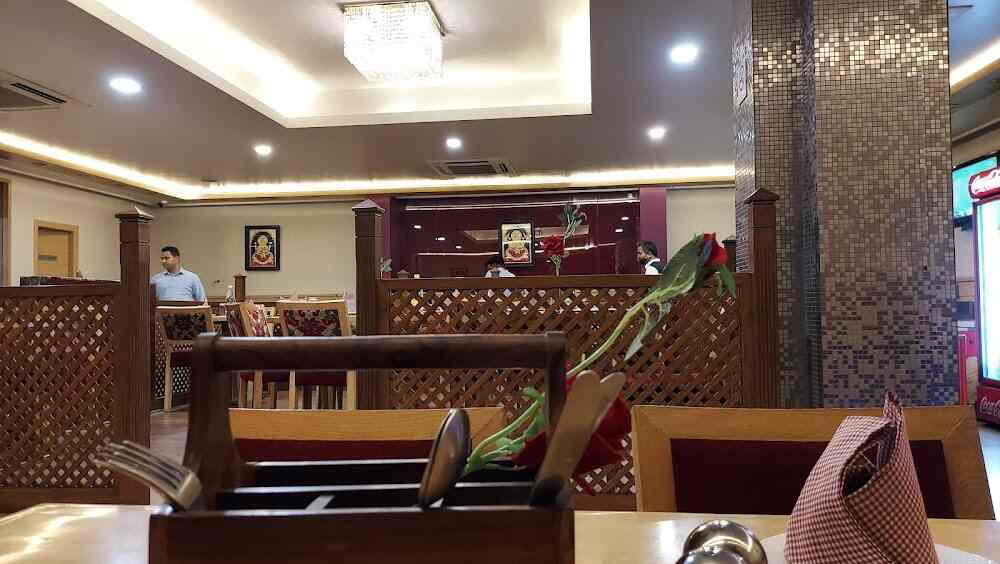
Pleasant and cozy vibe with quick service.