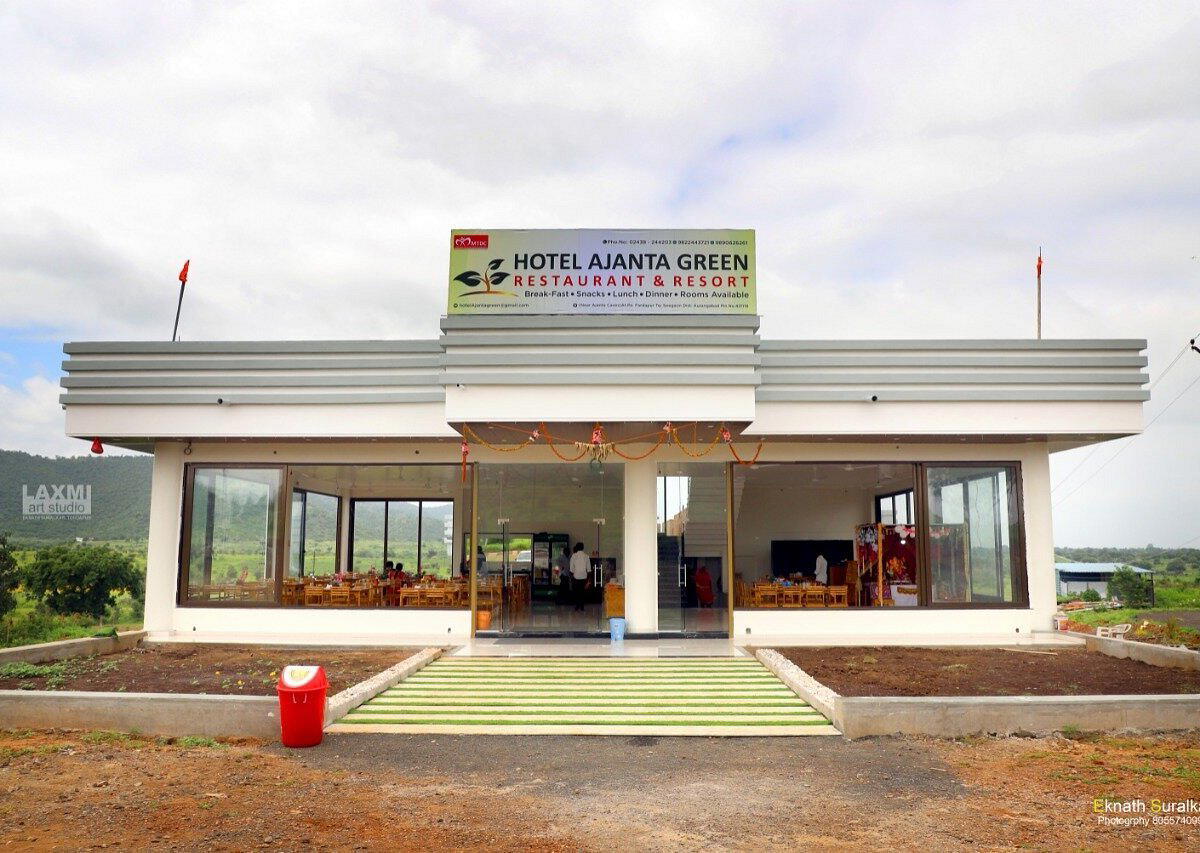
Hotel Aganta Green
Our verdict
Hotel Aganta Green sits in Aurangabad, Maharashtra's gateway city to the Ajanta and Ellora cave complexes, placing it at the intersection of heritage tourism and the region's agricultural heartland. The hotel draws travellers visiting one of India's most significant archaeological corridors. For dining and stay options in the wider region, see our full Aurangabad guide.

Pearl is the En Primeur Club membership app — saves, bookings, and concierge access live there. Same editors, same standards.
- Address
- Aurangabad 431118, Mahārāshtra
- Directions
- Get directions
The menu
What to order
- Sev bhaji
- Paneer palak
Aurangabad and the Agricultural Corridor Behind Its Kitchens
Aurangabad occupies a productive stretch of the Deccan plateau where black cotton soil, a semi-arid climate, and generations of dryland farming have shaped what ends up on the table. The region sits within Maharashtra's primary sorghum and pulse belt, and its proximity to the Godavari basin means that sesame, groundnut, and seasonal vegetables move through local markets with a regularity that more tourist-facing cities cannot match. For travellers arriving to see the UNESCO-listed Ajanta and Ellora cave complexes, the city is often treated as a transit point, which means its food culture is underexamined relative to its quality and distinctiveness.
Hotel Aganta Green, addressed within the 431118 postal zone of Aurangabad city, positions itself inside this corridor. The name's reference to the Ajanta caves is deliberate: this is accommodation oriented toward heritage visitors, and the surrounding supply of locally grown produce feeds directly into how hotel dining typically functions in this part of Maharashtra. The broader pattern in mid-range Aurangabad hospitality is a reliance on regional staples rather than imported ingredients, which suits the ingredient sourcing angle better here than it might in a metro luxury hotel chasing international standards.
What Defines the Ingredient Story in Deccan Hospitality
Across Marathwada, the sub-region of Maharashtra that encompasses Aurangabad district, the food tradition is built around drought-tolerant crops and preserved proteins. Bajra flatbreads, jowar rotis, and dishes cooked with groundnut oil rather than refined oils remain common even in hotel kitchens that have otherwise modernised their service format. This is not a matter of rusticity — it reflects a supply chain that is genuinely short, with agricultural markets like Aurangabad's APMC yard operating within the city limits and connecting hotel kitchens to seasonal produce without the cold-chain intermediaries that longer supply routes require.
Compare this to the ingredient sourcing philosophy that defines headline Indian restaurants elsewhere: Farmlore in Bangalore has built its entire identity around documented farm partnerships and named regional producers. Bukhara in New Delhi works within a tightly controlled supply chain for its kebab programme. In Aurangabad, the sourcing is less curated but more immediate — a function of geography rather than philosophy, and no less meaningful for it. Where a city like Delhi must construct farm-to-table credentials, Aurangabad operates with them by default.
The Heritage Tourism Context
Aurangabad receives a significant portion of its visitors through the Ajanta and Ellora circuit, with UNESCO site access typically requiring a full day per complex. The result is a visitor profile skewed toward those spending multiple nights, which in turn shapes what hotels in the area are expected to provide. Unlike weekend-getaway hospitality in cities like Mumbai or Pune, Aurangabad hotels function as operational bases rather than destinations in themselves, meaning food, rest, and logistics are the primary requirements rather than theatrical dining experiences.
This context matters when assessing Hotel Aganta Green. Its value to a traveller is largely functional: proximity to the heritage sites, adequate comfort, and food that reflects the local agricultural supply rather than attempting to replicate metro hotel standards. Travellers comparing it to properties like Esphahan in Agra, another heritage-corridor dining context where Mughal-era recipes meet a captive tourist audience, will find a different register entirely. Aurangabad's hospitality is less performative and more direct in its connection to local produce and regional cooking methods.
Where Aurangabad Sits in the Broader Maharashtra Dining Map
Maharashtra's dining reputation is dominated by Mumbai, with its Goan-influenced coastal kitchens, its Parsi cafes, and the kind of international restaurant density that venues like Americano in Mumbai represent. Aurangabad operates at a remove from that scene, and intentionally so. The city's culinary identity is Marathwada-inflected: heavy on pulses, restrained in fat, and shaped by the seasonal availability of produce in a rain-shadow zone that receives less monsoon moisture than coastal Maharashtra.
For travellers who have been eating along the western corridor, through venues like Harvest Kitchen Somnath in Veraval or Leela Kerala Terrace in Trivandrum, the shift to Aurangabad's inland, dryland food register is noticeable. Coastal kitchens use coconut, tamarind, and fish as base flavours. Marathwada kitchens work with sesame, dried chillies, and the umami depth of fermented lentil preparations. Hotel Aganta Green, as a locally oriented property, is likely to reflect this regional signature more closely than a chain property calibrated to a pan-Indian menu.
For reference points further afield in the EP Club network, the farm-sourcing conversations happening at Naar in Kasauli or the vegetarian precision at Dadi Ki Rasoi in Budaun illustrate how regionally specific ingredient sourcing is reshaping expectations across India's secondary cities. Aurangabad fits this pattern without necessarily being part of the curated movement behind it.
Planning Your Visit
Aurangabad is accessible by rail on the Nanded and Secunderabad routes, with the city's railway station approximately central to the main hotel belt. The Aurangabad Airport (IXU) connects to Mumbai with short daily flights, making the city reachable as a two-night addition to a Maharashtra itinerary. The cave complexes are closed on Tuesdays (Ajanta) and require early morning starts for comfortable visiting in the October-to-February period, when temperatures on the Deccan plateau are manageable. Hotel Aganta Green's address in the 431118 zone places it within the city's main commercial and hospitality corridor. For broader context on Aurangabad's hospitality options and dining, our full Aurangabad guide maps the city's neighbourhood character and price tiers across property types.
Travellers building a wider India itinerary around heritage corridors may also find useful reference in venues along the cultural spine: Le Cirque Delhi anchors the northern end of that circuit, while WelcomCafe Oceanic Restaurant in Visakhapatnam and 5868 Restaurant in Gandhinagar illustrate how regional hotel dining is evolving in secondary Indian cities. For international benchmarks in produce-led cooking, Le Bernardin in New York City and Atomix in New York City represent the global tier against which ingredient sourcing narratives are increasingly measured.
Frequently asked questions
Would Hotel Aganta Green be comfortable with kids?
Hotel Aganta Green is located in Aurangabad, a city geared heavily toward heritage tourism, where families routinely base themselves for day trips to the Ajanta and Ellora UNESCO sites. The property's position within the main hotel belt of Aurangabad 431118 suggests access to the city's standard amenities without significant logistical complexity.
Is Hotel Aganta Green better for a quiet night or a lively one?
Aurangabad's hospitality scene is oriented around heritage and pilgrimage tourism rather than nightlife, which shapes what most hotels in the city corridor offer. Hotel Aganta Green sits within that same context, making it a more natural fit for travellers returning from full-day site visits to Ajanta or Ellora than for those seeking late-night programming.
Is Hotel Aganta Green a practical base for visiting both Ajanta and Ellora caves from Aurangabad?
Aurangabad serves as the primary gateway city for both UNESCO World Heritage sites, with Ellora approximately 30 kilometres from the city centre and Ajanta requiring a longer excursion of roughly 100 kilometres. Hotel Aganta Green's address places it within Aurangabad's main hotel corridor, which aligns with the standard visitor pattern of using the city as an overnight hub for both circuits.
What should I eat at Hotel Aganta Green?
Aurangabad's broader food tradition draws from Marathwada's dryland agriculture, with dishes built around jowar, legumes, and regionally sourced produce, and those ingredients appear across mid-range dining in the city. For verified on-site dining options, contacting the property directly is the reliable route.
How do I find Hotel Aganta Green?
Hotel Aganta Green is located at Aurangabad 431118, Mahārāshtra, Aurangabad.
A Quick Peer Check
| Venue | Cuisine | Price | Awards | Notes |
|---|---|---|---|---|
| Hotel Aganta GreenThis venue — the venue you are viewing | Indian Multicuisine | $1–10 | Not listed | Not listed |
| Bukhara | North West Frontier Tandoori | $30–50 | World's 50 Best #37 · La Liste Top Restaurants | Modern Indian |
| Dum Pukht | Awadhi Dum Pukht Fine Dining | $50–100 | World's 50 Best #89 · La Liste Top Restaurants | Indian |
| Indian Accent | Modern Indian Fine Dining | $50–100 | World's 50 Best #46 · La Liste Top Restaurants | Indian |
| Karavalli | Coastal South Indian Seafood | $20–30 | La Liste Top Restaurants | Indian |
| O Pedro | Modern Goan-Portuguese | $30–50 | Not listed | Goan |
Details
- Scenic
- Cozy
- Casual Hangout
- Family
- Hotel Restaurant
- Garden
- A La Carte
- Buffet
- Vegetarian Friendly
Lovely ambience with good views and hospitable service.