Chai Phochana
Our verdict
Chai Phochana serves Thai street food seafood in Mueang Nonthaburi, with local sourcing and sustainable seafood shaping a quick-bite stop.

Pearl is the En Primeur Club membership app — saves, bookings, and concierge access live there. Same editors, same standards.
- Address
- 4 Samakkee 38 Alley, à¸à¸³à¸à¸¥ มาสาย, Mueang Nonthaburi District, Nonthaburi 11000, Thailand
- Phone
- +66889781558
- Hours
- Daily 3 PM–1 AM
- Website
- facebook.com
- Directions
- Get directions
The menu
What to order
- Stir-fried crab curry
- Stir-fried squid with salted egg yolk
- Spicy sour soup with giant catfish roes
- Steamed squid and lime
Nonthaburi's Quieter Dining Circuit
The Chao Phraya's western bank has long operated in Bangkok's culinary shadow, with Nonthaburi District drawing day-trippers for its durian markets and river temples rather than destination restaurants. That positioning is shifting. A cluster of addresses along the district's residential sois has begun drawing Bangkok diners willing to cross the river for something that doesn't perform for a tourist audience. Chai, on Samakkee 38 Alley in Mueang Nonthaburi, sits inside this quieter circuit, occupying what is, by the standards of the Thai capital's premium dining scene, genuinely local ground.
Approaching the alley, the physical context matters: this is a residential neighbourhood of shophouses and garden plots, not a design-district address. That placement is a signal in itself. In Bangkok, the highest-profile ingredient-led restaurants, including Sorn in Bangkok and PRU in Phuket, tend to occupy renovated townhouses or resort grounds with considered staging. A neighbourhood soi in Nonthaburi suggests a different set of priorities, one where provenance of produce and regularity of a local clientele count for more than visibility or footfall.
Ingredient Sourcing as the Central Argument
Across Thailand's more serious provincial and peri-urban restaurants, the sourcing conversation has moved from background context to front-of-house argument. Restaurants such as Ayutthayarom in Phra Nakhon Si Ayutthaya and Anuwat in Phang Nga have made regional and seasonal supply chains the core of their editorial identity, positioning local farmers and boat-to-table fish as the story the kitchen tells. This shift mirrors what happened in Nordic and New American dining roughly a decade earlier, and it has found genuine traction in Thailand partly because the country's agricultural diversity gives kitchens real material to work with.
Nonthaburi itself has agricultural credentials that predate the restaurant scene. The district's orchards, particularly its renowned durian and pomelo cultivation along the Chao Phraya's banks, represent a produce identity that serious kitchens in the area can anchor to. Proximity to Bangkok's wholesale markets at Talat Thai and Pak Khlong Talat gives any kitchen on this stretch short supply lines to Central Plains vegetables, river fish, and tropical fruit at peak ripeness. For a restaurant on Samakkee Alley, that geography is an advantage that larger Bangkok venues inside the city's inner ring pay a premium to replicate through courier relationships.
Placing Chai in Nonthaburi's Dining Picture
The broader Nonthaburi dining circuit rewards a mapped approach. Banya in Nonthaburi and AKKEE in Pak Kret represent different points on the district's spectrum, from neighbourhood comfort to more considered formats. Chai's address on Samakkee 38 Alley places it in Mueang Nonthaburi proper, away from the Pak Kret cluster that has attracted more external attention. For visitors building an itinerary across the district, this is relevant: the two zones are not adjacent, and combining them in a single day requires planning around the district's riverside road network rather than assuming walkable proximity.
For context on what a serious Thai kitchen looks like at the top of the market, the ฿฿฿฿ tier in Bangkok, represented by places like Sorn and Baan Tepa, runs tasting menus that price against international fine dining benchmarks and book weeks or months ahead. Chai's data record does not confirm a price tier, format, or booking method, which itself positions it differently from venues whose booking architecture is the first thing you encounter. That ambiguity is common among neighbourhood restaurants in the Thai peri-urban belt that operate with a local-first logic rather than optimising for international discovery platforms.
The Regional Context: Dining Beyond Bangkok's Core
Understanding Chai requires understanding what the Thai dining scene looks like once you move past Bangkok's Silom-Sukhumvit-Sathorn triangle. The further you move from that triangle, the more dining reverts to place-specific logic: ingredients that travel poorly so they get used close to source, formats shaped by local meal rhythm rather than international tasting-menu convention, and pricing that reflects a neighbourhood clientele rather than a expense-account one. This is the register in which many of Thailand's most direct food experiences happen, even if they sit outside the Michelin and 50 Best circuits that tend to define external perception of Thai cuisine's quality ceiling.
Restaurants like Baan Chik Pork Noodles in Udon Thani, Baan Heng in Khon Kaen, and Chomjan in Ubon Ratchathani each operate within regional supply chains that produce food with a specificity of flavour that centralised sourcing struggles to replicate. That same logic applies at shorter range in Nonthaburi, where the Chao Phraya's riverside markets and the district's orchard belt create a local ingredient identity distinct from what Bangkok's inner city can access without effort. Chai's position in that geography is, at minimum, an argument for paying attention.
Planning a Visit
Nonthaburi is accessible from central Bangkok via the MRT Purple Line, which connects Bang Sue Grand Station to Nonthaburi Civic Centre in under 30 minutes. From the Civic Centre, Samakkee Road and its connecting sois are reachable by motorcycle taxi or ride-hailing app, the standard combination for last-mile travel in outer Bangkok districts. For those building a wider Nonthaburi itinerary, our full Mueang Nonthaburi restaurants guide maps the district's dining circuit in detail.
Travellers whose itineraries extend beyond Nonthaburi to Thailand's southern or island destinations will find a different sourcing logic at work at venues like Baan Suan Lung Khai in Ko Samui, Chom Tawan in Chon Buri, and The Spa in Lamai Beach, each shaped by coastal and island supply chains. And for those benchmarking ingredient-forward formats against international peers, Le Bernardin in New York City and Lazy Bear in San Francisco represent the Western reference points most commonly cited in conversations about produce-led kitchen discipline. Also worth considering in the greater Thai region: Banmai Chay Nam in Nakhon Ratchasima, Banrimbung in Nakhon Pathom, and Day & Night in Surat Thani each carry their own regional sourcing arguments worth understanding before deciding where to spend a meal.
Frequently asked questions
Is Chai suitable for children?
Nothing in Chai's available profile suggests a format that excludes younger diners, and Nonthaburi's neighbourhood character tends toward family-friendly settings rather than high-concept tasting-menu exclusivity. That said, the address on Samakkee 38 Alley places it in a local residential pocket rather than a polished dining strip, so parents should factor in the logistics of getting there via the MRT Purple Line from central Bangkok before making it a family outing.
What is the atmosphere like at Chai?
Chai sits in Mueang Nonthaburi District, away from Bangkok's high-footfall dining corridors, which shapes its character considerably — venues in this circuit tend to carry a community-facing, neighbourhood register rather than the performance energy of Silom or Sukhumvit. The Samakkee 38 Alley address points to a low-key, residential setting. Expect a quieter room than anything you'd find inside the Bangkok core.
How does Chai fit into the wider Nonthaburi dining scene, and is it worth traveling from central Bangkok?
Chai is part of a small but developing dining circuit on the Chao Phraya's western bank, a district better known for its durian markets than its restaurants. The MRT Purple Line connects Bang Sue Grand Station to Nonthaburi Civic Centre in under 30 minutes, making the journey from central Bangkok manageable for anyone mapping out the district alongside nearby spots like Banya or AKKEE in Pak Kret. For diners already tracking Thailand's peri-urban restaurant shift, Nonthaburi is a logical extension of that interest.
What do people recommend at Chai?
What the broader Nonthaburi dining picture suggests is that restaurants in this district, particularly those earning editorial attention, are drawing interest for sourcing-led cooking that draws on central Thai produce markets rather than imported or premium-packaged ingredients. Confirming current menu highlights directly with the venue before visiting is advisable.
How do I find Chai?
Chai is located at 4 Samakkee 38 Alley, à¸à¸³à¸à¸¥ มาสาย, Mueang Nonthaburi District, Nonthaburi 11000, Thailand, Mueang Nonthaburi.
At-a-Glance Comparison
Comparable venues nearby, for context on price, style, and recognition.
| Venue | Cuisine | Price | Awards | Notes |
|---|---|---|---|---|
| Chai Phochana PhochanaThis venue — the venue you are viewing | Thai Street Food Seafood | $1–10 | Not listed | Not listed |
| Lai Rot | Authentic Royal Thai Cuisine | $1–10 | Not listed | Sam Sen |
| Ruenros | Traditional Chinese with Herbal & Medicinal Focus | $30–50 | Michelin Plate | Bang Phong Phang |
| Baan Yai Phad Thai | Charcoal-Grilled Pad Thai | $1–10 | Not listed | Sam Saen Nok |
| Ong Tipros (อ๋องทิพย์รส) | Northern Thai Noodles | $1–10 | Not listed | Sri Bhoom |
| Bangkok Bold Kitchen | Bold, regional Thai comfort food | Not listed | Not listed | Pathum Wan |
Continue exploring
More in Mueang Nonthaburi
Restaurants in Mueang Nonthaburi
Browse all →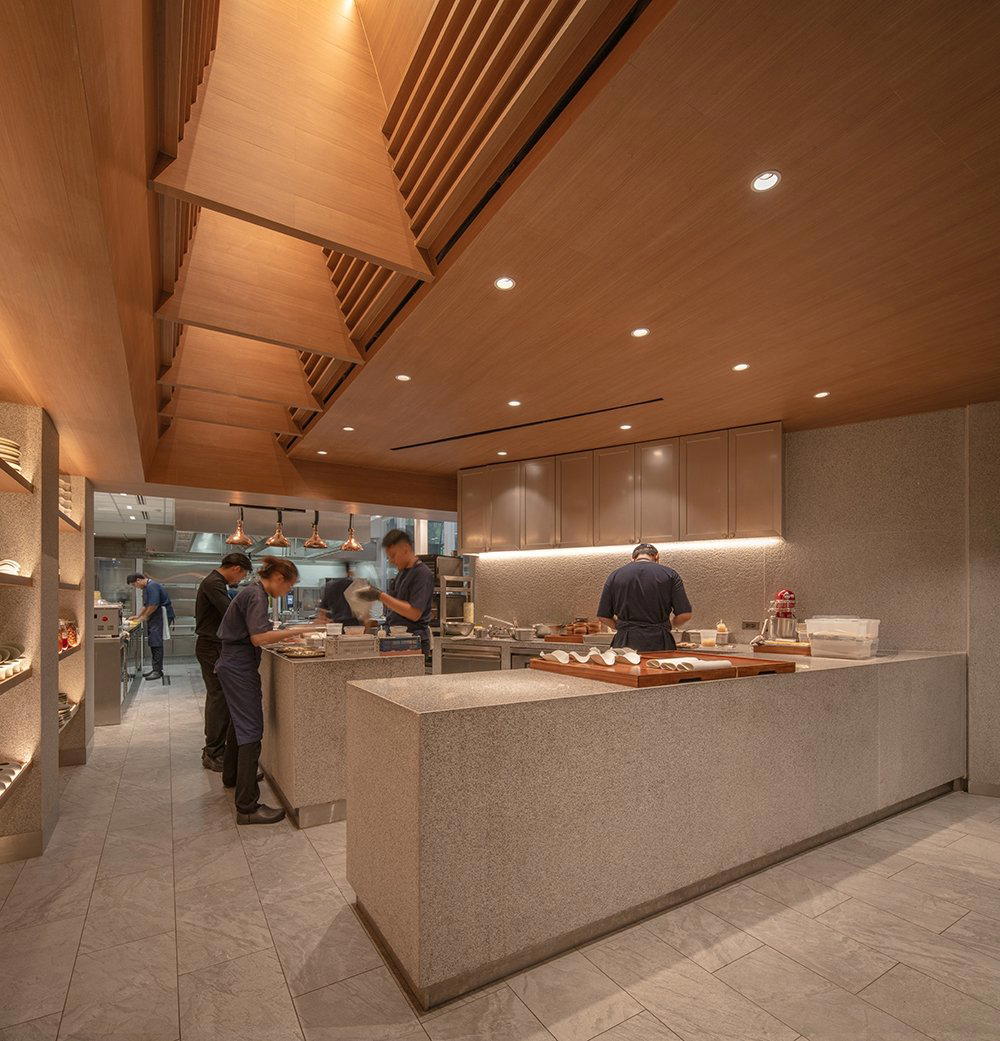
Bars in Mueang Nonthaburi
Browse all →
Details
- Lively
- Energetic
- Group Dining
- Casual Hangout
- Late Night
- After Work
- Open Kitchen
- Local Sourcing
- Sustainable Seafood
- A La Carte
- Family Style
- Pescatarian Friendly
Current opening hours
- Monday
- 3 PM–1 AM
- Tuesday
- 3 PM–1 AM
- Wednesday
- 3 PM–1 AM
- Thursday
- 3 PM–1 AM
- Friday
- 3 PM–1 AM
- Saturday
- 3 PM–1 AM
- Sunday
- 3 PM–1 AM
Hours can change for holidays and private events. Last verified .
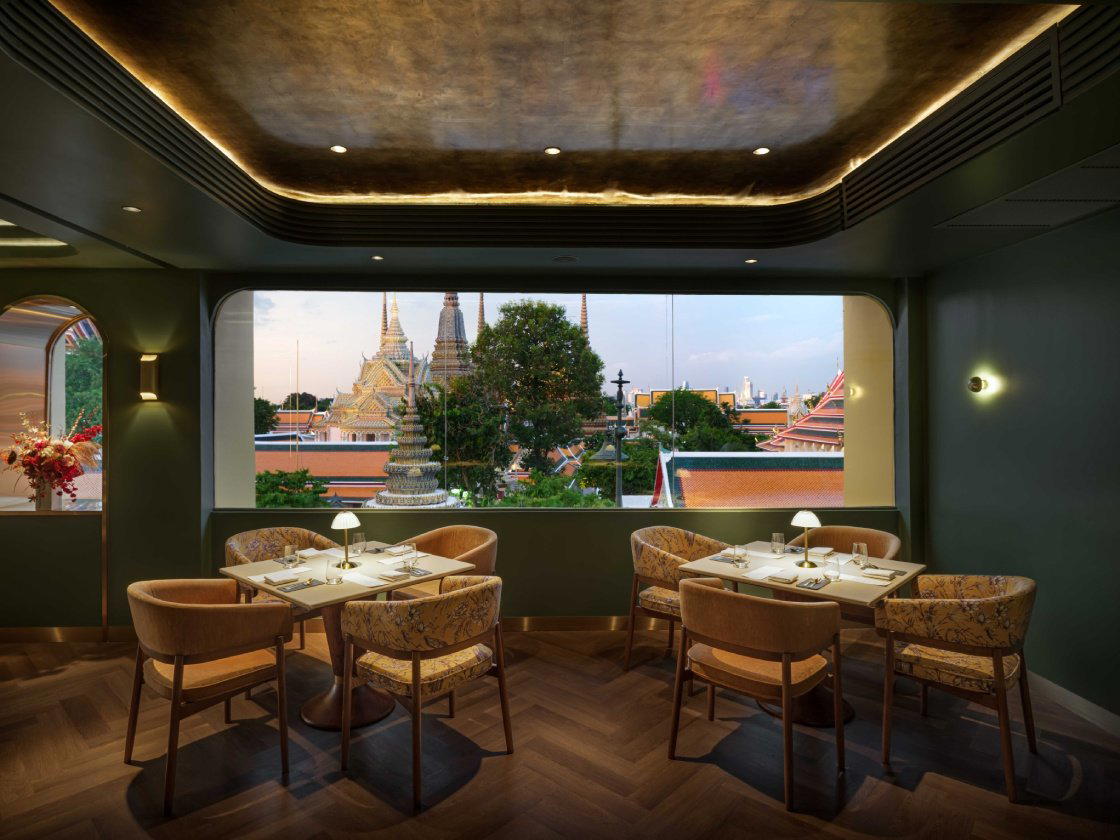
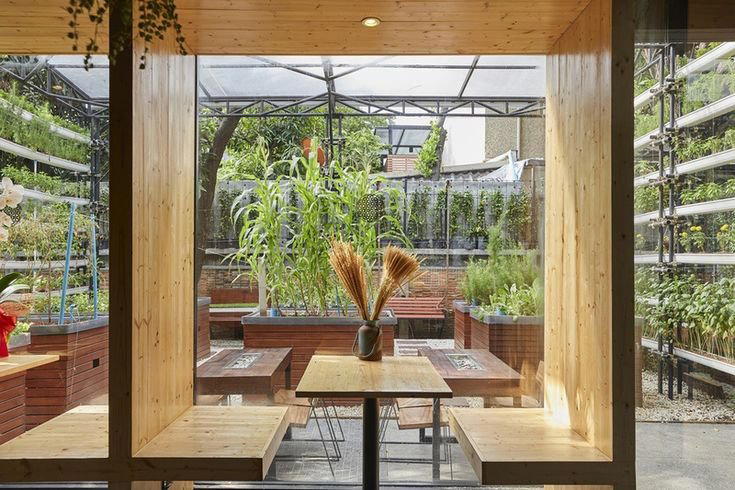
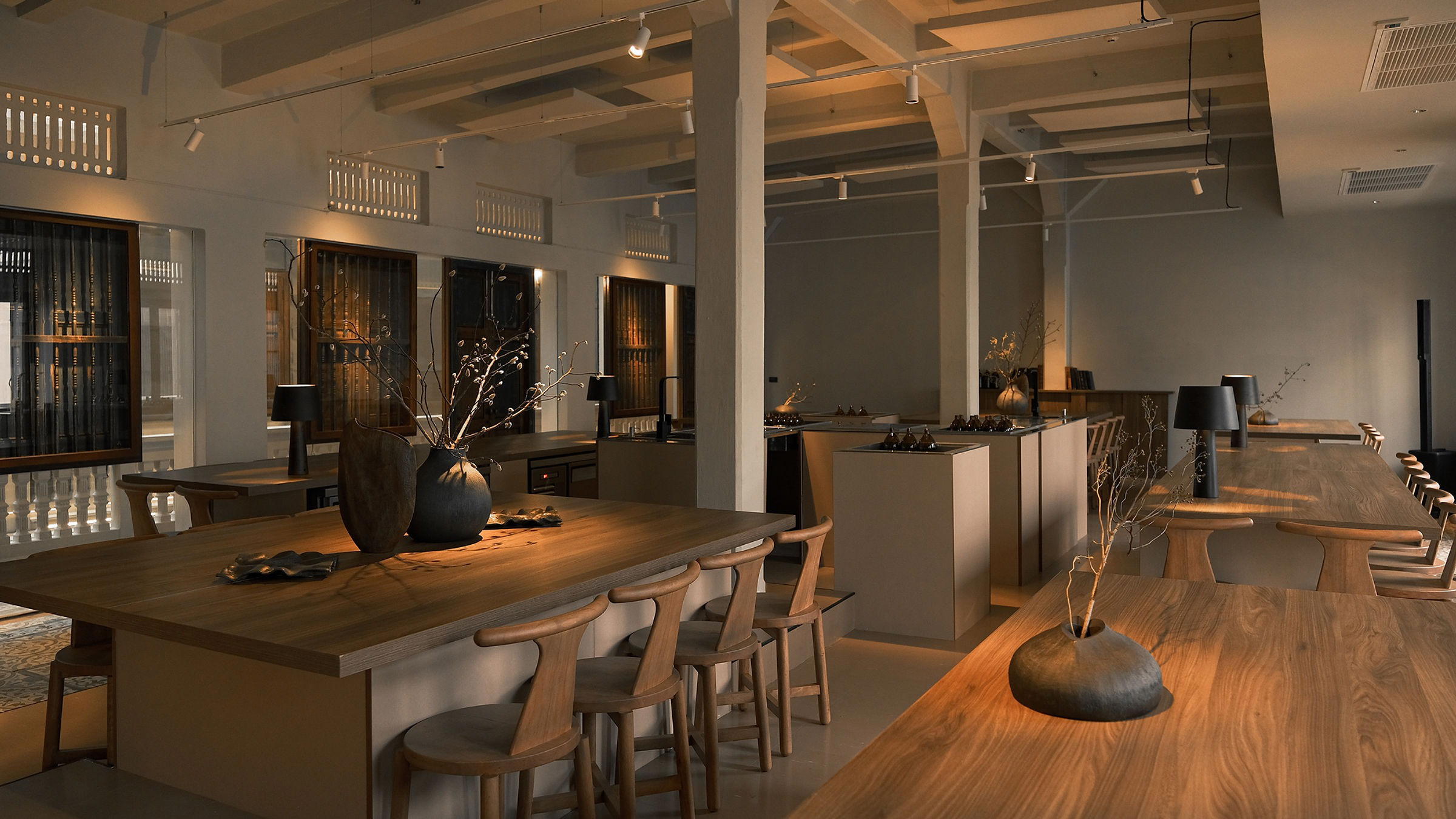
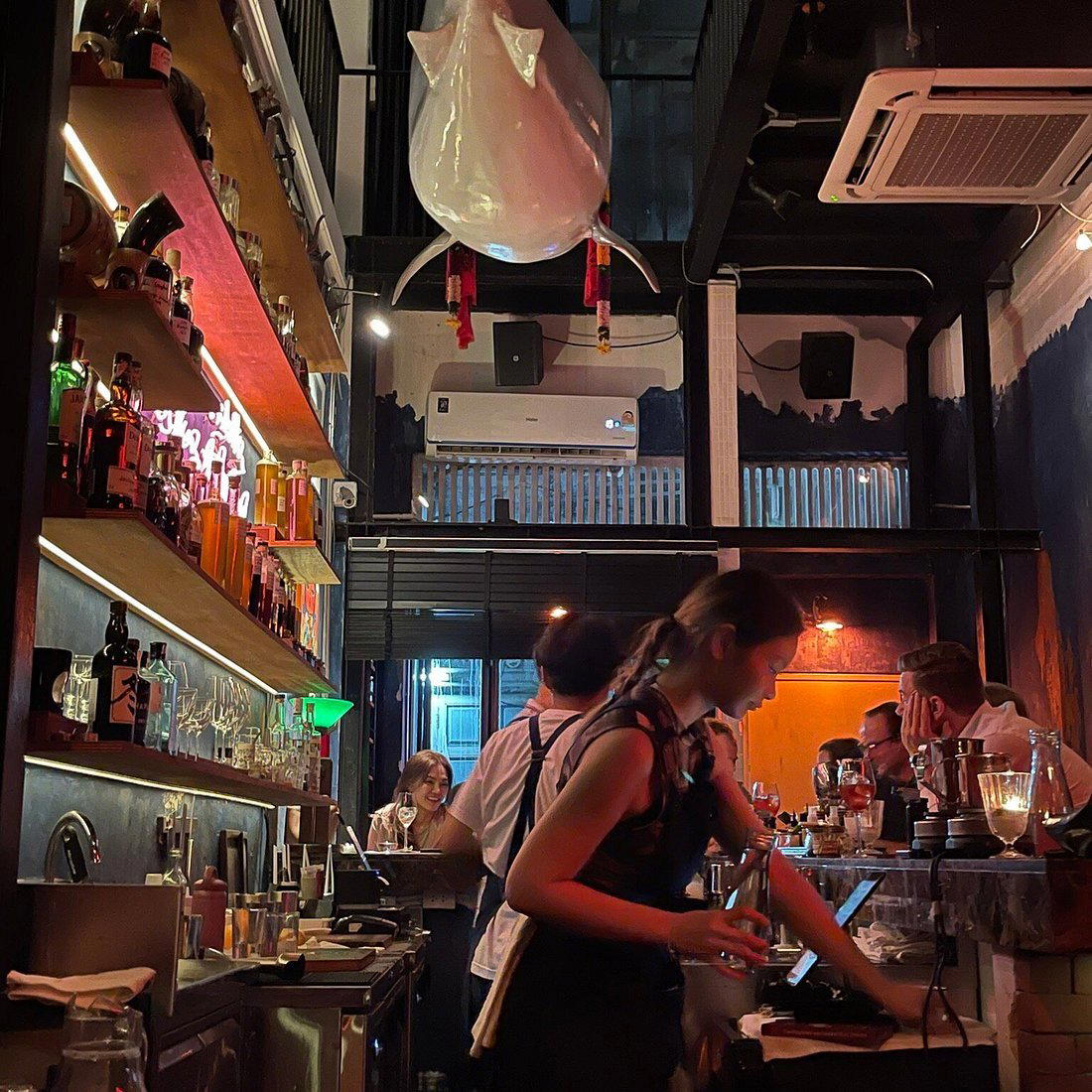
Lively and relaxed atmosphere with both air-conditioned and open-air seating; spacious and well-organized with swift service even at peak times.