O'Uchi sits on Clarence Street in Sydney's CBD, occupying a tier of Japanese-influenced dining where imported technique meets the specificity of Australian produce. The address places it inside one of the city's most concentrated restaurant corridors, where the editorial question is always whether global method adds to or dilutes what the land already offers well.
Pearl is the En Primeur Club membership app — saves, bookings, and concierge access live there. Same editors, same standards.
- Address
- 80 Clarence St, Sydney NSW 2000, Australia
- Phone
- +61481232023
- Website
- uchilounge.com
- Directions
- Get directions
 Saves & bookings on Pearl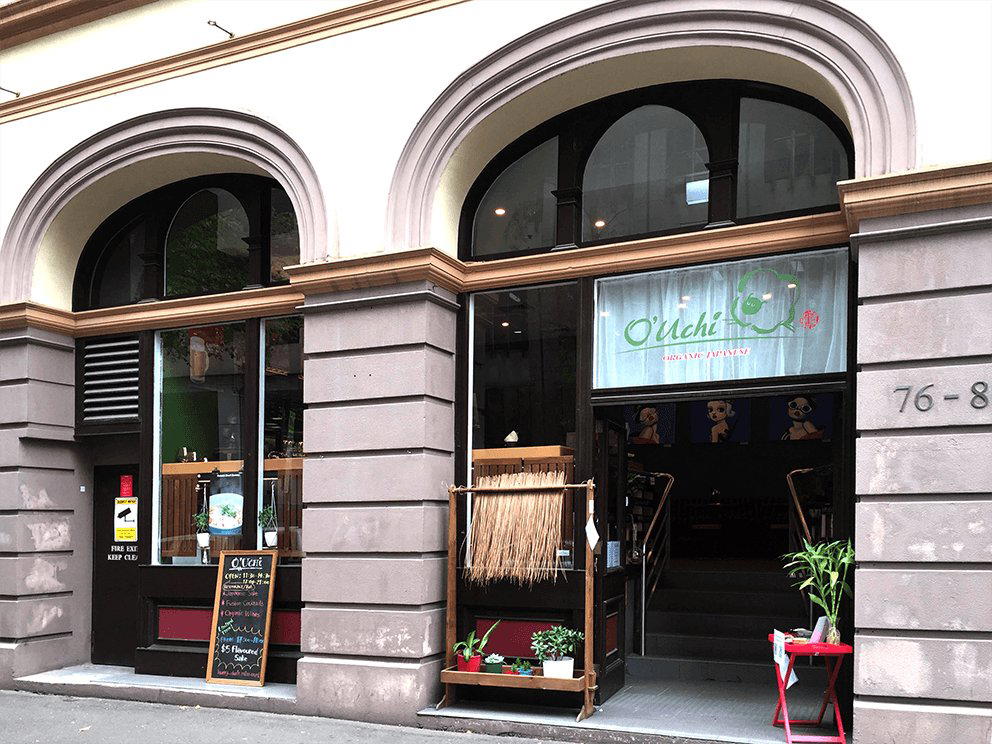
Clarence Street and the Japanese-Australian Dining Argument
There is a particular kind of restaurant that Sydney's CBD has been refining for the better part of two decades: one that imports a rigorous foreign technique and asks it to do something with Australian ingredients it could never quite do at home. The results, when they work, are genuinely instructive. When they don't, you get competent food that could be anywhere. O'Uchi, at 80 Clarence Street, enters that argument in one of the city's more competitive restaurant corridors, where the pressure to justify a CBD address with something editorially legible is constant.
Clarence Street runs through the western fringe of the Sydney CBD, close enough to the financial district to draw a lunch crowd, far enough from the harbour to avoid the tourist premium that inflates menus around Circular Quay. The restaurants that perform well in this pocket tend to do so on repeat custom rather than foot traffic — office professionals who return weekly, not visitors who arrive once and leave a review. That dynamic rewards consistency over novelty, and it shapes the kind of menu discipline that Japanese culinary training, with its emphasis on repetition and precision, is particularly well suited to deliver.
The Case for Importing Japanese Discipline Into an Australian Kitchen
Japan's influence on Australian fine dining has moved through several phases. The early wave was sushi bars and yakitori chains. The second wave was high-end omakase, which transplanted the Tokyo counter format into Sydney and Melbourne almost wholesale, often with imported fish and imported chefs. The current, more interesting phase is a synthesis: kitchens that have absorbed Japanese technique at a structural level and then turned that technique onto what Australia actually produces well. That means different things depending on where you're standing. In Sydney, it tends to mean seafood — the east coast trawls produce quality that needs a light hand and precise temperature management rather than heavy sauce work, and Japanese culinary grammar is built around exactly that. It also increasingly means Australian native ingredients, where the clean, high-acid profiles of things like finger lime, lemon myrtle, and saltbush find more natural allies in dashi and ponzu than in European butter reductions.
Restaurants like Saint Peter have built an international reputation on the argument that Australian seafood, treated with precision rather than augmented with global flavour trends, makes for more compelling dining than most kitchens allow. The Japanese-influenced end of the Sydney scene is making a similar argument, from a different technical direction. Where Rockpool spent years establishing that Australian proteins could hold their own in French-accented fine dining, the Japanese-Australian synthesis asks whether the ingredient's inherent quality survives an even more austere technical approach.
Sydney's Japanese-influenced dining tier has become more stratified over the past five years. At one end, omakase counters now price at a level that positions them against leading European tasting menus, the eight-to-twelve seat format, months-ahead booking windows, and per-head spend that starts well above AU$300 have become standard signifiers in that bracket. Below that, a broader group of restaurants applies Japanese technique more selectively, integrating it into menus that remain accessible in format if not always in price. O'Uchi operates in this broader context, on a street that also hosts venues across the 10 Pounds and 1021 Mediterranean spectrum, suggesting a corridor that rewards culinary specificity over category generalism.
For comparison, Melbourne's equivalent synthesis restaurants have tended to anchor around the inner-north and Fitzroy corridors, with Attica and Brae setting a reference point for how deeply Australian-ingredient focus can go when paired with serious technique. Sydney's CBD equivalent tends to be more format-agnostic and more focused on the à la carte experience than the tasting menu, which is partly a reflection of who's eating lunch on a Tuesday and partly a reflection of Sydney's persistent preference for menus that don't demand three hours.
The global reference points for this kind of synthesis are well established. Atomix in New York City has demonstrated how Korean technique applied to high-quality American produce creates a category-defining experience. Le Bernardin built its entire identity around the principle that seafood handled with technical precision needs almost nothing else. The lesson that both provide is that the synthesis only works when the technique is genuinely subordinate to the ingredient, when the method serves the product rather than the other way around.
Planning Your Visit: Practical Context
The CBD location at 80 Clarence Street means O'Uchi is accessible from Town Hall and Wynyard stations, putting it within a short walk of most of the CBD hotel stock. For visitors staying further afield, bills in Bondi Beach and Bayly's Bistro in Kirribilli anchor the broader Sydney dining circuit that a multi-day itinerary would typically include. Our full Sydney restaurants guide maps the complete tier from casual to serious.
| Venue | Cuisine Direction | Format | CBD or Neighbourhood |
|---|---|---|---|
| O'Uchi | Japanese-influenced, Australian produce | Not confirmed | CBD, Clarence St |
| Saint Peter | Australian Seafood | À la carte / tasting | Paddington |
| Rockpool | Australian Cuisine | À la carte | CBD |
| 10 William St | Italian-influenced | Wine bar / small plates | Paddington |
| Johnny Bird | Neighbourhood dining | À la carte | Crows Nest |
Sydney's dining calendar has distinct rhythms. The summer months from December through February bring longer daylight hours and a shift toward seafood and lighter menus, which suits Japanese-influenced kitchens particularly well. The Sydney autumn, from March through May, is when tasting menus tend to reach their most considered form as kitchen teams settle into the year's rhythm after the holiday disruption. Anyone planning a visit with a specific culinary focus would do well to consider that seasonal timing before booking.
Continue exploring
More in Sydney
Restaurants in Sydney
Browse all →
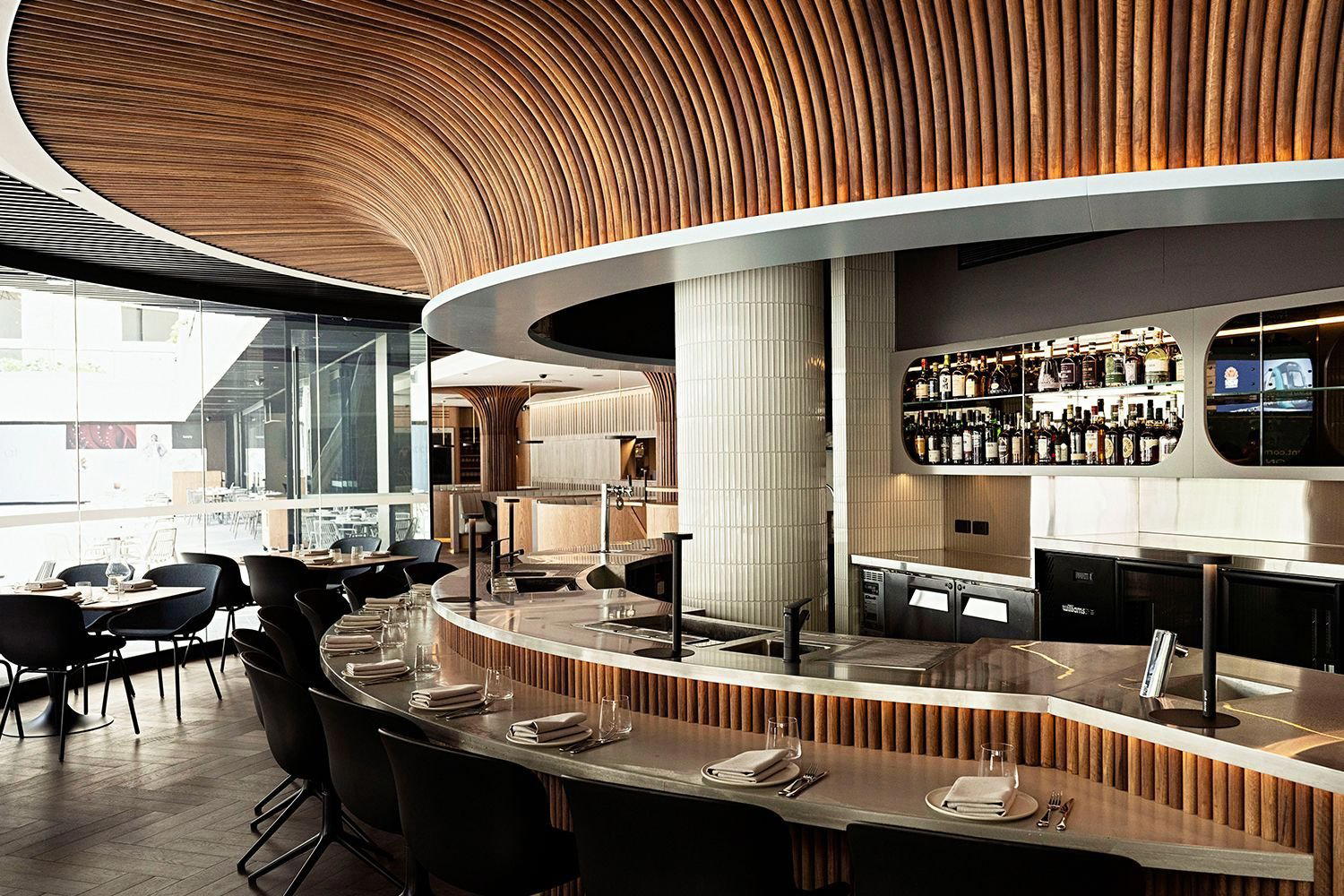
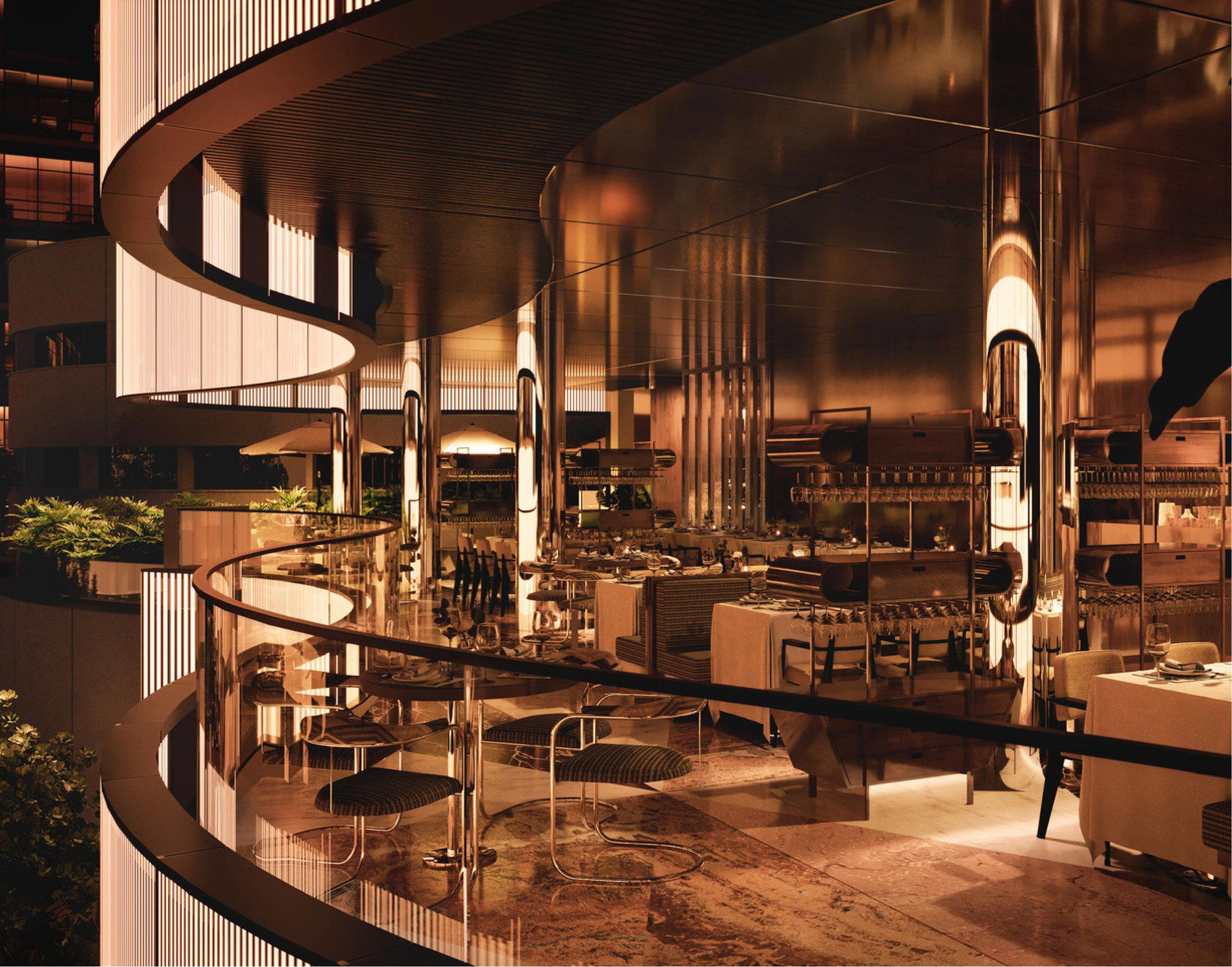
Bars in Sydney
Browse all →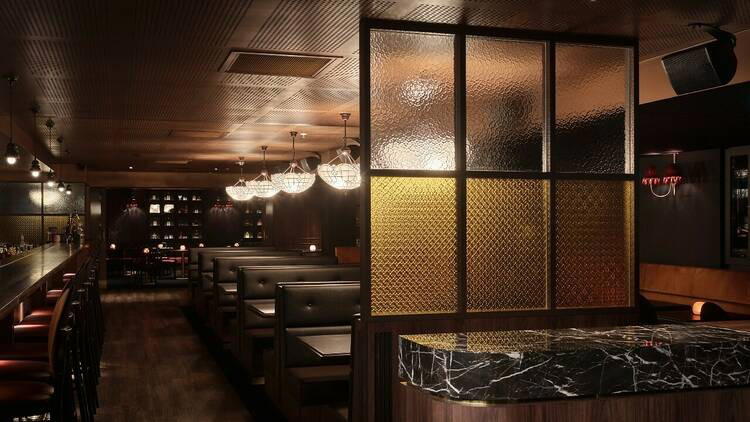
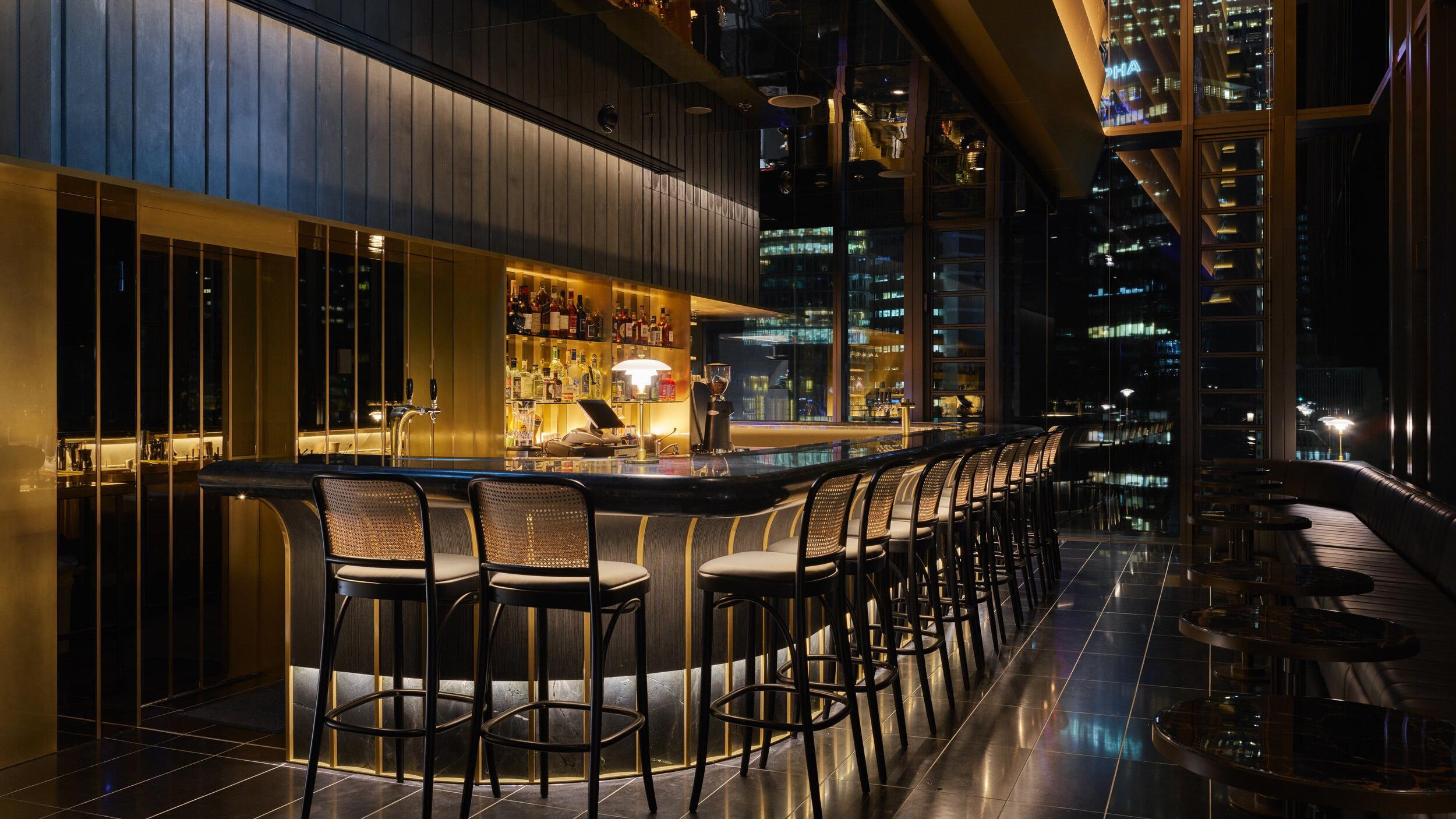
Hotels in Sydney
Browse all →

At a Glance
- Modern
- Cozy
- Intimate
- Date Night
- Casual Hangout
- Open Kitchen
- Sake Program
- Organic
- Local Sourcing
Current opening hours
- Monday
- Closed
- Tuesday
- 11:30 AM–2 PM, 5:30–8:30 PM
- Wednesday
- 11:30 AM–2 PM, 5:30–8:30 PM
- Thursday
- 11:30 AM–2 PM, 5:30–8:30 PM
- Friday
- 11:30 AM–2 PM, 5:30–8:30 PM
- Saturday
- 5:30–9 PM
- Sunday
- Closed
Hours can change for holidays and private events. Last verified .
Charming ambiance with focus on fresh, seasonal tastes in a cozy setting.
Know Before You Go
- Getting there
- 80 Clarence St, Sydney NSW 2000, Australia