
Falstaff Winery - 1 Stars
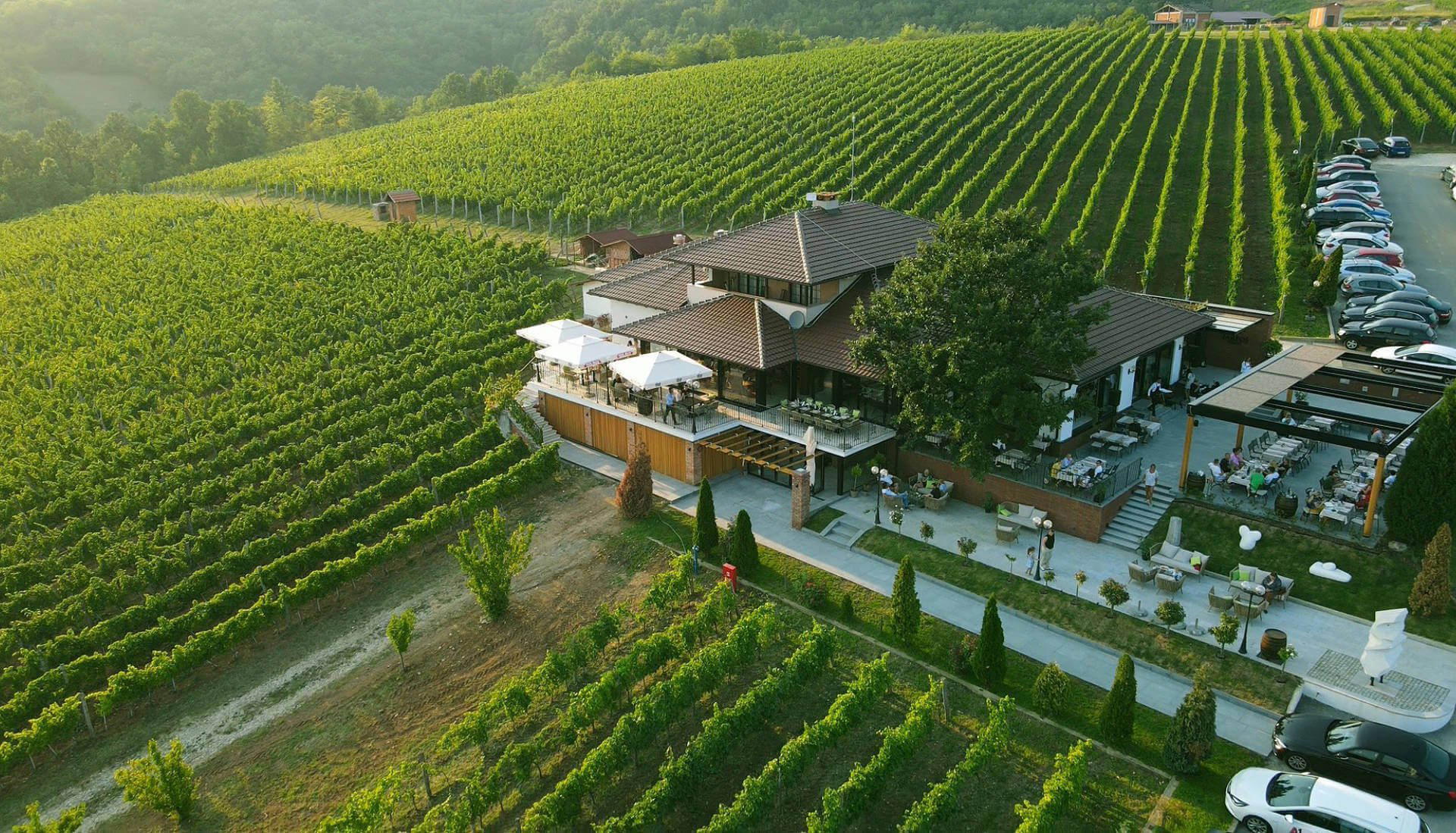
PIK Oplenac gives Topola’s wine culture a strongly physical setting: restored cellars, art-filled tasting rooms, archive spaces, and vineyard views on the slopes of Oplenac. The draw is less trophy-chasing than context, with Šumadija’s royal history, large-scale production heritage, and local varieties folded into a structured winery visit.

Pearl is the En Primeur Club membership app — saves, bookings, and concierge access live there. Same editors, same standards.
- Address
- Topola, Sumadijski okrug, Serbia
- Directions
- Get directions

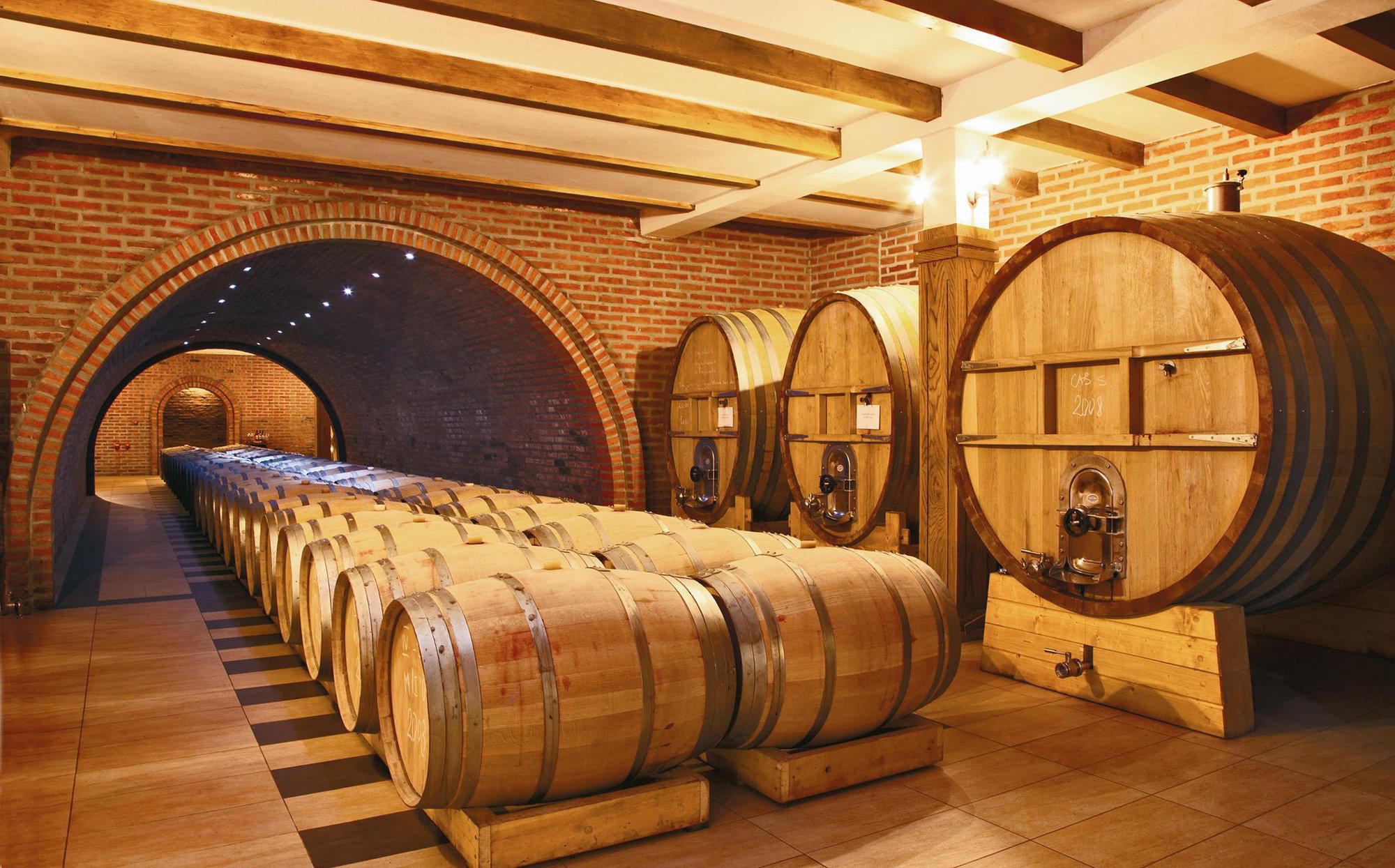
Approaching the Oplenac slopes, the winery reads as part cellar, part cultural institution. The visitor experience is built around rooms filled with art, bronze sculpture, antiques, and historical material, then continues into production areas, an archive room, a wine store, and two cellar levels. In a region where wine is tied closely to Serbian dynastic memory and the hill country around Topola, the setting matters as much as the glass.
Šumadija’s wine identity is not based on coastal glamour or export mythology. It is inland, hilly, agricultural, and historically charged, with Topola carrying a particular symbolic weight through its association with Oplenac and the Karađorđević dynasty. PIK Oplenac fits that tradition as a heritage-led winery founded in 1948, later reshaped through reconstruction and modern cellar investment in 2014. That long operating history gives the visit a different register from a small boutique tasting room: the story here is production scale, preservation, and the continuity of a regional wine culture.
For wider planning around the city, the broader EP Club rails are useful: Our full Topola wineries guide, Our full Topola restaurants guide, Our full Topola hotels guide, Our full Topola bars guide, and Our full Topola experiences guide help separate a tasting stop from a full Topola itinerary.
Oplenac terroir framed through history, not just tasting notes
The strongest argument for the winery is geographical. Topola sits in Šumadija, a central Serbian region whose wine narrative is built around sunny slopes, rolling terrain, and the long presence of viticulture in religious, domestic, and royal settings. The Oplenac association gives that narrative a national frame: wine here is presented not merely as an agricultural product, but as part of a cultural memory attached to hill, church, mausoleum, vineyard, and cellar.
That does not mean the technical story is fully transparent. What is clear is the production model: a large-format winery with modernized equipment, a conventional production philosophy, and a portfolio spanning still white, still red, rosé, fortified styles, and grape brandy. The historical scale is significant, with earlier decades associated with extensive vineyard holdings and a large workforce. In Serbian wine terms, that puts the property closer to a regional institution than to a garage-cellar narrative.
The varietal map also says something about the place. Chardonnay, Muscat Ottonel, Riesling, Merlot, and Cabernet Sauvignon place the portfolio in a familiar Central and Balkan European register, where aromatic whites, structured reds, and local hospitality often share the same table. The named lines, Constanta, Villa, Monarh, Monarh S, Tron, and lozovača, create a tiered architecture that can serve casual tasting-room visitors and buyers looking for more defined bottlings. Lozovača matters in that mix: rakija culture remains part of the region’s drinking grammar, and its presence keeps the winery connected to Serbian spirits tradition rather than a narrow wine-only identity.
Art rooms, cellar access, and a production-led visit
Many winery visits separate the retail counter from the working cellar. Here, the format is more interpretive. Four tasting rooms give the hospitality side a staged quality, while access to production spaces, the archive room, wine store, and two cellar levels turns the visit into a compact lesson in how a historic winery presents itself after modernization. The effect is not minimalist. It is layered, with sculpture, antiques, cellar architecture, and vineyard context doing much of the storytelling.
The tasting format includes guided tastings, food-paired tastings, and tour-and-tasting options, with Serbian, English, and Russian listed among tour languages. A typical tour duration runs 60 to 90 minutes, which makes the winery practical as part of a cultural circuit around Topola rather than a full-day commitment. The format suits groups, families, wine education, and special-occasion travel, especially for visitors who respond to heritage spaces more than polished luxury cues.
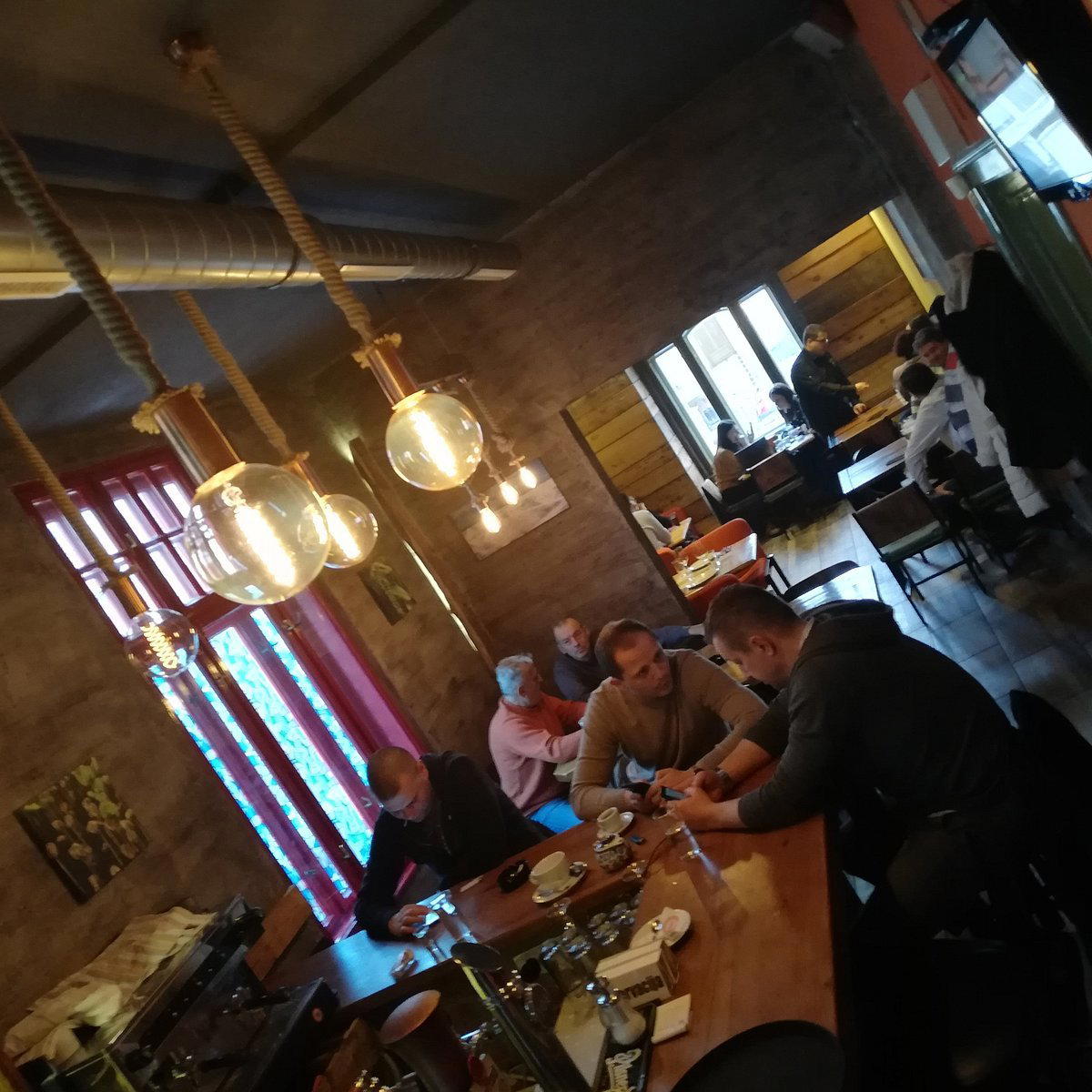
Atmosphere is conversational rather than club-like, and the restored complex leans classic, scenic, historic, cozy, and elegant. On-site parking, card and contactless payments, and a walk-in-friendly structure make the logistics less formal than many appointment-only cellars. Reservations are still sensible when planning a structured tasting, especially for groups or food-paired formats.
For readers mapping Serbian wine beyond Topola, useful reference points include Vinarija Aleksandrović and Vinarija Delena in the same city guide ecosystem, as well as Aleksić Vinarija in Vranje, Bikicki in Banostor, Bojan Baša in Syrmien, Cilić Vinarija in Lozovik, Despotika Winery in Smederevska Pa, and Ernő Sagmeister in Magyarkanizsa. For a broader Central European counterpoint, »der Steiner« Hans Steiner in Podersdorf am See and & Handwein in Mannheim show how different regions turn small places, cellar culture, and local drinking habits into travel-worthy wine experiences.
Who this winery rewards
PIK Oplenac is strongest for travellers who want terroir with civic memory attached. The visit makes sense for anyone interested in how Serbian wine positions itself through Šumadija’s slopes, royal-era associations, and a post-1948 production legacy. It is also a practical choice for mixed groups: wine-focused visitors can follow the portfolio and cellar spaces, while less technical guests have art, architecture, and the Oplenac setting to hold their attention.
This is not the place to judge by medals or critic scores; its authority comes from age, scale, reconstruction, and its role inside Topola’s wine-and-history circuit. The better reading is cultural rather than trophy-led. In a country whose wine reputation is still being reintroduced to many international travellers, PIK Oplenac offers a clear, grounded explanation of why Šumadija belongs in the conversation.
Recognition history
Dated appearances from independent guides and award organizations, with the underlying list record or original source where available.
Falstaff Winery - 1 Stars
Falstaff
Details
- Classic
- Scenic
- Historic
- Cozy
- Elegant
- Group Outing
- Wine Education
- Family
- Special Occasion
- Historic Building
- Design Destination
- Private Tasting
- Estate Grounds
- Barrel Room
- Vineyard
- Chardonnay
- Muscat Ottonel
- Riesling
- Merlot
- Cabernet Sauvignon
- Still White
- Still Red
- Still Rosé
- Fortified
- Guided Tasting
- Food Paired Tasting
- Tour And Tasting
- English
- Serbian
- Russian
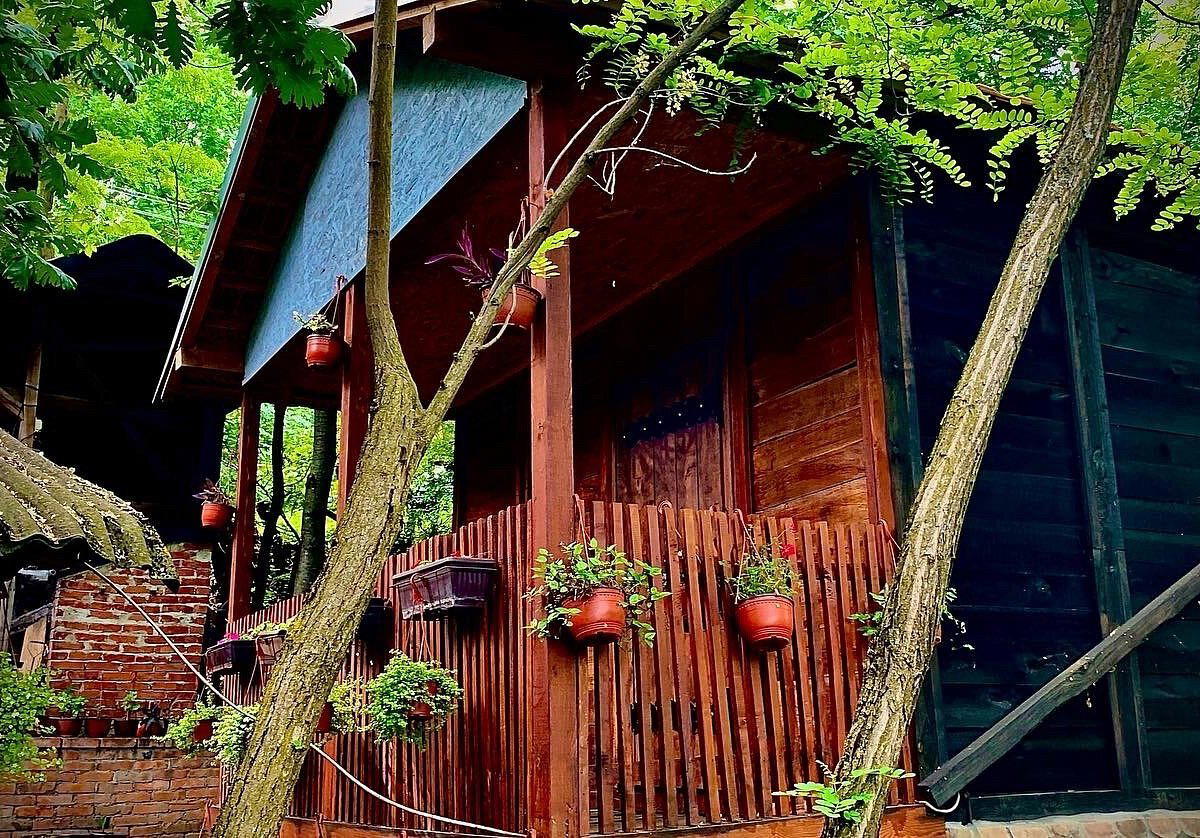
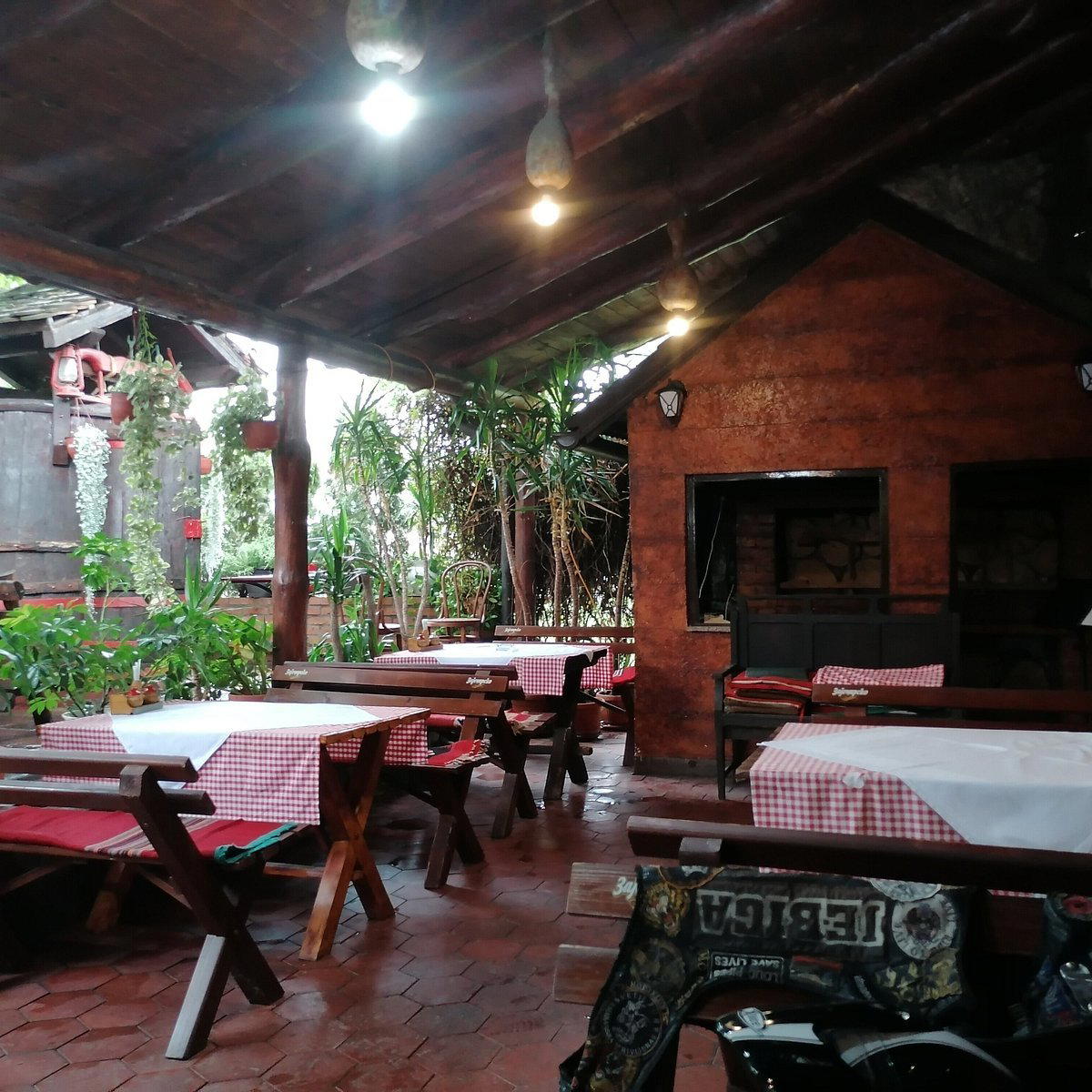
A restored winery complex with art, bronze sculptures, antiques, and a blend of historical elements with modern design; the tasting rooms are described as atmospheric and visually rich.