

Michelin Plate · Gambero Rosso 2 Forchette
Our verdict
Cellar to Table brings Italian cooking to Xuhui's quieter restaurant corridor on Donghu Road, holding a Michelin Plate in both 2024 and 2025. At the ¥¥¥ price tier, it sits in Shanghai's mid-to-upper Italian bracket — a category where the gap between occasion dining and everyday value is often wide. This is a room that earns its recognition without the theatrics of the city's headline Italian addresses.

Pearl is the En Primeur Club membership app — saves, bookings, and concierge access live there. Same editors, same standards.
- Address
- China, CN 上海市 徐汇区 东湖路 9 9号裙房1M 邮政编码: 200031
- Phone
- +86 21 5465 1765
- Directions
- Get directions
The menu
What to order
- My grandmother’s recipe meatballs
- Grilled Shandong Red devil prawns
- Tagliata di Manzo
Donghu Road and the Case for Quieter Italian
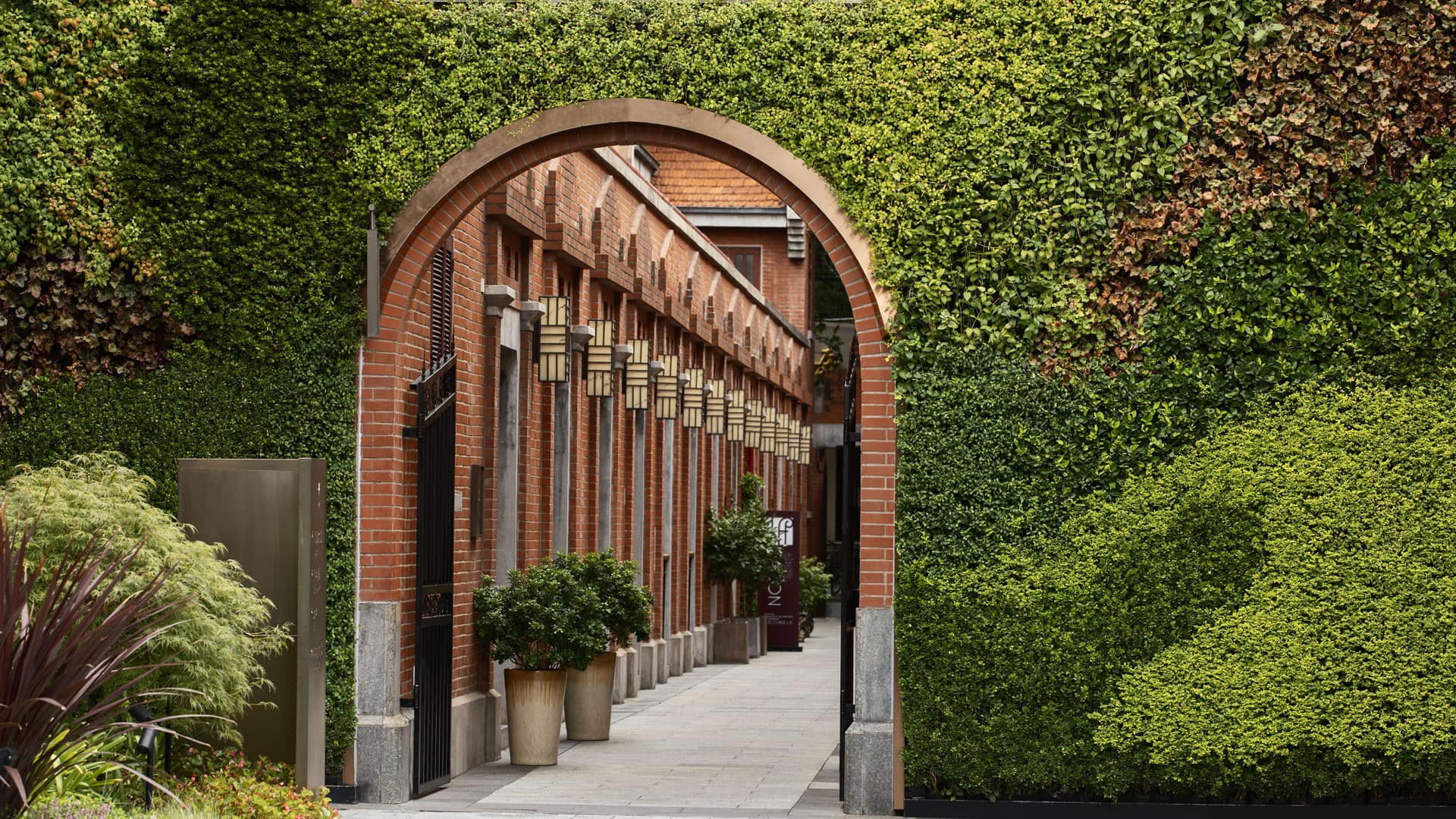
Shanghai's Italian restaurant scene has long clustered around two poles: the grand-occasion flagships with tasting menus and cellar-weight wine lists, and the neighbourhood trattorie trading on proximity and price. Donghu Road, a tree-lined strip in Xuhui that has quietly accumulated a number of serious dining addresses, sits in neither camp. It is the kind of street where you walk past a restaurant twice before deciding to go in — not from indecision, but because the exteriors tend toward restraint. Cellar to Table occupies ground-floor space at number 9, and the approach mirrors the street: considered rather than showy.
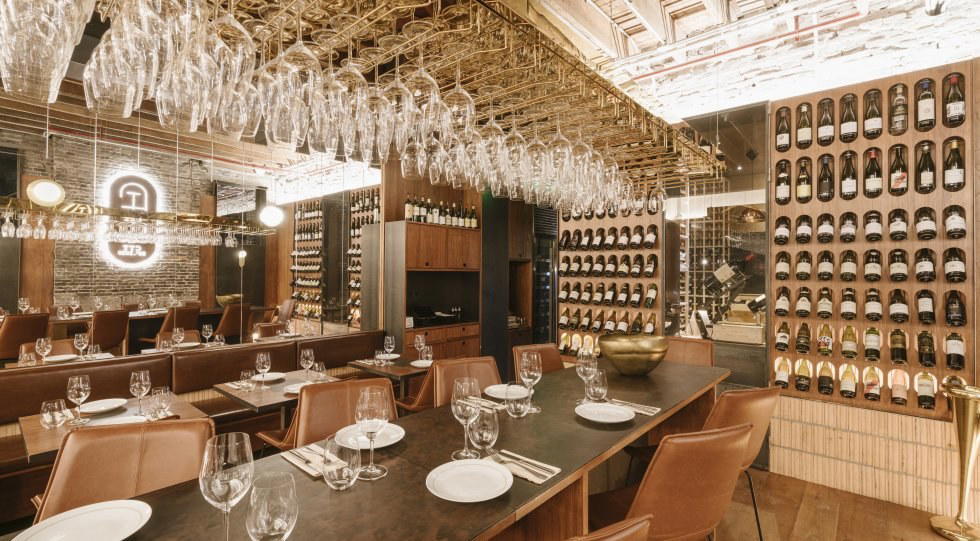
The physical environment matters here because it frames the value proposition before a menu is opened. Italian restaurants at the ¥¥¥ tier in Shanghai often spend heavily on interior theatre — exposed brick imported from somewhere, a sound design that reads as ambient and functions as loud. Donghu Road's character, and by extension the room at Cellar to Table, pulls in a different direction. The name itself signals the structural logic: wine and food as a continuous argument rather than parallel tracks.
What the Michelin Plate Means in This Context
Cellar to Table holds a Michelin Plate in both 2024 and 2025, consecutive years of recognition that carry a specific implication. The Plate designation in Michelin's framework signals food of good quality, it is the inspectors' statement that cooking here meets a consistent standard worth directing readers toward, short of the starred tier. In Shanghai's Italian category, that puts Cellar to Table in a defined competitive band: below the city's starred Italian addresses like 8 1/2 Otto e Mezzo Bombana, but above the unrecognised volume of the city's Italian offering.
The consecutive recognition matters for value assessment. A single-year Plate can reflect an inspector's one-time visit. Two consecutive years suggests the kitchen is running to a reliable level, which is the relevant question when spending at the ¥¥¥ tier. Across Shanghai, Italian restaurants at this price point range from genuinely kitchen-led operations to addresses that price against their postcode rather than their plate. Michelin's repeated endorsement here provides a useful anchor.
For comparison within the Italian category in Shanghai, Scarpetta operates at the same ¥¥¥ tier without Michelin recognition, while Arva and Mercato represent alternative positions in the city's Italian field. Each takes a different angle on format and formality. Cellar to Table's angle, as the name suggests, is the relationship between what is poured and what is plated.
Italian Cooking in Shanghai: What the Category Demands
Italian cuisine in Shanghai occupies an interesting structural position. It is one of the most-replicated Western cuisines in the city, which means the distance between competent execution and something worth seeking out is wider than in cities with smaller Italian footprints. The kitchens that have earned sustained recognition tend to share a few characteristics: sourcing discipline (whether Italian imports or local product treated with the same rigour), a wine program that functions as curation rather than listing, and a format that doesn't require tasting-menu spend to demonstrate what the kitchen can do.
That last point is where the ¥¥¥ tier earns its argument. In the starred Italian tier, 8 1/2 Otto e Mezzo Bombana in Hong Kong is the regional reference point, with the Shanghai iteration operating to comparable standards, the expectation is a full-commitment evening. Cellar to Table operates in the bracket where a two-course dinner with a glass from the list remains a rational choice, and the Michelin recognition suggests that choice still lands on quality cooking.
Across Asia, Italian restaurants that have earned recognition at this tier tend to distinguish themselves through pasta work and ingredient provenance rather than architectural plating. cenci in Kyoto represents a different model, folding local Japanese ingredients into Italian structure at a higher price point. Cellar to Table's Xuhui address suggests a more traditional Italian logic, with the wine-and-table framing pointing toward a program where the cellar component is taken seriously.
The Value Argument at ¥¥¥
The ¥¥¥ tier in Shanghai spans a meaningful range. At the lower end of this band, you are paying for postcode and atmosphere as much as cooking. At the upper end, you are approaching the territory where starred venues become price-competitive for set lunches. Cellar to Table sits within this band with consecutive Michelin Plate recognition, which shifts the value calculus in a specific way: the endorsement is for the food, not the room or the address.
Donghu Road itself is not a premium restaurant corridor in the way that the Bund or Xintiandi command a location premium. That has an effect on what ¥¥¥ buys here versus what the same spend delivers on higher-profile streets. The practical implication is that a larger proportion of the spend is likely reaching the plate and the cellar, rather than subsidising the address. For readers who calibrate their restaurant choices against a value-per-experience framework, that distinction is worth tracking.
Frasca represents another point on the Italian spectrum in Shanghai, and the broader Italian category across the city reflects how differently kitchens have interpreted what the cuisine requires at various price points. Cellar to Table's positioning, with two years of Michelin recognition at a street-level Xuhui address, makes it one of the more direct value cases in Shanghai's Italian field.
Planning Your Visit
Cellar to Table is located at 9 Donghu Road (东湖路9号), Xuhui District, in the southern half of the former French Concession. The address is walkable from Changshu Road metro station on Lines 1 and 7, and the surrounding blocks include several other serious dining addresses, which makes the area worth an evening rather than a single-restaurant visit. Booking ahead is advisable for weekend evenings at any Michelin Plate address in this district. The price range at ¥¥¥ positions dinner for two, with wine, in the mid-to-upper bracket without reaching into special-occasion territory.
For a broader read on where Cellar to Table sits within Shanghai's full dining and hospitality picture, see our full Shanghai restaurants guide, our full Shanghai bars guide, and our full Shanghai hotels guide. If you are building an itinerary across China's major food cities, relevant comparisons include Xin Rong Ji in Beijing, Chef Tam's Seasons in Macau, Imperial Treasure Fine Chinese Cuisine in Guangzhou, and Dai Yuet Heen in Nanjing.
Frequently asked questions
What price level is Cellar to Table?
Pricing at Cellar to Table is listed as ¥¥¥.
Is Cellar to Table Michelin-listed?
Cellar to Table has received recognition including: Michelin Plate (2025); Michelin Plate (2024).
What's the best thing to order at Cellar to Table?
Specific menu details are not published in available pre-visit materials, which is consistent with Italian kitchens in this tier that rotate dishes by season and supplier. Given the name's emphasis on wine and produce provenance, pasta courses and wine pairings are likely the structural focus. The Michelin Plate recognition in both 2024 and 2025 suggests the cooking holds steady rather than coasting on concept.
How do I find Cellar to Table?
Cellar to Table is located at China, CN 上海市 徐汇区 东湖路 9 9号裙房1M 邮政编码: 200031, Shanghai.
What's the best way to book Cellar to Table?
For a Michelin Plate venue at the ¥¥¥ tier in Xuhui, walk-in availability varies sharply between weekday lunches and weekend evenings. Reservations made through third-party platforms such as Dianping or SmartShanghai are the most reliable route until direct contact details are confirmed.
What's the defining dish or idea at Cellar to Table?
The name positions the restaurant around a direct line from wine cellar to dining table, suggesting that the wine list is not supplementary but structural to how the menu is built. This is a less common posture in Shanghai's Italian category, where wine programs at the ¥¥¥ level often default to familiar labels rather than driving the food direction. Two consecutive Michelin Plates indicate the kitchen executes that premise with enough consistency to satisfy institutional reviewers.
| Venue | Cuisine | Price | Awards | Notes |
|---|---|---|---|---|
| Cellar to TableThis venue — the venue you are viewing | Modern Italian Wine Bistro | $50–100 | Michelin Plate · Gambero Rosso 2 Forchette | Not listed |
| Fu He Hui | Modern Seasonal Vegetarian Fine Dining | $200–300 | 2 Michelin Stars · World's 50 Best #11 | Vegetarian |
| Ming Court | Cantonese with Shanghainese Influences | $30–50 | 1 Michelin Star · Black Pearl 1 Diamond | Cantonese |
| Polux | French Bistro | $30–50 | Michelin Bib Gourmand | Not listed |
| Royal China Club | Modern Cantonese fine dining | $50–100 | Michelin Plate | Not listed |
| Scarpetta | Refined Italian Pasta & Pizza | $50–100 | Michelin Plate · Wine Spectator Best of Award of Excellence | Not listed |
Recognition history
Dated appearances from independent guides and award organizations, with the underlying list record or original source where available.
Michelin Plate
Michelin
Gambero Rosso 2 Forchette
Gambero Rosso
Full recognition history (3 entries)
Michelin Plate
Michelin

Cellar to Table
The wine
- Wine program
- Exceptional wine program
- Extensive wine list
Details
- Rustic
- Romantic
- Cozy
- Sophisticated
- Elegant
- Date Night
- Business Dinner
- Group Dining
- Special Occasion
- Courtyard
- Wine Cellar
- Private Dining
- Extensive Wine List
- Local Sourcing
- A La Carte
- Small Plates
- Wine
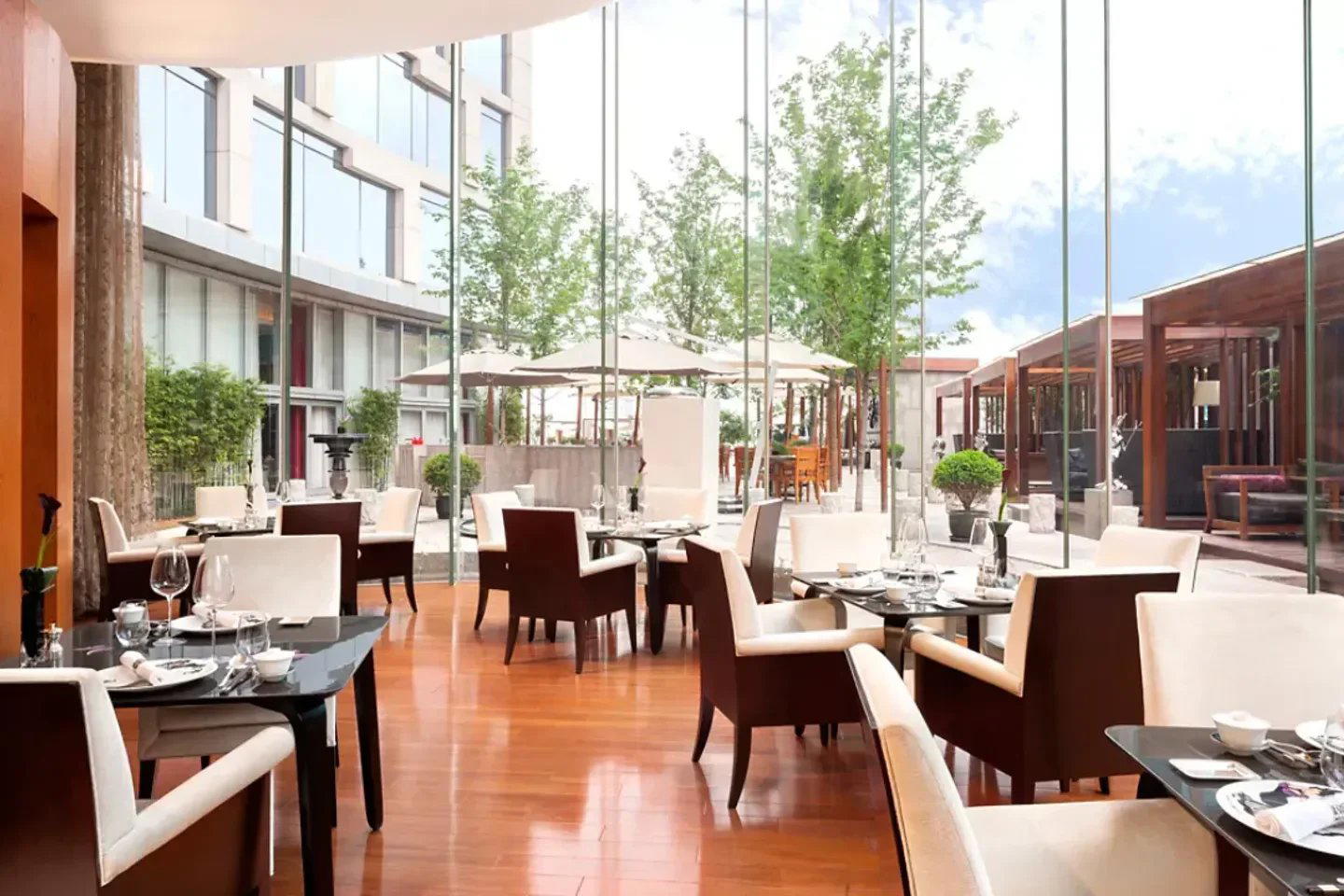
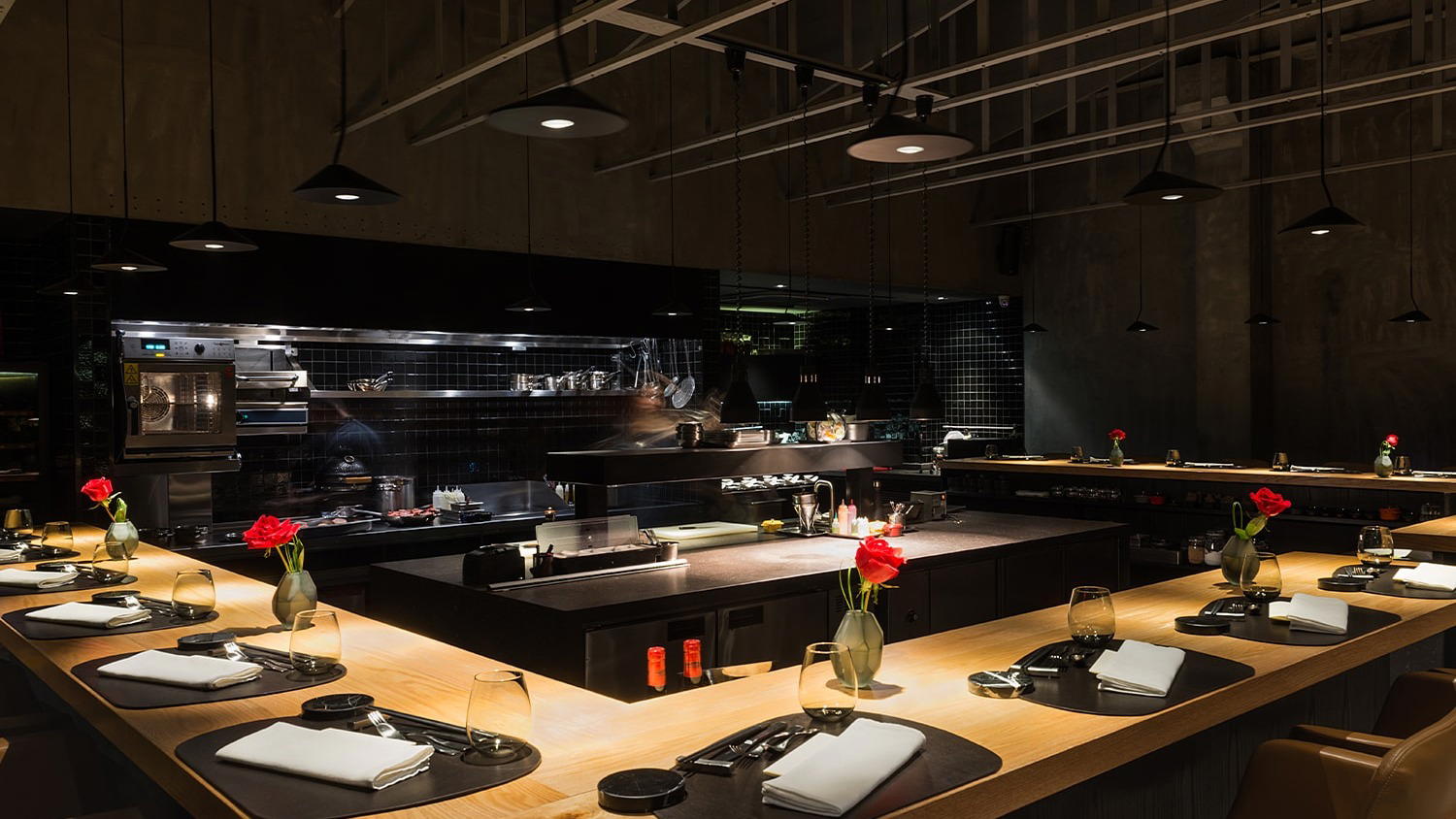
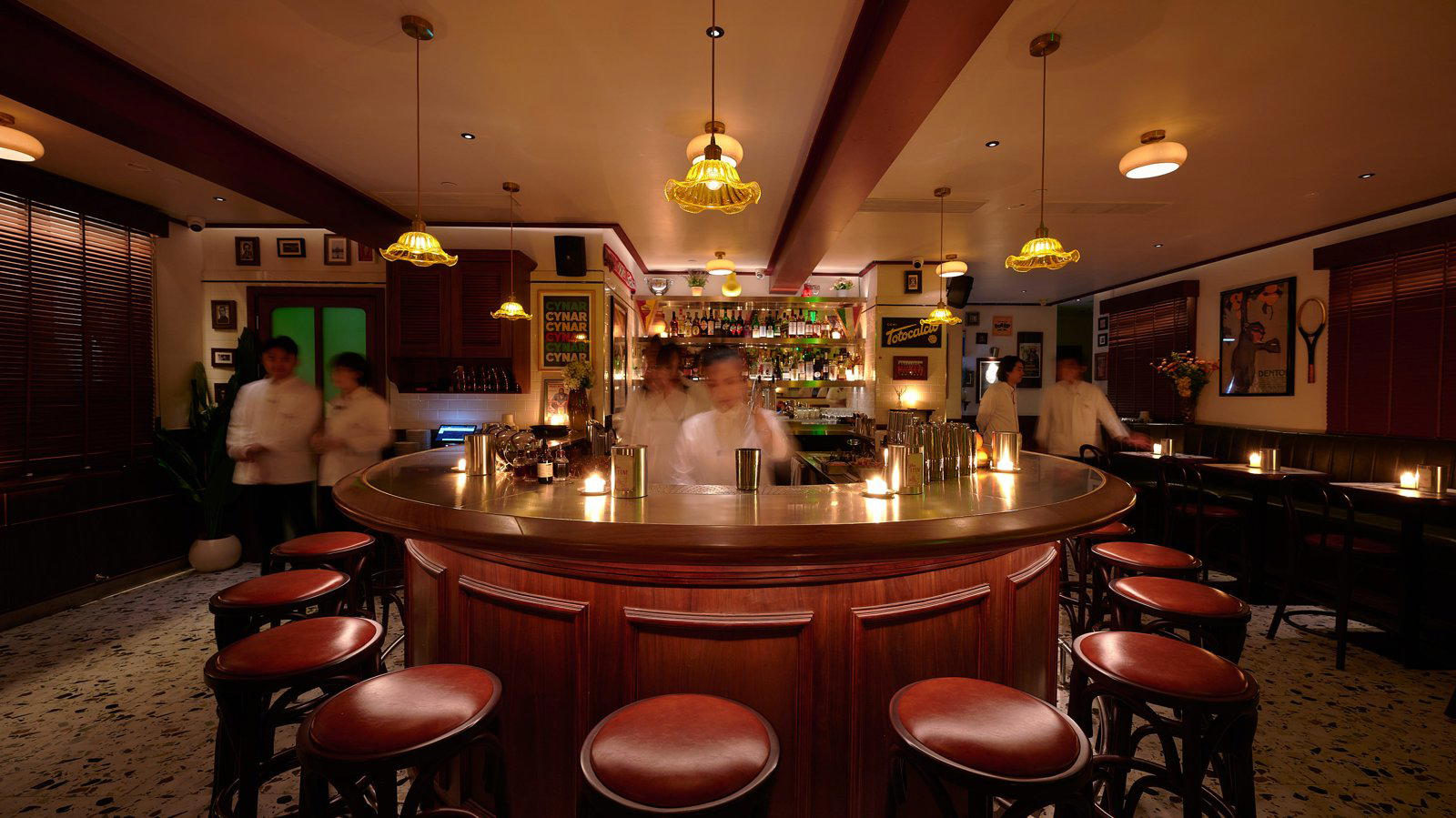
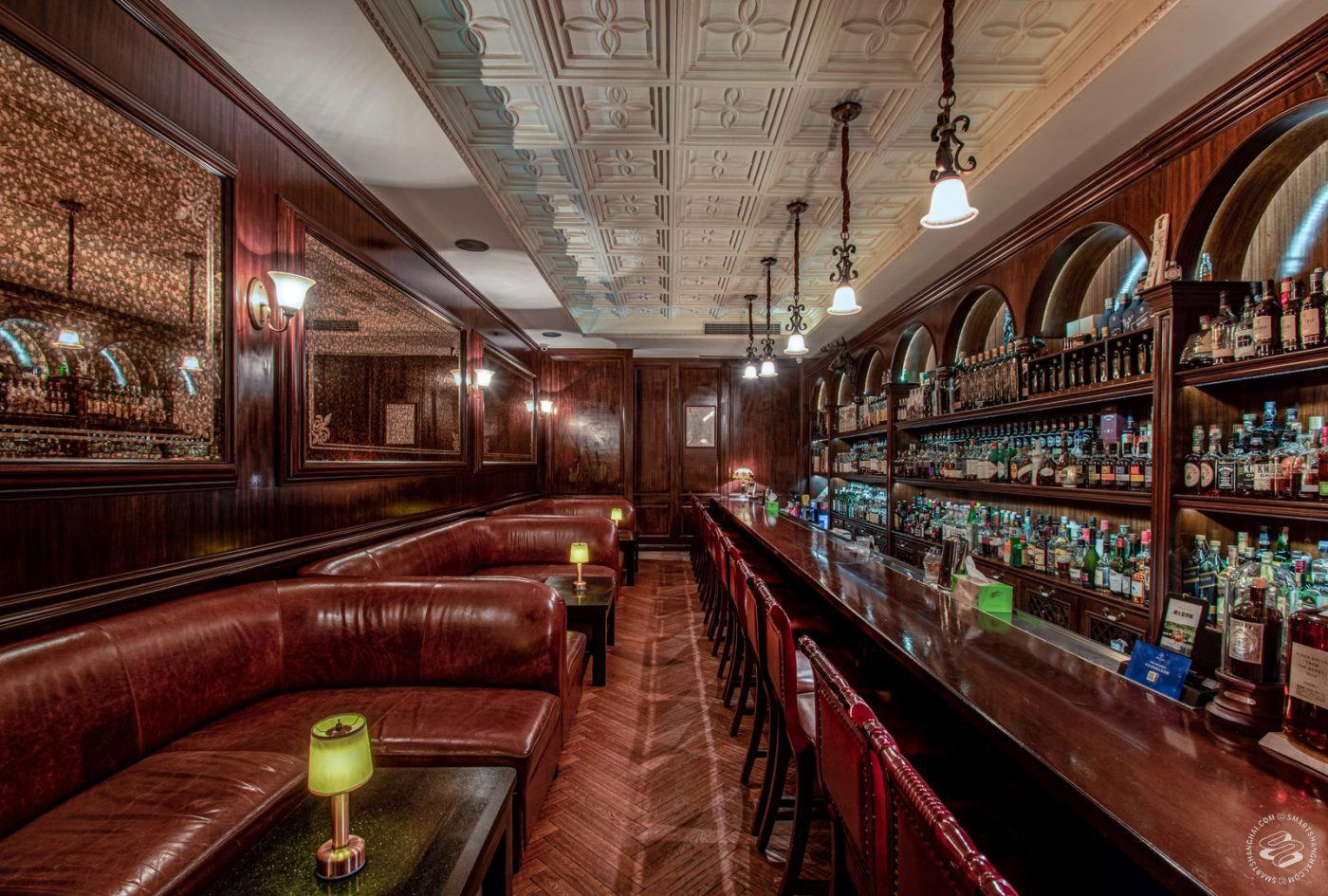
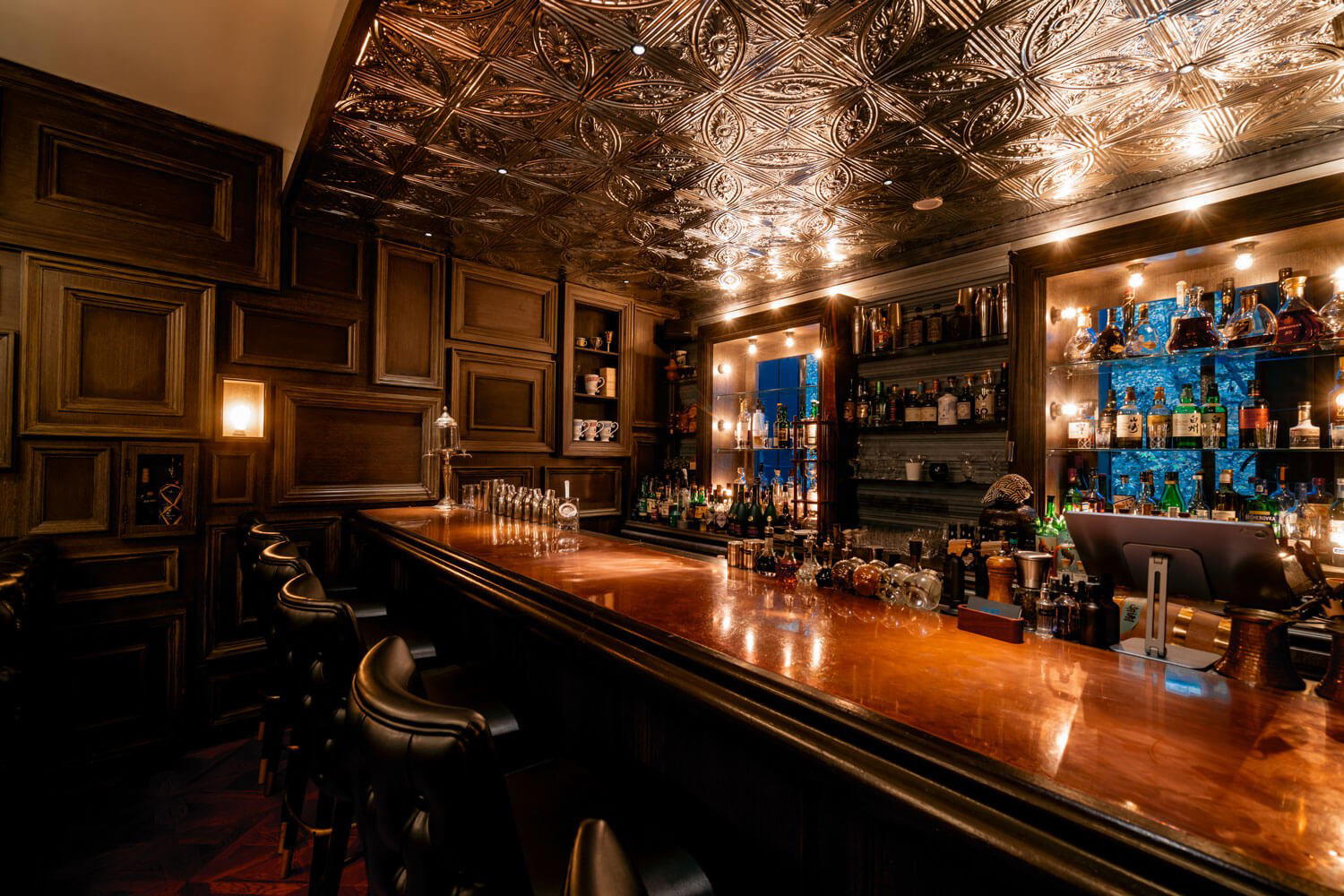
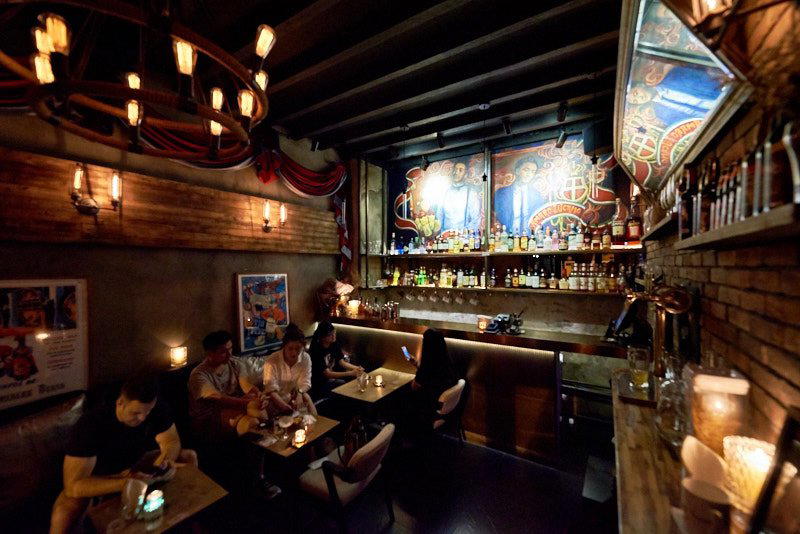
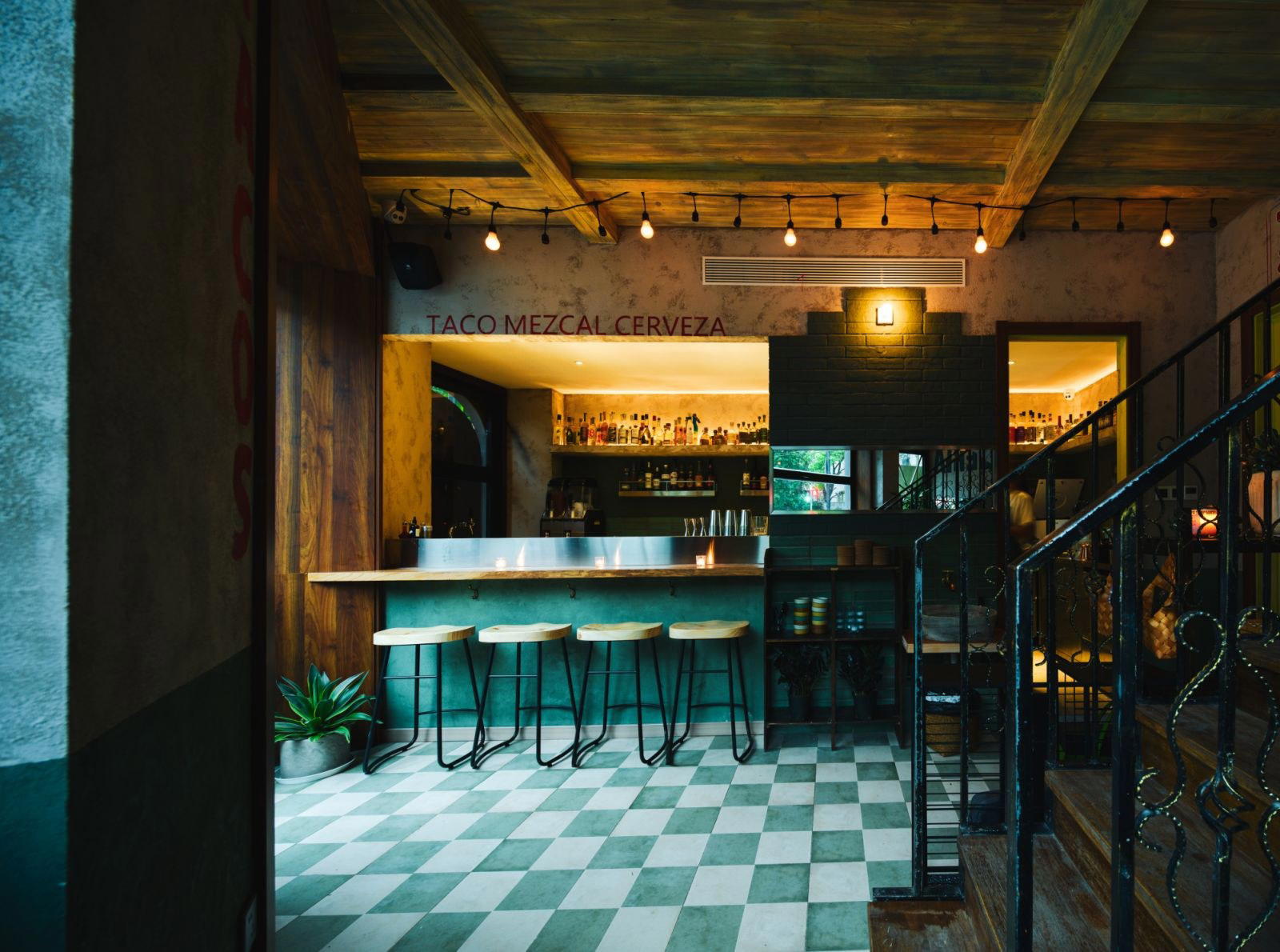
Dimly lit brick and wood interior with old cabinets, creating a sophisticated, rustic, and charmingly romantic atmosphere.