Cebu
Cebu brings Filipino cooking to Chicago's Lincoln Avenue corridor, operating within a city scene that has grown considerably more attentive to Southeast Asian culinary traditions. The restaurant sits at 3120 N Lincoln Ave in the Lakeview neighborhood, where independent, cuisine-specific restaurants have found a receptive audience. Its presence adds to a broader conversation about how Filipino food is being taken seriously at the table-service level in American cities.
Pearl is the En Primeur Club membership app — saves, bookings, and concierge access live there. Same editors, same standards.
- Address
- 3120 N Lincoln Ave, Chicago, IL 60657
- Phone
- +17737099153
- Website
- cebuchicago.com
- Directions
- Get directions
 Saves & bookings on Pearl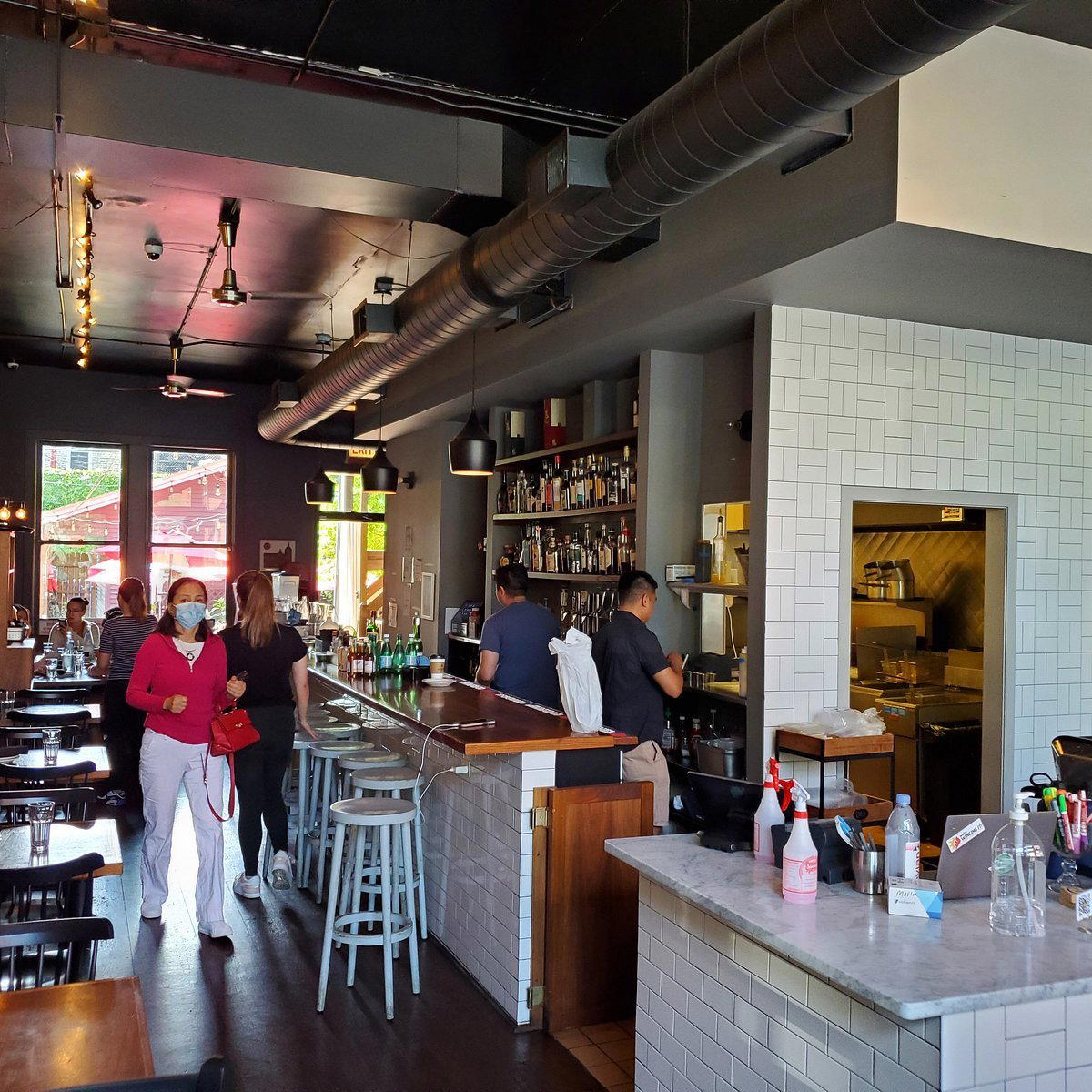
Lincoln Avenue in Lakeview has become one of Chicago's more interesting corridors for independent restaurants that operate outside the obvious fine-dining circuits. The stretch between Belmont and Diversey draws a neighborhood crowd that skews curious rather than occasion-driven, and the restaurants that have survived here tend to reflect something specific rather than something safe. That specificity is exactly the context in which Cebu, a Modern Filipino restaurant in Chicago's Lakeview neighborhood, makes its case.
Filipino cuisine's trajectory in American cities has accelerated over the past several years. The cuisine moved from family-style carinderia formats and turo-turo counters toward more composed, sit-down presentations, and Chicago has been part of that shift. Kasama, which earned Michelin recognition for its Filipino-rooted tasting menu, made the strongest argument that the city's dining community was ready to engage with the cuisine on those terms. Cebu operates in a broader segment of that same conversation, in a neighborhood where the price-to-ambition ratio tends to be more accessible than in the River North or West Loop corridors.
Where Filipino Cooking Sits in Chicago's Current Picture
Chicago's restaurant identity is often framed around its steakhouses, its deep-dish mythology, and the progressive American tasting menus at places like Alinea, Smyth, and Oriole. What that framing tends to undercount is the city's substantial Southeast Asian dining culture, which operates across multiple neighborhoods and price points and has been quietly building credibility with a wider audience.
Filipino cooking, specifically, carries a set of flavors that reward attention: the sour-salt tension of sinigang, the caramelized depth of adobo, the textural contrast of lechon skin against soft braised meat. These are not subtle profiles, and they don't require elaborate decoding. What they do require is sourcing discipline, because the balance in dishes like kare-kare or pinakbet depends on the quality of the underlying ingredients as much as on technique. In cities like San Francisco, restaurants such as Lazy Bear have demonstrated that American diners are increasingly receptive to cuisines that bring fermentation, smoke, and acidity to the foreground. Filipino cooking has always done all three.
The sustainability angle in Filipino restaurants is worth considering in structural terms. Traditional Filipino cooking is, by design, a low-waste cuisine. Nose-to-tail use of pork, vegetable-forward dishes built around whatever the season offers, and preservation techniques like fermentation and curing are built into the cuisine's foundations rather than grafted on as marketing language. That positions Filipino restaurants well against the current moment in American dining, where farm-sourcing credentials and waste-reduction practices have become meaningful differentiators. Restaurants like Blue Hill at Stone Barns in Tarrytown have made the ecological sourcing argument at the highest price tier. In neighborhood restaurants, the same logic applies at a different scale, and the Filipino culinary tradition has a structural advantage in making it credibly.
The Ethical Sourcing Thread Running Through the Cuisine
Across American dining right now, the restaurants attracting serious attention tend to share a set of supply-chain commitments: direct relationships with farmers, purchasing decisions driven by season and proximity, and a willingness to let those decisions shape the menu rather than the other way around. Single Thread Farm in Healdsburg and Addison in San Diego have each built their identities substantially around this kind of sourcing discipline. Providence in Los Angeles applies it to seafood with documented rigor.
What makes this relevant to a Filipino restaurant context is that the cuisine's traditional ingredients, including bagoong, patis, and fermented shrimp paste, are themselves products of preservation traditions that predate modern food-system anxiety by centuries. A restaurant that sources those ingredients thoughtfully, or produces them in-house, is participating in a lineage rather than adopting a trend. The same applies to vinegar-based cooking, which Filipino cuisine uses extensively and which happens to align neatly with the current American fermentation revival.
Chicago's broader restaurant community has moved in this direction at multiple price points. Next Restaurant has historically used its rotating concept format to engage with culinary traditions from a research perspective. The progressive American kitchens clustered in the West Loop tend to treat sourcing as a competitive differentiator. In the neighborhood restaurant tier, the same values show up with less ceremony but no less relevance.
Reading Cebu Against Its comparable set
Chicago's Filipino restaurant scene is smaller than its Korean, Japanese, or Mexican equivalents, but it is developing in recognizable directions. At the formal end, Kasama has demonstrated that Filipino flavors can anchor a serious tasting menu format. At the casual end, the city's Filipino bakeries and fast-casual spots serve the community that has kept the cuisine alive for decades. The middle tier, where a restaurant like Cebu operates, is where the cuisine's crossover potential is most actively tested.
That middle tier is also where sustainability practices tend to be most practically constrained. The farm-to-table apparatus that restaurants like The French Laundry in Napa or The Inn at Little Washington can maintain at significant cost is not available to most neighborhood restaurants. What is available is menu design that wastes less, ingredient selection that prioritizes what is in season, and cooking methods that extract maximum value from modest inputs. Filipino cuisine does all of this by default, which is part of why it is well-positioned for the current moment regardless of price tier.
Korean-rooted restaurants in New York, like Atomix, have shown that Asian cuisines with deep fermentation and preservation traditions can operate at the highest recognition levels when the execution is rigorous. Frasca Food and Wine in Boulder and Emeril's in New Orleans have each built sustained reputations by committing to regional identity rather than chasing category consensus. The pattern that connects them is specificity, and specificity is what the Filipino dining tradition, at its leading, delivers. Atelier Moessmer Norbert Niederkofler in Brunico has taken the regional-identity-plus-ecological-sourcing argument to its formal extreme, building an entire tasting menu around alpine ecosystems. The underlying principle, that place-specific ingredients cooked with integrity make one coherent case for a cuisine, translates across every price point.
For a broader map of where Cebu sits within Chicago's full dining picture, including the tasting-menu tier, the neighborhood mid-range, and the city's growing Filipino presence, see our full Chicago restaurants guide.
Know Before You Go
- Address
- 3120 N Lincoln Ave, Chicago, IL 60657
- Neighborhood
- Lakeview, Chicago
- Cuisine
- Filipino
- Reservations
- Reservations recommended.
- Dietary Needs
- Smart casual dress is recommended.
- Getting There
- Mon: 9 AM-2 PM; Tue: 9 AM-2 PM; Wed: Closed; Thu: 9 AM-3 PM, 5-9 PM; Fri: 9 AM-3 PM, 5-9 PM; Sat: 9 AM-3 PM, 5-9 PM; Sun: 9 AM-3 PM
Credentials Lens
Comparable venues nearby, for context on price, style, and recognition.
| Venue | Cuisine | Price | Notes |
|---|---|---|---|
| CebuThis venue — the venue you are viewing | Modern Filipino | $$ | Not listed |
| KOVAL Tasting Room | Craft Distillery Cocktails & Flights | $$ | Ravenswood |
| ArePA George | Authentic Colombian with Vegan Twists | $$ | Humboldt Park |
| Tre Kronor | Scandinavian Swedish Bistro | $$ | North Park |
| Kafe Mera | Vintage Cafe | $$ | Not listed |
| Geja's Cafe | Classic Fondue | $$$ | Lincoln Park |




At a Glance
- Modern
- Cozy
- Trendy
- Group Dining
- Brunch
- Casual Hangout
- Open Kitchen
- Craft Cocktails
Current opening hours
- Monday
- 9 AM–2 PM
- Tuesday
- 9 AM–2 PM
- Wednesday
- Closed
- Thursday
- 9 AM–3 PM, 5–9 PM
- Friday
- 9 AM–3 PM, 5–9 PM
- Saturday
- 9 AM–3 PM, 5–9 PM
- Sunday
- 9 AM–3 PM
Hours can change for holidays and private events. Last verified .
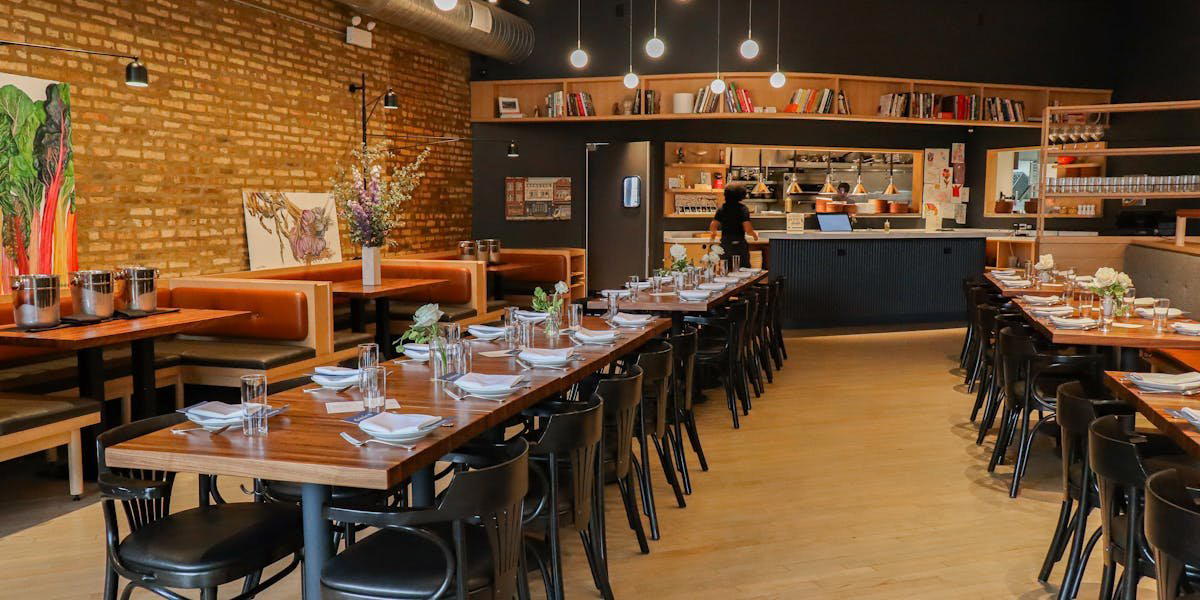
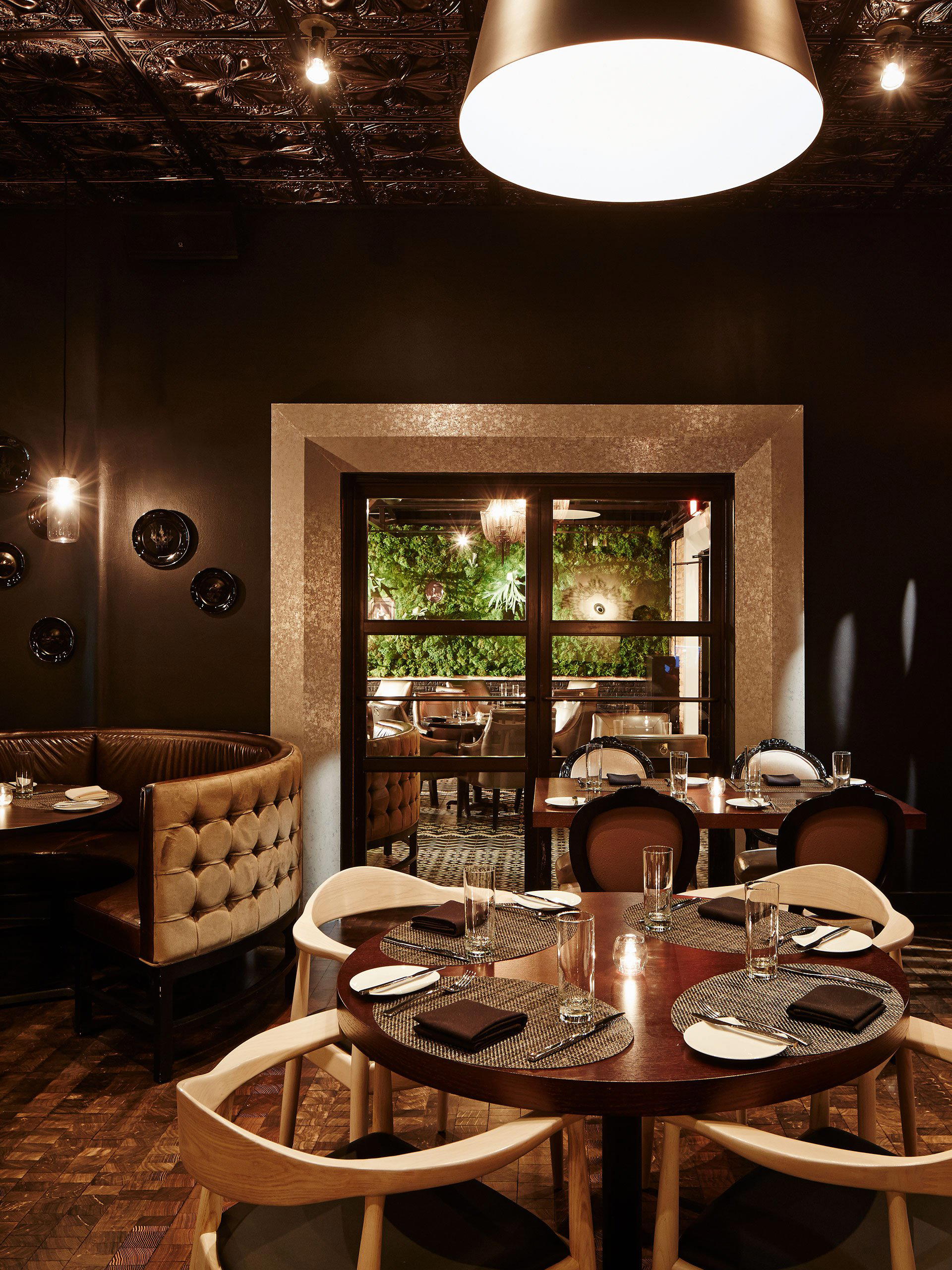
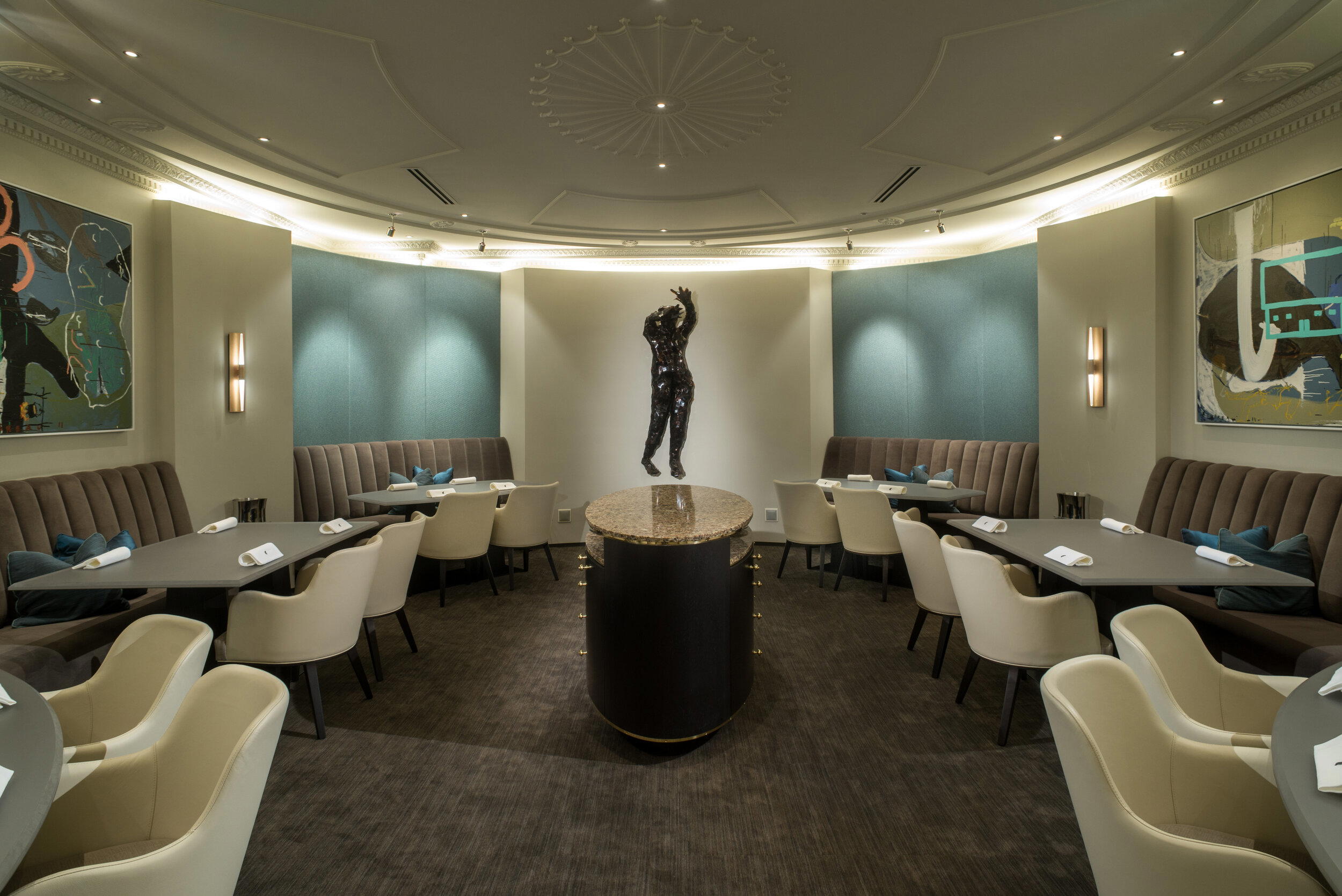
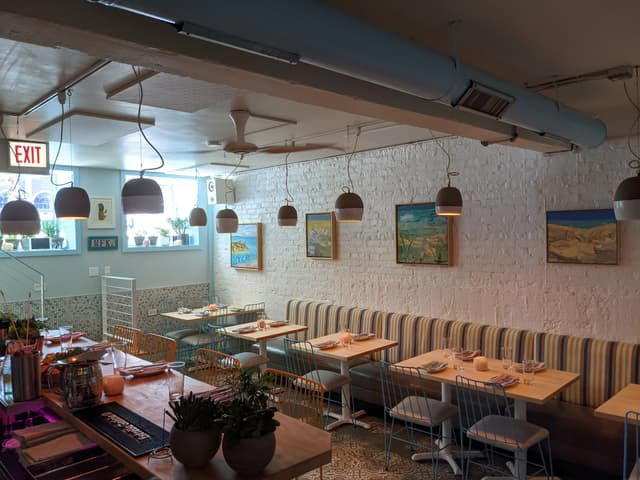
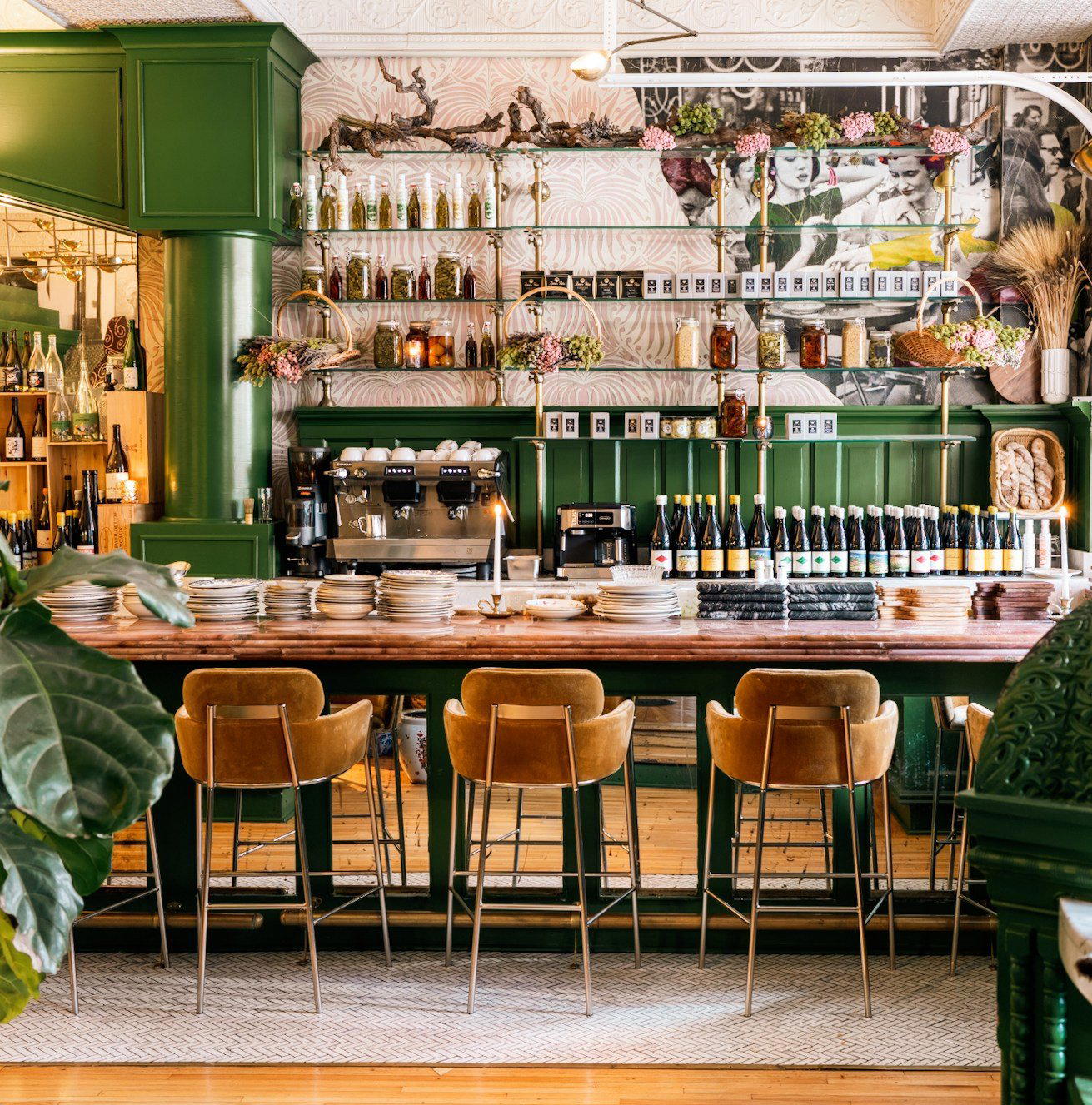
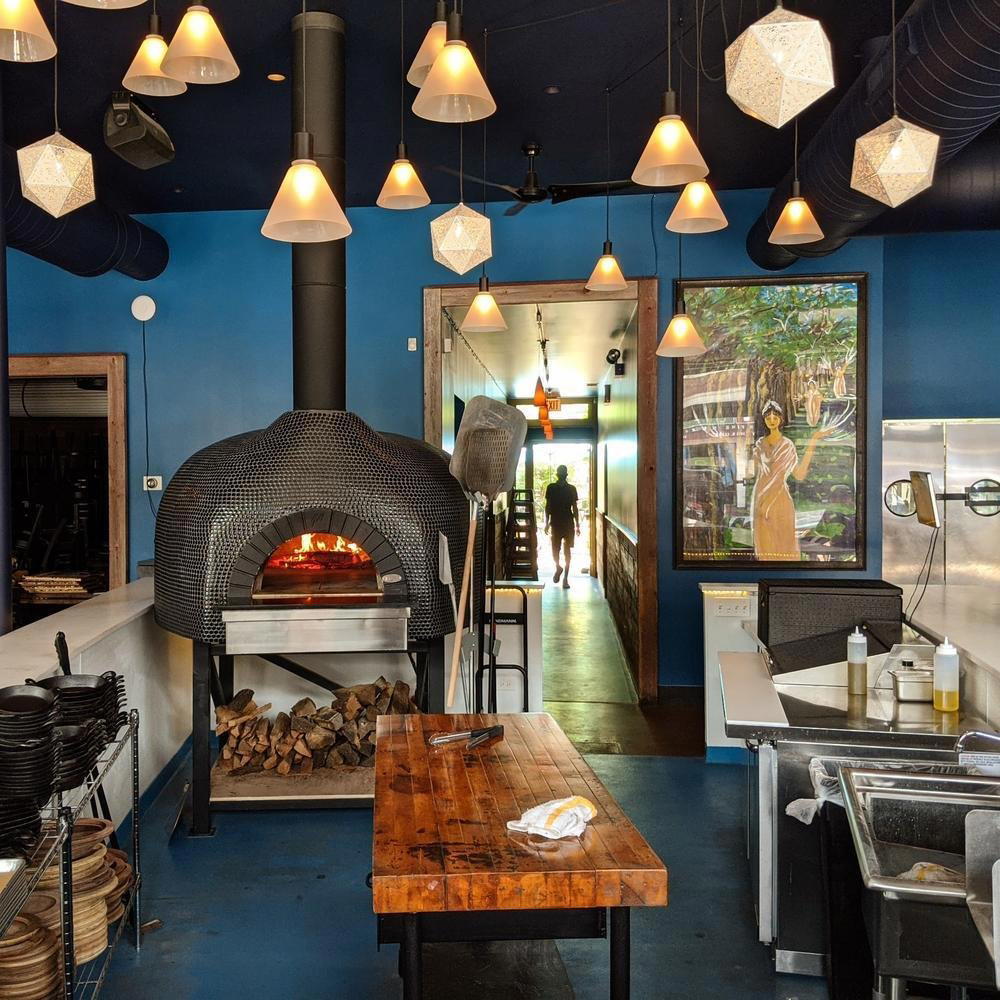
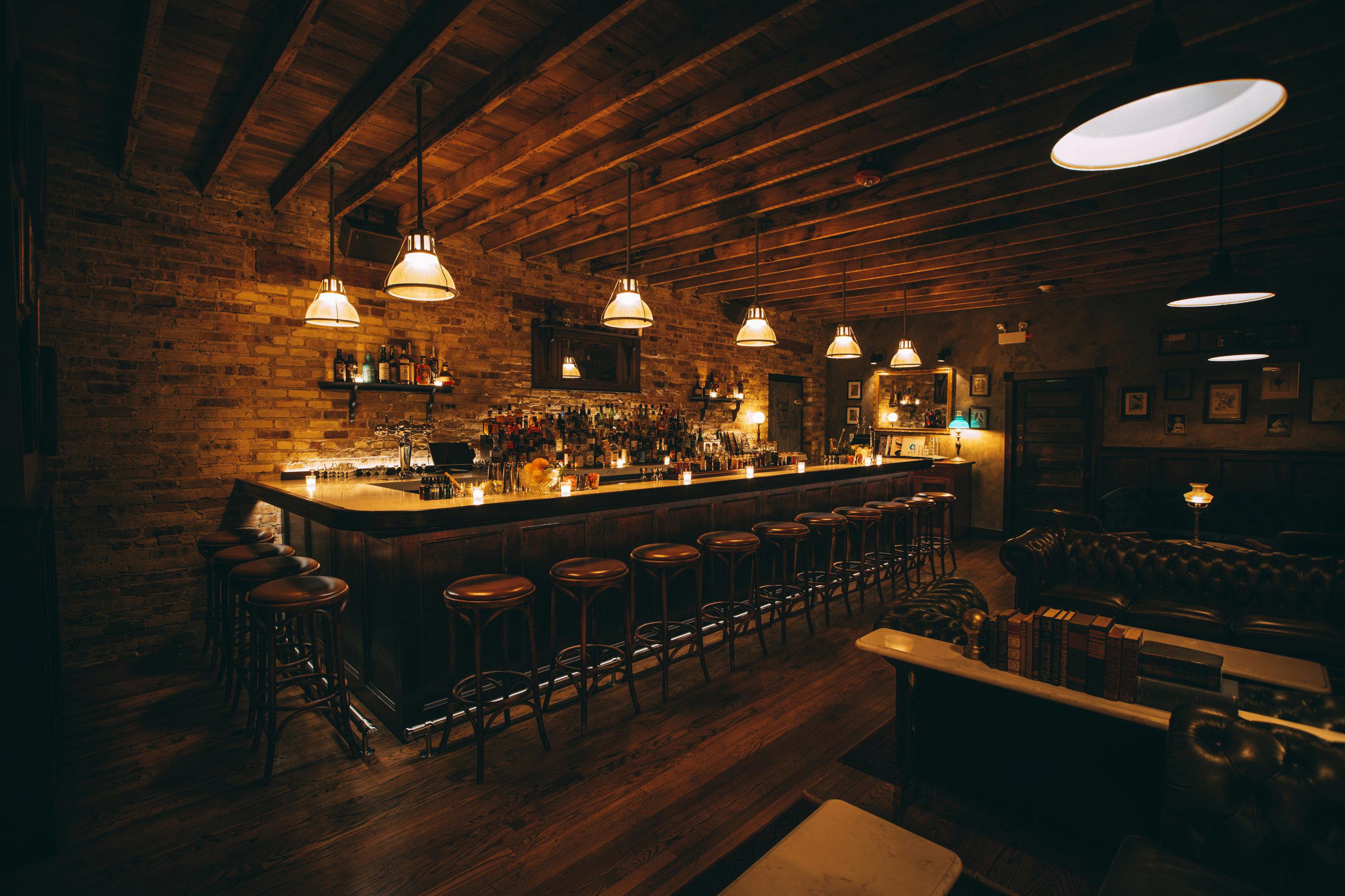
Warm, inviting atmosphere with spacious, open dining space resembling a hotel lobby, reflecting Filipino hospitality.