ArePA George
On North Kedzie Avenue in Humboldt Park, ArePA George serves Colombian-style arepas from a neighborhood address that has become a reference point for Chicago's Latin American street food conversation. The format is casual and counter-driven, built around corn masa as both vehicle and main event. It sits outside the tasting-menu circuit entirely, operating on the logic of repetition, craft, and a single defining ingredient.
Pearl is the En Primeur Club membership app — saves, bookings, and concierge access live there. Same editors, same standards.
- Address
- 1552 N Kedzie Ave, Chicago, IL 60651
- Phone
- +17739697945
- Website
- arepageorge.com
- Directions
- Get directions
 Saves & bookings on Pearl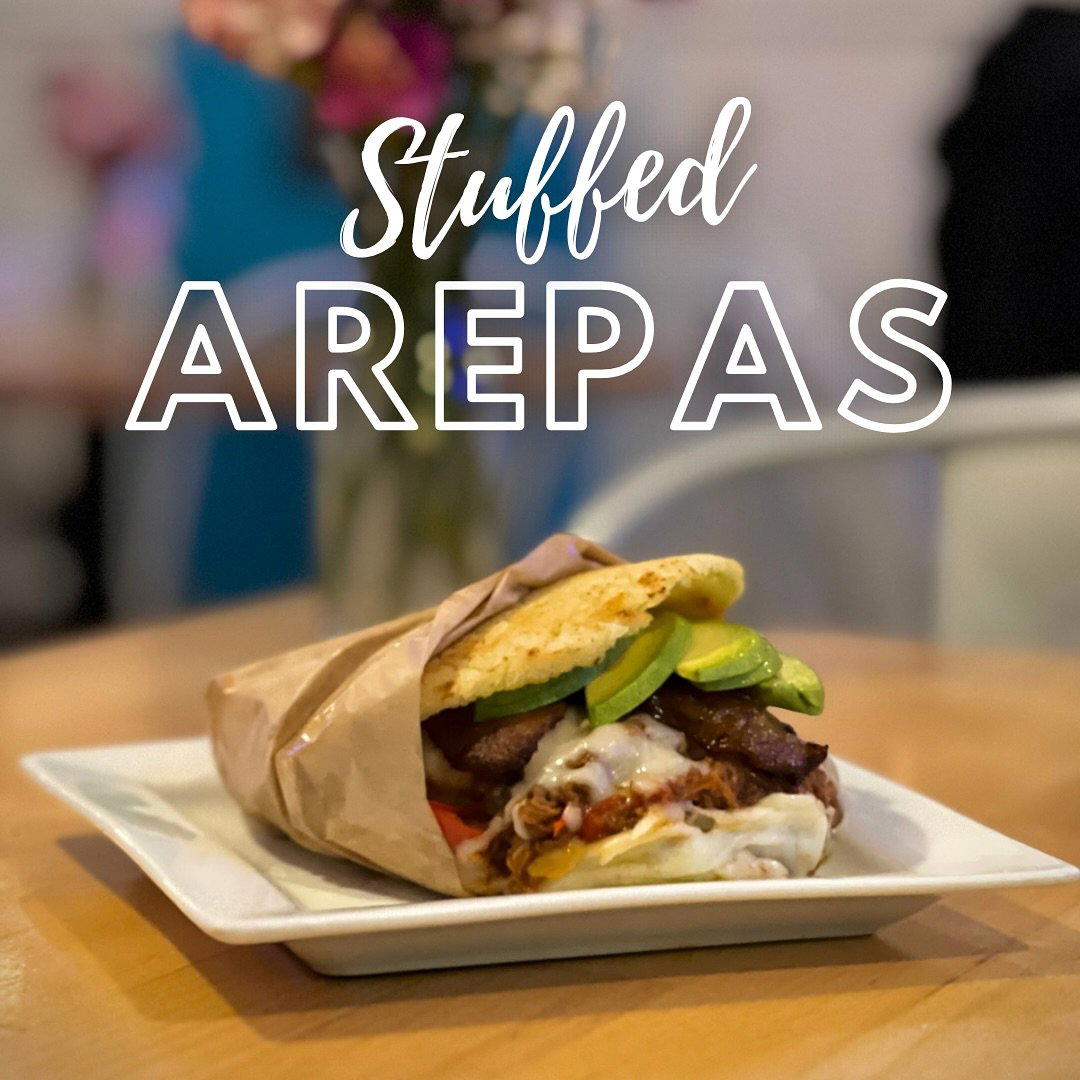
Corn Masa and the Logic of the Counter
Humboldt Park occupies a particular position in Chicago's food geography. The neighborhood has long carried one of the city's most concentrated Puerto Rican and broader Latin American communities, and its food culture reflects that density, not through destination dining, but through the kind of daily-rhythm eating that resists trend cycles. North Kedzie Avenue, where ArePA George operates at 1552, is a commercial strip that runs through the heart of that world. The experience of arriving here is not the experience of arriving at Alinea in Lincoln Park or Oriole in the West Loop. There is no valet queue, no monogrammed awning, no anticipatory hush. What there is, typically, is a storefront that signals function over theater, and a menu built around one of the Western Hemisphere's most durable culinary forms.
The arepa, a round of ground or cooked maize, griddled or baked, stuffed or plain, predates the restaurant industry by millennia. Across Colombia and Venezuela, the arepa operates as bread, vessel, and main course depending on the region and the time of day. In Colombian tradition specifically, it tends toward a thicker, more yielding masa with a slightly charred exterior; in Venezuelan preparations, it is typically sliced open and loaded. Chicago's broader encounter with arepas has accelerated in recent years, tracking a national pattern in which street-rooted Latin American formats have moved from neighborhood-only circuits into wider recognition. ArePA George sits at the neighborhood end of that spectrum, serving Humboldt Park and drawing visitors who have come looking for the format at its most direct.
The Ritual of the Arepa Meal
Eating arepas properly is a participatory act. The ritual is not linear in the way a tasting menu imposes sequence, there is no Next Restaurant-style theatrical arc, no amuse-bouche signaling a beginning. Instead, the arepa format runs on accumulation and customization. You choose the masa base, you choose the filling or topping, and the meal is complete when you decide it is. This informality is not a concession to casual dining so much as an expression of the food's actual cultural logic. In Bogotá or Medellín, arepas are breakfast food, late-night food, market food, and comfort food simultaneously. The frame shifts depending on context; the food itself does not.
Counter-service formats in Chicago have gained considerable critical attention in recent years, partly because the tasting-menu tier, occupied by addresses like Smyth and Kasama, has become more expensive and reservation-dependent, pushing some diners toward formats that reward spontaneity. ArePA George operates in that counter-service register, where the transaction is direct and the meal is structured by the diner's appetite rather than a kitchen's choreography. The comparison is not flattering or unflattering to either tier, they are simply different modes, serving different needs.
What the Address Tells You
Location functions as editorial in food cities. A restaurant on West Randolph Street in Chicago sends different signals than one on North Kedzie Avenue, even before a dish arrives. The Randolph corridor has been aggressively developed for dining; North Kedzie has not, and that gap is where ArePA George's context lives. Venues in neighborhoods like Humboldt Park often carry the weight of community function that destination restaurants do not, they feed the people who live nearby, they operate on schedules shaped by neighborhood rhythms, and they absorb the loyalty of repeat customers in ways that destination tables rarely sustain.
Across the United States, Colombian food has moved steadily from enclave visibility into broader recognition. Cities with large Colombian communities, Miami, New York, Houston, have seen arepas and other staples cross into mainstream restaurant coverage. Chicago's Latin American food scene is extensive but less concentrated on any single nationality, which means individual formats like the arepa can appear in neighborhood-specific contexts without achieving citywide saturation. ArePA George operates in that space. For context on how other immigrant-rooted cuisines have moved from neighborhood to national recognition, the trajectory of Filipino food at places like Kasama is instructive, though the formats and price points are entirely different.
How This Fits the Broader Chicago Eating Map
Chicago's food identity has historically been divided between the high-profile fine-dining tier, the addresses that draw national press, Michelin attention, and destination travelers, and a much larger, less-documented network of neighborhood restaurants that feed the city daily. The high-profile tier includes well-documented addresses. The restaurant belongs to the second category, which is not a hierarchy so much as a different function. For travelers who have spent time at the level of Le Bernardin in New York or The French Laundry in Napa, the shift to a counter-service arepa spot requires a recalibration of expectations, but not of attention. The craft of masa, properly griddled, is worth the same observational care as a composed plate.
That frame applies more broadly across American cities. Counter-service and street-rooted formats at places like Lazy Bear in San Francisco or Emeril's in New Orleans occupy entirely different positions in their respective cities' dining hierarchies, but the underlying principle, that local, ingredient-specific cooking carried out with consistency earns sustained attention, applies across the range. Closer to the restaurant's actual register, the comparison set is other Latin American counter formats in Chicago and Midwest cities, not tasting menus.
For travelers building a Chicago itinerary that moves across price points and neighborhoods, the Humboldt Park stop is a different kind of stop than a reservation at Addison in San Diego or Blue Hill at Stone Barns, it is a neighborhood read, not a destination meal, and it rewards being treated as one. The same logic applies to community-anchored spots in other cities: Frasca Food & Wine in Boulder, Providence in Los Angeles, and Atomix in New York all serve as anchors for their respective scenes, each in a different register.
Know Before You Go
- Address: 1552 N Kedzie Ave, Chicago, IL 60651
- Neighborhood: Humboldt Park, Chicago's West Side
- Format: Counter-service arepa spot
- Price range: About $25 per person
Comparable Spots
Comparable venues nearby, for context on price, style, and recognition.
| Venue | Cuisine | Price | Notes |
|---|---|---|---|
| ArePA GeorgeThis venue — the venue you are viewing | Authentic Colombian with Vegan Twists | $$ | Not listed |
| Cebu | Modern Filipino | $$ | Lakeview |
| Lutnia Continental Cafe | Polish and Eastern European | $$ | Portage Park |
| Raiz Kitchen + Sushi | Fusion Sushi & Kitchen | $$ | Logan Square |
| Bulerias Tapas | Authentic Spanish Tapas | $$ | Humboldt Park |
At a Glance
- Cozy
- Trendy
- Casual Hangout
- Group Dining
Current opening hours
- Monday
- 11 AM–8 PM
- Tuesday
- 11 AM–8 PM
- Wednesday
- 11 AM–8 PM
- Thursday
- 11 AM–8 PM
- Friday
- 11 AM–8 PM
- Saturday
- 11 AM–8 PM
- Sunday
- 11 AM–6 PM
Hours can change for holidays and private events. Last verified .
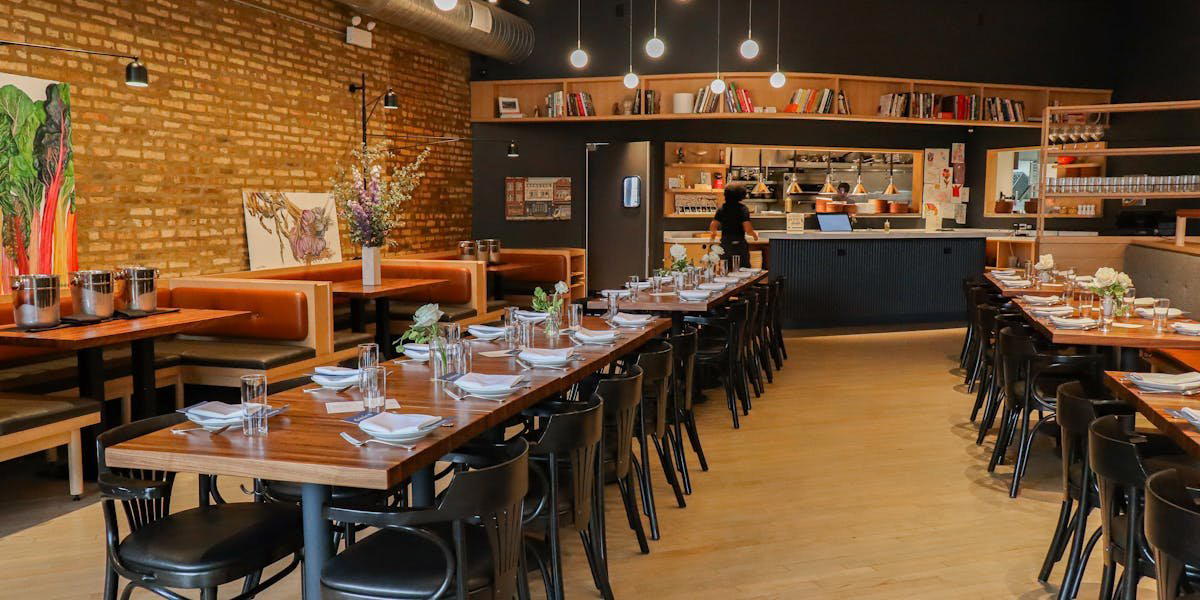
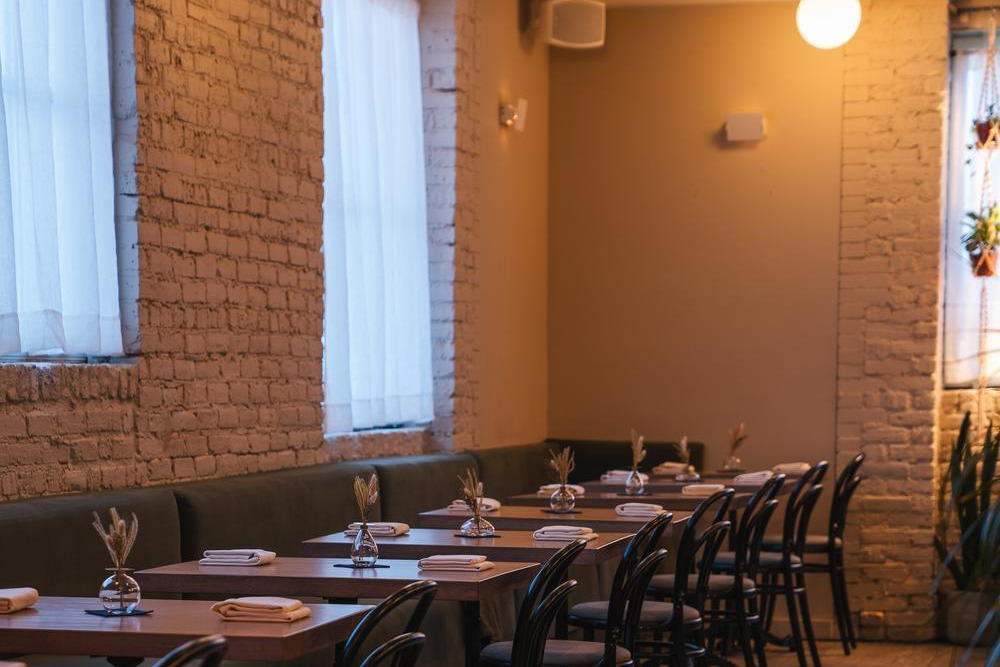
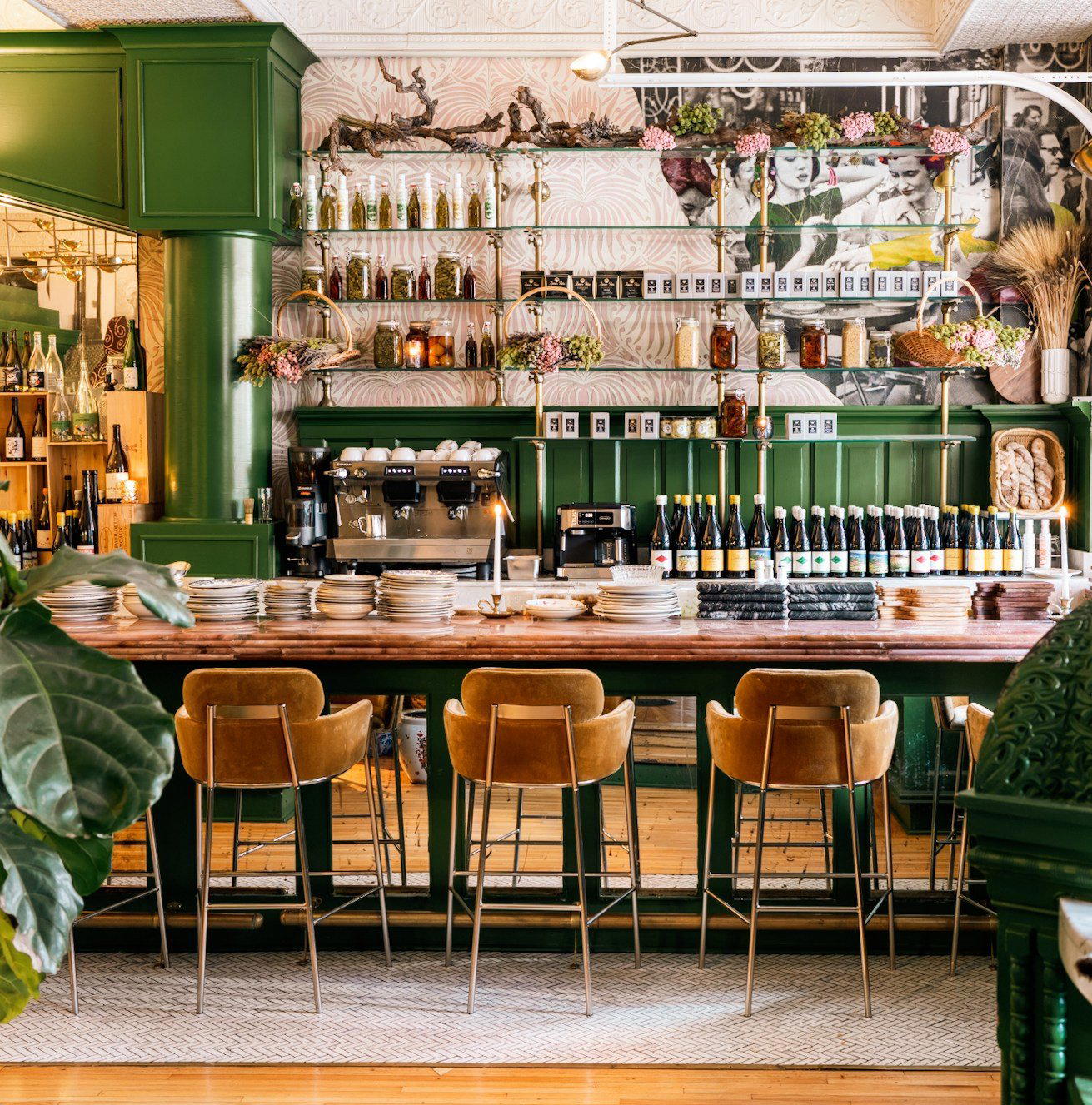
Cozy and welcoming atmosphere well-suited for a casual dining experience.