Tre Kronor

Tre Kronor sits on Foster Avenue in Chicago's Albany Park, serving Swedish-American fare in a neighborhood setting that has built a quiet, loyal following over years of consistent hospitality. The format leans toward the kind of unhurried, mid-morning ritual that Scandinavian dining culture prizes above spectacle. For readers tracing Chicago's broader dining character beyond the downtown tasting-menu circuit, it represents a different register entirely.
Pearl is the En Primeur Club membership app — saves, bookings, and concierge access live there. Same editors, same standards.
- Address
- 3258 W Foster Ave, Chicago, IL 60625
- Phone
- +1 773 267 9888
- Website
- swedishbistro.com
- Directions
- Get directions
 Saves & bookings on Pearl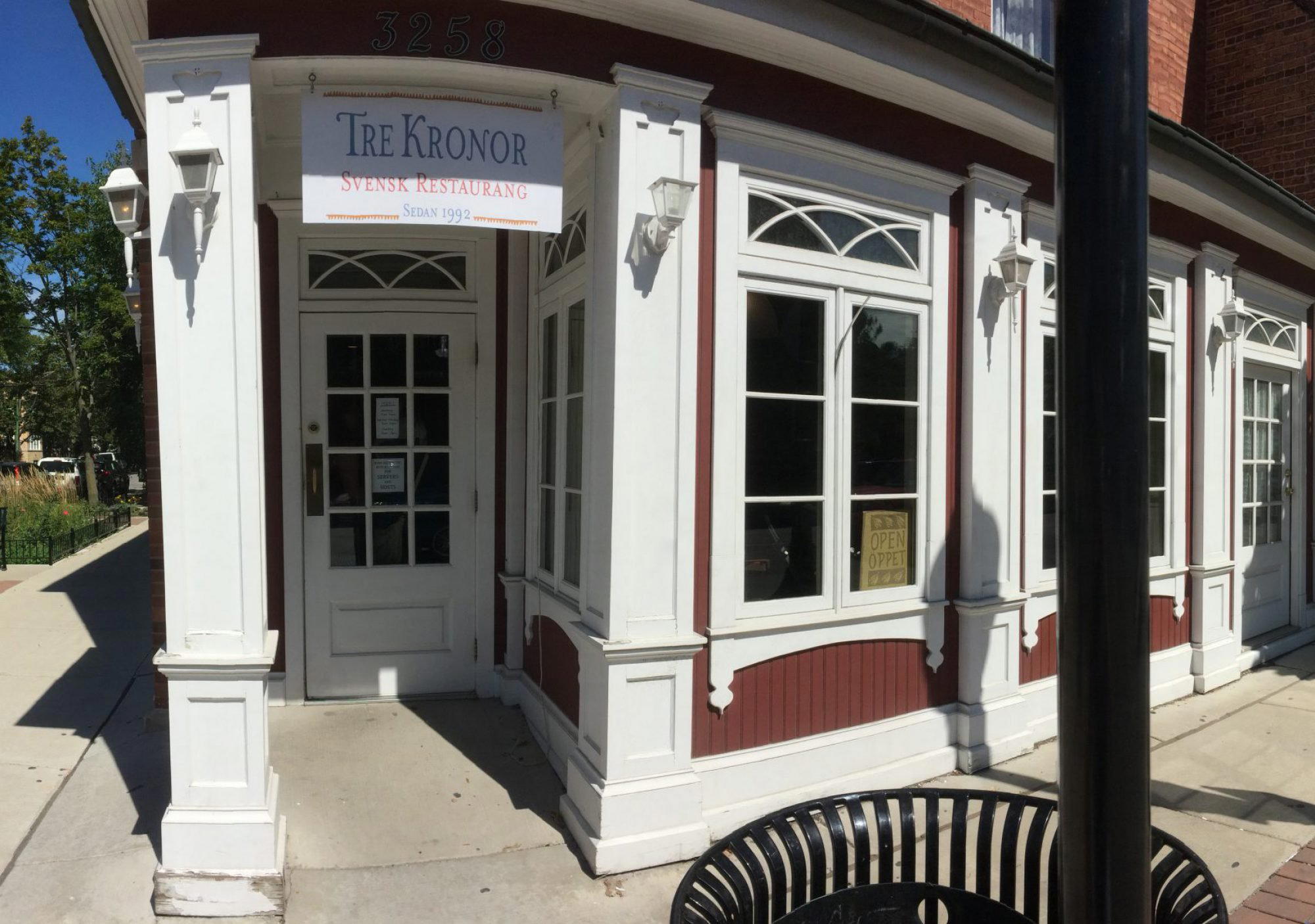
A Different Kind of Chicago Morning
Chicago's dining conversation tends to orbit its most decorated addresses: the progressive tasting menus at Alinea and Smyth, the technically rigorous omakase-style formats at Oriole, or the Filipino-American precision at Kasama. These are restaurants that operate inside a recognizable framework of ambition and accolade. Tre Kronor, a Scandinavian Swedish Bistro at 3258 W Foster Ave in Chicago's Albany Park neighborhood, operates from a different premise entirely. The storefront is modest, the neighborhood north-side and working, and the dining ritual it hosts belongs to a tradition centered on breakfast and lunch, with a casual dress code and recommended reservations. What it offers instead is the paced, deliberate rhythm of a Scandinavian breakfast or brunch table, transposed to Chicago's northwest side.
That rhythm is worth understanding before you arrive. Swedish dining culture, at its most domestic, is organized around the concept of unhurried presence: coffee refilled without asking, food that arrives in stages rather than as a single composed plate, and a room temperature set more for lingering than for turning tables. Tre Kronor has carried that ethos to Foster Avenue for long enough that it has become part of the neighborhood's own identity. Albany Park is one of Chicago's most culturally layered districts, shaped by successive waves of settlement from Scandinavia, the Middle East, Southeast Asia, and Central America. A Swedish-American diner sitting comfortably inside that demographic mix says something about how deeply the place has embedded itself.
The Ritual at the Table
The structure of the meal here follows a logic closer to the Swedish fika tradition than to the American brunch format. Fika, the Scandinavian practice of pausing for coffee and something to eat, is less about the food itself than about the act of stopping. It is a social and temporal ritual, and it tends to resist acceleration. At Tre Kronor, this manifests in a pace that first-time visitors sometimes misread as slow service. It is not. It is the correct speed for this kind of table, and the room is designed to support it: close enough to feel inhabited, quiet enough for conversation, with the kind of low-grade domestic warmth that the higher-production dining formats in River North or the West Loop deliberately leave behind.
The menu draws from Swedish-American pantry staples: cured fish, rye-based breads, egg dishes built with dairy rather than theater, and the kind of preserved or pickled accompaniments that reflect a cuisine developed for cold climates and long winters. Comparing this to the ingredient-forward sourcing narratives at, say, Blue Hill at Stone Barns or the technique-led seasonal menus at Single Thread Farm would be a category error. The restaurant is not making arguments about cuisine. It is providing a specific cultural experience that Chicago's broader dining market does not otherwise offer at this price register and in this neighborhood format.
That specificity is what makes it editorially interesting. Chicago supports a wide range of ethnic and immigrant-rooted dining traditions at the neighborhood level, from the Korean enclaves in Albany Park itself to the Mexican corridors on 26th Street, the Polish and Eastern European remnants in Avondale, and the Vietnamese concentration in Uptown. The Swedish-American table that restaurant sets belongs to an older chapter of Chicago's settlement history, one that has largely dissolved into the broader cultural fabric rather than maintaining a concentrated geographic presence. The restaurant holds a thread back to that chapter in a way that has little to do with nostalgia performance and more to do with sustained culinary practice.
Where This Fits in a Chicago Itinerary
For visitors constructing a Chicago dining itinerary around its recognized high-end circuit, the restaurant occupies a deliberate counterpoint position. After a dinner at Next Restaurant or a multi-hour tasting experience, the Swedish-American brunch format at Foster Avenue provides a deceleration that recalibrates the pace of eating. The same counterpoint logic applies in other cities: the unhurried neighborhood breakfast plays a different role than the technically ambitious dinner, and recognizing both as serious dining experiences rather than ranking one above the other reflects a more complete understanding of how food culture actually works.
This is not a restaurant that belongs in the same sentence as Le Bernardin or The French Laundry in terms of formal register or technical ambition. It belongs in the conversation about dining as a cultural document, alongside places like Emeril's in New Orleans or Frasca Food and Wine in Boulder, which carry regional and cultural specificity as their primary editorial value. The analogy to Frasca is instructive: both restaurants are legible as expressions of a specific European dining tradition adapted to an American city context, and both derive authority from consistency and community embeddedness rather than from award accumulation.
Visitors arriving at Foster Avenue from out of town should note that Albany Park is accessible by the CTA Brown Line, which connects directly to the Loop. The neighborhood itself rewards a longer visit: the restaurant sits within walking distance of a stretch of Korean grocers, Middle Eastern bakeries, and Southeast Asian markets that together illustrate why Albany Park is one of Chicago's more interesting districts for food-curious travelers.
Planning Your Visit
The restaurant draws a neighborhood-anchored crowd that skews toward regulars, particularly on weekend mornings when the wait for a table can extend beyond what first-timers anticipate. The format rewards arriving early or at off-peak mid-morning hours on weekdays. Reservations are recommended, and timing still matters on busy weekend mornings. For readers accustomed to the advance-booking depth required at Atomix in New York or Providence in Los Angeles, the informal access model here is part of the point: this is a neighborhood restaurant, and it operates on neighborhood terms.
The address is 3258 W Foster Avenue, Chicago, IL 60625.
Comparable Venues
Comparable venues nearby, for context on price, style, and recognition.
| Venue | Cuisine | Price | Notes |
|---|---|---|---|
| Tre KronorThis venue — the venue you are viewing | Scandinavian Swedish Bistro | $$ | Not listed |
| KOVAL Tasting Room | Craft Distillery Cocktails & Flights | $$ | Ravenswood |
| Lutnia Continental Cafe | Polish and Eastern European | $$ | Portage Park |
| AYA Pastry | Modern patisserie & bakery | $ | West Town |
| Cebu | Modern Filipino | $$ | Lakeview |
| Azucar Tapas & Cocktails | Spanish Tapas | $$ | Logan Square |
Recognition history
Dated appearances from independent guides and award organizations, with the underlying list record or original source where available.
Diners, Drive-Ins and Dives Featured Restaurant
Diners, Drive-Ins and Dives · 2026 Diners, Drive-Ins and Dives Featured Restaurants
At a Glance
- Rustic
- Cozy
- Classic
- Family
- Brunch
- Casual Hangout
- Garden
- Byob
- Garden
Current opening hours
- Monday
- Closed
- Tuesday
- 8 AM–4 PM
- Wednesday
- 8 AM–4 PM
- Thursday
- 8 AM–4 PM
- Friday
- 8 AM–4 PM
- Saturday
- 8 AM–4 PM
- Sunday
- 9 AM–3 PM
Hours can change for holidays and private events. Last verified .
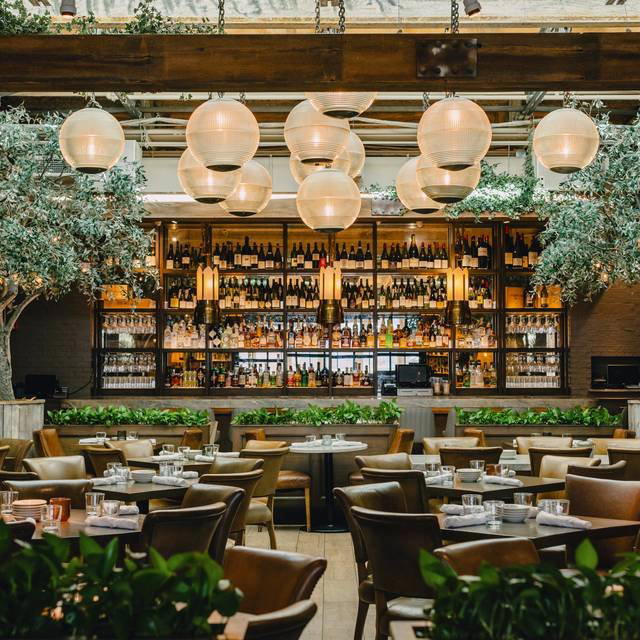
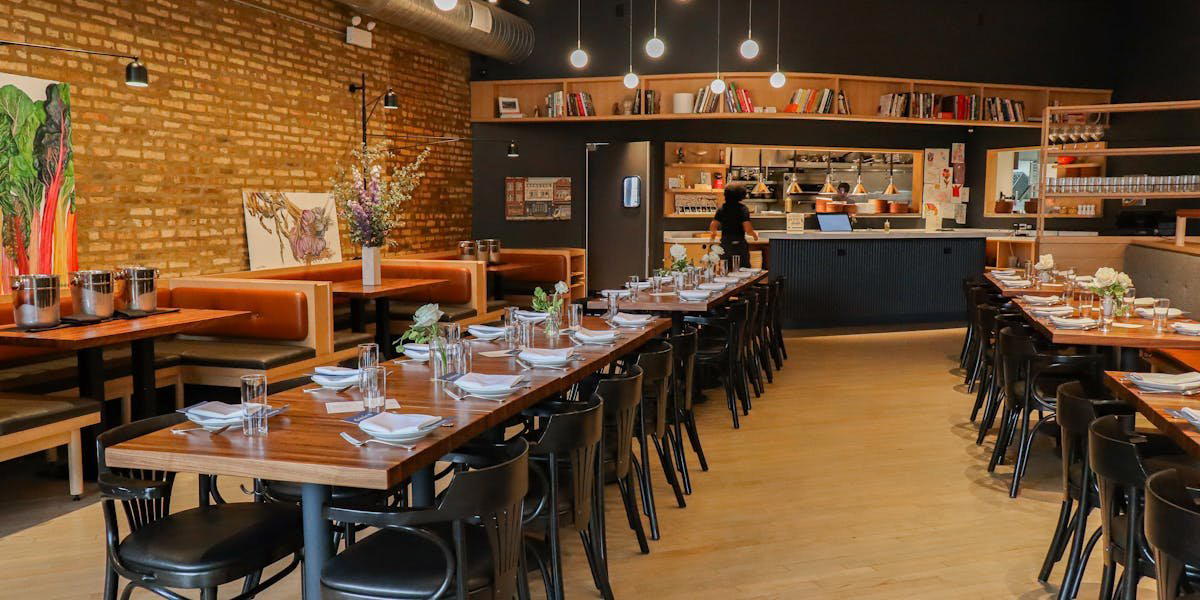
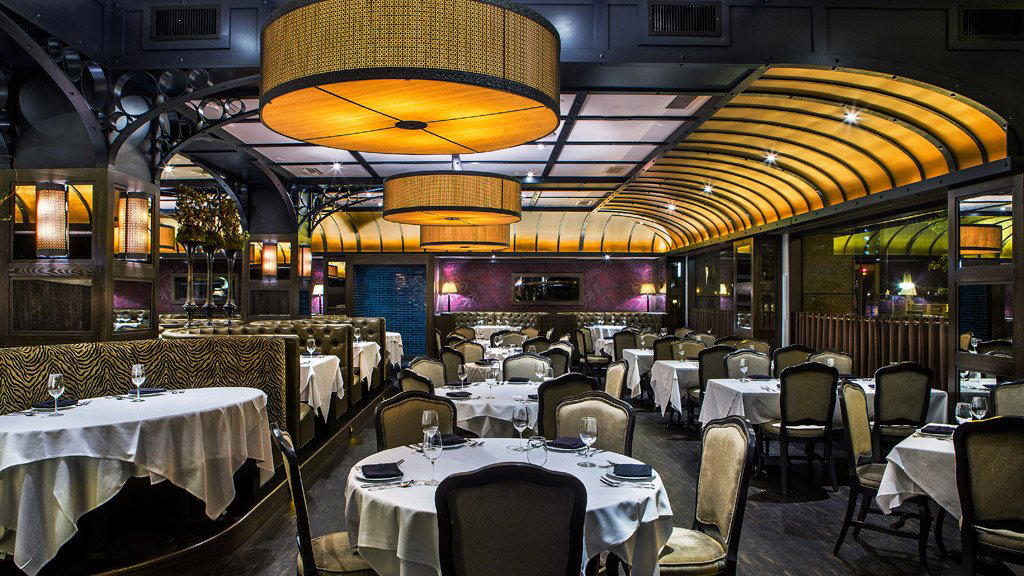
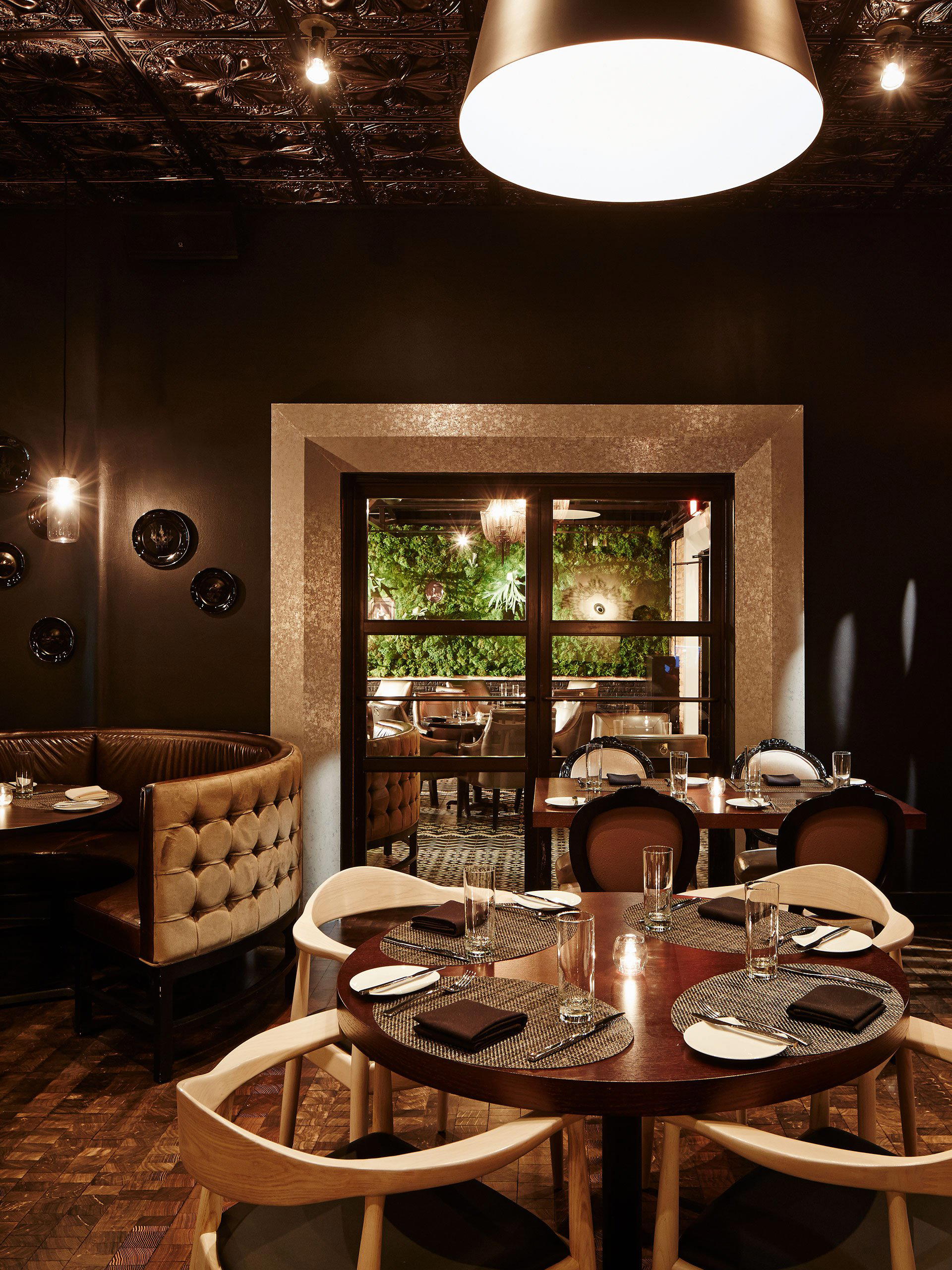
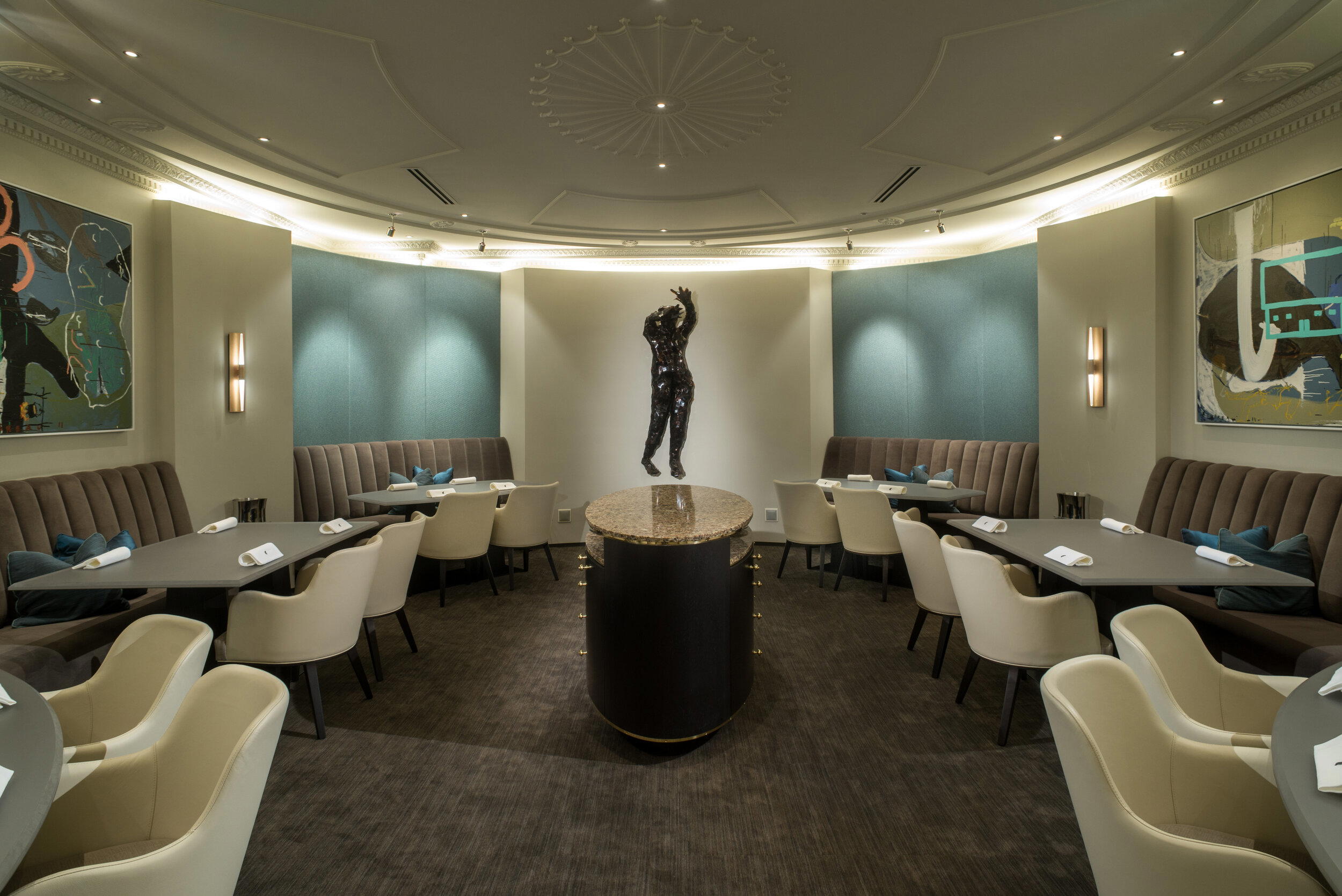
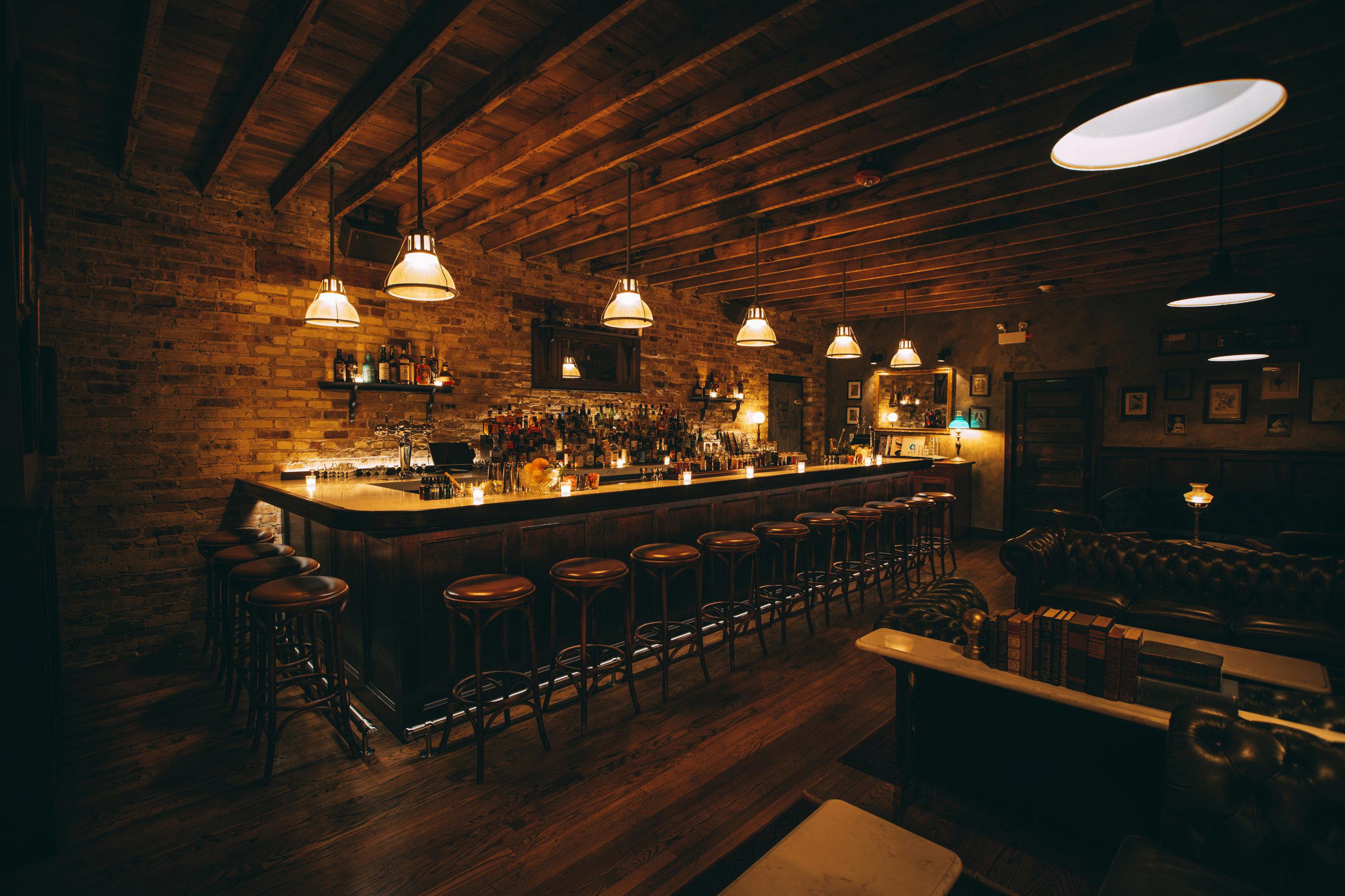
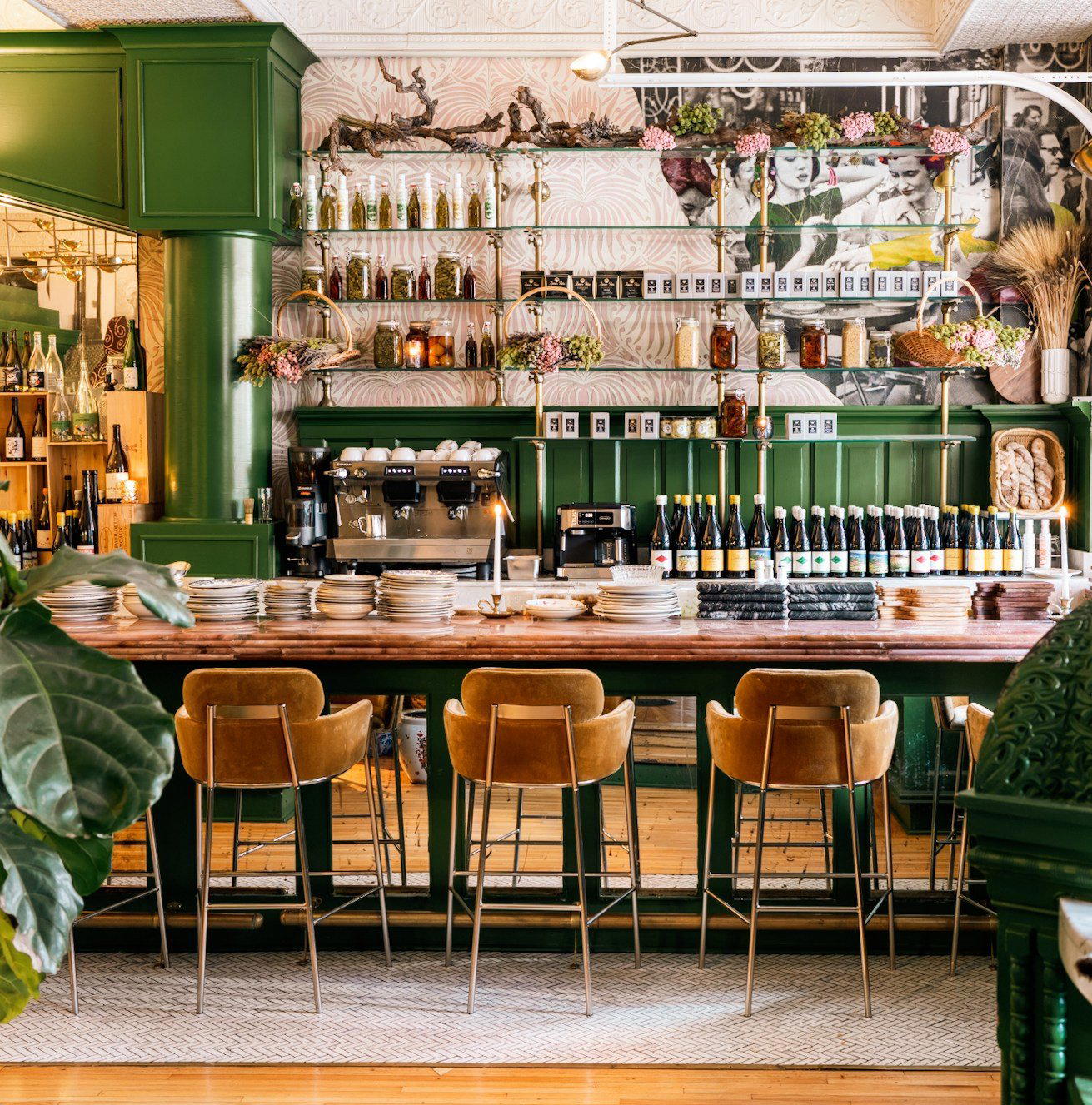
Traditional rustic interior with a charming walled garden for outdoor seating, creating a cozy and homey Scandinavian atmosphere.