Shoun Ryugin carries the Nihonryori RyuGin lineage from Tokyo into Taipei, translating one of Japan's most decorated kaiseki traditions through the lens of Taiwanese seasons and ingredients. It occupies the upper tier of Taipei's fine-dining circuit alongside Michelin-starred peers, offering a format that rewards advance planning and a close read of the reservation calendar.
- Address
- Taipei, Taiwan
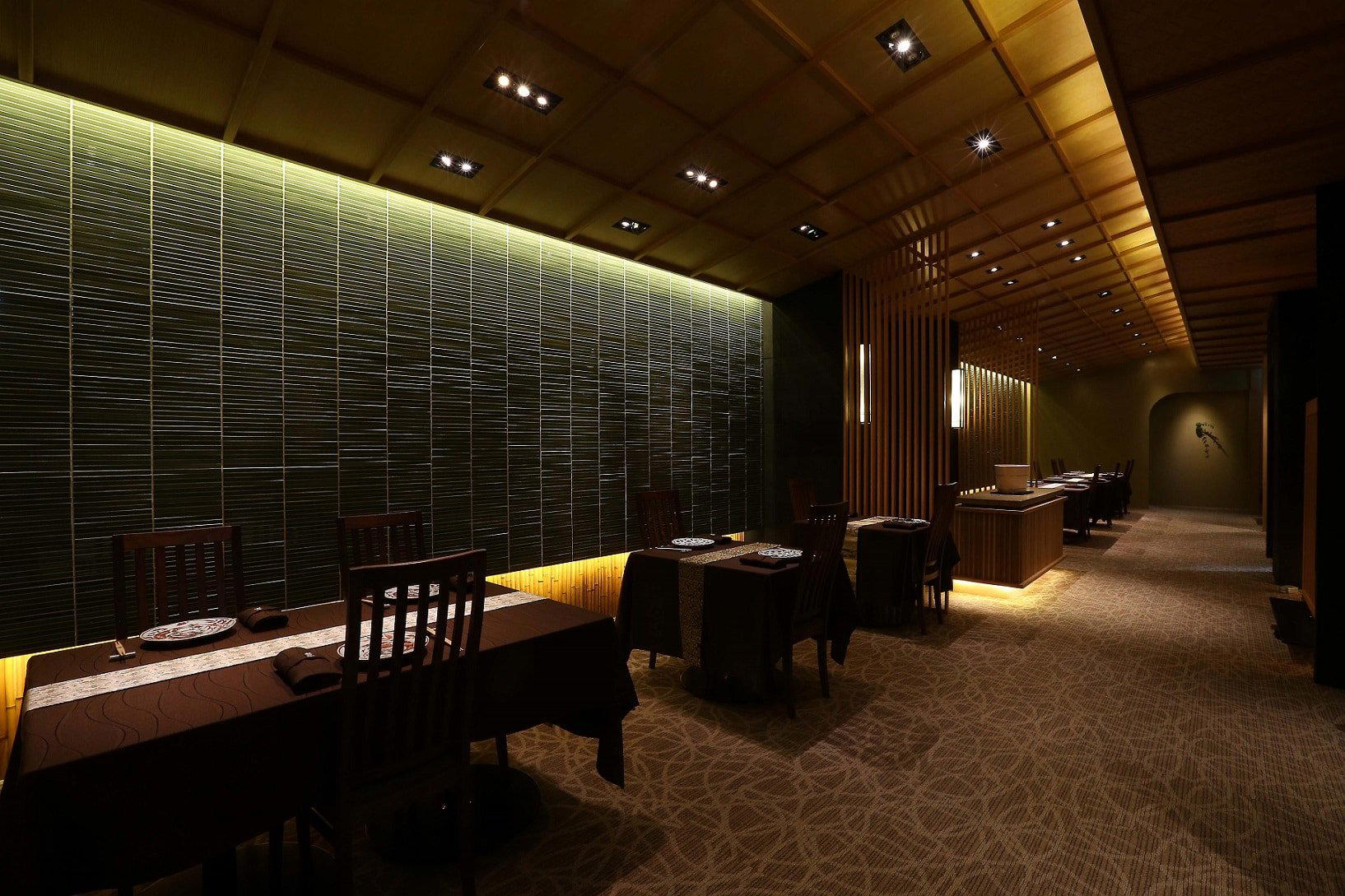
Tokyo Discipline, Taiwanese Ingredients
Taipei's fine-dining tier has grown more layered over the past decade. Where the city once leaned heavily on Cantonese banquet halls and French-trained kitchens, it now sustains a broader range of high-commitment tasting formats: Taiwanese-French hybrids at Taïrroir, ingredient-driven Modern European at logy, and a full Spanish contemporary program at Molino de Urdániz. Shoun Ryugin is Taipei's affiliated outpost of the Ryugin lineage, carrying the philosophy and precision of Nihonryori RyuGin into a Taiwanese context.
That lineage matters for positioning. RyuGin in Tokyo has long been considered one of the clearest expressions of contemporary kaiseki, a format that builds multi-course meals around seasonal Japanese ingredients with deep classical technique underneath. When a satellite opens under the same name in another city, it doesn't simply borrow the brand. It imports the framework, then tests it against local sourcing conditions. In Taipei, that means renegotiating what seasonal means when the pantry shifts from Hokkaido to Taiwan's mountain farms, coastal waters, and subtropical growing calendar.
How the Format Has Evolved in Taipei
The trajectory of Japanese fine dining in Taipei mirrors a broader pattern visible in other Asian capitals. Early iterations of Japanese kaiseki and omakase formats in cities like Hong Kong and Singapore tended to run on imported produce, importing the seasonal logic alongside the ingredients. Over time, the more durable operations shifted toward sourcing that reflected the host city's own agricultural rhythms, while holding the technical framework intact.
Shoun Ryugin has moved along this axis since opening in Taipei. The early phase was necessarily closer to its Tokyo origin in technique, ingredient vocabulary, and cadence. The evolution has involved deeper integration of Taiwanese produce, a recalibration that changes the meaning of the menu even when the structure of the kaiseki format stays constant. This is the more demanding version of the transplant project.
That ongoing negotiation places Shoun Ryugin in an interesting comparable set. Formats like L'Atelier de Joël Robuchon Taipei import a named international lineage with French classical training at the core, while Le Palais holds Cantonese tradition at the level of three Michelin stars. The restaurant occupies the equivalent position within the Japanese kaiseki tradition: a high-discipline tasting format anchored in documented lineage and adapted, over time, to its geography.
Where It Fits in the Wider Taiwan Scene
The appetite for structured tasting formats has spread well beyond Taipei. JL Studio in Taichung runs a Southeast Asian-inflected tasting program that holds two Michelin stars. GEN in Kaohsiung and A Xia in Tainan represent the southward spread of ambitious dining across the island.
Within that national picture, the restaurant remains a specifically Taipei proposition, and its Tokyo heritage gives it a reference point distinct from the Taiwanese-origin restaurants around it. For a diner arriving from Tokyo, it offers a familiar structural grammar applied to unfamiliar seasonal materials.
Elsewhere on the island, the broader dining ecosystem beyond tasting formats includes strong regional cooking. Options like GARDENh in Yonghe District and Volcanic Rock in Zhubei City represent different registers of the Taiwanese table, as does the simpler, deeply local pleasure of Chenggong Douhua on the eastern coast. The restaurant is a long way from that register, by design.
The Global Kaiseki Reference Frame
Kaiseki in its most rigorous form is one of the few dining formats that rivals the French tasting menu tradition for structural ambition. The comparison to, say, Le Bernardin in New York City is instructive: both operate within inherited classical frameworks, both calibrate every course against a governing discipline, and both command price points that reflect the cost of that discipline rather than ingredient cost alone. Atomix in New York City offers another reference point, a Korean fine-dining format that similarly exports and recontextualizes a national culinary tradition within an international city.
The restaurant is doing something analogous in reverse: taking a Japanese format internationally validated at its Tokyo source and asking what it becomes when the source materials change. The answer develops over years, not menus, which is why the evolution framing applies. The restaurant at five years into its Taipei tenure is making different arguments about Taiwanese ingredients than it made in its first season.
Planning Your Visit
Reservations at this level of the Taipei market typically require planning weeks or months ahead. The format is a multi-course tasting menu, meaning walk-ins are not a realistic option and same-week availability is rare outside cancellations. Dietary requirements, including vegetarian requests, should be communicated at the time of booking rather than on arrival, as kitchen preparation at this format level is course-specific and largely fixed in advance. Given the lineage and the tier, the price commitment sits at the upper end of Taipei fine dining, at about $195 per person.
A Minimal comparable set
Comparable venues nearby, for context on price, style, and recognition.
| Venue | Cuisine | Price |
|---|---|---|
| Shoun RyuginThis venue — the venue you are viewing | Not listed | $$$$ |
| Sushi Nakazawa | Zhenghe, Modern Japanese Omakase | $$$$ |
| Adachi | Jingxin, Traditional Japanese Omakase | $$$$ |
| Tempura Sugimura | Xikang, Japanese Tempura Counter | $$$$ |
| Robin's Teppanyaki | Kangle, Classic Teppanyaki | $$$$ |
| Sushi Touryuumon | Checeng, Japanese Omakase | $$$$ |
At a Glance
- Elegant
- Sophisticated
- Intimate
- Modern
- Special Occasion
- Date Night
- Celebration
- Open Kitchen
- Design Destination
- Sake Program
- Sommelier Led
- Local Sourcing
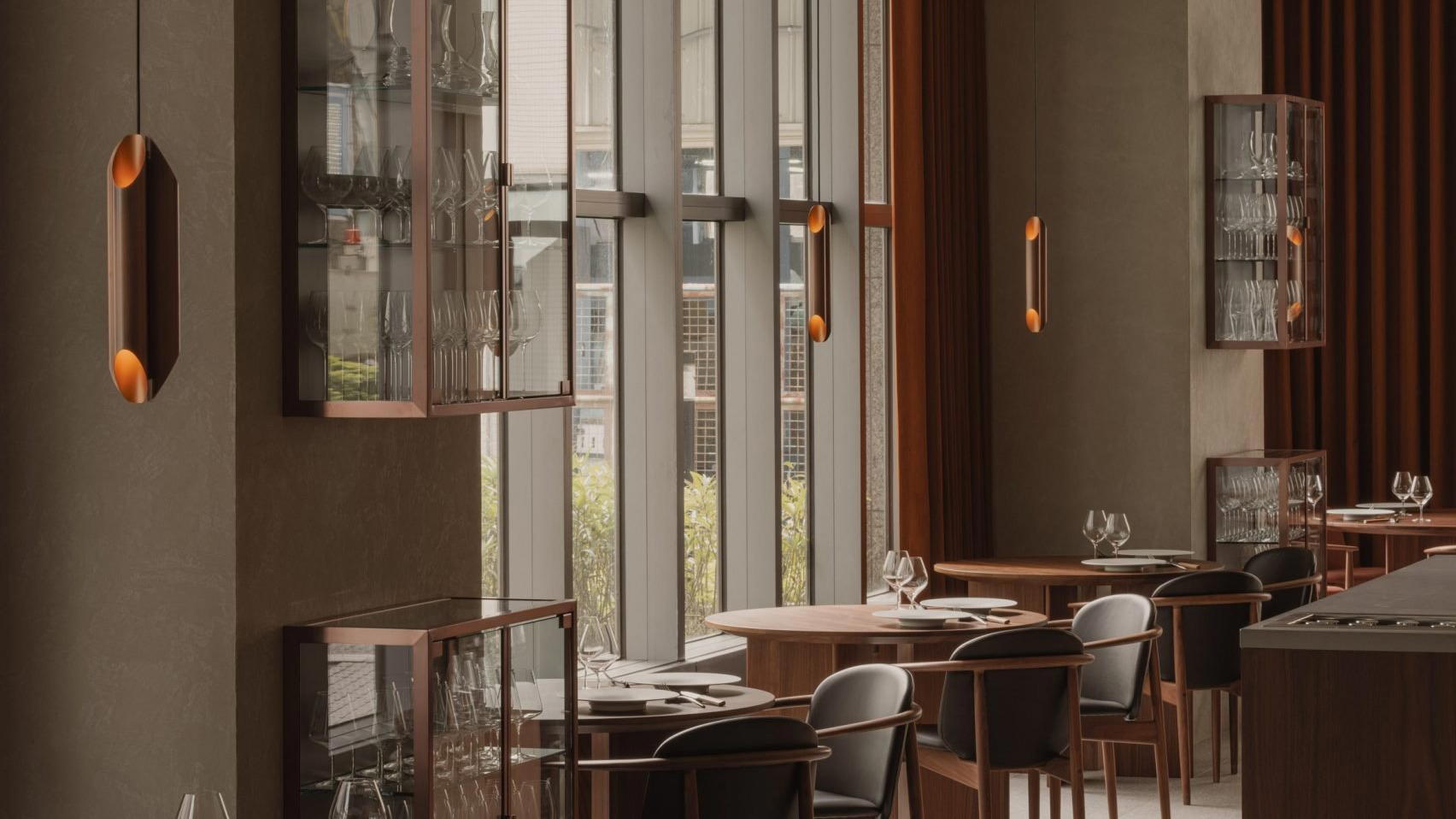
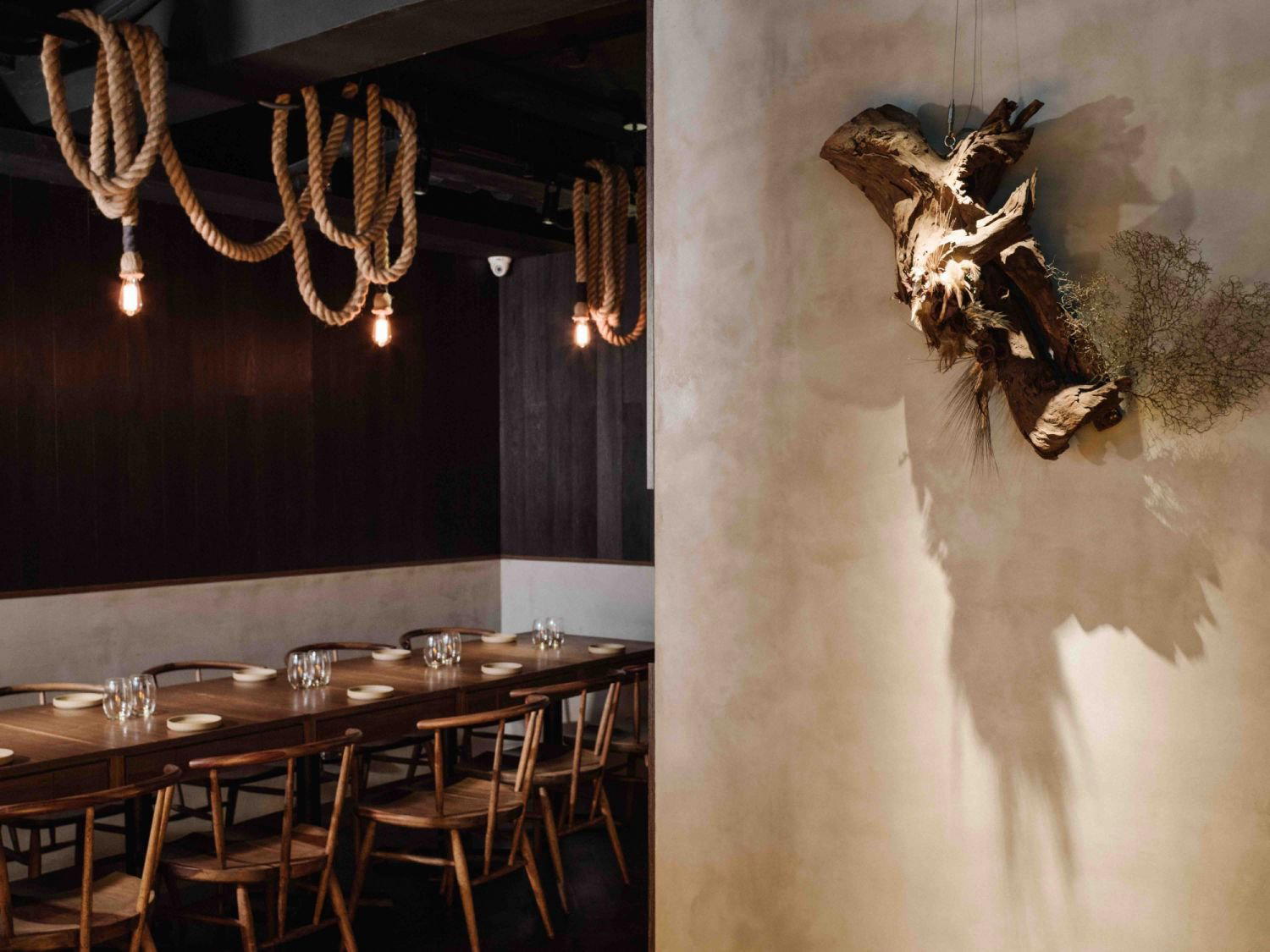
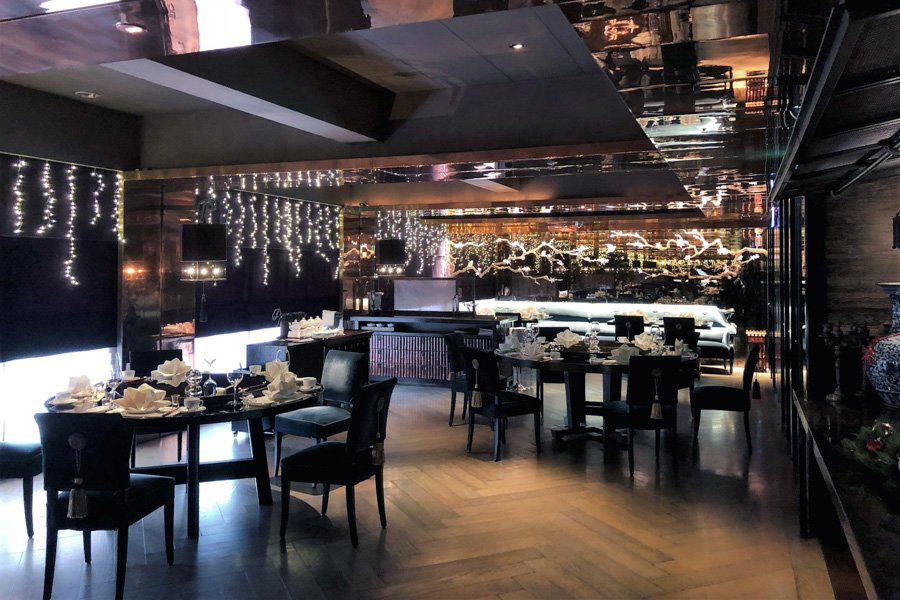
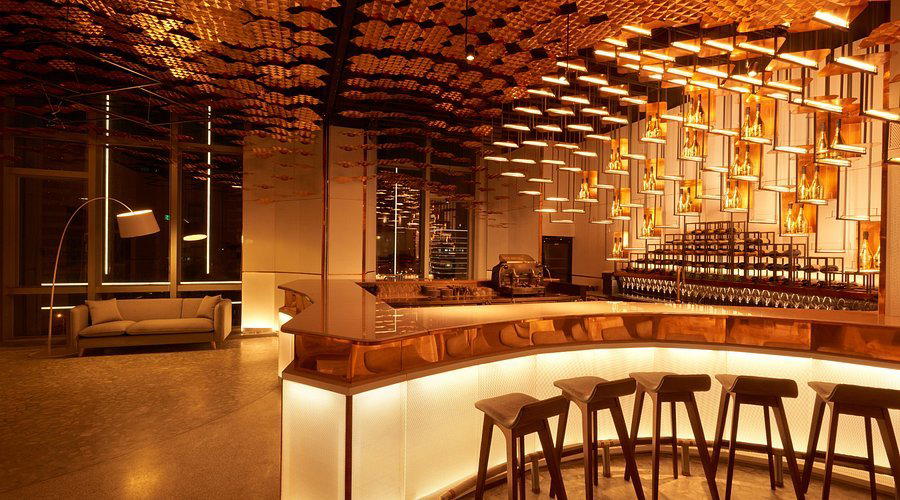
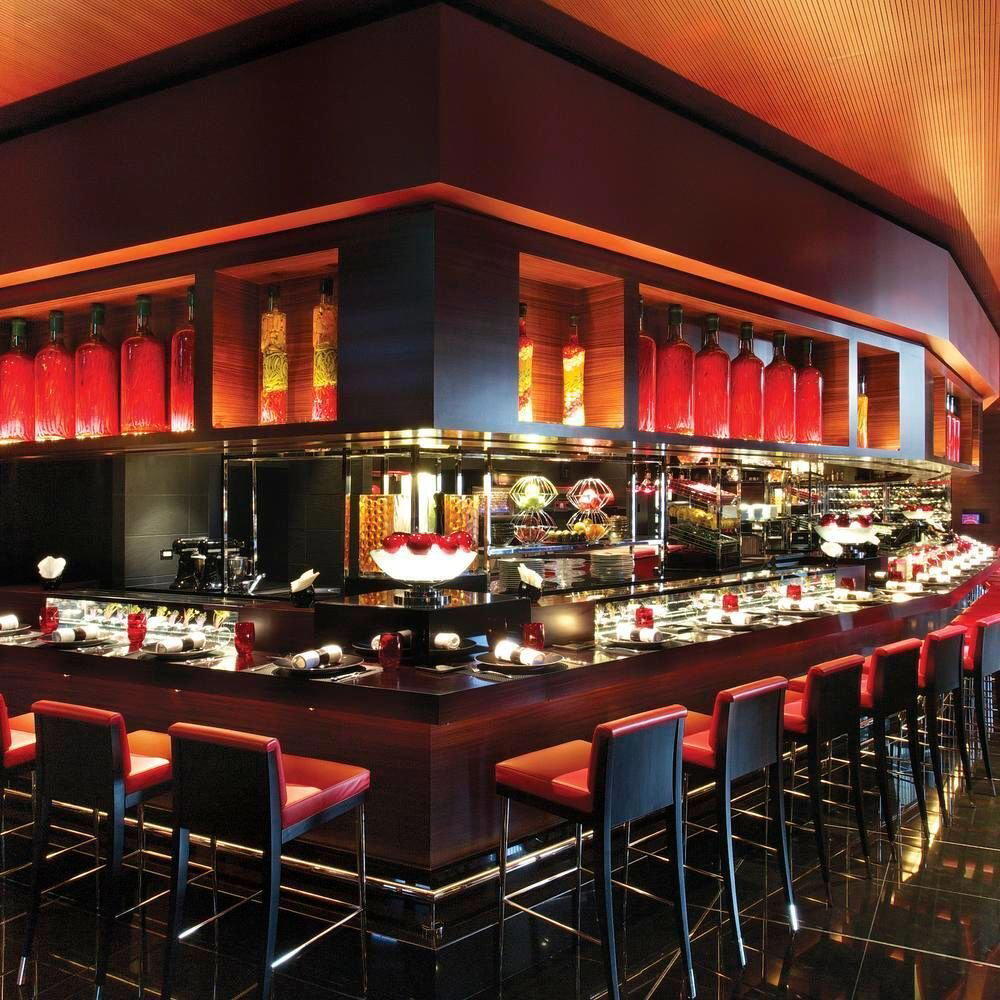
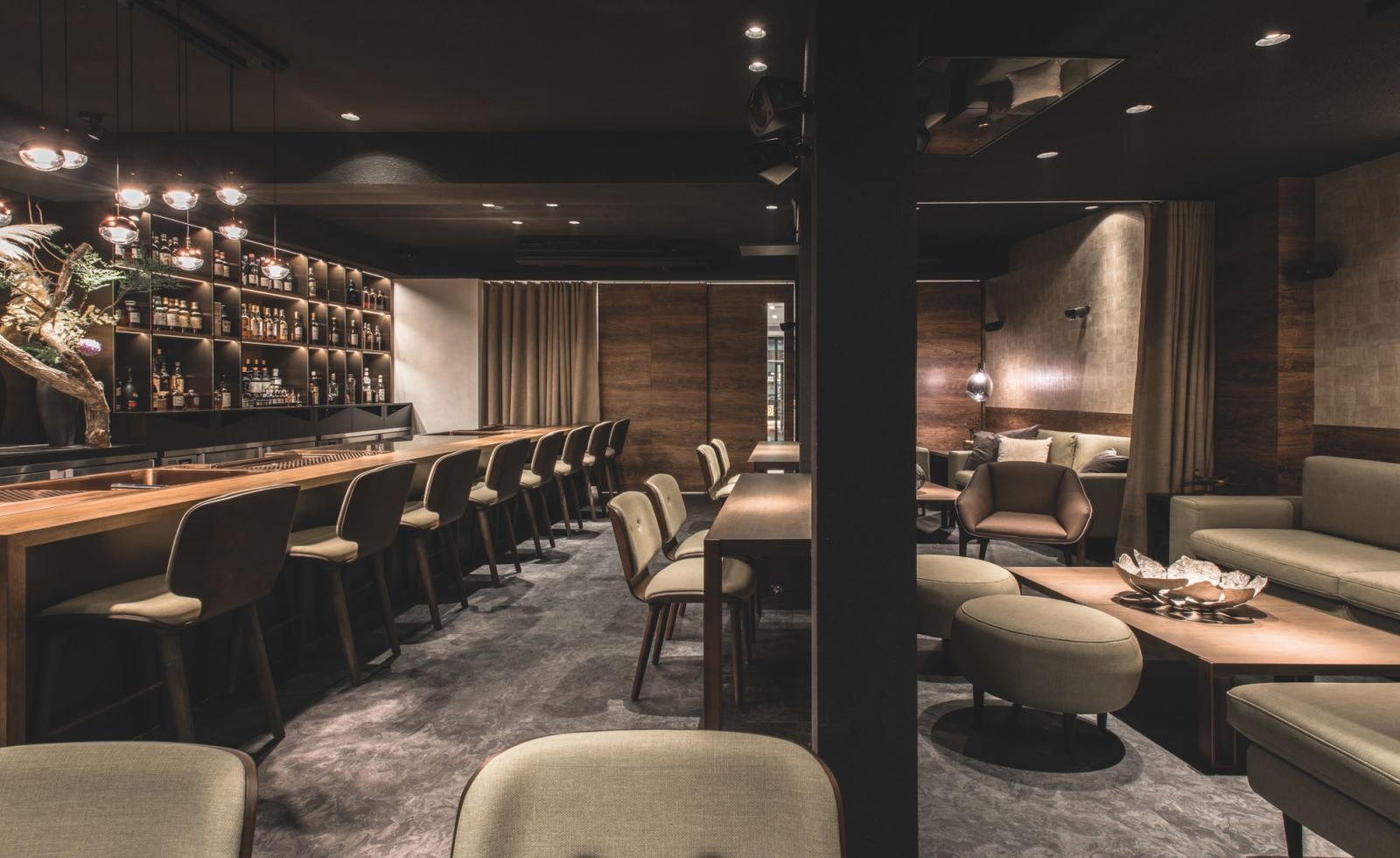
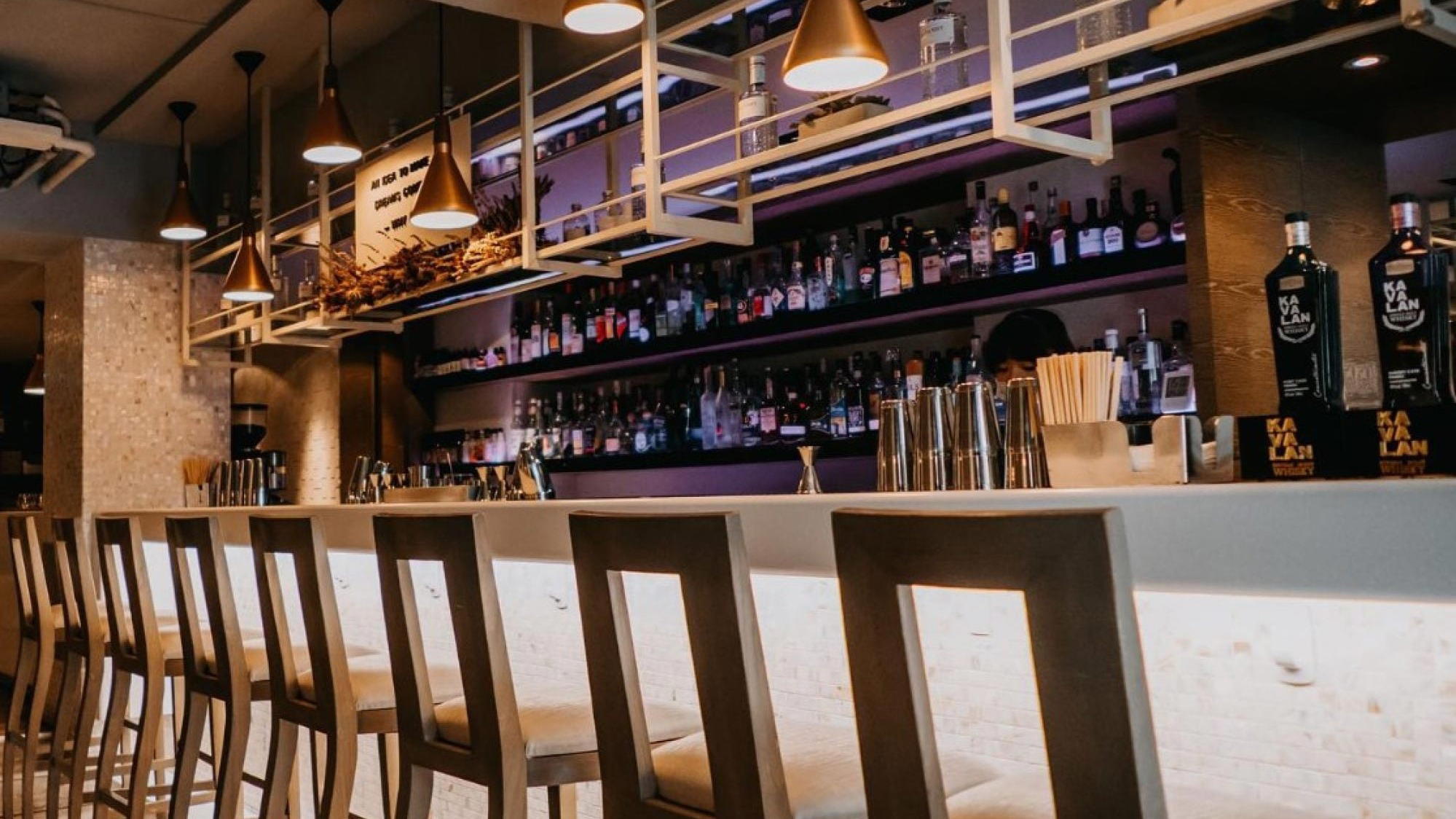
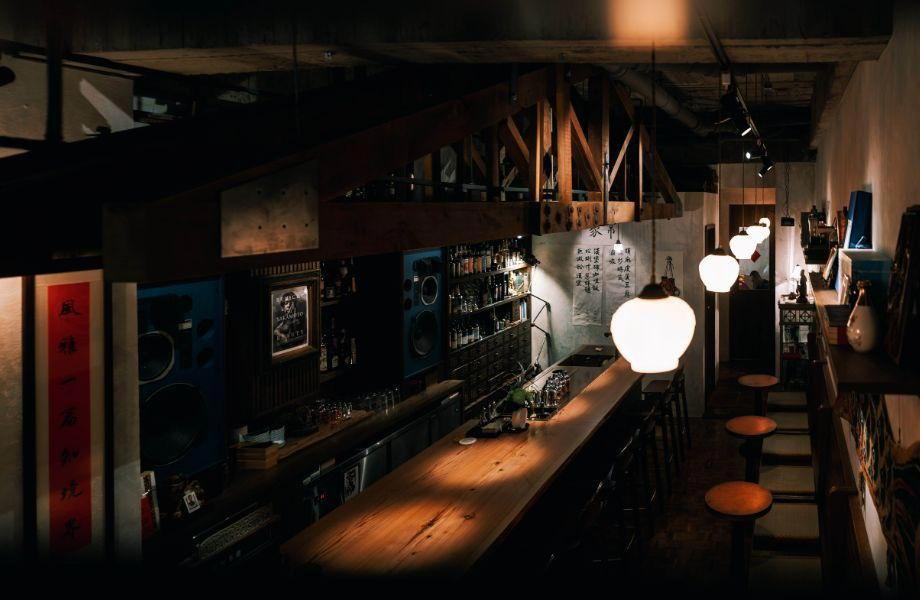
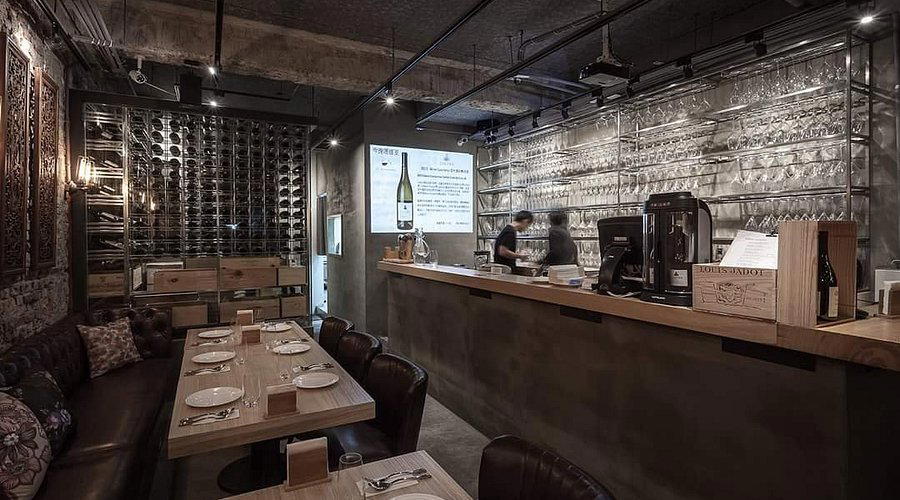
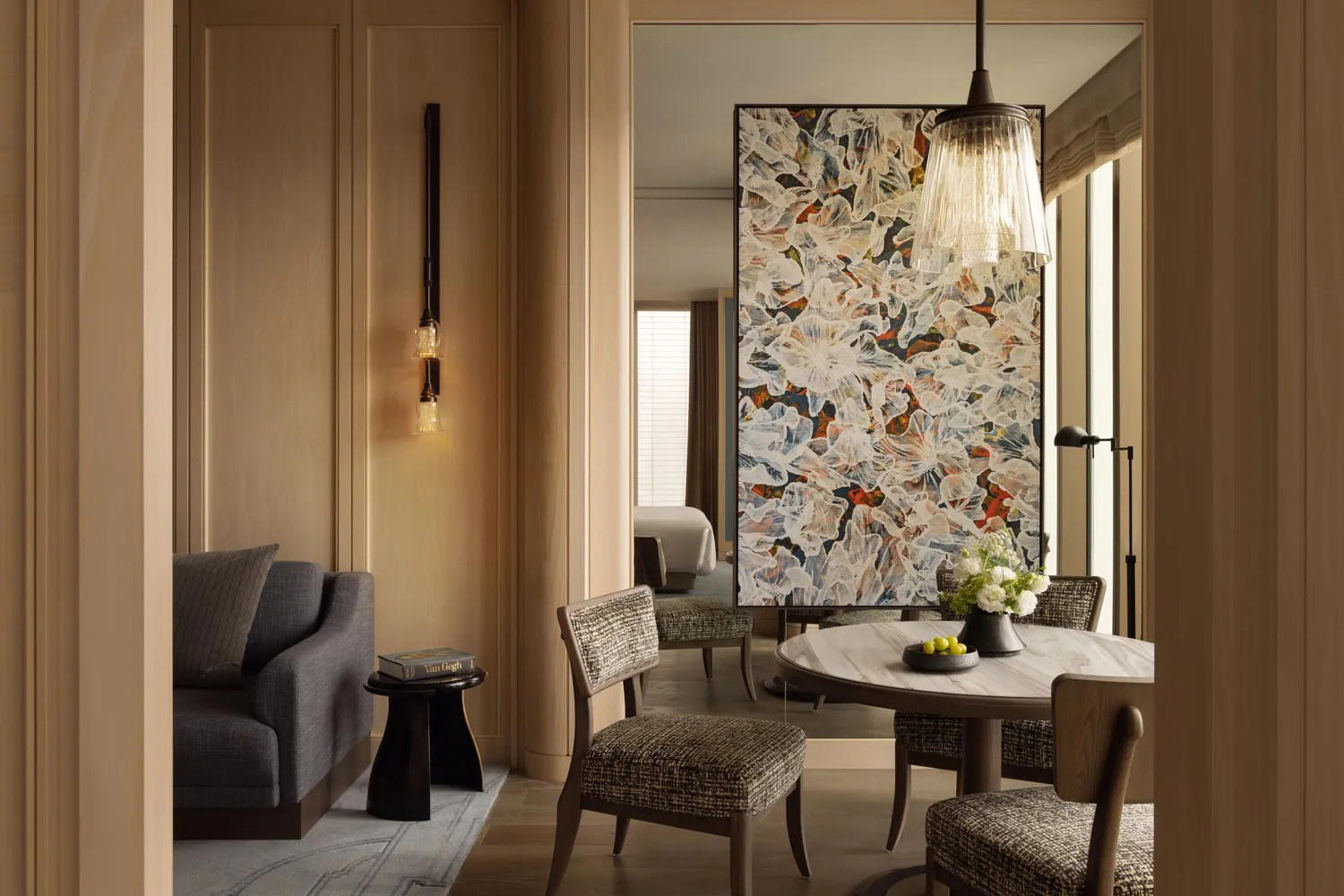
Refined and minimalist with meticulous attention to detail; artfully presented dishes in a serene setting emphasizing craftsmanship and seasonal beauty.