On Tongan Street in Da-an District, Masa occupies a quieter register than Taipei's more publicised fine-dining addresses, making it worth understanding within the city's broader conversation about ethical sourcing and considered cooking. The restaurant sits at an address that rewards those who follow the capital's sustainability-conscious dining scene rather than its awards ticker.
Pearl is the En Primeur Club membership app — saves, bookings, and concierge access live there. Same editors, same standards.
- Address
- No. 48, Tongan Street, Da-an District, 10677
- Directions
- Get directions
 Saves & bookings on Pearl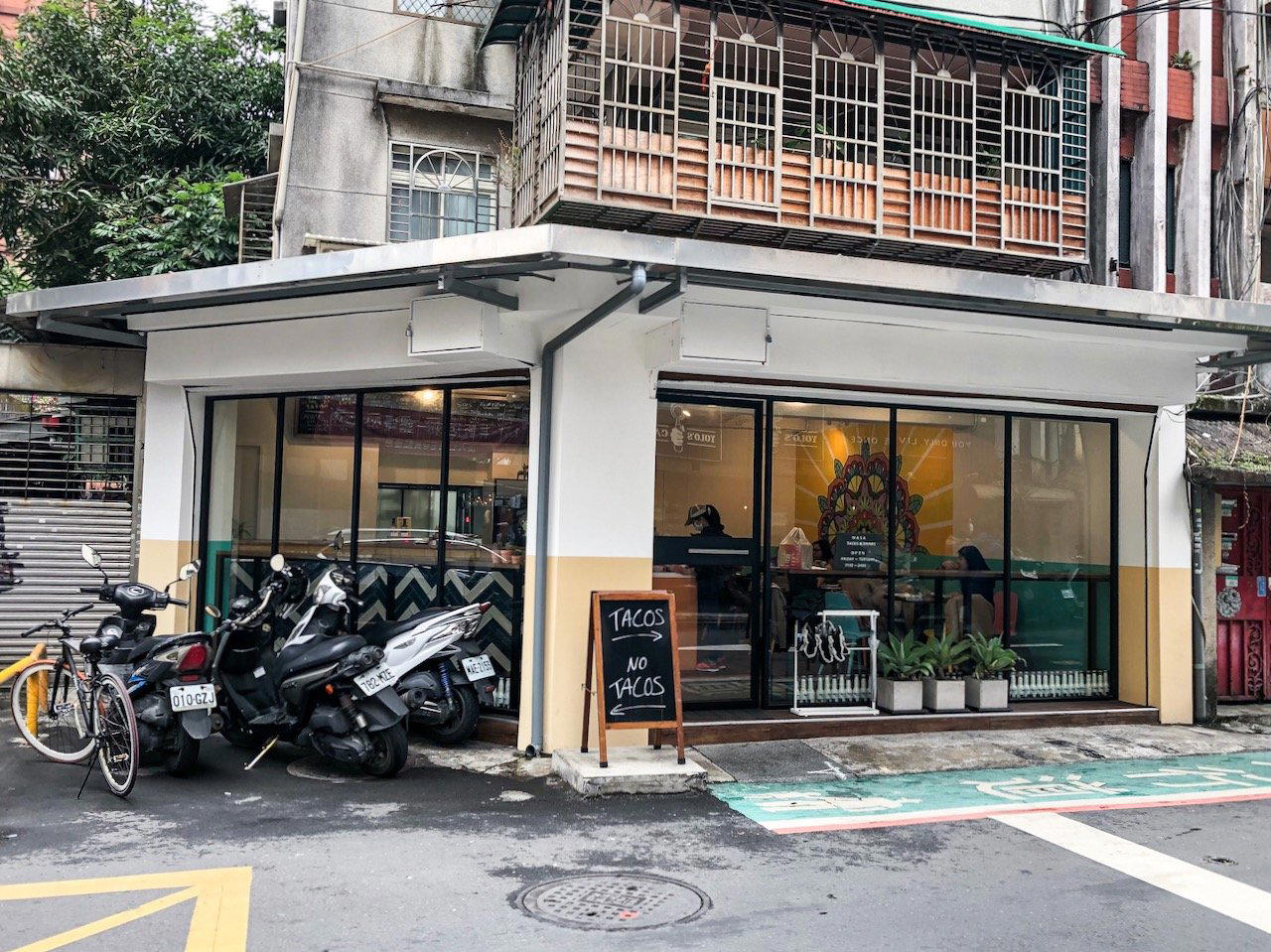
Da-an's Quieter Frequency
Tongan Street runs through one of Da-an District's more residential stretches, where the density of independent restaurants thins out and the pace drops noticeably from the commercial corridors nearby. It is the kind of block where a restaurant has to earn its following through word of mouth rather than foot traffic, and where the dining room's relationship to its neighbourhood feels correspondingly closer. Taipei's fine-dining scene has, over the past decade, divided broadly into two registers: the internationally credentialled flagships clustered around Zhongshan and the eastern districts, and a smaller, lower-profile tier of restaurants in Da-an and its surrounds that operate with less fanfare but often with sharper attention to sourcing and kitchen philosophy. Masa at No. 48 Tongan Street sits in that second register.
Understanding where Masa fits requires a brief look at what has happened to Taipei dining more broadly. The city's leading end now includes multiple Michelin-recognised addresses across French, Cantonese, and contemporary Taiwanese formats. logy has built a reputation on fermentation-led Modern European cooking with strong Asian Contemporary inflections. Le Palais holds its position as the reference point for high-end Cantonese in the capital. Taïrroir has made Taiwanese-French the format through which local produce gets its most considered fine-dining expression. Against that backdrop, an address on Tongan Street signals something deliberate.
The Sustainability Frame in Taipei Dining
Across Taiwan, a growing number of kitchens have oriented their sourcing around shorter supply chains, seasonal availability, and direct relationships with farmers and fishers. This is not distinctive to Taipei, JL Studio in Taichung and GEN in Kaohsiung both reflect a broader island-wide shift toward ingredient-first cooking. Restaurants that genuinely prioritise ethical sourcing in Taipei tend to operate with smaller menus, tighter seasonal rotations, and a resistance to the kind of scaling that would dilute supplier relationships.
The logic is practical as much as philosophical. When a kitchen commits to working with a small number of trusted producers, it loses the flexibility to substitute freely, which means the menu must move with what is available rather than against it. Waste reduction follows almost automatically from this constraint: you cannot over-order when your supply is already limited, and you cannot afford to treat secondary cuts or vegetable offcuts as disposable when your ingredient costs are calculated against a tight seasonal window. This is the operational reality behind what often gets described, in looser terms, as farm-to-table cooking. For restaurants in this mode, the environmental credentials are less a marketing position than a structural consequence of how the kitchen operates.
Taiwan's geography makes this approach more achievable than in many markets. The island's agricultural diversity, compressed across a relatively small landmass with distinct elevation zones, means that seasonal produce ranges from subtropical coastal varieties to high-altitude mountain vegetables within short distances. Seafood sourcing from Taiwan's fishing ports, when done through direct relationships, can deliver quality that competes with imported alternatives while keeping the carbon footprint of ingredients measurably lower. For restaurants willing to build menus around what that system produces rather than what a global luxury-goods supply chain can deliver, the raw material is there.
Positioning Against Taipei's Fine-Dining Tier
The French-influenced addresses in Taipei's top tier, including L'Atelier de Joël Robuchon and Molino de Urdániz, operate with international supply chains and formats that align with global luxury dining norms. The sustainability conversation at that level tends to focus on premium ingredient provenance, named farms in France, specific fishing cooperatives, rather than on structural changes to how a kitchen is organised. A restaurant like Masa, operating at a quieter address in Da-an with a minimal public profile, is likely working from a different set of constraints and priorities, closer to the model that A Xia in Tainan represents in its region: local sourcing as operational foundation rather than occasional talking point.
This places Masa among restaurants that are more difficult to classify through public recognition alone. The Michelin guide's Taiwan edition has expanded its coverage, but it has historically weighted recognition toward formats with more visible credentials, trained pedigree, tasting menus, service formality. Restaurants that operate with deliberate restraint on all those dimensions, including their public presence, can sit outside the guide's recognition without that absence saying much about their actual quality or seriousness.
Planning Your Visit
Masa is located at No. 48 Tongan Street in Da-an District, with the postcode 10677 placing it in the southern part of the district, accessible from the Da-an MRT station on the Red Line within a short walk. Da-an is one of Taipei's most walkable districts, with GARDENh in the adjacent Yonghe District also within reasonable reach for those building a broader itinerary around this part of the city. Advance booking is the practical approach. Reservations are essential, particularly on weekends. For those building a broader Taiwan itinerary, coverage extends across the island, from Volcanic rock in Zhubei City to Chenggong Douhua on the east coast.
The Short List
Comparable venues nearby, for context on price, style, and recognition.
| Venue | Cuisine | Price | Notes |
|---|---|---|---|
| MasaThis venue — the venue you are viewing | Not listed | $$$$ | Not listed |
| 祥雲龍吟 | Not listed | $$$$ | Zhongshan District (中山區), Michelin Two-Star Japanese Kaiseki with Taiwanese Ingredients |
| 大腕燒肉 | Not listed | $$$$ | Zhongshan District, Michelin-Starred Japanese Yakiniku |
| Sushi Touryuumon | Checeng, Japanese Omakase | $$$$ | Not listed |
| Celestial (天廚菜館) | Min'an, Traditional Beijing Chinese | $$$$ | Not listed |
| Sushi Nakazawa | Zhenghe, Modern Japanese Omakase | $$$$ | Not listed |
Continue exploring
More in Taipei
Restaurants in Taipei
Browse all →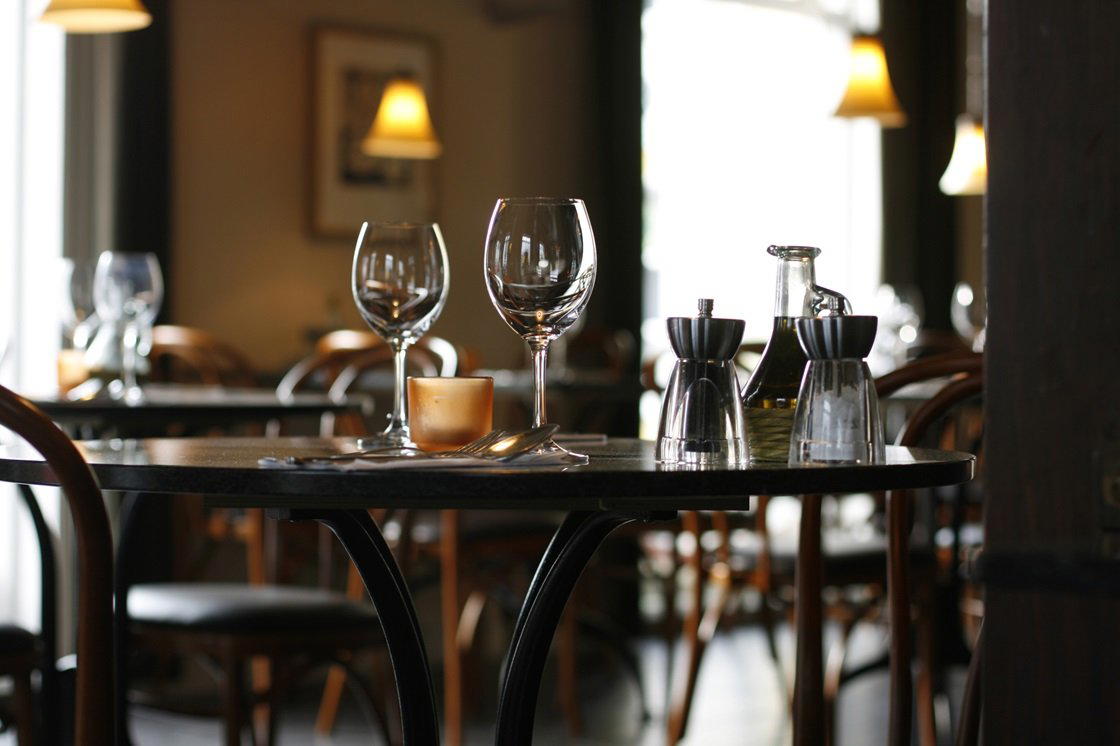
Bars in Taipei
Browse all →
Hotels in Taipei
Browse all →
Wineries in Taipei
Browse all →
At a Glance
- Minimalist
- Elegant
- Sophisticated
- Special Occasion
- Business Dinner
- Open Kitchen
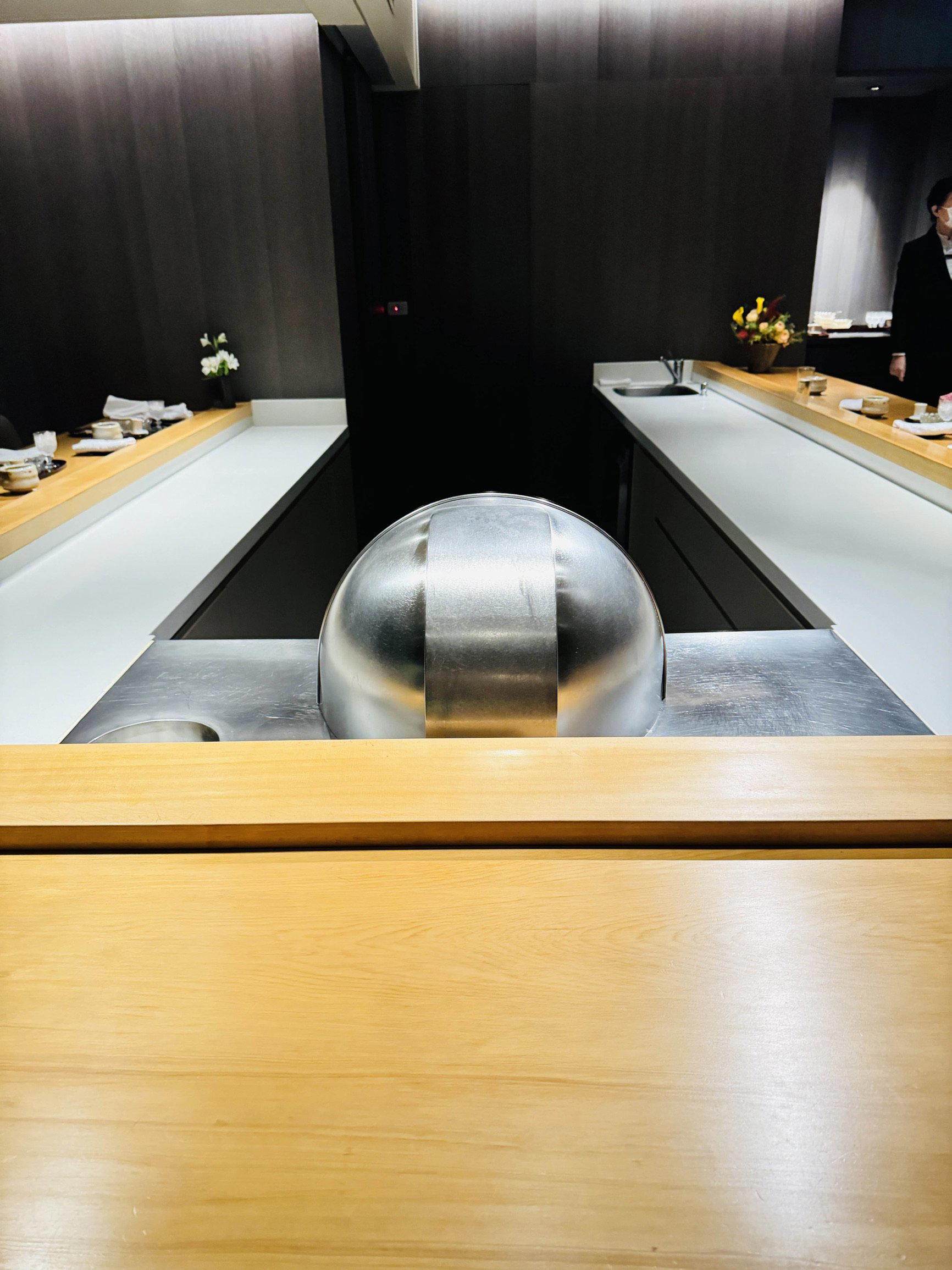
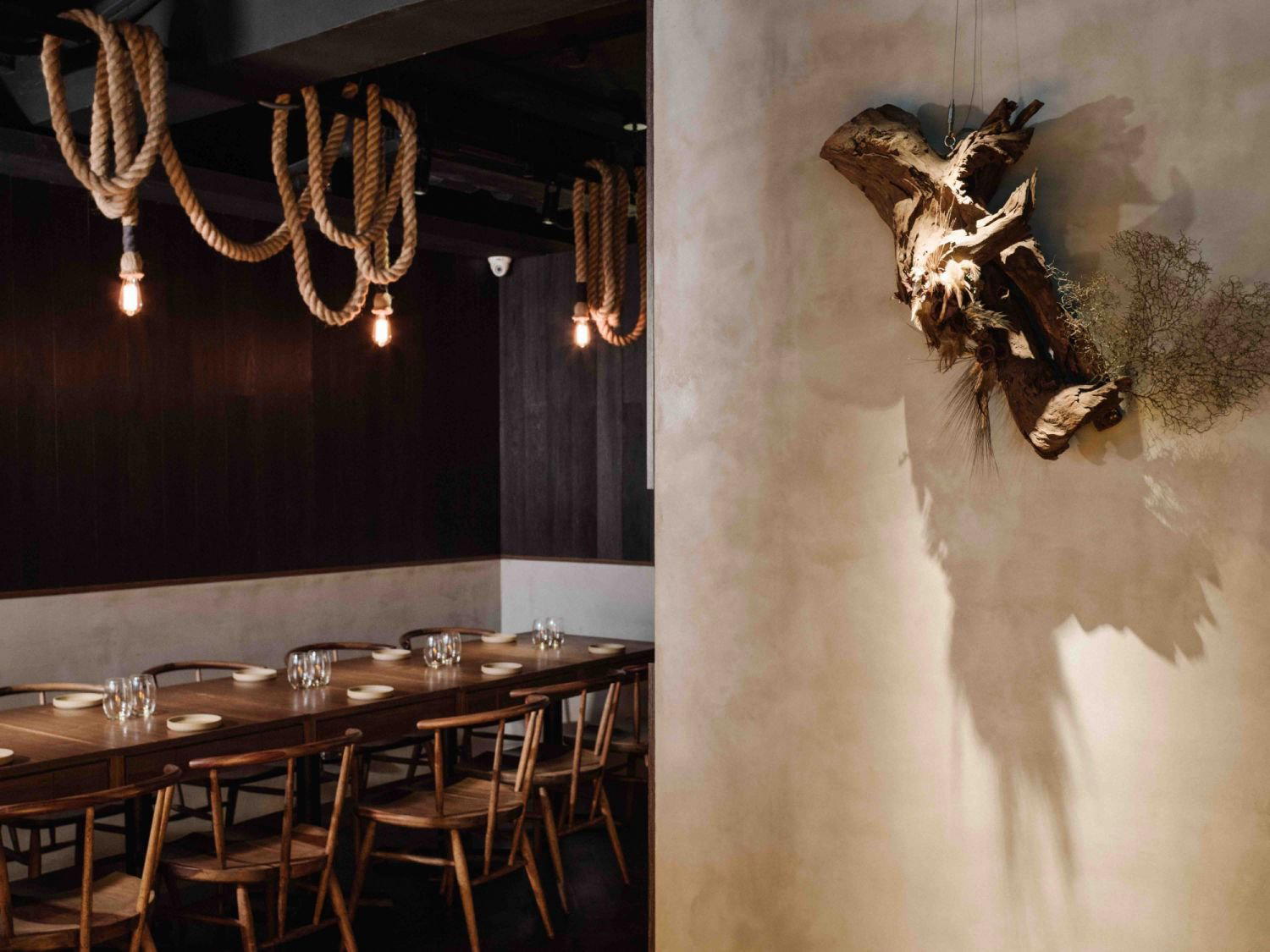
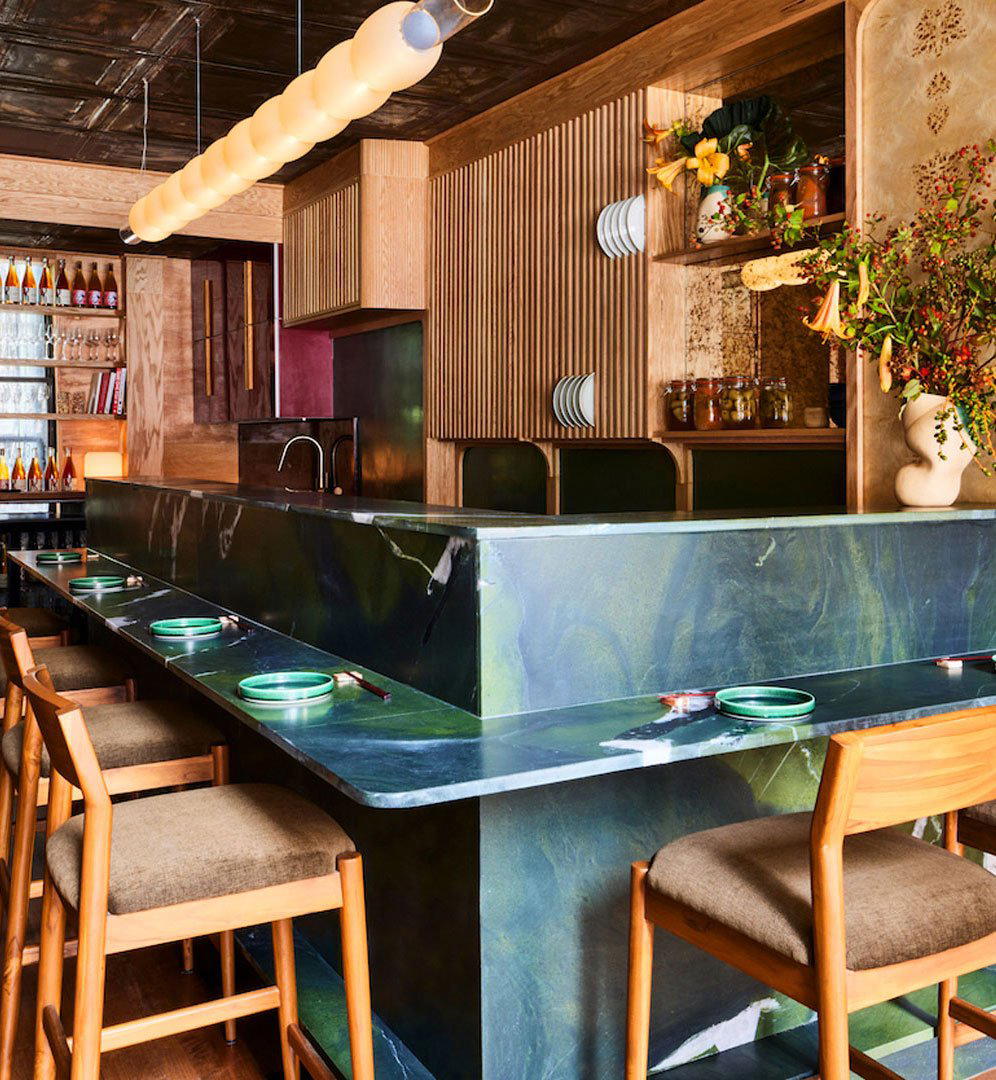
Minimalist dining room with light wood and slate grey hues creating an elegant, refined atmosphere.