Our verdict
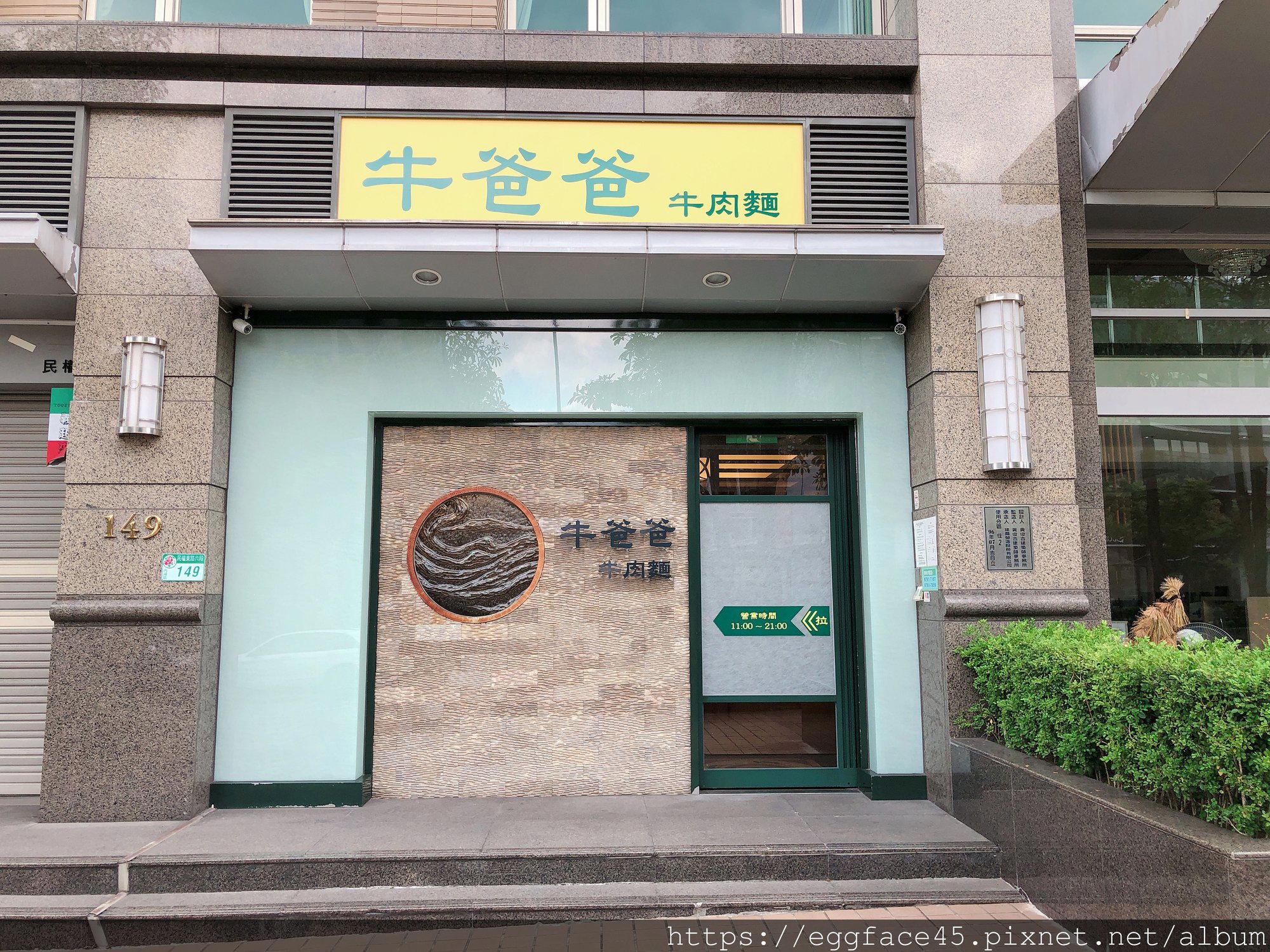
Beef Father (牛爸爸牛肉麵) on Minquan East Road Section 6 is one of Taipei's serious addresses for braised beef noodle soup, the dish that has defined the city's street-level dining identity for generations. The bowl here sits in the register where slow-cooked collagen, aromatic spice broth, and hand-pulled noodles converge into something that rewards repeat visits. It is the kind of place locals return to on instinct rather than occasion.

Pearl is the En Primeur Club membership app, where members save venues, book tables and use the concierge.
The menu
What to order
- Presidential Beef Noodle Soup
- Beef Father Beef Noodle Soup
The Smell Reaches You First
On Minquan East Road Section 6, well into Taipei's northeastern residential grid and away from the dense tourist corridors of Da'an or Zhongshan, the atmosphere around Beef Father (牛爸爸牛肉麵) operates on a different register than the city's high-end restaurant circuit. The street-level signage is modest. The pull is olfactory: the slow-simmered perfume of bone broth, star anise, doubanjiang, and caramelised soy that escapes from kitchens like this one has marked Taipei's dining identity since the dish arrived with the mainland diaspora in the late 1940s and early 1950s. Beef noodle soup here is not a novelty or a heritage tourism exercise. It is infrastructure. It is what people eat when they are hungry and want to eat well without ceremony.
The beef noodle category in Taipei has two distinct poles. At one end sit the competition-circuit bowls, highly publicised, sometimes priced to match their profile, served in spaces that have absorbed enough media attention to feel performative. At the other end are the neighbourhood addresses, the ones running on decades of accumulated regulars rather than annual rankings, where the broth is made daily and the queue is composed almost entirely of people who live nearby. Beef Father occupies territory closer to the second pole. The address on Section 6 of Minquan East Road places it in a part of the city where the dining culture is local and repeat-oriented, rather than driven by foot traffic from hotels or business districts.
What Beef Noodle Soup Means in This City
To understand why addresses like this carry weight, it helps to understand the dish's position in Taipei's food culture. Braised beef noodle soup (紅燒牛肉麵, hóngshāo niúròu miàn) became a Taipei staple through a specific historical moment: the wave of Hunanese and Sichuan-influenced military communities that settled in Taiwan after 1949. The spice palette, the use of doubanjiang for depth and heat, and the preference for long-braised shank over quick-cooked cuts all derive from that culinary lineage. Over seventy years, the dish has been naturalised into Taiwanese food culture so completely that it now appears in every price tier, from NT$120 roadside bowls to tasting-menu riffs at places like Taïrroir, where chef Kai Ho has folded Taiwanese ingredient logic into a French contemporary frame.
The serious neighbourhood bowl, however, remains the category's anchor point. It is judged on a small number of variables: broth clarity and depth, the quality of the braised meat (specifically the ratio of collagen-rich tendon to lean shank), noodle texture and how well it holds in the broth without going slack, and the precision of the chilli-bean paste heat. These are not subjective preferences in the way that tasting menu courses invite personal interpretation. They are craft benchmarks, and Taipei's regular noodle-eating population applies them with some rigour.
The Broader Taipei Context: Where This Bowl Sits
Taipei's restaurant scene has attracted significant international attention in recent years. The city now holds multiple Michelin stars distributed across venues including Le Palais (Cantonese, three stars), logy (Modern European and Asian Contemporary), and L'Atelier de Joël Robuchon. Spanish contemporary has a notable presence through Molino de Urdániz. Taiwan's broader fine dining geography extends to JL Studio in Taichung, GEN in Kaohsiung, and A Xia in Tainan.
None of that changes the fact that beef noodle soup, eaten standing or squeezed into a small dining room, is where a significant portion of the city's daily culinary life actually happens. The two registers coexist without competition. The person who books a counter at a Michelin-starred omakase on Friday may well be in a neighbourhood noodle shop on Saturday morning, ordering from memory. Taipei's food culture is literate across price tiers in a way that few cities match. See our full Taipei restaurants guide for a structured view of how the city's dining layers fit together, from street-level staples to the fine dining circuit.
The beef noodle category also has its own geography. The Sanchong District, across the Danshui River, has its own serious contenders, including addresses that draw Taipei residents across the bridge for a bowl. Yonghe, known for soy milk and breakfast culture, also houses serious noodle operations, as does Hsinchu, where dedicated spots have built followings outside the capital. Within the city, however, the northeastern residential belt along Minquan East Road has long supported this category of committed neighbourhood operation.
Seasonality and When to Go
Beef noodle soup is, in practice, a year-round dish in Taipei, but it reads differently across seasons. In the cooler months, from November through February, when Taipei's humidity drops and temperatures settle into the low teens Celsius, a bowl of deep-braised broth in a small, warm dining room is the kind of thing that justifies a specific trip across the city. The summer heat, which in Taipei is persistent and damp, shifts preferences toward lighter noodle formats, cold sesame applications, or the oyster vermicelli (蚵仔麵線) that proliferates at night markets. If the goal is to eat beef noodle soup at its most atmospheric and contextually appropriate, the autumn and winter window is the one to aim for.
Getting to the Minquan East Road Section 6 address requires either the MRT to Neihu line connections or a short taxi or ride-share from the Zhongshan or Songshan districts. It is not a destination that clusters with other tourist-circuit venues, which is largely the point: the walk or ride itself signals intent. Visitors who make the effort tend to arrive having already decided what they want.
Planning Your Visit
For a venue in this category, operating in Taipei's neighbourhood noodle tier, the standard approach is to arrive during established meal hours, with lunch typically the primary service period for noodle shops of this type. Walk-in is the norm across the category. If you are mapping a broader Taipei itinerary, the EP Club recommends treating neighbourhood bowl stops as logistical anchors: plan arrival around midday, eat before the rush thins the broth, and build the rest of the afternoon around proximity rather than fighting cross-city traffic for a second reservation.
Frequently asked questions
How do I find Beef Father (牛爸爸牛肉麵)?
Beef Father (牛爸爸牛肉麵) is located at 民權東路六段149號, 台北市, Taipei.
How does Beef Father (牛爸爸牛肉麵) compare to Taipei's more central beef noodle destinations?
Beef Father's address on Minquan East Road Section 6 places it outside the dense restaurant clusters of Da'an and Zhongshan districts, where many of Taipei's better-documented noodle shops draw both locals and visiting diners. That separation tends to mean a customer base that is almost entirely neighbourhood-based, which in this city's beef noodle culture is often a reliable indicator of consistent, unpretentious cooking over years of repeat trade. Unlike the Michelin-recognised dining concentrated in central Taipei, venues in this northeastern residential grid earn their standing through local frequency rather than critical attention.
What do regulars order at Beef Father (牛爸爸牛肉麵)?
At Taipei's established beef noodle shops, the anchor order is the braised beef combination bowl, pairing the slow-cooked broth with tendon or shank cuts alongside hand-cut noodles. Beef Father sits on Minquan East Road Section 6 in the residential northeast, where the clientele trends local and repeat, which typically drives ordering patterns toward the kitchen's signature braised preparation rather than lighter clear-broth alternatives. A side of pickled mustard greens is the standard accompaniment across this category.
Is Beef Father (牛爸爸牛肉麵) reservation-only?
Beef noodle soup shops in Taipei operate almost universally on a walk-in basis, and venues in the serious neighbourhood tier on streets like Minquan East Road Section 6 follow the same format. The category is built around counter or communal table seating with quick turnover, making advance reservations structurally unnecessary. Arriving during off-peak hours, mid-morning or mid-afternoon if the kitchen is open, is the standard approach for avoiding a queue.
Same-City Peers
Comparable venues nearby, for context on price, style, and recognition.
| Venue | Cuisine | Price | Awards | Notes |
|---|---|---|---|---|
| Beef Father (牛爸爸牛肉麵)This venue (the venue you are viewing) | Premium Taiwanese Beef Noodle Soup | $20–30 | Not listed | Not listed |
| Mu: Taipei | Innovative Taiwanese Fine Dining | Not listed | Not listed | Sinsing District |
| Shing-Peng-Lai | Traditional Taiwanese | $20–30 | Michelin Plate | Tianyu |
| 鮨 香 | Edomae Omakase Sushi | $150–200 | Michelin Plate | Juye |
| Cha Cha Thé Cuisine | Chinese Tea House with French Fusion Desserts | $20–30 | Michelin Plate | Ren'ai |
| Shi | Seasonal Contemporary Taiwanese | $50–100 | Michelin Plate | Heng'an |
Continue exploring
More in Taipei
Restaurants in Taipei
All restaurants in Taipei →
Bars in Taipei
All bars in Taipei →
Hotels in Taipei
All hotels in Taipei →
Wineries in Taipei
Browse all →
Details
- Casual Hangout
- A La Carte
Casual neighborhood spot focused on premium beef noodle soups with melt-in-your-mouth beef and rich, flavorful broth.