Located on Döblinger Hauptstraße in Vienna's 19th district, Casino Kulinarium sits in a residential quarter where the city's appetite for ingredient-led cooking has quietly taken hold. The venue occupies a tier of Vienna dining that rewards direct sourcing and culinary precision over spectacle. For those exploring the Austrian capital's broader fine-dining circuit, it represents a considered stop in a neighbourhood less trafficked than the Innere Stadt.
Pearl is the En Primeur Club membership app — saves, bookings, and concierge access live there. Same editors, same standards.
- Address
- Döblinger Hauptstraße 76, 1190 Wien, Austria
- Phone
- +436767417036
- Website
- houseofstrauss.at
- Directions
- Get directions
 Saves & bookings on Pearl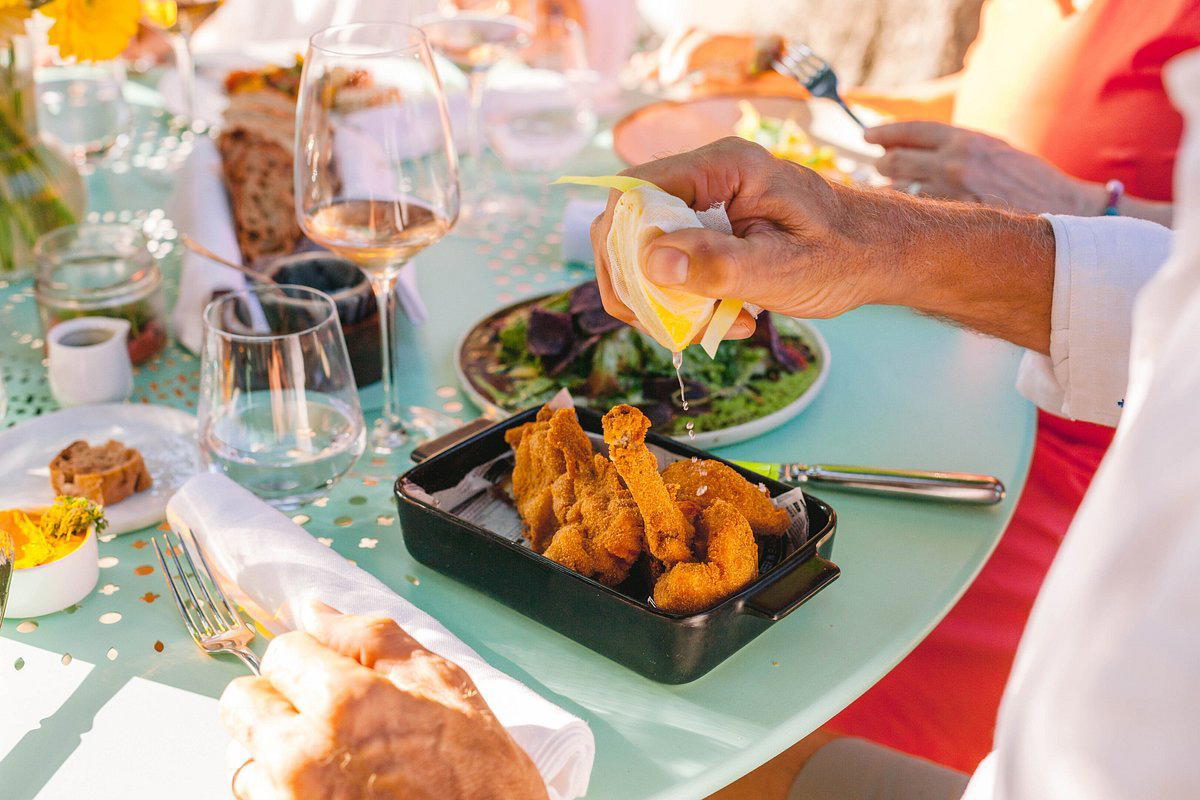
Döbling and the Question of Where the Food Comes From
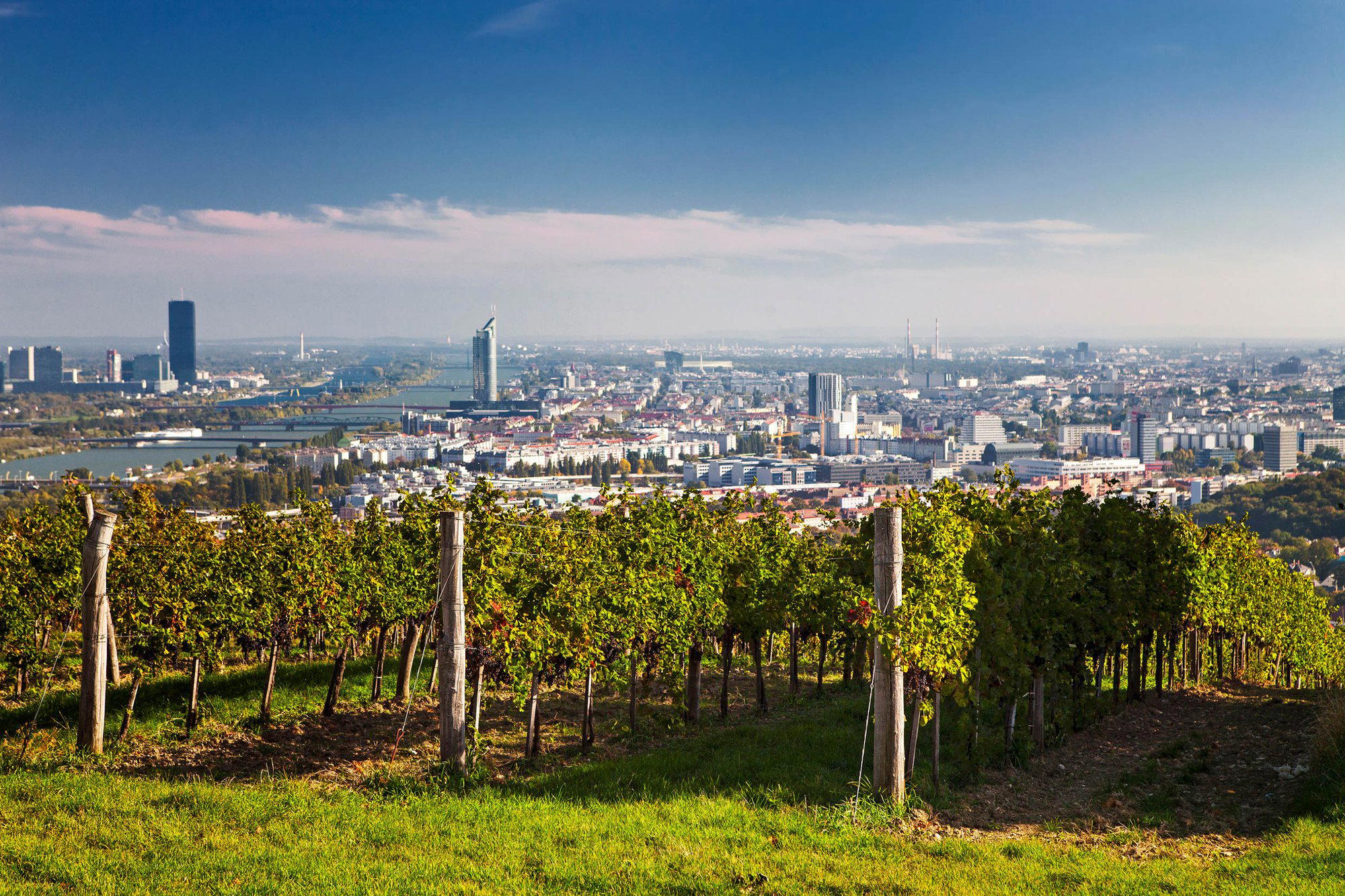
Casino Kulinarium is a restaurant in Vienna's Döbling district, serving Modern Viennese Cuisine at roughly $50 per person. Döbling, the residential quarter that stretches toward the Vienna Woods and the Kahlenberg vineyards, has historically been a neighbourhood for Heurigen culture rather than formal gastronomy. That context matters when reading Casino Kulinarium's address on Döblinger Hauptstraße. A restaurant choosing this postcode is making a deliberate statement about its relationship to the surrounding landscape: the vineyards are within walking distance, the market gardens of the Vienna basin are close, and the clientele skew local rather than tourist.
In Austrian fine dining broadly, ingredient sourcing has become the primary point of differentiation. This is not a recent development. Kitchens like Steirereck im Stadtpark spent decades building direct relationships with alpine farmers and fishermen before that approach became an industry talking point. The country's geography, compressed into a range from river plains to high-altitude meadows, gives Austrian chefs access to a sourcing map that few European peers can match. What changes from kitchen to kitchen is how the menu is shaped by the season.
The Döbling Setting
Approaching Döblinger Hauptstraße from the U4 or the D-Bahn tram line, the neighbourhood shifts perceptibly from the commercial density of Heiligenstadt toward quieter residential blocks. The 19th district has retained a character that the more central Bezirke have largely lost: proprietor-run businesses, wine taverns alongside newer addressed restaurants, and a pace that does not calibrate itself to tourist traffic. Casino Kulinarium sits inside that residential grain rather than against it.
This positioning places it outside the main tourist circuit. Across European cities, serious cooking often migrates to residential neighbourhoods. Döbling sits at the quieter end of that gradient.
Reading the Austrian Sourcing Tradition
Austria's ingredient culture occupies a specific position in Central European cooking. The country has maintained protected designation systems for regional products, from Wachau apricots to Waldviertel poppy seeds to Styrian pumpkin oil, that give kitchens anchored in local sourcing a genuinely differentiated pantry. The Donau corridor alone, running from Klosterneuburg through the Wachau toward Krems, supplies stone fruits, white asparagus, river fish, and some of Central Europe's most age-worthy Grüner Veltliner and Riesling.
Restaurants in Vienna's outer districts that engage seriously with this sourcing tradition tend to build menus around seasonal availability rather than year-round consistency. This is a structural choice as much as a culinary one: the kitchen commits to working within what the season delivers rather than importing substitutes. Venues like Döllerer in Golling an der Salzach and Landhaus Bacher in Mautern an der Donau have made this structural commitment their defining characteristic, each building a multi-decade reputation on regional ingredient discipline. In the Tyrolean and Vorarlberg west, rooms like Gourmetrestaurant Tannenhof in Sankt Anton am Arlberg and Stüva in Ischgl apply the same logic to alpine sourcing. Within Vienna itself, Mraz & Sohn and Amador operate at the creative end of this spectrum, while Konstantin Filippou draws on a broader modern European framework. The restaurant's Döbling address positions it within a neighbourhood-first interpretation of the same sourcing tradition.
How Casino Kulinarium Compares in the Vienna Circuit
Vienna's dining scene has consolidated around a handful of recognisable tiers. At the leading end, Steirereck im Stadtpark and Konstantin Filippou operate with Michelin recognition and international press profiles that generate advance booking demand from visitors as well as locals. One tier below, venues like Doubek represent a newer generation of Vienna cooking. The restaurant's location in Döbling places it outside the immediate competitive pressure of the first-district cluster, which typically means both a more local clientele and a different rhythm of service.
For comparative context internationally, ingredient-driven cooking in residential neighbourhoods has produced notable tables. Lazy Bear in San Francisco built its reputation on a community-dining format rooted in producer relationships, while Le Bernardin in New York City demonstrates what sustained sourcing discipline produces at scale over decades. The Austrian equivalents, from Obauer in Werfen to Kräuterreich by Vitus Winkler in Sankt Veit im Pongau, show that the same commitment to provenance produces equally specific results in smaller Austrian towns. Taubenkobel in Schützen am Gebirge and Ois in Neufelden extend that pattern into the Burgenland and Upper Austria respectively.
Planning Your Visit
The restaurant's 19th district location requires navigating slightly further from the central tourist axis than the first-district alternatives, but the D-Bahn and U4 lines both reach Heiligenstadt, from which the Döblinger Hauptstraße is accessible by foot or short tram ride. The residential neighbourhood character means street parking is available in the immediate area, which is relevant for guests travelling from the outer Bezirke or arriving from Lower Austria.
| Venue | District | Price Range | Booking Lead Time |
|---|---|---|---|
| The restaurant | 19th (Döbling) | Not confirmed | Recommended |
| Steirereck im Stadtpark | 3rd | €€€€ | Several weeks ahead |
| Konstantin Filippou | 1st | €€€€ | 2-4 weeks ahead |
| Mraz & Sohn | 20th | €€€€ | 2-3 weeks ahead |
For those building an Austrian itinerary that extends beyond the capital, Schwarzer Adler in Hall in Tirol and Restaurant 141 by Joachim Jaud in Mieming represent the country's continued strength in regional fine dining outside the major cities.
How It Stacks Up
Comparable venues nearby, for context on price, style, and recognition.
| Venue | Cuisine | Price | Notes |
|---|---|---|---|
| Casino KulinariumThis venue — the venue you are viewing | Modern Viennese Cuisine | $$$ | Not listed |
| KELSEN im Parlament | Modern Austrian | $$$ | Hofburg |
| LENZ | Modern Austrian Social Dining | $$$ | Landstrasse |
| Eugen21 | Modern Austrian with International Influences | $$$ | Sudbahnhof |
| EssDur | Modern Austrian Fine Dining | $$$ | Staatsoper |
| Café Central | Traditional Viennese Café | $$$ | Stephansdom |
Continue exploring
More in Vienna
Restaurants in Vienna
Browse all →
Bars in Vienna
Browse all →
Hotels in Vienna
Browse all →
At a Glance
- Elegant
- Historic
- Romantic
- Special Occasion
- Date Night
- Celebration
- Historic Building
- Garden
- Hotel Restaurant
- Extensive Wine List
- Local Sourcing
- Garden
Current opening hours
- Monday
- Closed
- Tuesday
- 11 AM–10 PM
- Wednesday
- 11 AM–10 PM
- Thursday
- 11 AM–10 PM
- Friday
- 11 AM–10 PM
- Saturday
- 11 AM–10 PM
- Sunday
- Closed
Hours can change for holidays and private events. Last verified .
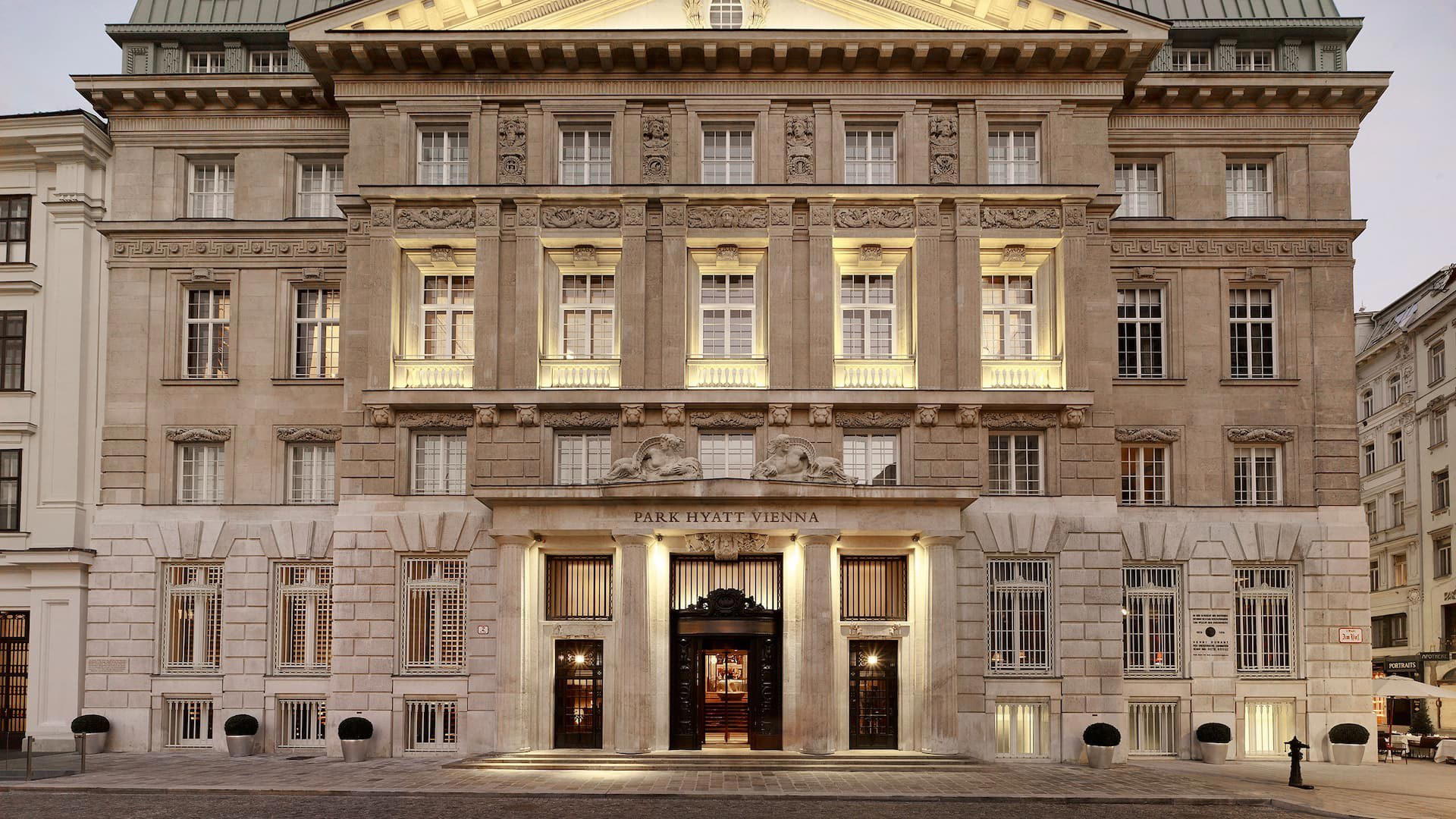
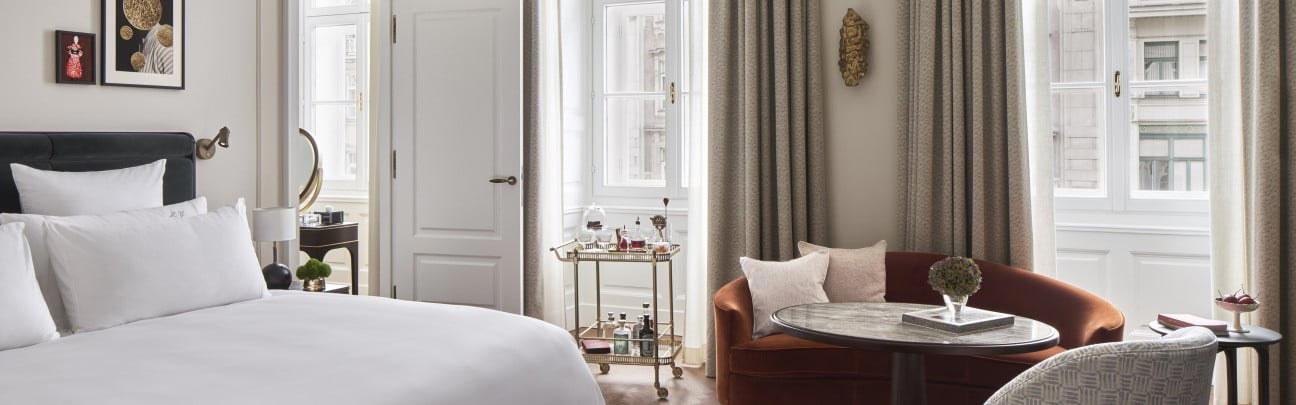
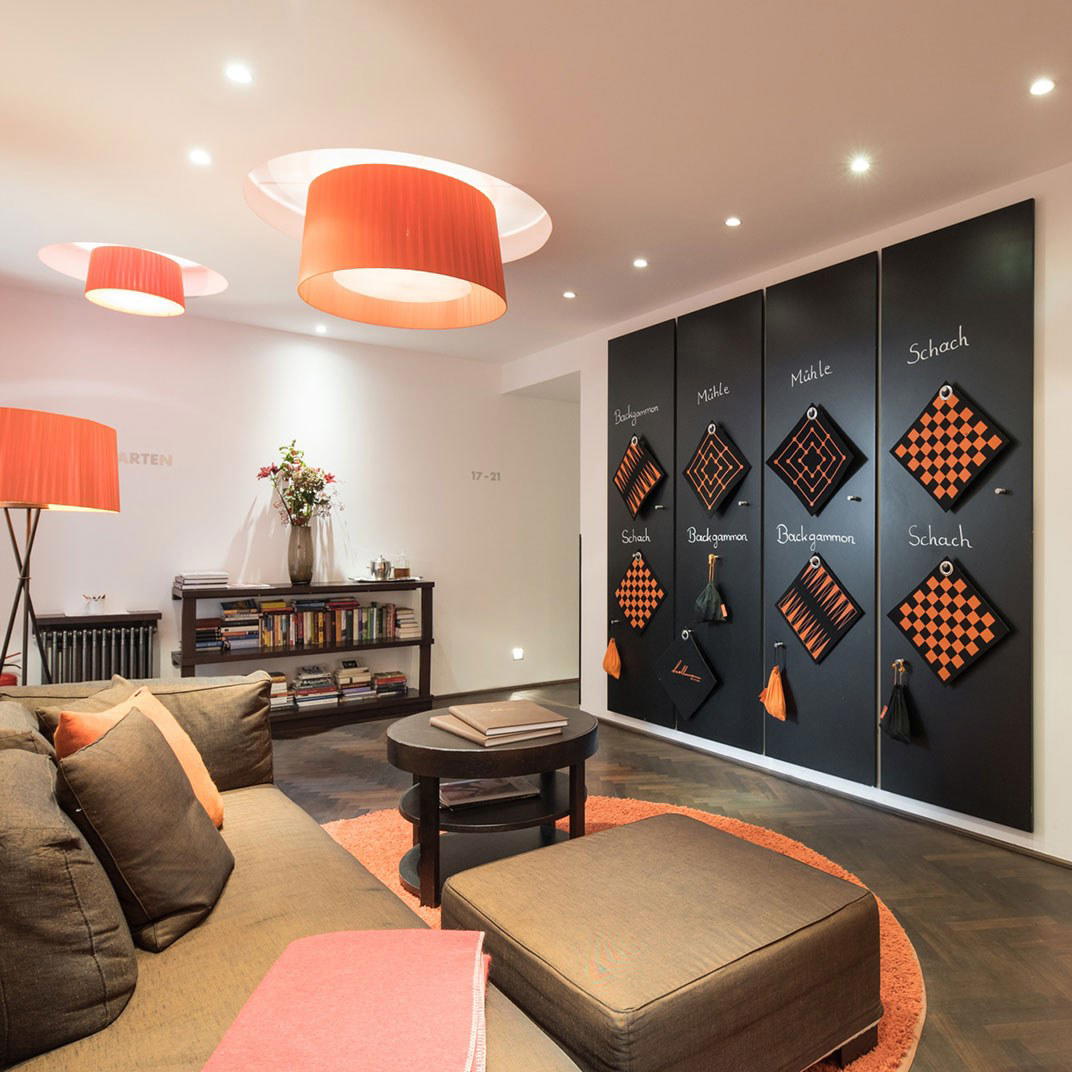
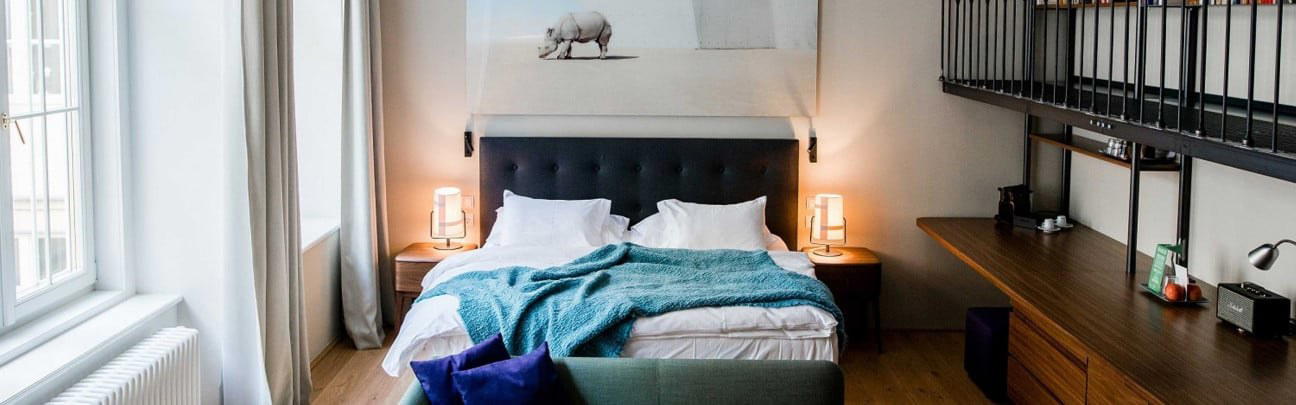
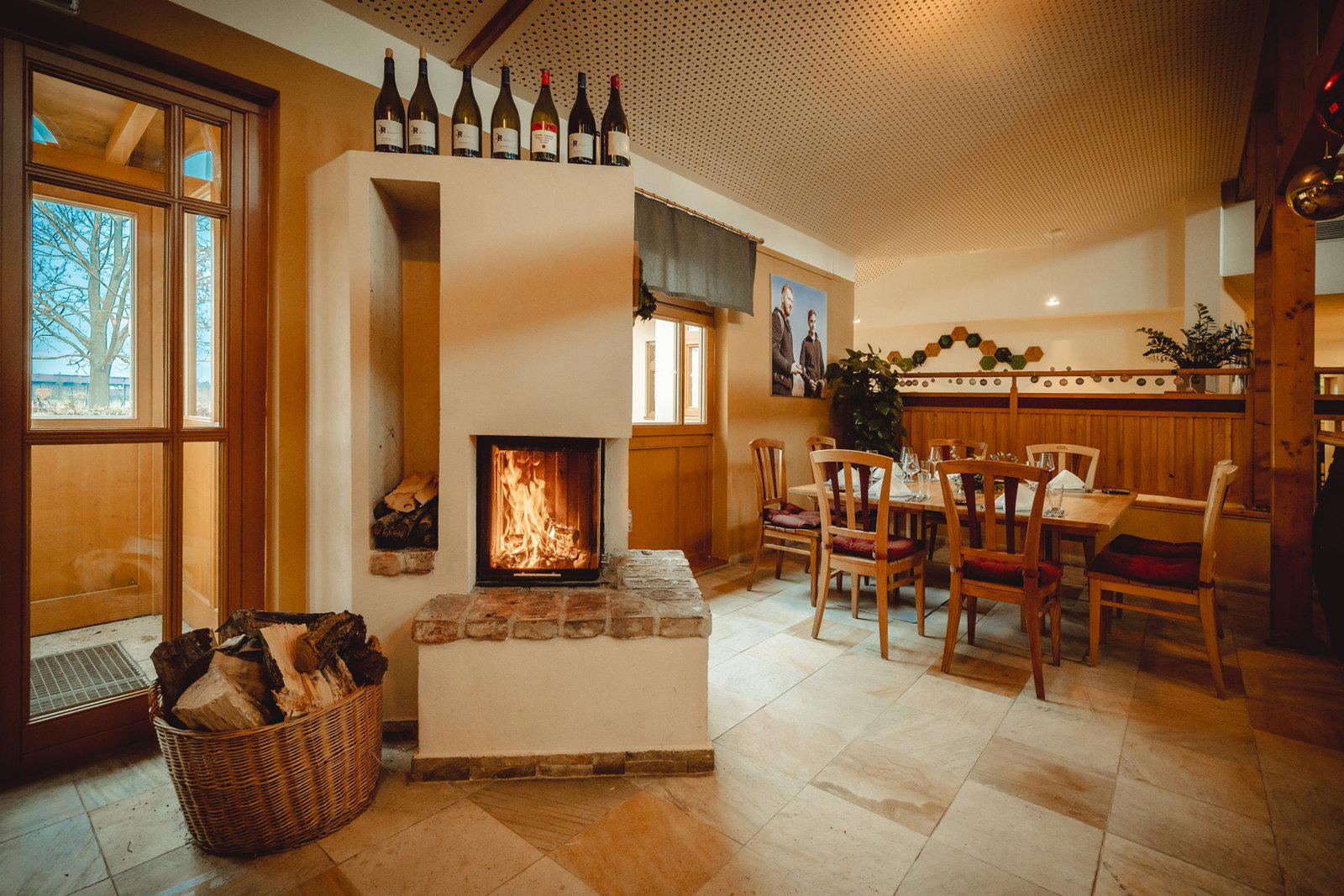
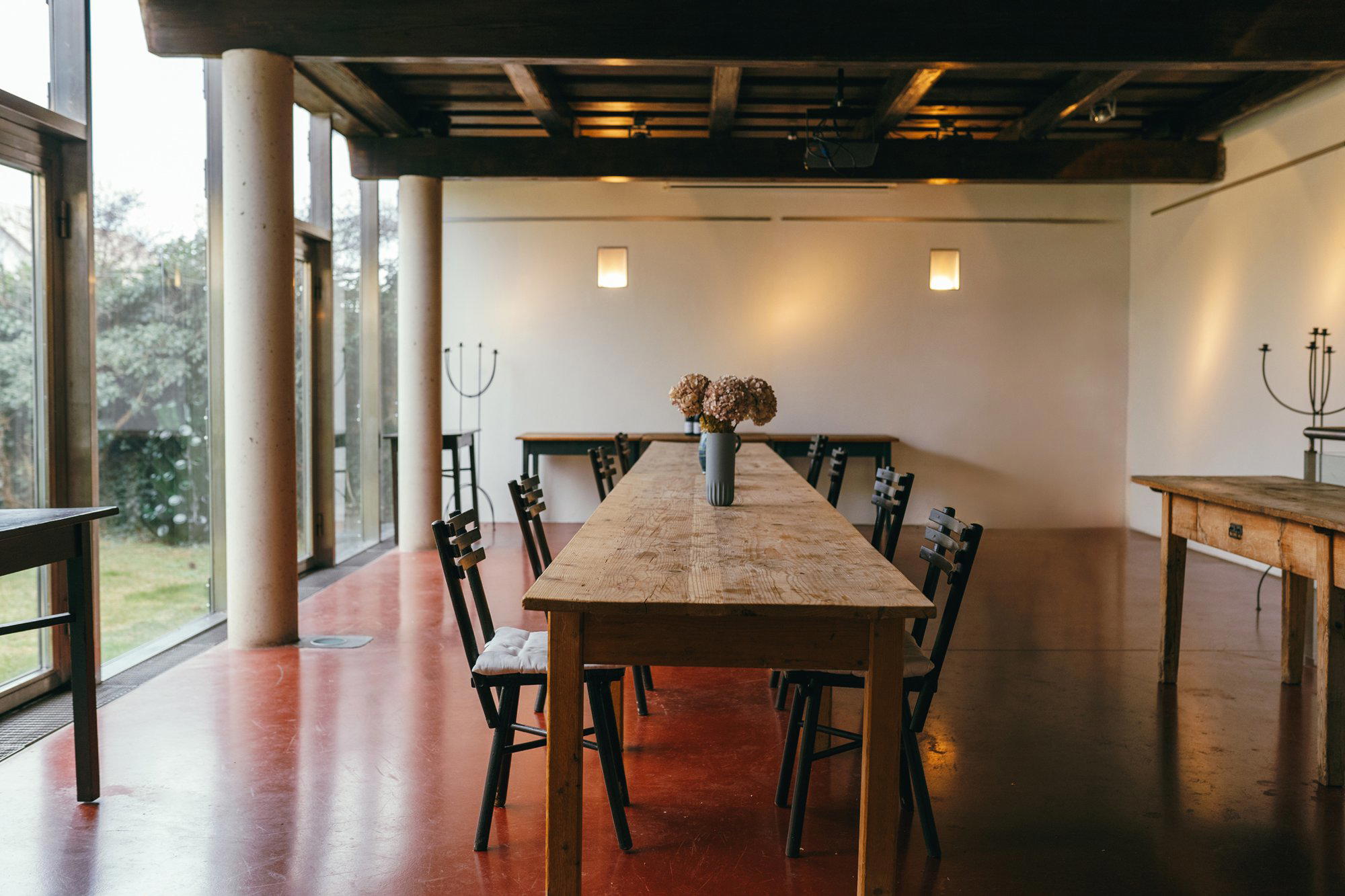
Modern ambience in a historic setting with warm hospitality and a romantic garden for outdoor dining.