Our verdict
Casa Mando occupies a spot on Calle Policía Nacional in central León, a city whose dining culture balances deep Castilian tradition with a growing appetite for contemporary formats. The restaurant sits within a local scene that includes modern addresses like Pablo and Becook, offering visitors a reference point for how León's mid-tier dining performs against the broader Spanish context.

Pearl is the En Primeur Club membership app — saves, bookings, and concierge access live there. Same editors, same standards.
- Address
- Calle Policía Nacional, s/n, 24003 León, Spain
- Phone
- +34987798188
- Hours
- Mon–Sat 1:30–5:30 PM, 8:30 PM–12:30 AMSun 1:30–5:30 PM
- Website
- casamando.com
- Directions
- Get directions
The menu
What to order
- Cecina
- Lengua curada
- Croquetas
- Bacalao al pil pil
The Weight of a Castilian Table
León does not announce itself the way San Sebastián or Barcelona does. Its dining culture is quieter, more internally consistent, built around the rhythms of a city that has fed pilgrims on the Camino de Santiago for centuries and never entirely lost that sense of obligation to the table. Calle Policía Nacional, where Casa Mando is addressed, runs through the city's central fabric, close enough to the cathedral quarter that the foot traffic has an unhurried quality in the evenings. Arriving here, you are already inside a particular kind of Spanish meal before you have sat down: the kind that does not rush, that assumes you have the afternoon, that treats the progression from aperitivo to postre as a civic right rather than a commercial transaction.
That ritual pacing is worth understanding before you book anything in León. The city sits in Castile and León, a region whose culinary identity is anchored in roasted meats, cured products, and the kind of legume-based cooking that reflects an agrarian calendar still legible in the menu. What separates the better addresses on the local circuit from the merely adequate ones is how well they honour that tradition without becoming a museum of it. Casa Mando operates in that contested middle ground, alongside other city addresses like Carea Bistró (Contemporary) and Becook (Fusion), each staking out a different position relative to the Castilian baseline.
How the Meal Moves Here
Spanish dining etiquette at this level is not complicated, but it is specific. The table is yours for the duration. Courses arrive at intervals that allow conversation to breathe between them. Bread is not a precursor to be cleared away; it is a functional instrument throughout. Wine is ordered by the bottle or the half-bottle, rarely by the glass at serious addresses, and the local practice of pairing Castilian reds with cured meats or roasted lamb reflects a logic that has been calibrated over generations rather than assembled by a sommelier looking to impress.
Across León's more considered dining options, from the modern-cuisine approach at Pablo (Modern Cuisine) to the farm-oriented framing at addresses like Marcela, the meal structure tends to follow a similar cadence. What distinguishes individual spots is the relationship between the kitchen's ambitions and the diner's expectations. At the more accessible price tier that Casa Mando appears to occupy within the local context, the question is whether the kitchen maintains discipline across a full service or whether the offering thins out at the margins. That is the right question to ask before committing to any mid-tier address in a secondary Spanish city.
For broader comparison, the contrast with Spain's high-end dining poles is instructive. The technical ambition of DiverXO in Madrid or the long-form tasting formats at El Celler de Can Roca in Girona and Mugaritz in Errenteria represent one end of the Spanish dining spectrum. León's mid-tier, of which Casa Mando is a part, operates at the other end: regional, grounded, less interested in spectacle than in the competent delivery of a satisfying meal. Neither pole is wrong. They answer different questions about what an evening out is for.
León's Position in the Spanish Dining Map
Understanding why León matters as a dining city requires a small recalibration of what you expect from provincial Spain. This is not a destination built around a single famous chef or a Michelin cluster. The reference points are different: the market at Plaza Mayor, the tapas culture along Barrio Húmedo, and a handful of restaurants that take Castilian ingredients seriously without styling them beyond recognition. The broader Spanish fine-dining ecosystem, anchored by names like Arzak in San Sebastián, Martin Berasategui in Lasarte-Oria, and Azurmendi in Larrabetzu, exerts a gravitational pull that even secondary cities feel. León's better kitchens absorb that influence selectively, applying contemporary technique where it clarifies rather than complicates.
For visitors moving between destinations, León functions as a useful counterpoint to the self-conscious ambition of the coastal cities. The meal at a well-chosen address here tends to feel less performed. The city also offers enough variety at the mid-tier, between places like Argentilia León and the more eclectic Casa De Curry, that a two or three night stay allows for a coherent picture of how the local scene actually works. Casa Mando sits within that picture rather than above it.
Planning Your Visit
Casa Mando's address on Calle Policía Nacional places it within easy walking distance of León's cathedral and the old city centre. As with most Spanish restaurants operating outside the major metropolitan circuits, the most reliable approach to booking is direct contact with the venue, either by telephone or by arriving at the door during service hours to make a reservation in person, a practice that remains common and perfectly acceptable in cities of León's scale. Visitors planning a broader survey of the city's dining should consult our full León restaurants guide for a mapped view of where each address sits relative to the city's neighbourhoods and price tiers.
For context on how Spanish restaurants at a higher tier handle the practical details of booking and access, it is worth noting that addresses like Quique Dacosta in Dénia, Aponiente in El Puerto de Santa María, Ricard Camarena in València, and Cocina Hermanos Torres in Barcelona operate with advance booking windows of several weeks to months. León's mid-tier does not demand that level of planning, but arriving without a reservation on a Friday or Saturday evening during the pilgrimage season (spring through early autumn) is a risk not worth taking at any address that has earned local recognition. Internationally, parallels exist at places like Le Bernardin in New York City and Lazy Bear in San Francisco, where the dining ritual itself is the product, and where the booking process is as deliberate as the meal.
Frequently asked questions
Where do I go for Casa Mando?
Casa Mando is located at Calle Policía Nacional, s/n, 24003 León, Spain, Leon.
How does Casa Mando fit into the broader dining scene in León compared to other Castilian cities?
León occupies a distinct position in northern Spanish dining: it shares the meat and legume-centred traditions of Castile but carries a cooler, less tourist-driven atmosphere than Burgos or Valladolid. Restaurants in the old city quarter, where Casa Mando's Calle Policía Nacional address places it, tend to draw a predominantly local clientele rather than the circuit of Spanish food tourism. That demographic shapes the kitchen — menus here are calibrated for regular diners who expect consistency, not set-piece tasting experiences designed for first-time visitors.
What's the best thing to order at Casa Mando?
Casa Mando sits within León's Castilian dining tradition, where the kitchen's strength typically runs through slow-cooked meats, legume-based dishes, and produce sourced from the surrounding meseta. Ordering around the season rather than a fixed list is how regulars eat here.
What's the best way to book Casa Mando?
Spanish restaurants at this level often hold tables for walk-ins at lunch, when the comida del día format is standard, but dinner on weekends warrants advance notice.
What has Casa Mando built its reputation on?
Casa Mando operates within León's internally consistent dining culture, where reputation is built through consistency and neighbourhood loyalty rather than awards cycles or media profiles. León does not generate the same press volume as San Sebastián or Madrid, which means restaurants here earn their standing through repeat local custom over years. The address on Calle Policía Nacional, close to the old city core, places Casa Mando in a part of the city where diners are regulars, not tourists passing through.
Is Casa Mando overpriced or worth every penny?
Within that context, Castilian restaurants on Calle Policía Nacional generally offer fair value relative to portion size and produce quality. Confirming current pricing directly with the venue before visiting is advisable.
What It’s Closest To
Comparable venues nearby, for context on price, style, and recognition.
| Venue | Cuisine | Price | Awards | Notes |
|---|---|---|---|---|
| Casa MandoThis venue — the venue you are viewing | Traditional Leonese Spanish | $30–50 | Not listed | Not listed |
| Cocina Con Mimo | Modern Spanish tasting menu with global influences | $50–100 | Michelin Bib Gourmand · Macarfi 7.6 Food Rating | Húmedo district |
| Kamín | Modern Spanish Tasting Menu | $50–100 | Michelin Plate · Guía Repsol 2 Soles | Barrio Húmedo |
| Carea Bistró | Modern Spanish Bistro | $30–50 | Michelin Plate · Macarfi 7.2 Food Rating | Barrio Húmedo |
| Becook | Modern Fusion Spanish | $30–50 | Michelin Bib Gourmand | center |
| Pablo | Modern Spanish Fine Dining | Not listed | 1 Michelin Star · Macarfi 7.7 Food Rating | Not listed |
Details
- Cozy
- Rustic
- Classic
- Family
- Group Dining
- Special Occasion
- Private Dining
- Historic Building
- Extensive Wine List
- Local Sourcing
- A La Carte
- Small Plates
- Vegetarian Friendly
- Vegan Options
- Gluten Free Options
Current opening hours
- Monday
- 1:30–5:30 PM, 8:30 PM–12:30 AM
- Tuesday
- 1:30–5:30 PM, 8:30 PM–12:30 AM
- Wednesday
- 1:30–5:30 PM, 8:30 PM–12:30 AM
- Thursday
- 1:30–5:30 PM, 8:30 PM–12:30 AM
- Friday
- 1:30–5:30 PM, 8:30 PM–12:30 AM
- Saturday
- 1:30–5:30 PM, 8:30 PM–12:30 AM
- Sunday
- 1:30–5:30 PM
Hours can change for holidays and private events. Last verified .
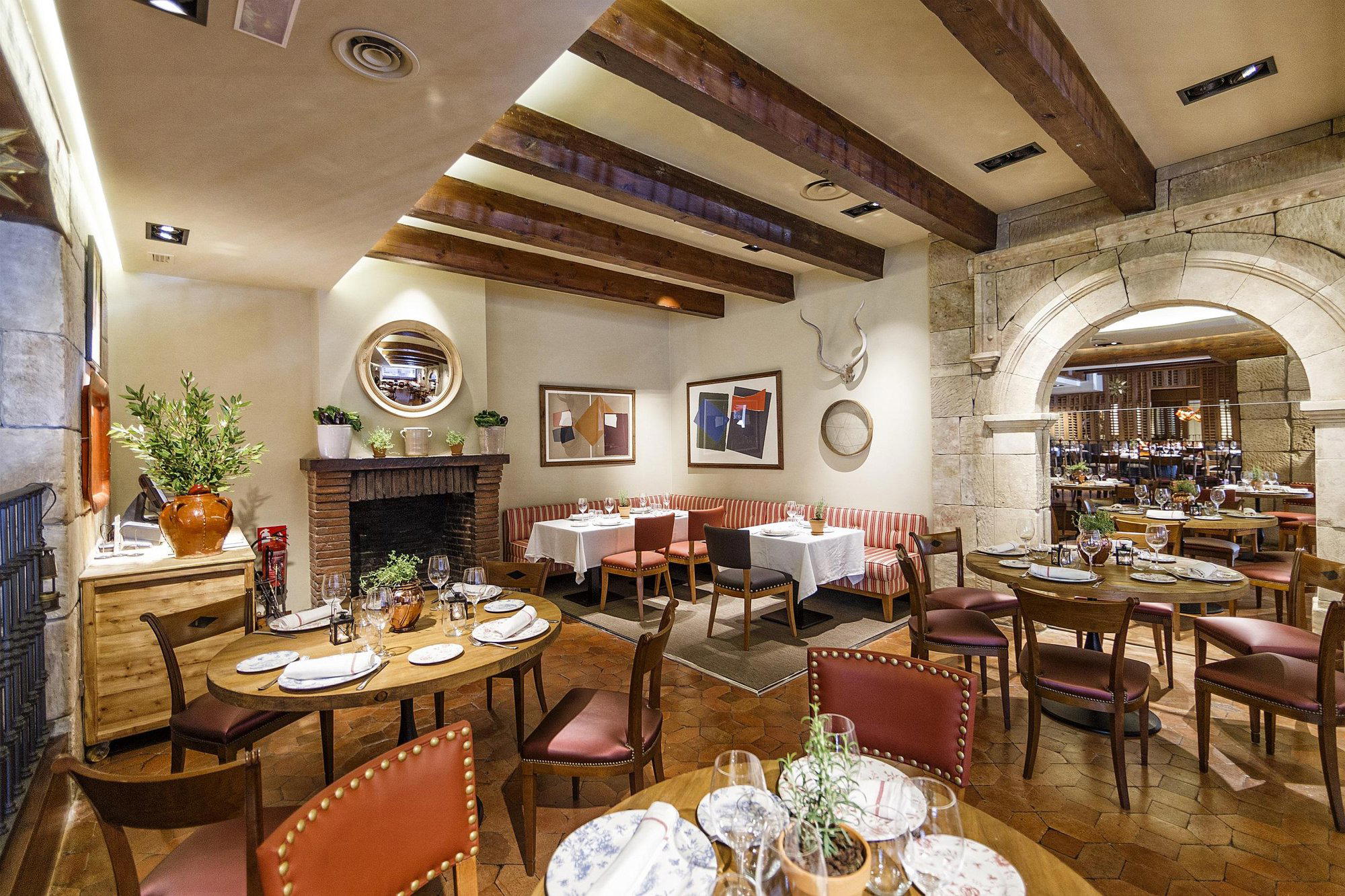
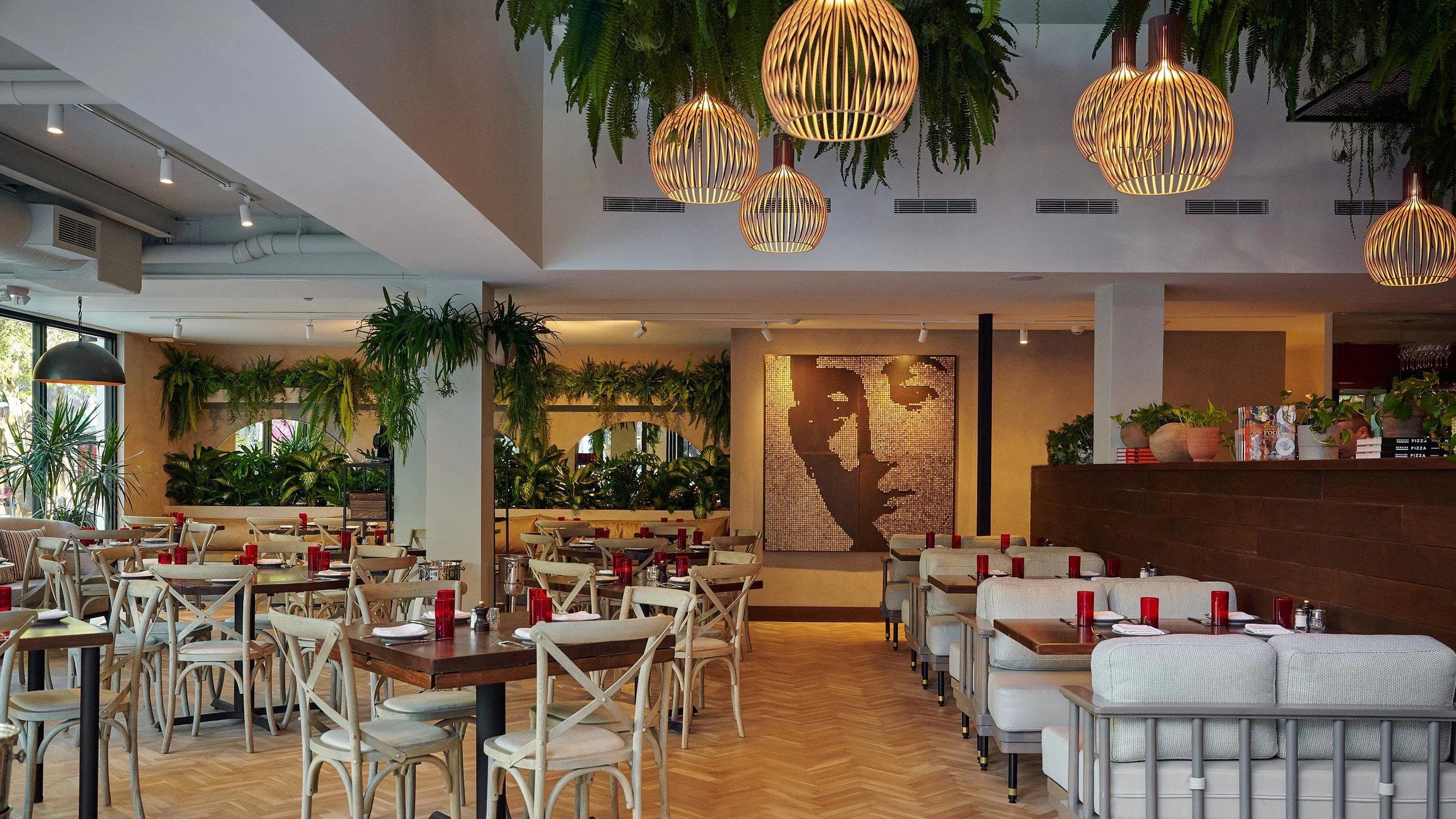
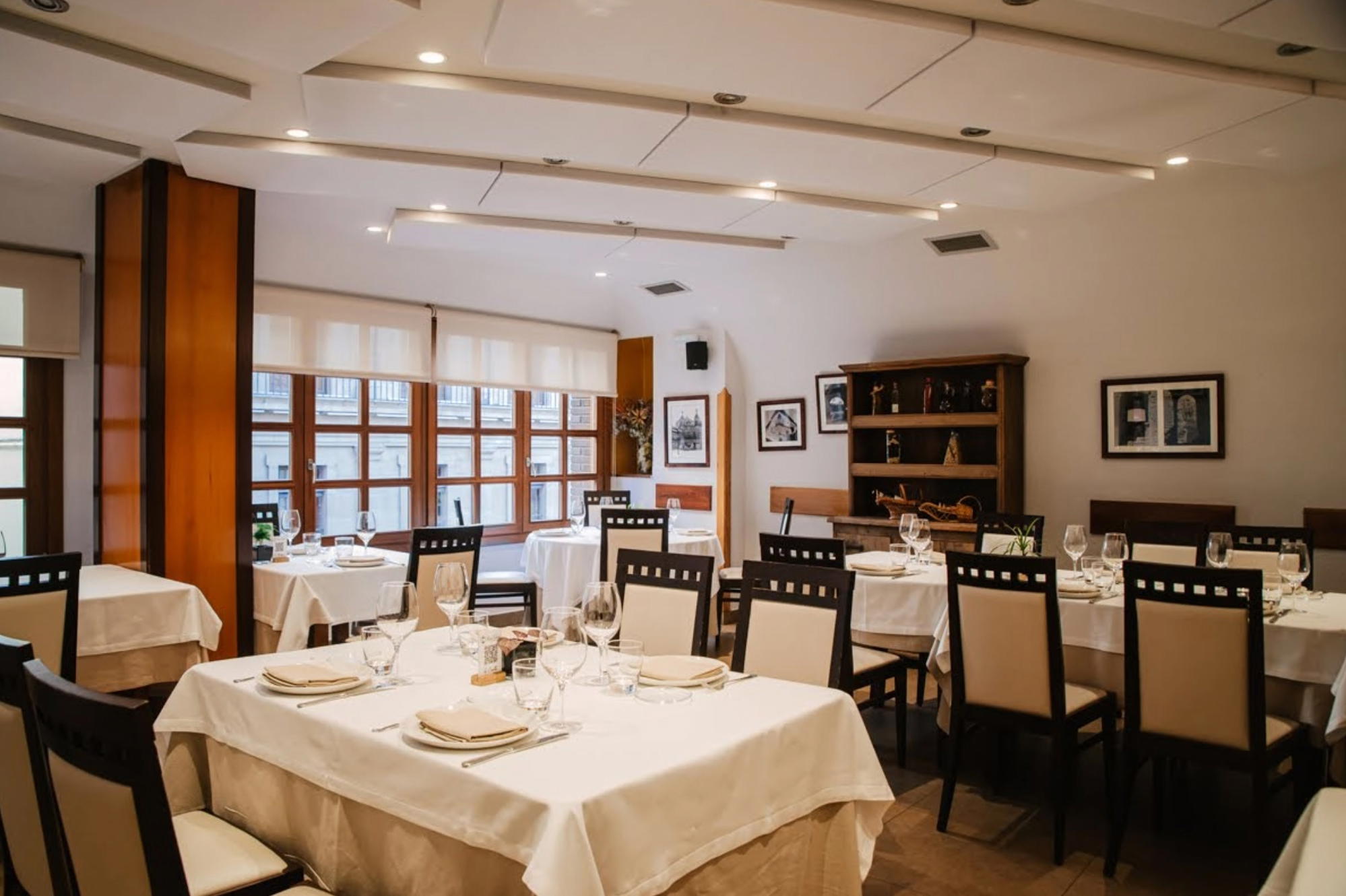
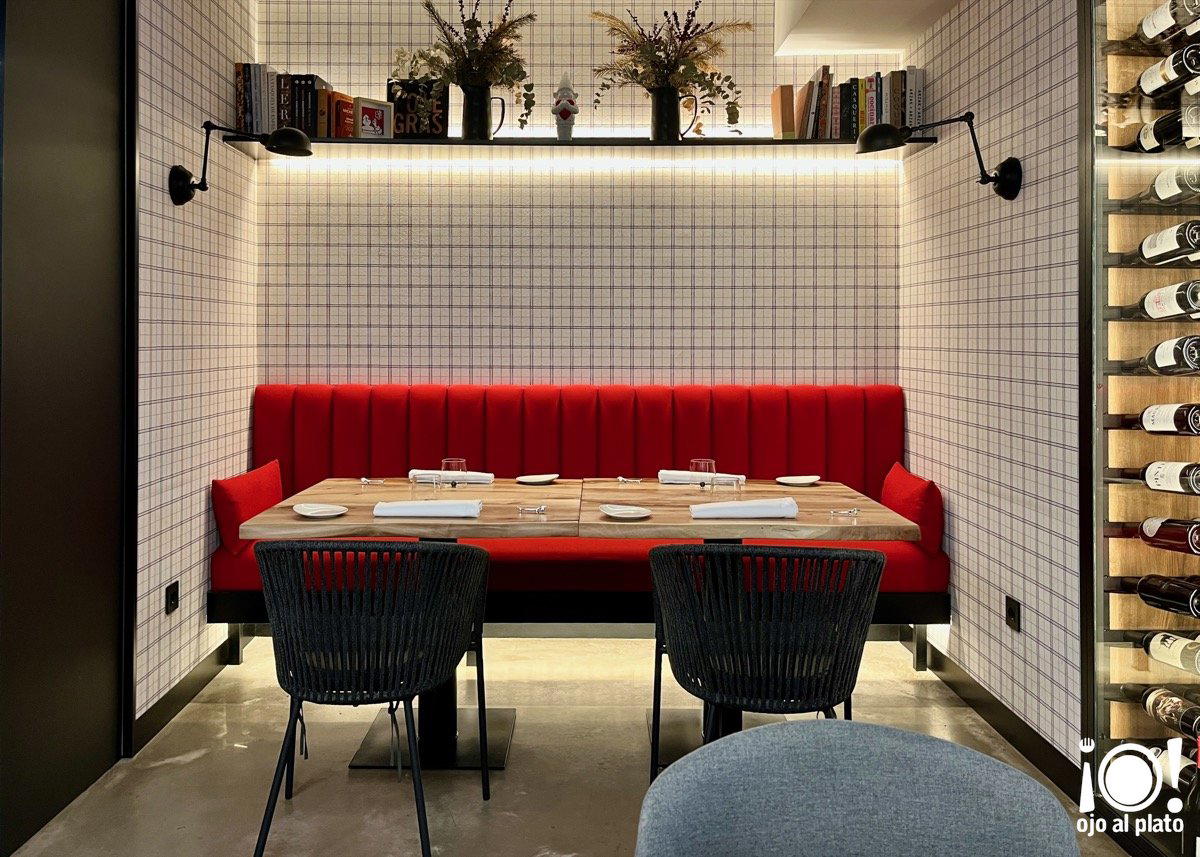
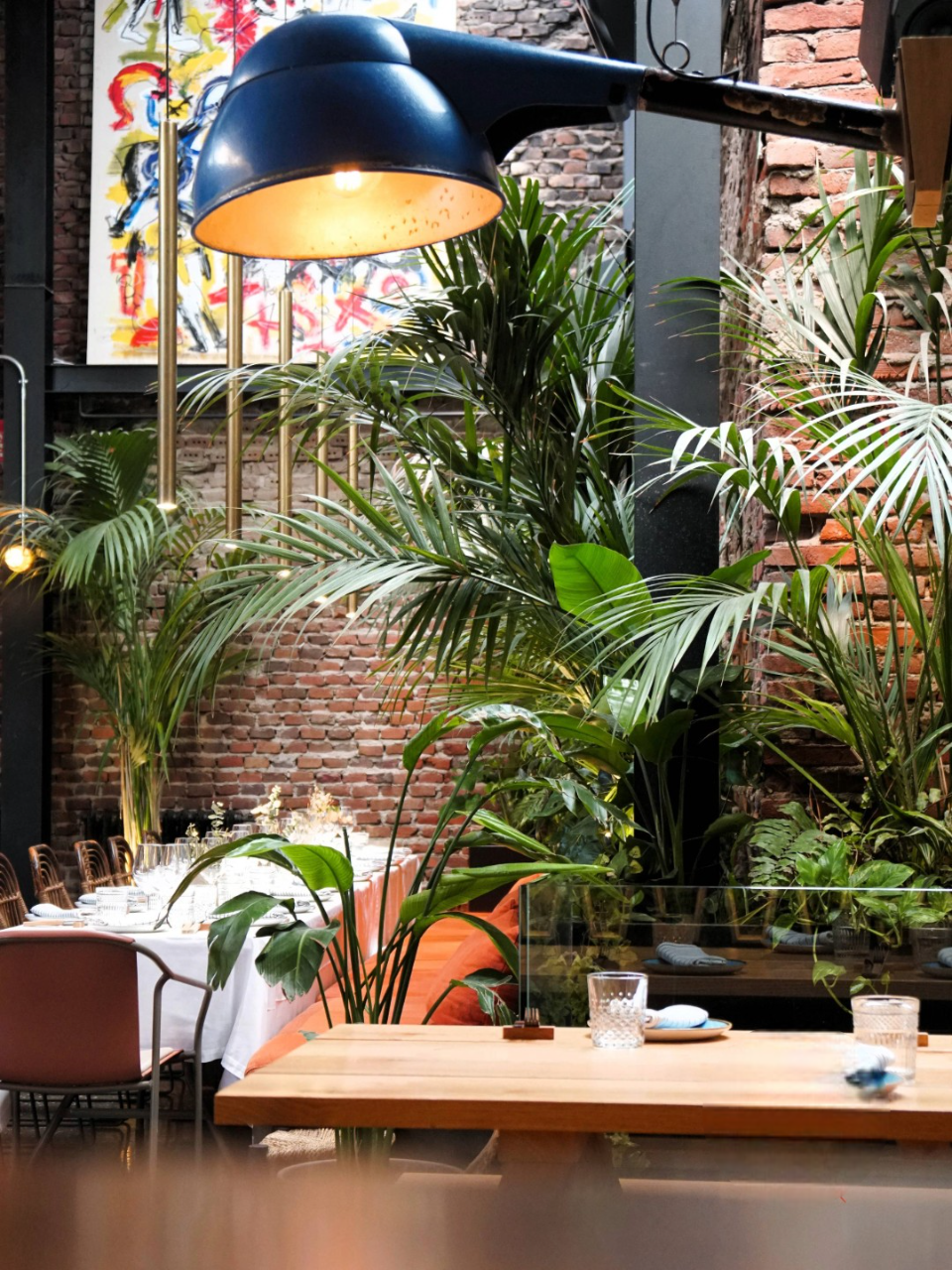
Cozy and comfortable atmosphere with wood-beamed dining room, ample seating corners, and a welcoming, pleasant environment.