Miyabi sits on Avenida 9A in Granada, Cali's most concentrated block of international dining, bringing Japanese culinary tradition into a city far more associated with Pacific Coast seafood and Afro-Colombian cooking. The address alone signals intent: this is a neighbourhood where Cali's professional class tests the range of the city's international table. Booking ahead is advisable, particularly on weekends.
Pearl is the En Primeur Club membership app — saves, bookings, and concierge access live there. Same editors, same standards.
- Address
- Av. 9A #14-34, Granada, Cali, Valle del Cauca, Colombia
- Phone
- +573233738779
- Website
- instagram.com
- Directions
- Get directions
 Saves & bookings on Pearl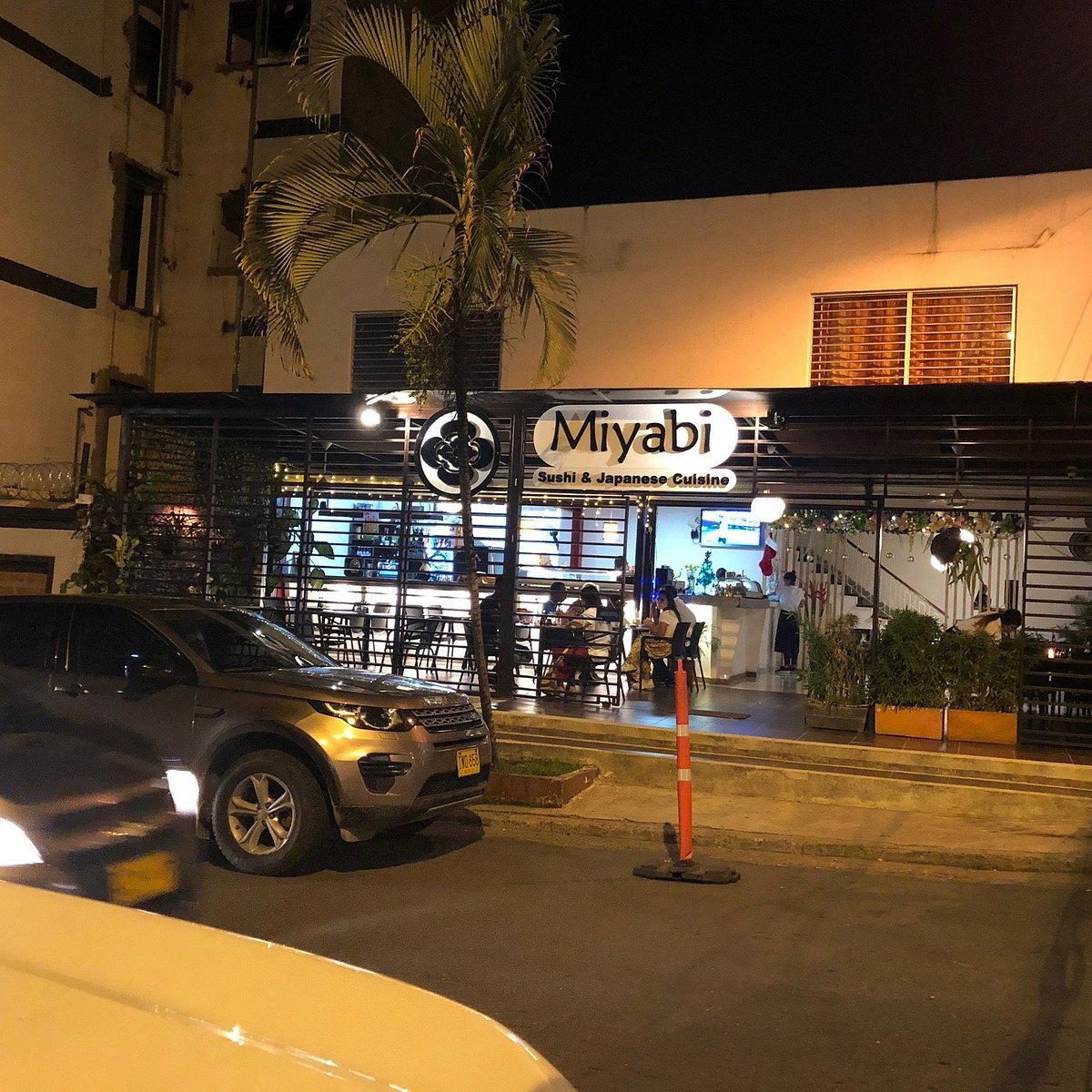
Japanese Precision in a City Built on Different Rhythms
Granada, the tree-lined residential district that anchors Cali's international dining scene, has spent the last decade accumulating a restaurant density that surprises visitors expecting only bandeja paisa and aguapanela. Along Avenida 9A and the cross-streets feeding into it, you find the kind of clustering that signals genuine competitive pressure: Colombian bistros, Spanish-influenced tapas bars, and a growing tier of Asian concepts all competing for the same Friday-night table. Miyabi, at Av. 9A #14-34, occupies that last category, bringing Japanese format and sensibility into a city whose culinary identity was built on entirely different foundations.
The significance of that positioning is worth pausing on. Cali's food culture draws its character from the Valle del Cauca's agricultural wealth, Pacific coast fishing traditions, and the Afro-Colombian cooking that shaped much of the region's most distinctive flavours. Japanese cuisine, by contrast, carries its logic from an entirely different geography: restrained seasoning built around umami depth, protein handled with technical precision, and a philosophy of subtraction rather than addition. When that tradition takes root in a Colombian city, the result is never simple transplantation. It is, at minimum, a negotiation between two different ideas about what a meal should do.
What Japanese Dining Tradition Brings to the Table
Across Latin America, Japanese culinary tradition has found particularly fertile ground, partly because of significant Japanese diaspora communities in Brazil, Peru, and Argentina, and partly because Japanese technique maps interestingly onto local seafood cultures. Peru's Nikkei tradition, which fused Japanese precision with Andean and coastal Peruvian ingredients, is one documented example of that fusion producing something genuinely new rather than merely derivative. Colombia arrived at this conversation later, but cities like Bogotá and Medellín now support serious Japanese-format restaurants that compete on technique rather than novelty. For a sense of how Korean-Japanese high-end dining translates into a Latin American urban context, Atomix in New York City offers a useful reference point for the level of technical rigour the format can demand.
In Cali specifically, the Japanese dining tier is thin enough that each entry into it carries weight simply by existing. The city's restaurant infrastructure, while genuinely strong in its home traditions, has not historically supported the kind of dedicated fish-aging, knife-work specialisation, or long omakase formats that define the upper tier of Japanese dining in Tokyo or even in Lima. What Cali's Granada neighbourhood does offer is an audience with disposable income, genuine curiosity about international formats, and a competitive dining scene that pushes restaurants toward consistency. Those conditions are the necessary substrate for a serious Japanese concept to survive, if not quite the ideal hothouse for one to flourish at its highest register.
Granada's Competitive Frame
Placing Miyabi within Granada's broader dining map clarifies its role. The neighbourhood already supports strong European and Colombian concepts: Domingo and Casa Ibérica represent the kind of chef-led, format-conscious dining that Granada has built its reputation on, while the two Cantina La 15 addresses, one in Granada Cali Norte and one in Ciudad Jardín Cali Sur, anchor the more casual end of the neighbourhood's quality tier. Café Valparaiso Pance extends the neighbourhood's reach further south with a different register entirely.
Within that comparable set, a Japanese restaurant occupies a distinct competitive position. It is not competing directly with Spanish or Colombian formats on ingredient familiarity or cultural comfort. It is instead asking diners to accept a different set of evaluative criteria: the quality of the fish sourcing, the accuracy of rice temperature and seasoning, the discipline of the knife work. Those are harder criteria for a general audience to assess, which means reputation travels more slowly and, once earned, tends to be more durable. Across Colombia, the restaurants that have built the strongest reputations in non-native formats have done so through exactly that kind of patient, technique-first consistency. Debora Restaurante in Bogota and 37 Park in Medellín represent the tier Cali's international dining is working toward.
Cali's Place in Colombia's Broader Dining Conversation
Colombia's restaurant scene, taken nationally, has moved fast over the last decade. Bogotá now carries genuine international weight, Medellín has developed a design-conscious dining culture that attracts food-focused visitors, and Cartagena continues to trade on its tourist infrastructure, supporting a range of formats from LA BRIOCHE Bocagrande to Los Tacos Del Gordo and Crepes and Waffles Centro. Secondary cities like Pereira and Envigado have developed their own credible dining tiers. Even Sincelejo and Santa Marta have restaurants drawing outside attention. Cali, despite its size and economic weight, has been slower to export its dining reputation beyond the country's borders, in part because its strongest culinary traditions are deeply local and not easily packaged for the international gaze. A restaurant like Miyabi, operating in an internationally legible format, plays a small but real role in expanding the frame through which Cali's dining scene is read from outside.
Planning Your Visit
Miyabi is located at Av. 9A #14-34 in Granada, a walkable district where most of the serious dining in Cali's north is concentrated. Granada rewards an evening approach: the neighbourhood's restaurant density means that if one address doesn't work on a given night, alternatives are within a short walk. For anyone routing through Colombia more broadly, the comparison with what Andrés Carne de Res in Chia does at the populist end of the national dining spectrum, versus what Granada's more refined tier is attempting, makes the city's internal range clearer.
Pricing, Compared
Comparable venues nearby, for context on price, style, and recognition.
| Venue | Cuisine | Price | Notes |
|---|---|---|---|
| MiyabiThis venue — the venue you are viewing | Barrio Granada, Japanese Sushi | $$ | Not listed |
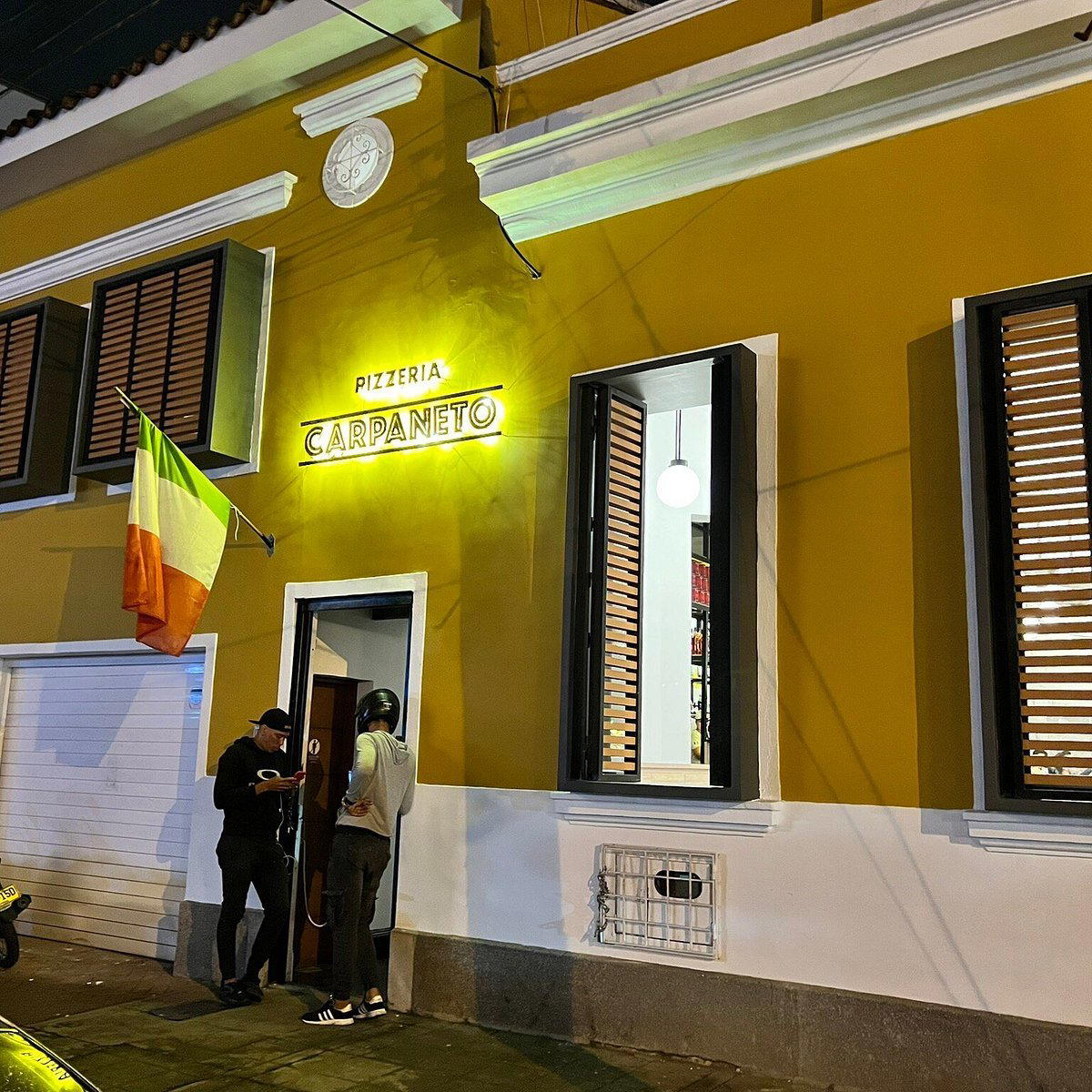
| Pizzeria Carpaneto Granada Cali | Granada, Authentic Neapolitan Pizza | $$ | Not listed |
| Domingo | San Antonio, Modern Pacific Colombian | $$$ | Not listed |
| Cantina la 15 Ciudad Jardín Cali Sur | Ciudad Jardín, Modern Mexican Cantina | $$$ | Not listed |
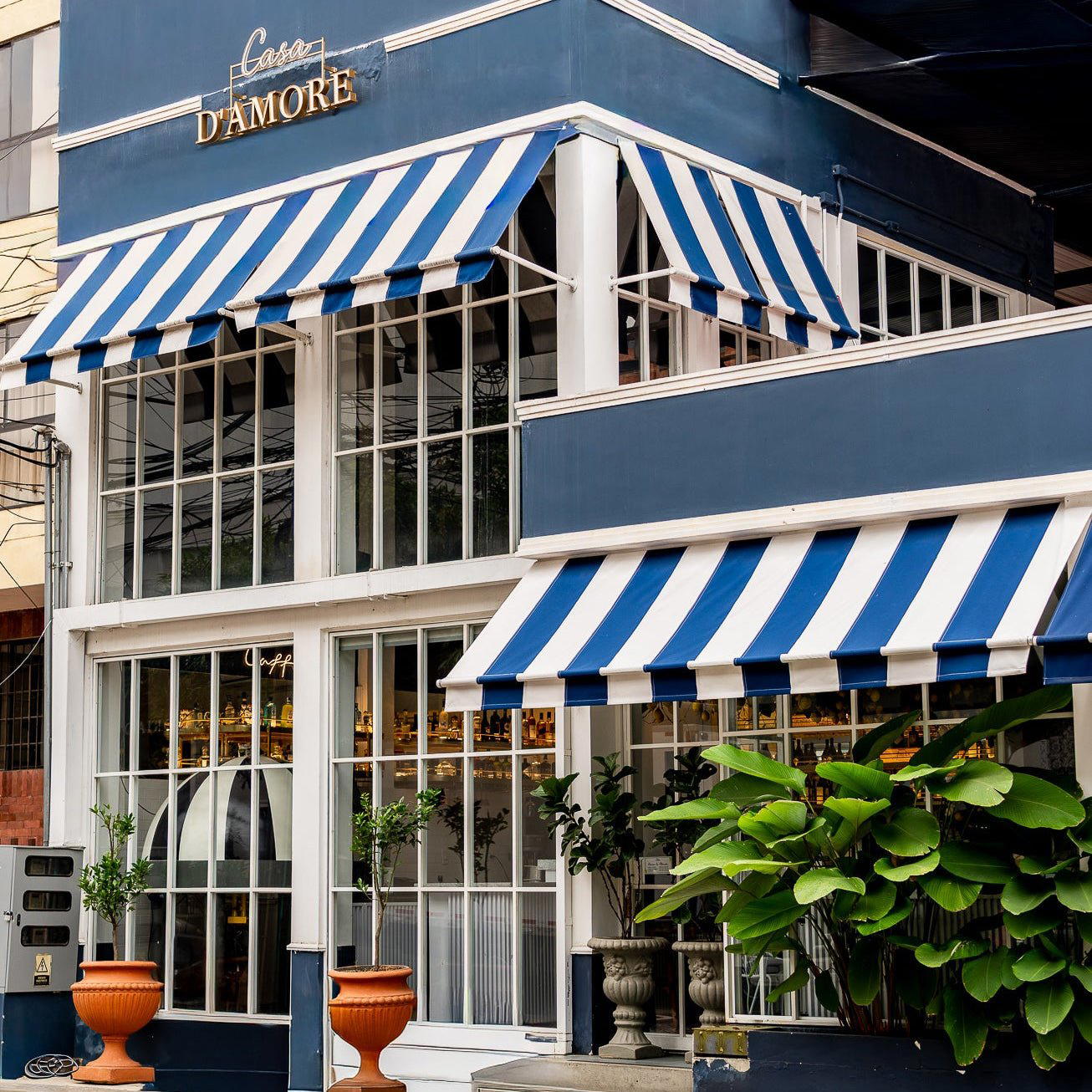
| Casa Ibérica | Not listed | $$$ | Peñón, Authentic Spanish Tapas and Paella |
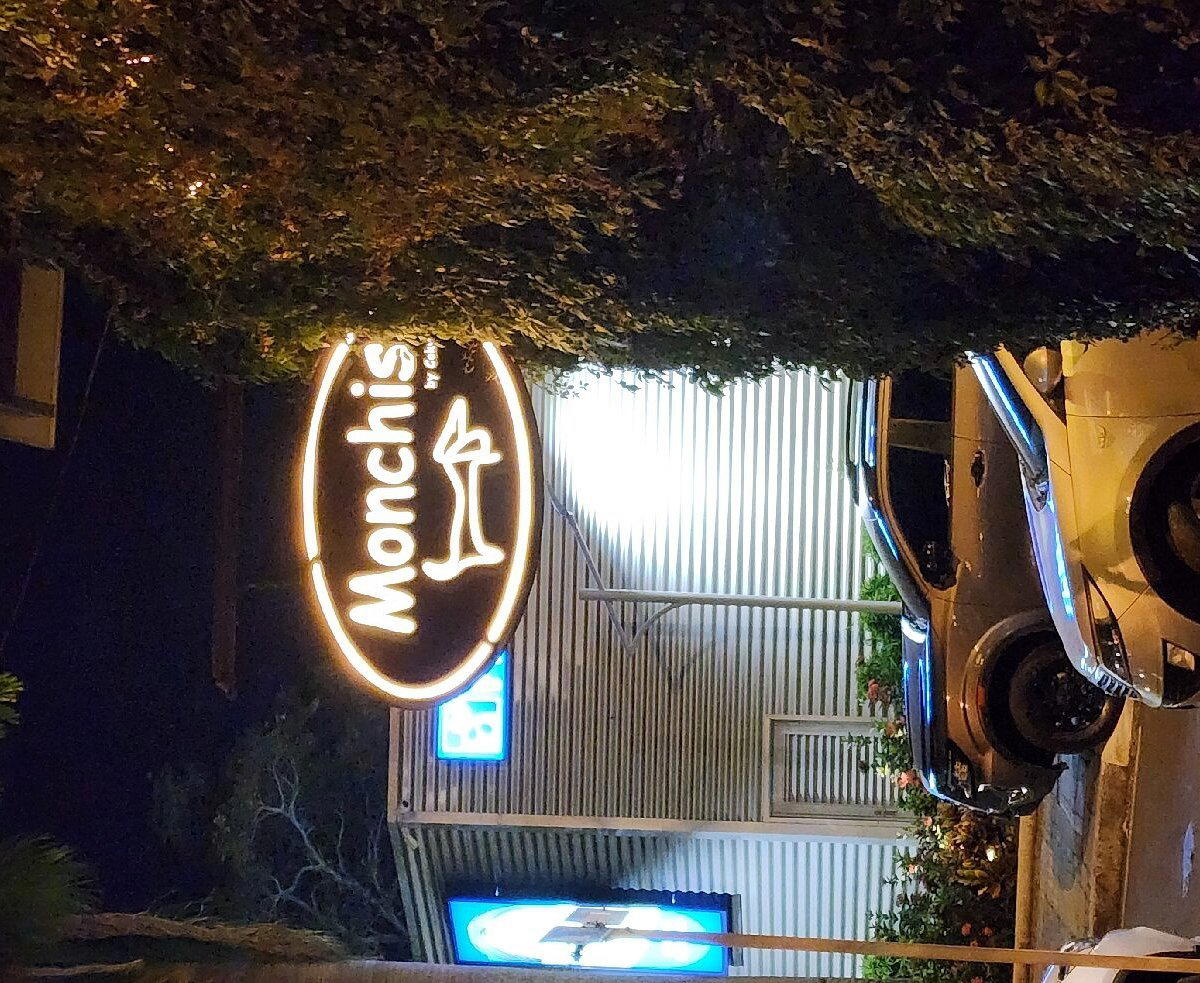
| Monchis by Coky | Not listed | $$ | Granada, Mediterranean Fusion with Barbecue |
Continue exploring
More in Cali
Restaurants in Cali
Browse all →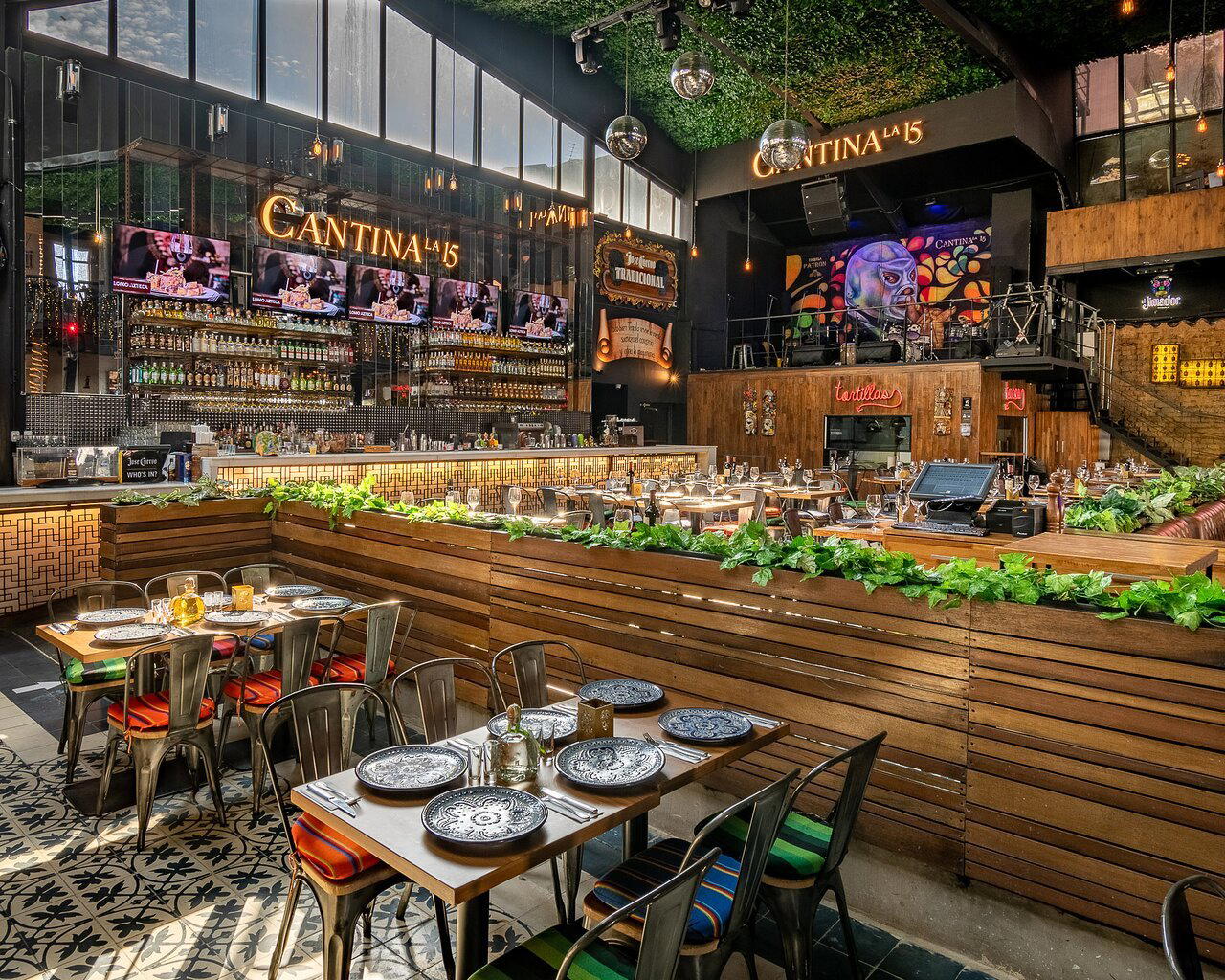

At a Glance
- Cozy
- Intimate
- Casual Hangout
- Terrace
Current opening hours
- Monday
- Closed
- Tuesday
- 12–3 PM, 6–9:30 PM
- Wednesday
- 12–3 PM, 6–9:30 PM
- Thursday
- 12–3 PM, 6–9:30 PM
- Friday
- 12–3 PM, 6–10:30 PM
- Saturday
- 12–3 PM, 6–10:30 PM
- Sunday
- Closed
Hours can change for holidays and private events. Last verified .
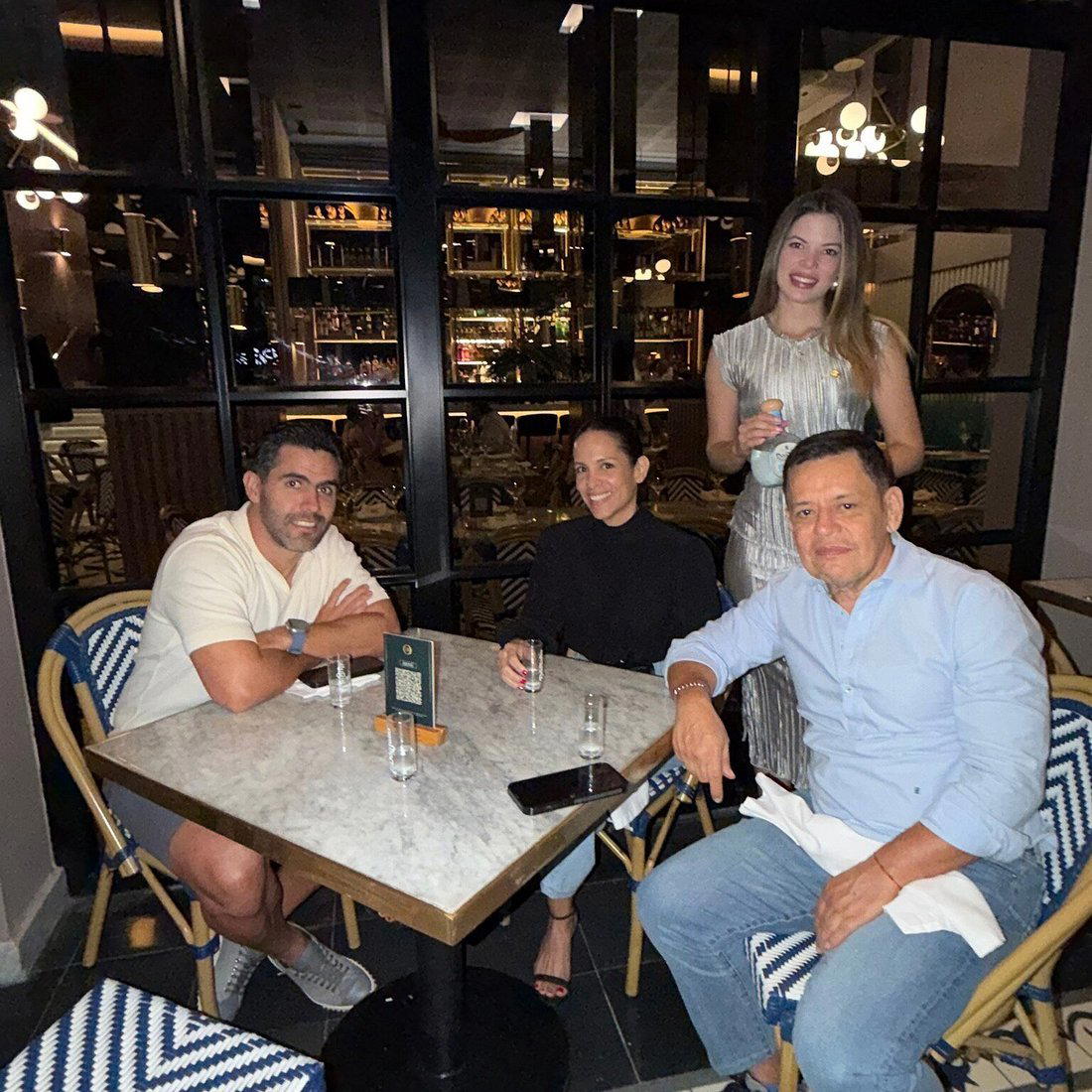
Casual and comfortable with cozy terrace seating and nice atmosphere.