Cantina la 15 Ciudad Jardín Cali Sur sits in the Cañasgordas district on the southern edge of Cali, operating within the cantina format that has anchored working-class Colombian social life for generations. The address on Calle 18 places it at a remove from the tourist-facing dining corridors of Granada and El Peñón, making it a reference point for the neighbourhood's own residents rather than the city's visiting crowd.
Pearl is the En Primeur Club membership app — saves, bookings, and concierge access live there. Same editors, same standards.
- Address
- Cl. 18 #106 42, Cañasgordas, Cali, Valle del Cauca, Colombia
- Phone
- +573009133447
- Website
- cantinala15.com
- Directions
- Get directions
 Saves & bookings on Pearl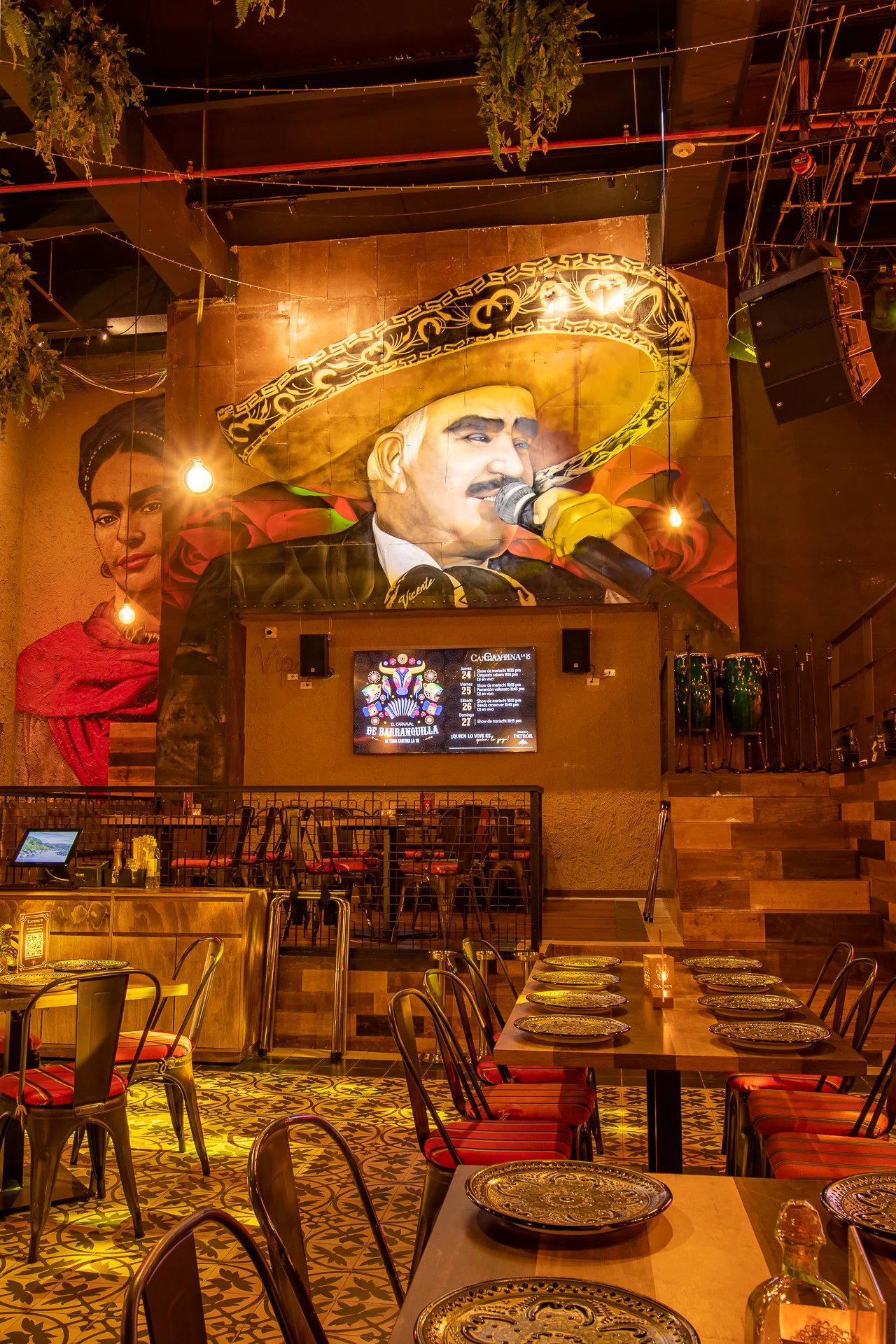
The Cantina Tradition and What It Means in Cali's Southern Neighbourhoods
The cantina is one of the oldest social institutions in Colombian urban life, and in a city like Cali it carries particular weight. Unlike the more curated restaurant formats that have multiplied in the northern districts, the cantina operates on the logic of the barrio: it serves the street it stands on, at hours that match the rhythms of working-day Cali, with food and drink calibrated to daily return rather than single-occasion dining. Cantina la 15 Ciudad Jardín Cali Sur is a Modern Mexican Cantina in Cali, Valle del Cauca, with. It sits inside that tradition rather than at a self-conscious distance from it.
Cañasgordas is south of the city's commercial centre, removed from the restaurant corridors in Granada and El Peñón that draw most of the editorial attention Cali receives. That separation is not incidental. The southern residential stretch of Cali, running through Ciudad Jardín and into Cañasgordas, developed its own dining and social fabric largely independent of the northern scene. Cantina formats in this part of the city are neighbourhood anchors rather than destination venues, which changes the kind of experience they are built to deliver.
The Cali Cantina in Colombian Dining Culture
To understand the cantina as a format, it helps to place it against the broader arc of Colombian informal dining. The country's most discussed restaurants in recent years have trended toward tasting menus, coastal ingredient sourcing, and chef-led narratives. You can see that direction in places like Debora Restaurante in Bogota or the Pacific-coast inflected cooking at Sevichería Guapi in Santiago De Cali. The cantina sits at the opposite end of that spectrum: its cultural authority comes not from innovation but from consistency, familiarity, and a pricing logic that makes daily use viable for the people who live within walking distance.
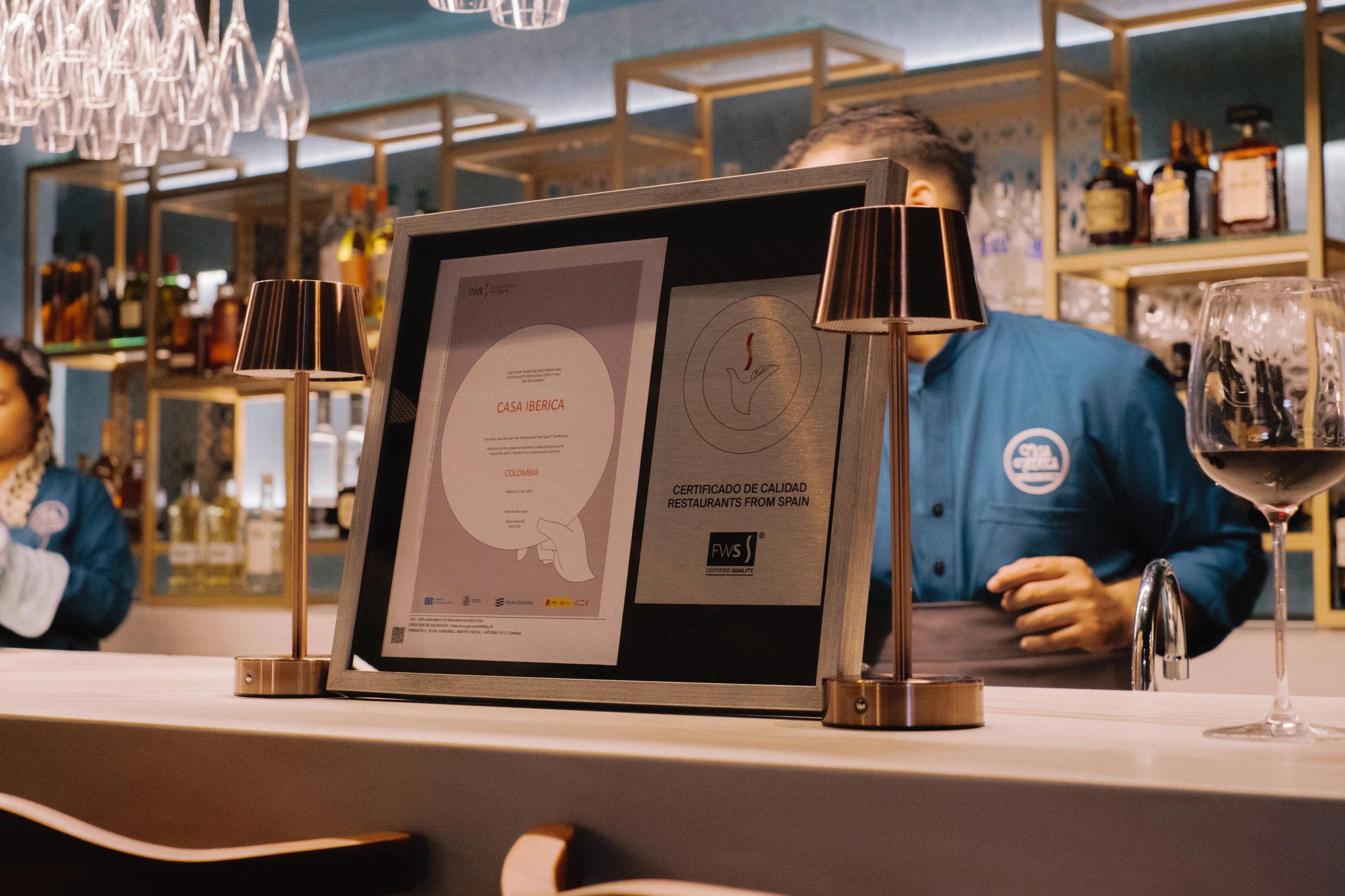
In Cali specifically, the cantina tradition intersects with the city's deep culinary identity around Valle del Cauca cooking: sancocho, aborrajados, lulada, cholado, and the various preparations built on corn, plantain, and pork that define the regional table. These dishes do not require fine-dining framing to be taken seriously. They carry their own historical weight, and the cantina is the format that has preserved them most consistently across generations of caleño life. For a different register of Cali dining, Domingo and Miyabi represent the city's upward-reaching contemporary side, while Café Valparaiso Pance and Casa Ibérica occupy a different niche again. Cantina la 15 Ciudad Jardín Cali Sur is, by design, none of those things.
The Cantina La 15 Network in Cali
The La 15 name appears in more than one location across the city. Cantina La 15 Granada Cali Norte operates in the northern district, which has a notably different demographic character and a different relationship to the restaurant economy. The existence of multiple locations under the same cantina name is itself a marker in Colombian urban dining: it signals that the format has achieved enough recognisability within a local community to sustain replication without repositioning toward a formal chain identity. These are not franchise operations in the conventional sense. They are neighbourhood cantinas that share a name and, presumably, a set of shared expectations around format and pricing, while remaining embedded in their specific barrio contexts.
The southern Ciudad Jardín location carries its own geographic logic. This is a residential district where the demand for daily lunch service, early evening drinking, and direct Colombian cooking is consistent and structural rather than driven by tourism or nightlife. The Calle 18 address in Cañasgordas places the venue within a densely inhabited urban fabric, which is exactly where the cantina format performs leading. For context on how Colombian dining varies by city, Donde Mama in Barranquilla and BK - BURUKUKA Restaurante Bar in Santa Marta illustrate how differently coastal cities frame their informal dining traditions relative to Cali's inland, Valle del Cauca-rooted approach.
What Draws People to This Part of Cali
Visitors who arrive in Cali through the usual editorial channels tend to orient around the Zona Rosa, San Antonio, or the salsa venues of Juanchito. The southern residential belt attracts a different kind of attention: people who either live in Ciudad Jardín, work in the surrounding area, or are actively looking for dining that sits outside the curated visitor circuit. The cantina in this context is a social space as much as a food destination. In Cali's salsa culture, the cantina and the bar occupy overlapping roles, and the city's rhythm of late afternoons, evening gatherings, and extended Saturday lunches maps directly onto what the cantina format offers.
Colombia's wider dining scene has attracted growing international interest. Restaurants like Harry Sasson in Bogotá, Andrés Carne de Res in Chia, and X.O. in Medellín represent the country's more theatrical and internationally visible dining formats. Closer in spirit to the cantina model are the neighbourhood-rooted operations in secondary commercial areas, where the measure of a place is whether the table next to you has been coming for years, not whether the venue appears in a travel feature. For readers comparing across price brackets globally, the contrast with tasting-menu formats at places like Le Bernardin in New York City or Lazy Bear in San Francisco is not a hierarchy but a reminder that the cantina format operates according to entirely different measures of success.
Planning a Visit
Specific hours are Tue 6 PM to 12 AM, Wed 6 PM to 1 AM, Thu 6 PM to 2 AM, Fri 6 PM to 3 AM, Sat 6 PM to 3 AM, and Sun 6 PM to 12 AM; the venue is closed on Monday. Reservations are recommended. Reservations are recommended. The Calle 18 address in Cañasgordas is accessible from the main Ciudad Jardín thoroughfares. The cantina does not compete with any of those venues. It answers a different question entirely: where does the neighbourhood eat on a Tuesday?
Pricing, Compared
Comparable venues nearby, for context on price, style, and recognition.
| Venue | Cuisine | Price | Notes |
|---|---|---|---|
| Cantina la 15 Ciudad Jardín Cali SurThis venue — the venue you are viewing | Ciudad Jardín, Modern Mexican Cantina | $$$ | Not listed |
| Cantina La 15 Granada Cali Norte | Granada, Contemporary Mexican | $$$ | Not listed |
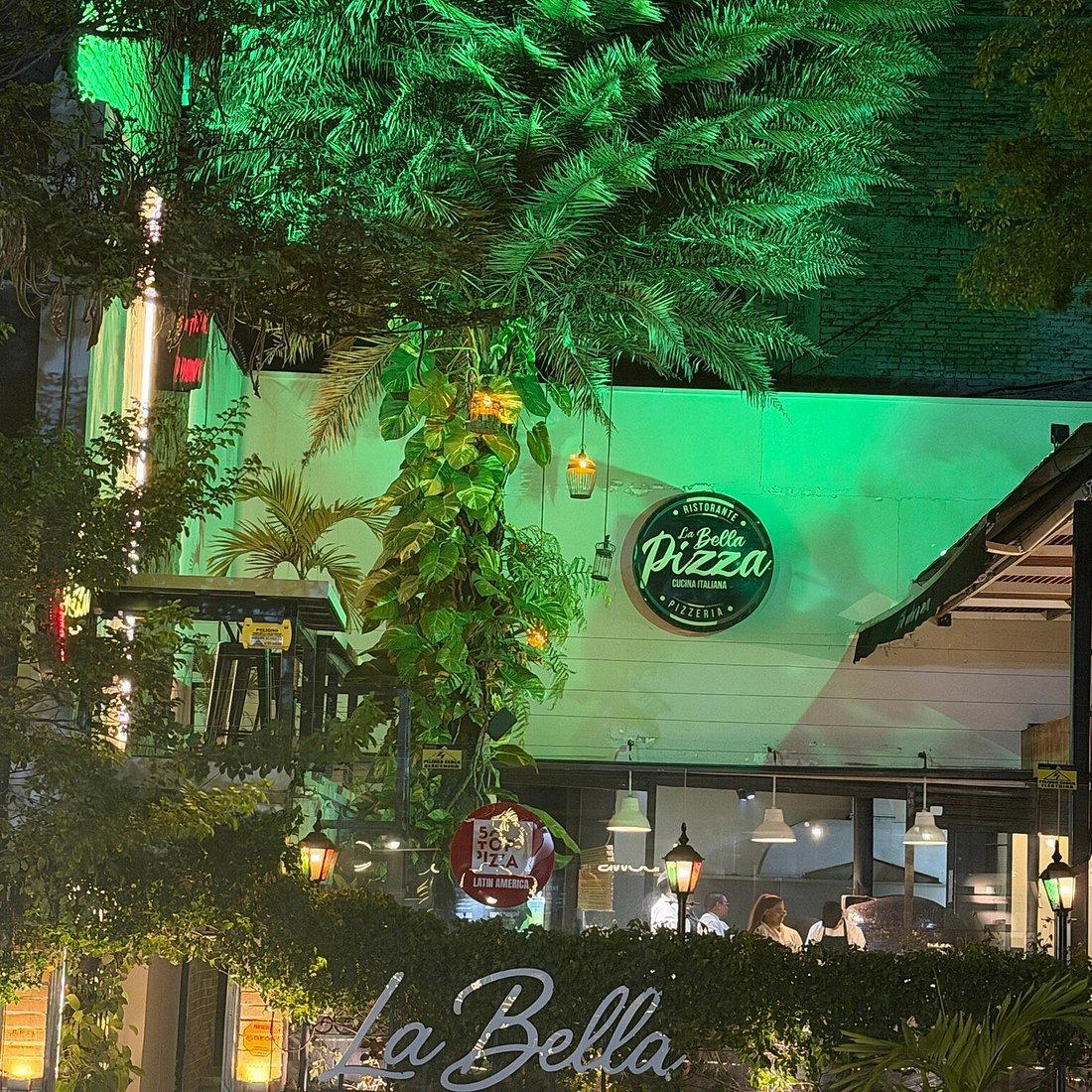
| La Bella Pizza | Pizza | Not listed | Not listed |
| Platillos Voladores | Not listed | $$$ | Centenario, Modern Colombian Seafood Fusion |
| Monchis by Coky | Not listed | $$ | Granada, Mediterranean Fusion with Barbecue |
| Café Valparaiso Pance | Pance, Latin Pizza Cafe | $$ | Not listed |
Continue exploring
More in Cali
Restaurants in Cali
Browse all →
At a Glance
- Lively
- Energetic
- Trendy
- Group Dining
- Celebration
- Date Night
- Late Night
- Live Music
- Craft Cocktails
Current opening hours
- Monday
- Closed
- Tuesday
- 6 PM–12 AM
- Wednesday
- 6 PM–1 AM
- Thursday
- 6 PM–2 AM
- Friday
- 6 PM–3 AM
- Saturday
- 6 PM–3 AM
- Sunday
- 6 PM–12 AM
Hours can change for holidays and private events. Last verified .
Colorful decor with festive lighting creates a joyous, fiesta-like atmosphere enhanced by live music including mariachi, salsa, and Latin standards.