

Condé Nast Johansens Best Restaurant · Relais Chateaux Award
Our verdict
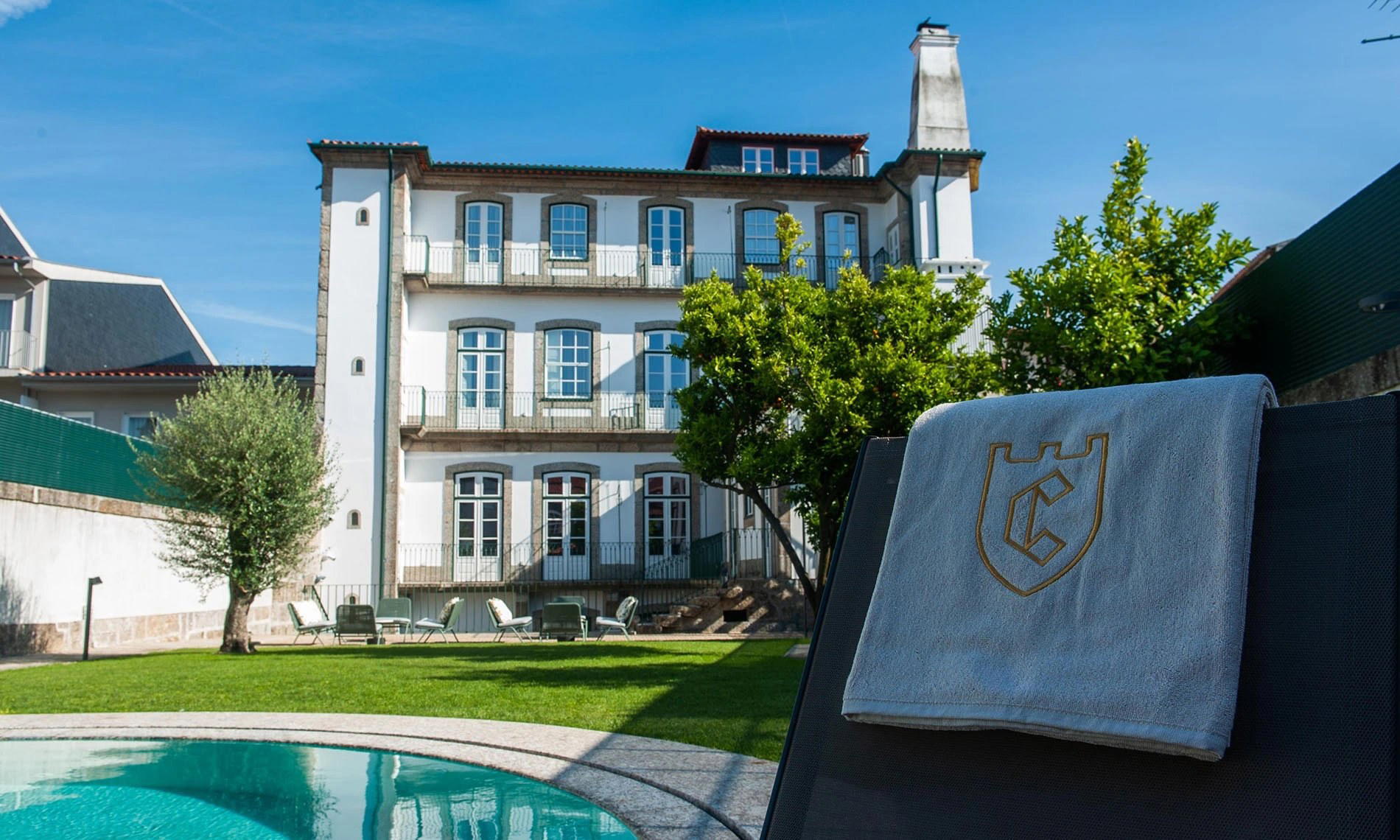
A 16th-century manor on the banks of the Tâmega, Casa da Calçada places Amarante's layered history at the centre of its dining proposition. Chef Tiago Bonito works within a baroque setting that also operates as a Vinho Verde producer, giving the table a direct connection to the surrounding Minho terroir.

Pearl is the En Primeur Club membership app, where members save venues, book tables and use the concierge.
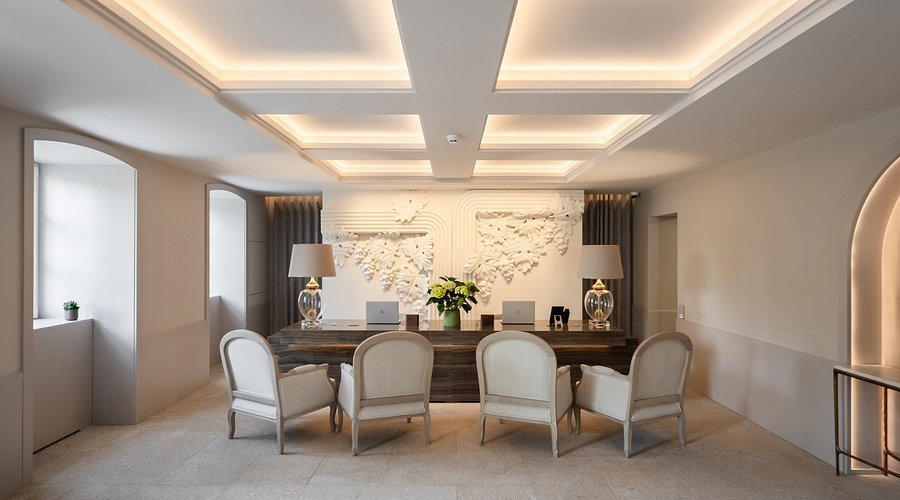
Where Baroque Architecture Meets the Tâmega Table
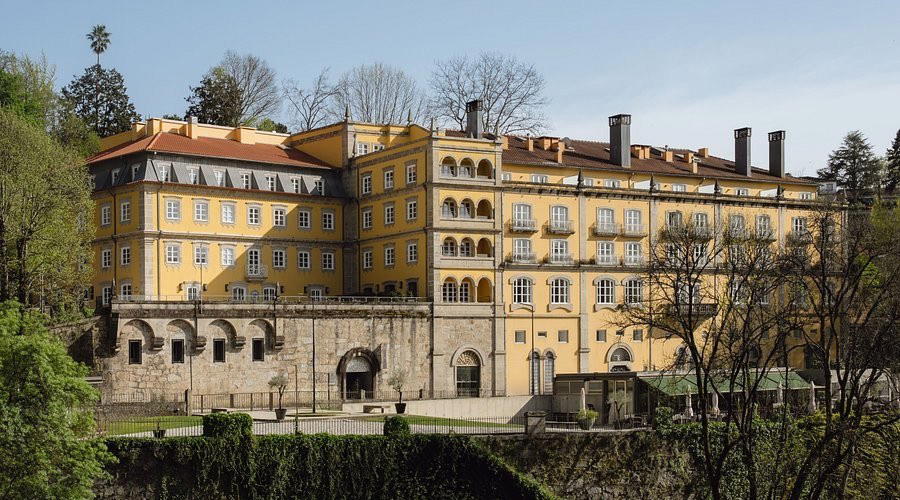
The approach to Casa da Calçada sets the terms immediately. The main gate sits opposite the bridge that spans the Tâmega river in central Amarante, a 16th-century manor house rising behind it in the kind of composed, weathered grandeur that no restoration project can fully replicate. The building's baroque bones, thick stone walls, formal courtyards, layered ornamental detail, frame the dining experience before a single dish arrives. In northern Portugal, where historic quintas increasingly double as hospitality anchors, this is one of the more architecturally persuasive settings on the circuit.
Amarante itself occupies a particular position in the geography of serious Portuguese dining. It sits roughly 60 kilometres east of Porto along the A4 motorway, far enough from the city to feel like a destination in its own right, close enough that a Porto-based itinerary can absorb it without strain. The nearest train station is at Livração, 16 kilometres away, which in practice makes a private car the sensible option for most visitors. Those flying into Porto International can reach the property in under an hour; Lisbon Portela sits at approximately 380 kilometres, making it a longer but manageable connection for travellers routing through the capital.
Chef Tiago Bonito and the Logic of Place
In the broader context of Portuguese fine dining, the most interesting chefs working outside Lisbon and the Algarve are those who have chosen to anchor their cooking in a specific regional identity rather than importing a generic contemporary-European vocabulary. Belcanto in Lisbon and Vila Joya in Albufeira operate at Michelin two-star level with deliberately cosmopolitan ambitions. Antiqvvm in Porto and Casa de Chá da Boa Nova in Leça da Palmeira each build outward from a strong sense of place. Casa da Calçada, with Chef Tiago Bonito in the kitchen, belongs to this second tradition.
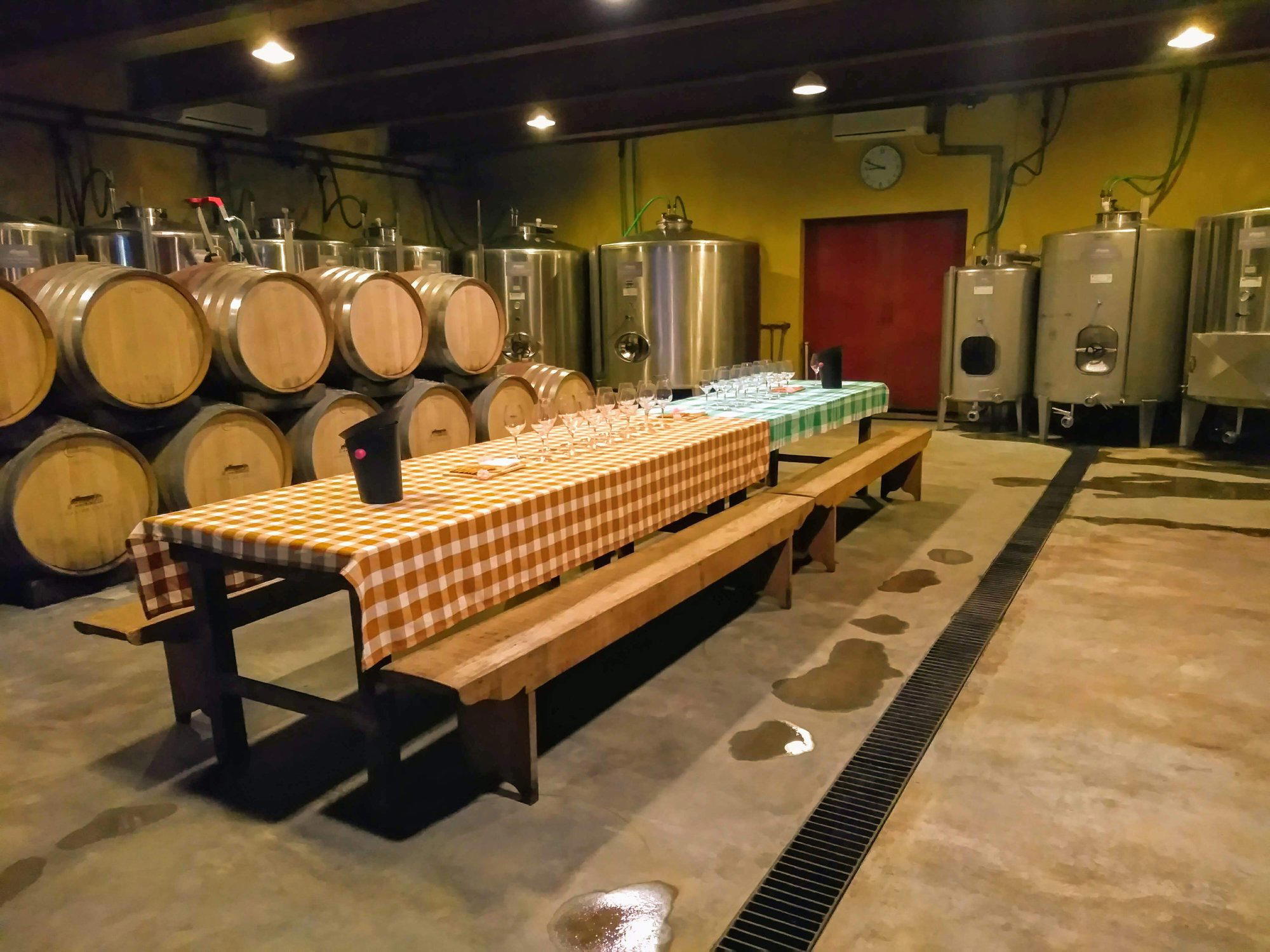
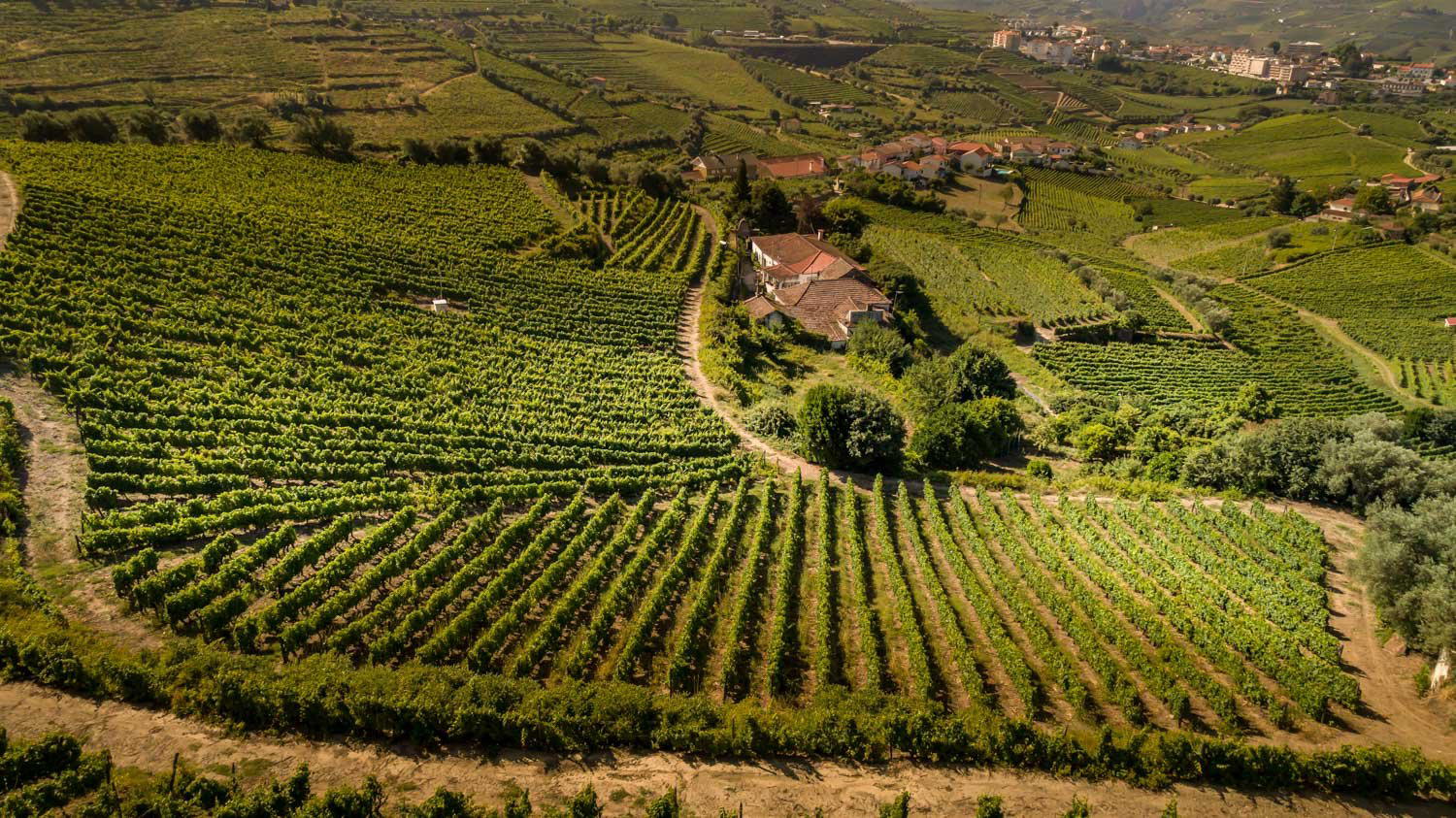
What distinguishes Bonito's position is the directness of the local supply chain. The property itself produces Vinho Verde, which means the wine poured at the table shares provenance with the land immediately surrounding it. That vertical integration, estate winery feeding directly into the restaurant, is relatively rare even among Portugal's grand manor-house properties, and it gives the table an argument that is geographic rather than merely gastronomic. The Minho region's Vinho Verde appellation runs predominantly on indigenous varieties, and the mineral, lower-alcohol profile of the wines from this latitude pairs differently to southern Portuguese bottles, shaping the structure of a meal here in ways that imported wine lists cannot replicate.
For comparative context, consider how The Yeatman in Vila Nova de Gaia uses its position within the Port wine world to anchor its dining identity, or how Il Gallo d'Oro in Funchal uses Madeiran produce as a structural argument. Estate-driven wine programs operating in tandem with serious kitchens represent a distinct tier within Portuguese hospitality, and Casa da Calçada belongs to that conversation.
The Setting as Evidence
The architecture here is not incidental décor. A 16th-century building in this condition carries four centuries of accumulated Portuguese domestic and ecclesiastical influence, and Amarante itself has a documented history that includes one of the more significant episodes of the Peninsular War. The town's baroque church of São Gonçalo sits nearby, and the streetscape around Largo do Paço, the square that gives the property its address, reads as a coherent fragment of pre-industrial northern Portuguese urbanism. Dining inside that frame is different from dining in a purpose-built restaurant, and the leading baroque-setting properties in Portugal understand that the room should not compete with the architecture but work alongside it.
Among the other serious restaurants operating in this part of Portugal's dining map, A Cozinha in Guimarães represents the historic-town-as-dining-destination model at a high level, holding Michelin recognition while working within a similarly dense urban heritage context. Casa da Calçada's position in Amarante carries analogous weight, with the added dimension of the hotel and winery operation giving it greater structural depth as a full-stay proposition. Largo do Paço (Portuguese Traditional), also in Amarante, represents the town's broader restaurant offer for those mapping the full local dining circuit.
Ratings and the Northern Portugal Context
In EP Club's own assessment framework, the property carries a 4.8 member rating, aligning closely with the public record.
For calibration: Ocean in Porches and A Ver Tavira in Tavira represent the southern end of Portugal's serious dining geography. The northern circuit, anchored by Porto and extending into the Minho and Douro sub-regions, has historically received less international attention despite carrying comparable culinary and architectural depth. Properties like Casa da Calçada benefit from that relative imbalance: less competition for reservations, more direct engagement with the locality, and a guest mix that skews toward travellers who have made a deliberate choice rather than following the path of least resistance.
Planning a Visit
Getting to Amarante from Porto means approximately 60 kilometres on the A4 motorway, exiting at junction 17 (Amarante Este), then following signs toward Amarante Centro and the Parque Forestal. The main gate is directly opposite the river bridge, and GPS coordinates 41.2684, -8.0798 will bring you to the property without ambiguity. Those approaching from Lisbon face a 380-kilometre drive, which in practice means most southern-based visitors will combine Casa da Calçada with a Porto itinerary rather than treating it as a standalone destination.
The full picture of what Amarante offers beyond the restaurant is worth considering before booking. Our full Amarante hotels guide, bars guide, wineries guide, and experiences guide map the wider town offer, while our full Amarante restaurants guide positions Casa da Calçada within the local dining context. For those building a broader northern Portugal itinerary, the comparison set extends across to Al Sud in Lagos, A Taberna da Rua das Flores in Lisbon, and further afield to Albergue 1601 in Macau for travellers tracking Portuguese culinary identity across geographies.
Frequently asked questions
What's Casa da Calçada's location?
Casa da Calçada is located at Largo do Paço 6, 4600-017 Amarante, Portugal, Amarante.
Who is the chef connected to Casa da Calçada?
The chef associated with Casa da Calçada is Tiago Bonito.
At-a-Glance Comparison
Comparable venues nearby, for context on price, style, and recognition.
| Venue | Cuisine | Price | Awards | Notes |
|---|---|---|---|---|
| Casa da CalçadaThis venue (the venue you are viewing) | Modern Portuguese Mediterranean Fine Dining | $150–200 | Condé Nast Johansens Best Restaurant · Relais Chateaux Award | Not listed |
| Largo do Paço | Modern Mediterranean with Portuguese influences | Not listed | 1 Michelin Star · Wine Spectator Best of Award of Excellence | Amarante |
| Canto Redondo | Portuguese Fine Dining | Not listed | Relais Chateaux Award | Largo do Paço / Casa da Calçada |
| Casa de Chá da Boa Nova | Modern Portuguese Seafood | $50–100 | 2 Michelin Stars · La Liste Top Restaurants | Leça da Palmeira |
| Terraçu's | Douro Valley Fine Dining | Not listed | Relais Chateaux Award | Covas do Douro |
| Restaurant The Vale de Abraao | Portuguese Farm-to-Table | $100–150 | We're Smart World 1 Radish | Samodães |
Recognition history
Dated appearances from independent guides and award organizations, with the underlying list record or original source where available.
Condé Nast Johansens Best Restaurant
Condé Nast Johansens
Relais Chateaux Award
Relais Chateaux
Continue exploring
More in Amarante
Restaurants in Amarante
All restaurants in Amarante →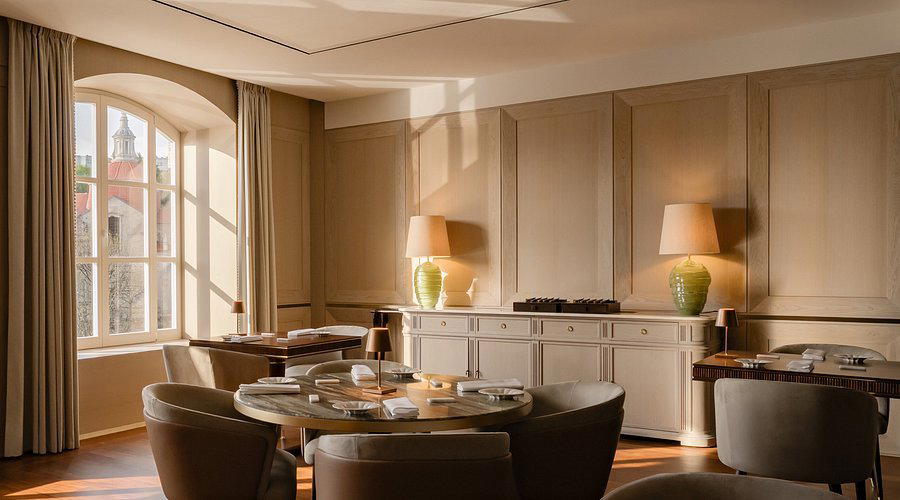
Bars in Amarante
Browse all →

Casa da Calçada
The wine
- Wine program
- Deep wine list
- Extensive wine list
Details
- Elegant
- Sophisticated
- Romantic
- Cozy
- Scenic
- Special Occasion
- Date Night
- Celebration
- Historic Building
- Hotel Restaurant
- Extensive Wine List
- Local Sourcing
- Garden
- Tasting Menu
- Wine
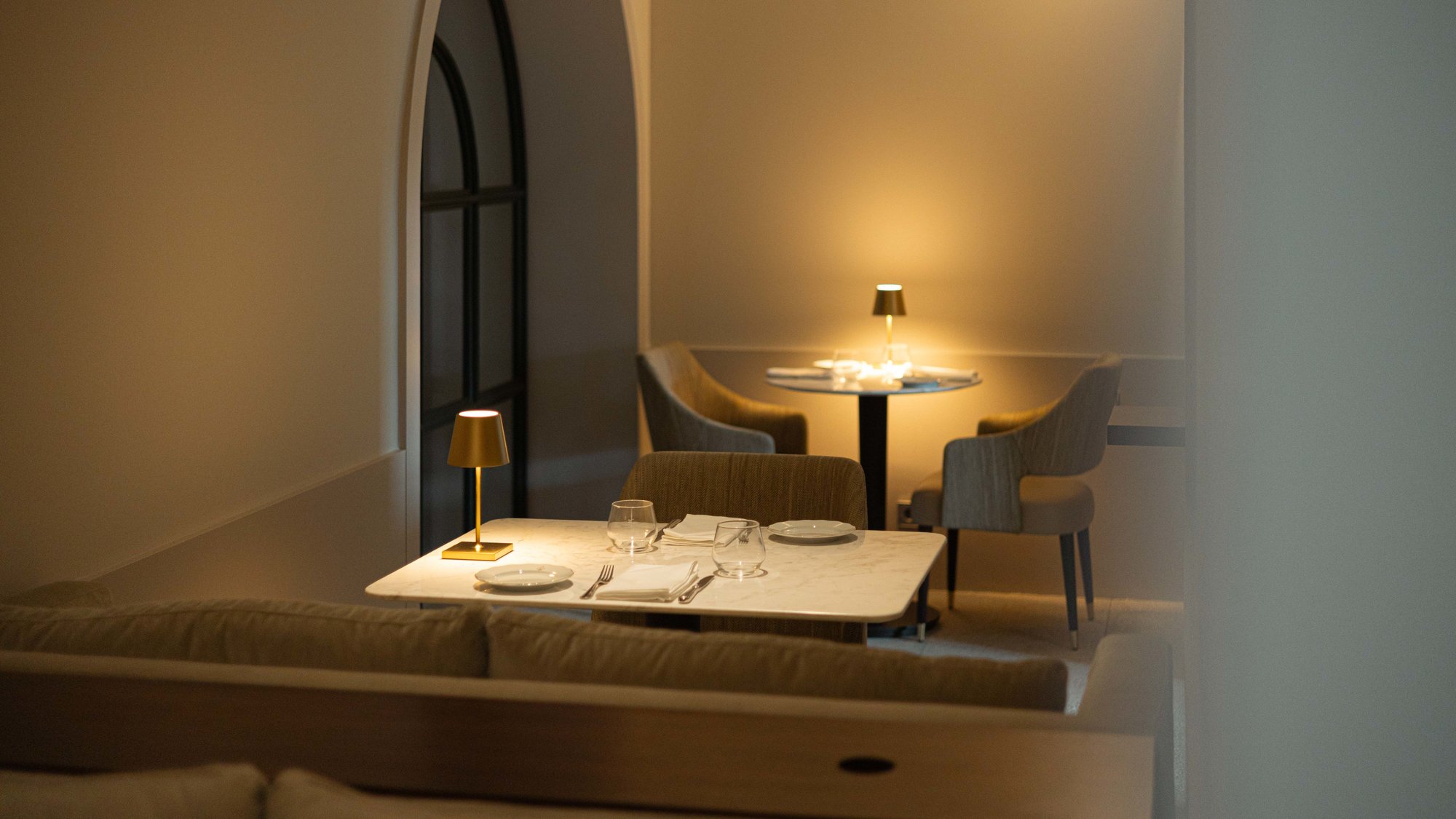
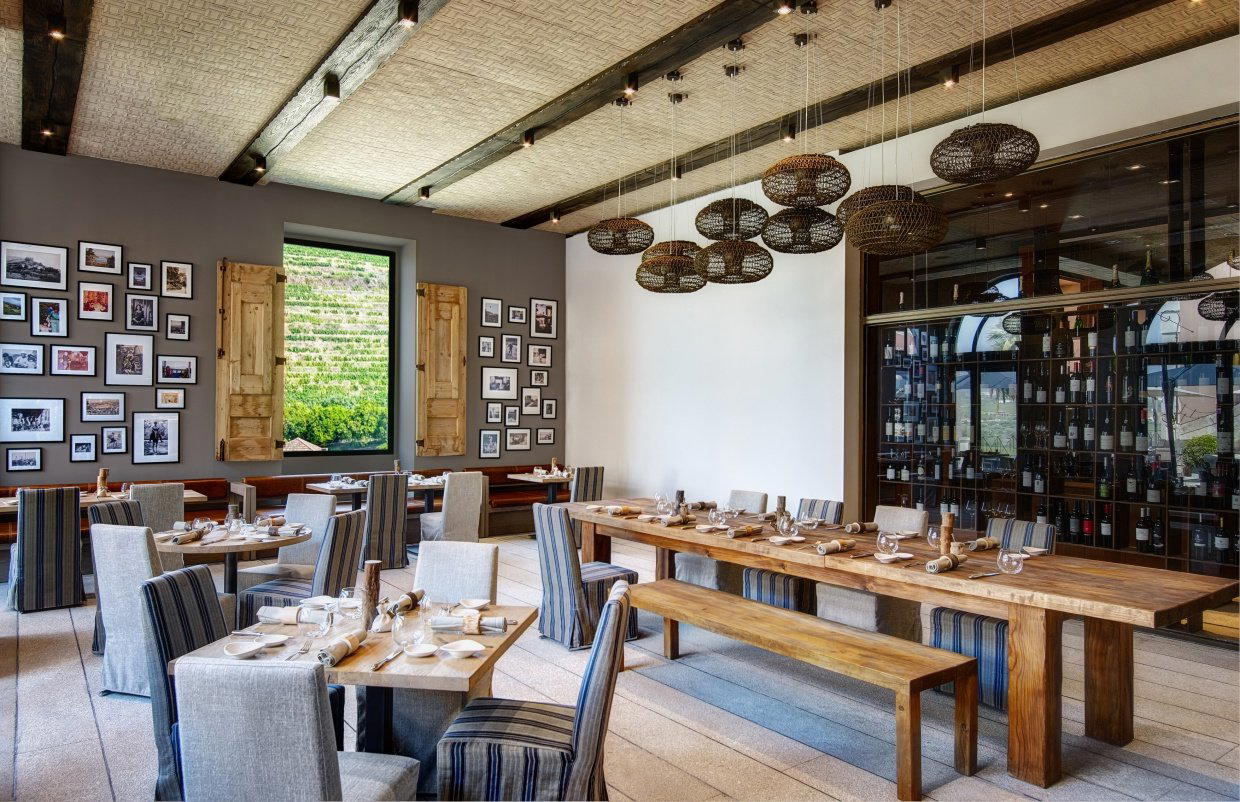
Refined yet cozy atmosphere with elegant modern details, bare tables, and beautiful views over the Tâmega River.