

A 16th-century manor on the banks of the Tâmega river in Amarante, Casa da Calçada translates baroque architecture and formal Portuguese heritage into a working hotel with rates from US$237 per night. The property also produces its own Vinho Verde, placing it in a small category of historic estates where the building, the wine, and the setting function as a coherent whole.
Pearl is the En Primeur Club membership app — saves, bookings, and concierge access live there. Same editors, same standards.
- Address
- Largo do Paço 6, 4600-017 Amarante
- Phone
- +351 255 410 830
- Website
- casadacalcada.com
- Directions
- Get directions
 Saves & bookings on Pearl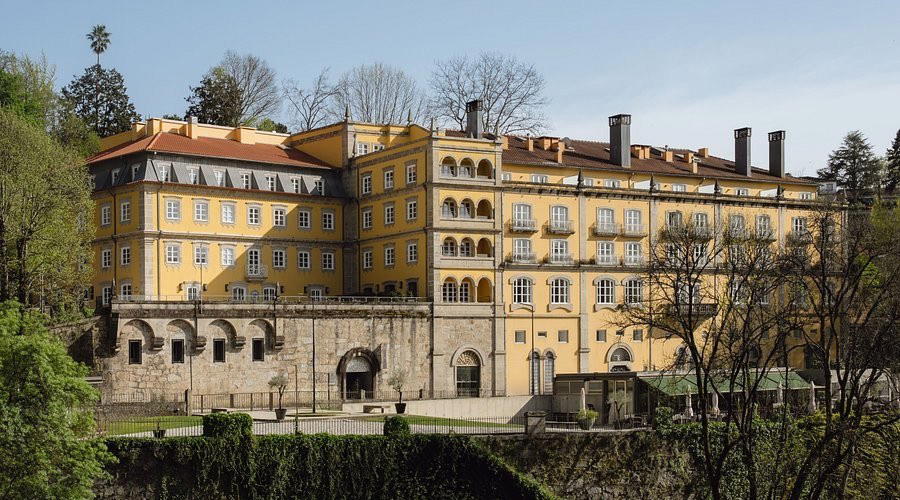
Where the 16th Century Is Still Operational
Casa da Calçada is a 5-star hotel in Amarante, with rates from US$236 per night. Casa da Calçada, a baroque manor dating to the 16th century at the centre of Amarante, sits in the second category. The building occupies Largo do Paço 6, directly opposite the medieval bridge over the Tâmega river, and the approach on foot gives you the full weight of what that positioning means: formal stone façade, the baroque silhouette rising from the riverbank, and the São Gonçalo bridge framing everything across the water.
Arriving here from Porto on the A4 motorway, exiting at junction 17 for Amarante Este, the transition from expressway infrastructure to this kind of townscape takes under ten minutes. Porto's international airport sits 60 kilometres away; Lisbon Portela at 380 kilometres is the secondary option for those combining this with a southern Portugal itinerary. The nearest train station at Livração is 16 kilometres from the property, making a car the practical choice for most guests.
Baroque as a Working Architecture
Historic hotel conversions across Portugal and Spain often treat the original architecture as scenery, installing contemporary interiors that sit awkwardly behind old stone walls. Casa da Calçada takes a different approach: the baroque grammar of the building, its proportions, its ornamental logic, its relationship to formal garden space, informs the spatial experience throughout rather than functioning as a decorative frame around something generic. This is the kind of property that Bussaco Palace Hotel in Luso represents at a more theatrical scale, or that Hotel Britania Art Deco in Lisbon achieves through a different architectural period entirely: the commitment to the original aesthetic identity of the building as the primary design move.
What distinguishes Casa da Calçada within this category is its specificity of place. Baroque architecture in the Minho and Douro Litoral has a particular character, heavier and more sculptural than the Italianate baroque that travelled to other parts of Portugal, and the property carries that regional idiom. The building is not a generic historic mansion; it is a specific product of the upper Tâmega valley's cultural and ecclesiastical history, visible in the stone detailing and in the relationship between the main structure and the town square it addresses.
The Vinho Verde Dimension
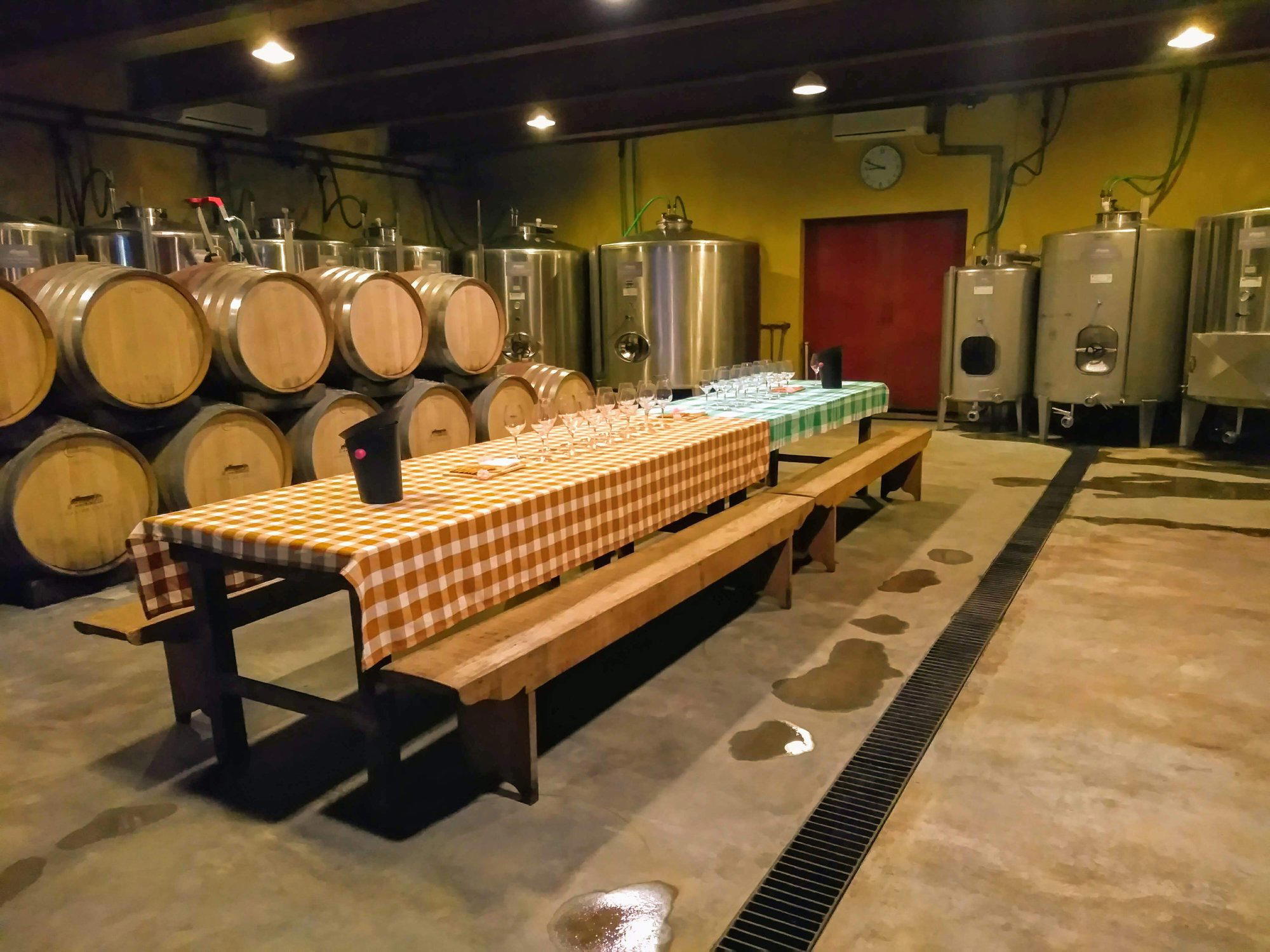
What separates the hotel from most historic hotel conversions in northern Portugal is that it operates as a Vinho Verde producer. This is not a wine list that sources from the region; the estate makes its own wine. That detail matters because it places the property in a small cohort of Portuguese hotels where the agricultural identity of the land has been retained and activated rather than paved over for leisure facilities. Comparable models exist elsewhere in the country: Ventozelo Hotel and Quinta in Ervedosa do Douro operates on the same principle in the Douro appellation, where the quinta identity anchors the hospitality offering. At the hotel, the wine is Vinho Verde, meaning the surrounding range of the Minho, with its granite soils and Atlantic-influenced rainfall, is part of the guest experience in a way that goes beyond the view.
For guests arriving from the Douro wine corridor, this provides an instructive contrast. The Douro's aged reds operate under entirely different conditions than the fresh, lower-alcohol whites and occasionally sparkling wines produced in the Vinho Verde DOC. Staying at a producing estate on the edge of both regions gives that distinction practical texture.
Positioning Within Northern Portugal's Heritage Hotel Tier
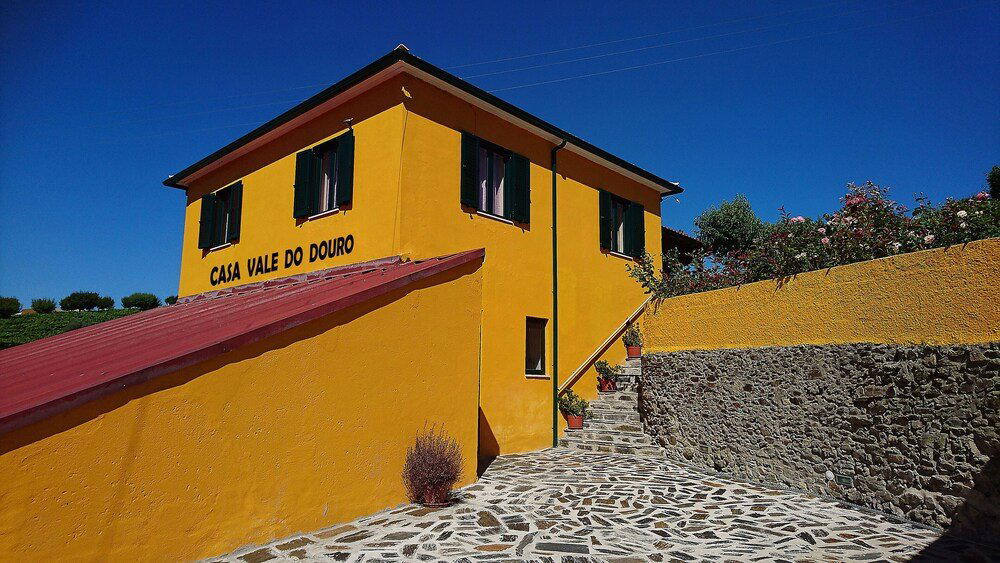
Rates from US$237 per night place the hotel in the middle tier of Portugal's heritage hotel category, below the flagship Alentejo palace conversions but well above budget rural tourism. For comparison, the Douro Valley's design-led rural properties, such as Casa Vale do Douro in Cambres or Q.ta da Corte in Valença do Douro, operate in the same price bracket and compete for the same guest profile: travellers who want architectural integrity and regional rootedness rather than brand-standardised luxury.
Ratings at that level across several hundred submissions typically indicate consistent execution rather than occasional peak performance, which matters more in a small heritage property where staffing and daily variation can produce erratic guest experiences. Properties of this type in the same northern Portugal circuit include Carmo's Boutique Hotel in Ponte de Lima and M Maison Particulière Porto, both of which operate in the heritage-adapted category but in different town contexts.
Amarante as a Setting
Amarante is a small city that earns more attention than it typically receives from international travellers moving between Porto and the Douro Valley. The São Gonçalo church and convent complex, the medieval bridge, and the Tâmega river create a townscape of genuine architectural coherence that most visitors pass through rather than stay in. The hotel's positioning directly on that central square means guests occupy the town rather than observing it from a rural perimeter. That is a different kind of engagement with place than properties set in isolated quinta landscapes offer, and for travellers interested in Portuguese urban heritage at a scale below Porto, it is the more instructive choice.
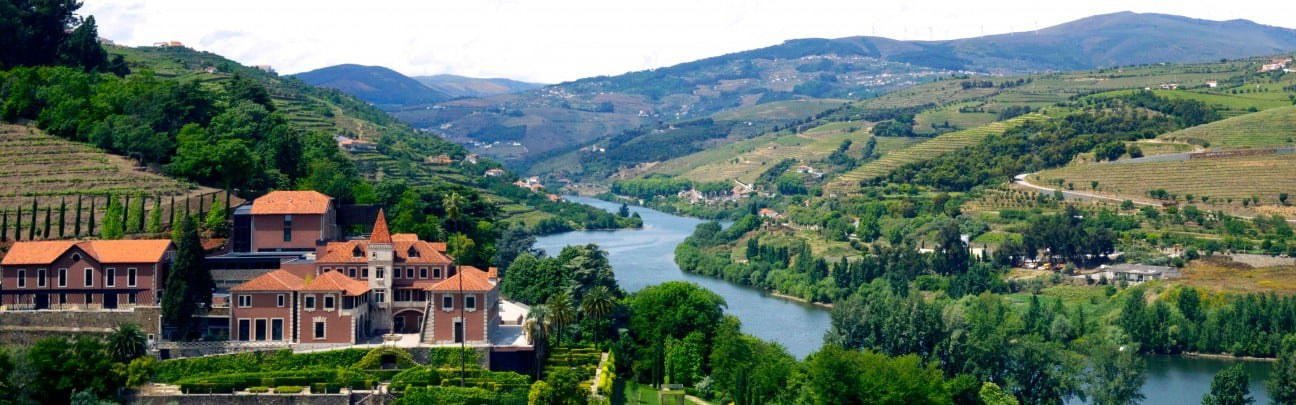
The broader northern Portugal itinerary connects logically from here. Properties further into the Douro corridor, such as Ventozelo to the east or Casas da Lapa in Seia to the south, form natural extensions for guests building a multi-stop route through the region's heritage hotel stock. For those approaching from the Alentejo or Algarve before moving north, the contrast with properties like Craveiral Farmhouse in São Teotónia or Hospedaria da Pensão Agrícola in Conceição e Cabanas de Tavira illustrates how differently the same commitment to architectural honesty reads across Portugal's distinct regional identities.
Planning Your Stay
The property is accessible by car from Porto in under an hour via the A4, with GPS coordinates 41.2684, -8.0798 confirming the central Amarante location directly off the bridge. For guests without a vehicle, the Livração train connection is workable with onward transfer, though the rental car gives far more flexibility for exploring the Tâmega and Douro valleys that surround the town.
Quick Comparison
Comparable venues nearby, for context on price, style, and recognition.
| Venue | Cuisine | Price | Awards | Notes |
|---|---|---|---|---|
| Casa da CalçadaThis venue — the venue you are viewing | Historic 16th-century manor blending Baroque grandeur with modern luxury | $$$$ | 5-Star | Not listed |
| Quinta Jardins do Lago | 18th-century Madeiran quinta with contemporary extensions | $$$$ | 5-Star | hills above Funchal |
| Vilalara Grand Hotel Algarve | Contemporary Portuguese heritage resort with sustainable authenticity | $$$$ | 5-Star | Porches |
| Quinta das Lágrimas | Historic palace with modern spa wing | $$$$ | 5-Star | Coimbra historic center |
| The Standard | Contemporary luxury boutique hotel respecting heritage architecture with modern unconventional hospitality. | $$$$ | 5-Star | Alfama |
| Hospes Infante Sagres Porto | Historic luxury boutique hotel blending 1951 heritage architecture with contemporary renovations, positioned as a Small Luxury Hotels of the World member. | $$$$ | 5-Star | Vitória |
Recognition history
Dated appearances from independent guides and award organizations, with the underlying list record or original source where available.
Relais Chateaux Award
Relais Chateaux
Michelin Selected
Michelin
Relais Chateaux Award
Relais Chateaux
Continue exploring
More in Amarante
Hotels in Amarante
Browse all →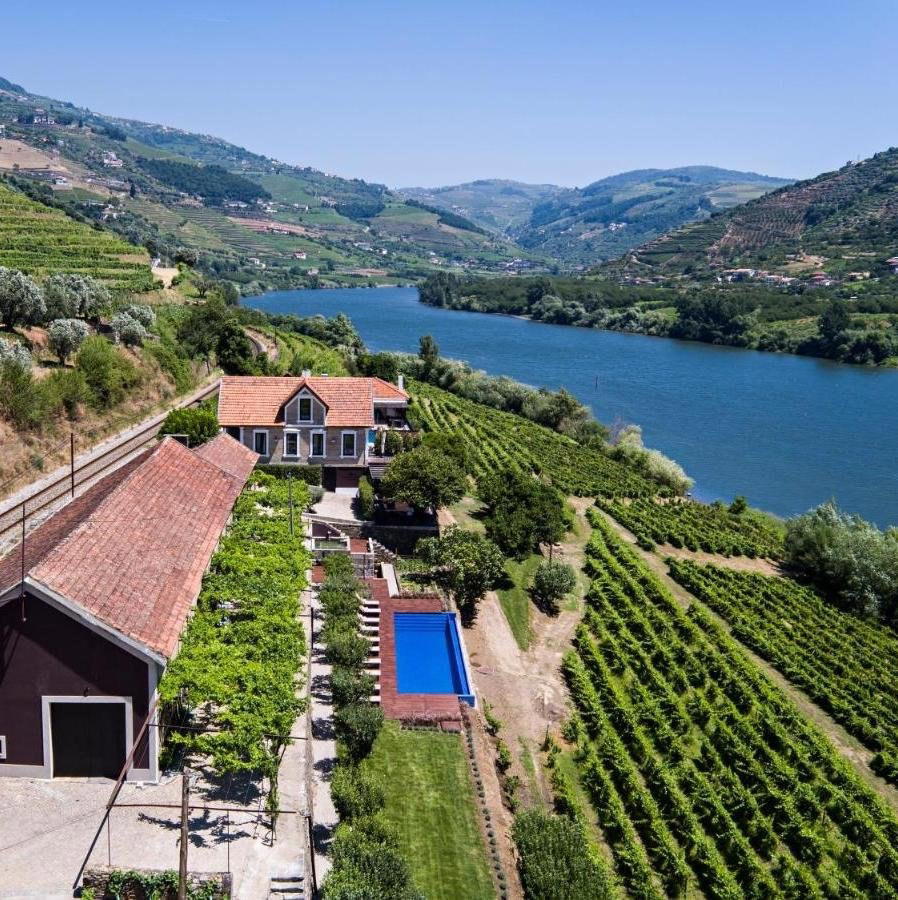
Bars in Amarante
Browse all →

Restaurants in Amarante
Browse all →

At a Glance
- Romantic
- Elegant
- Quiet
- Scenic
- Sophisticated
- Classic
- Romantic Getaway
- Honeymoon
- Anniversary
- Weekend Escape
- Historic Building
- Panoramic View
- Garden
- Terrace
- Pool
- Spa
- Indoor Pool
- Outdoor Pool
- Sauna
- Fitness Center
- Room Service
- Concierge
- Restaurant
- Garden
- Garden
- Pool
- Spa
- Indoor Pool
- Outdoor Pool
- Sauna
- Fitness Center
- Room Service
- Concierge
- Restaurant
- Garden
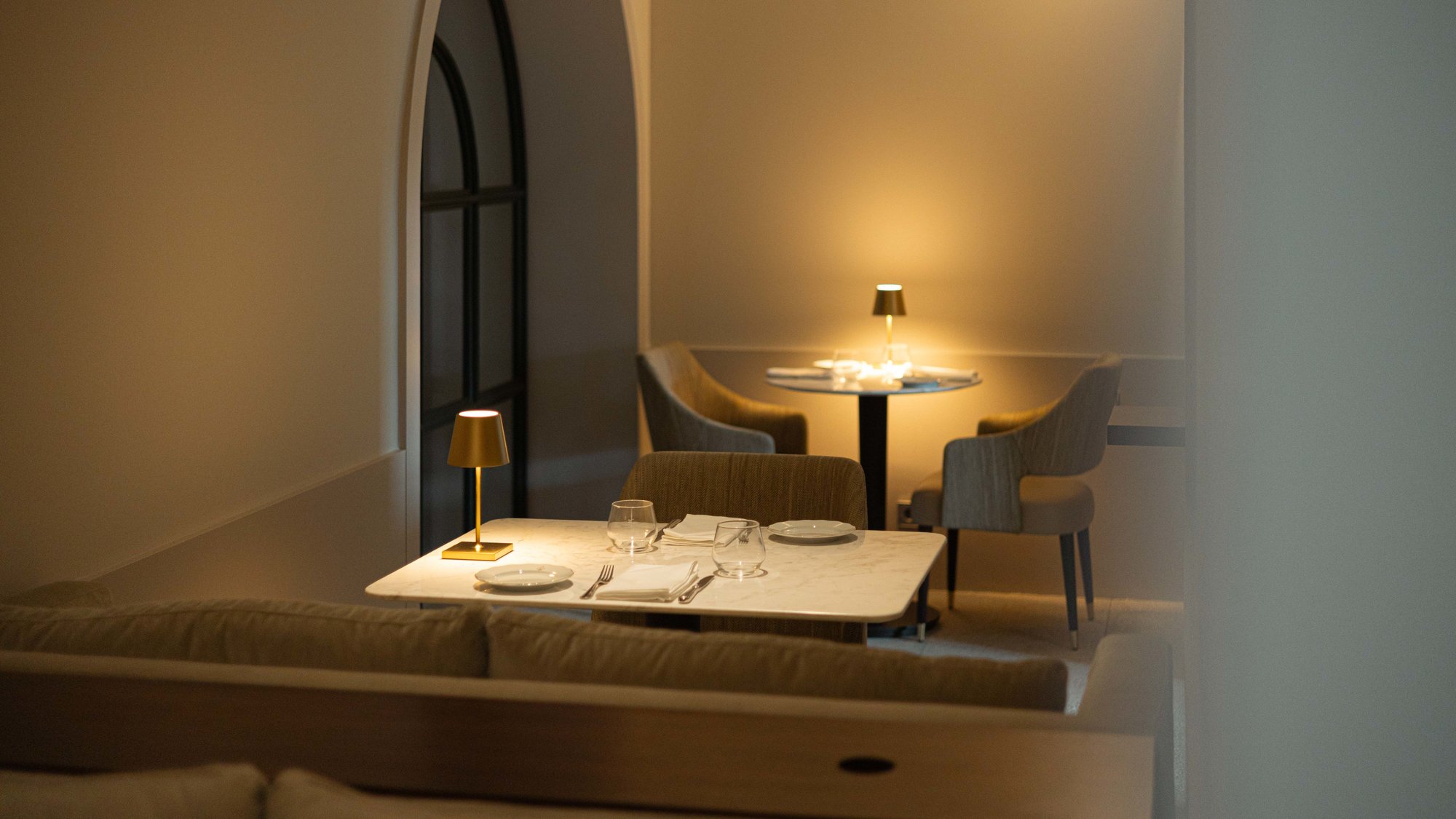
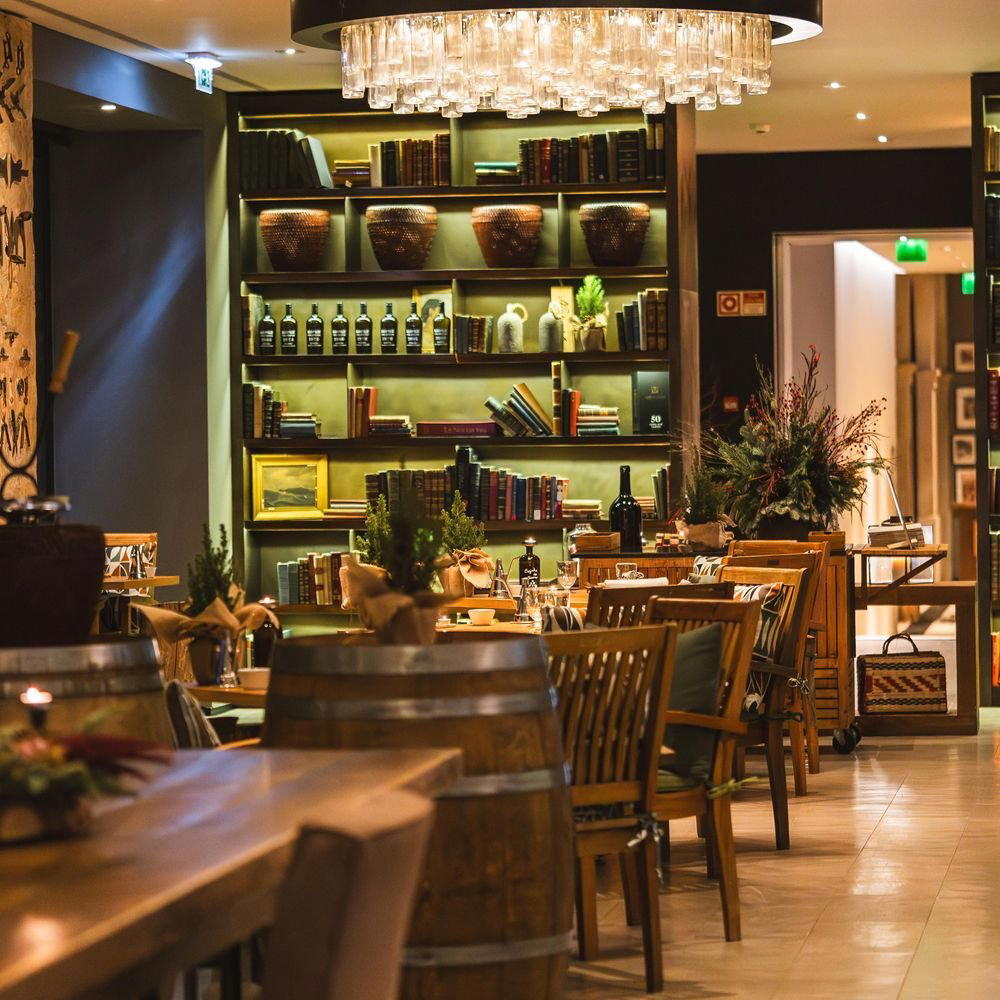
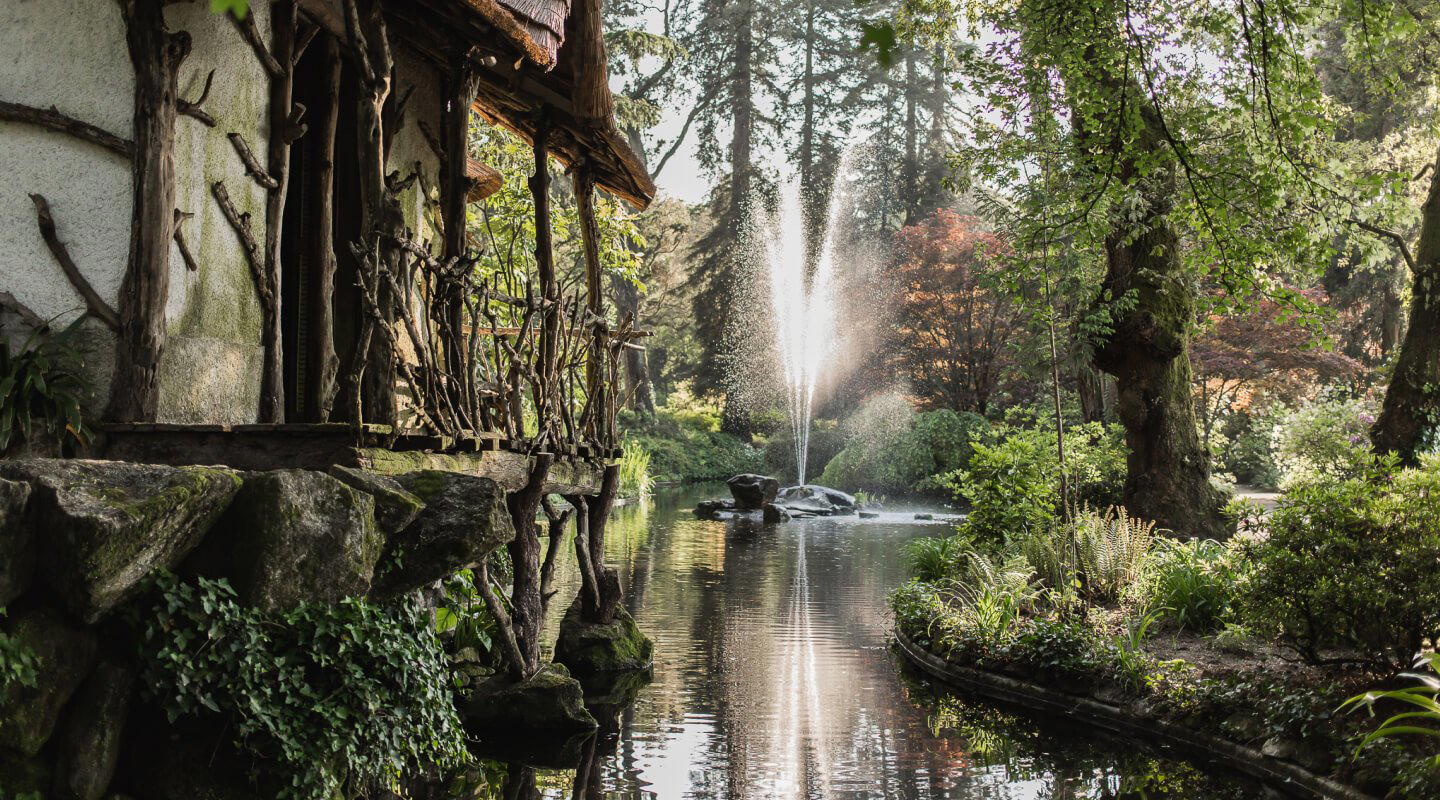
Serene and elegant with peaceful gardens, river views, and a tranquil spa atmosphere featuring soft lighting and luxurious comfort.