
A Michelin Plate-recognised address on Guimarães's Largo do Toural, Restaurant 34 occupies the third floor of a building overlooking the Basilica of St. Peter. The international menu spans fresh burrata, Japanese-inflected salmon toro, and lamb with chestnut purée, drawing on northern Portuguese ingredients within a cosmopolitan framework..
Pearl is the En Primeur Club membership app — saves, bookings, and concierge access live there. Same editors, same standards.
- Address
- Largo do Toural nº23, 4810-427 Guimarães, Portugal
- Phone
- +351 934 249 966
- Website
- facebook.com
- Directions
- Get directions
 Saves & bookings on Pearl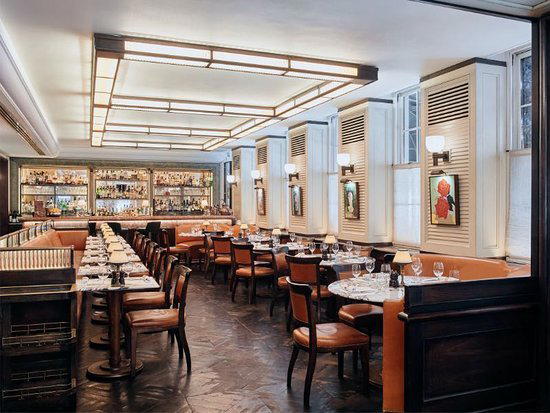
A Third-Floor Perspective on Guimarães
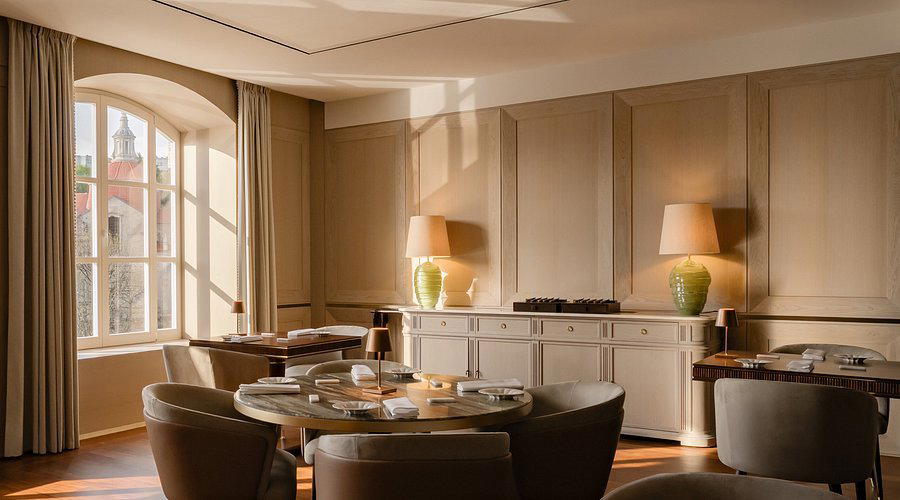
Largo do Toural is where Guimarães pauses to breathe. The square anchors the historic centre, flanked by the Baroque facade of the Basilica of St. Peter and the slow procession of residents cutting across the cobblestones below. From the third floor of number 23, the view over this scene is the framing device around which Restaurant 34 organises itself. The room is modern and relatively quiet in tone, finished in warm wooden hues that read against the greenery visible through the windows rather than competing with the cityscape outside. This is a setting where the architecture does meaningful work before a plate arrives.
In Portugal, the relationship between dining rooms and historic urban space has become a studied design consideration, particularly in the country's UNESCO-listed centres. Guimarães, regarded as the birthplace of the Portuguese nation, carries significant symbolic weight, and restaurants positioned within its core tend to inherit both the footfall and the expectations that come with it. The mid-range international format 34 operates within, priced at the €€ tier, places it in a competitive band alongside Norma and Le Babachris, both of which also work within accessible price points and reach for a broad dining public. The distinction here is the room positioned above the square itself.
What Michelin Plate Recognition Signals
Restaurant 34 is recognized by Michelin. Within the Michelin framework, the Plate designates kitchens producing food of solid quality without reaching the starred tier. In northern Portugal's dining context, this places 34 in a meaningful bracket: above casual eating, operating with enough kitchen consistency to draw the guide's attention, but in a different register from Guimarães's Michelin-starred counterpart, A Cozinha, which holds a full star. The Plate recognition tells a potential diner that the kitchen is reliable and that quality control is consistent, which matters particularly for a restaurant whose international menu spans multiple culinary traditions.
For comparison, starred addresses in Portugal, Belcanto in Lisbon, Antiqvvm in Porto, The Yeatman in Vila Nova de Gaia, or Casa de Chá da Boa Nova in Leça da Palmeira, occupy a separate price bracket and typically commit to a single defined culinary identity. 34 operates differently, with an international menu that moves from Italian-inflected fresh ingredients through Japanese-influenced preparations to roasted and braised Iberian proteins. The kitchen manages this range without losing coherence.
Sourcing Logic Behind an International Menu
The case for international menus in Portuguese regional cities is sometimes questioned on grounds of identity: why cross culinary traditions in a country with one of the more distinctive national food cultures in Europe? The answer, in practice, has to do with ingredient sourcing. Portugal's Atlantic position delivers notable seafood, its northern interior provides some of Iberia's better lamb and pork, and its proximity to southern European producers gives kitchens access to high-quality fresh dairy. An international menu, read generously, is an argument that good primary ingredients can carry multiple culinary frameworks equally well.
At 34, this logic appears in the menu architecture. Fresh burrata as an opening course draws on Italian tradition, but the ingredient itself benefits from Iberian dairy farming regions that supply across the peninsula. The Japanese-inspired salmon toro preparation, similarly, works with a fish species landed extensively along Portugal's Atlantic coast, where cold-water conditions contribute to the fat content that makes the toro preparation relevant. The lamb with chestnut purée closes back toward the Minho region's agricultural identity: lamb from northern Portugal's highland grazing zones and chestnuts, which remain a significant autumn crop in the region, appear here in a format that bridges regional produce and refined technique.
This is the productive tension in internationally framed menus built on strong local sourcing: the culinary language is cosmopolitan, but the ingredient base is often more regional than the menu reads at first glance. For restaurants in cities like Guimarães that attract both Portuguese domestic visitors and an increasing flow of European tourists exploring beyond Porto, that combination functions as a practical offer. It allows the kitchen to present familiar reference points while the ingredients carry local weight. Restaurants working a similar model across different contexts include Loumi in Berlin and Haubentaucher in Rottach-Egern, both of which apply international framing to regionally specific ingredient sourcing.
Positioning Within the Guimarães Dining Scene
Guimarães does not yet generate the density of high-end restaurant traffic that Porto does. But it draws a substantial cultural tourism base, anchored by the castle, the Ducal Palace, and the UNESCO designation, which sustains enough demand for a range of mid-to-upper restaurant formats. The city's table at the €€€ end includes Hool, which operates in the Traditional Cuisine category at the higher price tier, and A Cozinha. 34 sits below these in price while maintaining the Michelin Plate credential, making it the accessible entry point into Guimarães's recognised dining tier.
A score at that level, maintained across a significant number of responses, indicates consistent execution rather than occasional brilliance. For visitors to Guimarães who are not building a trip primarily around eating, 34 offers a reliable, well-positioned option without requiring the advance planning that starred addresses typically demand.
Planning a Visit
Restaurant 34 is at Largo do Toural 23, in the pedestrianised historic centre of Guimarães, reachable on foot from the main hotels within the old city. The third-floor location means the view is the strongest at lunch when natural light opens the square fully; dinner positions the Basilica under different light, and the square quiets perceptibly after dark. The €€ price range places it within reach of most travel budgets. Reservations are recommended, especially if you want a table with a square view. The address attracts both local diners and visitors to the historic centre, so peak tourist season and weekends in particular benefit from earlier planning.
Comparable Spots, Quickly
Comparable venues nearby, for context on price, style, and recognition.
| Venue | Cuisine | Price | Awards | Notes |
|---|---|---|---|---|
| 34This venue — the venue you are viewing | Modern International Fusion | $$$ | Michelin Plate | Not listed |
| Norma | Modern Portuguese Fusion | $$ | Bib Gourmand | Guimaraes |
| Le Babachris | Modern Mediterranean Fusion | $$$ | Michelin Plate | historical center |
| Cor de Tangerina | Modern Portuguese Vegetarian | $$$ | Not listed | Centro Histórico |
| Hool | Modern Portuguese Mediterranean | $$$ | Michelin Plate | Historic Center |
| Cajú | Healthy Mediterranean & Portuguese | $$ | Not listed | Guimaraes |
Recognition history
Dated appearances from independent guides and award organizations, with the underlying list record or original source where available.
Michelin Plate
Michelin
Michelin Plate
Michelin
Michelin Plate
Michelin
Continue exploring
More in Guimaraes
Restaurants in Guimaraes
Browse all →
Bars in Guimaraes
Browse all →
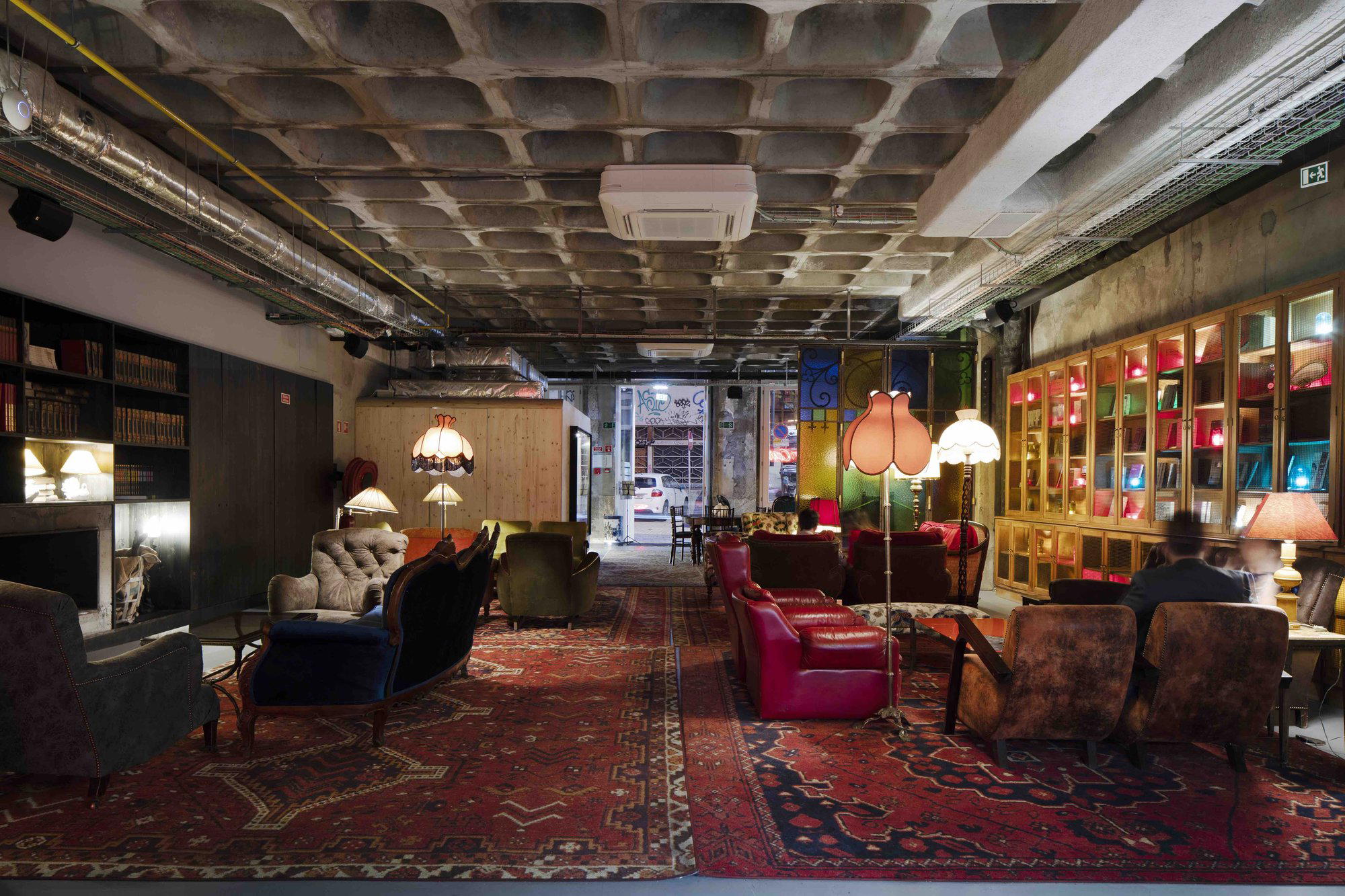
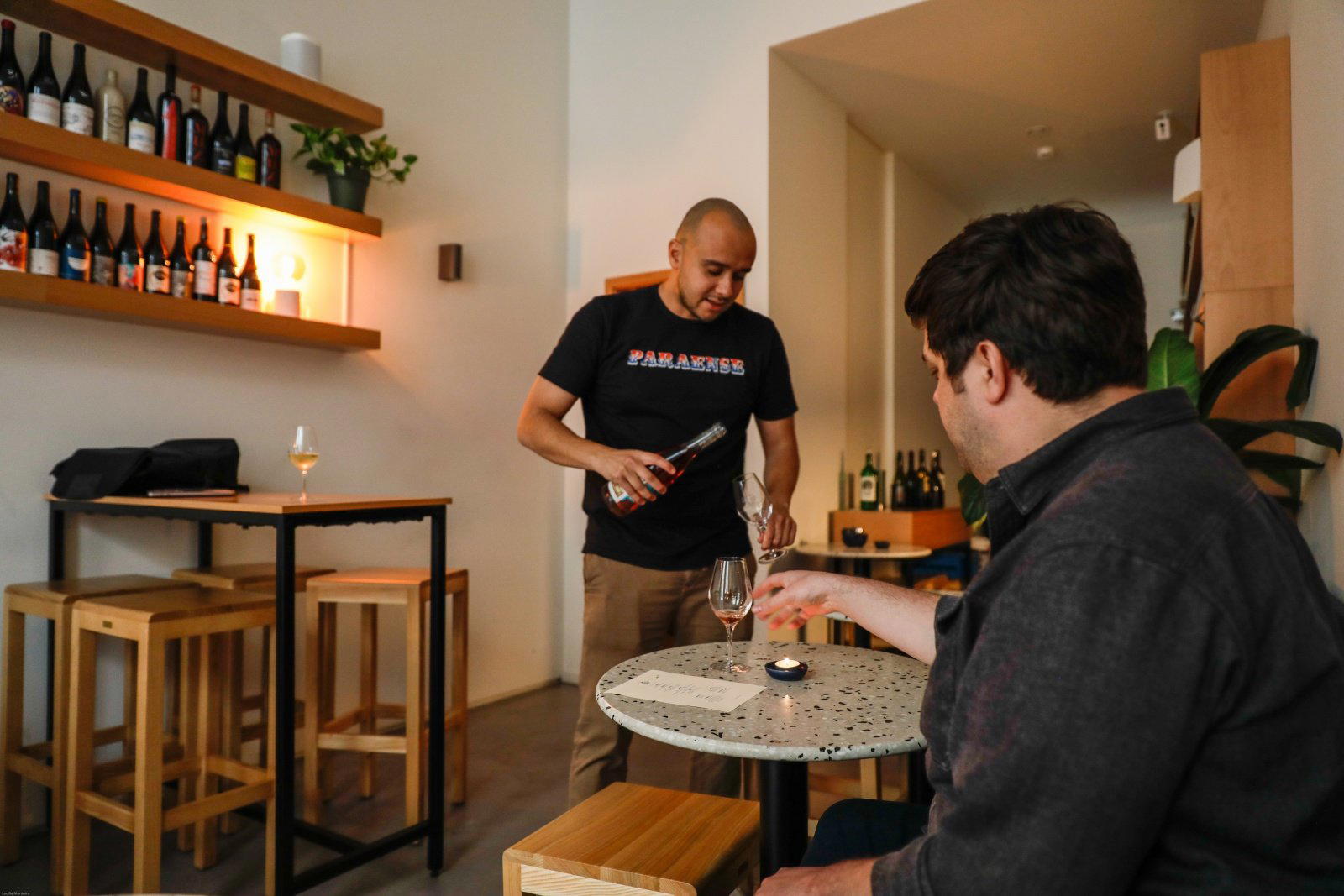
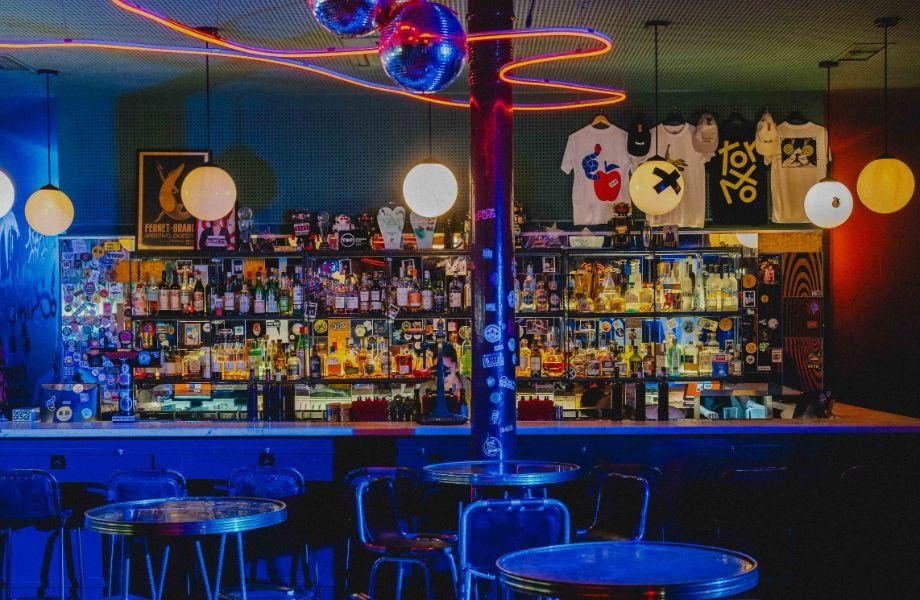
Hotels in Guimaraes
Browse all →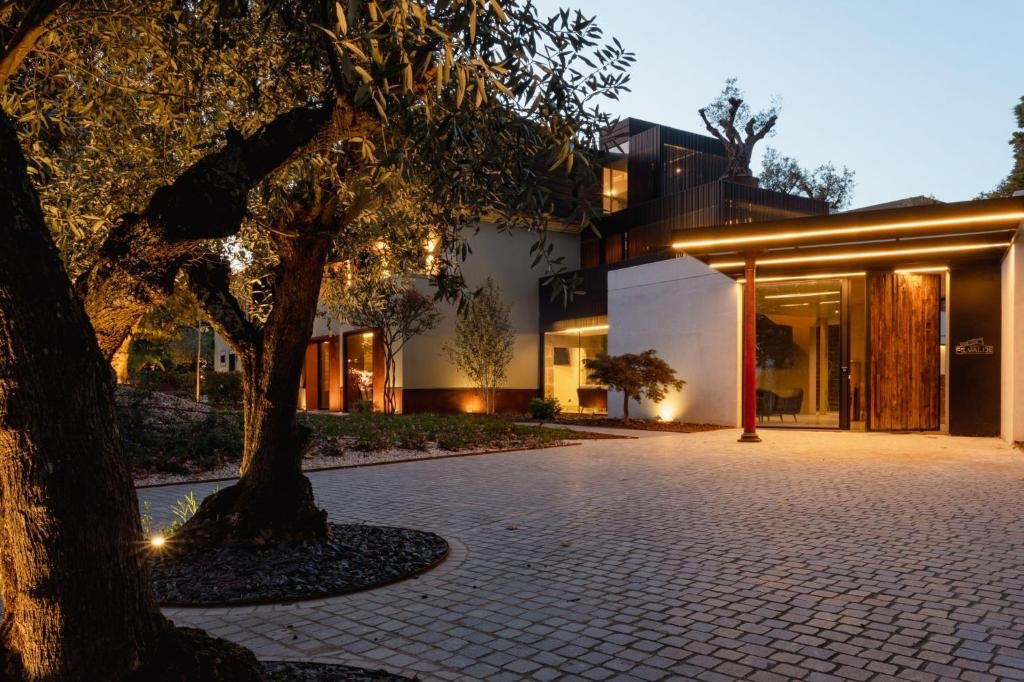
At a Glance
- Modern
- Elegant
- Cozy
- Sophisticated
- Date Night
- Special Occasion
- Group Dining
- Terrace
- Historic Building
- Extensive Wine List
- Street Scene
Current opening hours
- Monday
- Closed
- Tuesday
- 12:30–3 PM, 8–11 PM
- Wednesday
- 12:30–3 PM, 8–11 PM
- Thursday
- 12:30–3 PM, 8–11 PM
- Friday
- 12:30–3 PM, 8–11 PM
- Saturday
- 12:30–3 PM, 8–11 PM
- Sunday
- Closed
Hours can change for holidays and private events. Last verified .
Modern and relaxed ambience with tasteful wooden hues, sophisticated yet welcoming atmosphere, cozy decor, and lively on upper floors.