
Inside Hotel da Oliveira, a few steps from the Church of Nossa Senhora da Oliveira, Hool holds two consecutive Michelin Plates (2024 and 2025) for a menu designed by Chef Vítor Matos that anchors modern, Mediterranean-inflected cooking in the traditional roots of northern Portugal. Two tasting menus, Raízes and À Descoberta, structure the meal, alongside vegetarian options and the weight of one of Europe's most historically charged dining rooms.
Pearl is the En Primeur Club membership app — saves, bookings, and concierge access live there. Same editors, same standards.
- Address
- R. de Santa Maria, 4810-443 Guimarães, Portugal
- Phone
- +351 253 514 204
- Website
- hoteldaoliveira.com
- Directions
- Get directions
 Saves & bookings on Pearl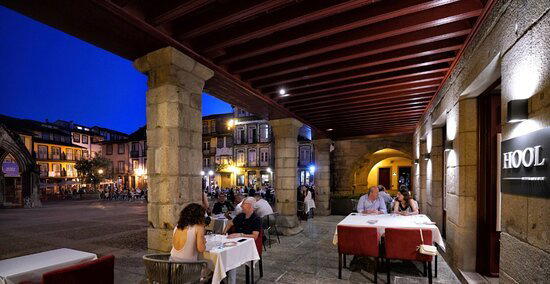
Stone Walls, Wooden Beams, and the Weight of Place
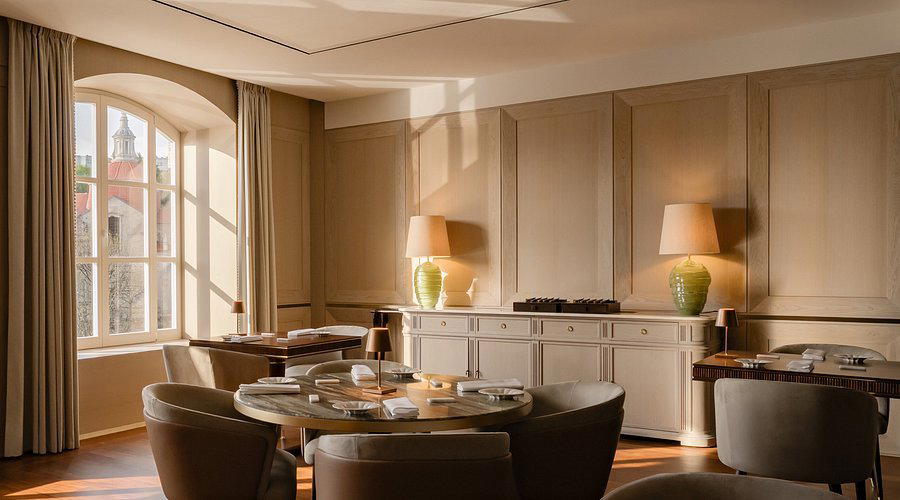
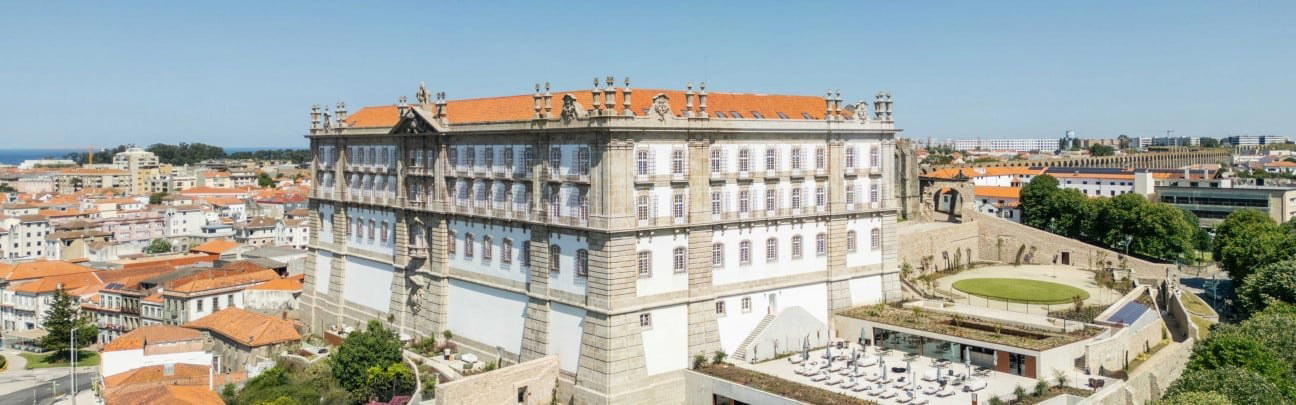
The stone walls and ceiling beams at Hool do not function as decorative gestures; they are load-bearing architectural fact, and they set the terms of the meal before the first course arrives. Guimarães occupies a specific position in the Portuguese imagination, acknowledged as the birthplace of the nation, the city where Afonso Henriques consolidated the identity of a country that would go on to shape the modern world. Eating formally here carries a different charge than eating formally in Lisbon or Porto, and Hool, located inside the Hotel da Oliveira at R. de Santa Maria, sits at the confluence of those associations.
Hool situates itself within that lineage, using traditional Portuguese roots as the reference point from which modern, Mediterranean-inflected techniques are deployed.
The Architecture of the Meal
The dining ritual at Hool is structured by two tasting menus: Raízes, which translates as Roots, and À Descoberta, meaning Discovery. The naming is not incidental. In a city that functions as a living monument, this framing positions the meal as a deliberate act of interpretation, an engagement with what northern Portuguese cooking has been, and what it might become.
Tasting menu formats at this price tier (€€€) in the Minho region require a specific kind of pacing commitment from the guest. The format rewards patience; it is not the right choice for a quick dinner before a late train. The expectation, as with peer-set restaurants in the broader Iberian context, from Auga in Gijón to Auberge Grand'Maison in Mûr-de-Bretagne, is that the diner arrives prepared to surrender an evening rather than fill a time slot. The menu also includes vegetarian dishes, a meaningful signal at this format and price point in a regional cuisine historically built around meat and bacalhau.
The culinary program centers on Modern Portuguese Mediterranean cooking. This structure, common across serious kitchen programs, separates the conceptual architecture of the menu from its operational delivery. What it means in practice is consistency: the menu holds its coherence across services rather than shifting with the presence or absence of a named figure.
Where Hool Sits in the Guimarães Dining Picture
Guimarães' restaurant scene is smaller in volume than Porto or Braga, but it is not thin on ambition. A Cozinha, which holds a Michelin Star at the same €€€ price tier, represents the city's highest formal recognition to date, and the competitive set between that restaurant and Hool defines the upper bracket of dining in the city. Below that tier, Norma and 34 operate in the €€ register with creative and international formats respectively, while Le Babachris brings a Mediterranean perspective to the same mid-tier bracket.
In Michelin's current framework, the Plate signals cooking of consistent quality; it is an acknowledgment, not a consolation. For a restaurant in a city that receives significant heritage tourism but comparatively less fine dining traffic than the country's larger urban centers, back-to-back Plate recognition represents a meaningful positioning signal.
Hool operates in a different geography: it is the kind of restaurant that anchors serious dining in a city better known for its castle and its centro histórico than for its restaurant scene, and it carries that responsibility with a format that matches the seriousness of its setting.
The Mediterranean Inflection
Traditional Portuguese cooking, particularly in the north, tends toward the elemental: caldo verde, rojões, bacalhau à Braga. The Mediterranean inflection in Hool's approach does not displace this vocabulary but it does reframe it. The Minho sits at the northern edge of a culinary continuum that runs down the Iberian coast and across to the Balearics; the reference points are adjacent without being identical. This is a meaningful distinction. Restaurants that describe themselves as Mediterranean without geographic specificity often mean something vague. Here, the connection runs through coastal proximity, olive oil culture, and the Atlantic-Mediterranean overlap that characterizes northern Portugal's ingredient palette.
4 across 231 reviews provides a ground-level consistency signal. High-end tasting menus occasionally accumulate reviews that skew toward disappointment at price point; a 4.4 in this context suggests the restaurant is meeting the expectations it sets.
Planning the Visit
Hool is located at R. de Santa Maria, 4810-443 Guimarães, inside the Hotel da Oliveira, which places it at among the more concentrated historic points in the city, immediately adjacent to the Paço dos Duques de Bragança and the Castelo de Guimarães. The density of significant monuments within a short walk means an evening at Hool fits naturally into a day structured around the city's heritage sites rather than requiring a separate geographical commitment. For those staying in the city, the hotel location simplifies logistics. Reservations are recommended.
Cuisine and Awards Snapshot
Comparable venues nearby, for context on price, style, and recognition.
| Venue | Cuisine | Price | Awards | Notes |
|---|---|---|---|---|
| HoolThis venue — the venue you are viewing | Modern Portuguese Mediterranean | $$$ | Michelin Plate | Not listed |
| Le Babachris | Modern Mediterranean Fusion | $$$ | Michelin Plate | historical center |
| 34 | Modern International Fusion | $$$ | Michelin Plate | historic centre |
| Cor de Tangerina | Modern Portuguese Vegetarian | $$$ | Not listed | Centro Histórico |
| Cajú | Healthy Mediterranean & Portuguese | $$ | Not listed | Guimaraes |
| Norma | Modern Portuguese Fusion | $$ | Bib Gourmand | Guimaraes |
Recognition history
Dated appearances from independent guides and award organizations, with the underlying list record or original source where available.
Michelin Plate
Michelin
Michelin Plate
Michelin
Michelin Plate
Michelin
Continue exploring
More in Guimaraes
Restaurants in Guimaraes
Browse all →
Bars in Guimaraes
Browse all →
Hotels in Guimaraes
Browse all →
At a Glance
- Elegant
- Modern
- Cozy
- Sophisticated
- Date Night
- Special Occasion
- Celebration
- Terrace
- Historic Building
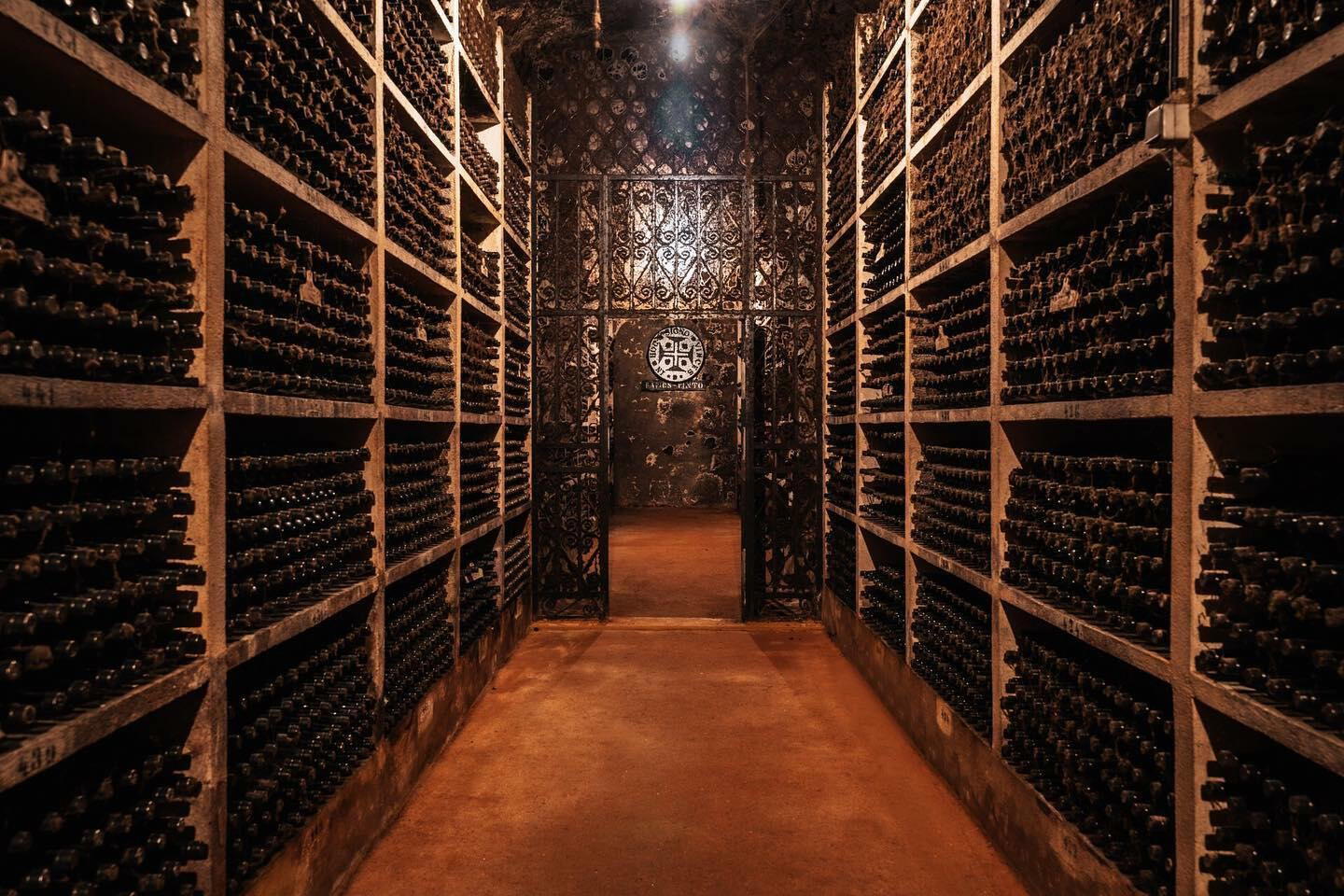
- Extensive Wine List
- Street Scene
Current opening hours
- Monday
- 12–3 PM, 7–10 PM
- Tuesday
- 12–3 PM, 7–10 PM
- Wednesday
- 12–3 PM, 7–10 PM
- Thursday
- 12–3 PM, 7–10 PM
- Friday
- 12–3 PM, 7–11 PM
- Saturday
- 12–3 PM, 7–11 PM
- Sunday
- 12–3 PM, 7–10 PM
Hours can change for holidays and private events. Last verified .
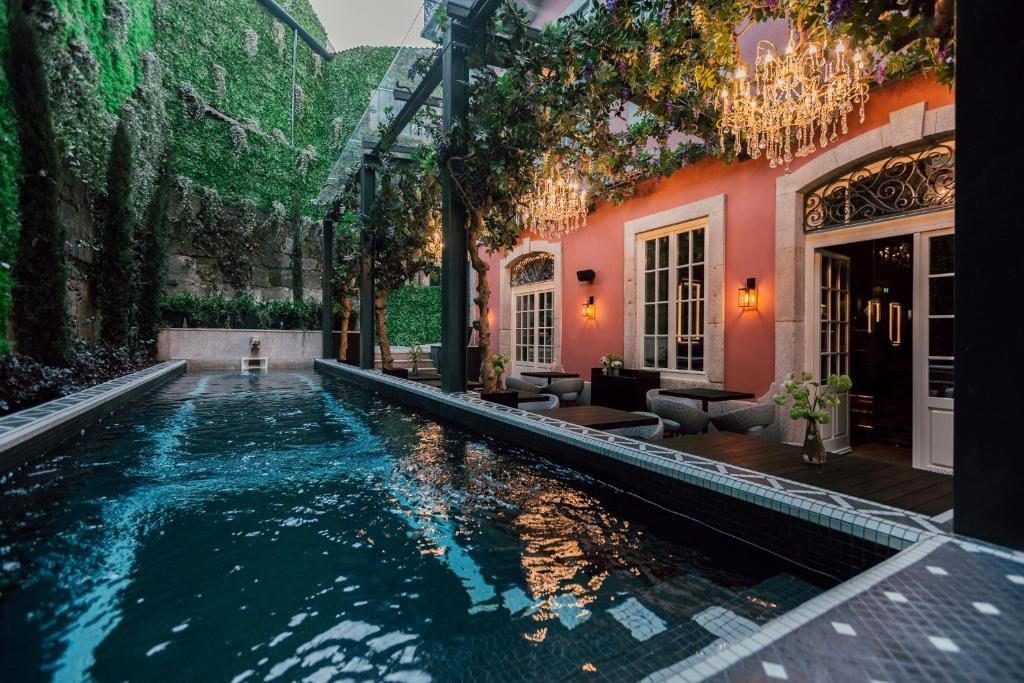
Pleasant and chic atmosphere with beautiful historic setting, terrace under romantic archway, and beautifully decorated restored space.