Agüelo013 occupies a Carrer d'Avinyó address in Barcelona's Ciutat Vella, sitting in a neighbourhood where the gap between tourist-facing dining and locally-rooted cooking is wider than anywhere else in the city. Where the Barri Gòtic's restaurant scene trends toward volume and visibility, this address operates at a different register, worth knowing about before you book anything else in the quarter.
Pearl is the En Primeur Club membership app — saves, bookings, and concierge access live there. Same editors, same standards.
- Address
- Carrer d'Avinyó, 37, Ciutat Vella, 08002 Barcelona, Spain
- Phone
- +34937607150
- Website
- aguelotaberna.es
- Directions
- Get directions
 Saves & bookings on Pearl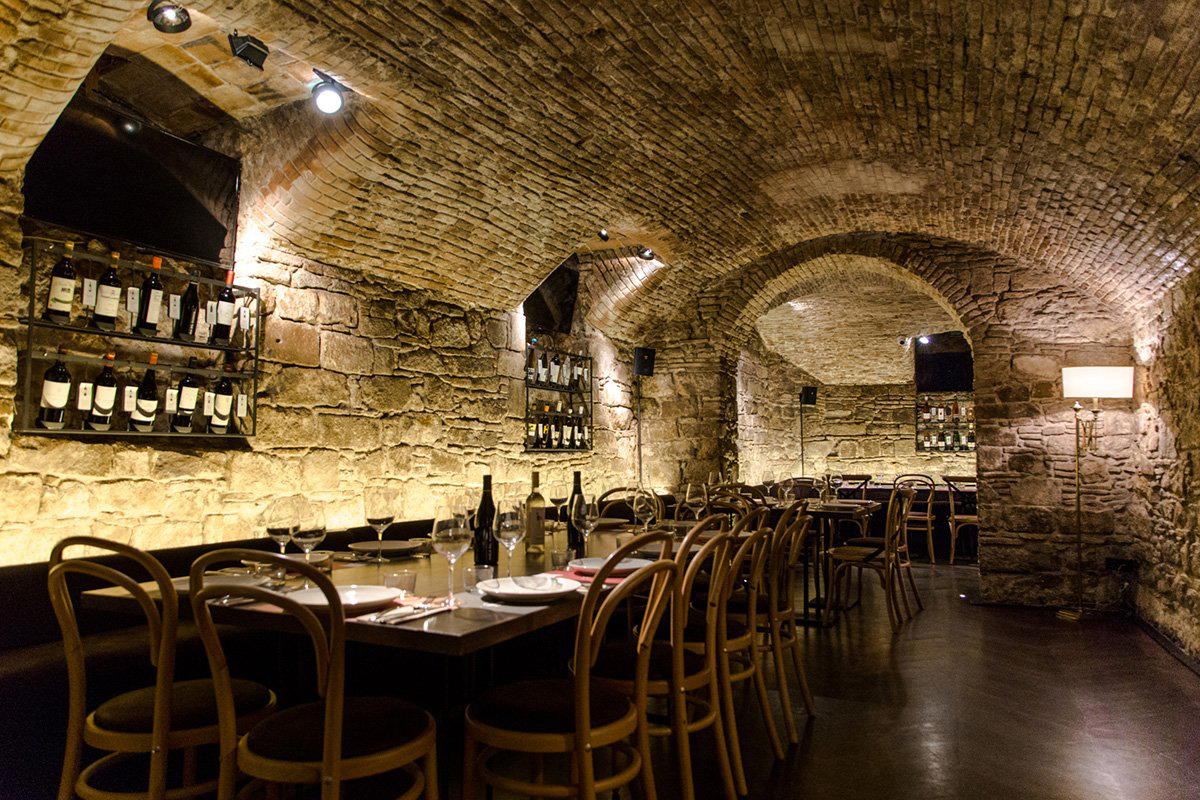
Carrer d'Avinyó and the Other Side of the Gothic Quarter
Carrer d'Avinyó runs through one of the oldest and most compressed parts of Barcelona's Ciutat Vella, a street where medieval stone frontages sit within walking distance of the Plaça Reial and the lower reaches of Las Ramblas. The neighbourhood is among the more visited in the city, which means its dining scene carries a structural problem familiar to historic European centres: the loudest, most visible options are rarely the ones that repay attention. The addresses that hold genuine interest tend to occupy quieter positions, in format, in signage, and in the expectation they set when you walk through the door. Agüelo013, at number 37 on Avinyó, belongs to that quieter register.
In Barcelona's broader restaurant geography, the high end clusters predictably. The city's Michelin-starred tier, Disfrutar, Lasarte, ABaC, Cocina Hermanos Torres, Enigma, operates largely outside Ciutat Vella, in the Eixample and the city's more residential zones where the rent structures support tasting-menu economics. What you find inside the Gothic Quarter is a different, less categorised mix: some of Spain's more interesting neighbourhood cooking happens here, operating below the threshold of formal recognition, priced to a local rather than expense-account logic. Agüelo013 sits within that mix, on a street that functions as a corridor between tourists moving toward the port and residents moving toward the Sant Pere markets.
What the Neighbourhood Tells You Before You Enter
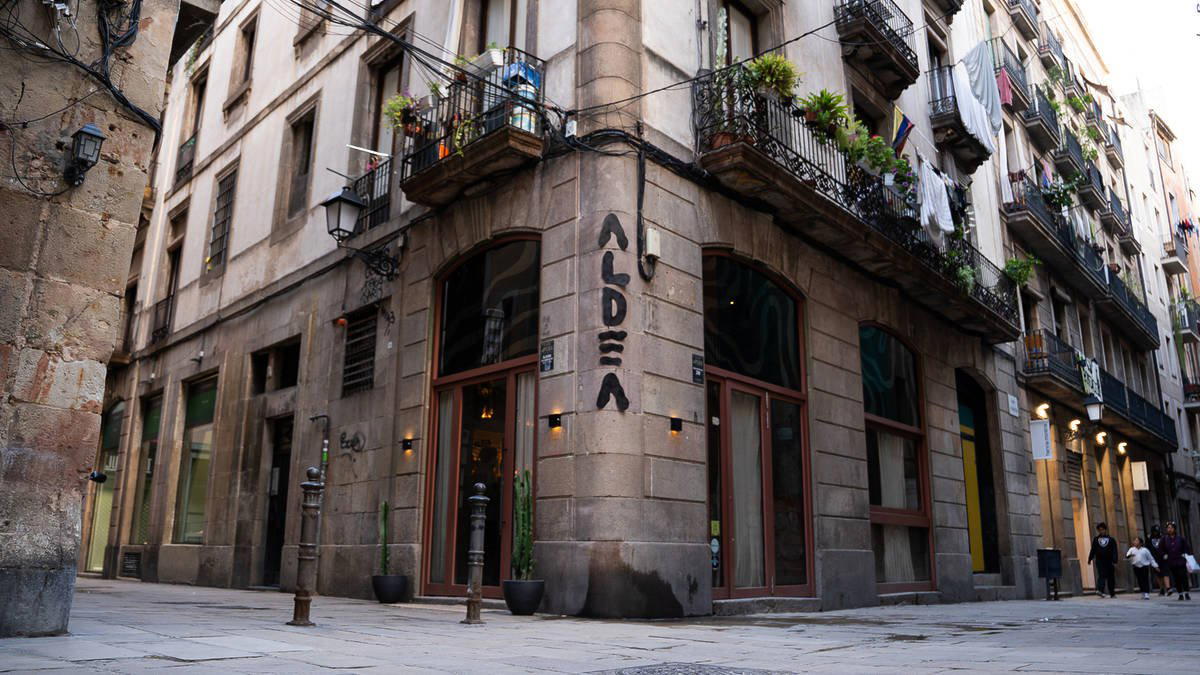
The sensory grammar of Carrer d'Avinyó is particular. Stone underfoot, walls close enough that afternoon light enters in narrow bands, the ambient noise of a city that doesn't soften its edges for visitors. Restaurants here don't compete for attention through exterior theatre, no billboard menus, no host at the door with a laminated pitch. The ones worth finding are identified by their address and, often, by the sound of conversation from inside rather than anything designed to catch you from the pavement. At number 37, the entry sequence is compact and immediate. You're in before you've fully decided you've arrived.
This kind of spatial compression is actually more honest than the deliberate staging you find at higher price points elsewhere in the city. The contrast with a venue like El Celler de Can Roca in Girona, where the arrival sequence is orchestrated over some distance and the architecture signals the investment to come, couldn't be sharper. Agüelo013 offers no such preparation. The atmosphere is what it is from the moment you cross the threshold.
Where Agüelo013 Sits in Barcelona's Dining Structure
Barcelona's mid-range restaurant scene has become increasingly interesting over the past decade, partly as a response to the concentration of critical attention at stronger examples from the market. Spain produces particularly technically ambitious cooking in Europe, Mugaritz in Errenteria, Quique Dacosta in Dénia, Aponiente in El Puerto de Santa María, DiverXO in Madrid, Azurmendi in Larrabetzu, Arzak in San Sebastián, Martin Berasategui in Lasarte-Oria, Atrio in Cáceres, Ricard Camarena in València, and that prestige tier has drawn significant attention away from the more grounded, everyday cooking that defines how Spanish people actually eat. In Barcelona, that everyday tier includes the neighbourhood bars and small restaurants of Gràcia, the market-adjacent spots around La Boqueria and Sant Pere, and the tightly-packed addresses of the Gothic Quarter. Agüelo013 is a representative of this structure, operating within it rather than apart from it.
For travellers accustomed to booking within the starred tier, at venues with the multi-month advance booking requirements, the €200-plus per-head commitments, and the formal dress codes, an address on Avinyó functions at a genuinely different pitch. The comparison comparable set is not Disfrutar or Lasarte. It's the category of Barcelona restaurant that a local would recommend when someone asks where to eat well without a reservation made two months in advance. The international equivalents would be something like Lazy Bear in San Francisco relative to the city's Michelin tier, or the bistronomy movement in Paris relative to the palace restaurants. Technically skilled, locally embedded, not seeking validation from the formal recognition system.
The Sensory Register: What to Expect
Eating in Ciutat Vella at this level means accepting certain conditions as part of the experience rather than despite it. Tables are close. Sound carries. The light levels in stone-walled interiors tend toward the warm and low rather than the bright and clinical. These aren't failures of ambition, they're the material conditions of the neighbourhood, and restaurants that work within them rather than masking them tend to produce the more credible atmosphere. The hum of a full room in a small space, the smell of a kitchen working close to the dining area, the feel of stone and tile underfoot: these are the sensory constants of Barcelona's older dining rooms, and they define the mood as much as any designed element could.
For a contrasting sensory register, more controlled, more spacious, longer in duration, the city's Michelin-starred tier is well-documented. Our full Barcelona restaurants guide covers the range from the neighbourhood level up through the formal tasting-menu end of the market. At the international comparison point, Le Bernardin in New York City represents what a fully formal, high-investment dining room feels and sounds like, a useful counterpoint to the Avinyó experience.
Planning Your Visit
Agüelo013 is at Carrer d'Avinyó, 37, in the Ciutat Vella district of Barcelona, postal code 08002. The address is central and walkable from multiple Metro stops, with Liceu (L3) and Jaume I (L4) both within a short walking distance. The neighbourhood is densest in the early evening, when foot traffic from the Ramblas peaks, so approaching from the Sant Pere side or from the Plaça George Orwell tends to be easier. Agüelo013 is recommended for reservations and follows these hours: Mon to Fri 6 PM to 12 AM; Sat 1 to 4 PM and 6 PM to 12 AM; Sun closed. For this area of Barcelona, walk-in timing in the early evening or at lunch generally gives better results than trying to book in advance through third-party platforms.
Just the Basics
Comparable venues nearby, for context on price, style, and recognition.
| Venue | Cuisine | Price | Notes |
|---|---|---|---|
| Agüelo013This venue — the venue you are viewing | Barri Gotic, Modern Mediterranean Tapas | $$ | Not listed |
| Port Vela Barcelona | Not listed | $$ | Port Vell, Mediterranean Seafood & Paella |
| Noble Barcelona | Not listed | $$ | l'Antiga Esquerra de l'Eixample, Contemporary Mediterranean Bistró |
| Restaurante Seventeen | Not listed | $$ | la Dreta de l'Eixample, Mediterranean and Catalan Fusion |
| Minyam | Not listed | $$ | el Poblenou, Modern Mediterranean Rice & Seafood |
| Restaurante Echegaray | el Poblenou, Mediterranean Market Tapas | $$ | Not listed |
Continue exploring
More in Barcelona
Restaurants in Barcelona
Browse all →
Bars in Barcelona
Browse all →
Hotels in Barcelona
Browse all →
At a Glance
- Rustic
- Cozy
- Modern
- Intimate
- Date Night
- Group Dining
- Family
- Private Dining
- Extensive Wine List
Current opening hours
- Monday
- 6 PM–12 AM
- Tuesday
- 6 PM–12 AM
- Wednesday
- 6 PM–12 AM
- Thursday
- 6 PM–12 AM
- Friday
- 6 PM–12 AM
- Saturday
- 1–4 PM, 6 PM–12 AM
- Sunday
- Closed
Hours can change for holidays and private events. Last verified .
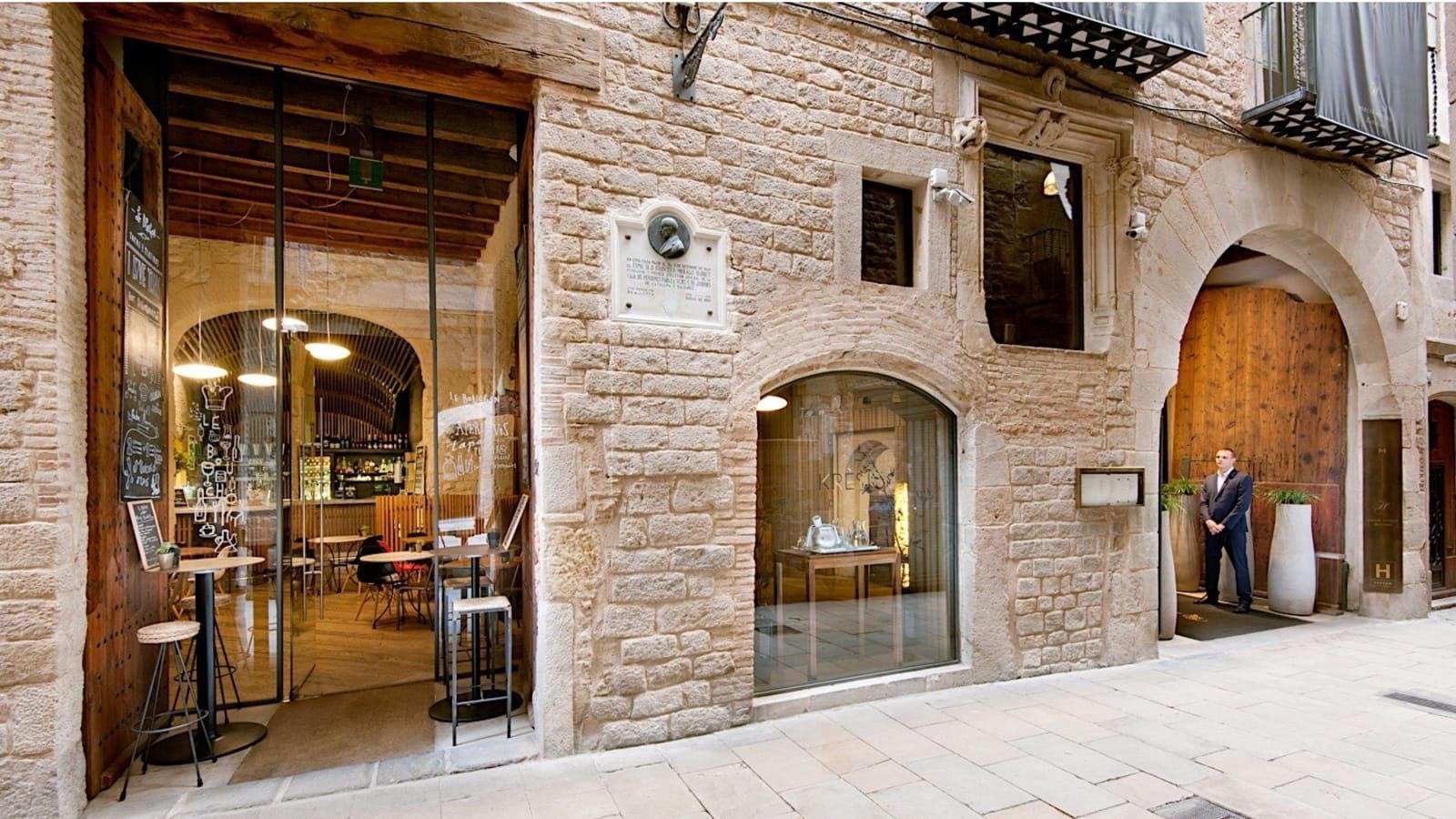
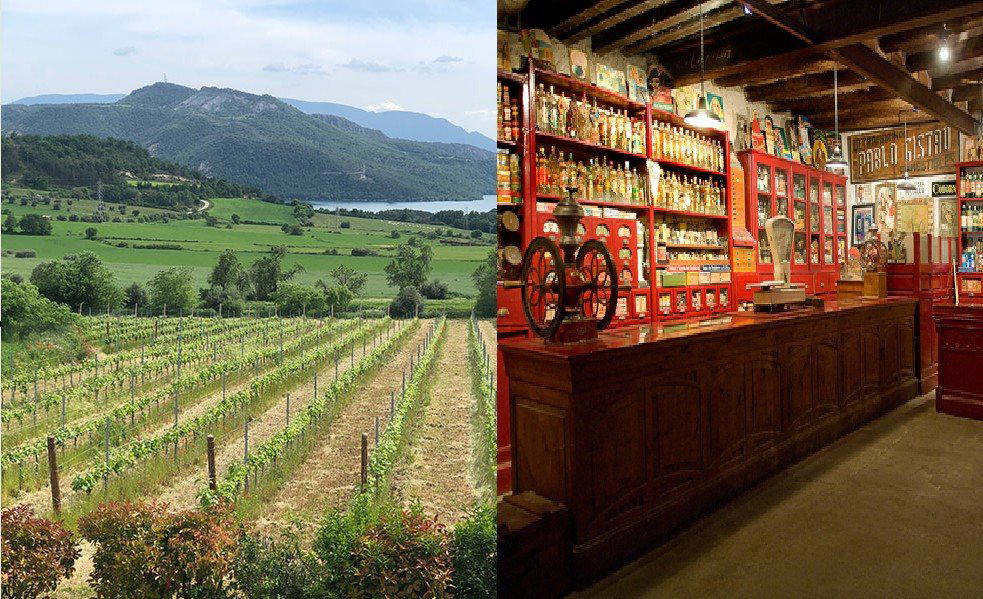
Rustic interior with stone walls, well-suited lighting, cozy and modern atmosphere.