Casa Árabe occupies a listed building on Calle Alcalá in Madrid's Salamanca district, positioning itself as a cultural and culinary point of contact between Spain and the Arab world. Where Madrid's top creative restaurants push Spanish produce through avant-garde technique, Casa Árabe holds a different brief: it documents a shared culinary heritage that runs deeper than most diners expect.
Pearl is the En Primeur Club membership app — saves, bookings, and concierge access live there. Same editors, same standards.
- Address
- C. Alcalá, 62, Salamanca, 28009 Madrid, Spain
- Phone
- +34 915 63 30 66
- Website
- casaarabe.es
- Directions
- Get directions
 Saves & bookings on Pearl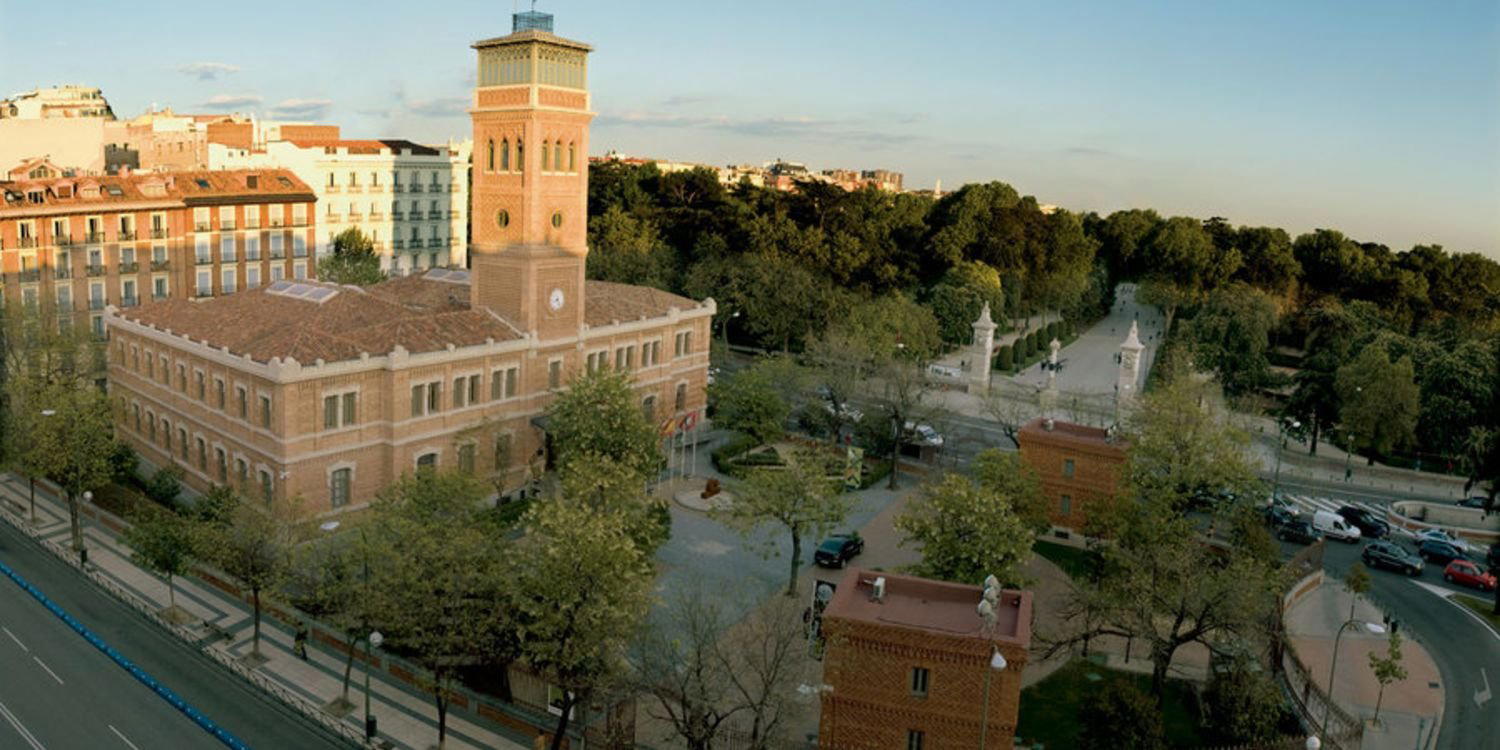
Where Salamanca Meets the Medina
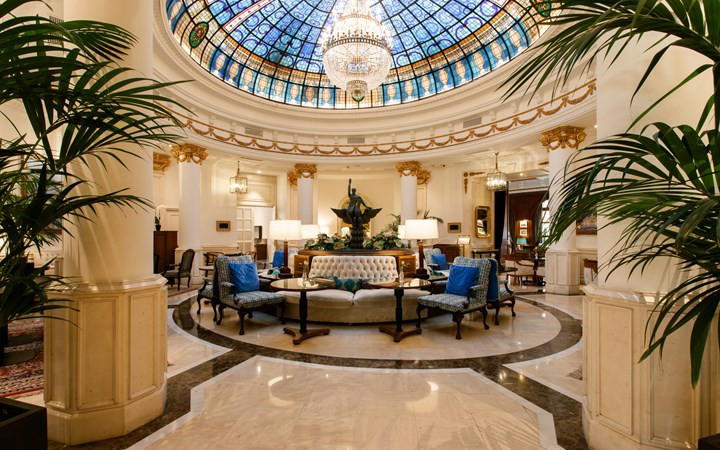
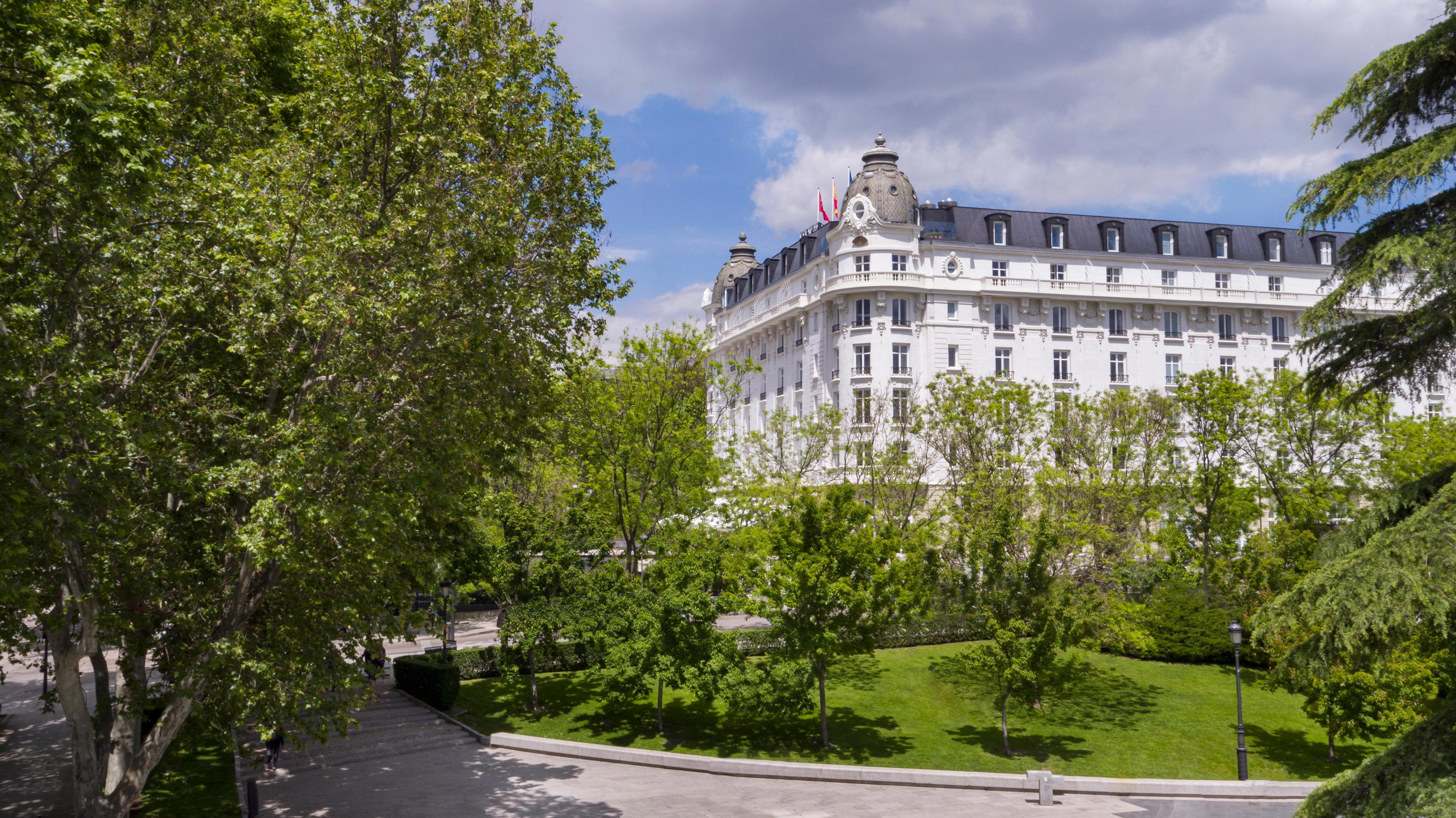
Calle Alcalá 62 sits in the part of Salamanca where the district's residential calm starts to give way to the broader civic energy of central Madrid. The building Casa Árabe occupies carries weight before you step inside: it is a listed architectural property, and the institutional character of the space — high ceilings, formal proportions, stone and tile detailing — does more to set the register of a visit than any branding could. This is not a restaurant that has adopted Arabesque décor as a mood board. The physical environment is the argument.
That distinction matters in a city where the serious creative dining tier is dominated by tasting-menu restaurants, DiverXO, Coque, Deessa, DSTAgE, Paco Roncero, that compete on Michelin recognition and the theatrics of invention. Casa Árabe operates in a different mode entirely. Its purpose is cultural as much as culinary, making it a different kind of proposition for the Madrid dining week.
The Menu as a Position Statement
The architecture of the menu at Casa Árabe reflects the institution's wider mandate: to map the connections between Spanish and Arab culture across history, language, and food. Spain's culinary vocabulary carries centuries of Arabic influence, saffron, almonds, citrus, rice preparations, and a kitchen working within this remit is not excavating a niche but recovering a mainstream inheritance that the broader restaurant industry tends to leave implied rather than explicit.
What this means structurally is that the menu does not function as a list of dishes so much as a set of editorial decisions about which parts of that shared tradition to foreground. In Arab-influenced Spanish cooking at this register, the tension is between dishes that read as historical reconstruction and those that read as living cuisine. The leading versions of this format blur that line deliberately, allowing a familiar spice profile or preparation technique to arrive in a form that feels immediate rather than archival.
Spanish restaurants working with Moorish culinary heritage, from the ajo blanco traditions of Andalusia to the rice and almond preparations that travelled north through medieval trade routes, are operating within one of Europe's most documentable culinary continuities. Casa Árabe's position in Madrid, rather than Andalusia, is itself a statement: it brings this conversation to the country's political and cultural capital, where it sits alongside institutions concerned with diplomacy, exchange, and representation rather than regional gastronomy.
Reading the Room Against Madrid's Creative Tier
Madrid's highest-profile restaurants in 2024 and 2025 are working primarily within the logic of Spanish avant-garde cuisine: produce sourced to obsessive specificity, technique that references both tradition and laboratory, tasting menus structured as multi-chapter narratives. That format rewards restaurants that can sustain novelty across fifteen or more courses, and Madrid's starred cohort, see also Quique Dacosta in Dénia, Arzak in San Sebastián, or Azurmendi in Larrabetzu at the national level, has refined that format significantly over the past decade.
Casa Árabe is not competing in that tier. In that comparative frame, the relevant question is not whether the kitchen matches the technique of Martin Berasategui or El Celler de Can Roca in Girona, but whether the food earns its position as the centrepiece of a cultural institution.
That is a harder standard in some ways. Restaurants anchored to a cultural or diplomatic institution carry expectations of coherence, the food should say something the building and programming also say. A kitchen that simply serves competent Middle Eastern dishes inside a Spanish heritage building has missed the point. The interest lies in kitchens that find the overlap: preparations where Iberian and Arab traditions have genuinely fused, not just coexisted on adjacent plates.
Salamanca as Context
The Salamanca district positions Casa Árabe within Madrid's most formal residential neighbourhood, a few minutes from the Retiro and close to the concentration of embassies and cultural institutes along Serrano and its parallel streets. This geography is not accidental. The district has historically housed the kind of institutions, think tanks, foundations, consulates, that operate at the intersection of culture and policy. Casa Árabe fits that logic: it is as much a programme venue as a restaurant, with events, lectures, and exhibitions running alongside the dining operation.
For visitors to Madrid, the neighbourhood offers a quieter entry point than the Lavapiés or Malasaña dining scenes, and the proximity to the Prado, the Thyssen, and the Reina Sofía makes a lunch here a natural anchor for a cultural afternoon. Restaurants in this part of Salamanca tend to serve an audience that is as interested in what the room represents as in what arrives on the plate, which suits Casa Árabe's dual identity well.
Across Spain's broader fine dining circuit, the most interesting kitchens are often those that have identified a specific frame, Aponiente in El Puerto de Santa María with its marine ecosystems focus, Mugaritz in Errenteria with its philosophical provocation, Cocina Hermanos Torres in Barcelona with its greenhouse theatre. Casa Árabe's frame is civilisational dialogue, which is either the most expansive brief imaginable or a very specific one depending on how the kitchen executes it.
Planning a Visit
Casa Árabe is located at Calle Alcalá 62 in the Salamanca district, reachable from Retiro or Príncipe de Vergara metro stations in under ten minutes on foot. Given its institutional status and programming calendar, events regularly run alongside dining service, checking the current schedule before visiting is sensible, as availability and format can vary by day. For visitors already building a Madrid itinerary around the city's creative dining scene at EP Club's full Madrid restaurants guide, Casa Árabe sits outside the Michelin-starred tasting-menu circuit but rewards inclusion precisely because of that difference in register.
Comparable institutions in other contexts, cultural dining formats in Paris, London, or New York, where a room's diplomatic or heritage status inflects the food, tend to attract visitors who are already oriented towards a city's cultural programming rather than its pure restaurant scene. That is the audience Casa Árabe is structured for, and visiting with that frame in mind produces a more accurate read of what the kitchen is attempting. The comparison set internationally includes places like Le Bernardin in New York City or Lazy Bear in San Francisco in the sense that format and mission shape the experience as much as any individual dish, though Casa Árabe's mission is categorically different. See also Atrio in Cáceres and Ricard Camarena in València for other Spanish restaurants where the institutional or spatial context carries significant weight.
How Casa Árabe Madrid compares with similar nearby venues.
| Venue | Cuisine | Price |
|---|---|---|
| Hotaru Madrid | Japanese | €€€ |
| Ricardo Sanz Wellington | Japanese Contemporary | €€€€ |
Continue exploring
More in Madrid
Restaurants in Madrid
Browse all →
Bars in Madrid
Browse all →
Hotels in Madrid
Browse all →

At a Glance
- Cozy
- Elegant
- Scenic
- Casual Hangout
- Group Dining
- Date Night
- Terrace
- Garden
- Historic Building
- Craft Cocktails
- Garden
Current opening hours
- Monday
- 10 AM–8 PM
- Tuesday
- 10 AM–8 PM
- Wednesday
- 10 AM–8 PM
- Thursday
- 10 AM–8 PM
- Friday
- 10 AM–8 PM
- Saturday
- 10 AM–8 PM
- Sunday
- 10 AM–8 PM
Hours can change for holidays and private events. Last verified .
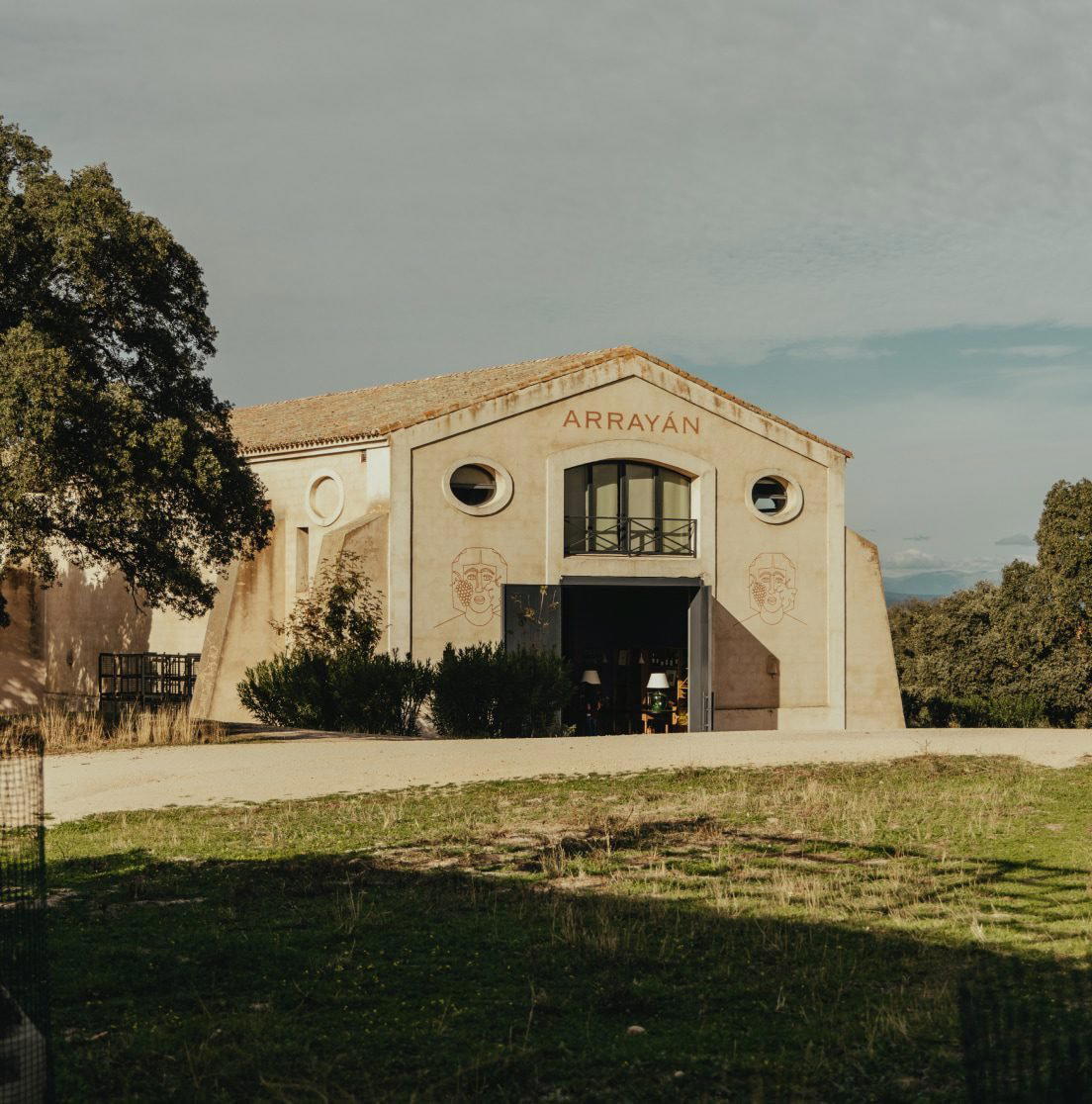
Elegant and culturally rich atmosphere with a beautiful restored Neo-Mudéjar building, enhanced by outdoor garden terrace seating during summer months.
Know Before You Go
- Getting there
- C. Alcalá, 62, Salamanca, 28009 Madrid, Spain