Casa Alejandro Restaurante
Our verdict
On Calle 51 Este in Panama City, Casa Alejandro Restaurante sits within a dining corridor that has become one of Central America's more closely watched addresses. The restaurant draws on Panama's position as a crossroads of ingredients and culinary influence, placing it in a conversation about where the country's restaurant scene is headed and what sourcing from this particular geography can actually produce.

Pearl is the En Primeur Club membership app, where members save venues, book tables and use the concierge.
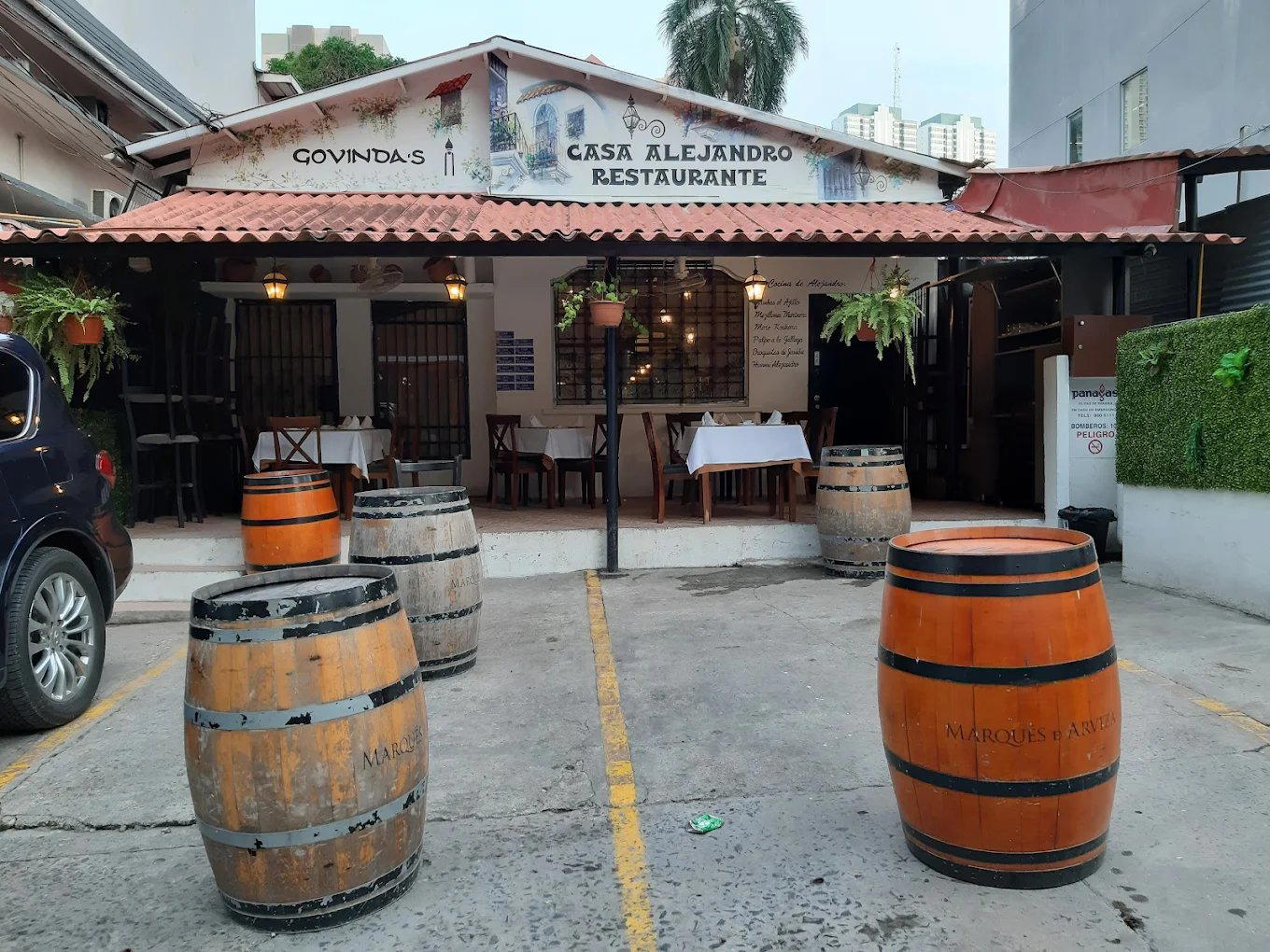
A Street That Signals Intent
Calle 51 Este runs through one of Panama City's more concentrated dining corridors, where the competition for a serious dinner reservation has tightened considerably over the past decade. The street functions as a kind of barometer for where Panamanian restaurant culture is moving: away from imported templates and toward something that takes the country's extraordinary ingredient position seriously. Casa Alejandro Restaurante sits on this strip as part of that shift, in a city that now appears in the same regional conversations as Bogotá and Lima when critics discuss where Latin American cooking is finding new momentum.
Panama's geography is the starting argument for any ambitious kitchen here. The country spans two oceans, contains one of the world's most biodiverse land bridges, and sits within reach of highland coffee zones, Pacific fishing grounds, Caribbean reef systems, and lowland agricultural belts that produce cacao, plantain, and root vegetables with a flavor intensity that temperate-zone producers rarely match. For a restaurant operating in this context, ingredient sourcing is not a marketing position, it is the competitive baseline. Kitchens that do not engage with that supply chain are, by definition, leaving the most interesting part of the story untold. Venues like Maito (Panamanian) have built significant reputations specifically by making that engagement visible and central to the menu's logic.
Panama City's Ingredient Geography
The sourcing argument in Panama is not abstract. The country's two coastlines produce markedly different seafood profiles: Pacific catches run to corvina, red snapper, and the large-bodied fish suited to high-heat preparations, while Caribbean-side fishing delivers different species and a culinary tradition shaped by Afro-Caribbean technique. The highlands around Boquete and Volcán in Chiriquí province supply highland strawberries, specialty coffee, and cool-climate vegetables that behave more like European produce than anything grown at sea level in the tropics. Indigenous communities in the Darién and Guna Yala regions preserve heirloom varieties of corn, cacao, and tubers that have no commercial equivalent. A kitchen that knows how to move across these supply chains can build a menu with genuine geographic specificity rather than one assembled from the same regional wholesale distributors that supply a dozen competitors.
This is the context in which Casa Alejandro Restaurante operates on Calle 51 Este. Panama City's restaurant scene has reached a point where the quality gap between venues that engage seriously with local sourcing and those that do not is plainly visible on the plate. The city's more closely followed addresses, including Atope, Caleta, and BRIO Brasserie, each hold a distinct position on that spectrum, and diners who have eaten across the city's current tier of serious restaurants will arrive at Casa Alejandro with calibrated expectations.
Where It Sits in the City's Competitive Set
Panama City now has enough restaurants operating at a considered level that comparisons within the scene are meaningful. The city's dining options range from casual cevicherías and fondas serving sancocho and rice dishes at neighborhood prices to destination-tier tables that price against international peers and attract visiting food press. Casa Alejandro's address on Calle 51 Este places it in the middle of this activity, within walking distance of several other venues worth tracking. For context on the broader regional picture, Receta Michilá in Isla Carenero illustrates how far Panama's culinary ambition has spread geographically, well beyond the capital's dining corridor.
The international reference points matter here too, not because Panama City restaurants should be measured against Le Bernardin in New York City or Alinea in Chicago, but because the same sourcing conversations that drove those kitchens toward supplier transparency and provenance-first menus have now reached Central America with real force. The question for any serious Panama City restaurant is not whether to engage with that movement but how specifically and honestly it does so. Venues like Aponiente in El Puerto de Santa María have demonstrated that an ingredient-led approach, taken to its logical conclusion, can redefine what a regional cuisine is understood to be. Panama's kitchens are in an earlier phase of that reckoning, which makes the current moment in the city's dining scene genuinely interesting to follow.
Planning Your Visit
Calle 51 Este is accessible by taxi or app-based ride services from most Panama City hotels, and the strip is walkable to several other evening destinations if you are building a longer night. The neighborhood's concentration of restaurants means it is worth arriving with a confirmed reservation rather than relying on walk-in availability, particularly on weekends when the corridor draws both local and visiting diners. For a broader orientation to what the city offers across different neighborhoods and price points, the full Panama City restaurants guide maps the scene in useful detail. If your itinerary includes other areas of the city, Los Tarascos Mexicanos in El Carmen represents a different neighborhood's dining character worth considering alongside the Calle 51 corridor. For Japanese-inflected options in the same general area, Umi Restaurante Bar Izakaya is a consistent reference point among Panama City regulars.
The broader Latin American dining circuit also intersects with Panama City as a transit hub, and travelers moving between North and South America increasingly use a Panama City stopover to eat rather than simply connect flights. That pattern has pushed the city's better restaurants to calibrate against a more internationally experienced diner, which raises the floor of what serious cooking here needs to deliver.
Frequently asked questions
What's the address for Casa Alejandro Restaurante?
Casa Alejandro Restaurante is located at Calle 51 Este, Panamá, Provincia de Panamá, Panama, Panama City.
Is Casa Alejandro Restaurante a good option for visitors unfamiliar with Panama City's dining scene?
For visitors arriving without deep knowledge of Panama City's restaurant geography, Calle 51 Este is one of the more reliable streets to orient around, the concentration of operating restaurants means the surrounding context is readable even before you sit down. Casa Alejandro Restaurante sits within that corridor, in the Provincia de Panamá, making it a grounded starting point rather than an outlier requiring special navigation.
Do they take walk-ins at Casa Alejandro Restaurante?
No booking policy is publicly documented for Casa Alejandro Restaurante at Calle 51 Este. On a street where demand for tables has tightened as Panama City's dining scene has grown more competitive, arriving without a reservation carries risk, particularly on weekend evenings. Contacting the restaurant directly before arrival is the safest approach.
What's the standout thing about Casa Alejandro Restaurante?
Casa Alejandro holds its position on Calle 51 Este, one of Panama City's more concentrated and competitive dining corridors, where the bar for a considered dinner has risen alongside the city's broader culinary development.
Quick Comparison
Comparable venues nearby, for context on price, style, and recognition.
| Venue | Cuisine | Price | Awards | Notes |
|---|---|---|---|---|
| Casa Alejandro RestauranteThis venue (the venue you are viewing) | Authentic Spanish | $20–30 | Not listed | Not listed |
| Atope | Spanish-Panamanian Fusion Tapas | $30–50 | Star Wine List | Costa del Este |
| Maito Restaurante | Modern Panamanian Fusion (Chombasia) | $50–100 | Not listed | Coco del Mar |
| Sugoi Caribbean Sushi | Caribbean Sushi Fusion | $20–30 | Not listed | El Cangrejo |
| Mai Mai | Peruvian-Nikkei Japanese Fusion Izakaya | $50–100 | Not listed | Costa Del Este |
| KAVA | Kosher Japanese Sushi | Not listed | Not listed | Obarrio |
Continue exploring
More in Panama City
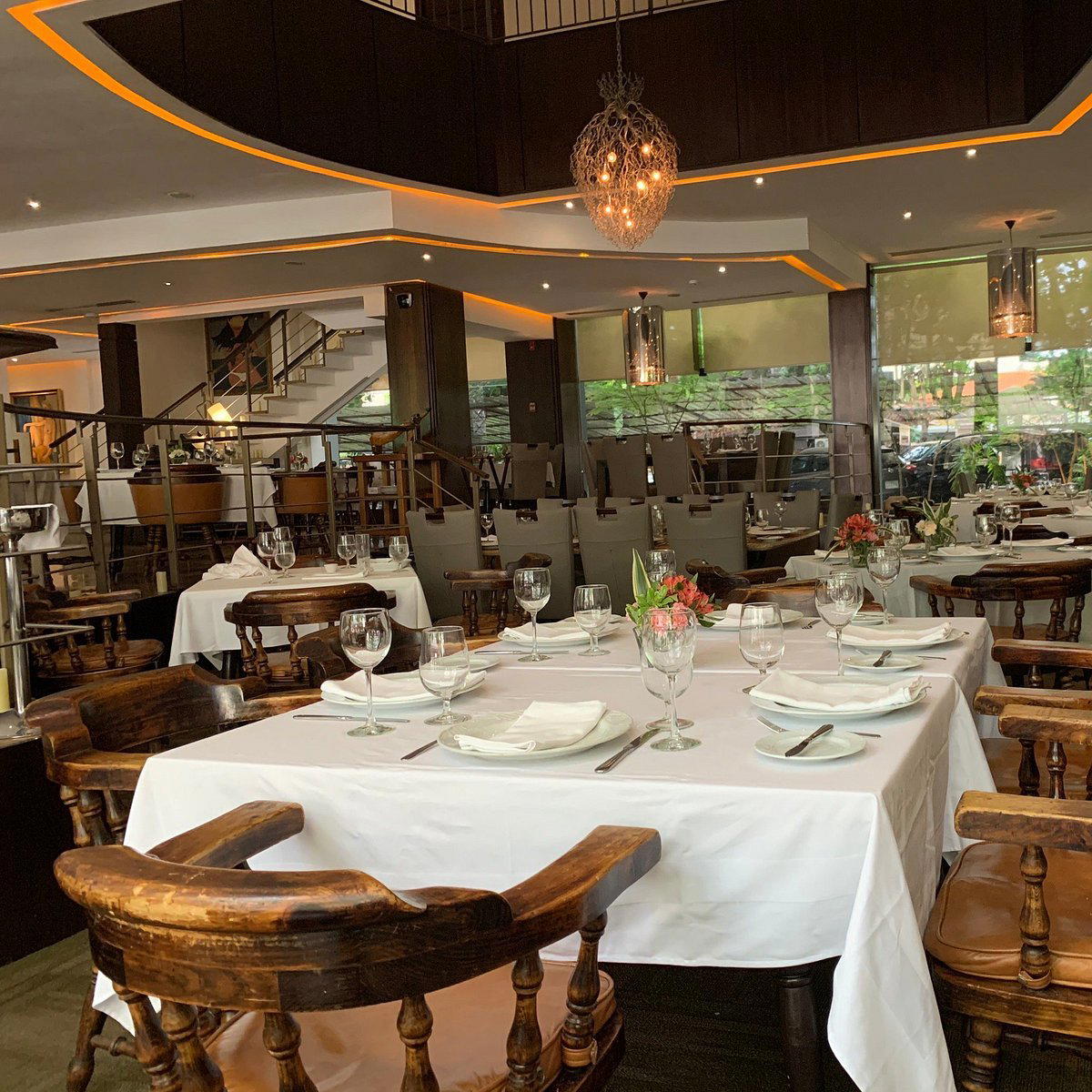
Restaurants in Panama City
All restaurants in Panama City →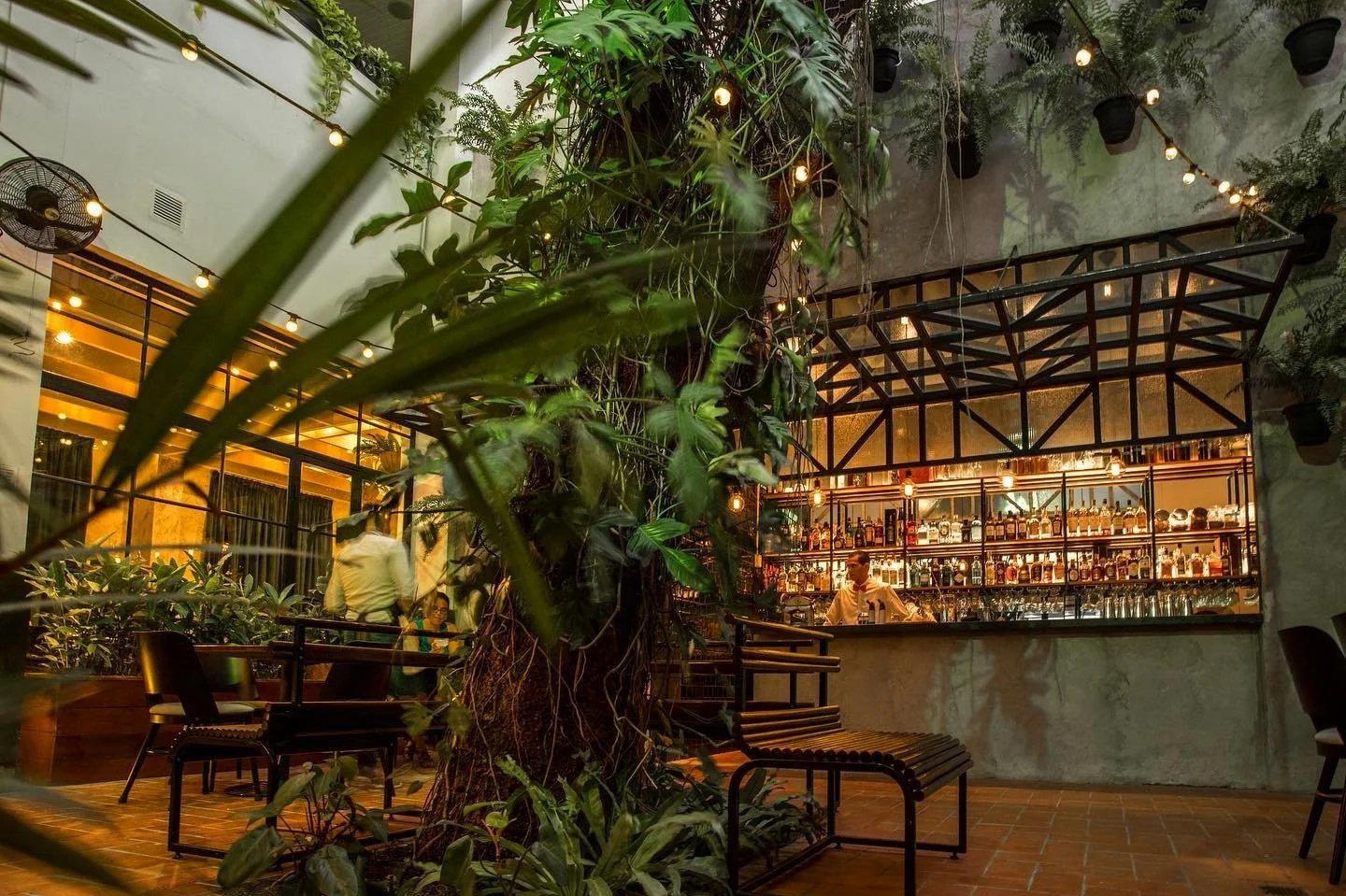
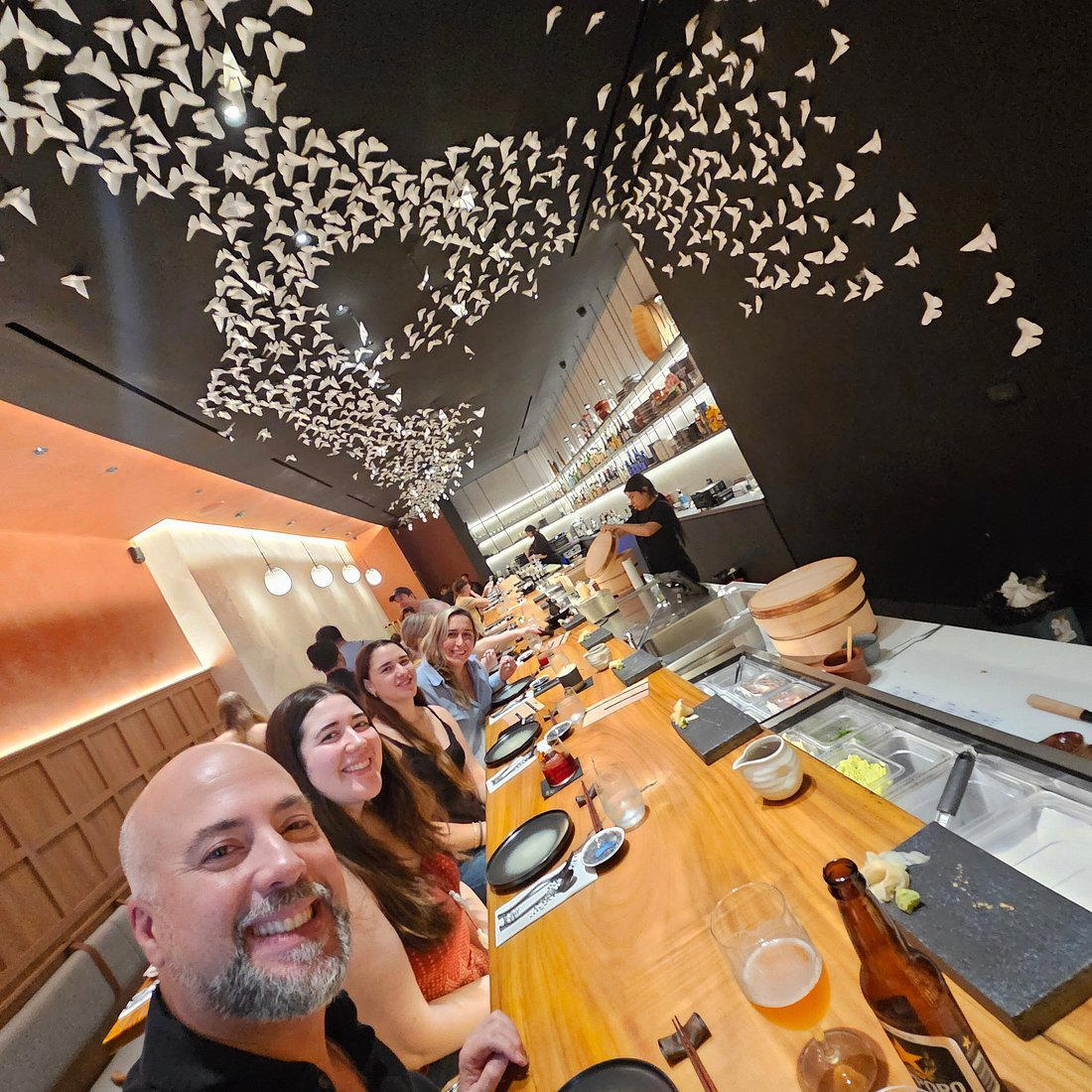
Bars in Panama City
All bars in Panama City →
Details
- Classic
- Cozy
- Elegant
- Date Night
- Business Dinner
- Open Kitchen
- Extensive Wine List
- A La Carte
- Vegetarian Friendly
- Gluten Free Options
Current opening hours
- Monday
- 12–11:30 PM
- Tuesday
- 12–11:30 PM
- Wednesday
- 12–11:30 PM
- Thursday
- 12:20–11:30 PM
- Friday
- 12–11:30 PM
- Saturday
- 12–11:30 PM
- Sunday
- Closed
Hours can change for holidays and private events. Hours as of .
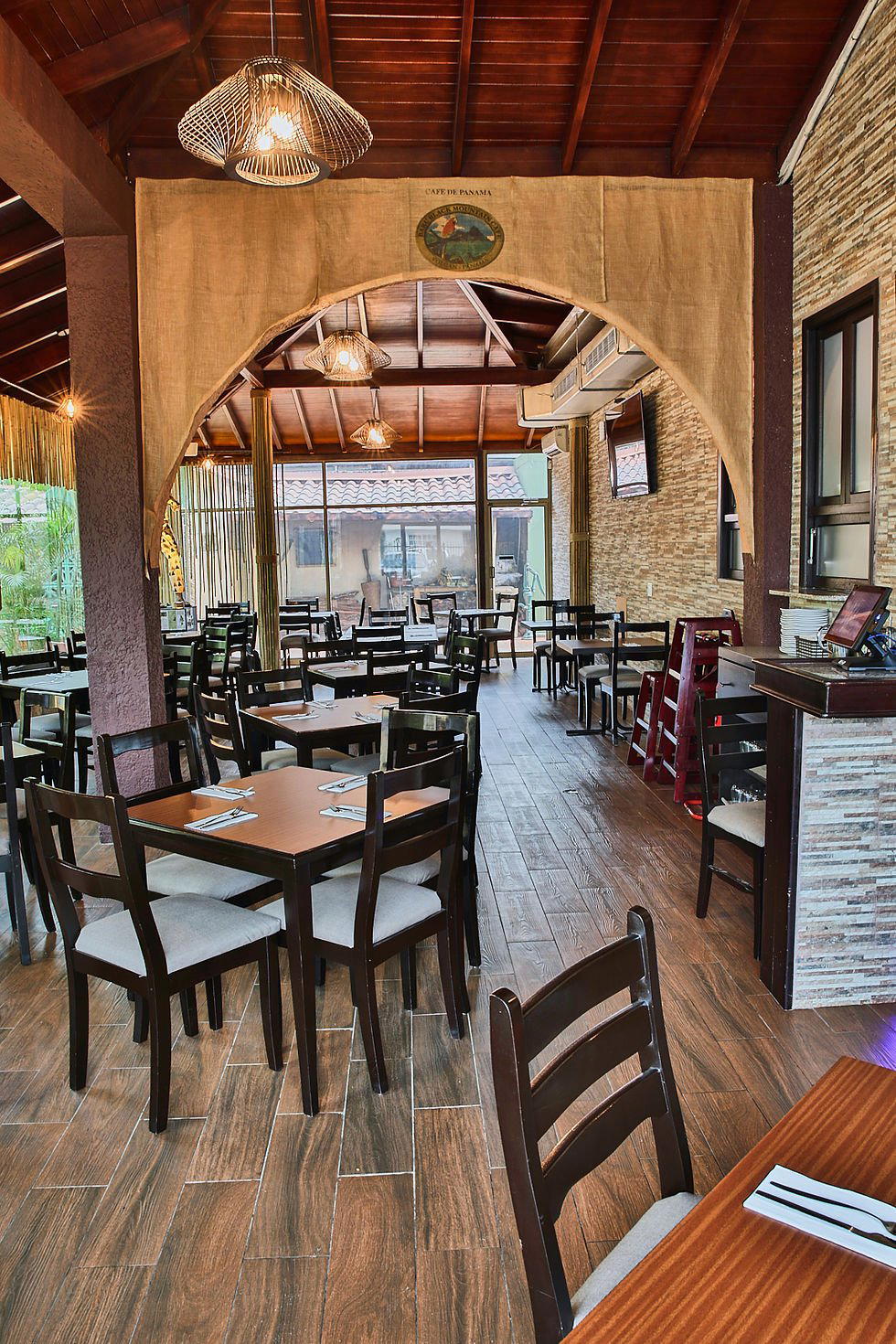
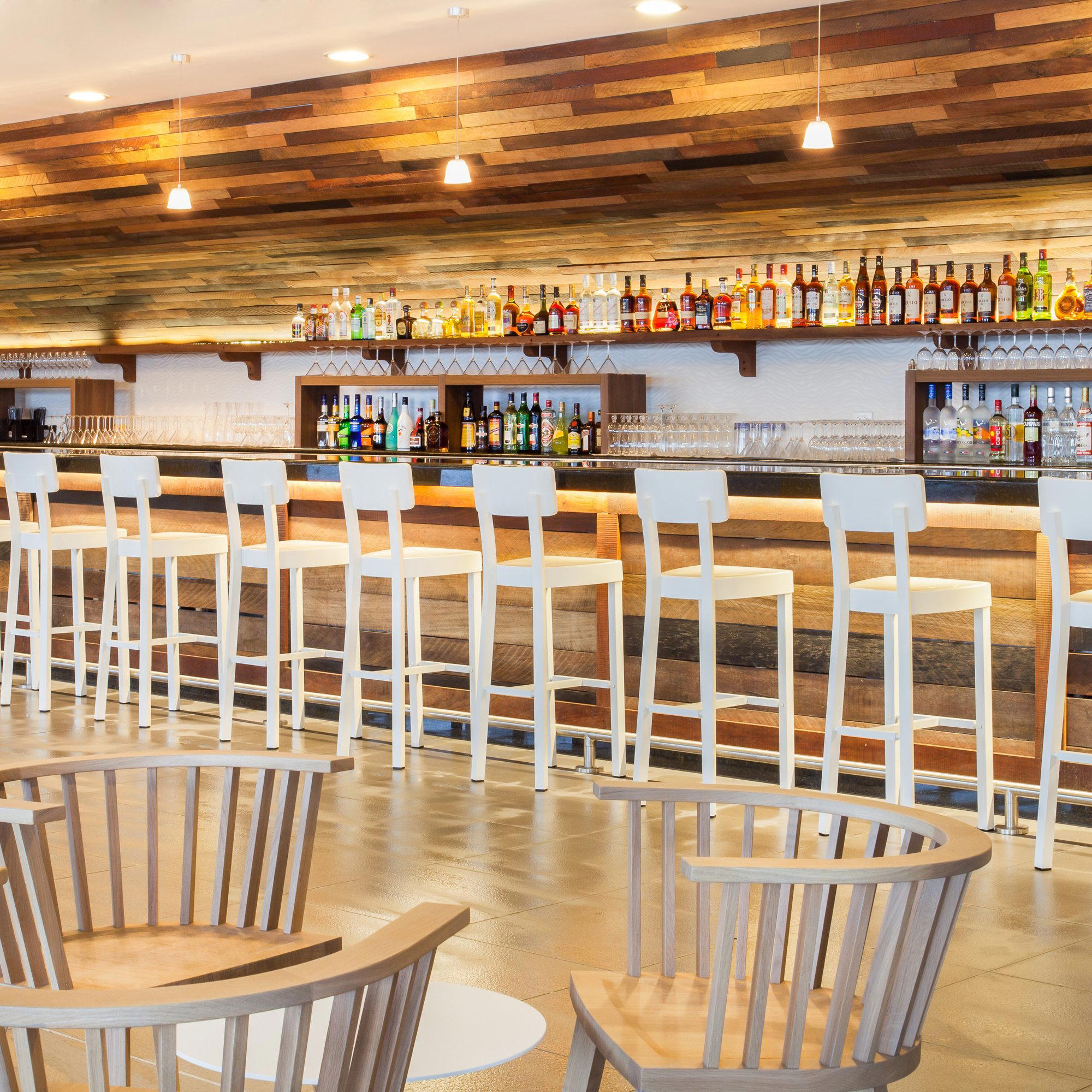
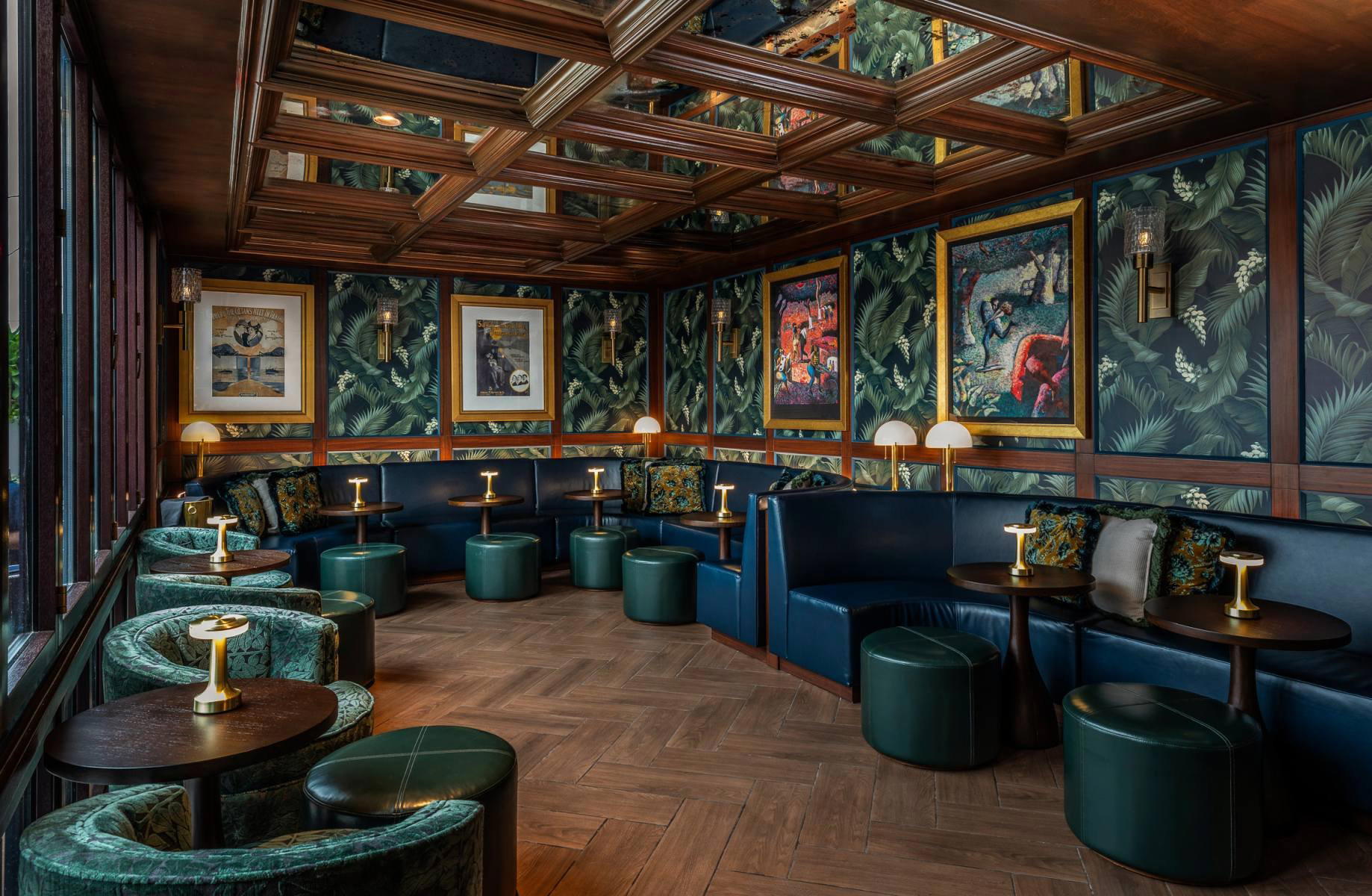
Cozy and attractive interior evoking Spain, with air-conditioned seating inside and outdoor options under fans; outstanding lunch and dinner atmosphere as noted by guests.