Receta Michilá
Our verdict
Receta Michilá sits on Isla Carenero in Panama's Bocas del Toro archipelago, where the Caribbean's ingredient geography does most of the editorial work. The restaurant draws on the surrounding waterways and tropical terrain at a remove from Panama City's more-documented dining circuit, placing it in a small category of Caribbean-facing kitchens where provenance and place are inseparable from the plate.

Pearl is the En Primeur Club membership app, where members save venues, book tables and use the concierge.
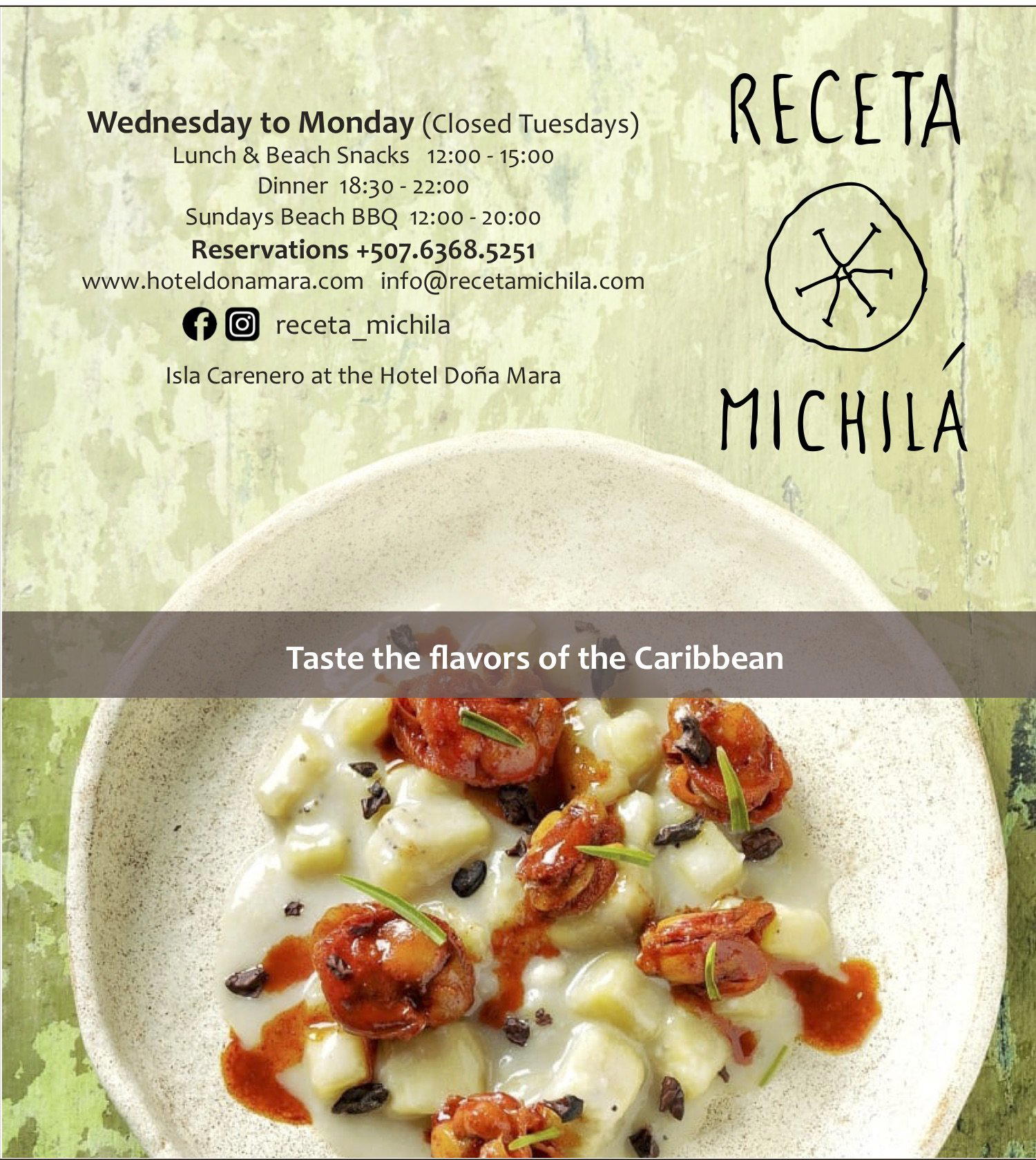
The menu
What to order
- Cucú Caribeño de Maíz con Langostinos
- Arroz Meloso con Almejas Rojas
Where the Archipelago Feeds the Kitchen
Bocas del Toro operates on a different supply logic than most of Panama's restaurant scene. Isla Carenero sits within swimming distance of Bocas Town, the province's commercial hub, but the separation matters: restaurants here source from the surrounding Caribbean waters and from the agricultural communities of the mainland coast rather than from the refrigerated supply chains that serve Panama City's hotel dining rooms. This is a part of Panama where the distance between ocean and plate is measured in minutes rather than days, and where the question of what's on the menu is answered, to a meaningful degree, by what came in that morning. Receta Michilá sits inside that ingredient logic. For a broader orientation to where it fits among the island's options, see our full Isla Carenero restaurants guide.
The Bocas Ingredient Geography
The Bocas del Toro archipelago is one of Central America's more consequential marine environments: Caribbean reef fish, lobster, octopus, and shrimp move through waters that have, so far, remained less industrially fished than the Pacific coast. On the agricultural side, the Ngäbe-Buglé territory on the mainland produces cacao, plantain, yuca, and tropical fruits under conditions that differ sharply from industrial Central American farming. This is relevant not as background colour but as a structural fact about what kitchens in this province have access to that kitchens elsewhere in Panama do not.
That sourcing context shapes how Bocas del Toro's smaller restaurants position themselves relative to Panama City's more-cited dining circuit. Maito in Panama City has built its identity around indigenous and local Panamanian ingredients applied through a modernist lens. The kitchens of Bocas del Toro occupy a different register: the proximity to primary sources is more literal, the interpretive layer lighter, and the resulting food tends to read as place-specific in a way that a city restaurant, however technically accomplished, cannot fully replicate. Receta Michilá, operating on Isla Carenero rather than in Bocas Town itself, sits at a further remove still, an island restaurant in an island province, with the ingredient geography to match.
Approaching Isla Carenero
Getting to Isla Carenero requires a water taxi from Bocas Town, a crossing that takes under five minutes and runs with reasonable frequency throughout the day. The short passage is worth keeping in mind when planning an evening visit, since water taxi availability thins after dark and guests dining late need to account for the return trip. The island's restaurant strip faces the channel, and arriving by water means most dining rooms are approached from the dock side rather than the street, a practical detail that also sets the atmospheric register from the first moment.
The Bocas del Toro experience is calibrated to a slower pace than Panama City or even David. Reservations and contact details for Receta Michilá are not consolidated in major booking platforms, which reflects a broader pattern across the archipelago's smaller restaurants: logistics often require direct engagement, and planning ahead is advisable during the December-to-April dry season, when visitor density rises sharply. The wetter months from May through November bring fewer tourists and, for those willing to accept occasional rain, a less pressured version of the island's dining scene.
Caribbean-Facing Kitchens and Their Competitive Context
The category Receta Michilá occupies, a small, place-rooted restaurant in a remote Caribbean archipelago, does not map neatly onto the award-circuit dining that frames much of EP Club's coverage. Restaurants like Aponiente in El Puerto de Santa María, which built its three-Michelin-star identity around marine sourcing and ocean-derived ingredients, or Arpège in Paris, where Alain Passard's vegetable-forward sourcing philosophy reshaped French fine dining, represent the formal end of ingredient-led cooking. At the opposite end of that spectrum sit the archipelago kitchens of the Caribbean, where the sourcing credentials are often stronger than the institutional recognition suggests.
That gap between ingredient quality and visibility is a recurring feature of Central American coastal dining. The same dynamic plays out in other remote culinary environments: places covered extensively in the EP Club context, from the technically precise counters of Le Bernardin in New York City to the fermentation-driven menus of Atelier Crenn in San Francisco, carry formal credentials that make their ingredient sourcing legible to an international audience. Bocas del Toro's restaurants carry different credentials: the island geography itself, the fishing community relationships, and the sheer proximity to primary sources that urban restaurants spend considerable effort approximating.
Other restaurants with Latin American and Caribbean ingredient philosophies worth contextualising against Bocas del Toro's scene include Los Tarascos Mexicanos in El Carmen, which represents the regional sourcing approach applied through a Mexican culinary frame, and the tasting-menu format restaurants across the EP Club network, Atomix in New York City, Lazy Bear in San Francisco, Alinea in Chicago, that have formalised the relationship between sourcing story and tasting menu into a recognisable commercial format. Receta Michilá operates in a different register entirely, one where the sourcing story is embedded in the context rather than narrated from the menu.
Planning Your Visit
Isla Carenero is accessible year-round, with the dry season from December through April offering the most reliable weather for both the water taxi crossing and outdoor or open-air dining. The island's restaurant options are limited relative to Bocas Town, which means Receta Michilá functions as one of a small number of choices rather than one option among many, a distinction worth making when building an itinerary around the archipelago. Visitors combining the restaurant with broader Bocas del Toro exploration should account for the logistics of island-hopping, which adds both planning complexity and the kind of remove from the standard tourist circuit that defines the province's appeal.
Given the absence of consolidated booking infrastructure common across this part of the archipelago, the most reliable approach is to confirm availability directly upon arrival in Bocas Town or through accommodation hosts on the island, who typically maintain current information about operating days and hours for local restaurants.
Frequently asked questions
Is Receta Michilá a family-friendly restaurant?
Receta Michilá sits on Isla Carenero, a small island reached by a short water taxi ride from Bocas Town, which makes the logistics conversational rather than complicated for families. The setting is a place-rooted Caribbean restaurant rather than a formal dining room, which generally suits relaxed group meals.
What's the overall feel of Receta Michilá?
Receta Michilá occupies a category that does not map neatly onto the Panama City fine-dining circuit: a small, location-committed restaurant in a remote Caribbean archipelago. The Bocas del Toro setting drives the identity, Caribbean reef fish, lobster, and local seafood sourced from one of Central America's more consequential marine environments. The atmosphere follows that geography: relaxed, water-adjacent, and defined by proximity to the ingredient rather than formal service ritual.
How do you get to Receta Michilá on Isla Carenero?
Isla Carenero is accessible by water taxi from Bocas Town, a crossing that takes under five minutes and runs with reasonable frequency throughout the day. Receta Michilá is located in the Bocas del Toro Province of Panama, placing it within the archipelago rather than on the main tourist hub of Bocas Town itself. The dry season from December through April offers the most reliable conditions for the crossing, though the island operates year-round.
What do regulars order at Receta Michilá?
What the Bocas del Toro archipelago reliably supplies, Caribbean reef fish, lobster, octopus, and shrimp, suggests the kitchen works with what the surrounding marine environment produces. Ordering around the day's catch is the practical approach in any restaurant operating within this kind of island supply logic.
How do I find Receta Michilá?
Receta Michilá is located at Bocas del Toro, Bocas del Toro Province, Panama, Isla Carenero.
At-a-Glance Comparison
| Venue | Cuisine | Price | Awards | Notes |
|---|---|---|---|---|
| Receta MichiláThis venue (the venue you are viewing) | Modern Afro-Caribbean Fine Dining | $50–100 | Not listed | Not listed |
| Maito | Modern Panamanian Fusion | $50–100 | World's 50 Best #18 | Panamanian |
| Cantina del Tigre | Modern Panamanian Caribbean | $30–50 | World's 50 Best #47 · The Best Chef One Knife | Not listed |
| Umi Restaurante Bar Izakaya | Modern Japanese Izakaya | $50–100 | World's 50 Best #72 · Top 500 Bars Best Bars #494 | Not listed |
| Corcho | Mediterranean Wine Bar | $30–50 | Star Wine List | Not listed |
| Lazotea | Modern Latin American Rooftop | $50–100 | Star Wine List · Wine Spectator Award of Excellence | Not listed |
Continue exploring
More in Isla Carenero
Restaurants in Isla Carenero
All restaurants in Isla Carenero →
Details
- Intimate
- Scenic
- Rustic
- Cozy
- Date Night
- Special Occasion
- Celebration
- Waterfront
- Hotel Restaurant
- Craft Cocktails
- Local Sourcing
- Waterfront
- Tasting Menu
- A La Carte
- Small Plates
- Vegetarian Friendly
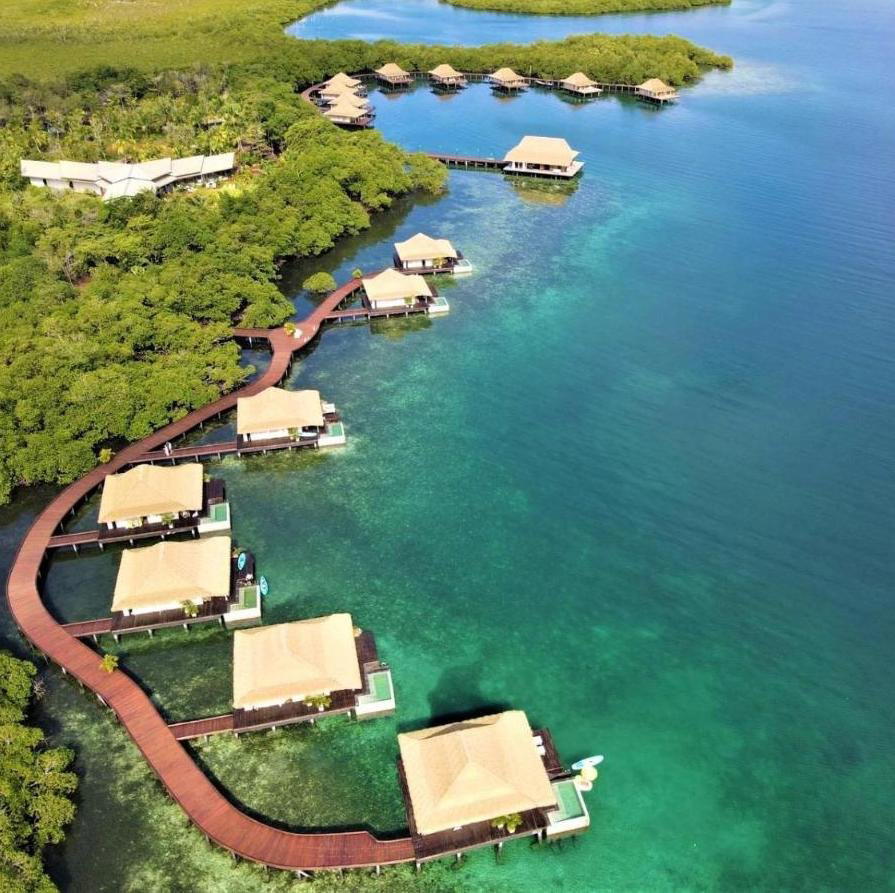
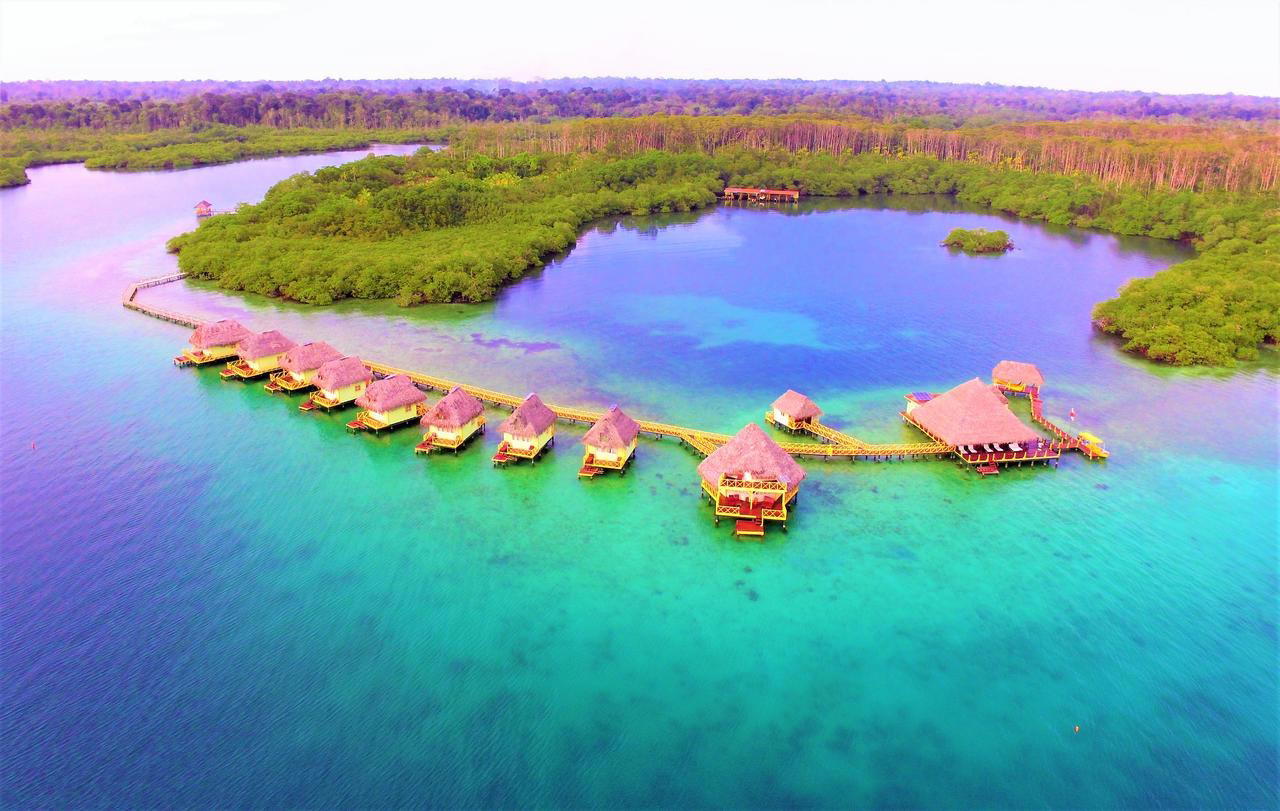
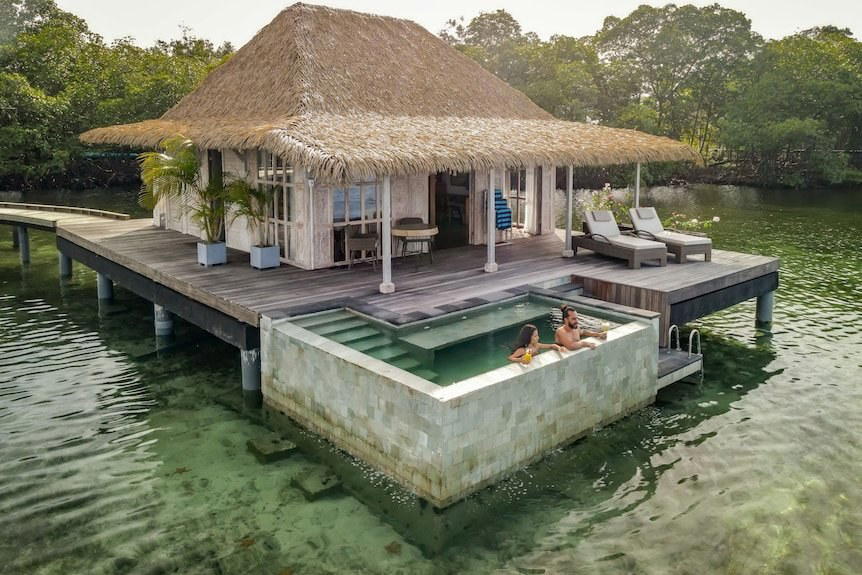
Beachfront setting with a cozy, welcoming atmosphere infused with Caribbean vibes and ocean sounds.