Cantina del Tigre



Cantina del Tigre at Plaza Centenario brings Chef Fulvio Miranda's reimagined Panamanian cooking to one of Panama City's most historically resonant addresses. The kitchen works within a tradition of local ingredients and regional flavour, presenting dishes with a visual boldness that has earned growing attention across Central America. It occupies a distinct position in the city's evolving contemporary-Panamanian dining tier.
Pearl is the En Primeur Club membership app — saves, bookings, and concierge access live there. Same editors, same standards.
- Address
- PLAZA CENTENARIO, C. 68 Este, Panamá, Provincia de Panamá, Panama
- Phone
- +507 6436-6188
- Website
- cantinadeltigre.com
- Directions
- Get directions
 Saves & bookings on Pearl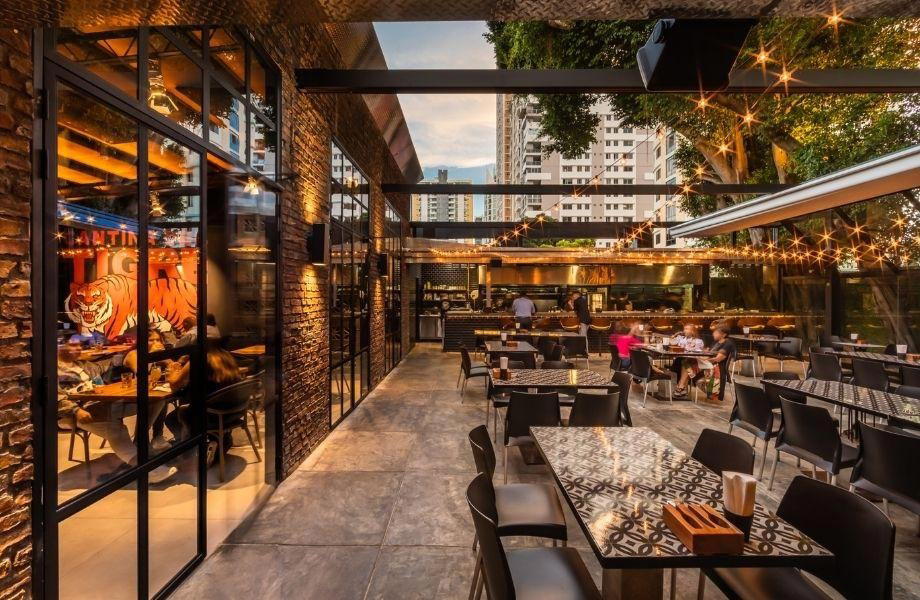
Where Plaza Centenario Meets the Plate
Panama City's dining identity has long been split between international hotel restaurants and neighbourhood spots preserving regional technique with little fanfare. What has changed over the past decade is the emergence of a third tier: restaurants working within Panamanian culinary tradition but treating it as a creative platform rather than a museum exhibit. Cantina del Tigre, positioned at Plaza Centenario, operates inside that shift. The square itself carries weight, it sits in Calidonia, a district where the city's administrative and commercial history has layered over decades, and where foot traffic runs from professionals to market vendors. The address gives the restaurant an immediate connection to the rhythms of lived Panama City rather than the sanitised corridor of Miraflores or Punta Pacifica.
Walking into a restaurant on a public plaza in this part of the city means arriving through urban context rather than a curated approach. There is no buffer zone between the street and the dining room, no hotel lobby to pass through. The setting signals something about the restaurant's relationship to its surroundings: it is part of the neighbourhood rather than placed above it.
Panamanian Ingredients as the Argument
The conversation about what defines contemporary Panamanian cuisine almost always returns to the same question: which ingredients, and from where? Panama's geography, two coastlines, highland agriculture in Chiriquí and Veraguas, and rainforest-edged river systems in between, gives its kitchens access to a supply chain that most Central American capitals cannot match in diversity. Plantains, yuca, ñame, culantro, and various chili varieties form the backbone of the country's traditional larder, but the more interesting story is how altitude and rainfall variation across Panama's interior produce ingredient quality that rarely makes it onto the menus of international-facing restaurants.
Cantina del Tigre, under Chef Fulvio Miranda, engages with that supply through what the kitchen describes as reimagined traditional dishes. Miranda's creative approach points toward a kitchen interested in the colour, texture, and regional character of its raw materials rather than imported substitutes. Across Central America, the restaurants gaining traction in this period tend to be the ones that use local produce not as a branding strategy but as a constraint that generates creative solutions. When the highland yam or the Pacific coast ceviche tradition is the starting point rather than an afterthought, the menu develops a coherence that ingredient-agnostic kitchens rarely achieve.
Miranda's preparations have drawn attention for their visual boldness, colourful plating that moves Panamanian cooking away from the rustic presentation typical of fondas and cocinas economicas without abandoning the flavour logic of the source cuisine. That balance is harder to execute than it appears. Restaurants in this region that reach for visual ambition often drift into presentation that has lost contact with the culinary tradition it claims to reference. The stronger examples, and Miranda's work appears to sit in this group, use colour and composition to amplify what is already in the ingredient rather than to disguise a gap between ambition and technique.
A City in the Process of Defining Its Restaurant Tier
Panama City's contemporary restaurant scene occupies a peculiar position regionally. The country's economy and its international connectivity through the Canal have historically made it a city where imported food culture arrived quickly, sushi, ceviche in its Peruvian Nikkei form, Spanish tapas, while the local culinary tradition was treated as home cooking rather than restaurant territory. That dynamic is reversing. A cluster of chefs working with Panamanian ingredients and techniques have established enough critical momentum that the cuisine is now discussed seriously alongside the more developed scenes in Lima, Mexico City, and Bogotá.
Maito is frequently cited as the reference point for this shift, having built its menu around local and indigenous ingredients with a level of consistency that earned it a position in regional best-restaurant rankings. Fonda Lo Que Hay operates in a similar lane, drawing on traditional formats and presenting them to an audience comfortable with the idiom of the casual-contemporary restaurant. Caleta and La Tapa Del Coco represent different points on the same continuum, while Umi Restaurante Bar Izakaya shows how the city's internationalism continues to generate credible non-Panamanian alternatives alongside the local wave.
Cantina del Tigre sits within this evolving tier. Its Plaza Centenario address puts it outside the Casco Viejo concentration of tourist-facing restaurants and away from the Marbella cluster, which has its own internal competition. That geographical positioning shapes who comes through the door and what they expect. The Plaza Centenario location draws from a more local clientele, which in practice means the kitchen is answerable to diners who know the reference cuisine rather than visitors encountering it for the first time. That is a more demanding audience in some respects and a more forgiving one in others: it rewards authenticity of flavour and punishes cultural tourism in plating.
Miranda's Growing Regional Profile
Chef Fulvio Miranda's reputation has built on the basis that his cooking is gaining increasing popularity across the region, a signal that his work at Cantina del Tigre has attracted attention beyond Panama City's local dining public. Regional recognition in Central America's restaurant scene is not easily manufactured; the circuit of food media, chef networks, and informed travellers that confers it is smaller and more selective than its counterparts in South America or Europe. For a Panama City restaurant to register across the isthmus points to a level of consistency and distinctiveness that warrants tracking.
But the structural question those restaurants answered, how do you take a culinary tradition seriously enough to transform it without losing the thread back to its origins, is the same question Miranda is working through. The fact that his colour-forward, creatively reimagined Panamanian plates are finding regional audiences suggests the answer is developing.
Planning a Visit
The restaurant is located at Plaza Centenario on Calle 68 Este in Panamá city's Calidonia district. The Plaza Centenario address is reachable by taxi or rideshare from the main hotel districts in roughly 10 to 15 minutes depending on traffic, and the square is a navigable landmark for drivers unfamiliar with the immediate area. The restaurant is open daily from 12 to 11 PM. The restaurant recommends reservations and sits at a smart-casual level of dress. Dress code and reservation requirements follow the informal norms of this category of Panama City restaurant: smart-casual is appropriate, and walk-in is plausible on quieter weeknights, though weekends at a restaurant with this level of local following typically reward a call ahead.
Booking and Cost Snapshot
Comparable venues nearby, for context on price, style, and recognition.
| Venue | Cuisine | Price | Awards |
|---|---|---|---|
| Cantina del TigreThis venue — the venue you are viewing | Not listed | $$$ | World's 50 Best #47 |
| Fonda Lo Que Hay | Casco Antiguo, Modern Panamanian | $$ | World's 50 Best #82 |
| Umi Restaurante Bar Izakaya | Obarrio, Modern Japanese Izakaya | $$$$ | World's 50 Best #72 |
| Maito | Coco del Mar, Modern Panamanian Fusion | $$$$ | World's 50 Best #18 |
| La Tapa Del Coco | Dining | Not listed | World's 50 Best #61 |
| Caleta | Casco Viejo, Modern Panamanian Seafood | $$$ | World's 50 Best #91 |
Recognition history
Dated appearances from independent guides and award organizations, with the underlying list record or original source where available.
Opinionated About Dining Casual in North America Highly Recommended
Opinionated About Dining
The Best Chef One Knife
The Best Chef
World's 50 Best Latin America's Best Restaurants #47
World's 50 Best
Continue exploring
More in Panama City
Restaurants in Panama City
Browse all →
Bars in Panama City
Browse all →
At a Glance
- Cozy
- Lively
- Trendy
- Rustic
- Date Night
- Group Dining
- Casual Hangout
- Special Occasion
- Open Kitchen
- Craft Cocktails
Current opening hours
- Monday
- 12–11 PM
- Tuesday
- 12–11 PM
- Wednesday
- 12–11 PM
- Thursday
- 12–11 PM
- Friday
- 12–11 PM
- Saturday
- 12–11 PM
- Sunday
- 12–11 PM
Hours can change for holidays and private events. Last verified .
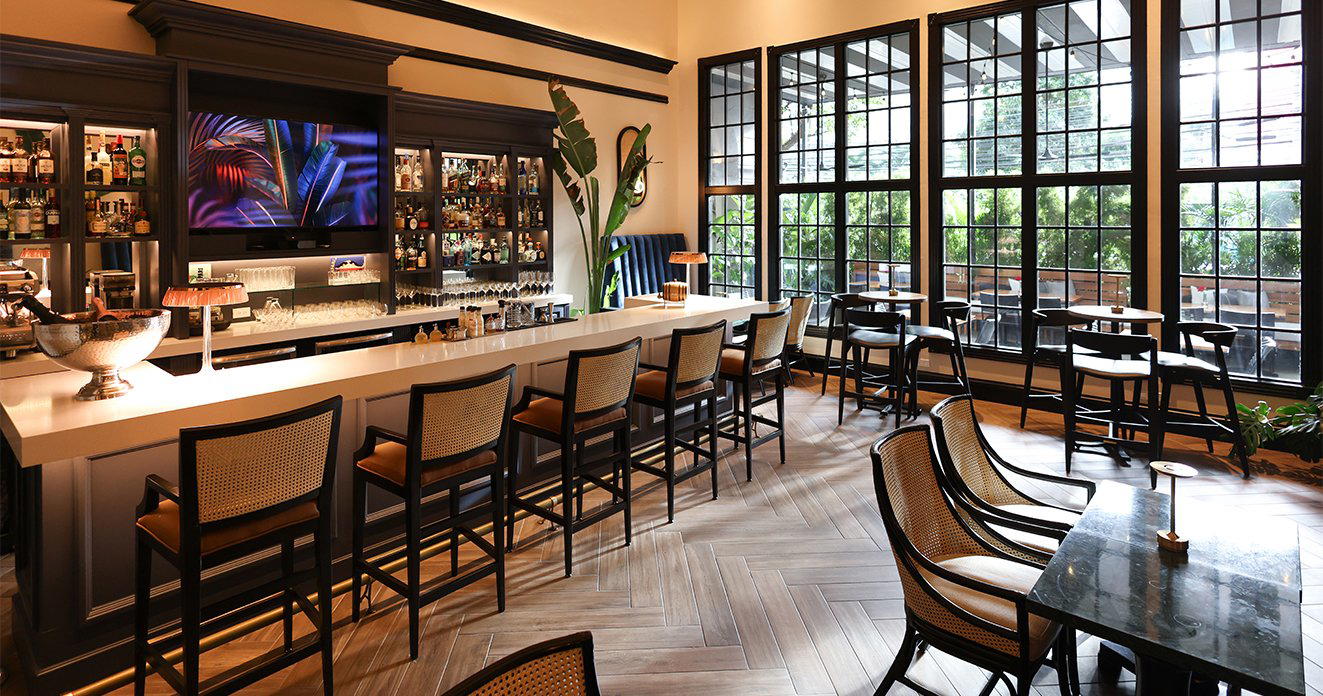
Cozy and lively with warm lighting, tiger motifs, and a casual yet welcoming atmosphere.