Lazotea


Star Wine List · Wine Spectator Award of Excellence
Our verdict
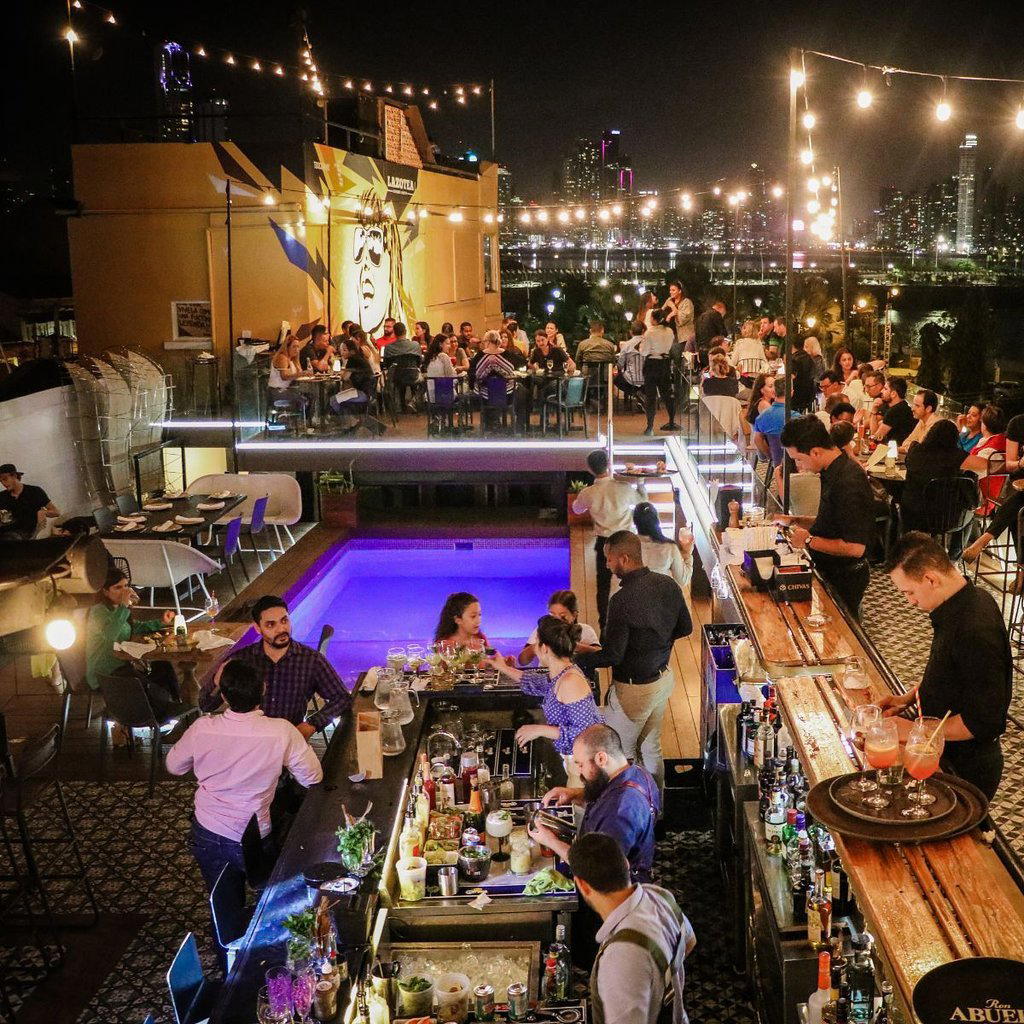
Lazotea occupies a rooftop perch in Casco Viejo, Panama City's colonial district, serving high-end Latin American cuisine shaped by the culinary direction of Chef Jorge Rausch. The restaurant divides between an open-air rooftop and an enclosed dining area, offering two distinct ways to read the same city skyline. It sits at the premium end of Panama's restaurant scene, where regional technique meets contemporary ambition.

Pearl is the En Primeur Club membership app, where members save venues, book tables and use the concierge.
The menu
What to order
- Grilled Octopus Ceviche
- Al Pastor Lobster Tacos
Casco Viejo from Above
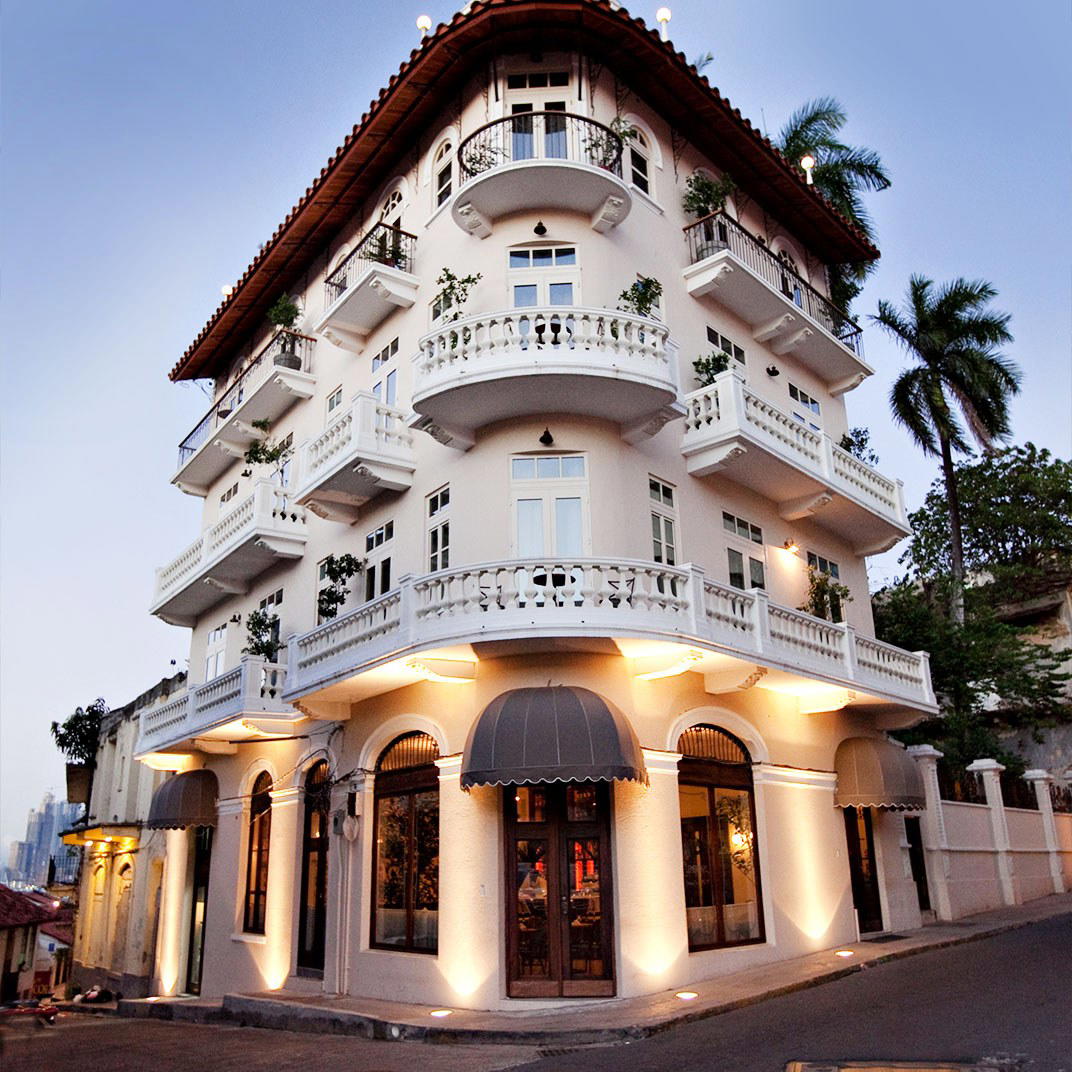
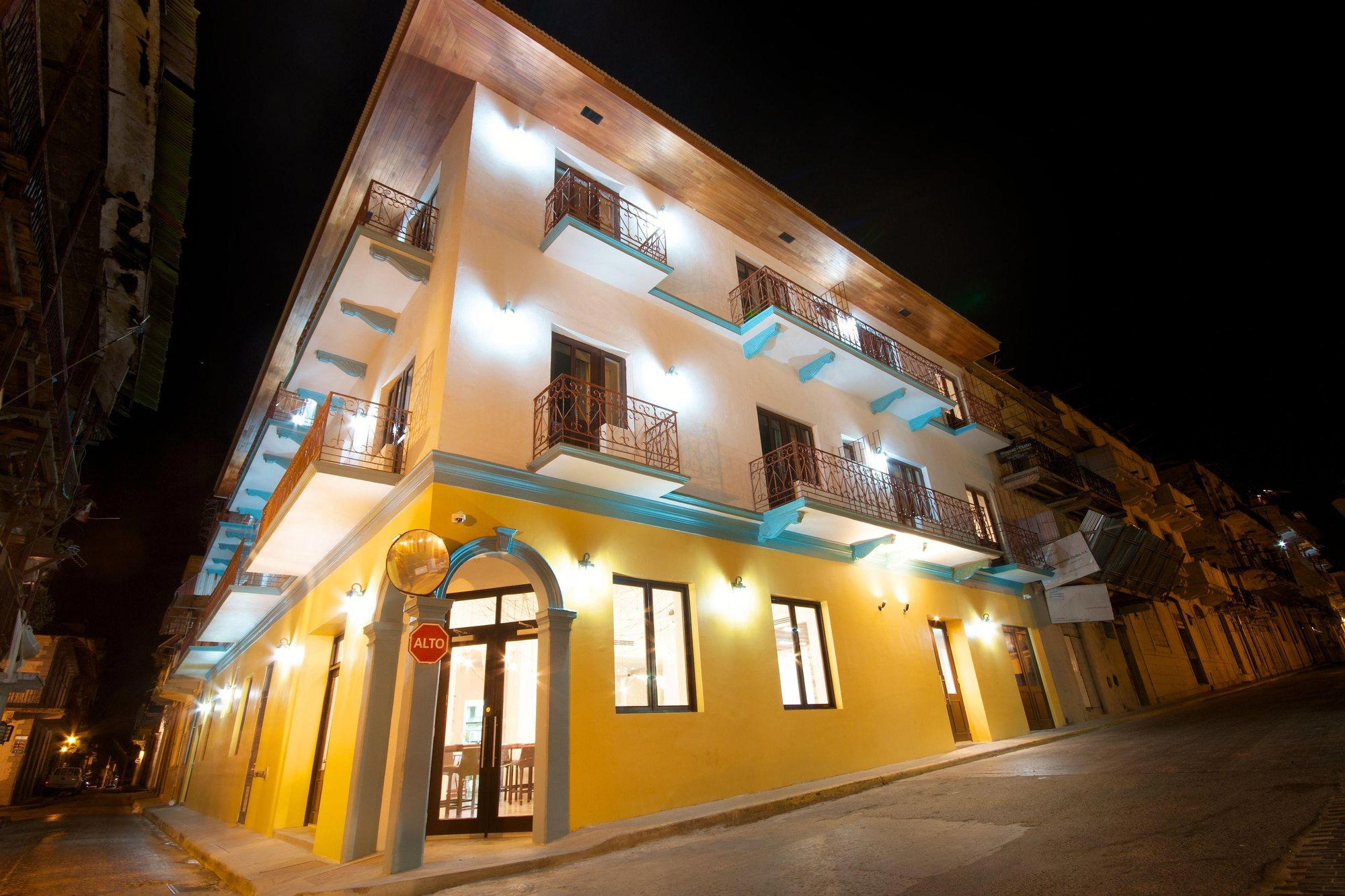
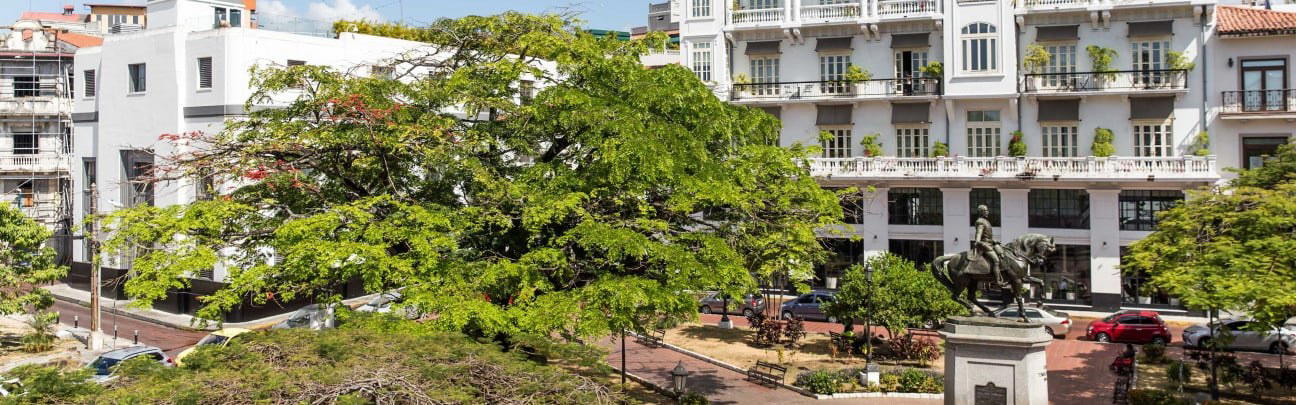
There is a specific quality to dining on a rooftop in Casco Viejo that no other part of Panama City replicates. The neighbourhood's colonial architecture, UNESCO-listed and currently mid-restoration, frames the horizon with weathered ochre facades and church domes, while the financial district's glass towers rise just far enough away to read as backdrop rather than intrusion. Lazotea, positioned on a rooftop on Avenida Eloy Alfaro, occupies this precise visual tension between the old and the new. Arriving at dusk, when the light flattens the city into a warm silhouette, is the standard recommendation among regulars who understand the property's geography.
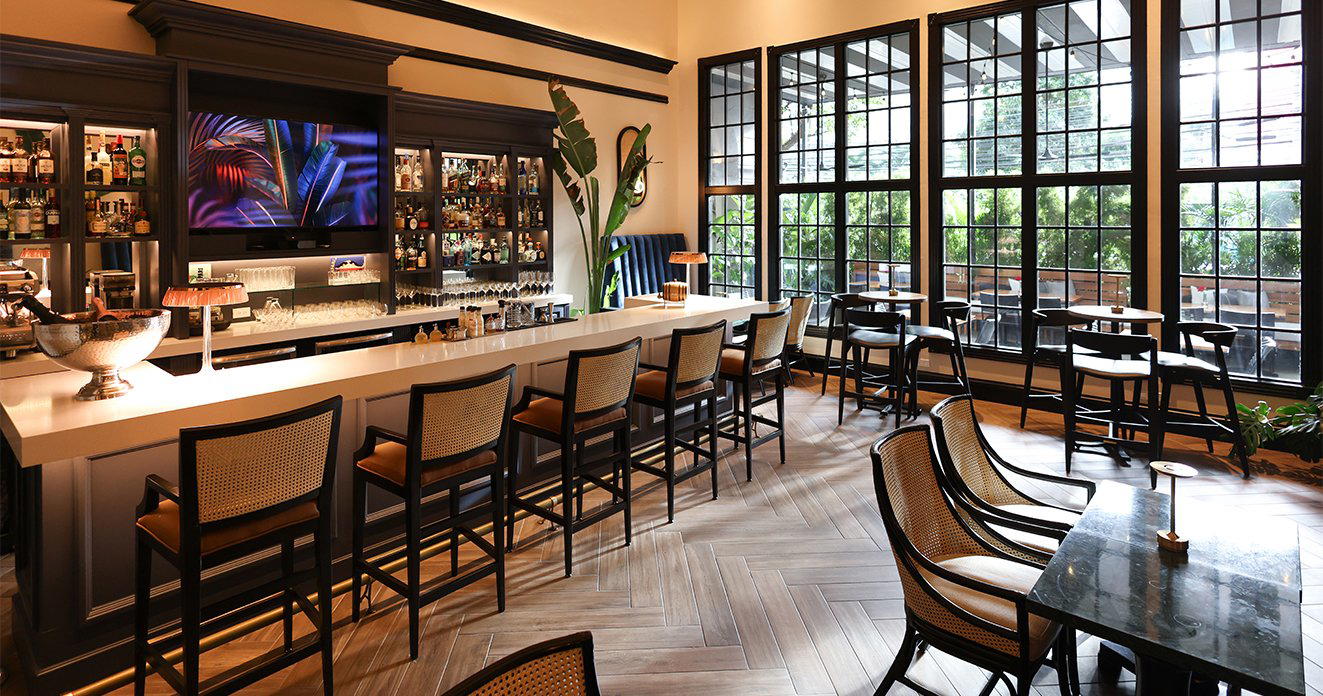
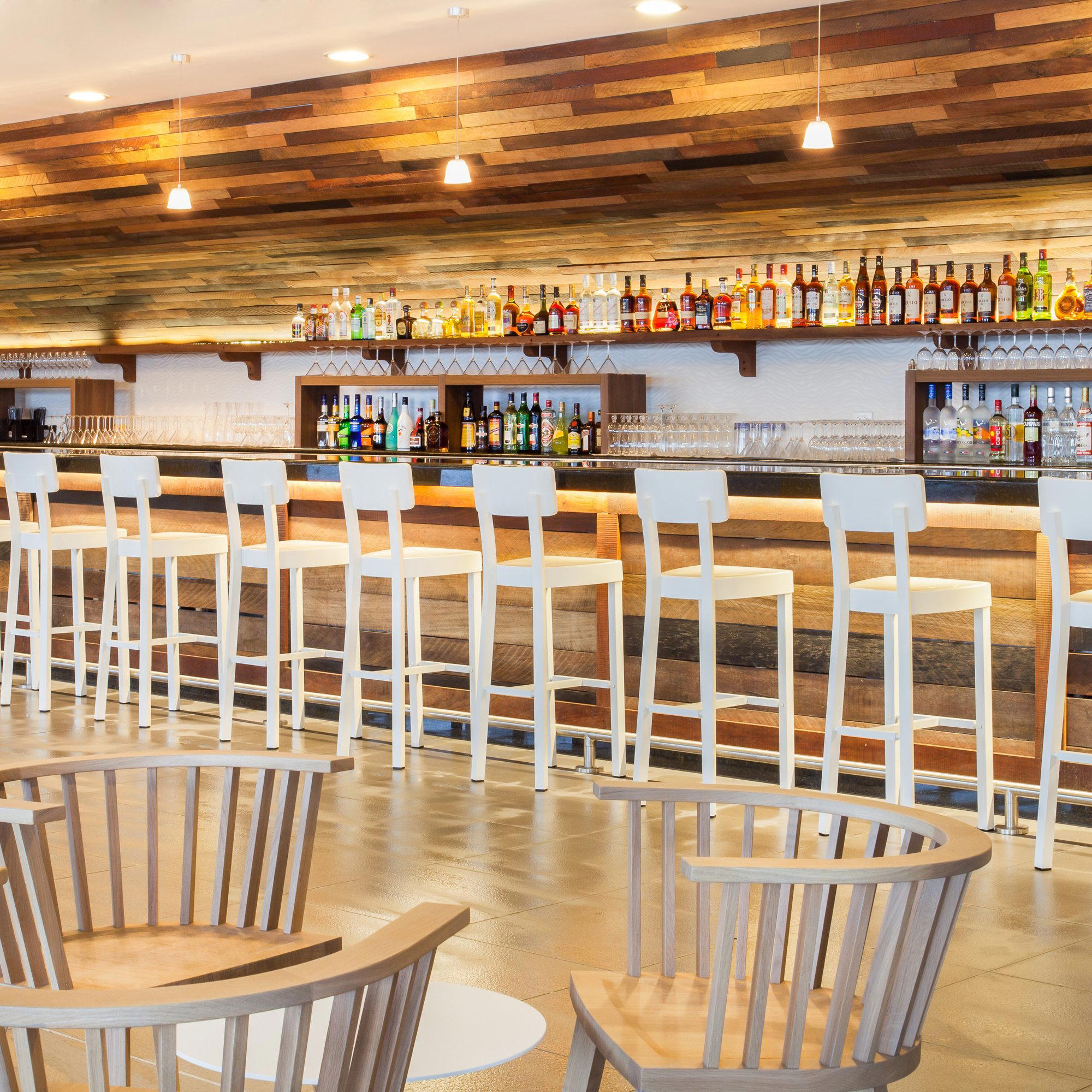
The layout divides into two distinct areas: an open rooftop exposed to the elements and the city air, and an enclosed dining room that pulls the view inside through glass. The choice between them is not trivial. The open section rewards those who want Casco Viejo to feel immediate; the enclosed area allows a more controlled, quieter conversation. Both sections serve the same menu, so the decision is atmospheric rather than culinary.
Latin American Cuisine and Where Panama Sits Within It
Panama's position in the wider Latin American dining conversation has shifted considerably over the past decade. For a long time, the city was discussed primarily as a transit hub, its restaurant scene measured against the convenience of layovers rather than against regional peers like Lima, Mexico City, or Bogotá. That framing no longer holds. A cluster of serious kitchens has emerged in Panama City, several of them in Casco Viejo, working with local ingredients and regional technique at a level that warrants attention on its own terms.
Lazotea operates within the high-end tier of this emerging scene. The culinary direction draws on Latin American traditions filtered through a contemporary lens, with Chef Jorge Rausch's influence shaping the menu's ambitions. Rausch is a Colombian-born chef with European training who has been a significant figure in Bogotá's dining scene, and his involvement here connects Lazotea to a broader Andean and Caribbean culinary conversation rather than confining it to a purely Panamanian identity. That cross-regional positioning is worth understanding: the menu is not a localist document in the way that Maito (Panamanian) has built its reputation around native Panamanian ingredients and Indigenous culinary heritage. Lazotea operates with a wider Latin American palette, which makes it a different kind of argument about what premium dining in Panama City can mean.
For a counterpoint in raw ingredient focus and cultural rootedness, Atope and Caleta each represent distinct positions in the local spectrum. Umi Restaurante Bar Izakaya and Cantina del Tigre extend Panama City's range further, demonstrating how the city's dining culture has absorbed international influences alongside its regional ones. Lazotea sits between these poles: more formally ambitious than a casual neighbourhood table, less ideologically strict about provenance than the most localist kitchens.
The Cultural Weight of the Address
Casco Viejo is doing more cultural work per square metre than any other neighbourhood in Panama City. The district is simultaneously a heritage preservation project, a gentrification debate, a tourist corridor, and the address of choice for serious restaurants that want access to an international clientele without retreating to the sterile hotel dining rooms of the banking district. The tension between these competing identities gives the neighbourhood an energy that feeds into the dining experience in ways that are difficult to separate from the food itself.
Restaurants at this end of the market in Casco Viejo are making an implicit argument: that Panama City deserves a seat at the table of serious Latin American dining cities, alongside the kitchens of Bogotá and Lima that have received sustained international coverage. That argument is worth evaluating critically. The evidence in Panama City's favour has grown stronger. The city's position as a logistics and finance hub means it has an unusually international resident population and a steady flow of sophisticated travellers, both of which create demand for the kind of high-end restaurant that can sustain a serious kitchen and wine program. Lazotea is among the properties making that case from a rooftop address that, architecturally and visually, is difficult to argue with.
The wider conversation about premium Latin American dining has produced reference points far beyond the region. Internationally, kitchens like Le Bernardin in New York City, Alinea in Chicago, and Alain Ducasse at Louis XV in Monte Carlo have set standards for what technically serious fine dining looks like at the top of its tier. Closer to the Latin American tradition, the influence of technique-driven programmes found at places like Aponiente in El Puerto de Santa María or the format discipline of Lazy Bear in San Francisco illustrate how the high-end segment internationally is defined by editorial rigour rather than spectacle. Lazotea's positioning in Panama City draws from that same premium register, even if the scale and context differ significantly.
Planning Your Visit
Lazotea is located on the rooftop of a building on Avenida Eloy Alfaro in Casco Viejo. The neighbourhood is most efficiently reached by taxi or ride-share from the banking district or the larger hotels; the colonial street grid and limited parking make driving in and finding a space more complicated than the distance suggests. The open rooftop section operates at the mercy of Panama's weather patterns, which means the covered area is the more reliable option during the rainy season, which runs roughly May through November. For those visiting during the dry season, the open terrace at dusk or into the early evening is the intended way to experience the address. Given the restaurant's profile and the relatively small size typical of rooftop venues in Casco Viejo, advance reservations are advisable, particularly for weekend evenings.
For a full picture of where to eat, stay, drink, and explore across the city, consult our full Panama City restaurants guide, our full Panama City hotels guide, our full Panama City bars guide, our full Panama City wineries guide, and our full Panama City experiences guide.
Frequently asked questions
Where is Lazotea located?
Lazotea is located at Rooftop, Av. Eloy Alfaro, y, Provincia de Panamá, Panama, Panama City.
Is Lazotea award-winning?
Lazotea has received recognition including: Lazotea is located on a rooftop in Casco Viejo. It offers high-end Latin-American cuisine inspired by Chef Jorge Rausch. The restaurant has two different areas. One is the open rooftop where you, du....
What do regulars order at Lazotea?
Lazotea's menu draws on high-end Latin American cuisine inspired by Chef Jorge Rausch, so regulars tend to gravitate toward dishes that reflect that Colombian-Panamanian culinary crossover. The open rooftop setting in Casco Viejo makes it a natural fit for longer, multi-course evenings rather than quick visits.
How hard is it to get a table at Lazotea?
Lazotea occupies one of the more sought-after rooftop positions in Casco Viejo, Panama City's most visited heritage district, which puts demand consistently ahead of casual walk-in availability. The restaurant operates two distinct areas, an open rooftop and a separate indoor or covered space, which does provide some additional capacity. Booking ahead is advisable, particularly for the open rooftop section, especially on weekends when the neighbourhood draws significant foot traffic.
What's the signature at Lazotea?
The defining feature at Lazotea is the open rooftop itself: a vantage point over Casco Viejo's colonial architecture that few restaurants in Panama City can match. The culinary identity is built around high-end Latin American cuisine developed under the influence of Chef Jorge Rausch, whose profile sits at the serious end of Colombian gastronomy. The combination of that address, that skyline, and that culinary direction gives the venue a clarity of concept that most rooftop restaurants in the region lack.
Can Lazotea adjust for dietary needs?
Lazotea's Latin American menu, developed under Chef Jorge Rausch's influence, works with a broad range of proteins, vegetables, and regional ingredients that can typically accommodate common dietary requirements. Specific dietary policies are not confirmed in available documentation, so guests with strict requirements should check the venue's official channels before visiting. The Casco Viejo address on Avenida Eloy Alfaro is accessible by taxi or ride-share if needed for planning purposes.
Is Lazotea in Casco Viejo a good option for a special occasion dinner in Panama City?
Lazotea's rooftop position above Casco Viejo, Panama City's UNESCO-listed colonial quarter, makes it one of the more architecturally charged settings for a dinner with occasion weight. The high-end Latin American menu, shaped by the culinary approach of Chef Jorge Rausch, provides the kitchen credibility to back up the address. The venue's two distinct areas, including the open rooftop, give it the flexibility to suit both intimate dinners and larger group celebrations.
Pricing, Compared
Comparable venues nearby, for context on price, style, and recognition.
| Venue | Cuisine | Price | Awards | Notes |
|---|---|---|---|---|
| LazoteaThis venue (the venue you are viewing) | Modern Latin American Rooftop | $50–100 | Star Wine List · Wine Spectator Award of Excellence | Not listed |
| Casa Alejandro Restaurante | Authentic Spanish | $20–30 | Not listed | Bella Vista, Authentic Spanish |
| Los Años Locos San Francisco | Argentinian Steakhouse | $30–50 | Star Wine List | San Francisco, Argentinian Steakhouse |
| King Pot Hot Pot & Ktv | Sichuan Hot Pot | $20–30 | Not listed | Chinatown, Sichuan Hot Pot |
| Sugoi Caribbean Sushi | Caribbean Sushi Fusion | $20–30 | Not listed | El Cangrejo, Caribbean Sushi Fusion |
| Mai Mai | Peruvian-Nikkei Japanese Fusion Izakaya | $50–100 | Not listed | Costa Del Este, Peruvian-Nikkei Japanese Fusion Izakaya |
Recognition history
Dated appearances from independent guides and award organizations, with the underlying list record or original source where available.
Star Wine List
Star Wine List
Wine Spectator Award of Excellence
Wine Spectator
Continue exploring
More in Panama City
Restaurants in Panama City
All restaurants in Panama City →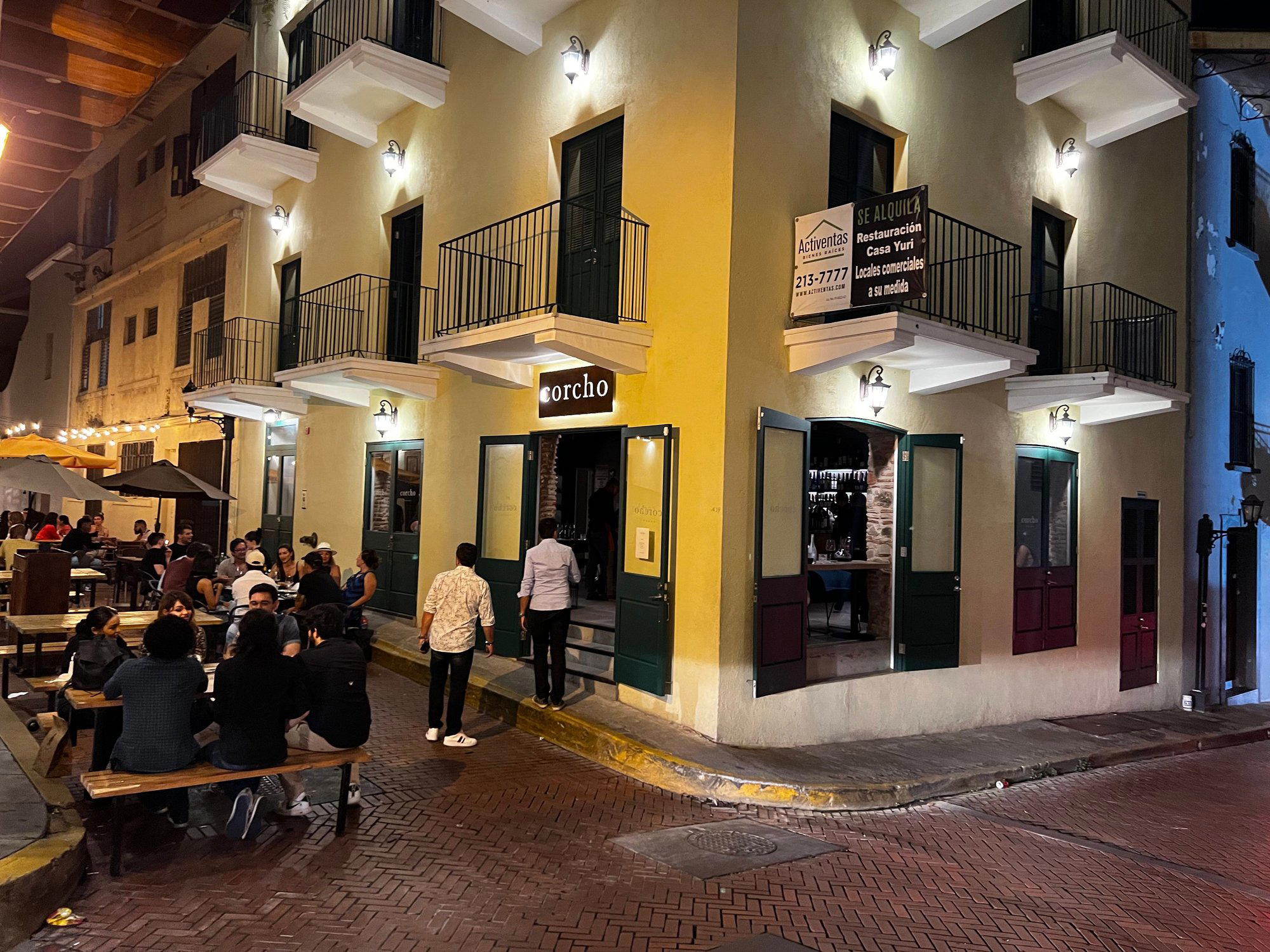
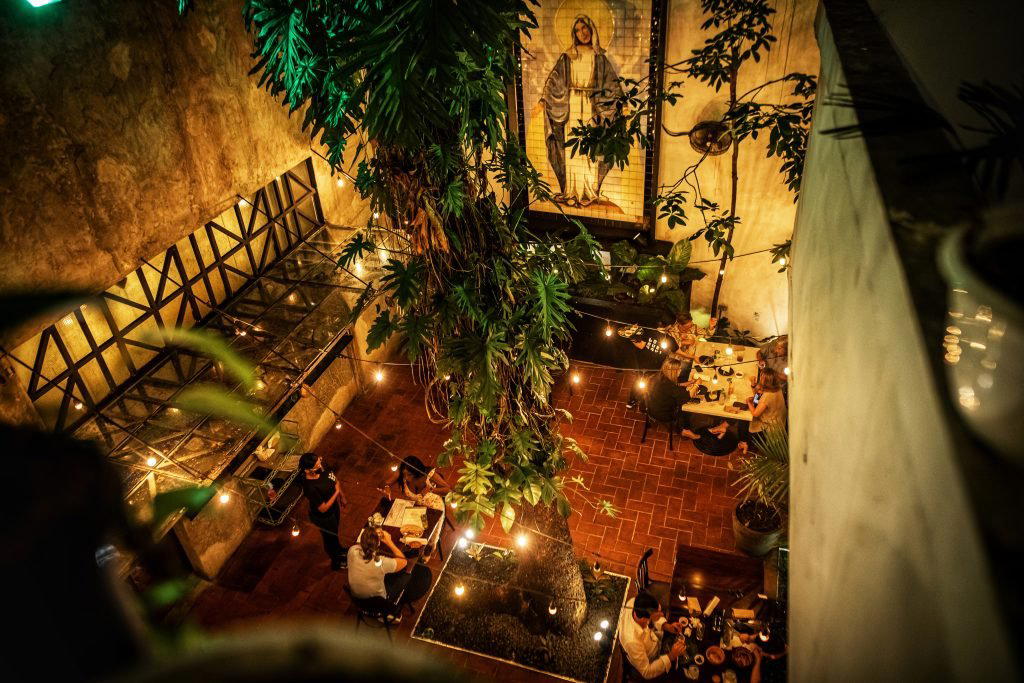
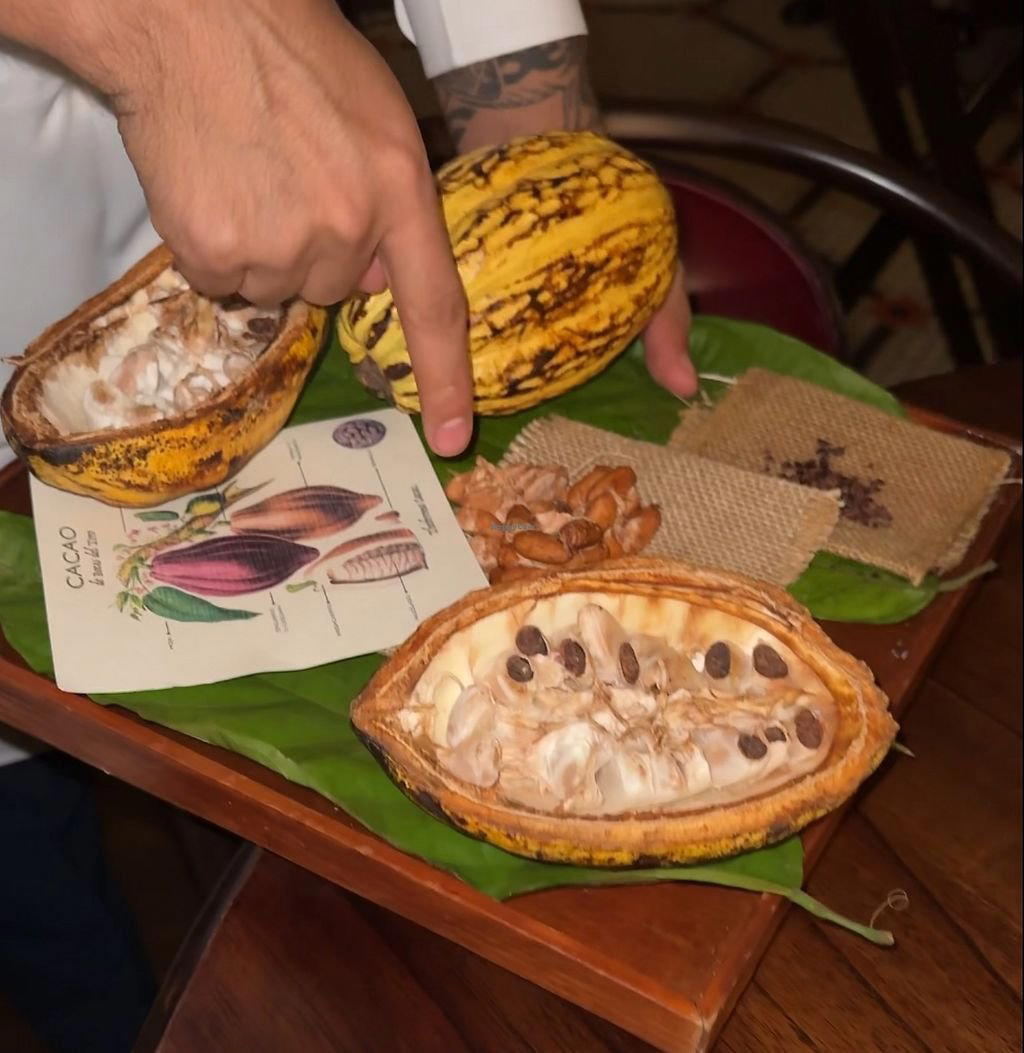
Bars in Panama City
All bars in Panama City →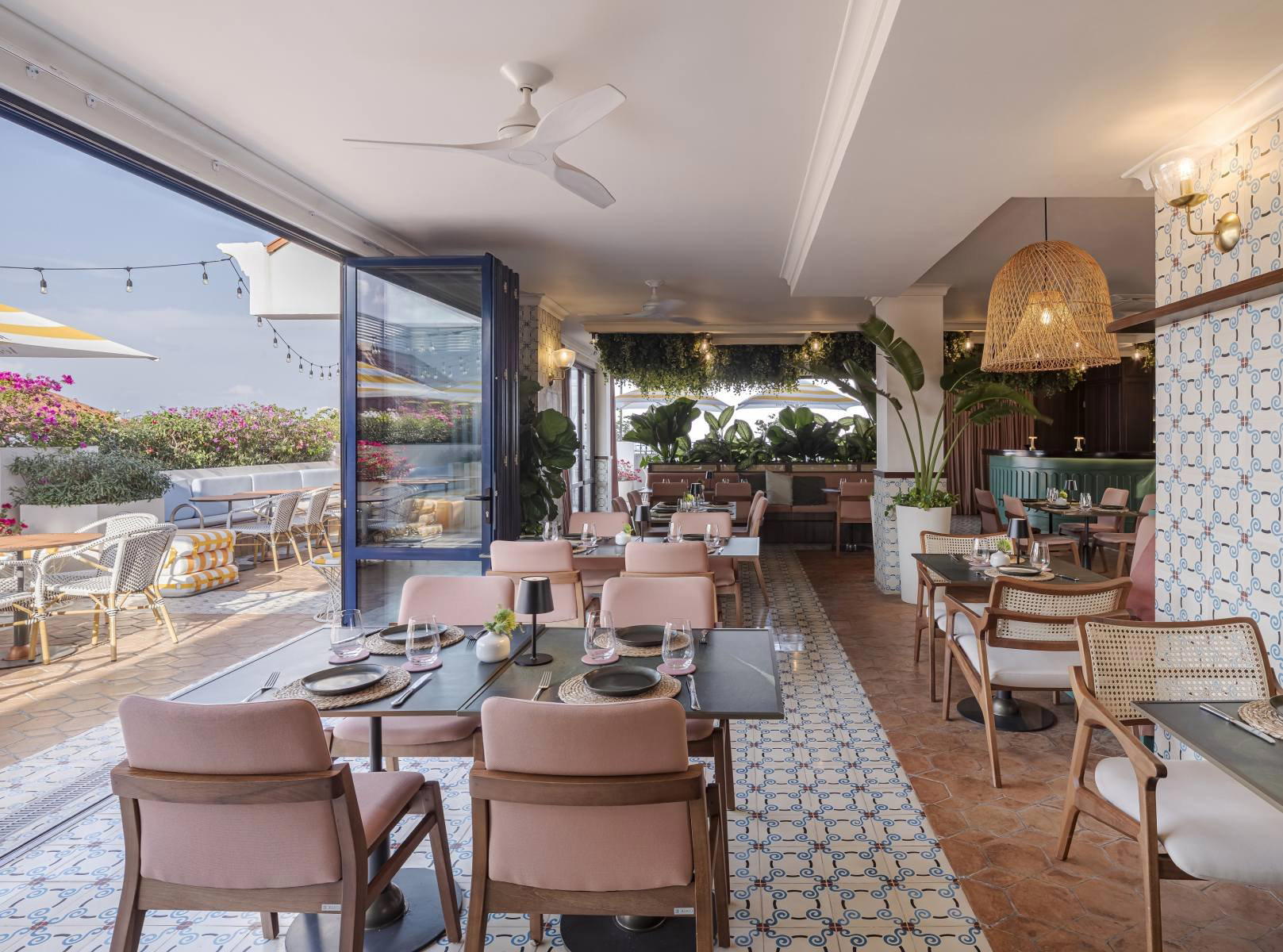
Lazotea
The wine
Lazotea holds the Wine Spectator Award of Excellence, which Wine Spectator gives to lists of usually 90 or more selections.
- Wine Spectator
- Wine Spectator Award of Excellence
- Extensive wine list
- Craft cocktails
Details
- Lively
- Trendy
- Elegant
- Scenic
- Sophisticated
- Date Night
- Celebration
- Special Occasion
- Brunch
- Rooftop
- Live Music
- Panoramic View
- Terrace
- Craft Cocktails
- Extensive Wine List
- Skyline
- Waterfront
- A La Carte
- Small Plates
- Mixology
- Cocktails
- Vegetarian Friendly
- Vegan Options
- Gluten Free Options
Current opening hours
- Monday
- 11 AM–1 AM
- Tuesday
- 11 AM–1 AM
- Wednesday
- 11 AM–1 AM
- Thursday
- 11 AM–2 AM
- Friday
- 11 AM–3 AM
- Saturday
- 10 AM–3 AM
- Sunday
- 10 AM–12 AM
Hours can change for holidays and private events. Hours as of .
Lively and charming rooftop with modern, warm, stylish decoration, live music, DJs, and dynamic atmosphere at night.