Atope

Spanish cooking in the middle of Panama City's corporate east side, Atope occupies a specific niche: upscale casual, European in reference, and positioned for a crowd that moves between international business and serious dining. Costa del Este gives it a particular kind of diner, and the kitchen responds with food that travels well across both registers.
Pearl is the En Primeur Club membership app — saves, bookings, and concierge access live there. Same editors, same standards.
- Address
- Av Paseo del Mar, Panamá, Provincia de Panamá, Panama
- Phone
- +507 6031-3071
- Website
- atopepty.com
- Directions
- Get directions
 Saves & bookings on Pearl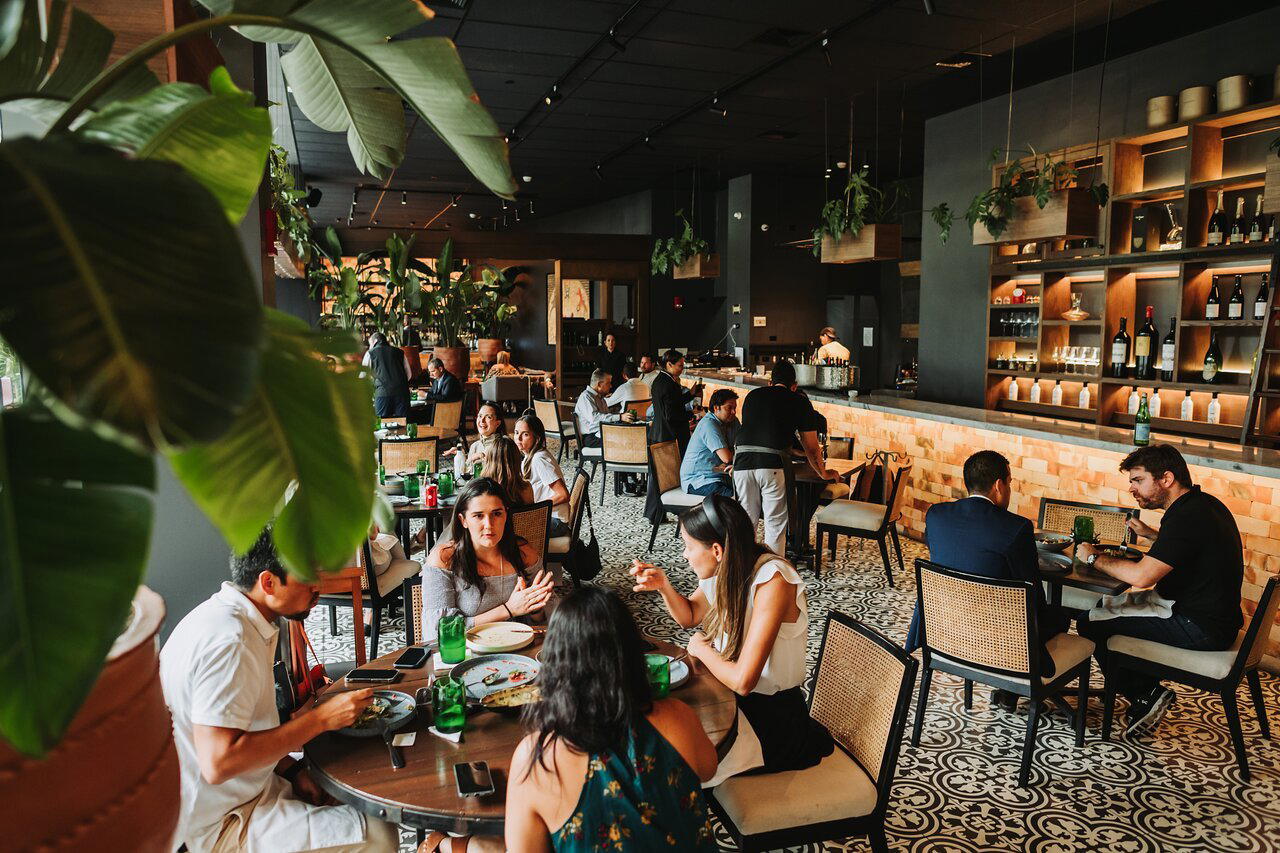
Costa del Este and the Case for Spanish Food in Panama City
Atope is a Spanish-Panamanian fusion tapas restaurant in Costa del Este, Panama City, with. Panama City's dining geography has a clear fault line. Casco Viejo draws the heritage crowd and the destination restaurants; Marbella and San Francisco hold the mid-market stalwarts. Costa del Este is different in character: a planned business district where multinational offices line Avenida Paseo del Mar and the lunch crowd is often in from somewhere else by the end of the week. Restaurants that work in this district tend to anchor on consistency and a coherent identity, because the regulars are sophisticated and have eaten well in other cities. Atope has settled into that environment by committing to Spanish-Panamanian fusion tapas.
Spanish food, taken seriously, is one of the more ingredient-driven traditions in European cooking. The canon runs from Iberian charcuterie cured over months to Atlantic seafood handled with minimal intervention, olive oil pressed from specific grove varieties, and bread given the kind of attention that makes it a course rather than an afterthought. Kitchens like Aponiente in El Puerto de Santa María have pushed that sourcing obsession into a different register entirely, but the same underlying logic, that Spanish cooking rewards provenance as much as technique, holds at this tier too. At Atope, that logic shapes what lands on the table.
Sourcing in a Transit City
Panama's position as a trading hub cuts both ways for a restaurant kitchen. Import logistics are genuinely easier here than in most of Central America, which means access to European pantry staples, Iberian wines, and preserved goods is more reliable than the city's size might suggest. At the same time, the country produces serious raw material of its own: Pacific and Caribbean seafood, tropical produce, and agricultural output from the highlands around Chiriquí and Boquete that increasingly supplies ambitious kitchens across the city.
A Spanish kitchen in this context faces an interesting editorial decision: lean fully on imported authenticity, or work the local-European seam. The restaurants that have defined Panama City's recent decade, among them Maito (Panamanian), which has made local sourcing into an explicit program, and Caleta, which draws on coastal Panamanian ingredients, have shown that diners here respond to provenance when it is made legible. Atope operates in a different register, Spanish rather than Panamanian in reference, but the question of where the product comes from is no less present.
For a cuisine as product-dependent as Spanish cooking, sourcing is not a marketing position; it is the structure of the plate. Cured meats, aged cheeses, tinned seafood, and olive oil of a specific grade are not interchangeable with local substitutes. A kitchen making this food seriously has to resolve the import chain, and in Costa del Este, where the clientele includes executives accustomed to eating in Madrid, Barcelona, and San Sebastián, that resolution is visible in the outcome.
The Upscale Casual Register
Upscale casual is a specific format with its own logic, distinct from both the formal tasting-menu tier, where restaurants like Alinea in Chicago or Alain Ducasse at Louis XV in Monte Carlo operate, and from the neighbourhood trattoria end. In the upscale casual bracket, the expectation is that the product is genuinely good, the service is attentive without being theatrical, and the room does not require occasion-dressing to enter. This is the tier where business dinners, weekend lunches, and solo counter meals can all coexist without the format feeling stretched. Spanish food, with its tradition of sharing plates, long tables, and wine ordered by the bottle rather than by the glass, fits the format naturally.
In Panama City's eastern districts, this kind of restaurant is in short supply. The area has corporate canteens at one end and hotel dining at the other, with relatively few independent rooms that work across multiple use cases. Atope's positioning in Costa del Este addresses that gap. The address on Avenida Paseo del Mar puts it within reach of the district's office cluster, which drives a reliable weekday lunch trade, while the Spanish format gives it credibility for evening dining as well.
Where Atope Sits in Panama City's Wider Scene
Panama City's restaurant scene has grown more differentiated over the past decade. The Japanese influence visible at Umi Restaurante Bar Izakaya sits alongside Mexican-inflected rooms like Cantina del Tigre and more vernacular Panamanian formats like Fonda Lo Que Hay, each operating in its own reference framework. Against that spread, Spanish cooking represents a clear European anchor. The tradition has deep historical roots in Panama, as in most of Latin America, but committed Spanish kitchens, as opposed to restaurants that borrow a few dishes, remain a smaller category in the city.
For diners working through the broader Panama City offering, Atope fills a specific slot. Where Maito is the argument for Panamanian ingredients told through a fine dining lens, Atope is the argument for Iberian culinary grammar in a context where that grammar is consistently executed. The two are not in competition; they answer different questions about what dinner in this city can be.
Planning a Visit
Atope sits on Avenida Paseo del Mar in Costa del Este, which is most easily reached by taxi or rideshare from central Panama City or the banking district; the address is walkable from several of the district's major office towers, which matters for weekday lunch logistics. The upscale casual format means the dress code is relaxed by the standards of comparable Spanish restaurants in Europe, though the clientele in this district tends toward business-smart.
Comparison Snapshot
Comparable venues nearby, for context on price, style, and recognition.
| Venue | Cuisine | Price | Notes |
|---|---|---|---|
| AtopeThis venue — the venue you are viewing | Spanish-Panamanian Fusion Tapas | $$$ | Not listed |
| Casa Stizzoli - Gastroteca Italiana | Authentic Italian Gastroteca with Neapolitan Pizza | $$$ | San Francisco |
| Mai Mai | Peruvian-Nikkei Japanese Fusion Izakaya | $$$ | Costa Del Este |
| Los Años Locos San Francisco | Argentinian Steakhouse | $$$ | San Francisco |
| El Trapiche | Traditional Panamanian | $$ | Vía Argentina |
| Casa Alejandro Restaurante | Authentic Spanish | $$ | Bella Vista |
Recognition history
Dated appearances from independent guides and award organizations, with the underlying list record or original source where available.
Star Wine List
Star Wine List
Continue exploring
More in Panama City
Restaurants in Panama City
Browse all →
Bars in Panama City
Browse all →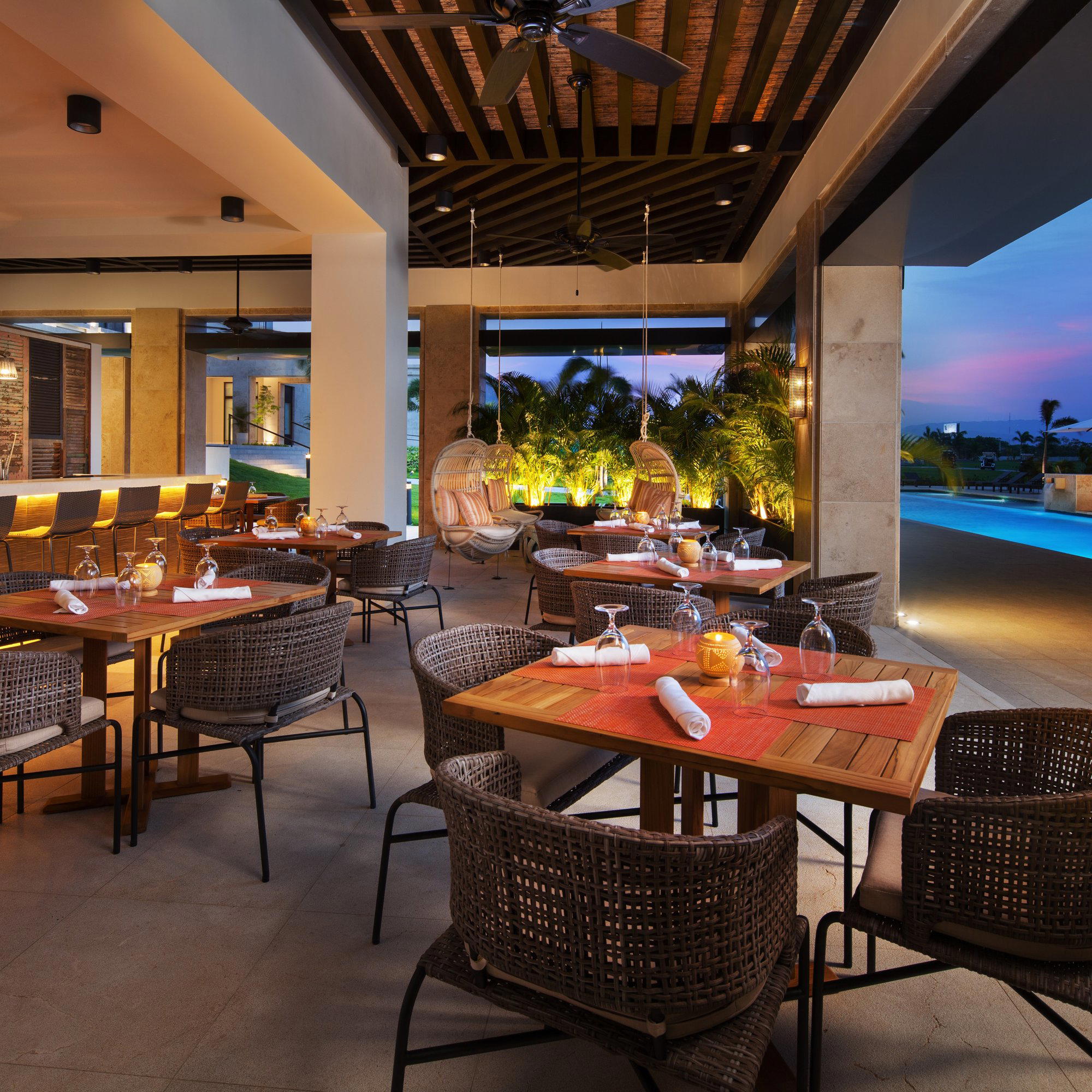
At a Glance
- Lively
- Trendy
- Date Night
- Business Dinner
- Group Dining
- Celebration
- After Work
- Live Music
- Private Dining
- Extensive Wine List
- Craft Cocktails
- Local Sourcing
Current opening hours
- Monday
- 12–11:30 PM
- Tuesday
- 12–11:30 PM
- Wednesday
- 12–11:30 PM
- Thursday
- 12–11:30 PM
- Friday
- 12–11:30 PM
- Saturday
- 12–11:30 PM
- Sunday
- Closed
Hours can change for holidays and private events. Last verified .
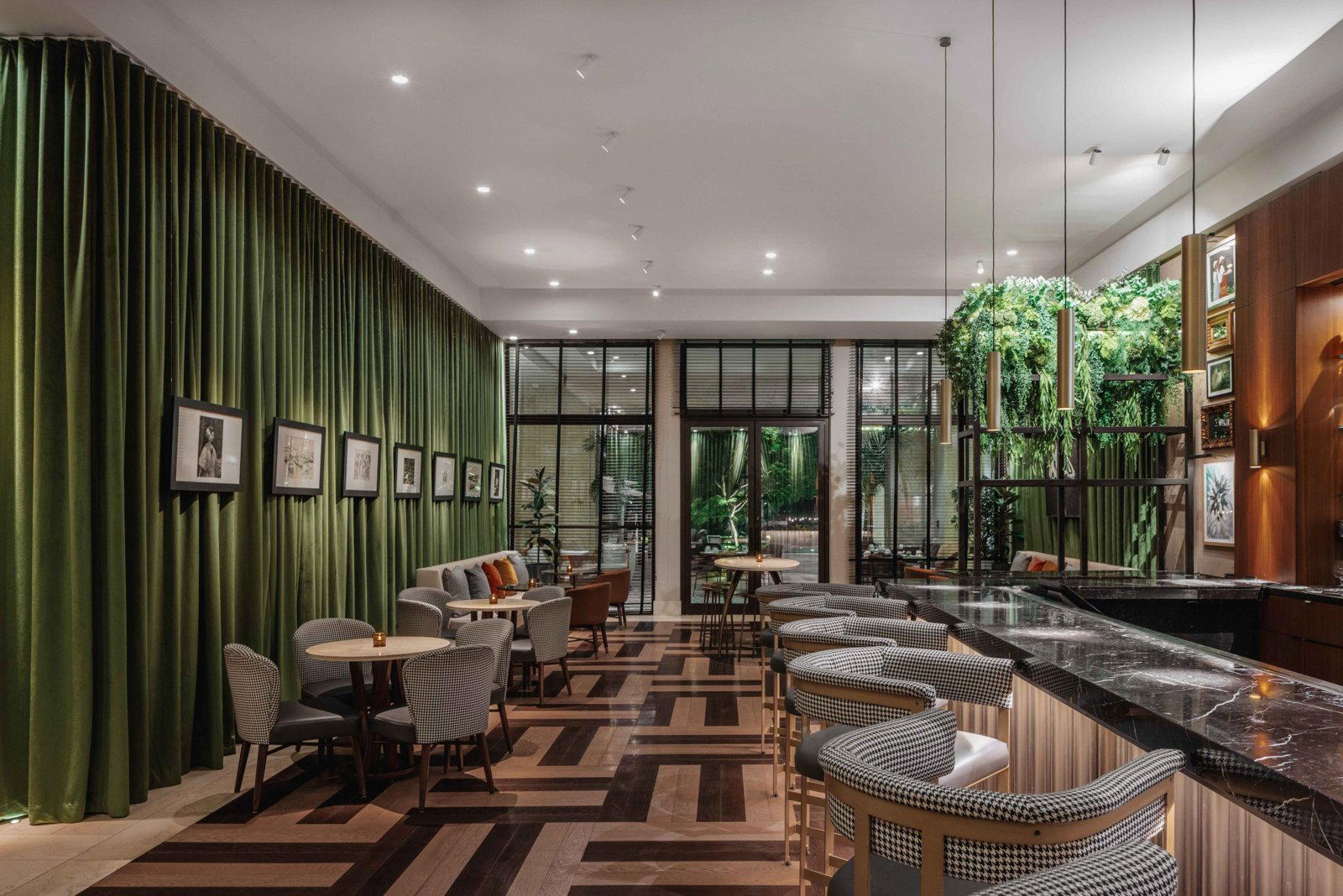
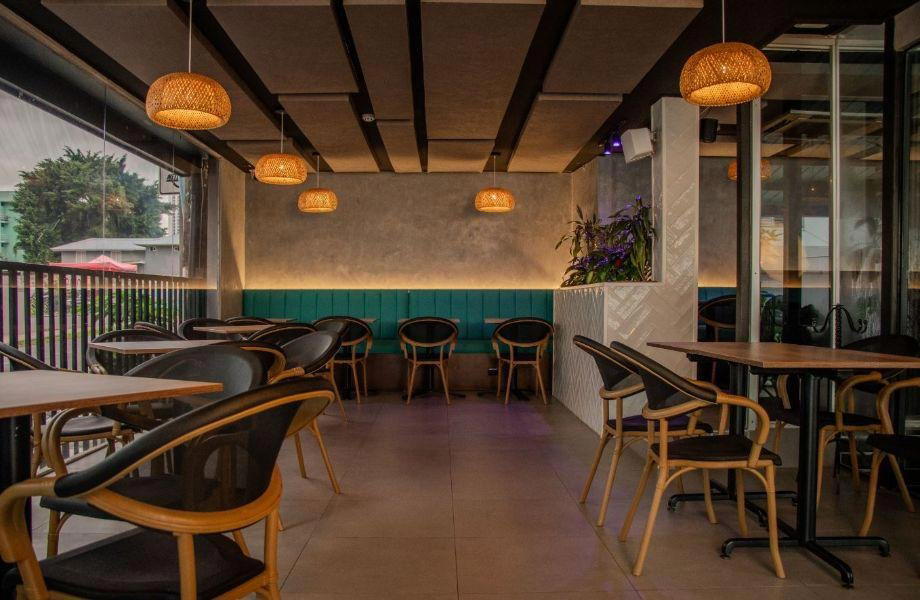
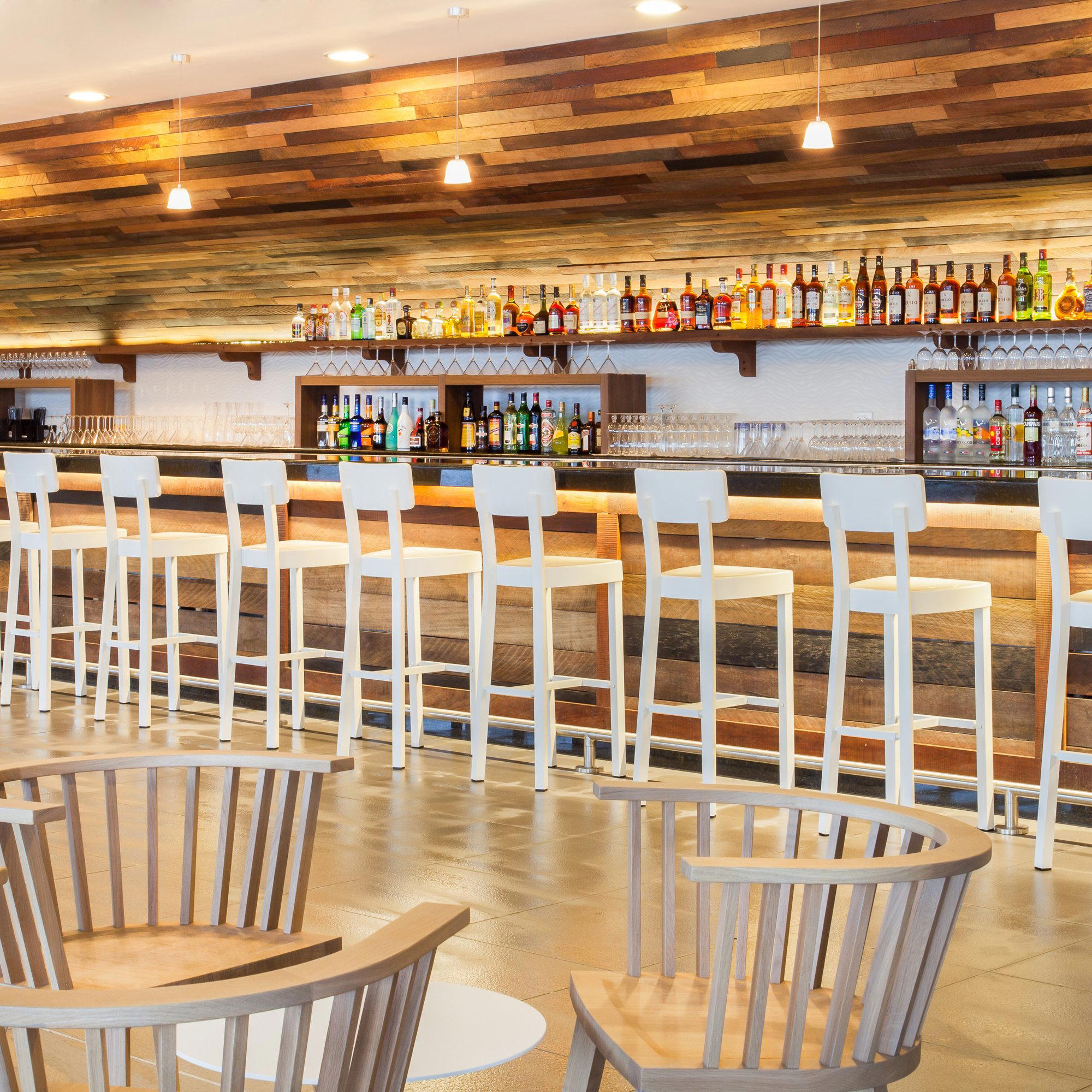
Cheerful and lively atmosphere with indoor and outdoor seating options, great for celebrations and afterwork.