Makoto
In Obarrio's Kenex Plaza, Makoto occupies a corner of Panama City's increasingly serious Japanese dining scene. The restaurant draws a well-travelled crowd that recognises what it takes to run a credible Japanese kitchen this far from Tokyo, and books accordingly. For anyone assembling a serious Panama City itinerary, Makoto warrants attention before you finalise your table list.
Pearl is the En Primeur Club membership app — saves, bookings, and concierge access live there. Same editors, same standards.
- Address
- Obarrio, Kenex Plaza, C. 59 Este, Panamá, Provincia de Panamá, Panama
- Phone
- +5078302736
- Website
- makotopanama.com
- Directions
- Get directions
 Saves & bookings on Pearl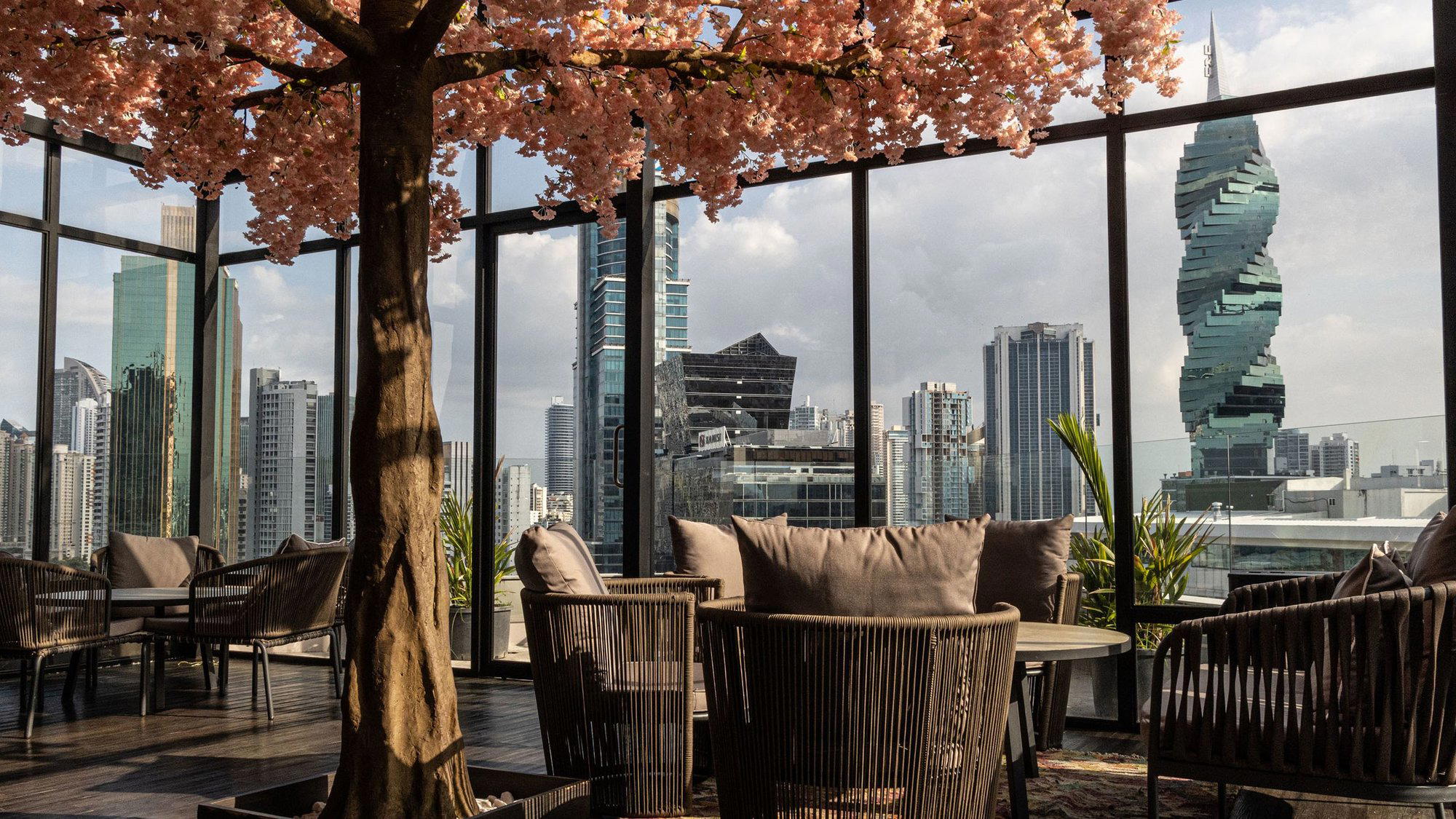
Japanese Dining in Panama City: Where Makoto Fits
Panama City's fine-dining scene has compressed into a smaller, more competitive tier over the past decade. The restaurants that have survived, and attracted repeat international visitors, tend to be those that commit to a single culinary tradition and execute it with discipline rather than hedging toward crowd-pleasing fusion. Japanese cuisine sits at the more demanding end of that spectrum in Central America, where supply chains for quality fish and specialist ingredients require genuine operational effort. Makoto is a Modern Japanese Edomae Sushi restaurant in Obarrio, Panama City, located in Kenex Plaza on Calle 59 Este. It operates in that demanding register and has built a following among Panama City residents and travellers who know the difference.
Obarrio itself gives context. The neighbourhood anchors Panama City's professional and diplomatic class, and its restaurant row draws the kind of clientele that has eaten at Le Bernardin in New York City or 8 1/2 Otto e Mezzo Bombana in Hong Kong and arrives with calibrated expectations. That demographic puts pressure on any restaurant running a premium concept, and Japanese dining in particular. The neighbourhood's dining corridor, increasingly home to serious independent operators, is worth understanding before mapping your evenings in the city.
The Approach and the Room
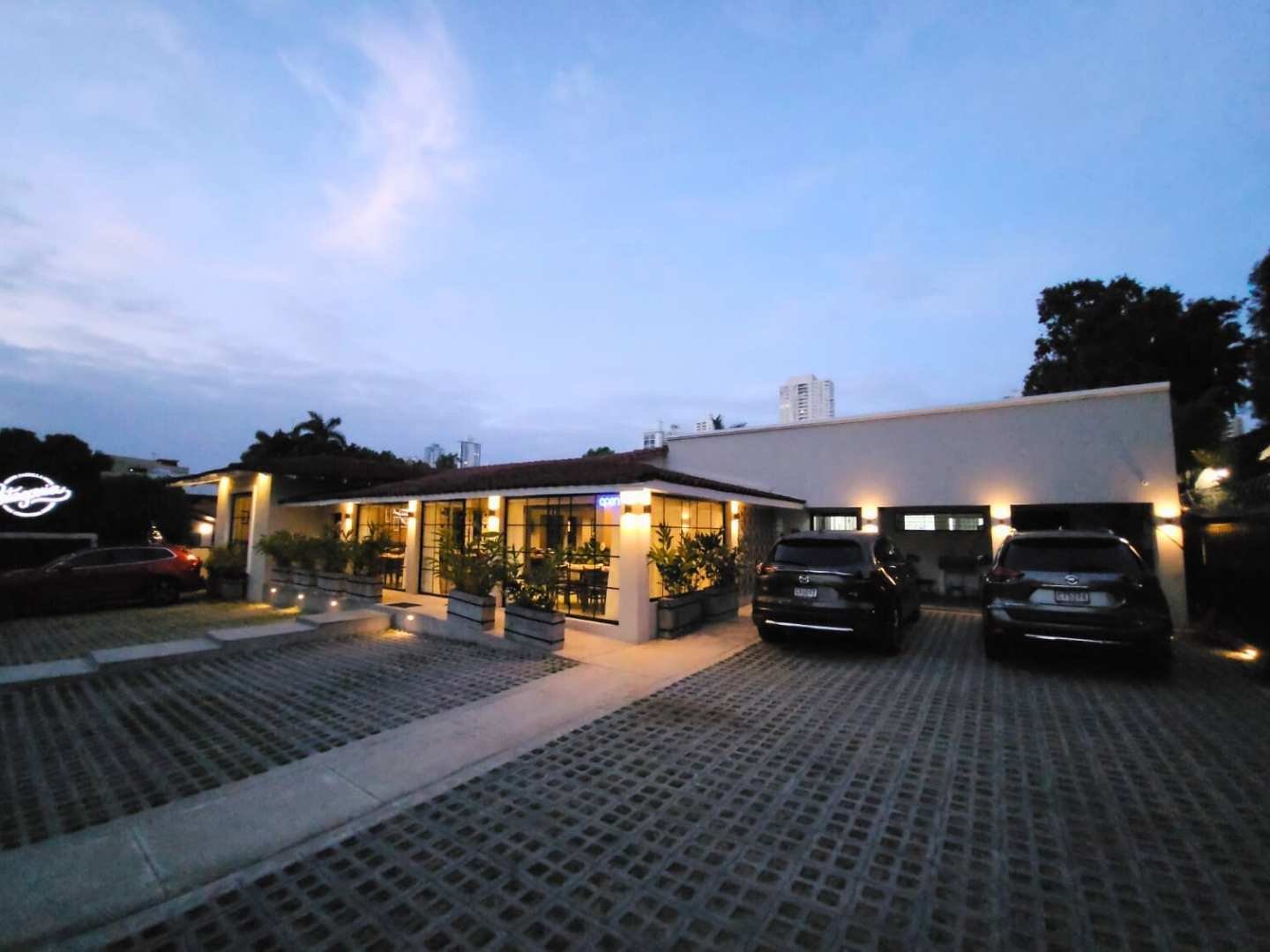
Kenex Plaza is a commercial building rather than a destination address, which means Makoto's entrance does not announce itself with theatre. What you encounter instead is a quiet clarity: the kind of Japanese restaurant that trusts its interior logic over street-level spectacle. This is not an unusual positioning in Japan, where particularly serious counters operate on upper floors of unremarkable buildings, and it signals something about the restaurant's priorities. The room is designed to focus attention inward, toward the food and the service rather than outward toward the passing street.
Panama City's Japanese dining scene has a comparison point worth noting. Umi Restaurante Bar Izakaya occupies a different register, more casual, broader in format, and the two restaurants serve different moments in a week's eating. Makoto sits toward the more focused end of that spectrum. The city also has strong non-Japanese options that reward the same kind of advance planning: Maito has become the standard-bearer for contemporary Panamanian cooking, and Atope and BRIO Brasserie represent different points on the city's broader dining arc.
Planning Your Visit: The Booking Question
The editorial angle that matters most for Makoto is not the menu, it is the logistics. Japanese restaurants at this level in mid-sized Latin American cities operate with limited covers, and the gap between the number of tables and the number of people who want them tends to widen as word spreads internationally. Panama City functions as a hub, with significant layover and short-stay traffic through Tocumen, and the restaurants that attract that transient-but-serious crowd often fill faster than their local footprint would suggest.
The practical advice is to plan before you arrive. For a restaurant of Makoto's positioning in this neighbourhood, same-day or next-day availability on busy evenings is not something to rely on. Travellers building a Panama City itinerary around serious dining, which increasingly means cross-referencing tables at Makoto alongside reservations at Caleta and exploring options further afield like Receta Michilá in Isla Carenero, should lock in their Japanese evening first. The restaurant's Kenex Plaza address in Obarrio is direct to reach by taxi or rideshare from the city's major hotel clusters in Marbella and Costa del Este, which removes the logistical friction that some of the city's more peripheral dining destinations carry.
Panama City is not at that saturation point, but Makoto's reputation within the local market means the gap between walk-in access and advance-booking reliability is wider than it appears.
Internationally, the restaurants that operate at the intersection of precision cooking and limited access share a dynamic: the planning is part of the experience. Atomix in New York City, Alinea in Chicago, and Lazy Bear in San Francisco all require booking structures that reward the prepared traveller. Makoto operates in a different market and at a different scale, but the underlying logic, that access requires advance commitment, is shared.
The Broader Panama City Eating Arc
For travellers spending more than two days in Panama City, one coherent dining strategy is to spread across cuisine types and neighbourhoods rather than concentrating in one area. The city's food scene has diversified meaningfully, and a single district no longer contains the full picture. Los Tarascos Mexicanos in El Carmen covers a different register entirely, and the contrast between neighbourhood casual and the kind of focused dining Makoto represents is part of what makes Panama City an interesting eating city rather than a one-note destination.
The restaurants that benchmark serious technique globally, Alain Ducasse Louis XV in Monte Carlo, Alléno Paris au Pavillon Ledoyen, Aponiente in El Puerto de Santa María, or Amber in Hong Kong, exist at a different scale and resource level than anything currently operating in Panama City. The point of comparison is not equivalence; it is that the habits those restaurants teach, booking early, reading a room, understanding format, transfer usefully to serious dining anywhere, including Obarrio.
For a traveller with limited evenings in Panama City, the split between Makoto for Japanese focus and Maito for local culinary identity covers a significant portion of what the city's serious dining scene offers.
In Context: Similar Options
Comparable venues nearby, for context on price, style, and recognition.
| Venue | Cuisine | Price | Notes |
|---|---|---|---|
| MakotoThis venue — the venue you are viewing | Modern Japanese Edomae Sushi | $$$$ | Not listed |
| KAVA | Kosher Japanese Sushi Fusion | $$$ | Obarrio |
| Patagonia Grill | Argentinian Grill | $$$ | Panama City |
| Casa Alejandro Restaurante | Authentic Spanish | $$ | Bella Vista |
| La Casa del Marisco | Spanish Seafood | $$$$ | Costa Del Este |
| Lung Fung | Authentic Cantonese Dim Sum | $$ | Las Angles |
Continue exploring
More in Panama City
Restaurants in Panama City
Browse all →
Bars in Panama City
Browse all →
At a Glance
- Elegant
- Sophisticated
- Modern
- Trendy
- Date Night
- Special Occasion
- Business Dinner
- Rooftop
- Open Kitchen
- Terrace
- Sake Program
- Craft Cocktails
- Skyline
Current opening hours
- Monday
- 12–10:30 PM
- Tuesday
- 12–10:30 PM
- Wednesday
- 12–11 PM
- Thursday
- 12–11 PM
- Friday
- 12–11 PM
- Saturday
- 12–11 PM
- Sunday
- 12–8 PM
Hours can change for holidays and private events. Last verified .
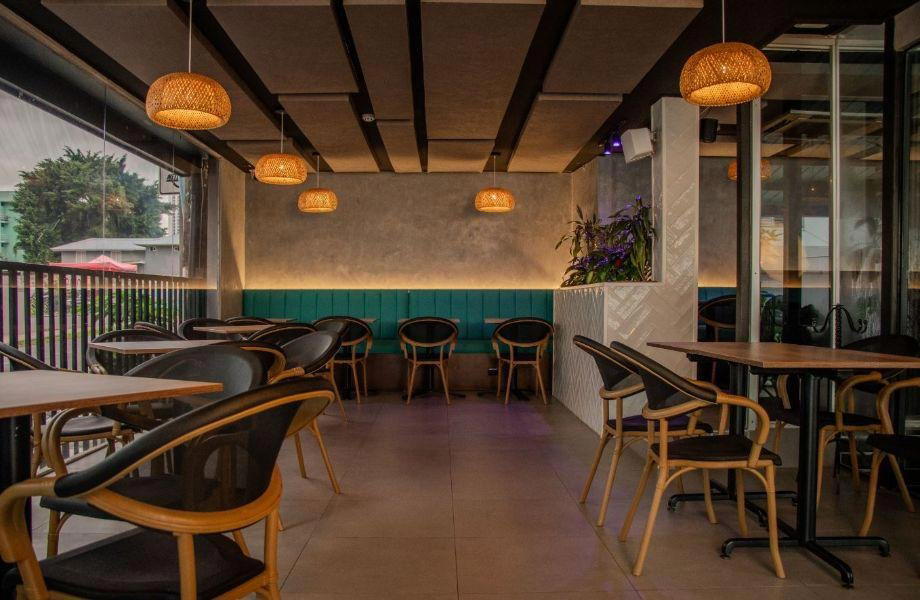
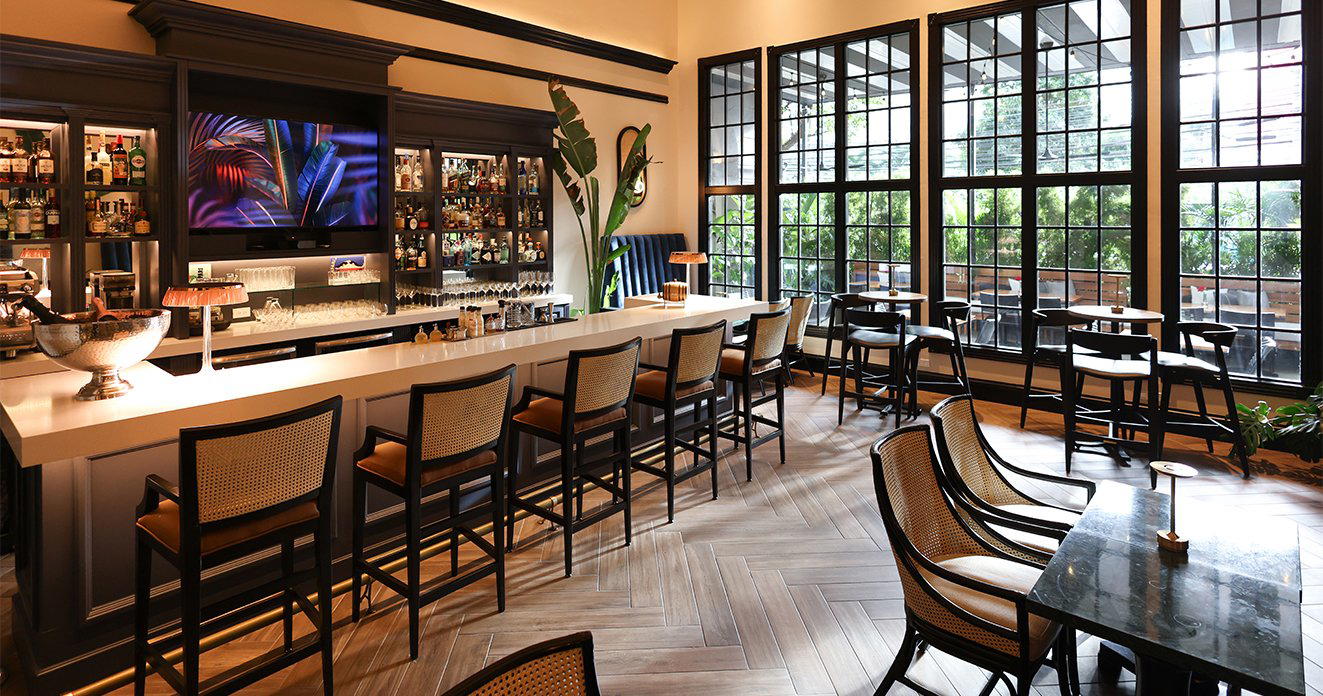
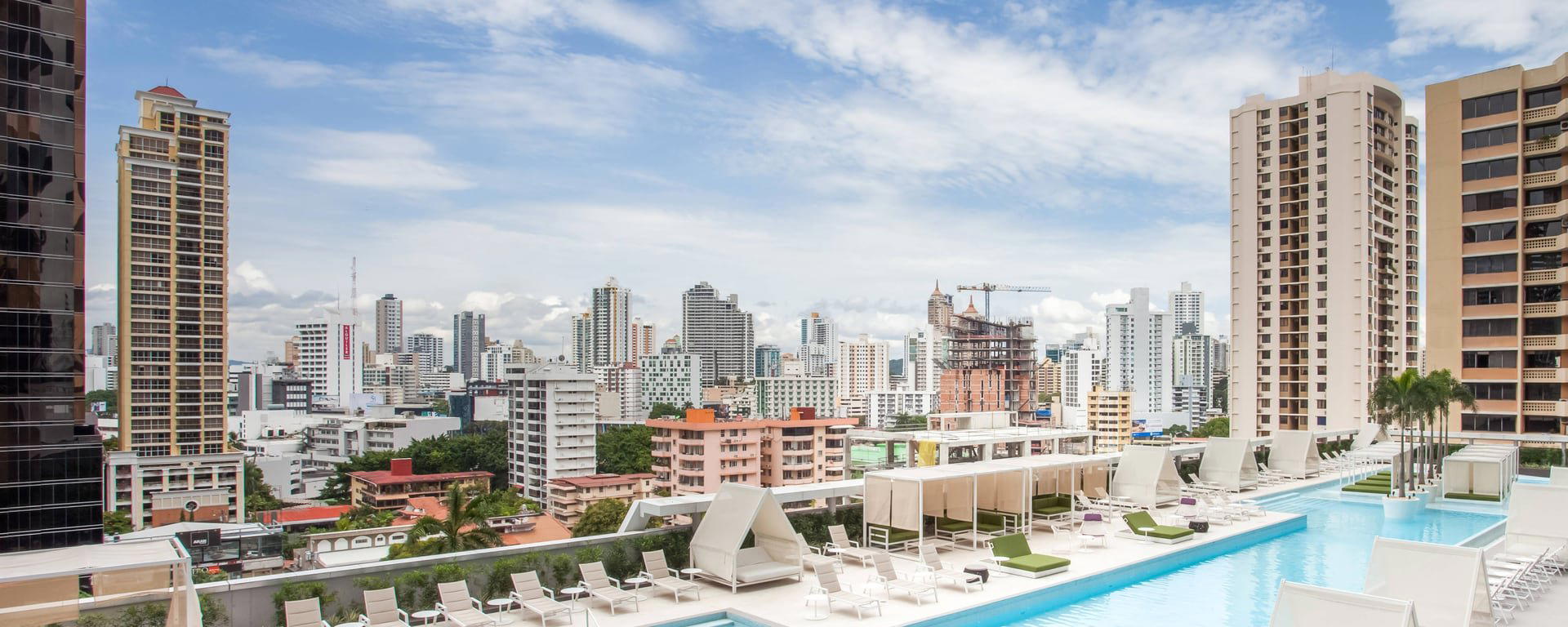
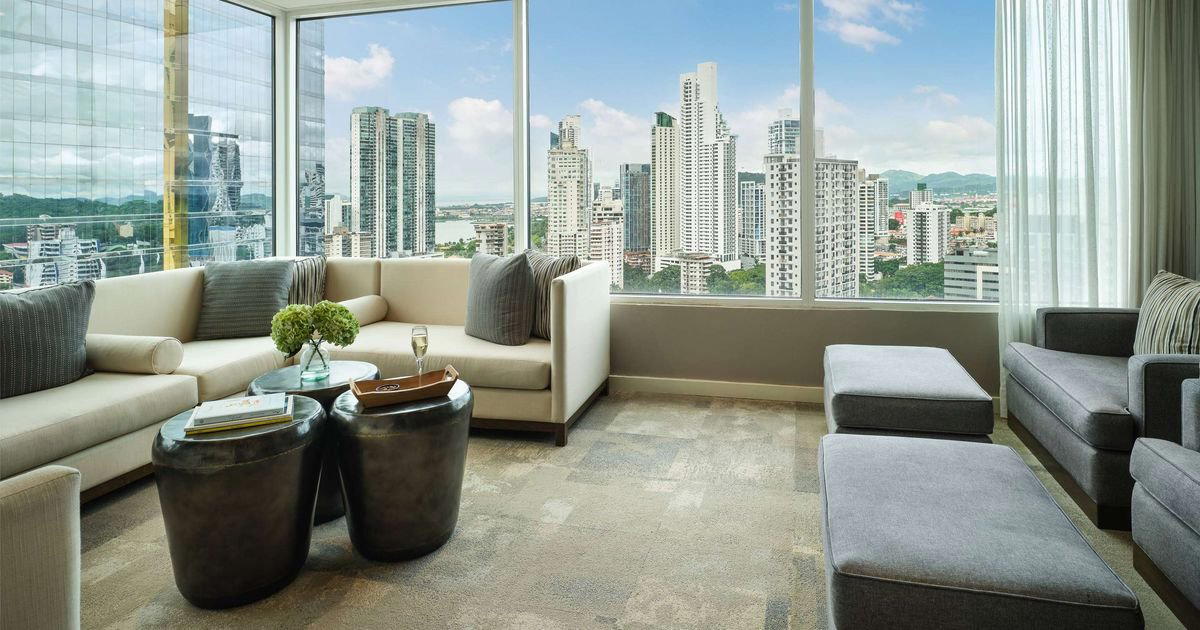
Warm contemporary interior with moderate noise, breezy terrace offering city skyline views, and a casual elegant atmosphere.