Olivo Wine Bar & Shop

A compact wine bar and retail shop on Avenida 1a B Norte, Olivo brings natural, organic, and biodynamic bottles from both Old World and New World producers to Panama City's emerging wine scene. The format pairs a considered wine list with tapas for sharing, positioning it closer to a Barceloneta-style bodega than a conventional Latin American cocktail venue. For wine-led evenings in Panama City, it sits in a distinct tier of its own.
Pearl is the En Primeur Club membership app — saves, bookings, and concierge access live there. Same editors, same standards.
- Address
- Av 1a B Nte, Panamá, Provincia de Panamá, Panama
- Directions
- Get directions
 Saves & bookings on Pearl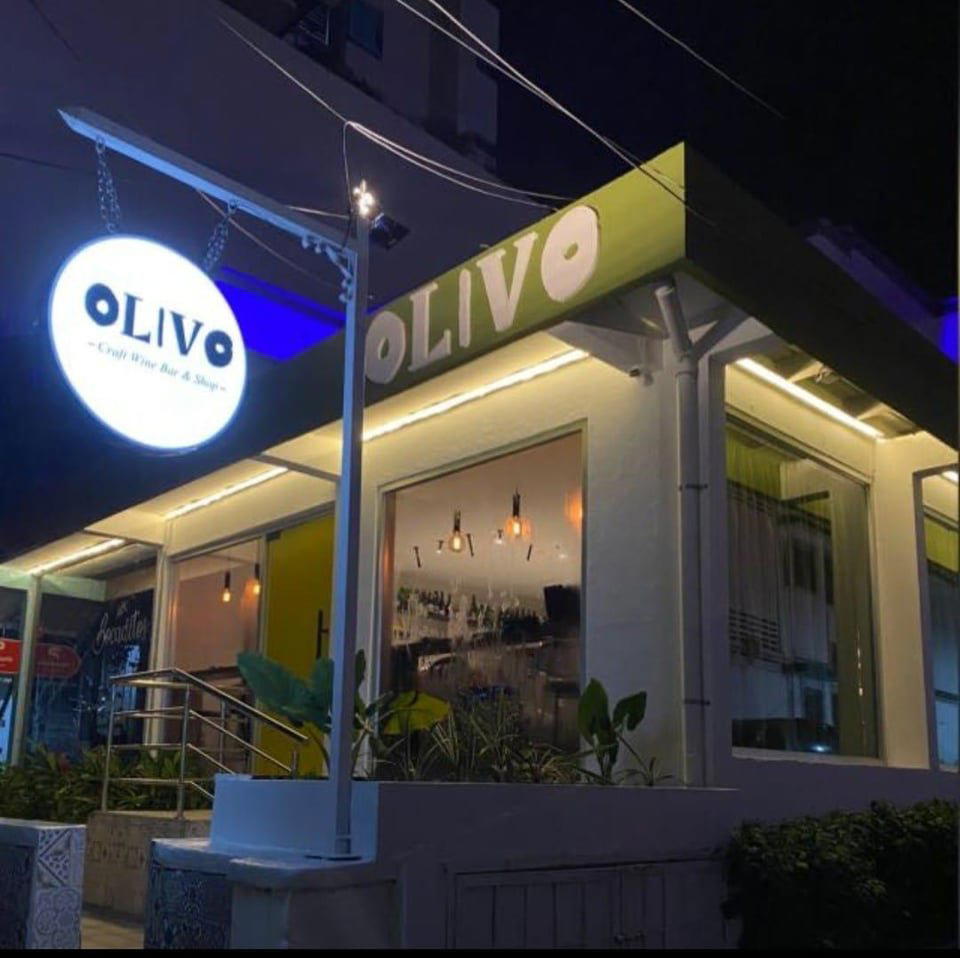
Panama City's Wine-Bar Format, Placed in Context
Wine bars occupy a smaller, more specialist niche in this market, and the handful that do exist tend to separate quickly into two categories: hotel-adjacent lists built for visiting executives, and independently operated shops where the wine is genuinely the point. Olivo Wine Bar & Shop sits in the second category, on Avenida 1a B Norte in the city's northern residential corridor, operating as both a retail outlet and a sit-down bar where natural, organic, and biodynamic bottles can be opened and consumed on the premises alongside tapas.
That dual retail-bar format is common across wine-forward cities in Europe and increasingly in Latin American capitals like Buenos Aires and Lima, but it remains a relative rarity in Panama City. The model matters because it changes the selection logic: a shop that also serves by the glass is buying with its reputation on the line in a way a conventional bar is not. Every bottle on the shelf is also a potential recommendation, which tends to produce more considered curation.
The Wine Program: Natural, Organic, Biodynamic
The list at Olivo draws from producers across both Old World and New World appellations, with a focus on natural, organic, and biodynamic farming. Within contemporary wine culture, this is a meaningful positioning choice. Natural wine, loosely defined as minimal-intervention winemaking with native yeasts and no or low added sulphites, has moved from niche provocation to a recognised segment with its own critical infrastructure, appearing in serious bars from Kumiko in Chicago to 28 HongKong Street in Singapore.
Biodynamic farming, the more codified end of this spectrum, applies a specific agricultural calendar and set of soil treatments governed by Demeter certification standards. Organic certification sits between conventional and biodynamic in terms of intervention limits. A bar that sources across all three categories is, in practice, curating from a production philosophy rather than a regional identity, which gives the list a coherence that region-only selections often lack. The effect for the drinker is a list that tends toward lower-alcohol expressions, higher acidity, and bottles that reward attention rather than delivering the easy fruit weight of commercially calibrated winemaking.
For visitors more familiar with programs like 1806 in Melbourne or The Parlour in Frankfurt, where depth of list and sourcing philosophy drive the experience, Olivo occupies a comparable role in its local market: the place where the drink itself is the reason to come, not a support act for something else.
Atmosphere and Physical Format
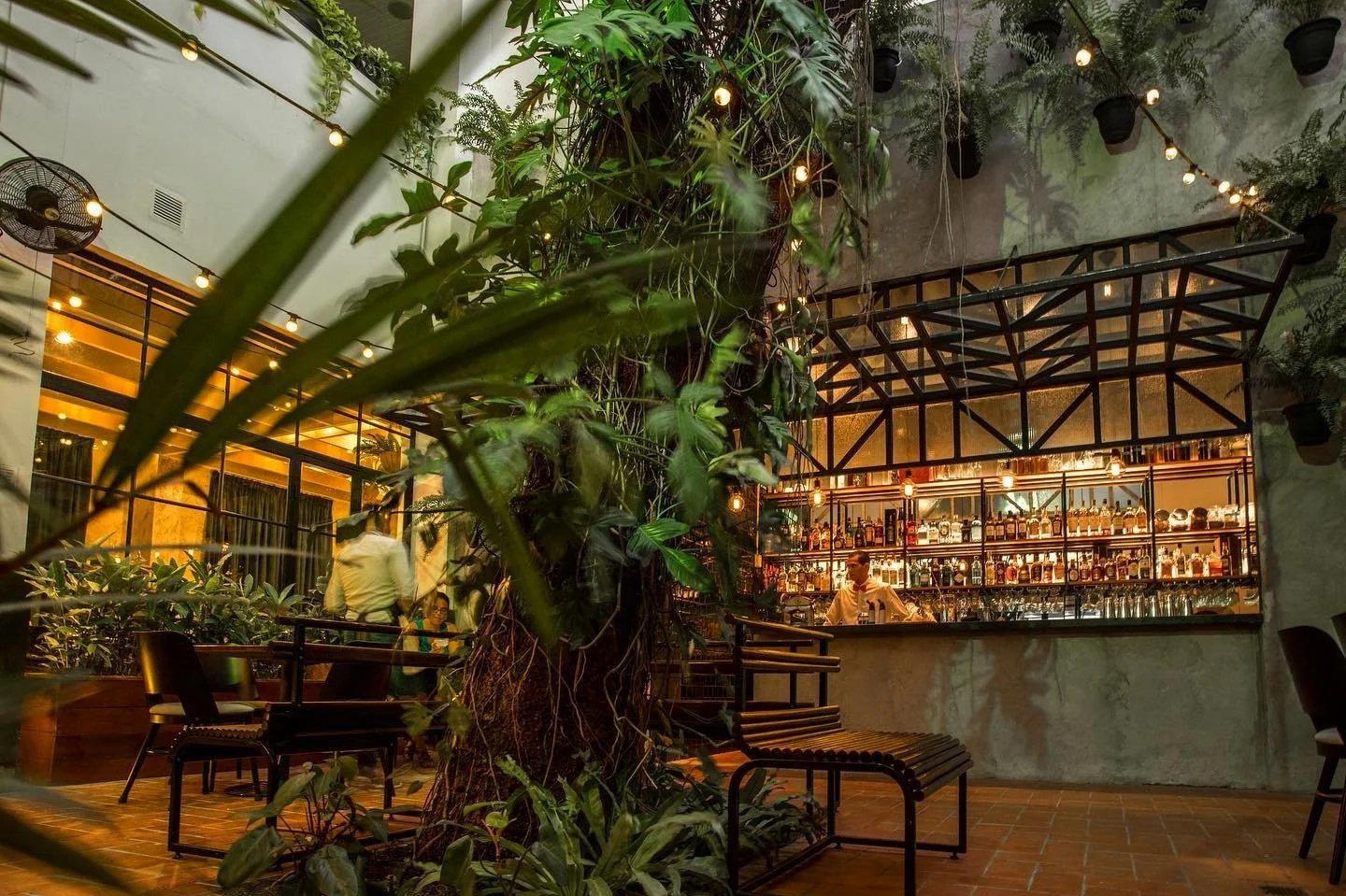
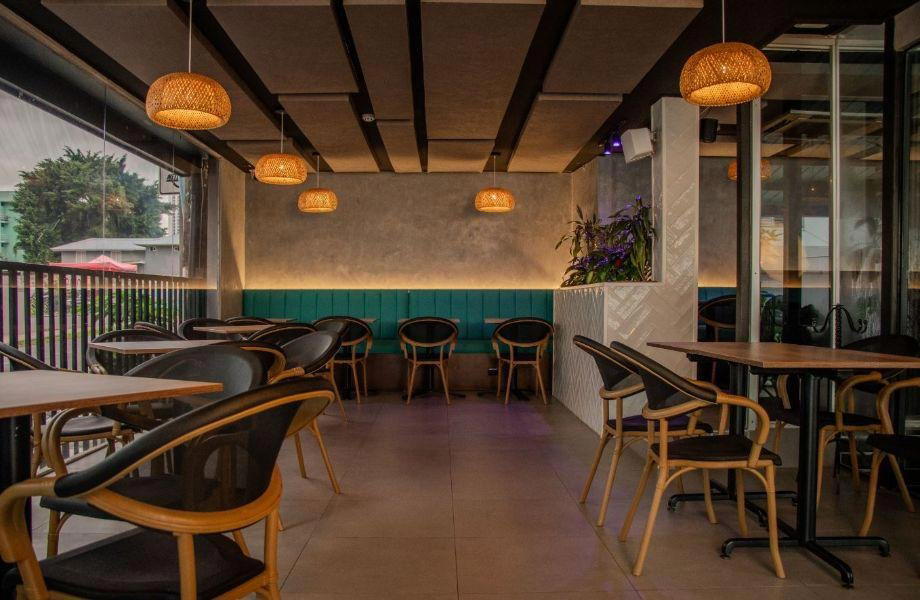
The space reads as cosy in the sense that matters for a wine bar: low capacity, limited table distance, the kind of room where conversation carries naturally between groups and the staff can speak to what is open that evening without shouting across a floor. This is not a venue that scales. The retail shelving along the walls performs a double function, acting as both stock display and acoustic softener, a detail common in serious wine shops converted to bar use.
In cities where premium drinking now splits between high-volume cocktail theatrics and small-format specialist venues, Olivo aligns with the latter. For a market comparison, consider how Jewel of the South in New Orleans or Julep in Houston operate as focused-format rooms where the program depth compensates for what they lack in scale. The dynamic is consistent across markets: small rooms with considered lists attract a repeat-visit culture that larger, more generalist venues rarely sustain.
The Tapas Pairing
The food format at Olivo is tapas-style sharing plates, which is the correct decision for a wine-led room of this kind. Tapas as a format emerged from a European tradition of small accompaniments designed to bridge successive glasses rather than anchor a conventional meal arc, and that rhythm translates well to natural wine service where the point is often to move across several bottles across an evening. The food supports the wine, not the reverse.
Panama City has a small but growing set of venues treating food and drink as genuinely co-equal experiences. Maito Restaurante, which works from a Panamanian ingredient base, and Tántalo Hotel / Kitchen / Roofbar, which functions across multiple formats under one roof, each represent a different approach to the food-drink relationship in this market. Olivo's format occupies a more focused position: wine first, food as accompaniment.
Where Olivo Sits in the Global Natural Wine Bar Conversation
The natural wine bar model has matured significantly since its emergence in Paris and London in the early 2000s. What was once a counterculture position has become a recognised segment with its own critical discourse, its own fairs (RAW Wine, La Dive Bouteille), and its own hierarchy of producers. Bars now compete on sourcing relationships, on how many grower-producers they represent directly, and on whether their list contains bottles not widely distributed outside the region of origin.
In this context, a venue in Panama City that has committed to natural, organic, and biodynamic sourcing across Old and New World producers is making a serious curation argument. It connects the city to a global conversation about how wine is grown and made, rather than simply stocking the internationally distributed labels that fill most Latin American wine lists by default. Venues like Superbueno in New York City, with its Latin American focus and serious drinks program, or Bar Leather Apron in Honolulu and 1930 in Milan demonstrate that specialist positioning in unexpected or non-obvious markets consistently outperforms generalist alternatives in building loyal, repeat audiences.
Planning Your Visit
Olivo is on Avenida 1a B Norte in Panama City's Provincia de Panamá. The retail component means visits outside peak bar hours are also productive for browsing and buying.
Budget Reality Check
Comparable venues nearby, for context on price, style, and recognition.
| Venue | Price |
|---|---|
| Olivo Wine Bar & ShopThis venue — the venue you are viewing | $$ |
Recognition history
Dated appearances from independent guides and award organizations, with the underlying list record or original source where available.
Star Wine List
Star Wine List
Continue exploring
More in Panama City
Bars in Panama City
Browse all →
Restaurants in Panama City
Browse all →
At a Glance
- Intimate
- Cozy
- Sophisticated
- Date Night
- Casual Hangout
- Standalone
- Seated Bar
- Natural Wine
Current opening hours
- Monday
- 5–10 PM
- Tuesday
- 5–10 PM
- Wednesday
- 5–10 PM
- Thursday
- 5 PM–12 AM
- Friday
- 5 PM–12 AM
- Saturday
- 5 PM–12 AM
- Sunday
- Closed
Hours can change for holidays and private events. Last verified .
Intimate and chill atmosphere ideal for wine enthusiasts, best enjoyed at the bar.