Piano Piano on Mount Pleasant Road sits in Toronto's Davisville Village, a neighbourhood where the Italian-inflected dining tradition runs deep and the room rewards lingering. The restaurant occupies the mid-to-upper tier of the city's Italian dining scene, drawing a regular crowd that returns for the multi-course progression as much as for any single dish. Book ahead; walk-ins depend on timing and luck.
Pearl is the En Primeur Club membership app — saves, bookings, and concierge access live there. Same editors, same standards.
- Address
- 623 Mt Pleasant Rd, Toronto, ON M4S 2M9, Canada
- Phone
- +14164839789
- Website
- pianopianotherestaurant.com
- Directions
- Get directions
 Saves & bookings on Pearl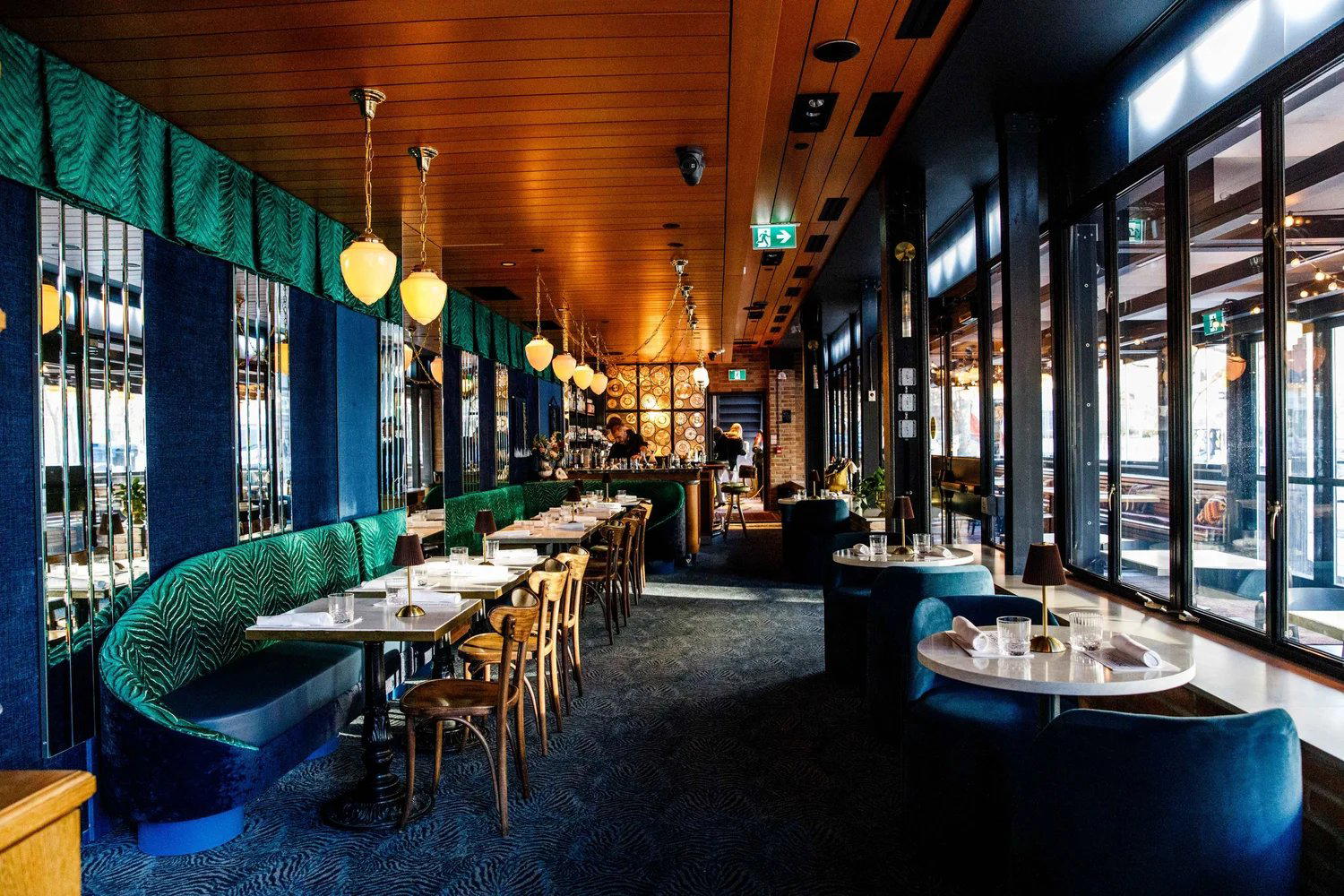
A Room That Sets Its Own Pace
Mount Pleasant Road between Davisville and Eglinton has a particular rhythm that separates it from the downtown dining corridors most Toronto criticism focuses on. The street runs through a residential neighbourhood dense with long-standing businesses, and the dining rooms here tend toward the unhurried rather than the performative. The name itself, borrowed from the Italian idiom meaning slowly, gently, signals the intended register before a single dish arrives. In a city where the upper end of Italian dining has fragmented between white-tablecloth formality and trend-chasing casualness, a room that commits to measured pacing occupies a distinct and increasingly scarce position.
Toronto's Italian dining scene has stratified considerably over the past decade. At the premium tier, addresses like DaNico and Don Alfonso 1890 operate at the $$$$ price point with tasting-menu ambitions and the kitchen credentials to justify them. Below that sits a broader middle category where the food is competent but the experience often feels generic. Piano Piano occupies a position that resists easy categorization: the format encourages multi-course dining without imposing a fixed tasting structure, which places it closer to the European trattoria model than to the chef's-table operations Toronto has been building toward since Alo set a new ceiling for contemporary fine dining.
The Arc of the Meal
Italian dining traditions, at their most coherent, are structured around a progression that has its own internal logic: the aperitivo moment, then something raw or cured, then pasta as a central act rather than a supporting role, then protein, then something sweet but not overwhelming. This sequence is the grammar that distinguishes Italian multi-course eating from the more maximalist architectures of tasting menus at, say, Atomix in New York City or the technique-forward French seafood progressions of Le Bernardin. Piano Piano's format aligns with the Italian model in that pasta is treated as its own course worth arriving at slowly rather than a bridge between starters and mains.
In broader Canadian terms, this positioning makes sense when you consider how Italian-inflected dining has developed outside Quebec, where a different culinary identity dominates. The contrast with something like Tanière³ in Quebec City or Jérôme Ferrer - Europea in Montréal is instructive: those kitchens draw from French and Indigenous traditions that produce a different meal architecture. Toronto's Italian thread is older and more commercially embedded, but Piano Piano works within it seriously rather than ironically.
Where It Sits in the Toronto Context
The city's most discussed restaurants cluster downtown and in the west end: Alo on Duncan Street, Sushi Masaki Saito and Aburi Hana for the Japanese counter tradition that Toronto has developed with unusual depth. Midtown receives less editorial attention despite supporting a consistent dining culture. The restaurant benefits from and contributes to that midtown continuity, serving a neighbourhood clientele that does not want to travel downtown every time the occasion calls for a proper meal.
This geographic pattern is not distinctive to Toronto. In Vancouver, AnnaLena operates in Kitsilano rather than downtown, serving a similar function for its neighbourhood. In Ontario beyond the city, the template shifts again: Restaurant Pearl Morissette in Lincoln and Eigensinn Farm in Singhampton represent the destination-rural model, while The Pine in Creemore anchors small-town dining at a serious level. The restaurant is none of these; it is the neighbourhood anchor for a specific part of the city, which is its own valid category.
Autumn and the Case for Timing Your Visit
Seasonal timing matters more at Italian-tradition restaurants than the format often suggests. The pasta-forward structure means that autumn, when mushroom varieties peak and root vegetables enter the supply chain, tends to produce particularly coherent menus. In Toronto's climate, the window from mid-September through November typically coincides with the strongest local produce availability for the kinds of preparations that suit this cooking style. Winter menus at restaurants of this type often lean heavier and more braised, which suits some diners but flattens the progression's variety. Spring brings lighter options but can feel transitional before the full summer supply arrives. For a first visit, the autumn window gives the kitchen to work with.
That seasonal logic connects the restaurant to a broader Canadian pattern: restaurants from Narval in Rimouski to Barra Fion in Burlington and even the more formal Aux Anciens Canadiens in Quebec are all, to varying degrees, seasonally dependent operations. The difference is that Italian-tradition kitchens often encode that seasonality less explicitly than farm-to-table or hyper-local concepts do: the menu may not announce provenance, but the quality of autumn mushroom pasta reflects it regardless.
Know Before You Go
- Address: 623 Mt Pleasant Rd, Toronto, ON M4S 2M9
- Neighbourhood: Davisville Village, Midtown Toronto
- Price range: $$$; about US$65 per person
- Reservations: Recommended; walk-in availability varies by day and time
- Leading season to visit: Autumn (mid-September through November) for peak local produce alignment
- Nearest transit: Davisville Station (Line 1) is within walking distance
- Caesar Salad with roasted pork belly
- Rigatoni & Meatballs
- Spicy Sicilian Pizza
- Ravioli Bolognese
- Carbonara
- Veal Parm Sandwich
Comparable Venues
Comparable venues nearby, for context on price, style, and recognition.
| Venue | Cuisine | Price | Notes |
|---|---|---|---|
| Piano PianoThis venue — the venue you are viewing | Modern Italian | $$$ | Not listed |
| Trattoria Nervosa | Southern Italian Trattoria | $$$ | Yorkville |
| Primadonna | Italian-American | $$$ | Fashion District |
| Liliana | Modern Italian with Asian Influences | $$$ | West Queen West |
| Donatello | Authentic Italian Fine Dining | $$$ | Downtown Yonge |
| Il Ponte | Authentic Italian Cucina | $$$ | South Riverdale |
Continue exploring
More in Toronto
Restaurants in Toronto
Browse all →
Bars in Toronto
Browse all →
Hotels in Toronto
Browse all →

At a Glance
- Sophisticated
- Lively
- Elegant
- Modern
- Date Night
- Group Dining
- Celebration
- Casual Hangout
- Open Kitchen
- Private Dining
- Craft Cocktails
- Local Sourcing
Current opening hours
- Monday
- 12–9:30 PM
- Tuesday
- 12–9:30 PM
- Wednesday
- 12–9:30 PM
- Thursday
- 12–9:30 PM
- Friday
- 12–10:30 PM
- Saturday
- 12–10:30 PM
- Sunday
- 12–9:30 PM
Hours can change for holidays and private events. Last verified .
Stylish and upbeat with colorful decor and a lively atmosphere that balances sophistication with warmth and fun.