Carcasse
Our verdict
Carcasse occupies a quietly residential address in Wolfisheim, a small commune immediately west of Strasbourg, placing it within Alsace's dense network of serious regional cooking. The name signals a carnivore-forward focus, situating the restaurant in a French tradition that treats the whole animal and its sourcing as the editorial core of any credible menu. Visit with an appetite calibrated accordingly.

Pearl is the En Primeur Club membership app — saves, bookings, and concierge access live there. Same editors, same standards.
The menu
What to order
- Beef Ribs
- Red Cordon (Beef Cordon Bleu)
- Aged Steak
- Beef Picanha
- Tartares
- Burgers
Wolfisheim and the Alsatian Table
Wolfisheim sits less than five kilometres from central Strasbourg, absorbed into the suburban fringe of one of France's most food-serious cities. Alsace has long maintained its own culinary register, distinct from Parisian haute cuisine and from the Loire or Burgundy traditions further west: the region's cooking is rooted in proximity to Germany, in choucroute and baeckeoffe, in Riesling-braised preparations and a structural preference for richness that the local climate seems to justify. The villages and communes immediately surrounding Strasbourg carry that tradition in a more everyday key — fewer tourists, fewer press nights, and an audience largely composed of local regulars who measure quality against what they cook at home. For a restaurant to earn a following in that context, the sourcing and the execution have to be credible on their own terms. Carcasse, at 29 Rue des Seigneurs, works within that expectation. For a broader orientation to what the area offers, see our full Wolfisheim restaurants guide.
What the Name Declares
The word carcasse in French carries a directness that most restaurant names avoid: it refers to the carcass, the whole animal reduced to its structural form after butchery. As a restaurant name, it functions as a positioning statement rather than an attempt at warmth. Meat-forward French restaurants have always existed across Alsace and beyond, but the tradition of naming a restaurant after the raw material rather than a founding family or an idealized landscape signals a certain unsentimental commitment to product. The approach places Carcasse in a recognizable European lineage of restaurants that treat sourcing as the primary argument, in the way that Bras in Laguiole makes the Aubrac plateau's produce its central case, or Auberge du Vieux Puits in Fontjoncouse draws its authority from a garden and a region rather than from a metropolitan reputation.
Ingredient Sourcing as the Structural Argument
In France, the restaurants that endure in their localities tend to do so because they've established a supply chain that urban competitors cannot replicate. The productive logic of Alsace supports this: the Bas-Rhin department sits within reach of Strasbourg's wholesale markets, of small farms producing charcuterie-grade pork along the Rhine plain, and of the broader Alsatian agricultural economy that still maintains enough smallholder production to supply restaurants buying in modest quantities. A restaurant with a name like Carcasse is implicitly making a claim about that supply chain — about the quality and traceability of the animals it serves, about whether a côte de boeuf or a whole roasted bird arrives from a farm the kitchen has a relationship with or from a regional cash-and-carry. That distinction matters more in a local suburb like Wolfisheim than it would in a city centre, where diners arrive with less contextual knowledge and lower baseline expectations of provenance. The relevant comparison is with the honest, product-led neighbourhood restaurant that France has historically done better than almost anywhere, a format now under genuine economic pressure, and therefore worth seeking out when it works.
The Atmosphere You're Walking Into
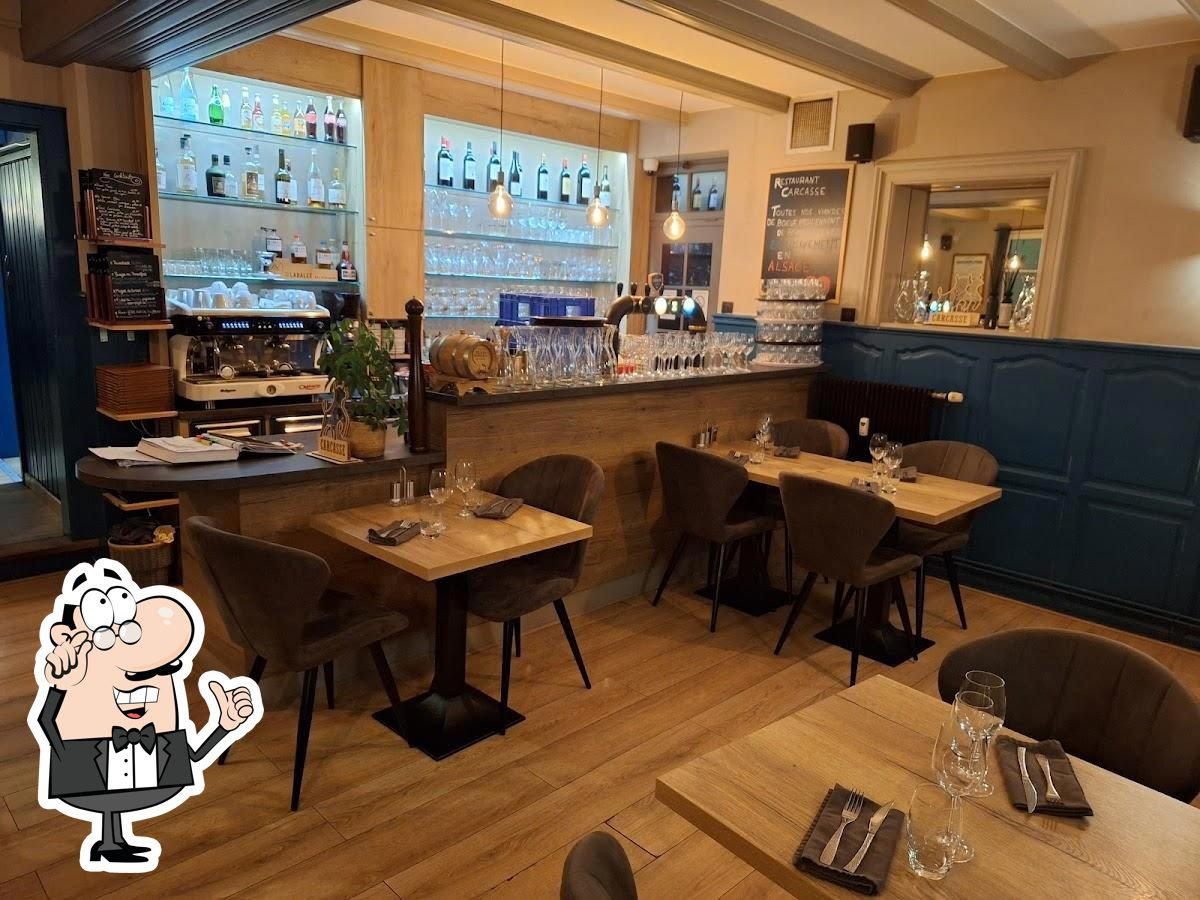
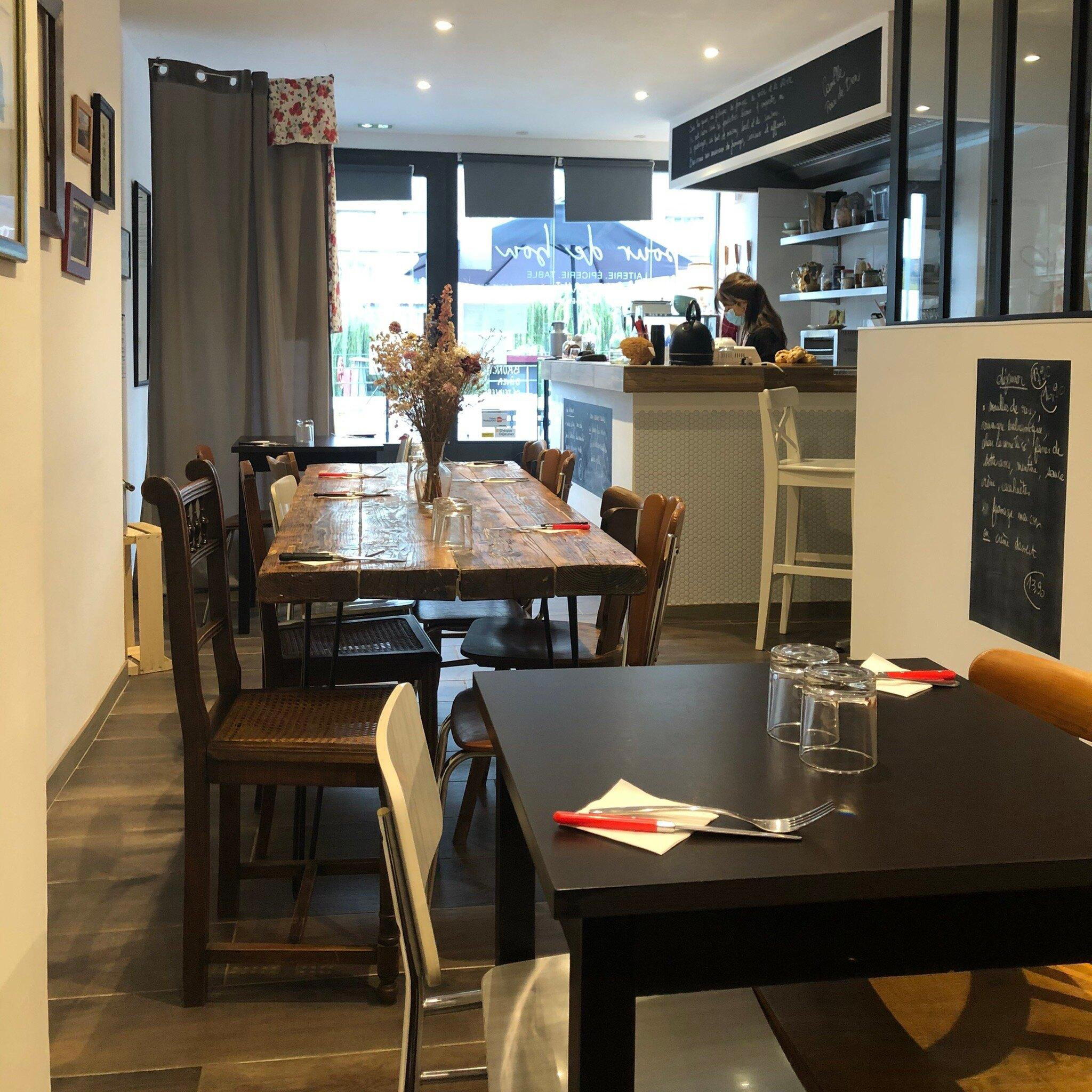
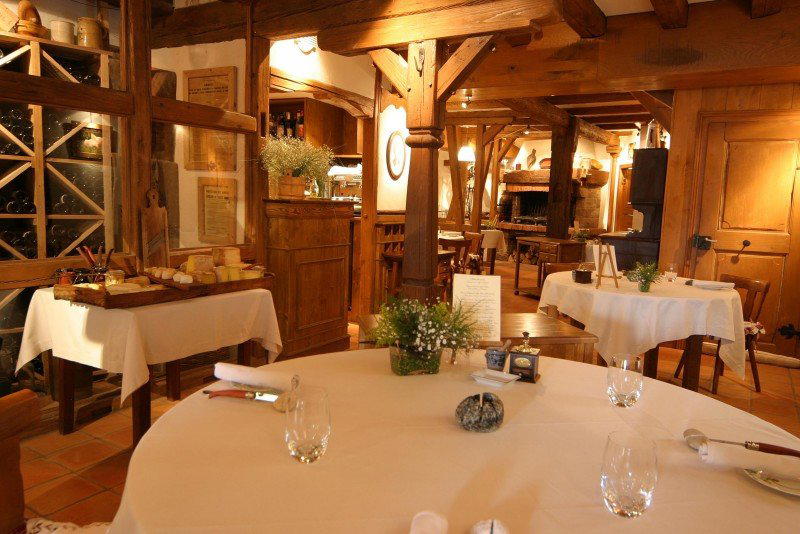
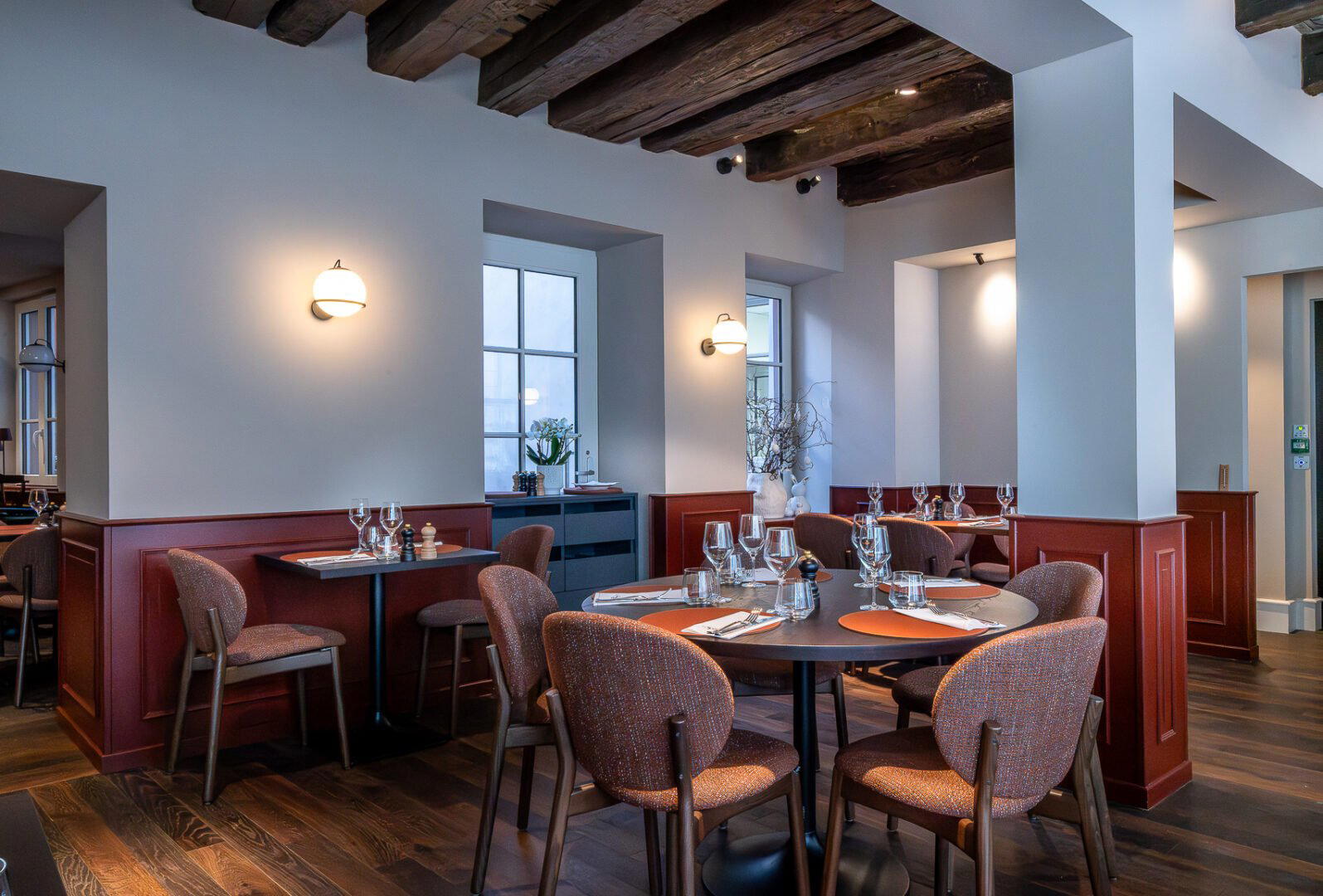
The address on Rue des Seigneurs in Wolfisheim sits in a residential setting rather than a commercial strip, which shapes the experience before the door opens. Restaurants in village locations of this kind in Alsace tend toward a defined domestic character: rooms that feel more like a dining room than a designed hospitality space, a clientele that knows each other across tables, a pace set by the kitchen rather than by a management team working a reservation system. The atmosphere at places like this is neither hushed fine dining nor the deliberately casual register that urban bistro openings now perform as a stylistic choice. It is simply a local restaurant operating at what it judges to be its natural register, which in Alsace typically means generous portions, a wine list with meaningful Alsatian representation, and a level of noise that reflects the conviviality of the region's eating culture. The contrast with heavily awarded destination restaurants, Flocons de Sel in Megève, Le 1947 à Cheval Blanc in Courchevel, or Mirazur in Menton, is not a deficit. It's a different proposition entirely.
Where Carcasse Sits in a Wider French Context
France's serious provincial restaurants occupy a tier that international coverage systematically underweights. The major awarded houses, Alléno Paris au Pavillon Ledoyen, Troisgros in Ouches, Paul Bocuse in Collonges-au-Mont-d'Or, attract the most documentation, while the intermediate layer of neighbourhood restaurants that deliver consistent regional cooking to local regulars remains largely undercovered. That intermediate layer is where France's provincial dining culture actually operates day-to-day. Wolfisheim is part of that structure: close enough to Strasbourg to draw an urban spillover audience, far enough outside it to function on local terms. Restaurants in that position often represent a more direct engagement with a region's food culture than the high-profile rooms that have been optimized for press and tourism.
Planning a Visit
Wolfisheim is accessible from central Strasbourg by car in under fifteen minutes, and the town is served by the Strasbourg tram network, making it viable without a vehicle for diners staying in the city. Given the residential address and the likely local-regular clientele, contacting the restaurant directly before visiting is sensible: opening hours, reservation requirements, and capacity are not publicly listed, and arriving without confirmation at a neighbourhood restaurant of this type in France can result in a closed door. The leading approach is to treat Carcasse as a booking-required destination rather than a walk-in option, which in a commune of Wolfisheim's scale is almost certainly the right assumption. Diners making a broader Alsace trip might pair this with a visit to Auberge de l'Ill, located about forty minutes south in Illhaeusern, to see how the region's most decorated address approaches the same Alsatian produce from a different position in the market.
Frequently asked questions
Is Carcasse okay with children?
Carcasse sits on a residential street in Wolfisheim rather than a busy commercial strip, which tends to create a quieter, adult-oriented dining environment. The restaurant's apparent focus on whole-animal cooking and serious ingredient sourcing suggests a room calibrated more toward engaged diners than a family outing. Contacting the venue directly before visiting with young children is advisable.
What should I expect atmosphere-wise at Carcasse?
The address on Rue des Seigneurs, 67202 Wolfisheim, places the restaurant in a residential rather than commercial setting, which shapes expectations from the moment you arrive. Expect something closer to a considered local address than a polished dining room built for foot traffic. The name itself signals a certain directness, and the atmosphere likely follows that lead.
Is Carcasse in Wolfisheim the kind of restaurant worth a detour from Strasbourg?
Wolfisheim sits under five kilometres from central Strasbourg and is accessible by tram, so the detour is minor in logistical terms. What the restaurant represents is more consequential: a provincial French address that commits to a specific culinary argument — whole-animal cooking — rather than defaulting to the Alsatian genre conventions that dominate the city centre. For anyone interested in ingredient-driven, butchery-led cooking in the Strasbourg orbit, Carcasse occupies a position that few nearby addresses do.
What's the must-try dish at Carcasse?
Dishes driven by that philosophy, whether braises, offal, or bone-based stocks, would be the logical expression of what the kitchen is arguing. Confirming current offerings with the venue before visiting is the clearest path to planning your meal.
What's the address for Carcasse?
Carcasse is located at 29 Rue des Seigneurs, 67202 Wolfisheim, France, Wolfisheim.
Do they take walk-ins at Carcasse?
No booking policy is publicly documented for Carcasse in Wolfisheim. Given that the restaurant operates in a residential village rather than a high-turnover city centre location, walk-in capacity may be limited. Reaching out to the venue ahead of your visit is the practical approach, particularly for weekend evenings.
Comparison Snapshot
| Venue | Cuisine | Price | Awards | Notes |
|---|---|---|---|---|
| CarcasseThis venue — the venue you are viewing | French Steakhouse & Grill | $30–50 | Not listed | Not listed |
| Mirazur | Modern French Fine Dining | $300–500 | 3 Michelin Stars · World's 50 Best #1 | Modern French, Creative |
| Alléno Paris au Pavillon Ledoyen | Modern French Fine Dining | $150–200 | 3 Michelin Stars · World's 50 Best #79 | Creative |
| Kei | Modern French with Japanese Influences | $300–500 | 3 Michelin Stars · World's 50 Best #93 | Contemporary French, Modern Cuisine |
| L'Ambroisie | Classic French Haute Cuisine | $300–500 | 2 Michelin Stars · World's 50 Best #23 | French, Classic Cuisine |
| Le Cinq - Four Seasons Hôtel George V | Modern French Fine Dining | $300–500 | 3 Michelin Stars · World's 50 Best #24 | French, Modern Cuisine |
Continue exploring
More in Wolfisheim
Restaurants in Wolfisheim
All restaurants in Wolfisheim →
Bars in Wolfisheim
Browse all →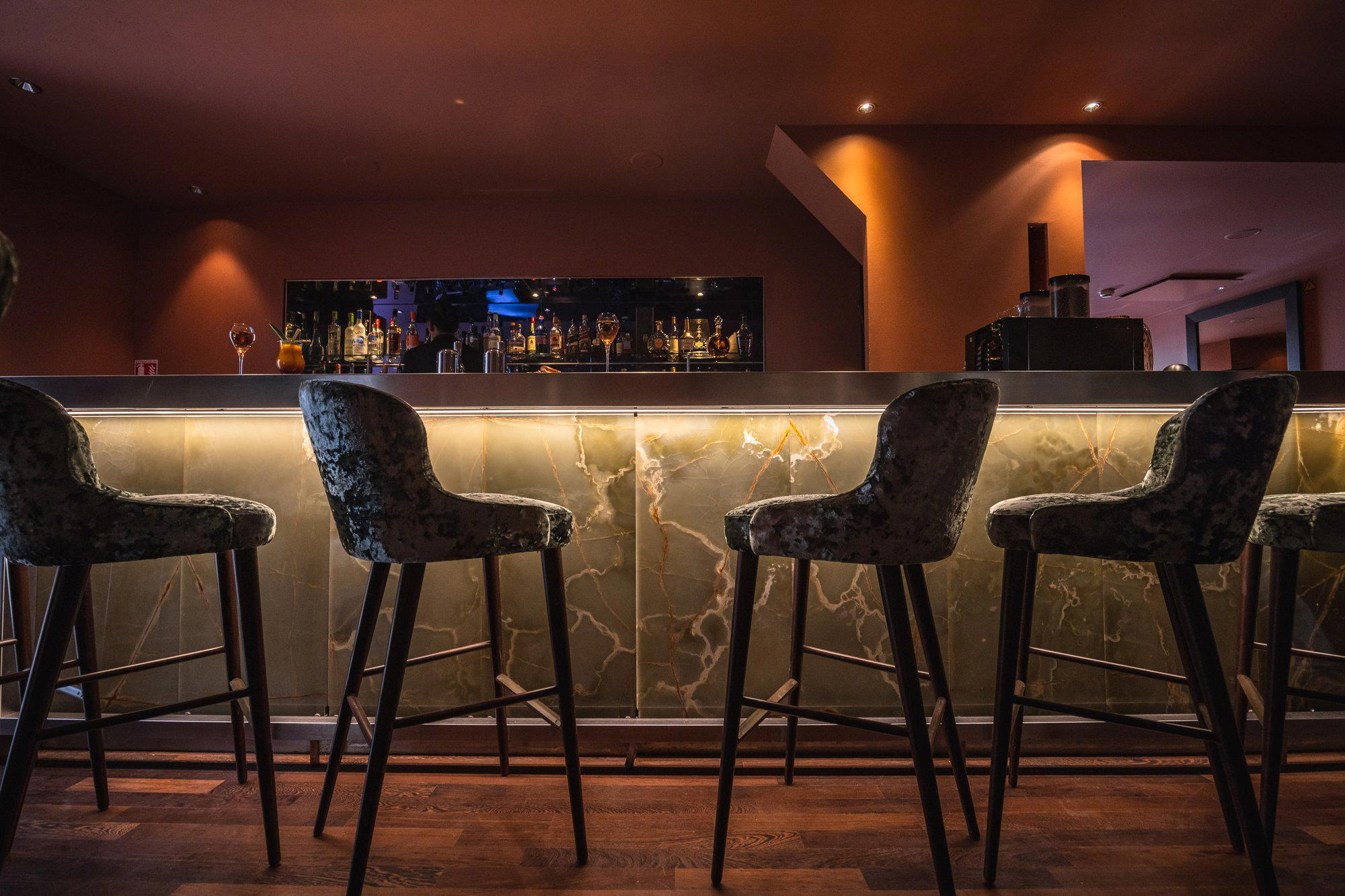

Carcasse
The wine
- Wine program
- Curated wine list
- Extensive wine list
- Craft cocktails
Details
- Classic
- Rustic
- Cozy
- Date Night
- Business Dinner
- Group Dining
- Family
- Casual Hangout
- Terrace
- Private Dining
- Extensive Wine List
- Craft Cocktails
- Local Sourcing
- A La Carte
- Wine
- Cocktails
- Vegetarian Friendly
Current opening hours
- Monday
- 7–9:30 PM
- Tuesday
- 12–1:30 PM, 7–9:30 PM
- Wednesday
- 12–1:30 PM, 7–9:30 PM
- Thursday
- 12–1:30 PM, 7–9:30 PM
- Friday
- 12–1:30 PM, 7–10 PM
- Saturday
- 7–10 PM
- Sunday
- Closed
Hours can change for holidays and private events. Last verified .
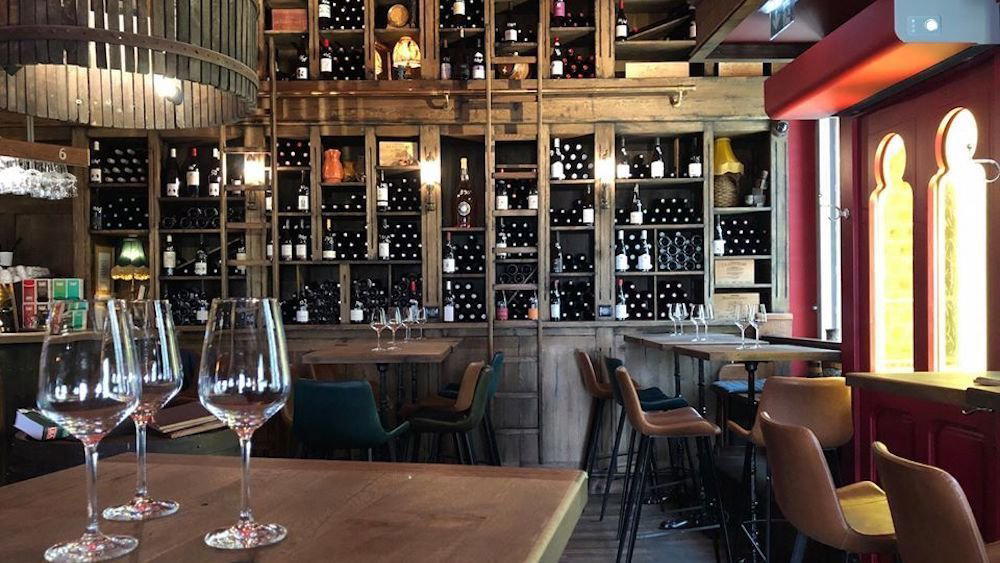
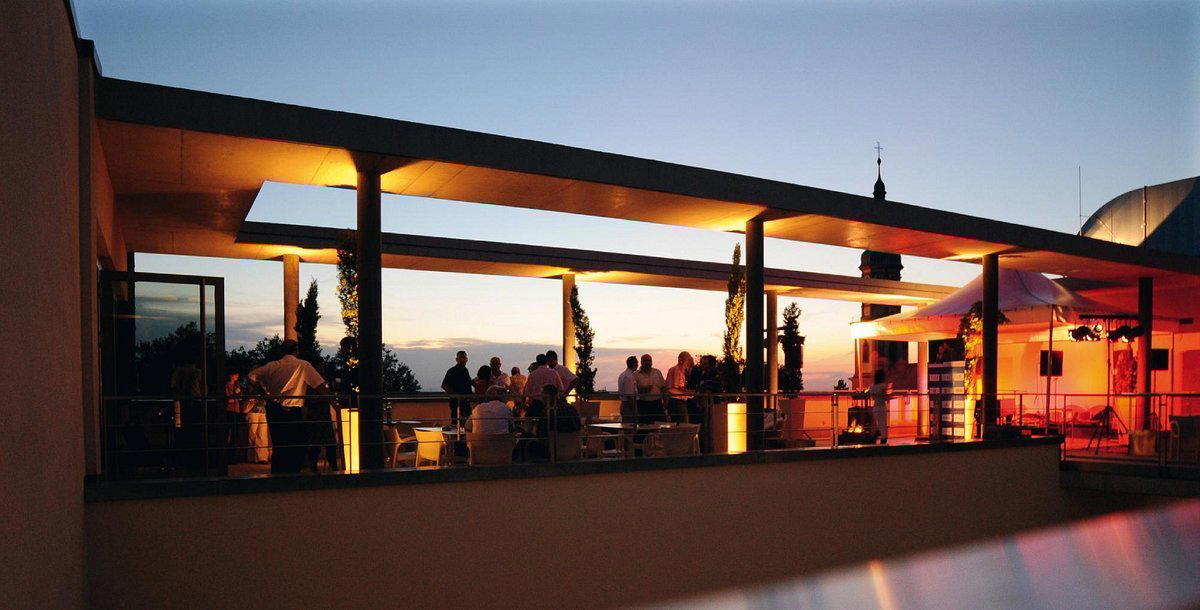
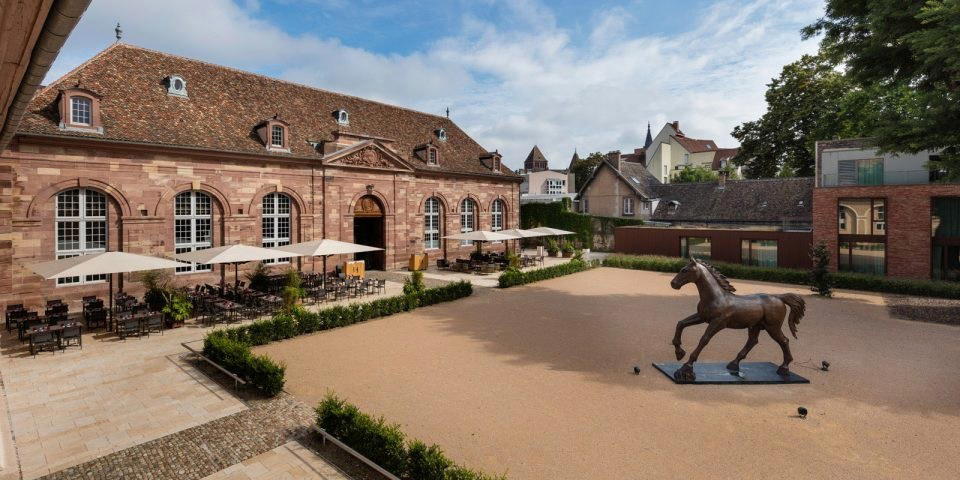
Spacious dining room with well-spaced tables and a pleasant terrace; rustic setting with older decor but welcoming atmosphere managed by invested young staff.