
Cheval Blanc operates in Lembach, a commune in Grand-Est near the German border. Hosts Carole and Pascal Bastian run the establishment, which sits in a region known for Alsatian identity and proximity to Northern Vosges hiking. The venue participates in Lembach's small-scale hospitality scene, where traditional and modern formats coexist.
Pearl is the En Primeur Club membership app — saves, bookings, and concierge access live there. Same editors, same standards.
- Address
- 4 rue de Wissembourg, Lembach, Grand-Est, 67510, FRA
- Phone
- +33 3 88 94 41 86
- Website
- guide.michelin.com
- Directions
- Get directions
 Saves & bookings on Pearl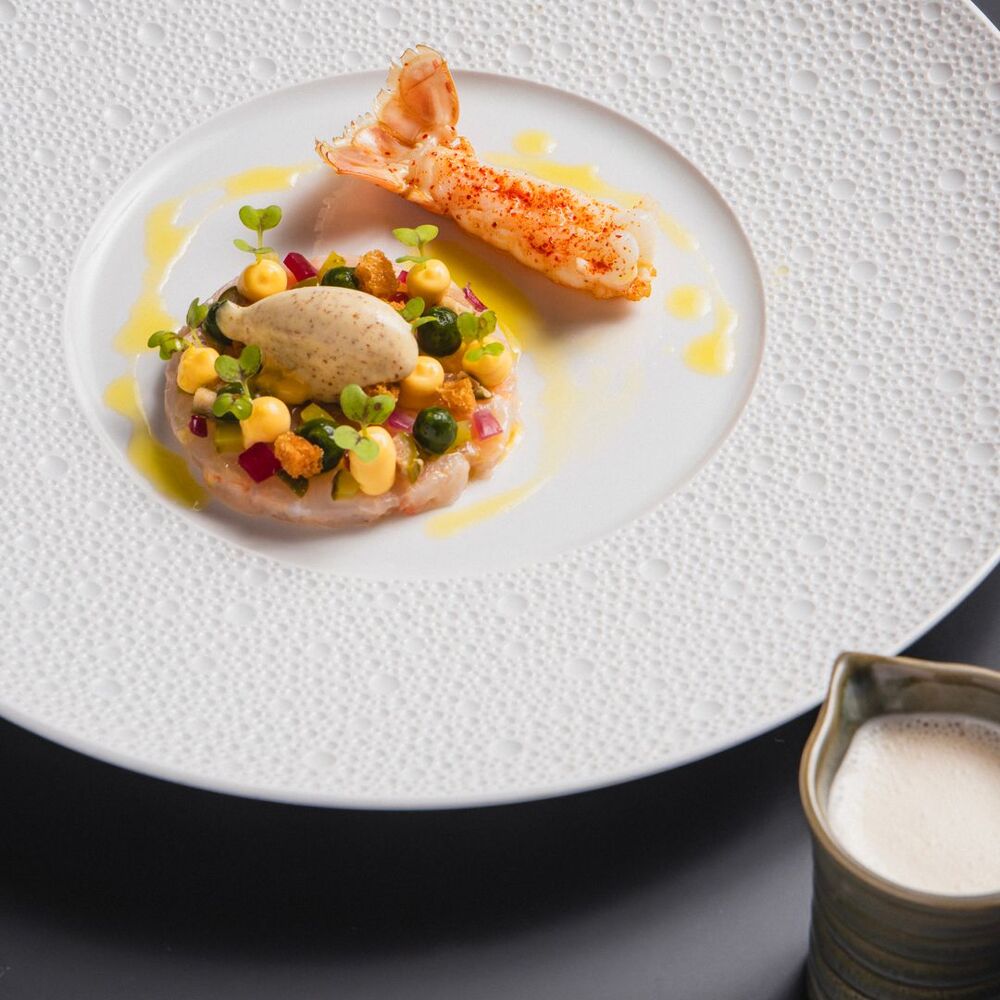
Lembach occupies a narrow corridor in the Bas-Rhin département, just west of the German frontier and north of the Northern Vosges Natural Park. The commune holds fewer than two thousand residents, and hospitality formats cluster along the main thoroughfare linking Wissembourg to Haguenau. Cheval Blanc sits at 4 rue de Wissembourg, a street that carries both local foot traffic and visitors bound for the fortified Fleckenstein Castle ruins two kilometres southwest. The Alsatian food tradition here leans toward ingredient procurement from the surrounding lowlands and forested slopes: game from the Vosges, Rhine-valley produce, and dairy from farms within a twenty-kilometre radius. Carole and Pascal Bastian operate the venue, and their approach ties into the wider pattern of family-run establishments that define Lembach's dining and lodging stock. For broader context on the commune's hospitality options, see [our full Lembach restaurants guide](), [our full Lembach hotels guide](), and [our full Lembach bars guide]().
Sourcing and the Alsatian Corridor
Alsace's modern restaurant identity splits between neo-winstub formats in Strasbourg or Colmar and rural auberges that anchor sourcing in immediacy rather than global pantry breadth. Cheval Blanc participates in the latter category. The Grand-Est region's agricultural calendar governs availability: asparagus appears in April and May from sandy Bas-Rhin plots, wild mushrooms arrive in September and October from beech and oak stands in the Vosges, and pork products reflect a tradition of on-farm charcuterie that predates refrigeration networks. Game season runs November through February, and venison, wild boar, and hare appear on menus across the region during those months. Producers within thirty kilometres supply most of the protein and vegetable stock for Lembach's restaurants, a logistical norm shaped by the commune's position outside major distribution hubs. The Rhine plain to the east yields grain and root vegetables, while higher-elevation farms west of the commune specialize in cattle and sheep. The Bastians' operation draws from that corridor, though specific supplier names and farm partnerships remain unlisted publicly. The model mirrors what operates at 1387 in Strasbourg and rural peers like Auberge Baechel-Brunn, where ingredient provenance forms part of the operational narrative but detailed traceability varies by season and availability.
Format and Regional Peers
Lembach's restaurant stock includes both traditional-cuisine formats and modern-cuisine venues, with price brackets ranging from moderate (€€) to high (€€€€). Auberge du Cheval Blanc, a separate entity despite name overlap, operates a cuisine-d'auteur program at the higher end of that spectrum. Au the restaurant, also distinct, sits in the traditional-cuisine tier at €€. Auberge Baechel-Brunn offers modern cuisine at €€€, while La Merise occupies the €€€€ bracket. The venue in question, the restaurant at 4 rue de Wissembourg, does not carry public pricing data or cuisine classification in available records, which places it outside immediate comparative analysis. Format discipline in this market typically involves multi-course weekday menus and à la carte weekend service, though specifics for this address remain unconfirmed. The Bastians' hospitality approach aligns with Alsatian conventions: reception in the local dialect, table pacing that accommodates longer sittings, and wine service weighted toward local Riesling, Pinot Gris, and Gewurztraminer from cooperative cellars in Cleebourg and Wissembourg. For related experiences in the region, see [our full Lembach wineries guide]() and our full Lembach experiences guide.
Other Alsatian venues that share rural coordinates and family-operation structures include 114, Faubourg in Paris, though the capital's scale and ingredient-sourcing logistics differ sharply. In Nantes, .... Et la Fourmi operates a similar host-driven model at a smaller seat count, while [S] Corner in Courchevel and 1920 in Megève represent alpine formats where ingredient sourcing confronts higher logistical complexity. In neighboring Strasbourg, 1387 demonstrates how urban Alsatian formats balance sourcing transparency with broader pantry access. 1217 in Bagnols and 14 Avenue in La Baule offer coastal parallels, where proximity to fishing ports shapes protein menus. 16âme in Le Monêtier-les-Bains, 1860 Le Palais in Marseille, 1899 in Tourgeville, and 2'Moiselles in Metz each anchor regional ingredient networks in their respective geographies.
Lembach's visitor flow peaks during spring hiking season and autumn foliage weeks, with castle tourism adding steady midweek demand. The Bastians' operation participates in that rhythm, though booking patterns and advance-reservation requirements remain unpublished. North American readers familiar with ingredient-driven formats may find parallels in Jōdo Saké Bar in Los Angeles or Onigiri Time in Pasadena, where host identity and sourcing philosophy shape the dining proposition more than menu scale or service theatrics.
Comparable venues by cuisine and price in the same metro.
| Venue | Cuisine | Price | Awards |
|---|---|---|---|
| Cheval Blanc | Carole et Pascal Bastian vous accueillent... | This venue | Not listed |
| Auberge du Cheval Blanc | Cuisine d'auteur | French | $$$ | Cuisine d'auteur | French, $$$ |
| Au Cheval Blanc | Traditional Cuisine | €€ | Traditional Cuisine, €€ |
| Auberge Baechel-Brunn | Modern Cuisine | €€€ | Modern Cuisine, €€€ |
| La Merise | Modern Cuisine | €€€€ | Modern Cuisine, €€€€ |
Recognition history
Dated appearances from independent guides and award organizations, with the underlying list record or original source where available.
Michelin 1 Star
Michelin
Continue exploring
More in Lembach
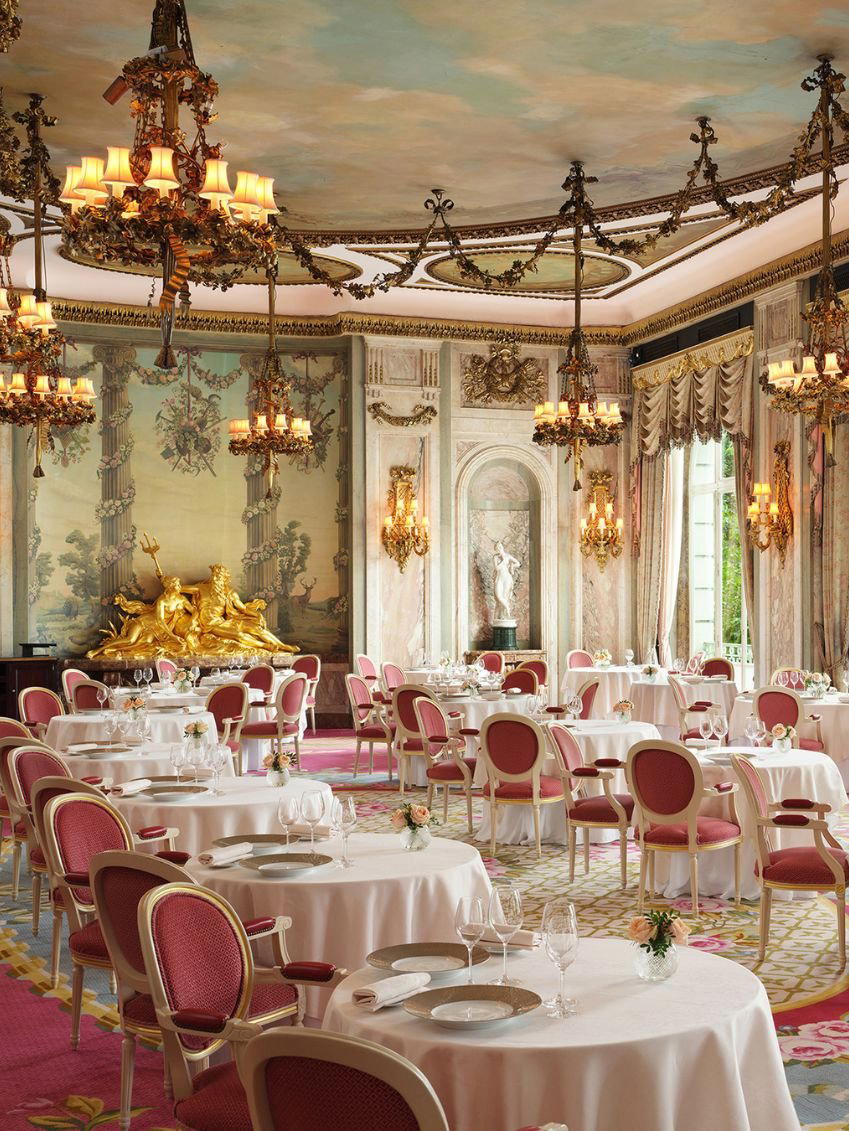
Restaurants in Lembach
Browse all →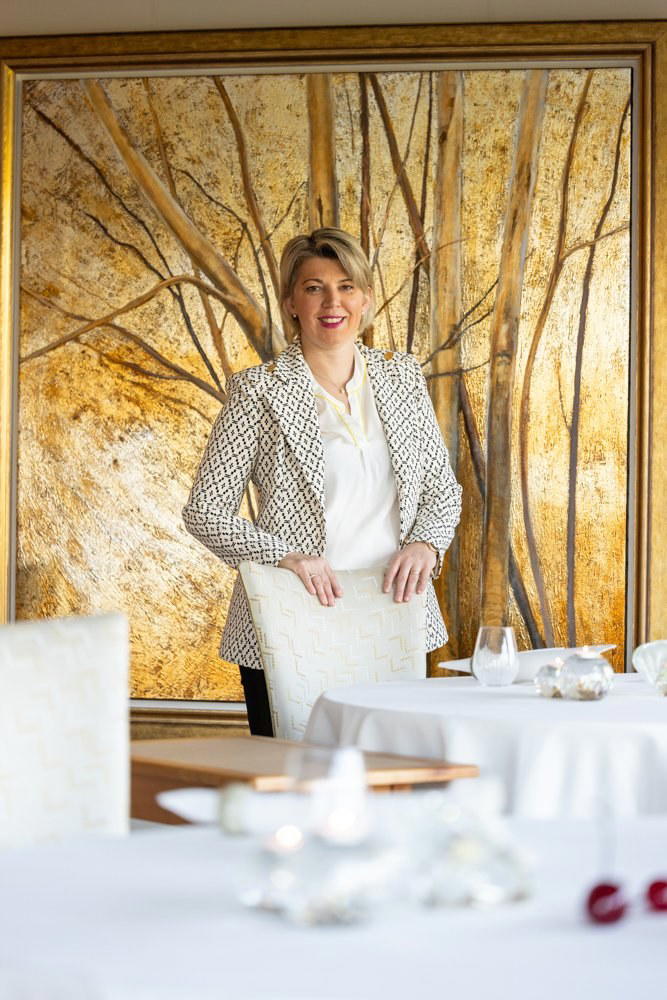
Bars in Lembach
Browse all →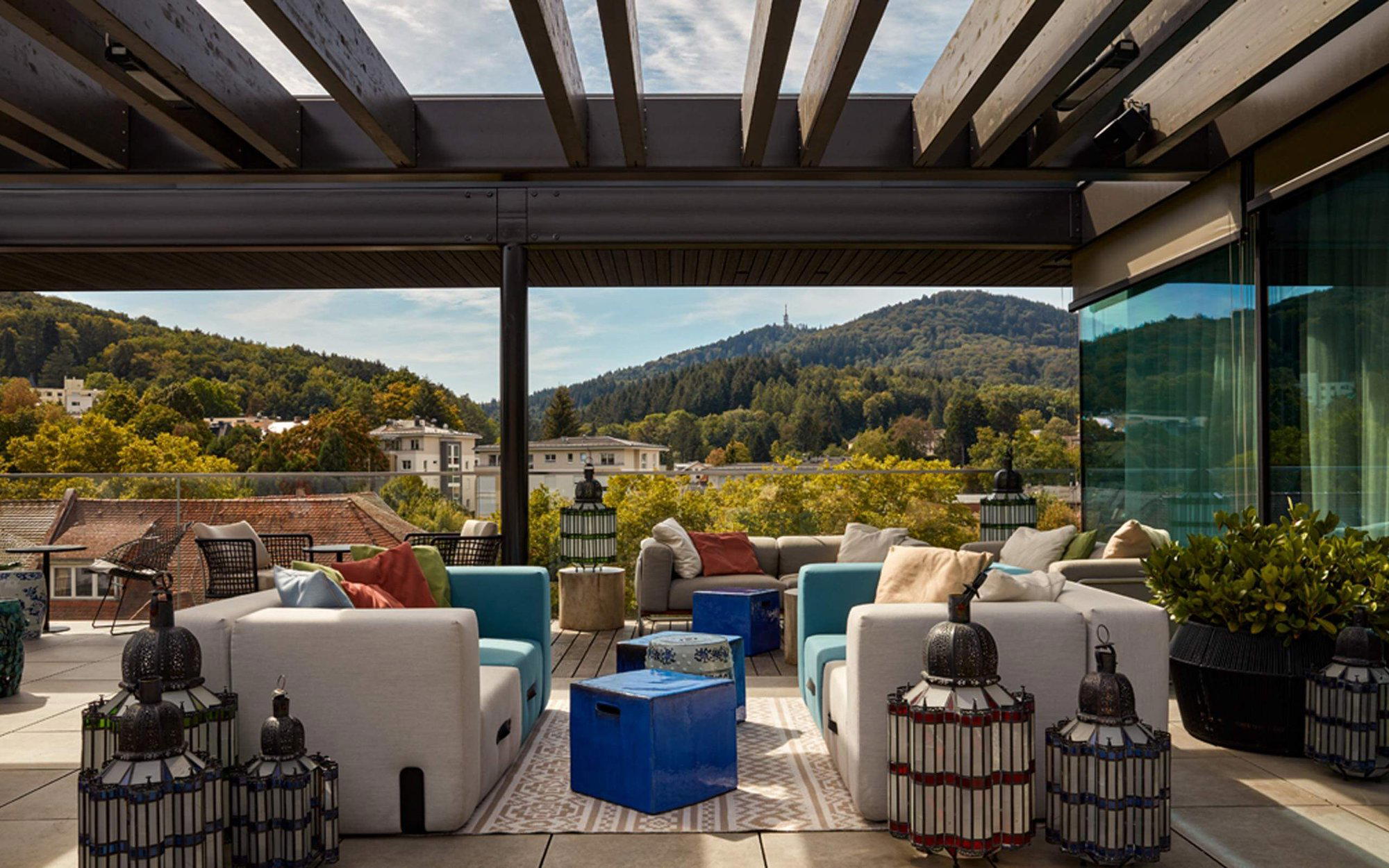
Hotels in Lembach
Browse all →

At a Glance
- Elegant
- Sophisticated
- Classic
- Quiet
- Romantic
- Date Night
- Business Dinner
- Group Dining
- Celebration
- Special Occasion
- Historic Building
- Design Destination
- Hotel Restaurant
- Extensive Wine List
- Sommelier Led
- Local Sourcing
- Garden
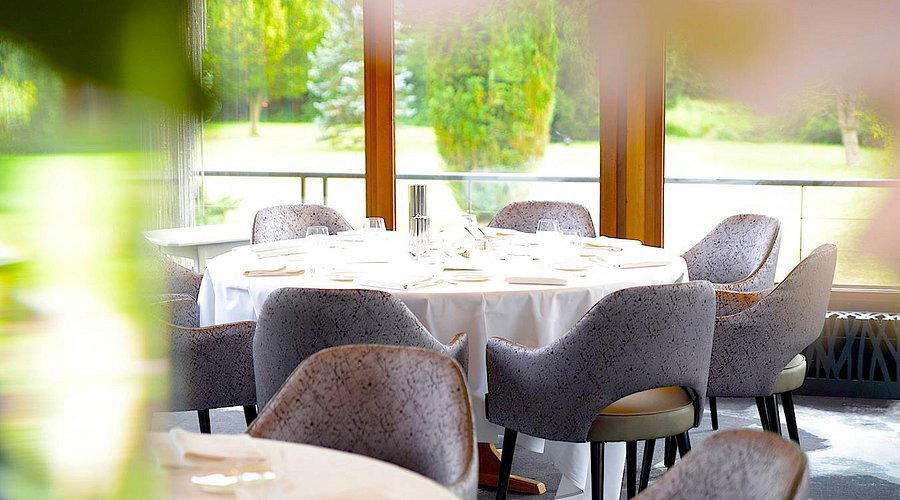
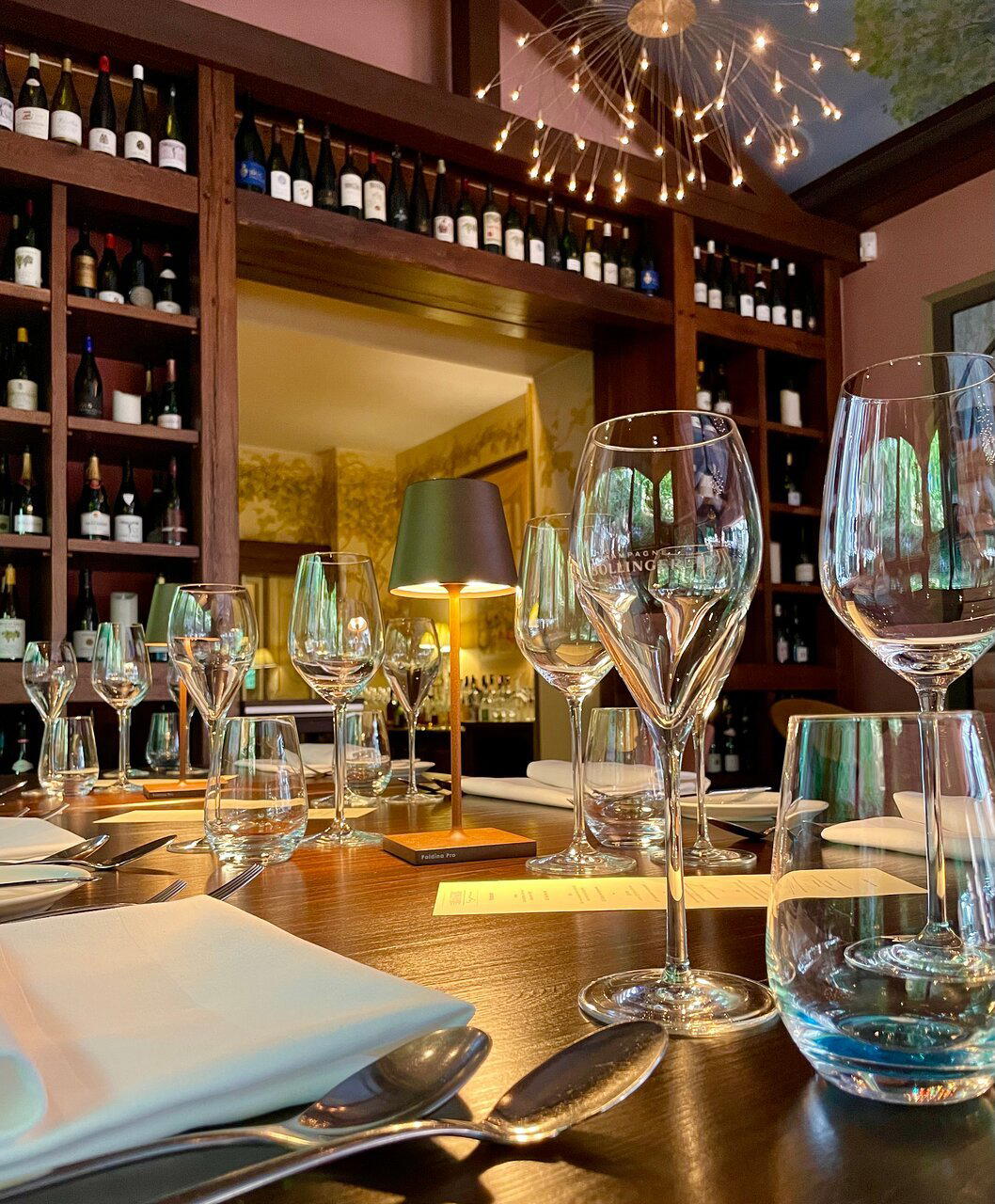
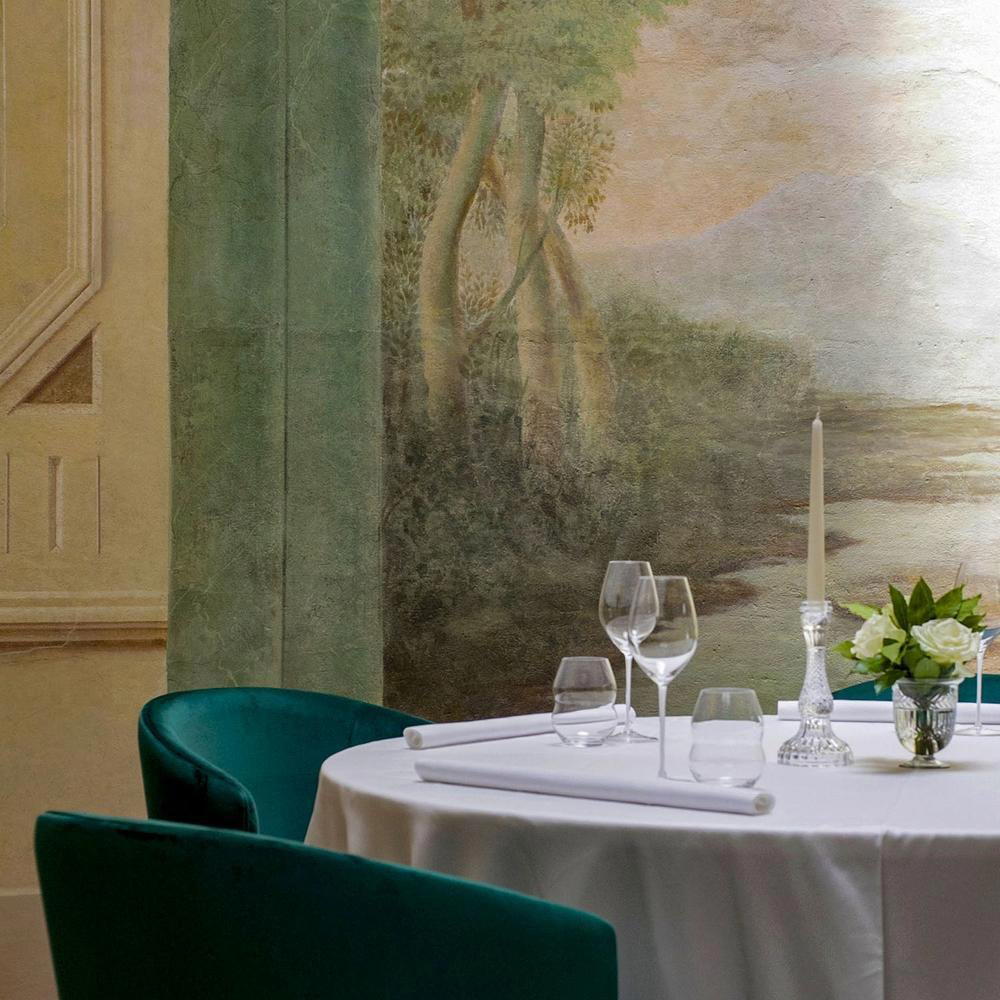
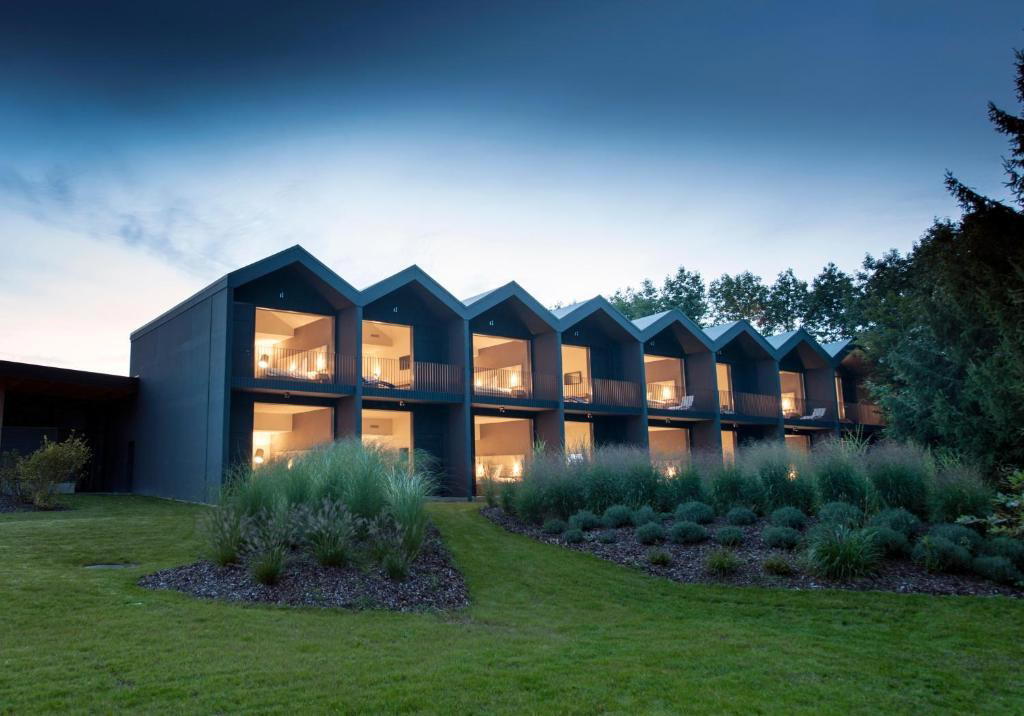
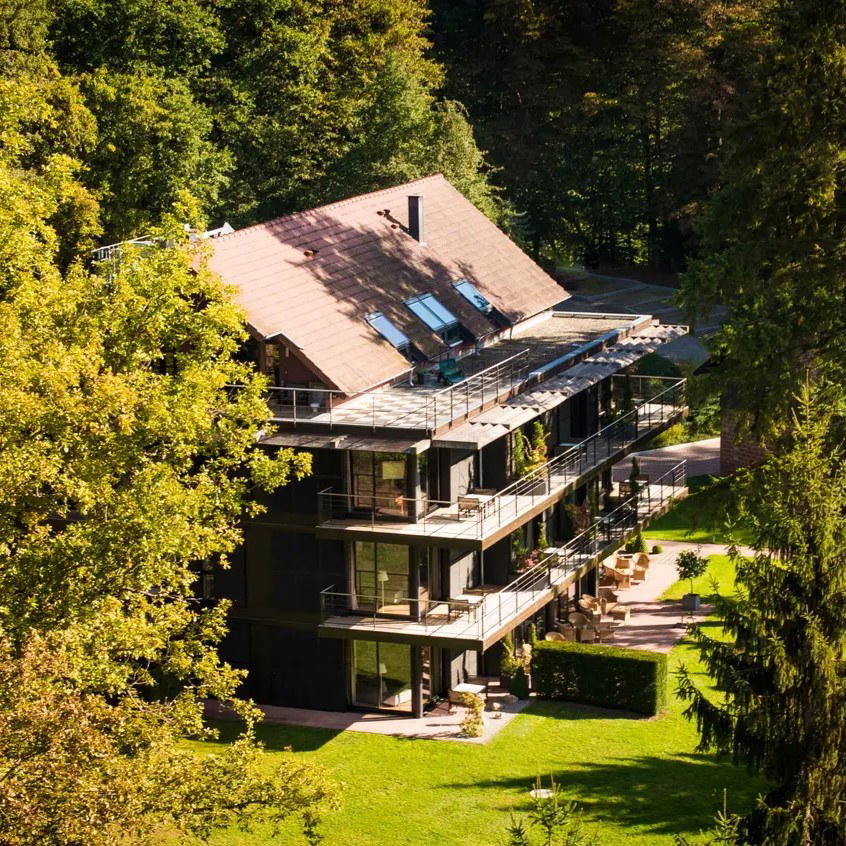
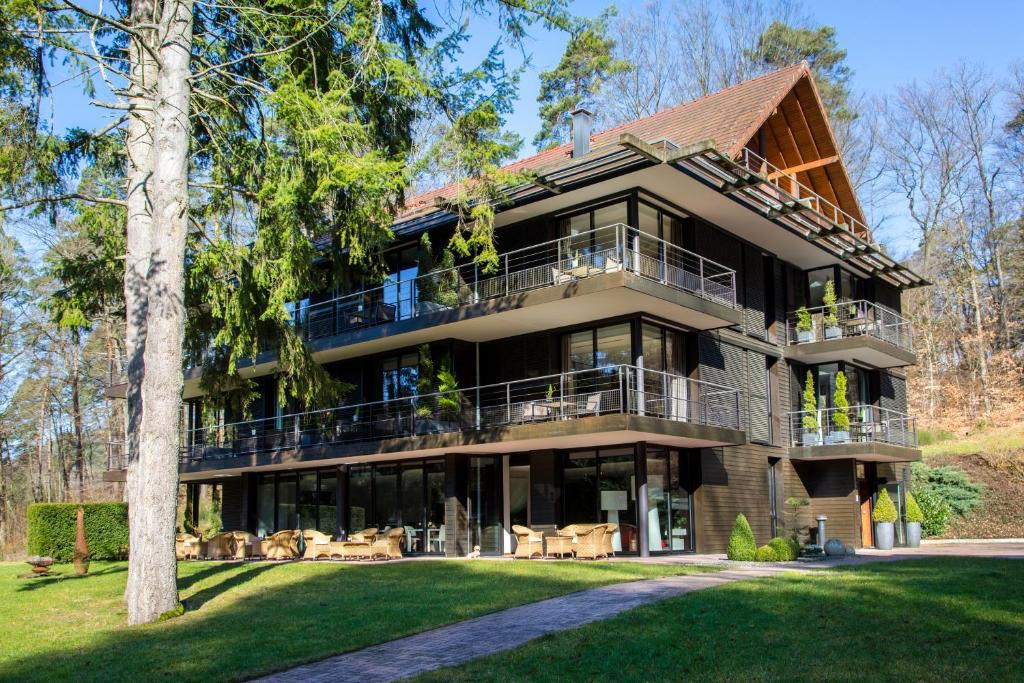
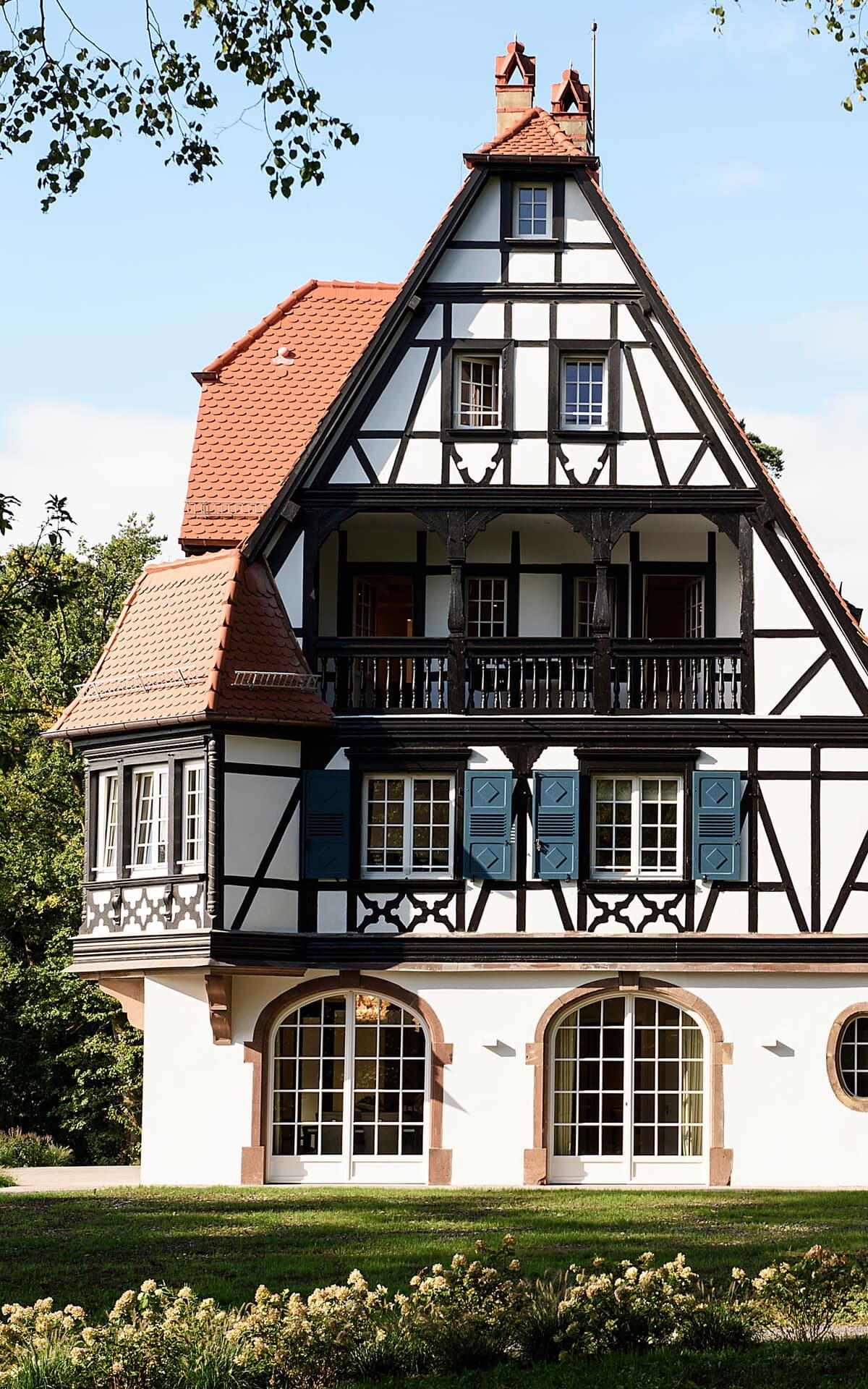
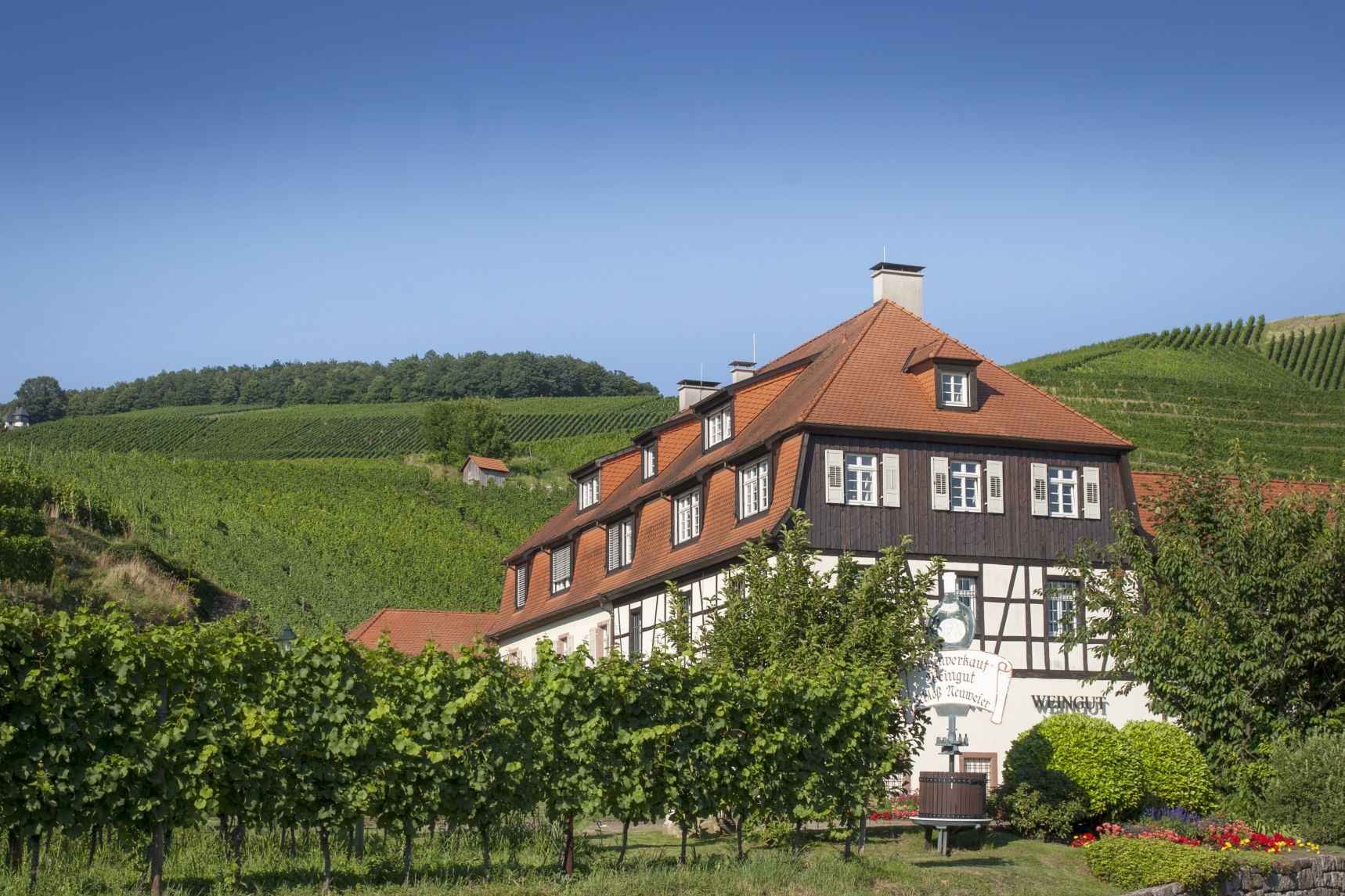
A refined, tranquil setting in a traditional half-timbered building with designer décor and a warm, elegant dining-room atmosphere.