
Domaine Gustave Lorentz is a Bergheim Alsace estate for drinkers who care about dry whites, organic farming, and Grand Cru geology more than design theatre. Founded in 1836 and now under Georges Lorentz, it works across Riesling, Pinot Gris, Gewurztraminer, Pinot Blanc, Muscat, Pinot Noir, and Crémant d’Alsace, with Altenberg de Bergheim and Kanzlerberg giving the range its serious terroir argument.
Pearl is the En Primeur Club membership app — saves, bookings, and concierge access live there. Same editors, same standards.
- Address
- Bergheim, Alsace, Frankreich
- Directions
- Get directions
 Saves & bookings on Pearl
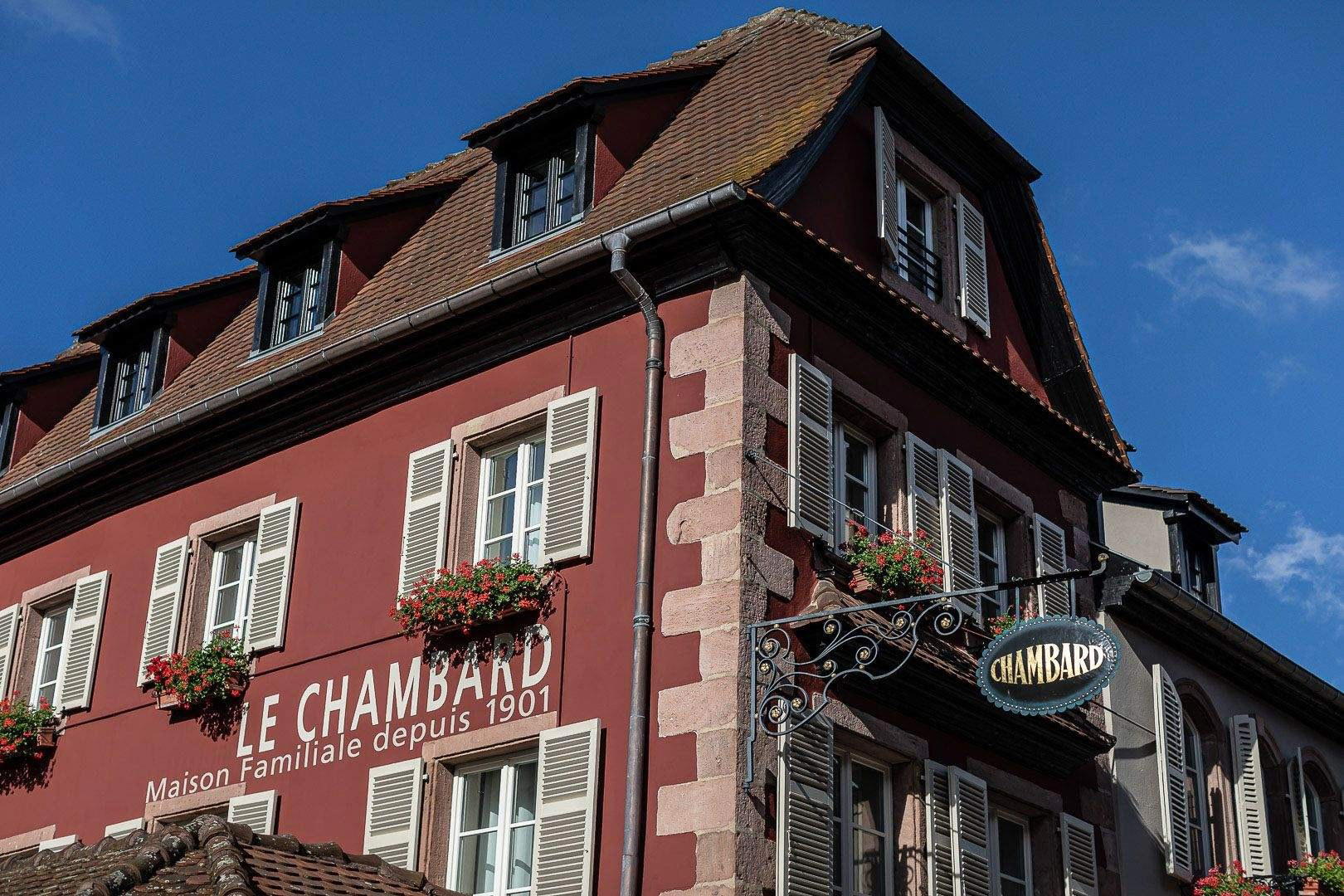
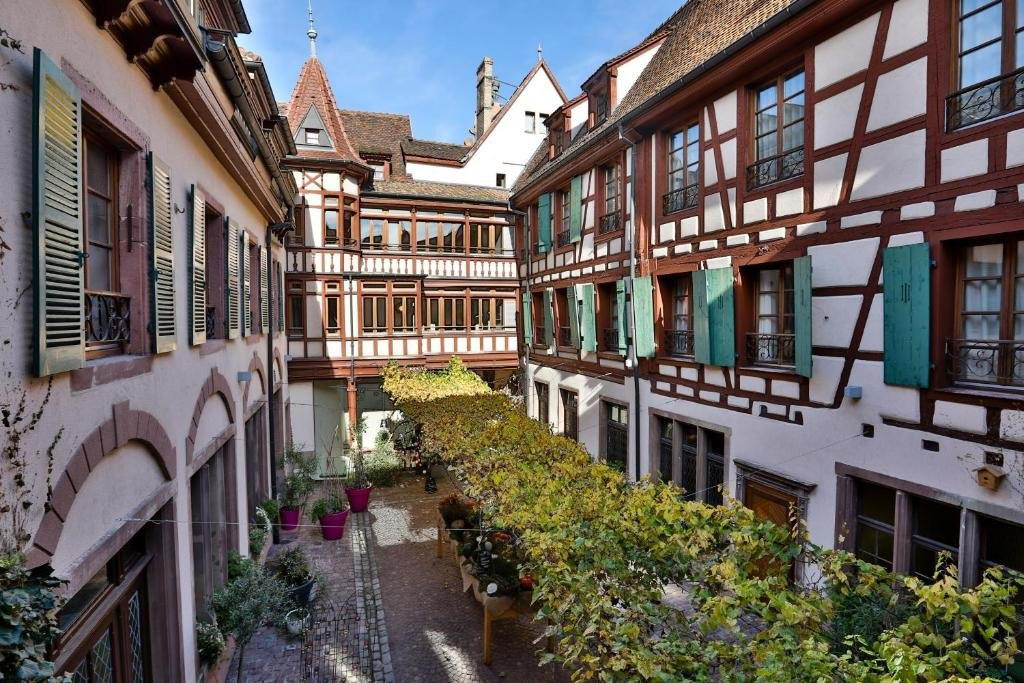
Domaine Gustave Lorentz in Bergheim is best framed as a wine-focused Alsatian estate rather than a design-led hospitality stop. The picture is deliberately restrained: a historic family domaine, an emphasis on precise dry organic wines, and an atmosphere that is classic, rustic, scenic, well-known, and sophisticated without feeling flashy. For visitors building a wine day around Bergheim, that matters. The appeal is not a claimed spectacle, a chef-driven experience, or a heavily staged format; it is the chance to think about Alsace through a producer whose identity is tied to terroir, lineage, and dry wine.
Because the available information is concise, one accurate way to approach Domaine Gustave Lorentz is to avoid over-reading the details. What can be said with confidence is narrower but still useful: the estate belongs to Bergheim, works in an organic and dry-wine register, and presents itself with a classic wine-country seriousness rather than a fashion-first personality.
Dry Alsace, read through a historic family estate
Alsace is often most rewarding when approached through tension: aromatic expression on one side, structure and dryness on the other. Domaine Gustave Lorentz sits firmly in the latter conversation. The description emphasizes precise, dry organic wines, which positions the estate for drinkers who want clarity and table-readiness more than sweetness, decoration, or theatrical service. That does not require inventing a list of grapes, vineyards, or bottlings. The core point is simpler: the domaine’s identity is rooted in a dry, terroir-conscious understanding of Alsace.
The word “historic” also does real work here. It signals continuity and family lineage, but it should not be stretched into founding dates, named generations, or ownership claims. For planning purposes, think of the winery as a classic Alsatian family estate where the mood is shaped by wine, place, and tradition. It is not presented as a modern design destination or a venue whose value depends on luxury staging. The atmosphere is classic and rustic, with a scenic and well-known sense of place, yet sophisticated in the way serious wine estates often are: through restraint.
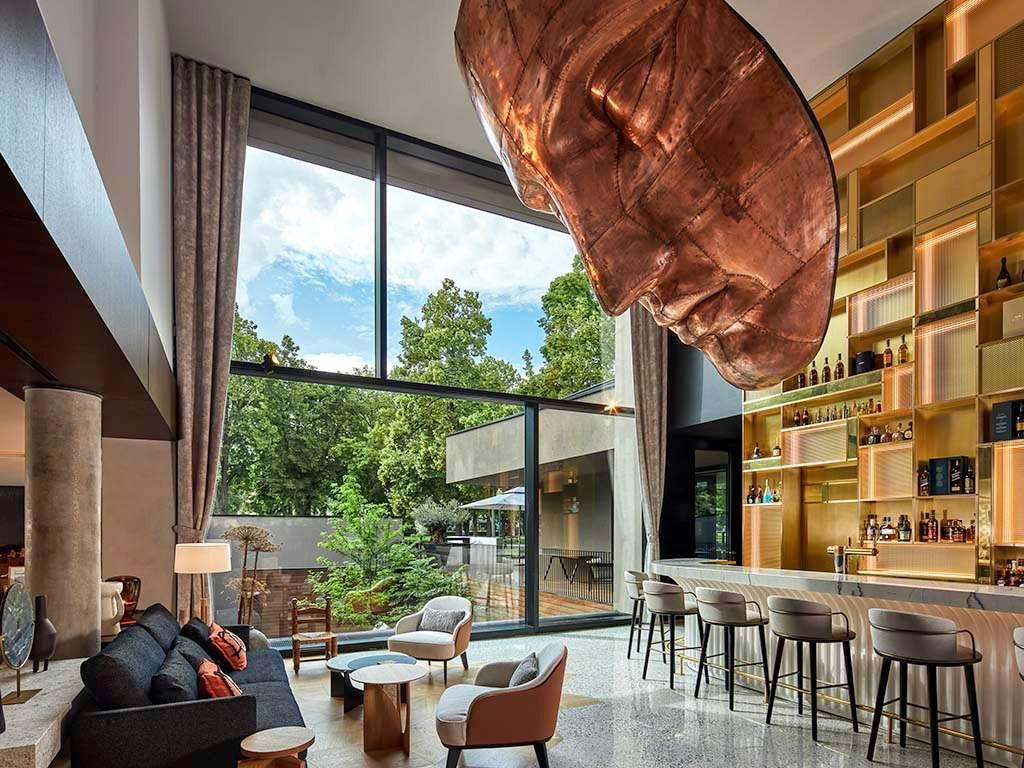
That restraint is important for expectations. A visitor looking for a high-energy bar, a restaurant-style meal, a luxury lounge, or a novelty tasting concept should not assume those elements are part of the experience. The grounded facts point instead toward a wine-led setting where the principal draw is the estate’s dry organic identity and its connection to Bergheim. In other words, the domaine is more about understanding a place through wine than about collecting hospitality extras.
What the range says about modern Bergheim wine
Any guide that names exact bottlings, cites point ratings, or builds a story around particular vineyard sites would be going beyond the confirmed record provided here. The safer and more useful interpretation is thematic: the winery represents a dry, organic, terroir-focused side of Bergheim wine.
That theme is enough to distinguish the estate from more generic wine-tourism stops. “Dry” suggests a style aimed at precision and balance. “Organic” indicates a farming and production identity that matters to many contemporary wine travelers. “Terroir” and “lineage” point to continuity, place, and family context rather than trend-driven branding. Together, those ideas make the winery a strong candidate for visitors who want their Bergheim itinerary to be anchored in wine culture itself.
The price level is listed as $$, which gives a broad sense of accessibility without confirming individual tasting fees, bottle prices, or package costs. Travelers should therefore treat $$ as a general price indicator, not as a promise about a specific menu, tour, or purchase threshold. The same caution applies to service details: unless confirmed directly before visiting, do not assume lunch, food pairings, walk-in availability, group capacity, or a particular tasting structure.
How to place it within a Bergheim wine day
The winery fits best into a Bergheim plan built around wine rather than dining. The identity is wine-focused and estate-led, so it makes sense to give the visit mental space instead of treating it as a quick add-on between unrelated stops. If you are comparing options in town, keep the comparison general: other Bergheim dining or drinking plans may support the day, but the winery itself should be understood primarily as a historic Alsatian family wine estate.
Planning should stay practical and conservative. Before going, confirm current visiting arrangements, timing, and any tasting availability directly through official channels.
For the right traveler, that limited certainty is not a drawback. The winery appeals precisely because the grounded description is coherent: historic, Alsatian, family-led, organic, dry, classic, rustic, scenic, well-known, sophisticated, and focused on wine rather than flash. In Bergheim, that is a compelling and honest premise. Go for a sense of place, a dry-wine point of view, and a domaine identity shaped by terroir and lineage; avoid expecting extras that the confirmed record does not support.
Recognition history
Dated appearances from independent guides and award organizations, with the underlying list record or original source where available.
Falstaff Winery - Listed
Falstaff
Continue exploring
More in Bergheim
Wineries in Bergheim
Browse all →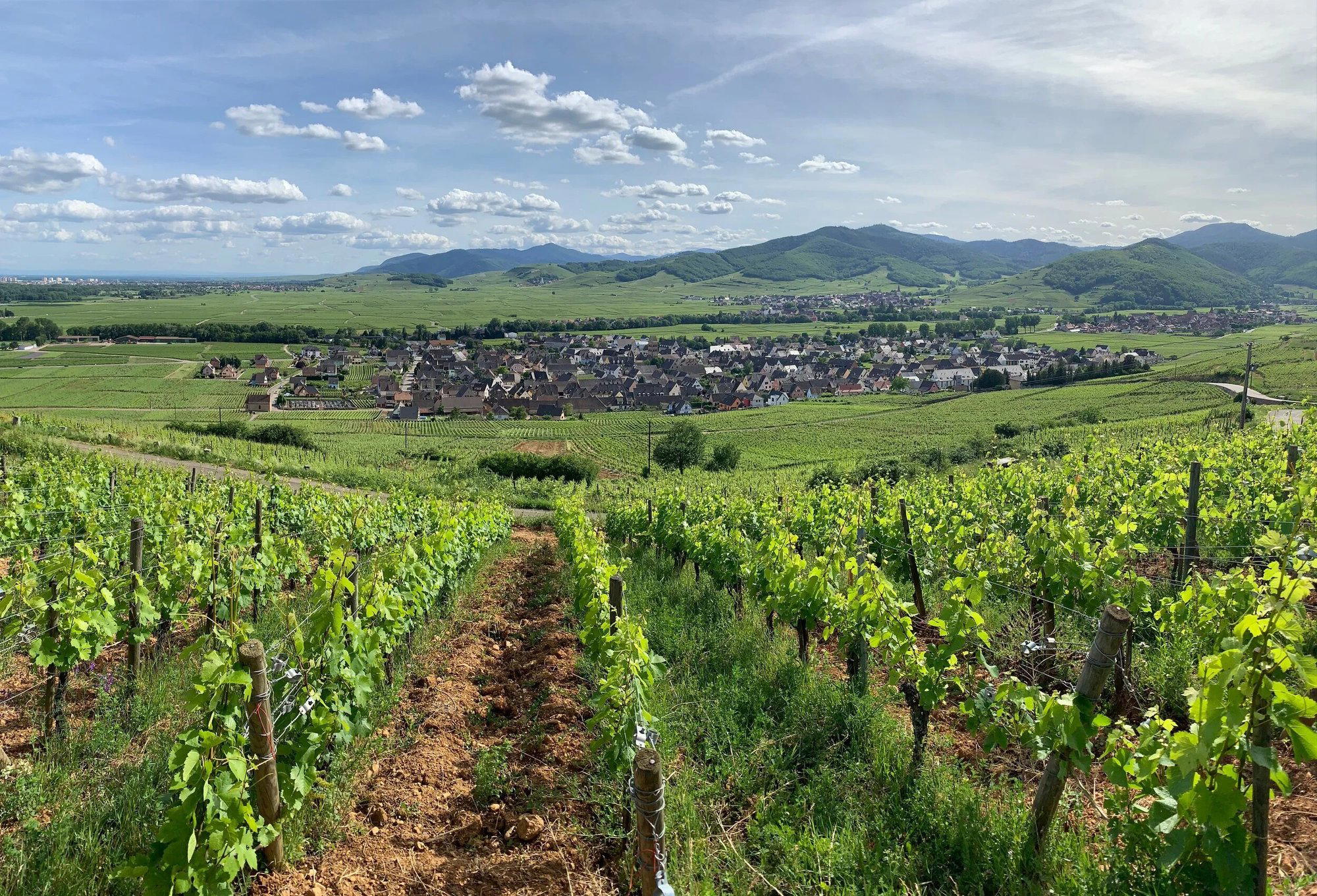
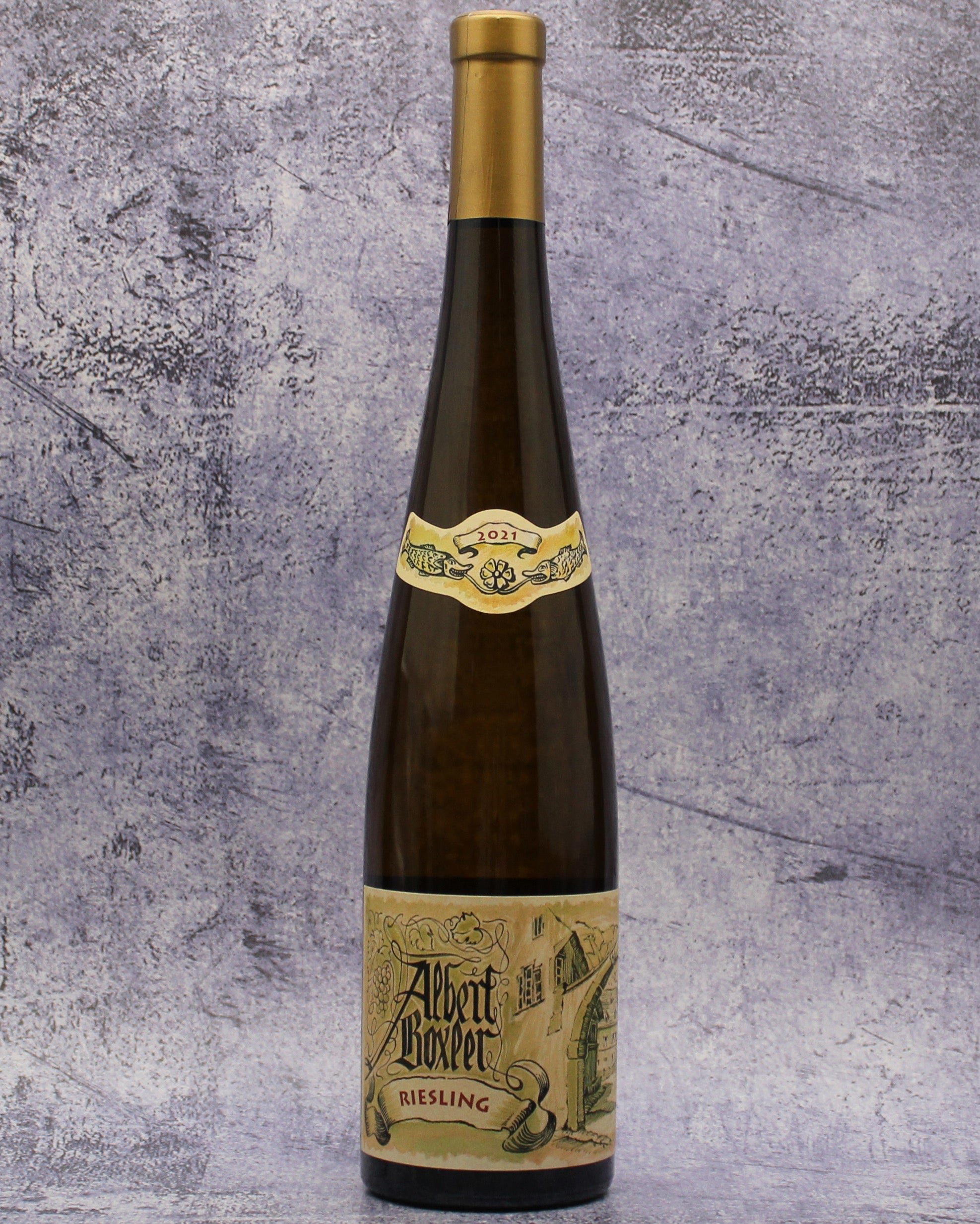
Bars in Bergheim
Browse all →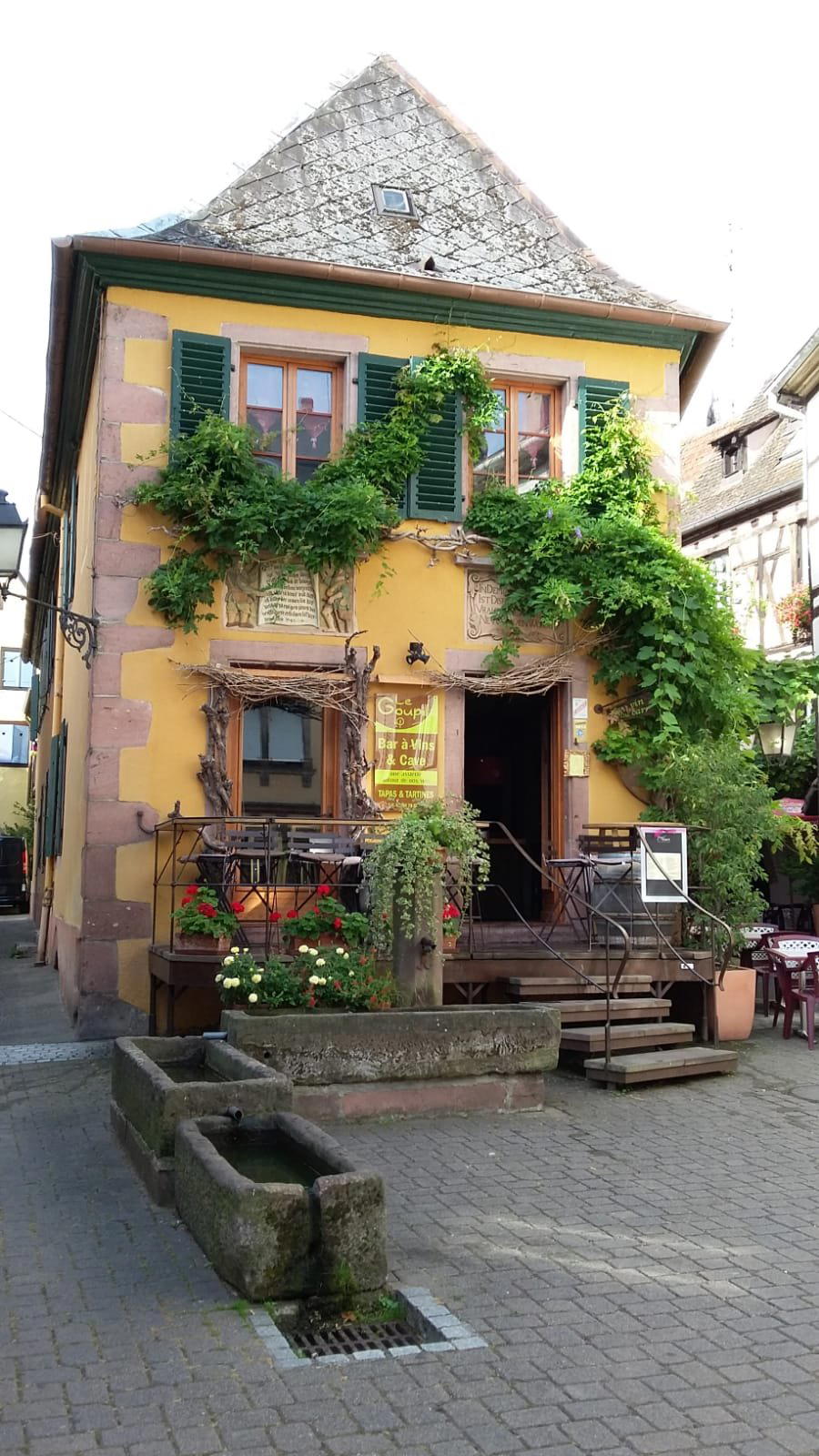
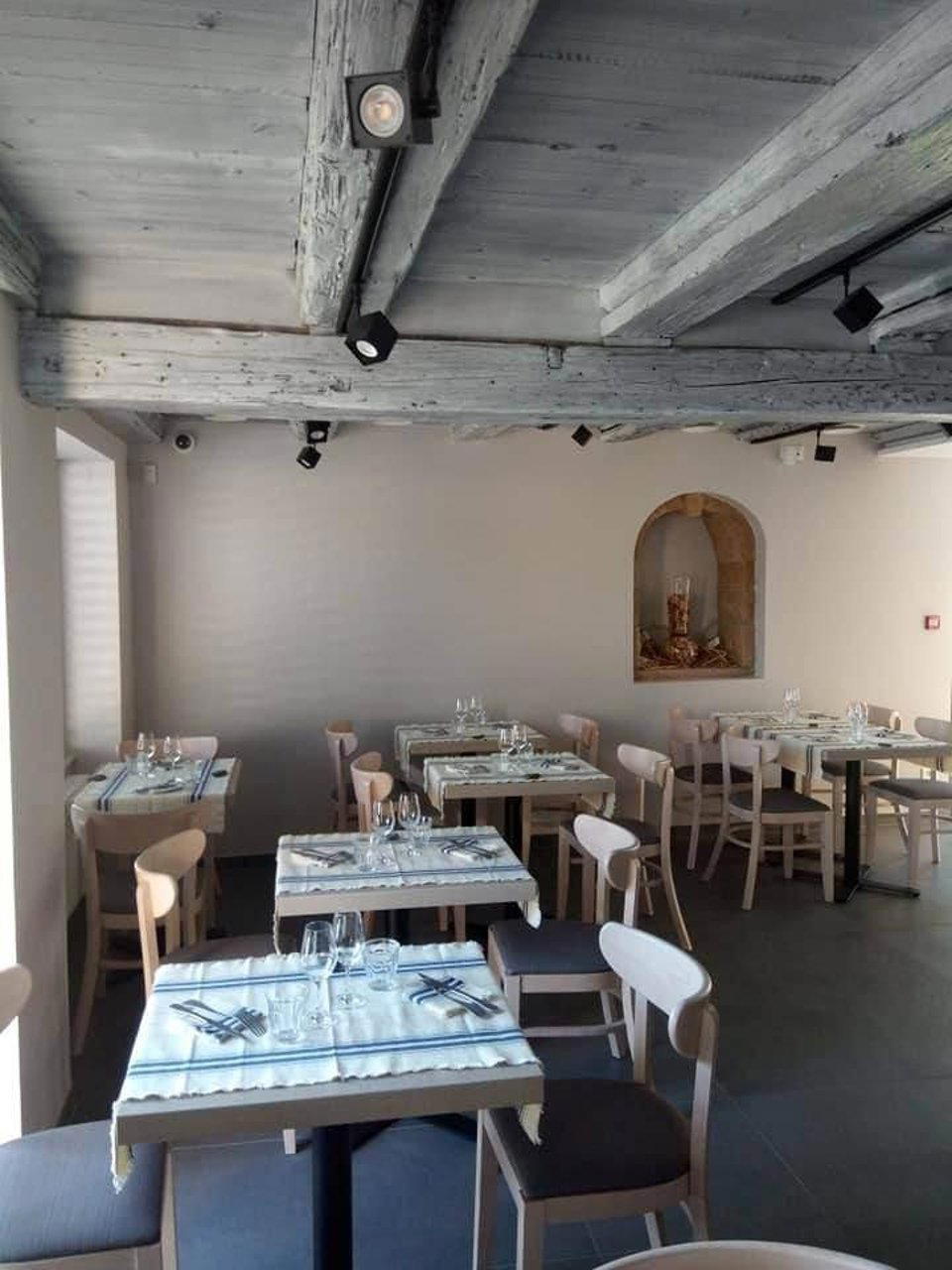
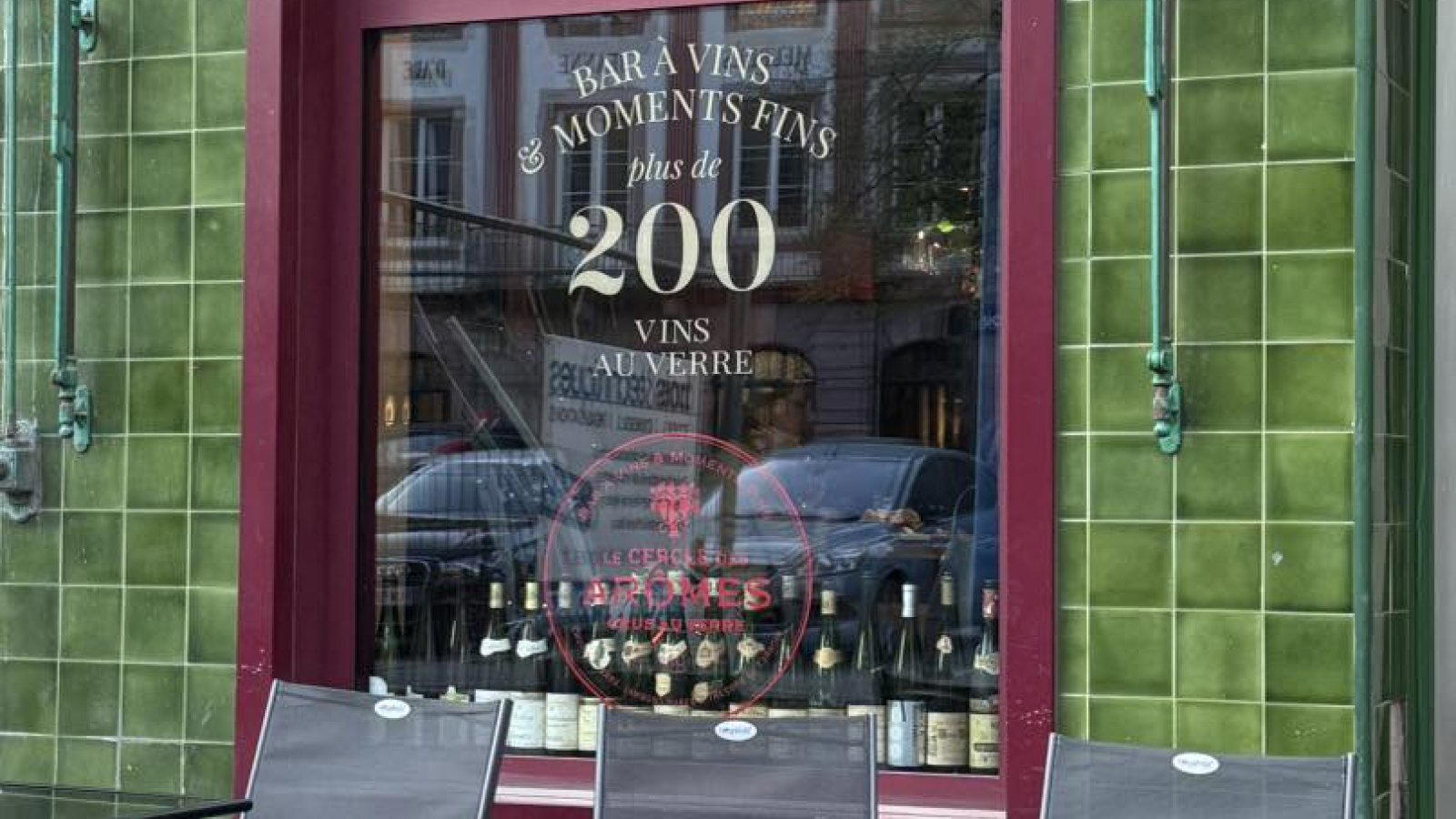
Restaurants in Bergheim
Browse all →
At a Glance
- Classic
- Rustic
- Scenic
- Well Known
- Sophisticated
- Wine Education
- Group Outing
- Romantic Getaway
- Solo Exploration
- Special Occasion
- Estate Grounds
- Historic Building
- Private Tasting
- Organic
- Vineyard
Historic Alsatian family estate focused on precise, dry organic wines; the atmosphere is classic and wine-focused rather than flashy, emphasizing terroir and lineage over design-driven experiences.