Our verdict
Cara de Pastel operates out of Palmas, Tocantins, Brazil's planned inland capital and one of the country's youngest cities. The name signals pastel culture — Brazil's ubiquitous fried pastry tradition — rooted in street-market sourcing rather than fine-dining convention. For visitors building a picture of interior Brazilian eating, it anchors that conversation in Palmas's own food identity.

Pearl is the En Primeur Club membership app — saves, bookings, and concierge access live there. Same editors, same standards.
- Address
- Q. 303 Sul Alameda 11, LO 9 - lote 18 - Plano Diretor Sul, Palmas - TO, 77015-476, Brazil
- Phone
- +5563992211212
- Hours
- Mon–Fri 3–10:30 PMSat–Sun 4–10:30 PM
- Website
- ifood.com.br
- Directions
- Get directions
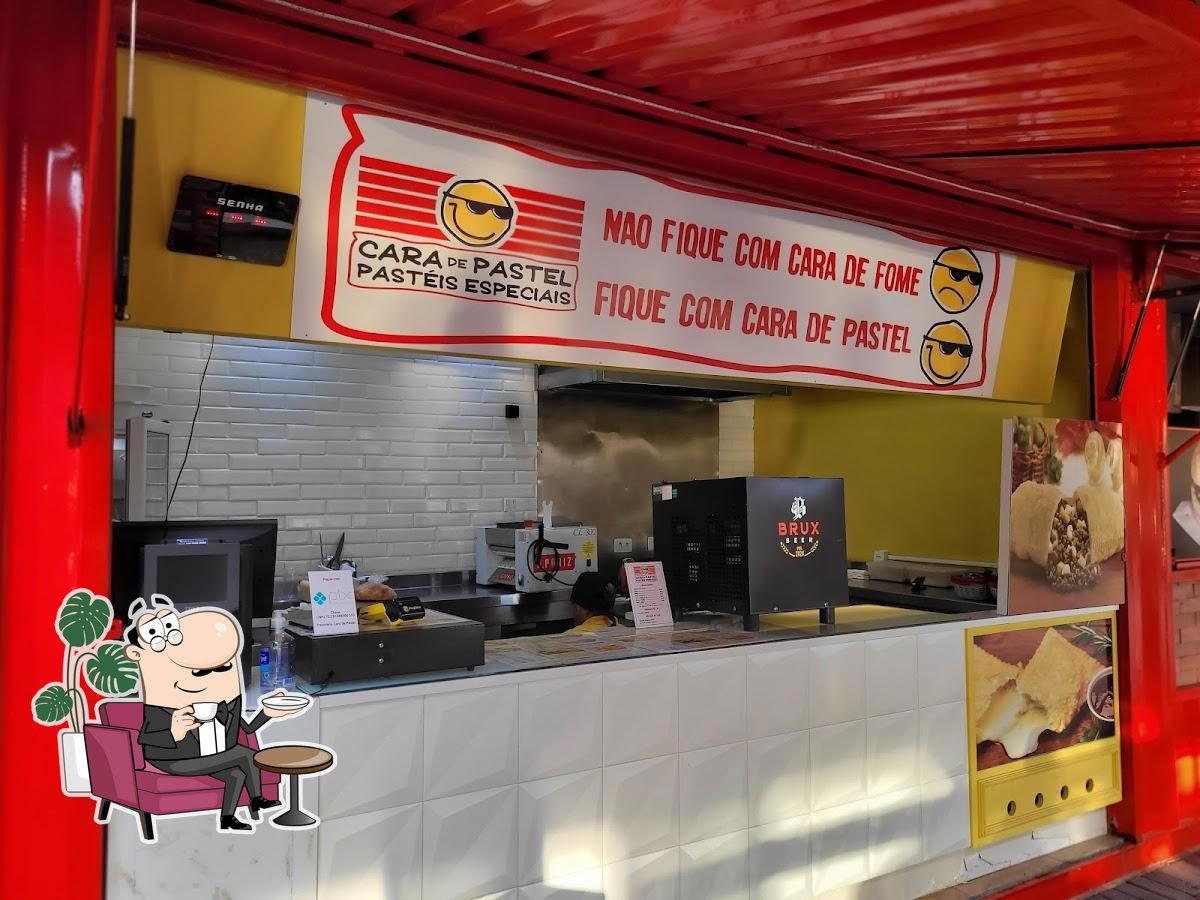
Street Food Logic in a Planned City
Palmas occupies a particular position in Brazilian urban history: founded in 1989 as Tocantins's administrative capital, it is the youngest state capital in the country, its grid laid out deliberately on a plateau beside the Tocantins River. That context matters for understanding how its food culture developed. Unlike São Paulo, Rio, or Salvador, Palmas did not inherit centuries of culinary layering. Its food scene assembled itself quickly, drawing from the cerrado — Brazil's vast central savanna biome — from riverside fishing traditions, and from the internal migration that populated the city in its first decades. What emerged was not a replica of coastal Brazilian eating but something more vernacular: market stalls, pastelarias, and small neighborhood spots that reflect the logistics of feeding a city still in formation. Cara de Pastel sits inside that pattern.
The pastel format itself is worth understanding before approaching any specific venue in the category. Across Brazil, the pastelaria operates as a social institution, not merely a food-service format. Street fairs, weekend markets, and neighborhood corners have anchored the pastel, a thin, deep-fried pastry pocket filled with meat, cheese, or regional combinations, as one of the country's most democratic eating experiences. The ingredient list tends to be short and sourced close: flour, filling, oil, heat. The quality differential between a mediocre pastel and a well-made one comes down almost entirely to filling freshness and frying discipline, which means sourcing proximity matters more than in formats where technique can compensate. In the cerrado context, that sourcing tends to pull from local cattle, small-producer cheese operations, and the surrounding agricultural interior.
What Tocantins Brings to the Table
Tocantins as a state occupies a food geography that receives less editorial attention than Pará to the north or Mato Grosso to the southwest, but its pantry is substantive. The cerrado's edible flora, pequi, buriti, baru nut, jatobá, has become a point of reference for Brazilian chefs interested in interior ingredients, with places like D.O.M. in São Paulo spending years drawing from exactly this biome for creative menus. In Palmas itself, however, that ingredient tradition more often appears in its unmediated form: in market preparations, regional sweets, and the kind of everyday cooking that doesn't require a tasting menu to demonstrate its logic. The Tocantins River adds another layer, with freshwater fish, pirarucu, tucunaré, pacu, forming a significant part of local diet.
How much of that regional pantry appears inside a pastel depends on the specific operator. The format allows for regional expression when the kitchen chooses to exercise it: a cerrado-ingredient filling, a locally sourced cheese, a river fish variant. These kinds of localization moves are what separate a pastelaria operating inside a regional food conversation from one simply replicating a generic urban template. For visitors coming from outside Palmas, this is the question worth asking on arrival: what does this specific version of a national format taste like when it's drawing from Tocantins's own supply chains?
Palmas's Food Scene in Brief
For a city of its size and age, Palmas carries a surprisingly concentrated food culture. The Q 303 Sul area, where Cara de Pastel is addressed on Alameda 11, sits within the city's organized southern sector, one of the planned residential and commercial quadrants that define Palmas's grid logic. Dining in this part of the city tends toward neighborhood-scale operations rather than destination restaurants, which tracks with the city's broader profile: Palmas is not a stop on the international food circuit in the way that Belém, home to a more internationally documented Amazonian food culture, including spots like Lobby Café in Belém, has become. But that relative obscurity is also what gives venues here a different kind of credibility: they are feeding a city, not performing for visitors.
Across Brazil's interior, that distinction between local eating and visitor-facing dining is increasingly meaningful. Cities like Cuiabá have their own market-food culture, Açaí Cuiabano in Cuiabá reflects a similar vernacular-food logic, and the interior Brazilian food conversation is one that Brazil's more prominent restaurant destinations, including Oteque in Rio de Janeiro and Manu in Curitiba, increasingly reference as a source of ingredient and cultural grounding. The cerrado biome in particular has attracted sustained interest from chefs researching Brazilian food identity, placing Tocantins's pantry at the edge of a broader national conversation even if individual Palmas venues rarely appear in that conversation directly.
Where Cara de Pastel Fits
Without formal awards data, a published menu, or verified price tier for this address, the editorial case for Cara de Pastel rests on what the format and location signal rather than documented credentials. A pastelaria operating in a residential-commercial quadrant of Palmas occupies a specific niche: accessible pricing by virtually any Brazilian food standard, an ingredient logic tied to proximity and freshness, and a social function closer to the neighborhood snack bar than to destination dining. That positioning puts it in a different conversation than, say, Birosca S2 in Belo Horizonte or Manga in Salvador, which operate within formal restaurant structures. The comparison is instructive rather than hierarchical: different formats serving different functions in Brazil's food geography.
For a more complete picture of Brazilian dining ranging from the interior cerrado through to coastal and international reference points, Orixás North Restaurant in Itacaré, Mina in Campos do Jordão, and Olivetto Restaurante E Enoteca in Campinas offer distinct regional perspectives. For globally framed reference in technique-driven cooking, Le Bernardin in New York City and Lazy Bear in San Francisco sit at a different end of the format spectrum entirely.
Planning a Visit
Cara de Pastel is located at Q. 303 Sul Alameda 11, LO 9, Plano Diretor Sul, Palmas, Tocantins. The address places it in a planned southern district of the city, reachable by car or local taxi from central Palmas. No booking platform or website is currently linked to this address, which is consistent with the walk-in, counter-service model typical of Brazilian pastelarias. Visitors should verify current operating hours directly on arrival or through local inquiry. For a broader view of what Palmas's food scene offers across price points and formats, see our full Palmas restaurants guide. Additional context on similar interior-Brazilian food formats is available through entries including Açaí da Barra in Presidente Prudente, Aero Burguer e Grill in Santa Cruz do Sul, Castelo Saint Andrews in Gramado, Primrose in Gramado, and State of Espírito Santo in Rio Bananal.
Frequently asked questions
Can I bring kids to Cara de Pastel?
Pastelarias operate as family-format venues across Brazil, and the Q 303 Sul neighborhood context in Palmas follows that convention. The street-food category is structured around quick, shared eating rather than formal dining rules, which makes it accessible for all ages.
Is Cara de Pastel better for a quiet night or a lively one?
The pastelaria format in Brazilian neighborhood settings runs busiest at lunch and early evening, when the social rhythm of the street-food category peaks. Palmas's Q 303 Sul district follows a planned residential logic, so the venue sits in a community-facing context rather than a nightlife corridor. If you want the fuller atmosphere, midday or the early-evening window is the more reliable call.
How does Cara de Pastel reflect the food culture of Palmas specifically?
Palmas is Brazil's youngest state capital, founded in 1989 as an administrative city built to a grid plan, and its food scene has developed inside that deliberately constructed urban framework. A pastelaria at Q 303 Sul Alameda 11, Plano Diretor Sul, operates in the neighborhood commercial fabric that the city's grid was designed to support, making it a product of Tocantins's particular version of Brazilian urban development rather than an import from an older food city. The cerrado geography that surrounds Palmas gives local pastelarias access to a pantry that São Paulo or Rio equivalents don't share.
What should I eat at Cara de Pastel?
The pastel is the organizing principle of the format, and in a cerrado-adjacent city like Palmas, the regional Tocantins pantry is the variable worth paying attention to. Fillings in this part of Brazil can draw on local fish, pequi, and cerrado-derived ingredients that don't appear in the São Paulo or Rio versions of the same dish. Tracking what the house does with regional produce gives you more information than ordering by name alone.
A Quick Peer Check
Comparable venues nearby, for context on price, style, and recognition.
| Venue | Cuisine | Price | Notes |
|---|---|---|---|
| Cara de PastelThis venue — the venue you are viewing | Brazilian Pastel | Not listed | Not listed |
| Lobby Café | Brazilian Café | $10–20 | Belem |
| Lobby Café | Hotel Lobby Café | Not listed | Campina |
| Açougue Central | Modern Brazilian Churrascaria | $30–50 | Vila Madalena |
| Koni Store | Japanese Hand Rolls (Konis) | $10–20 | Asa Sul |
| Maki Sushi | Japanese Sushi Rodízio | Not listed | City Center |
Details
- Casual Hangout
- A La Carte
Current opening hours
- Monday
- 3–10:30 PM
- Tuesday
- 3–10:30 PM
- Wednesday
- 3–10:30 PM
- Thursday
- 3–10:30 PM
- Friday
- 3–10:30 PM
- Saturday
- 4–10:30 PM
- Sunday
- 4–10:30 PM
Hours can change for holidays and private events. Last verified .