

Michelin Plate · Macarfi 8.5 Food Rating
Our verdict
In the Gothic Quarter's tightest streets, Capet holds a credible mid-range position backed by consecutive Opinionated About Dining rankings and a Michelin Plate. Chef Armando Álvarez works a seasonal, globally inflected menu served across à la carte and two tasting formats (five and eight courses), from a two-floor space with an open-view kitchen at its centre.

Pearl is the En Primeur Club membership app, where members save venues, book tables and use the concierge.
A Gothic Quarter Address Where Restraint Does the Work
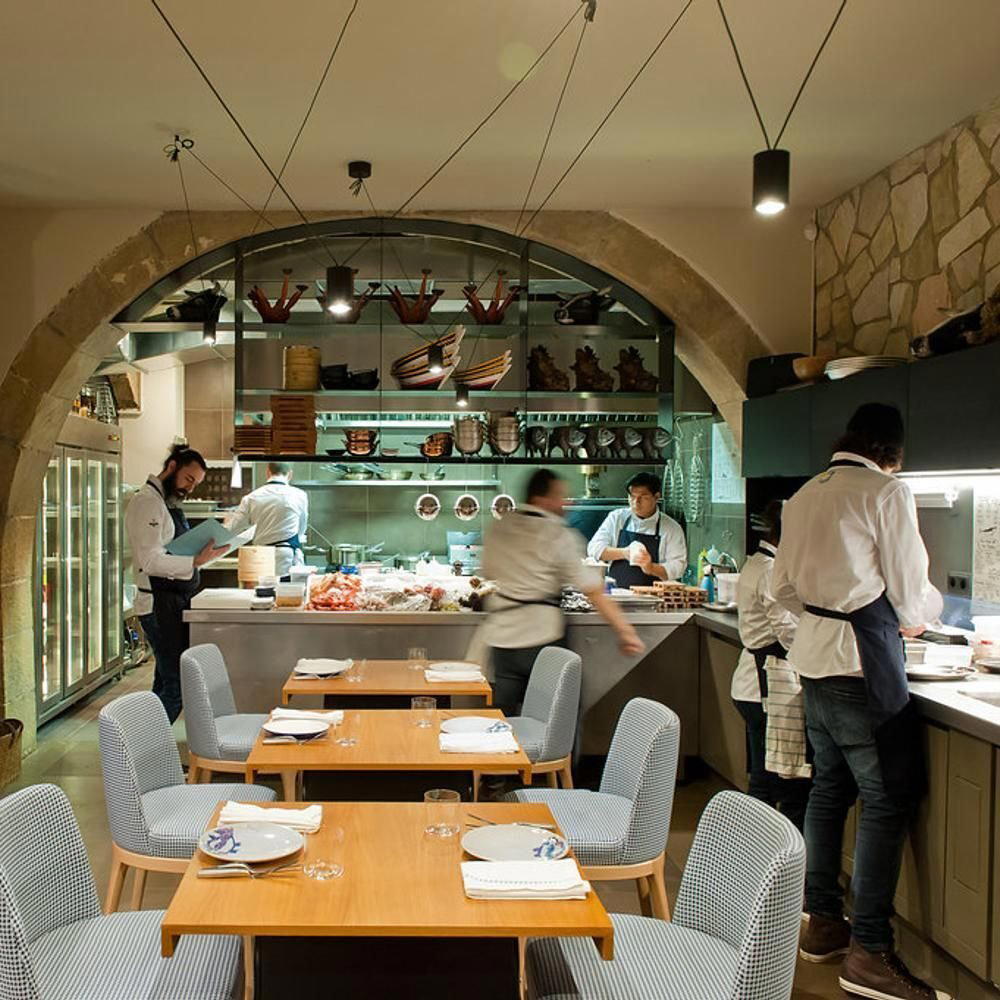
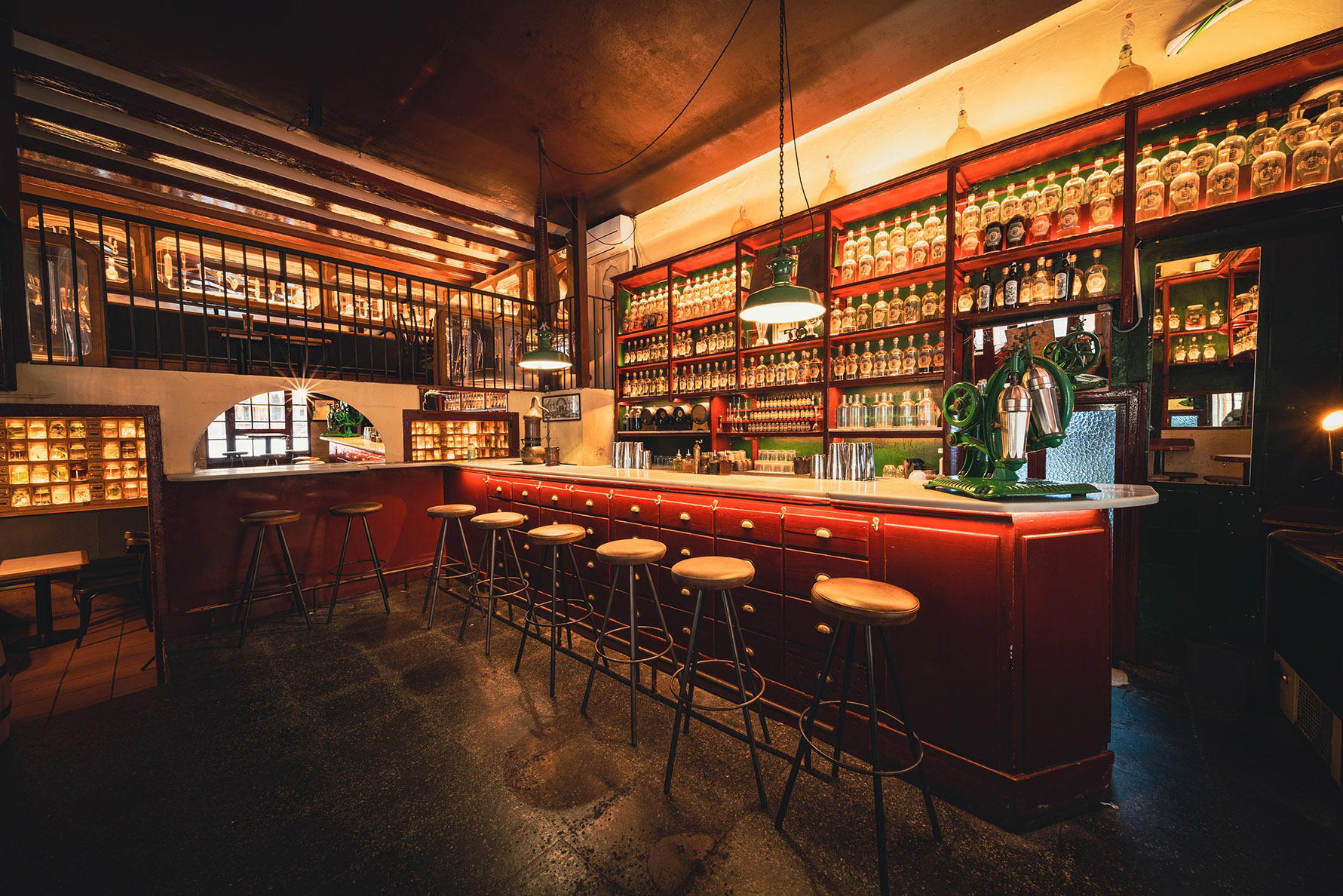
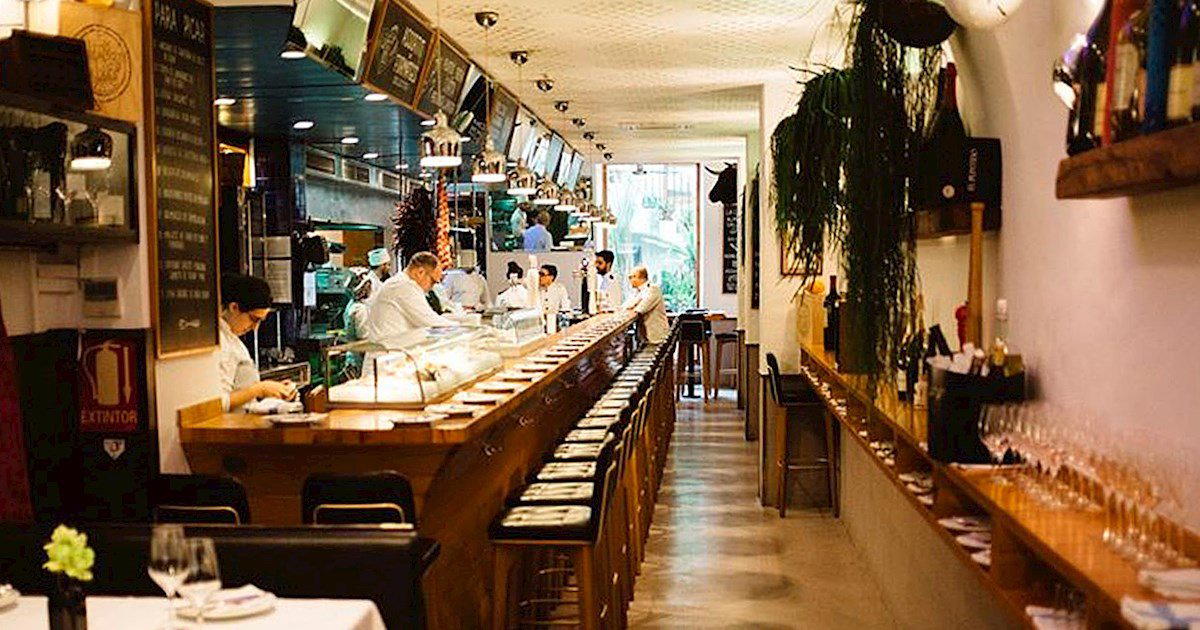
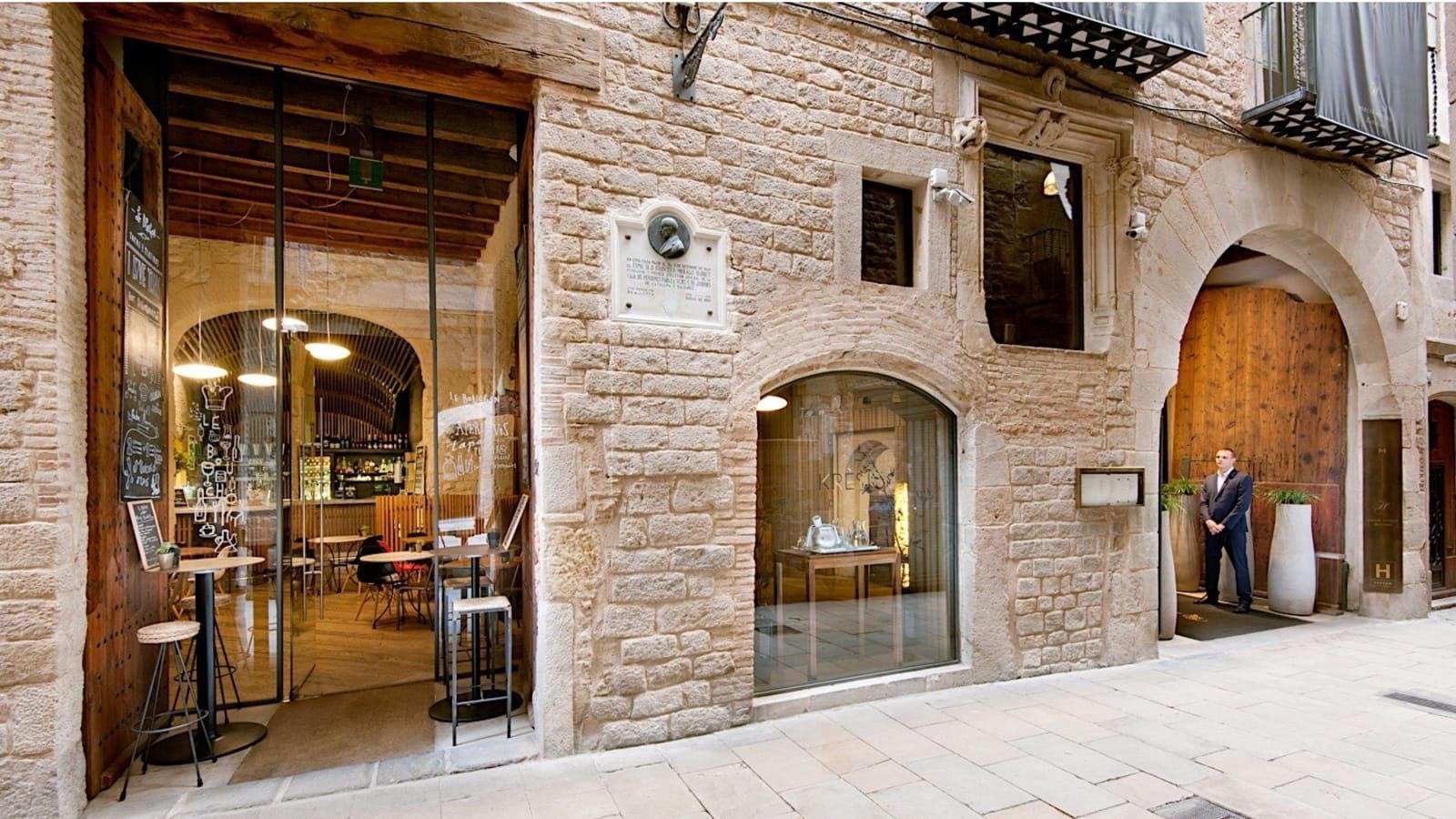
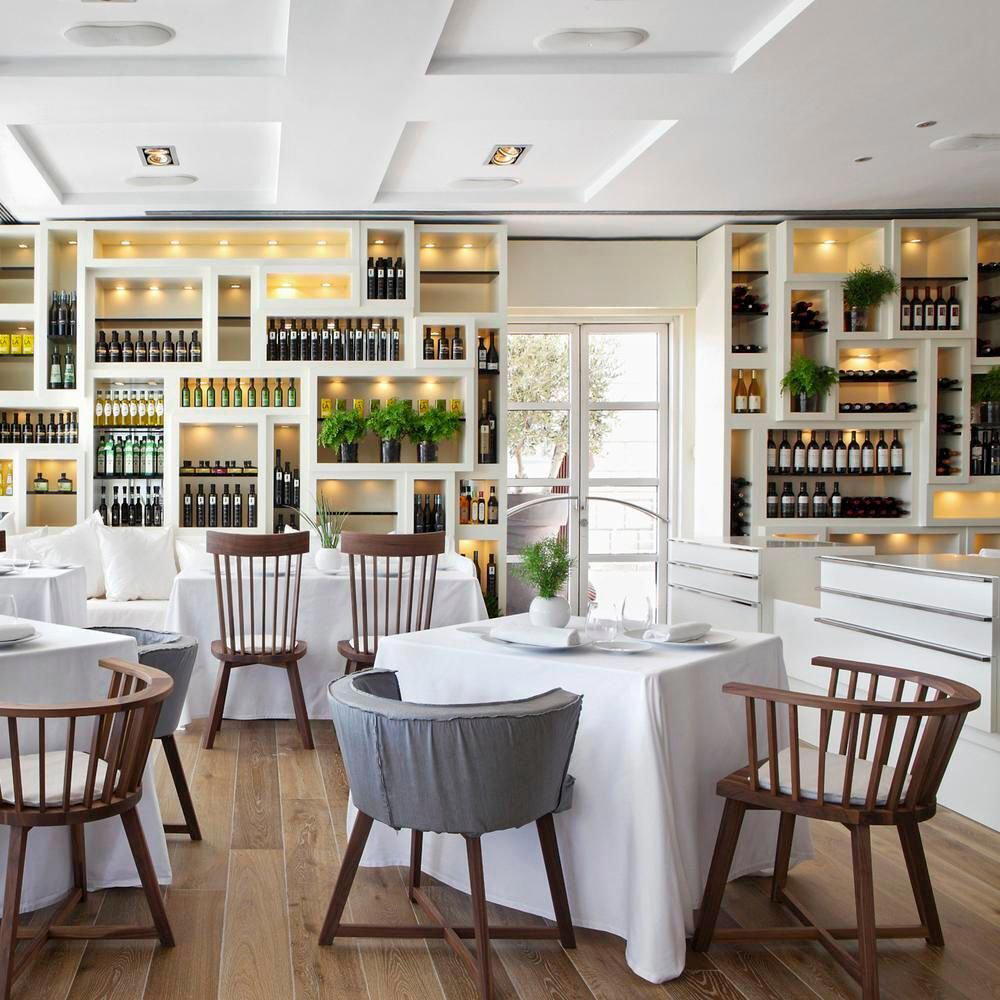
Carrer del Cometa is the kind of street that arrives before you expect it: narrow, flagstone-paved, compressed between centuries-old facades that reduce the sky to a pale strip overhead. In this part of Ciutat Vella, the Gothic Quarter operates as both context and pressure, every second address is a tourist trap, which makes the spaces that resist that gravity more legible by contrast. Capet occupies a two-floor corner of the neighbourhood with a rustic-contemporary interior that reads as considered rather than decorated. On the ground floor, the kitchen opens directly to guests who can sit around it; upstairs, a dining room overlooks the action below. The layout signals a kitchen with nothing to hide, which in Barcelona's current mid-range dining scene is a stance, not merely an aesthetic.
Where Capet Sits in Barcelona's Dining Spectrum
Barcelona's restaurant scene in 2025 stratifies sharply by price and ambition. At the upper end, three-Michelin-starred houses like Disfrutar, Cocina Hermanos Torres, and Lasarte command €€€€ pricing and multi-hour tasting commitments. ABaC and Enigma operate in a similarly refined register. Capet prices at €€ and holds a Michelin Plate alongside consecutive Opinionated About Dining rankings, #594 in 2024, climbing to #552 in the Casual Europe list for 2025, which positions it in the tier below those flagship tables but above casual neighbourhood eating. That middle ground in a city this competitive is not easily held. The OAD recognition, which tends to track kitchens focused on cooking quality over ceremony, frames Capet as a place where the food does the persuading.
For context on how that mid-range tier compares across Spain's wider restaurant conversation, kitchens at analogous price-to-quality positions in other Spanish cities often draw comparisons to destinations like Arzak in San Sebastián or Azurmendi in Larrabetzu not in style but in their shared commitment to sourcing discipline at scale. El Celler de Can Roca in Girona, too, helped establish a regional appetite for ingredient-led cooking that has filtered down through multiple price tiers over the past decade.
Seasonal and Global Thinking Through a Sustainability Lens
The cuisine at Capet is listed as global and seasonal, a pairing that deserves some unpacking rather than being taken at face value. In Barcelona's current dining culture, seasonal sourcing has shifted from a marketing claim to something closer to an operational baseline: the city sits within reach of some of Spain's most productive agricultural zones, and kitchens that do not engage with that proximity increasingly read as out of step. The seasonal emphasis at Capet aligns it with a broader movement across the Gothic Quarter and Eixample toward purchasing decisions that reflect supply chains, not just flavour preferences.
The global element is more interesting because it introduces the question of how to source internationally without undermining the environmental logic of seasonal cooking. Kitchens navigating this tension, drawing on global culinary references while anchoring ingredient choices in what is available locally and in-season, represent a meaningful position in European sustainable dining. Spain has a particular headstart in this conversation: producers in Catalonia, Valencia, and Murcia supply year-round fruit and vegetable harvests that allow a kitchen to range widely on the plate while staying close to home in the supply chain. The two tasting menus (five and eight courses) and the à la carte format give guests different levels of exposure to how Chef Armando Álvarez structures that thinking across a meal. The shorter menu compresses the argument; the longer one makes it in full.
This approach to ethical sourcing has parallels in kitchens across different price tiers internationally. Aponiente in El Puerto de Santa María has built an entire identity around marine sustainability and zero-waste philosophy. Martin Berasategui in Lasarte-Oria represents how deep sourcing relationships with Basque producers can define a kitchen's identity over decades. At the other end of the price spectrum globally, Le Bernardin in New York City and Atomix in New York City each demonstrate how sourcing integrity can anchor menus that engage with non-local culinary traditions. DiverXO in Madrid takes a more maximalist position on global reference, but that contrast clarifies what a more restrained, seasonal approach at the mid-range actually means in practice.
The OAD Signal and What It Implies
Opinionated About Dining surveys working chefs, food journalists, and serious restaurant-goers rather than anonymous inspectors, which gives its casual Europe rankings a different texture from Michelin's. The Michelin Plate signals that inspectors found the cooking competent and worth a visit without awarding a star; OAD's consecutive inclusions and upward movement from 2023 recommendation to a numbered ranking suggest sustained peer-level recognition. A kitchen ranked #552 in casual Europe in 2025 is being tracked by people who eat professionally, that is a different audience than a tourist recommendation, and it implies consistency across multiple visits rather than a single high-performance service.
Google's aggregate score of 4.6 across 855 reviews provides a separate data layer: broader, less specialised, but significant at that volume. A score that holds above 4.5 at scale in a high-traffic area like the Gothic Quarter typically reflects consistent execution, not just exceptional individual nights.
Planning a Visit
Capet operates Tuesday through Saturday, with both lunch (1:00–3:30 pm) and dinner (8:00–11:00 pm) services; the restaurant is closed Sundays and Mondays. That Tuesday-to-Saturday window is standard for Barcelona kitchens serious about kitchen welfare, and the split service means a lunch visit in the Gothic Quarter can be structured around the afternoon without committing to the full evening. The address on Carrer del Cometa, 5 in Ciutat Vella is reachable on foot from the Jaume I metro stop in under ten minutes, or from Las Ramblas in a similar walk through the quarter's narrower interior streets. Given the neighbourhood's foot traffic and the venue's sustained recognition, advance reservations are advisable, particularly for weekend evenings.
For a fuller picture of how Capet sits within Barcelona's dining geography, our full Barcelona restaurants guide maps the city across price tiers and neighbourhoods. If you are building a longer trip, our Barcelona hotels guide, bars guide, wineries guide, and experiences guide cover the wider city in the same editorial register.
Frequently asked questions
Who is the chef at Capet?
The chef associated with Capet is Armando Álvarez.
What's Capet's location?
Capet is located at Carrer del Cometa, 5, Ciutat Vella, 08002 Barcelona, Spain, Barcelona.
What's the must-try dish at Capet?
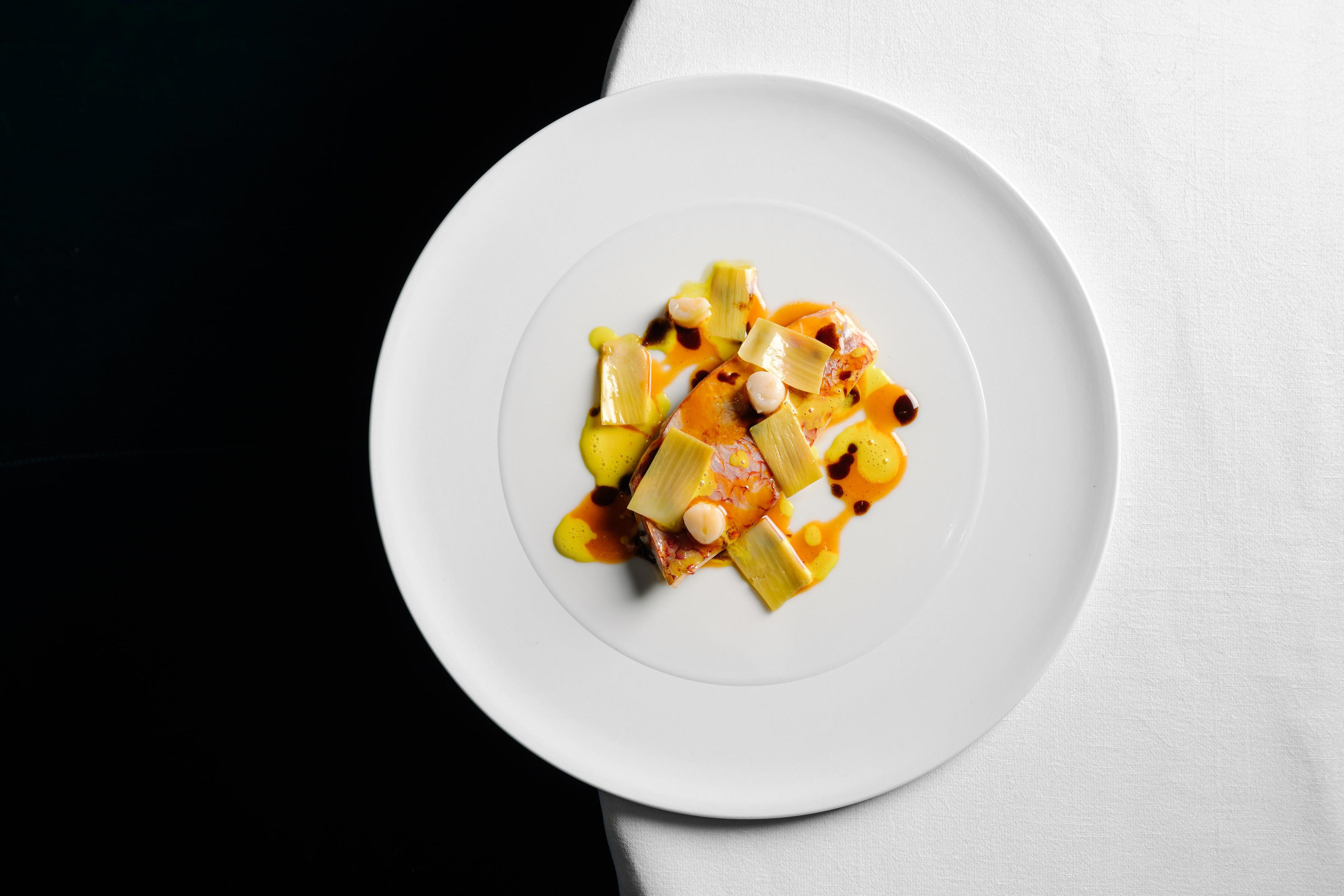
Capet's menu rotates seasonally under chef Armando Álvarez's approach to updated traditional cooking, which means specific dishes change and pinning a single constant recommendation is difficult. The tasting menus, offered in 5 or 8 courses, are where the kitchen's seasonal and global logic is most fully expressed, and the OAD Casual Europe ranking (currently #552 for 2025) reflects consistent execution across the full experience rather than any single plate. The à la carte option exists for those who prefer to compose their own path through the menu.
What should I expect cuisine-wise at Capet?
What does dinner at Capet typically cost?
Pricing at Capet is listed as €€.
Cuisine-First Comparison
A quick snapshot of similar venues for side-by-side context.
| Venue | Cuisine | Price | Awards | Notes |
|---|---|---|---|---|
| CapetThis venue (the venue you are viewing) | Modern Catalan | $50–100 | Michelin Plate · Macarfi 8.5 Food Rating | Not listed |
| Disfrutar | Avant-Garde Catalan Fine Dining | $300–500 | 3 Michelin Stars · World's 50 Best #1 | Progressive, Creative |
| Cocina Hermanos Torres | Modern Spanish Fine Dining | $300–500 | 3 Michelin Stars · World's 50 Best #78 | Creative |
| Lasarte | Modern Basque-Mediterranean Fine Dining | $300–500 | 3 Michelin Stars · La Liste Top Restaurants | Progressive Spanish, Creative |
| Cinc Sentits | Modern Catalan Fine Dining | $150–200 | 2 Michelin Stars · La Liste Top Restaurants | Modern Spanish, Creative |
| Enoteca Paco Pérez | Modern Mediterranean Seafood | $200–300 | 2 Michelin Stars · La Liste Top Restaurants | Modern Spanish, Modern Cuisine |
Recognition history
Dated appearances from independent guides and award organizations, with the underlying list record or original source where available.
Michelin Plate
Michelin
Macarfi 8.5 Food Rating
Macarfi
Opinionated About Dining Casual in Europe Recommended
Opinionated About Dining
Full recognition history (8 entries)
Michelin Plate
Michelin
Opinionated About Dining Casual in Europe Ranked #552
Opinionated About Dining
Michelin Plate
Michelin
Opinionated About Dining Casual in Europe Ranked #594
Opinionated About Dining
Opinionated About Dining Casual in Europe Recommended
Opinionated About Dining