Cape Town Social Club
Our verdict
Cape Town Social Club occupies a compact address on Raamstraat in Amsterdam's Jordaan district, where the name alone signals a particular kind of studied informality — part neighbourhood bar, part cultural crossover. The space itself does much of the editorial work, sitting at an intersection of South African influence and Amsterdam canal-house scale that the city's more formal dining circuit rarely attempts.

Pearl is the En Primeur Club membership app — saves, bookings, and concierge access live there. Same editors, same standards.
- Address
- Raamstraat 27, 1016 XL Amsterdam, Netherlands
- Phone
- +31644759720
- Hours
- Mon–Wed ClosedThu–Fri 6 PM–12 AMSat 12:30–2:30 PM, 6 PM–12 AMSun Closed
- Website
- capetownsocialclub.com
- Directions
- Get directions
The menu
What to order
- Cape Malay Mackerel
- Bunny chow
- Short rib
A Name That Positions Itself
Amsterdam's Jordaan neighbourhood has long operated on a particular logic: narrow streets, ground-floor premises that shift between residential and commercial without ceremony, and a social culture built around places that feel like extensions of someone's living room rather than designed destinations. Raamstraat, a short canal-adjacent street in the western Jordaan, fits that pattern closely. Cape Town Social Club at number 27 carries a name that does specific work — it signals South African reference, a social rather than gastronomic register, and the word "club" in a way that suggests membership by disposition rather than formal entry.
In a city where the upper tier of creative dining is occupied by places like Ciel Bleu, Flore, Spectrum, and Vinkeles — all operating at €€€€ price points with full tasting-menu formats, Cape Town Social Club occupies a different register entirely. It is not competing with Michelin-starred creative kitchens. It is competing with the idea of a good evening, which is a different and arguably harder category to win.
The Physical Container
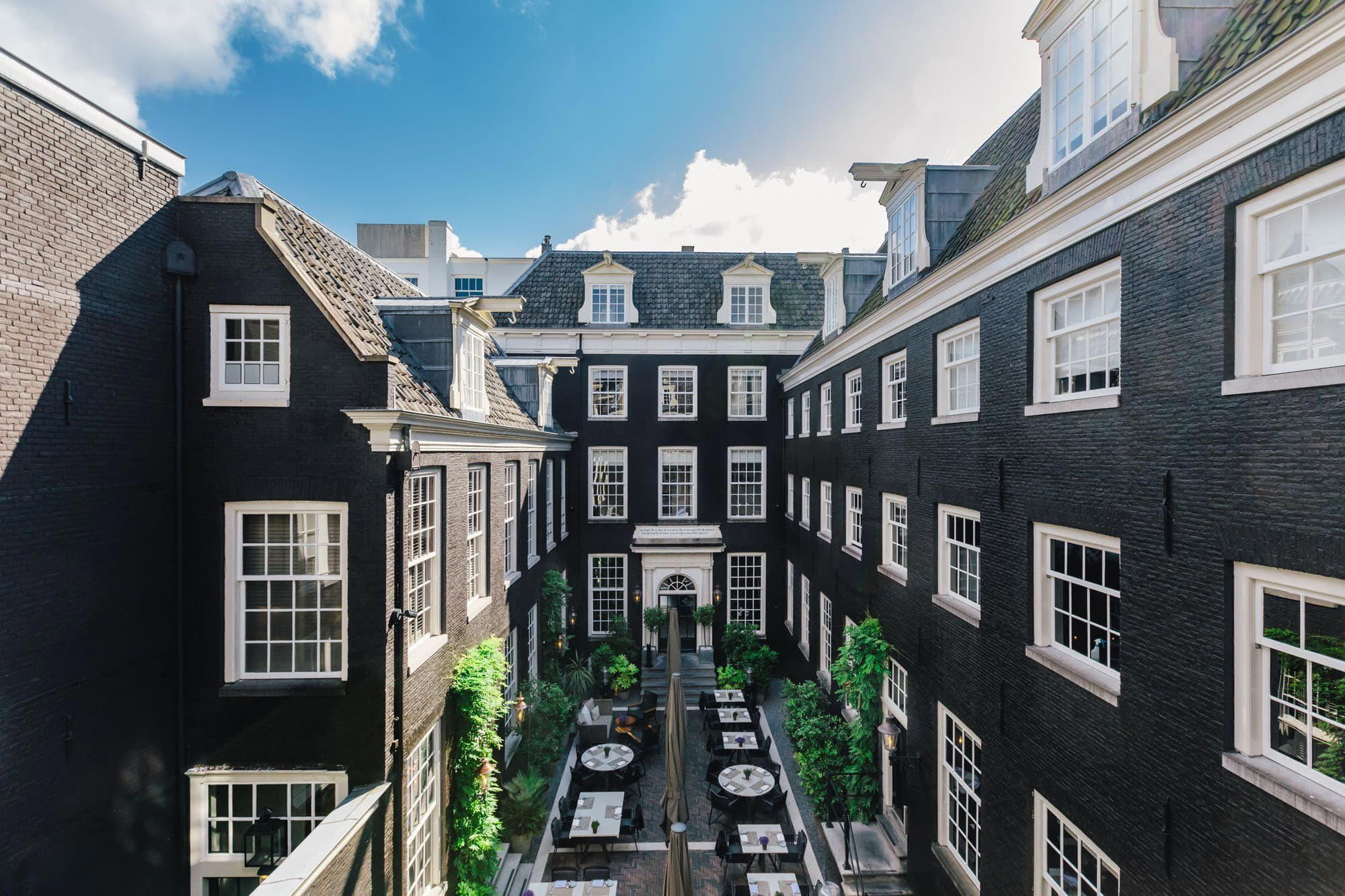
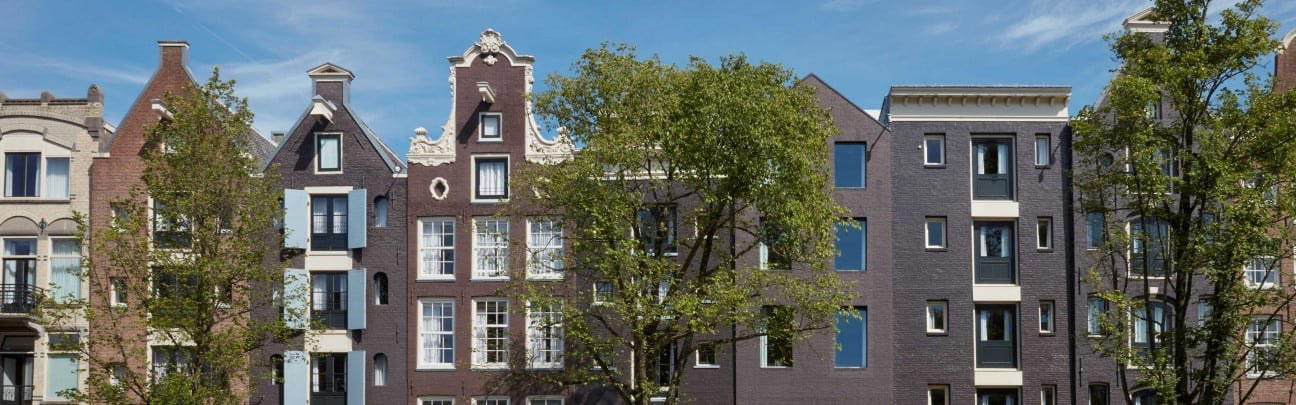
Canal-house architecture imposes specific constraints on any Amsterdam venue: low ceilings, narrow frontages, floor plans that run deep rather than wide, and windows that look directly onto the street at near-pedestrian height. These are not limitations a designer can simply override; they shape what a space can be. The better venues in the Jordaan work with that constraint rather than against it, and the result tends to be rooms that feel immediate and close rather than grand.
Cape Town Social Club at Raamstraat 27 sits inside that Amsterdam typology. The address suggests a ground-floor premise of the kind common to the western Jordaan, the sort of space where the gap between the street and your table is measured in steps rather than corridors. In cities like Amsterdam, where interior volume is scarce and planning rules limit dramatic architectural interventions, the quality of a room tends to show in its material choices and its lighting decisions rather than in any sweeping gesture. South African design vocabulary, when it appears in European spaces, often draws on earthier material palettes, terracotta tones, raw textures, wood that reads warm rather than Scandinavian-cool, and a name like Cape Town Social Club implies some version of that visual grammar, even if the specific realisation is its own thing.
For context on what a well-considered small dining room can accomplish at a comparable neighbourhood scale, Bistro de la Mer in Amsterdam demonstrates how a focused interior proposition can anchor a venue's identity as firmly as its menu. The principle holds across the city's mid-tier hospitality: in rooms this size, every surface decision is also a hospitality decision.
What the Name Signals About the Food
South African cuisine as it appears in European contexts tends to occupy one of two modes. The first is the braai-centred, meat-forward mode that translates relatively easily into urban bar formats, fire, smoke, and sharing plates that read as casual across cultural boundaries. The second is the more complex post-apartheid Cape Malay and Afrikaner fusion tradition, which involves spice profiles, slow-cooked techniques, and a layering of cultural reference that takes more work to communicate to a non-South African audience.
A venue that positions itself as a "social club" rather than a restaurant is making a choice about which of those registers to occupy. Social clubs are not places where you go for a 12-course progression; they are places where you go because the room has a particular energy and the food supports rather than dominates the experience. That is a legitimate and often undervalued hospitality position. The most memorable neighbourhood venues in cities like Amsterdam, New York, and San Francisco, from informal counter spots to the kind of communal dinner format that Lazy Bear in San Francisco has developed at a more ambitious scale, often share this quality: the food is serious, but the evening is the point.
At the level of technique and ambition represented by the Dutch fine-dining circuit, where venues like De Librije in Zwolle, Inter Scaldes in Kruiningen, and De Nieuwe Winkel in Nijmegen operate, Cape Town Social Club is a different category of proposition. That is not a criticism; it is a calibration. The Netherlands has a rich and geographically distributed fine-dining scene, with strong regional representations from De Lindehof in Nuenen, De Bokkedoorns in Overveen, Tribeca in Heeze, De Groene Lantaarn in Staphorst, Brut172 in Reijmerstok, De Treeswijkhoeve in Waalre, and De Lindenhof in Giethoorn. Amsterdam's own contribution to that scene is concentrated, serious, and internationally referenced, which makes the existence of more informal, culturally specific venues like Cape Town Social Club a different but complementary part of the city's hospitality picture.
How It Fits Amsterdam's Current Hospitality Moment
Amsterdam has spent the better part of a decade developing an increasingly self-confident restaurant identity, one that no longer orients entirely toward French technique or Scandinavian minimalism but draws more freely on the city's genuinely multicultural population. The city's colonial and trading history created a food culture that absorbed Indonesian, Surinamese, and broader global influences long before that was fashionable. Venues that draw on South African reference are part of a broader pattern of Amsterdam hospitality that takes non-European food cultures seriously as primary inspiration rather than decorative addition.
That positioning has a parallel in what Le Bernardin in New York City represents at the fine-dining end of the cultural-identity spectrum: a venue whose identity is inseparable from a specific cultural and culinary tradition, even when operating far from its geographic origin. Cape Town Social Club operates at a very different price point and ambition level, but the underlying logic, that a venue's cultural specificity is an asset rather than a constraint, is the same.
For those planning a broader Amsterdam dining itinerary, our full Amsterdam restaurants guide maps the city's dining circuit across price points and styles, from Jordaan neighbourhood staples to the tasting-menu tier.
Know Before You Go
- Address: Raamstraat 27, 1016 XL Amsterdam, Netherlands
- Neighbourhood: Jordaan, western Amsterdam
- Phone: Not publicly listed
- Website: Not publicly listed
- Booking: Contact method not confirmed, visit in person or search current listings for up-to-date reservation options
- Price range:, budget accordingly for a neighbourhood social venue in the Jordaan
- Awards: None on record
Frequently asked questions
Where is Cape Town Social Club in Amsterdam?
Cape Town Social Club is located at Raamstraat 27, 1016 XL Amsterdam, Netherlands, Amsterdam.
How does Cape Town Social Club's location on Raamstraat compare to other Jordaan dining destinations in Amsterdam?
Raamstraat 27 sits in the southern Jordaan, a stretch that mixes long-standing local bars with a newer wave of internationally inflected hospitality concepts. The address places Cape Town Social Club within walking distance of the neighbourhood's canal-house restaurant corridor, giving it access to Jordaan foot traffic without the tourist concentration of the Negen Straatjes. For Amsterdam visitors building an evening around the area, the location maps naturally onto a broader Jordaan itinerary.
What's the signature dish at Cape Town Social Club?
The venue's name points toward a South African social-club register rather than a single showpiece plate — meaning the format and atmosphere at Raamstraat 27 likely carry as much weight as any individual item on the menu.
Do they take walk-ins at Cape Town Social Club?
Jordaan venues operating in a social-club format tend to be more accommodating of walk-ins than formal tasting-menu restaurants, though Raamstraat 27 is a compact address and peak evenings will fill quickly. Checking ahead is advisable.
What's the defining dish or idea at Cape Town Social Club?
The defining idea is the social-club format itself: a space in Amsterdam's Jordaan where the evening's collective atmosphere is the product, not merely the backdrop. South African hospitality culture historically centres shared tables and extended evenings, and that ethos appears to be what the Raamstraat 27 address is translating for a Dutch context.
Is Cape Town Social Club good for vegetarians?
Amsterdam broadly has one of the stronger plant-forward dining cultures in Western Europe, and Jordaan venues generally reflect that. For confirmed dietary information, check the venue's official channels at Raamstraat 27, Amsterdam.
Is eating at Cape Town Social Club worth the cost?
The Jordaan is a mid-to-upper neighbourhood for Amsterdam dining, where comparable social-format venues typically sit in a range that rewards repeat visits over one-off occasions. The social-club positioning suggests the value equation includes atmosphere and occasion, not only the plate.
A quick peer list to put this venue’s basics in context.
| Venue | Cuisine | Price | Awards | Notes |
|---|---|---|---|---|
| Cape Town Social ClubThis venue — the venue you are viewing | Cape Fusion | $100–150 | Not listed | Not listed |
| Ciel Bleu | Modern French Fine Dining | $200–300 | 2 Michelin Stars · La Liste Top Restaurants | Creative |
| Bolenius | Modern Dutch Farm-to-Table | $100–150 | 1 Michelin Star · We're Smart World Top 100 #18 | Modern Dutch, Creative |
| De Kas | Seasonal Farm-to-Table Fine Dining | $50–100 | 1 Michelin Star · Star Wine List | Organic |
| Wils | Michelin-Starred Fire-Cooked Modern European | $100–150 | 1 Michelin Star · We're Smart World 4 Radishes | World Cuisine |
| BAK | Modern European Fine Dining | $50–100 | Michelin Plate · Star Wine List | Not listed |
Continue exploring
More in Amsterdam
Restaurants in Amsterdam
Browse all →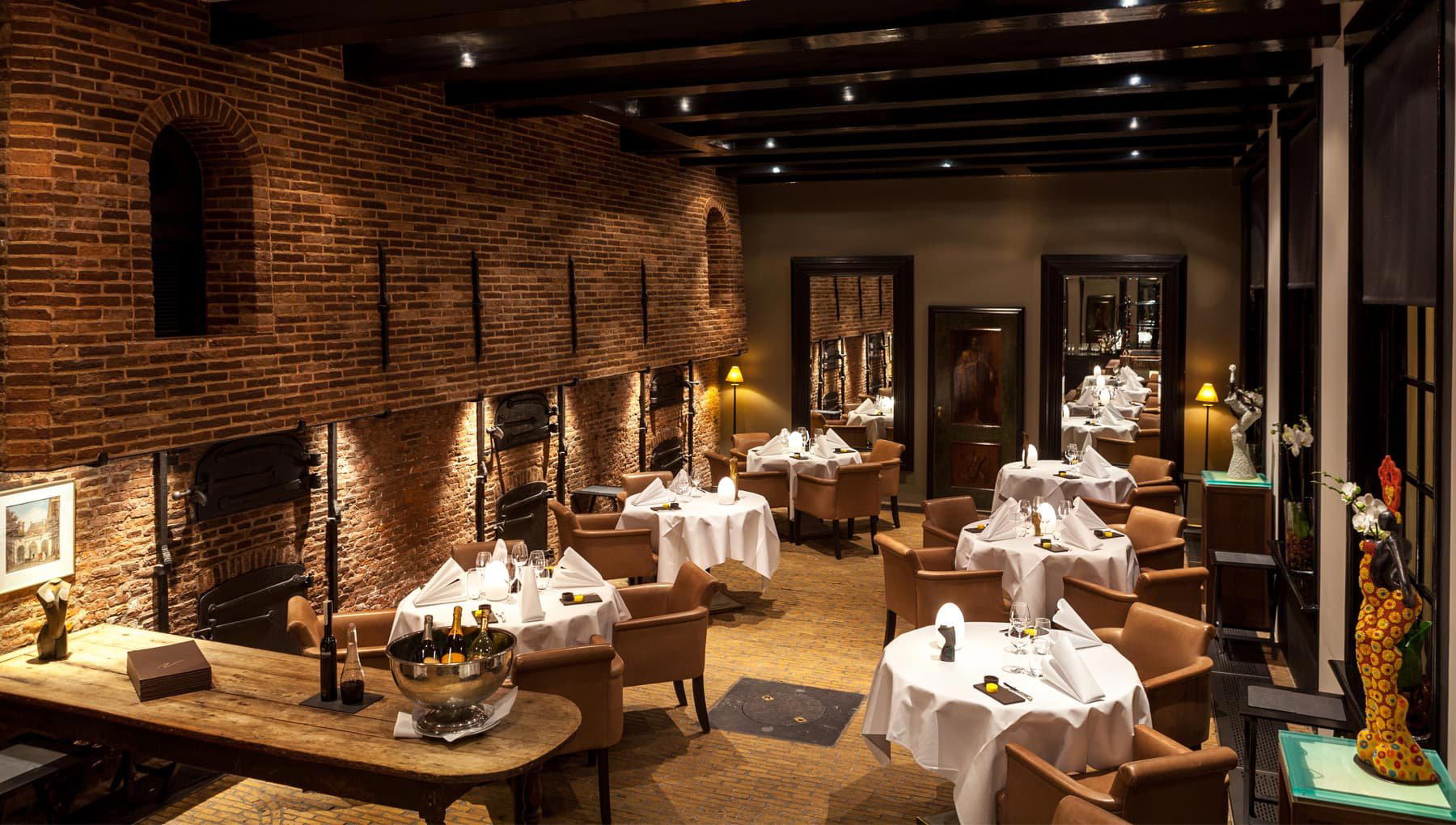
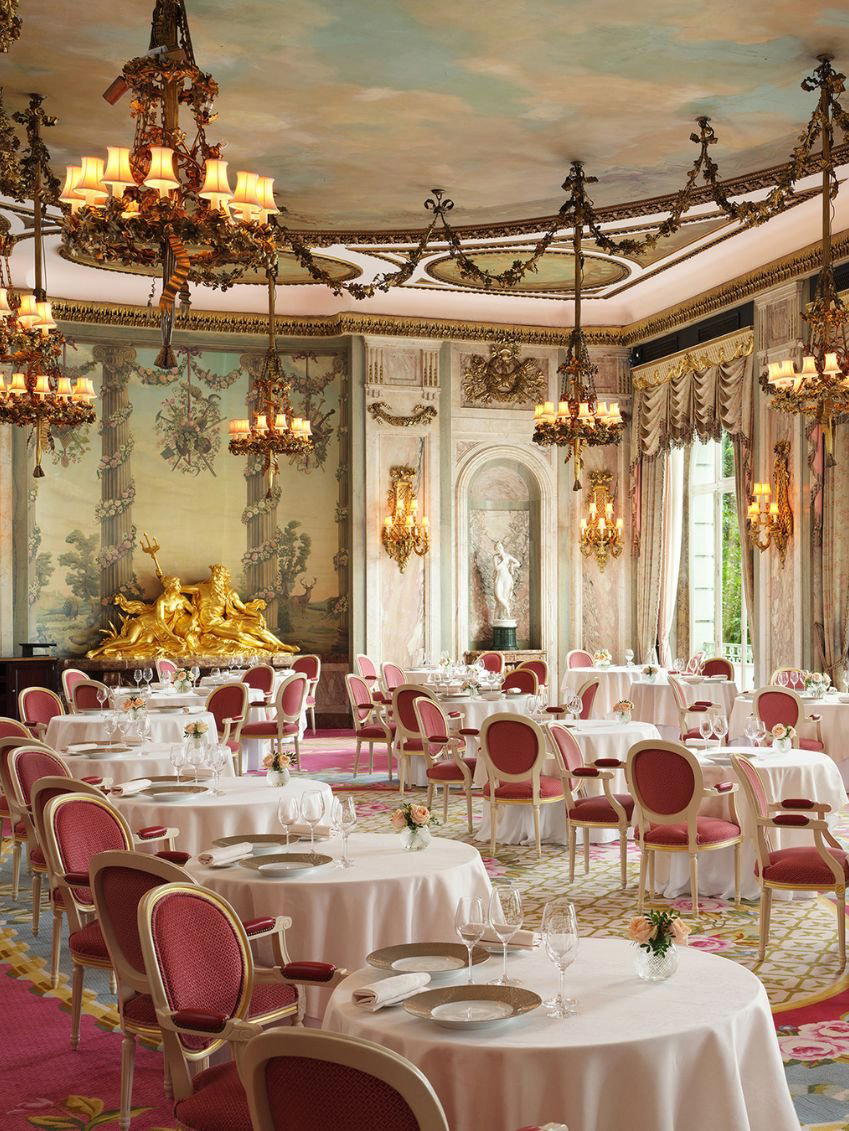
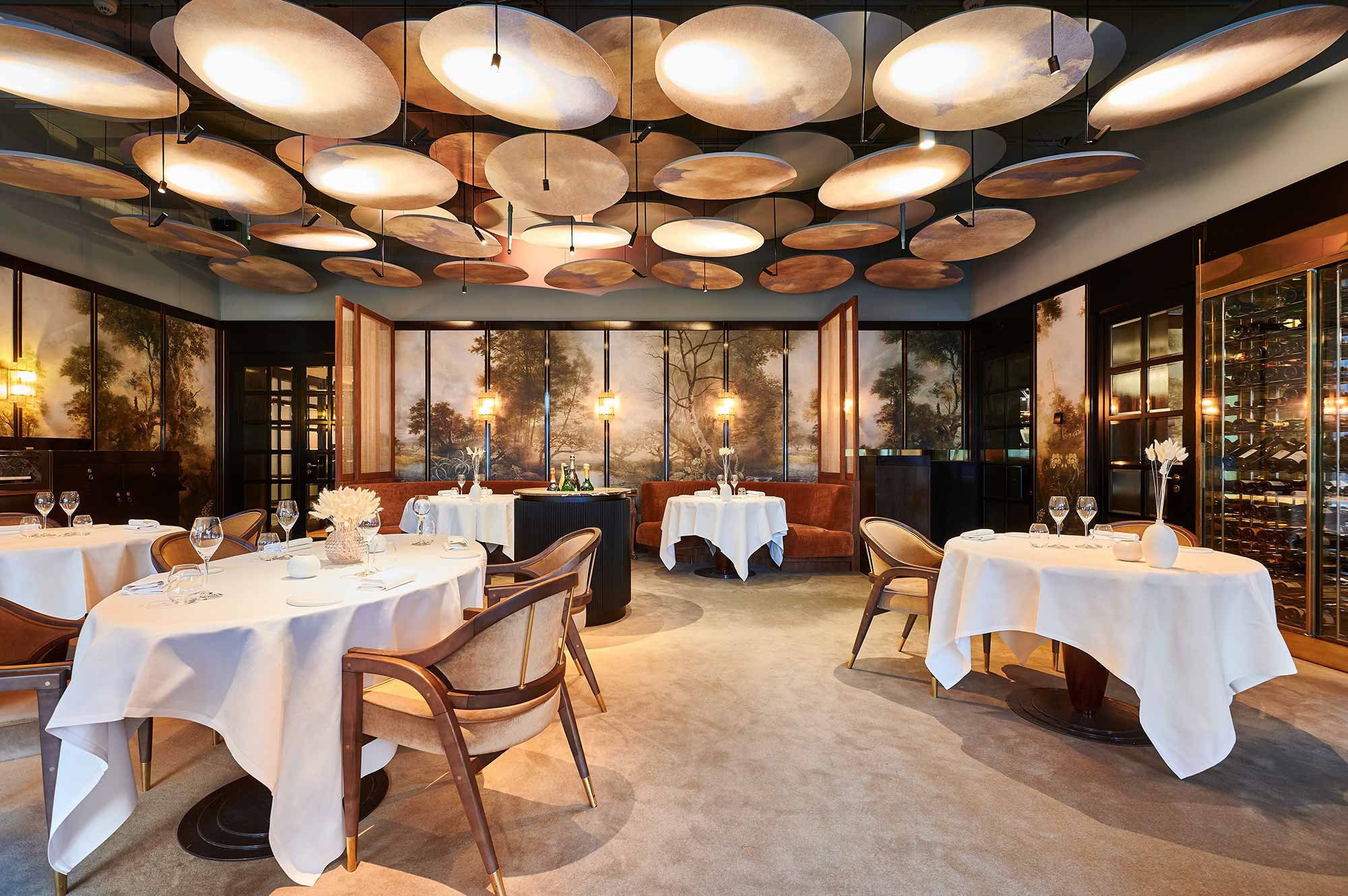
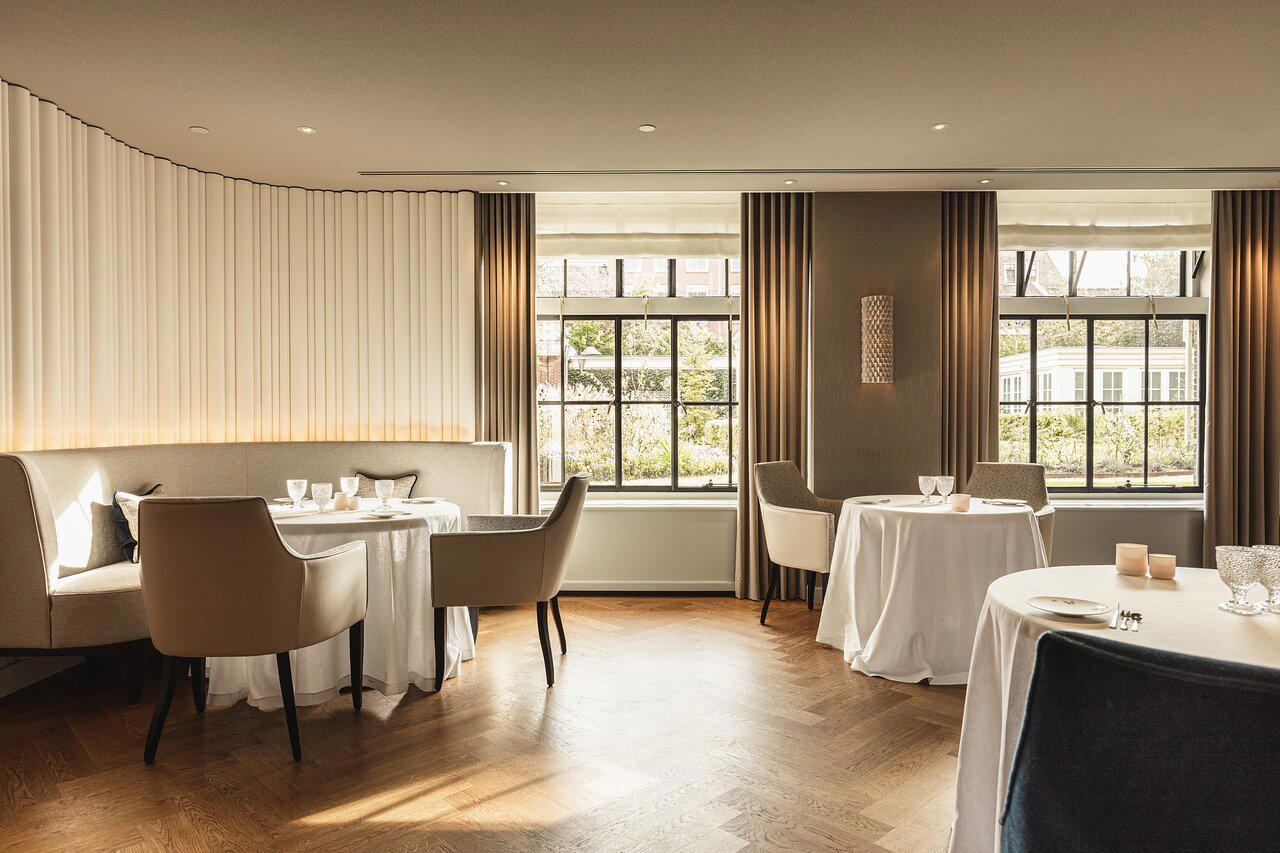
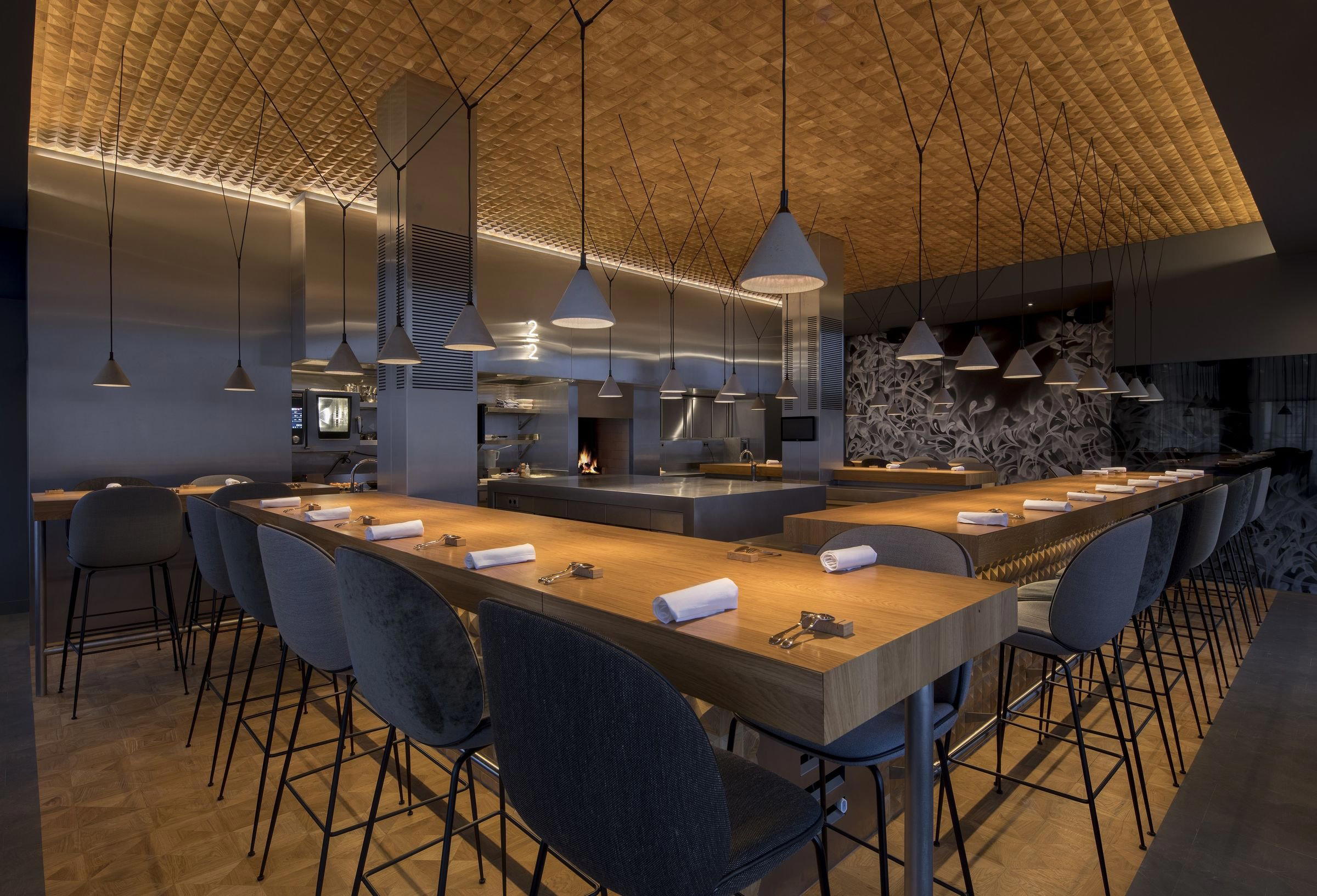
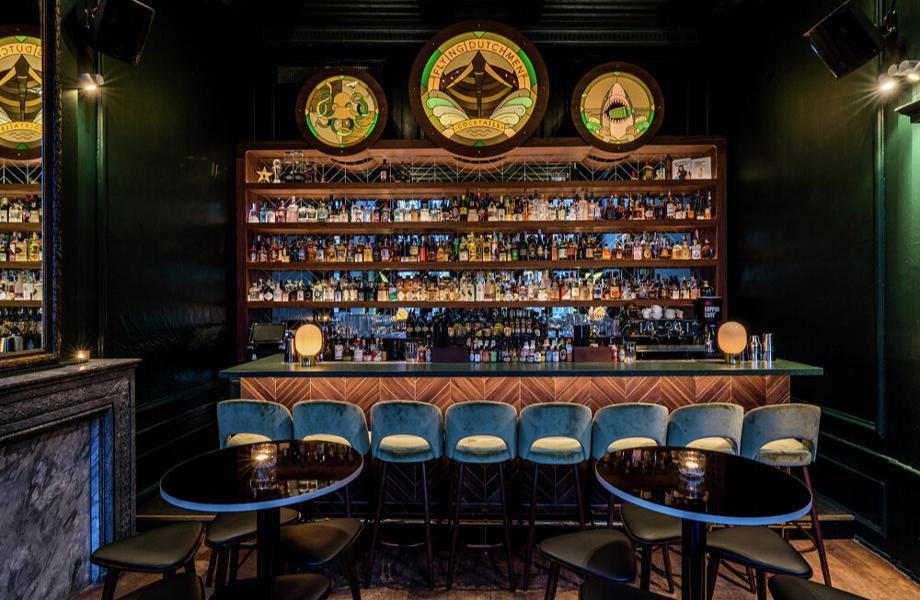
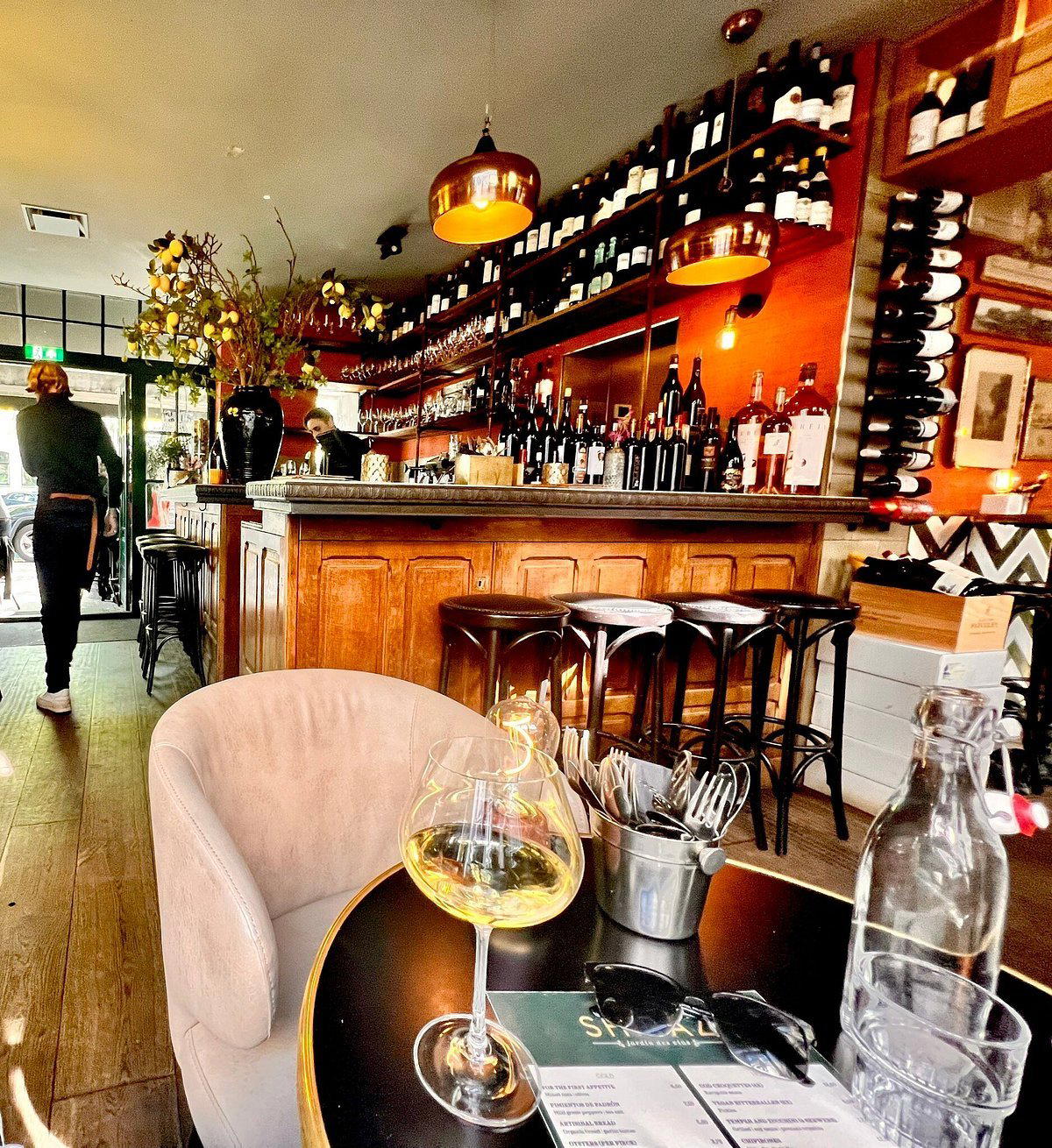
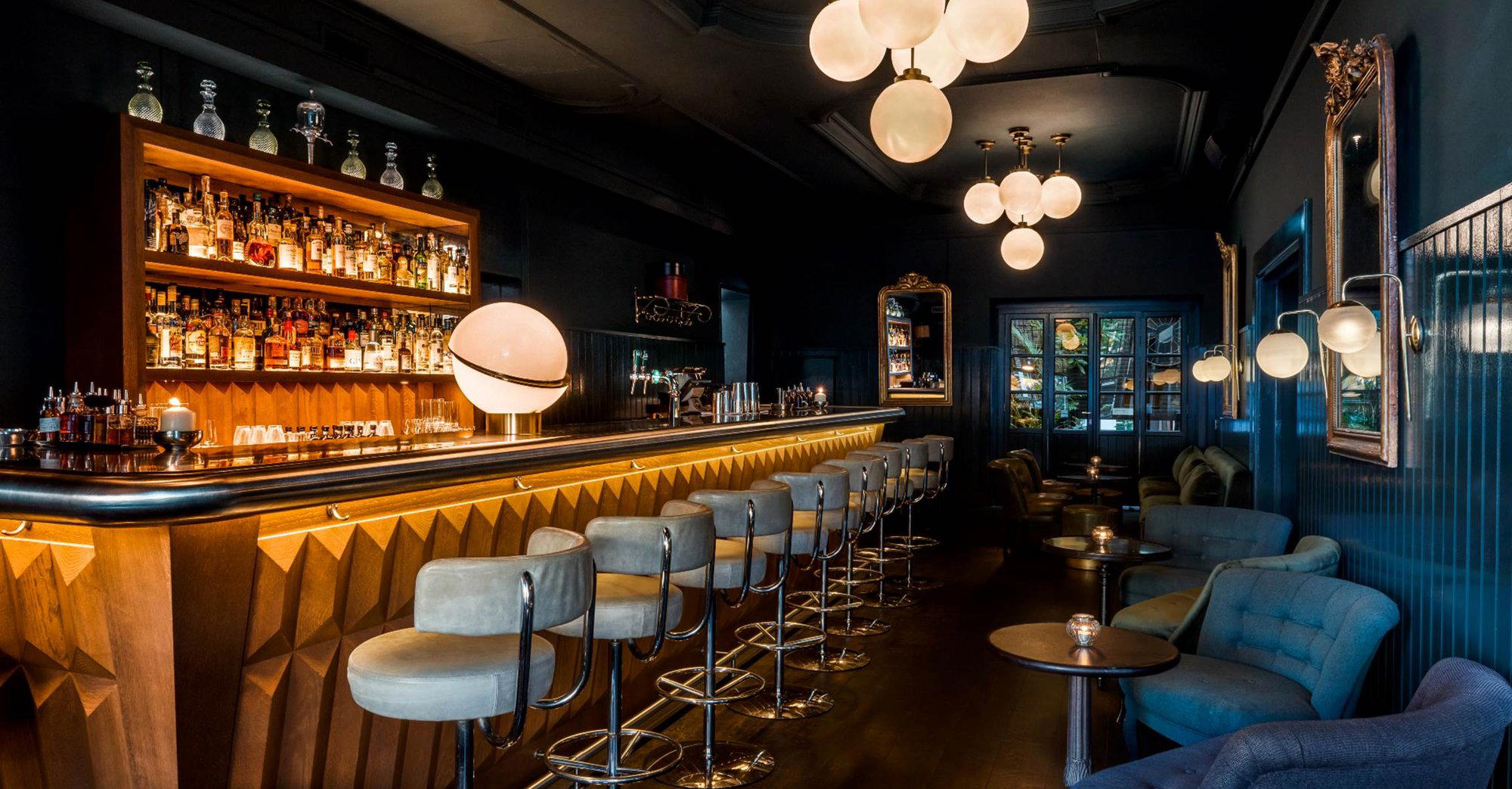
Bars in Amsterdam
Browse all →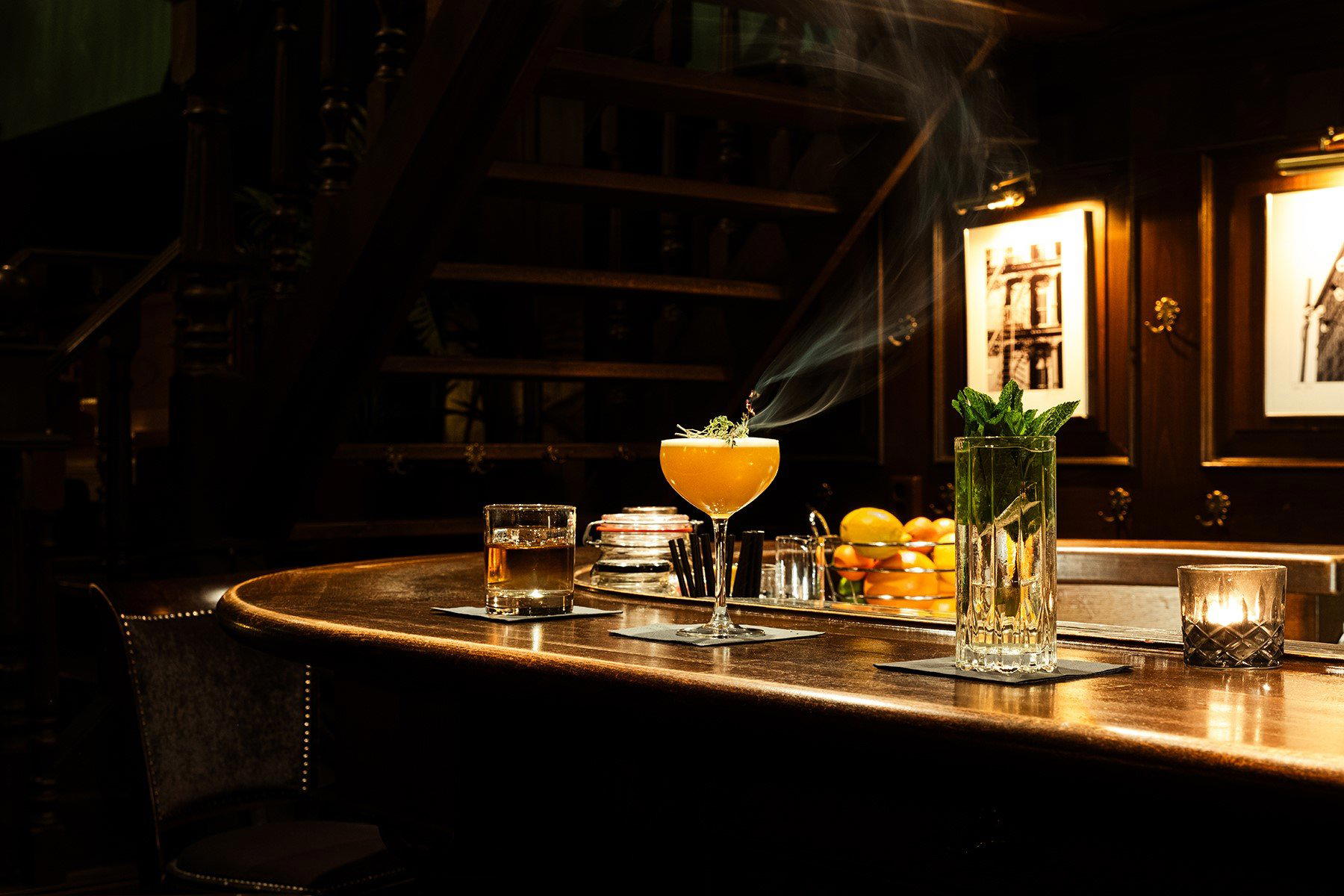
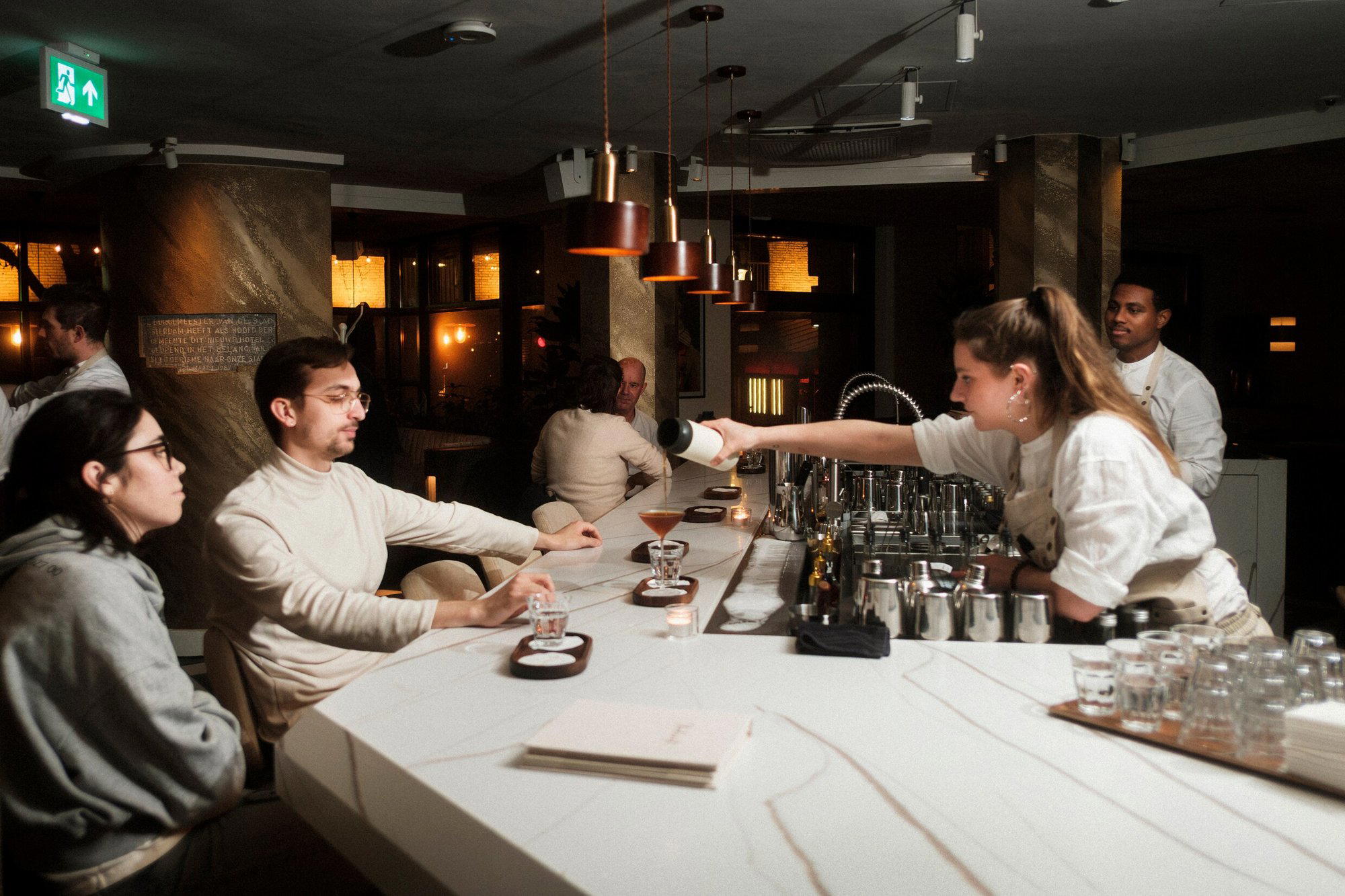
Hotels in Amsterdam
Browse all →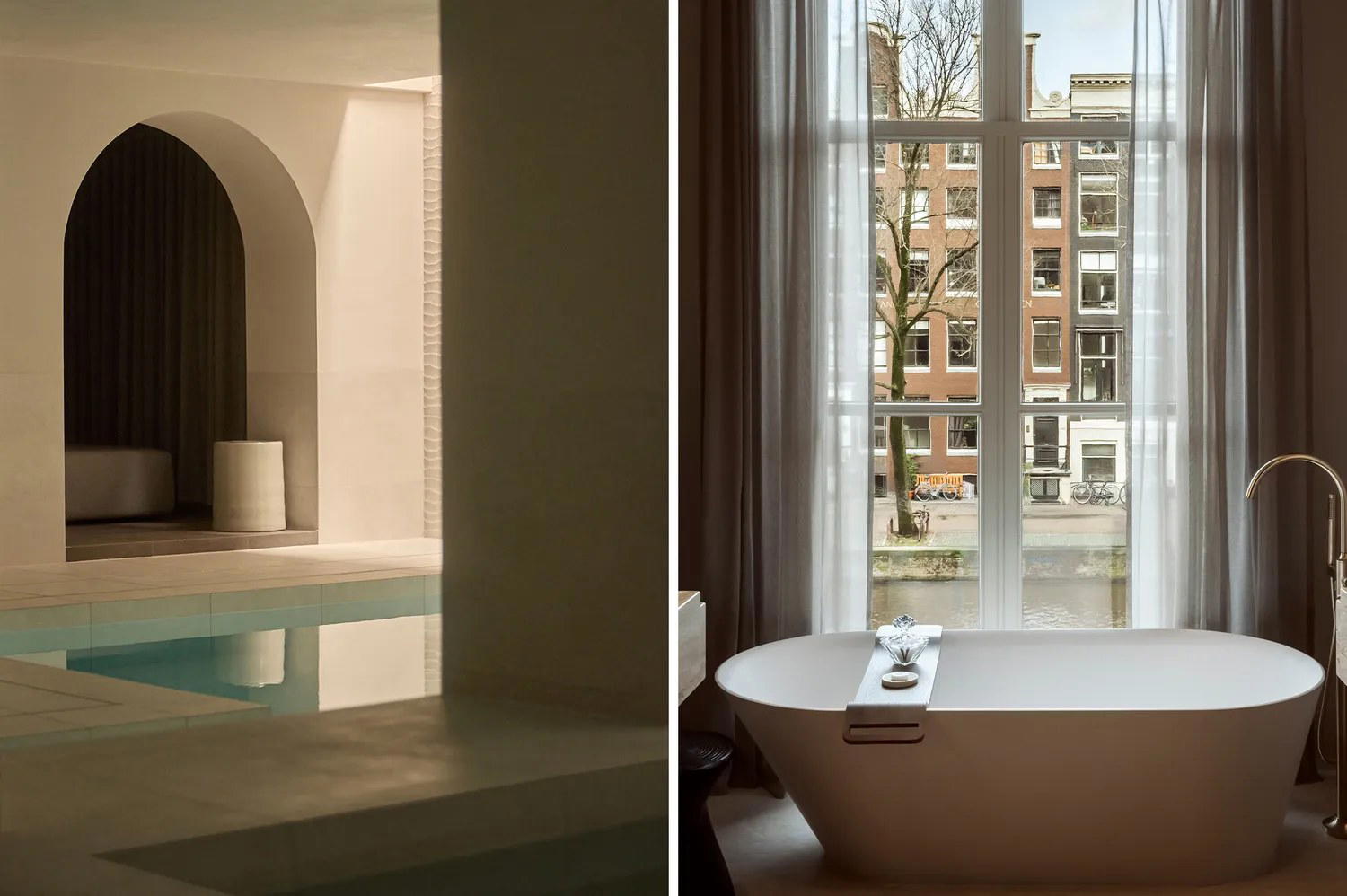
Wineries in Amsterdam
Browse all →
Cape Town Social Club
The wine
- Wine program
- Curated wine list
- Extensive wine list
Details
- Cozy
- Sophisticated
- Trendy
- Date Night
- Special Occasion
- Business Dinner
- Open Kitchen
- Extensive Wine List
- A La Carte
- Prix Fixe
- Wine
- Vegetarian Friendly
Current opening hours
- Monday
- Closed
- Tuesday
- Closed
- Wednesday
- Closed
- Thursday
- 6 PM–12 AM
- Friday
- 6 PM–12 AM
- Saturday
- 12:30–2:30 PM, 6 PM–12 AM
- Sunday
- Closed
Hours can change for holidays and private events. Last verified .
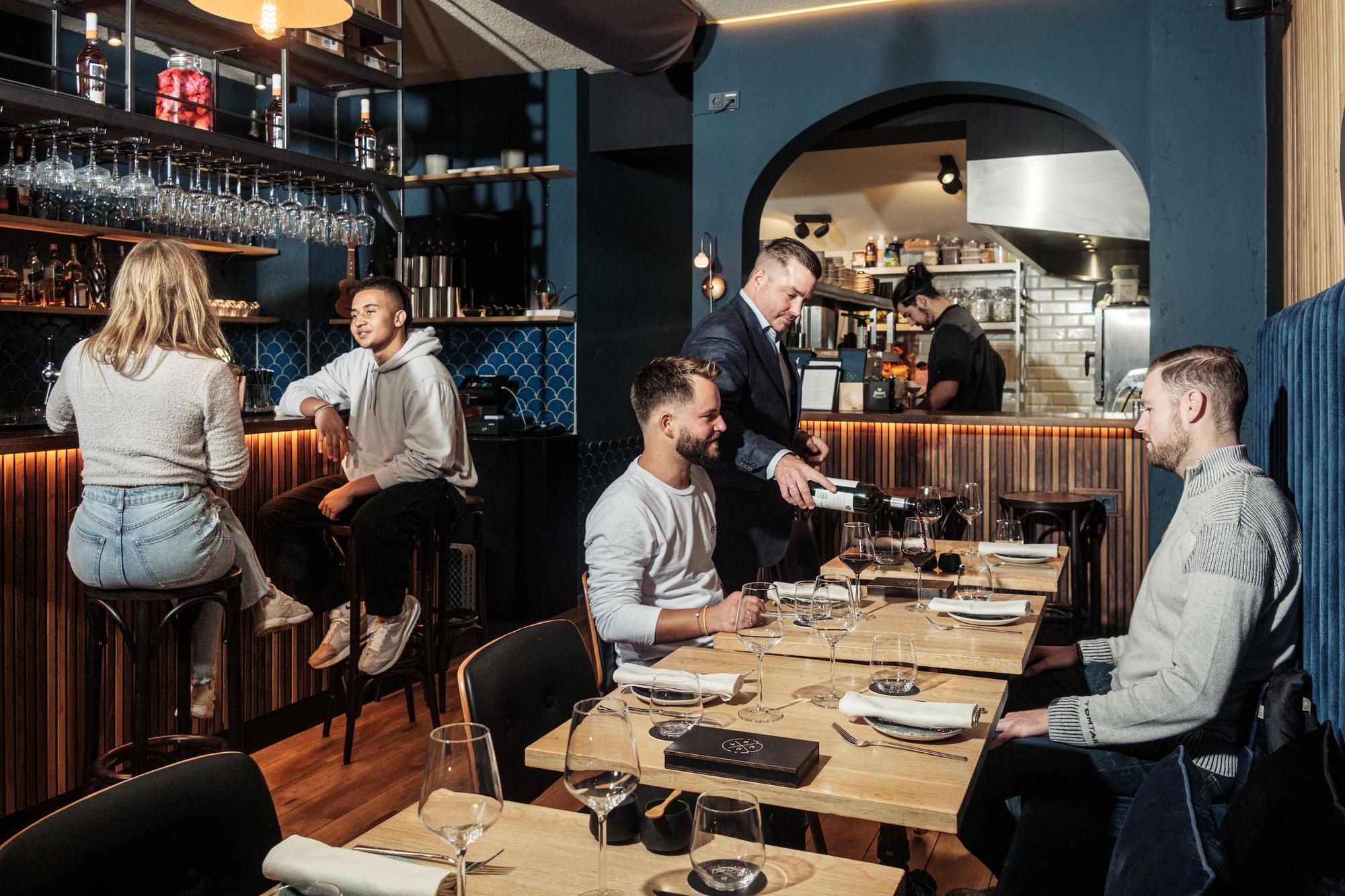
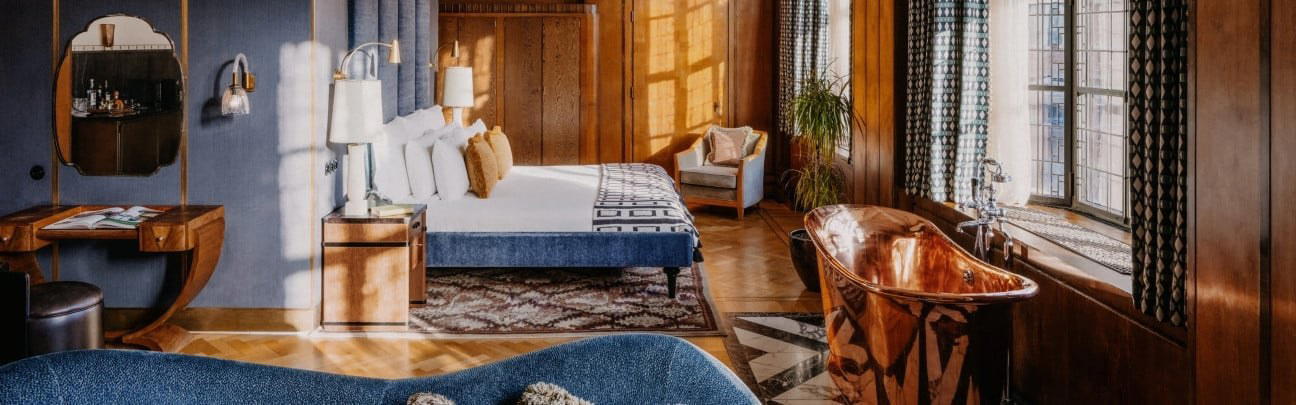
Small, cozy deep blue dining room with gold lamps, wooden details, plush cushions, open kitchen, lounge music, and welcoming mystique.